
Embarking on an adventure in the Manaus rainforest isn’t just a thrilling experience—it’s also a serious undertaking that demands careful planning and preparation. The lush beauty of the jungle hides many dangers, from unpredictable weather to unfamiliar wildlife. That’s why having the right emergency supplies is not just recommended; it’s essential for your safety. Picture yourself knee-deep in vibrant foliage, when suddenly, a sudden downpour soaks you through. Are you ready to face those challenges? Understanding what supplies you need can mean the difference between an incredible journey and a trek you’ll never want to repeat. Let’s explore the critical items you should pack to ensure you’re ready for anything this unique environment throws at you.
When preparing for an expedition in the Manaus rainforest, essential emergency supplies include a reliable water purification system, insect repellent, a first aid kit, high-energy food rations, durable clothing suitable for humid conditions, and navigation tools such as a map and compass. Additionally, it’s crucial to pack a lightweight emergency shelter and a reliable means of communication for safety.
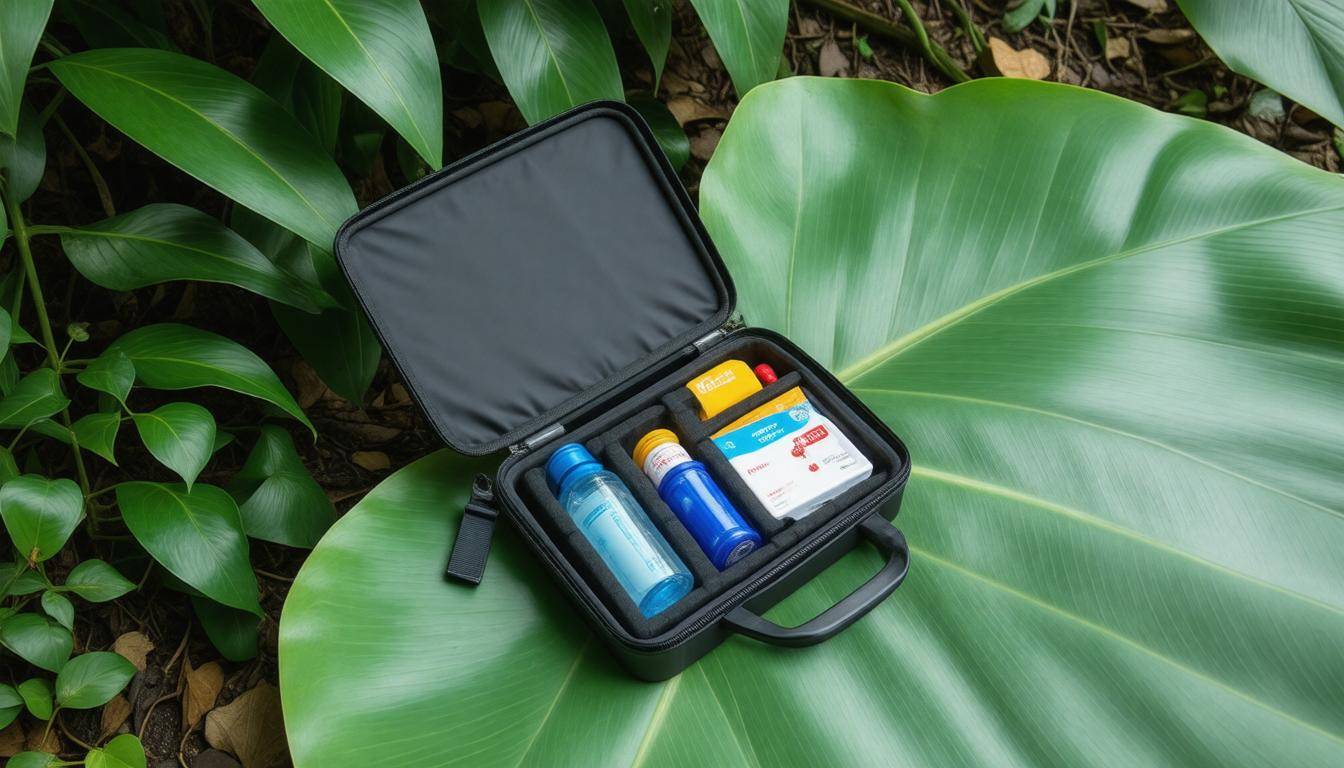
Essential Emergency Supplies for Manaus Rainforest
The Manaus rainforest demands respect and preparation. Among the critical items to carry are high-calorie energy bars, which provide essential fuel when you’re trekking through challenging terrain. This is not just about convenience; these bars offer a quick source of energy when you’re on the move. In humid conditions like those in the rainforest, you’ll burn calories quicker than you think, so having something easily accessible is vital.
Equally important is clean drinking water. Carrying water purification tablets is a smart strategy. They’re compact, lightweight, and can make any freshwater source safe to drink. In an environment where hydration is crucial, using these tablets transforms murky water into a lifesaver. Just remember to give it time: most require a short waiting period before the water is deemed safe.
Imagine finding yourself caught in unexpected rain or simply feeling chilled after an afternoon in the shade. An emergency blanket becomes a valuable asset here; its reflective material traps your body heat, keeping you warm and preventing hypothermia when temperatures drop unexpectedly during the evening hours. They’re incredibly compact and easy to stow away in your pack until needed.
The multi-tool with knife, pliers, and saw is another must-have for Amazonian adventurers. Multifunctional tools save weight; instead of packing multiple pieces of equipment, this single item covers many bases, from repairing gear to opening food packages or cutting branches for shelter.
No forest trip would be complete without fire-making supplies. A fire-starting kit, especially one that includes waterproof matches and a reliable lighter, ensures you can ignite a fire regardless of wet conditions. Fire serves not only as warmth but also as protection against potential wildlife threats and for purifying water if needed.
Additionally, don’t underestimate the utility of paracord or strong rope. Whether it’s securing a tarp for shelter, making repairs on gear, or even creating makeshift solutions in emergencies, this versatile tool has limitless applications. Likewise, having a flashlight with extra batteries caters to safety—it’s not just about visibility when darkness falls; it’s also essential for signaling help if required.
And let’s not forget about pesky insects! Insect repellent with DEET protects against bites that can lead to diseases such as malaria or dengue fever. Spray yourself down generously before entering the forest; trust me—the last thing you want is to be distracted by relentless buzzing while trying to stay focused on your journey.
Weather in the rainforest can shift rapidly; packing a compact, lightweight rain poncho will keep you dry during sudden downpours without weighing you down. This simple garment can save you from discomfort and potential health risks arising from prolonged exposure to wet conditions.
Finally, keeping connected is vital, even in remote areas. A solar-powered or hand-crank emergency radio allows you to listen for weather updates or alerts about natural disturbances that may affect your area or reveal safe passages.
With these essentials at your disposal, you’ll be well-equipped for the unpredictability of nature. Next, let’s explore how to choose the ideal carrier for these supplies on your journey.
Selecting the Right Backpack
Selecting the right backpack is more than just a fashion statement; it’s about functionality and comfort, especially when navigating through dense foliage and unpredictable weather. The ideal backpack doesn’t merely hold your belongings—it’s designed to support you during physically demanding activities while keeping essential items safe and easily accessible. Choosing a quality backpack is crucial as it will serve as your primary means of carrying essentials, sometimes for longer than you might expect.
Opt for a backpack with a capacity of at least 50 liters if you are planning on a multi-day adventure. This size comfortably accommodates not only food, water, and hiking gear but also any additional emergency supplies you might need. Brands like Osprey and Deuter come highly recommended because they offer models featuring adjustable torso lengths, ensuring a custom fit based on your body type. This adjustability is vital for maintaining proper posture and reducing fatigue over long treks.
It’s important to consider the design’s ergonomics. Look specifically for features that enhance comfort such as adequately padded shoulder straps, a sturdy hip belt to distribute some weight off your shoulders, and a sternum strap that further stabilizes the pack across your chest. These elements work together to give you support where it’s most needed, allowing you to carry heavier loads without succumbing to strain or soreness.
Furthermore, during the relentless rains typical of the rainforest, ensure your chosen backpack has waterproof compartments or comes with a rain cover. Protecting your supplies from frequent downpours can be a game changer in this environment where moisture is a constant threat.
With your new backpack selected and organized effectively, you can now shift your focus to another critical aspect of survival: sourcing essential nourishment and hydration in challenging conditions.
Dealing with Food and Water Scarcity
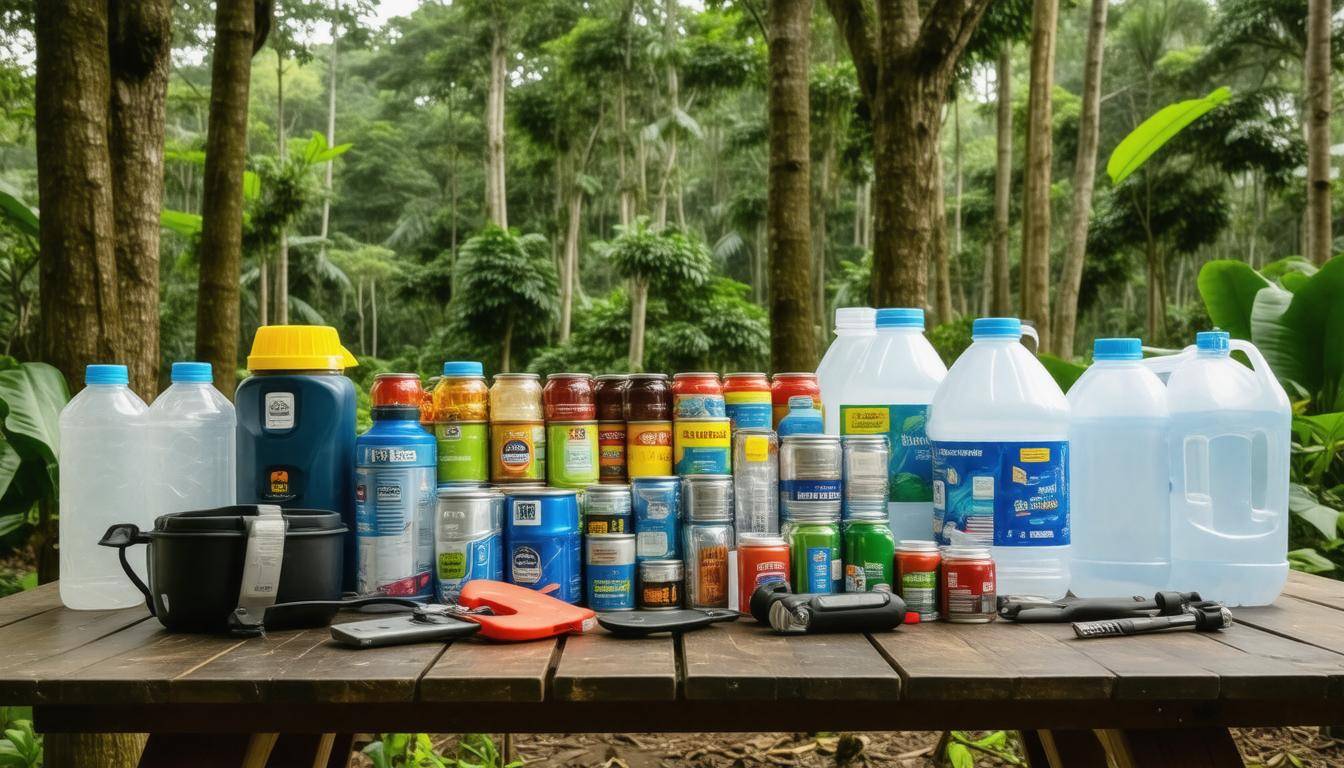
Food and water scarcity can quickly turn a survival situation from uncomfortable to dangerous. In the heart of the rainforest, you’ll find access to fresh water is not always guaranteed. However, knowing how to source your own can make a world of difference.
One of the most effective methods to find water is by collecting rainwater during downpours or locating freshwater streams. If you have a bandana or a piece of cloth, use it to filter out debris from the collected rainwater or stream water; this simple step can save you from drinking contaminated water.
Carrying a lightweight, portable water filter system, like the LifeStraw, is highly recommended as it can purify water from almost any source efficiently. Having this in your emergency supplies can provide peace of mind.
While securing clean water is crucial, understanding local plant life for sustenance becomes equally important. The Amazon rainforest teems with edible plants; for instance, fruits like açaí berries and Brazil nuts are not only nutritious but also relatively easy to spot. It’s vital to exercise caution, however, as some plants can be toxic. Prioritize learning to identify safe-to-eat flora before your trip; local guidebooks or survival training can be immensely helpful.
As you gather food sources, remember one essential rule about water sourcing: always boil any water obtained from natural bodies. This doubles as a purifying method while also providing a means for cooking edible plants along your journey.
To further prepare yourself, familiarize yourself with less commonly known local flora that may still be safe and nourishing. Some plants might look appealing but harbor toxins that can lead to unfortunate consequences if ingested. Engaging in thorough research before your trip can arm you with vital knowledge about what to look for amidst the wilderness.
Pack generously in terms of food supplies while remaining mindful of weight—dried fruits or nut mixtures can be excellent choices. Pair these with your newfound skills in identifying sustainable food options; this combination creates a robust plan that allows you to effectively navigate the challenges of scarcity in the rainforest environment.
With a solid understanding of food and water sourcing strategies, you will enhance your preparedness for any adventure ahead. Next, we will explore critical items that ensure your safety and well-being throughout your journey.
Recommended Food and Water Supplies
When preparing for an extended stay in the Manaus Rainforest, it’s vital to choose food and water supplies that are both lightweight and nutrient-dense. Your choices will influence how much baggage you carry and affect your stamina and overall health during your adventure. For instance, look into options like dehydrated meals, which are easy to pack, require minimal cooking, and can provide well-rounded nutrition to keep your energy levels up.
| Item | Quantity | Duration |
|---|---|---|
| Water Purification Tablets | 50 tablets | Purifies 50 liters |
| Dehydrated Meals | 10 packets | 10 days |
| High-Calorie Bars | 20 bars | 5 days |
| Portable Water Filter | 1 unit | Daily use potentially limitless |
Each of these supplies is crucial for various reasons. Water purification tablets are a game changer when you’re unsure about the safety of local water sources. Just imagine being away from civilization and finding yourself unable to drink the nearby river water—having these tablets can turn potentially harmful water into clean drinking water in minutes.
Similarly, a portable water filter is indispensable; it’s efficient and can provide an almost endless supply of safe drinking water, making it easy to stay hydrated throughout your journey.
As for solid food, dehydrated meals like Mountain House or Peak Refuel are often recommended because they pack a powerful punch of nutrients in a lightweight format. Each packet usually contains everything from proteins to carbohydrates, designed specifically to fuel long expeditions without weighing you down. Pair these with high-calorie energy bars—think of them as compact snacks that offer a quick burst of energy when you need it most.
Balancing variety and nutritional value is essential as you prepare for your time in the rainforest. Next, we’ll explore the vital components needed for effective medical preparedness.
First-Aid Kit Necessities
Injuries in the rainforest can occur abruptly due to slips, trips, or unexpected encounters with wildlife. It’s crucial to have a comprehensive first-aid kit on hand to address these injuries before they escalate. For instance, antiseptics are a must; they aid in disinfecting cuts and scrapes, helping to prevent infections from the insects and microorganisms that thrive in humid environments.
Don’t overlook the importance of bandages and medical tape as you will need them to cover wounds adequately. Additionally, having tweezers handy can make a significant difference when it comes to removing splinters or ticks, both of which are common in forested areas. Moreover, a tourniquet is vital for serious situations where excessive bleeding may occur. It’s important to familiarize yourself with these items because knowing how to use them effectively can literally be a matter of life or death.
Furthermore, consider packing medications for common ailments like diarrhea, fever, and allergies since these can strike without warning when you’re deep in the jungle. For example, travelers often underestimate how quickly gastrointestinal issues can arise from changes in water and food sources. Having personal medications readily available will help mitigate symptoms and keep you functioning during your expedition.
A seasoned explorer once shared, “Having a well-stocked first-aid kit saved me when I got a deep cut hiking through dense underbrush.” His experience strongly illustrates the unpredictability of the rainforest environment, highlighting why direct access to medical supplies is critical for anyone venturing into such wild territories.
If you’re feeling particularly adventurous or if your planned activities carry higher risks—like climbing or navigating tricky terrain—consider including a small surgical kit. This should only be done if you possess the appropriate training to utilize it effectively. Improper handling of surgical tools could do more harm than good, so weigh your options wisely and ensure that any additional items are suited to your level of expertise.
With these essential medical supplies on hand, you’ll be better prepared for any unexpected challenges. Let’s now explore the practical tools that are indispensable for navigating the wilderness effectively.
Essential Tools for Survival
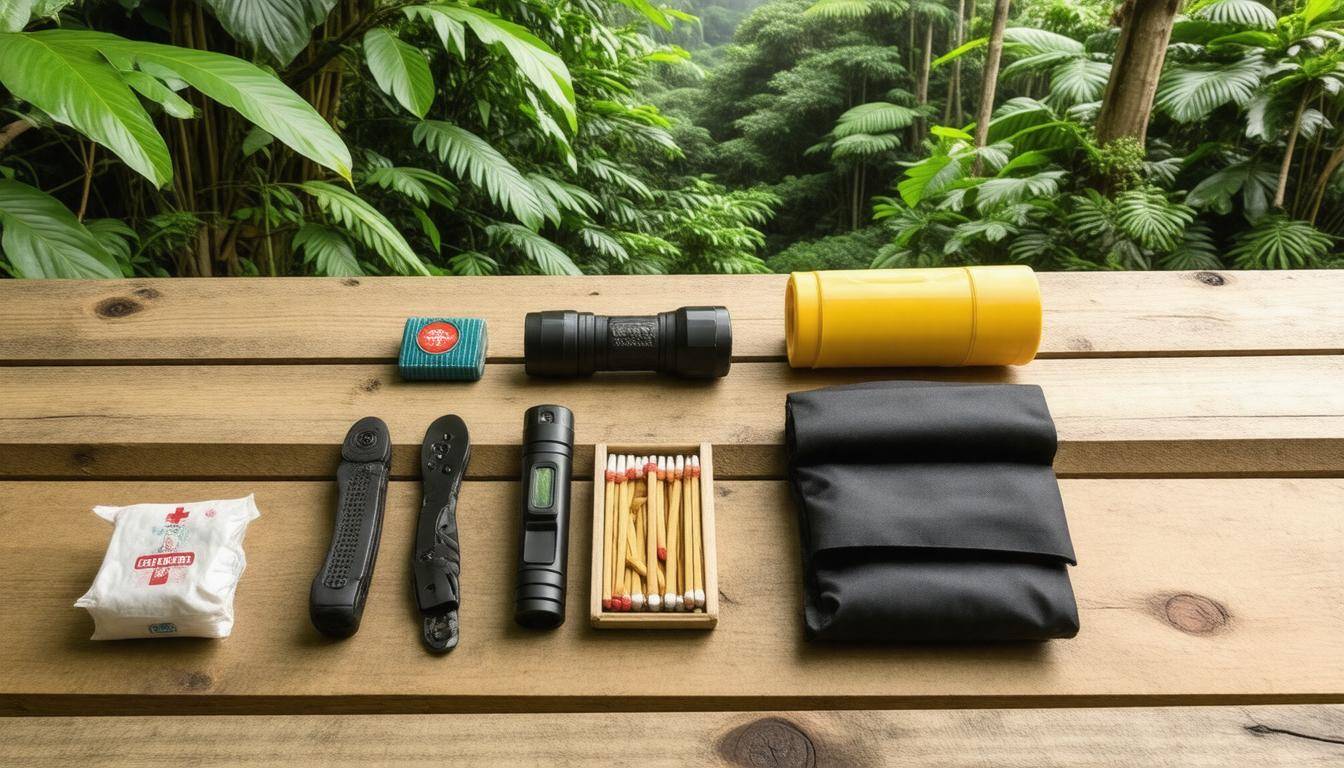
The importance of survival tools cannot be overstated in a setting as unpredictable as the Manaus rainforest. A quality multi-tool is an excellent starting point; it combines essential instruments like a knife, scissors, and screwdriver into one compact design. This not only reduces your load, making it easier to carry through dense foliage, but it also significantly increases your versatility. You might find yourself needing to whittle a branch, cut through tough vines, or make minor repairs on-the-go. It’s comforting to know that something as simple as a multi-tool can handle so many tasks.
Two standout options are the Leatherman Wave and the Gerber Suspension. Both are renowned for their durability and multifunctionality. With features ranging from pliers to wire cutters, these tools can become indispensable in various situations—whether you need to catch food or create shelter. Just imagine being able to tackle multiple tasks without reaching into your bag for a dozen different tools!
Remember: When choosing a multi-tool, prioritize functionality over aesthetics.
Beyond multi-tools, other essential items come to mind. A reliable fire starter, like waterproof matches or a ferrocerium rod, can save you in damp conditions. Fire isn’t just about comfort; it’s vital for warmth, cooking food, and signaling for help if needed. Just think about moments spent huddled under the canopy during a sudden downpour—not having easy access to fire could lead to exposure risks.
Lighting Up the Darkness
Speaking of vital elements, consider adding a high-quality flashlight or headlamp to your arsenal. In the rainforest, daylight can disappear rapidly, especially under heavy tree cover. A flashlight with adjustable brightness levels allows you to conserve battery when navigating close ranges while still providing ample light for longer distances. Moreover, look for models that are water-resistant; they will withstand tropical storms better than standard flashlights.
These tools ensure you’re equipped for navigation after sunset or during gloomy days when the sky is obscured by clouds. Being caught in an unfamiliar area without guidance can lead to accidents or mishaps; hence having appropriate lighting is crucial.
While tools and lighting are critical, equally important is ensuring you have the right protective clothing and gear before venturing deeper into this lush wilderness.
Weather and Environmental Preparedness
The weather in the Manaus rainforest is like a fickle friend; it can shift from sweltering heat to sudden torrential downpours in moments. Being mentally prepared means having the right gear to adapt quickly. First and foremost, moisture-wicking clothing is vital to keep you comfortable by managing perspiration without compromising dry comfort during unexpected rain showers. When those clouds roll in, it’s also smart to have a lightweight hat that offers shade from the sun and a poncho ready at hand to shield you from getting soaked.
As day turns to night, the rainforest truly reveals its unpredictable nature.
After dusk, temperatures can drop rapidly, which can catch the unprepared off guard. This is where an emergency thermal blanket can be a lifesaver. It doesn’t take up much space in your pack but can retain body heat when cooler night air sets in. To accommodate these temperature fluctuations, layering your clothing becomes crucial. Versatility is your best ally—pack zip-off pants that transition from long pants to shorts easily, along with lightweight long-sleeved shirts that protect against both sunburn and insect bites.
When you’re spending extended periods outdoors in such a varied climate, consider investing in high-quality moisture-wicking base layers and insulating mid-layers that can be combined or removed as conditions change. Think of it as building an adaptive wardrobe rather than simply throwing random pieces into your bag.
Yet, environmental preparedness extends beyond just what you wear; it’s about anticipating potential challenges.
Weather goes hand-in-hand with powerful influences from nature itself. The rainforest is teeming with life, and understanding that wildlife can also impact your experience is key. For instance, while preparing for rainstorms, consider how muddy trails can become hazardous, so sturdy waterproof hiking boots are equally important for navigating through slippery terrain. Furthermore, pack a compact first aid kit equipped with antiseptic wipes and bandages as well as blister care supplies; these are invaluable when trekking through uneven paths where slips might occur.
Having navigation tools—like a reliable compass or GPS device—can further ensure safety while exploring this enchanting yet challenging environment.
In all these preparations lies a simple truth: being proactive enhances safety and enjoyment during your adventure.
By being equipped with the essentials tailored for unpredictable weather patterns and environmental factors of the Manaus rainforest, you pave the way for a safer and more fulfilling journey among its lush landscapes.
As you plan ahead with these essentials, it’s equally important to understand the intricacies of traversing this breathtaking ecosystem. Let’s shift our focus to mastering the art of moving through the vast wilderness that surrounds you.
Navigating the Amazon Jungle
Navigating the labyrinthine paths of the Amazon jungle is a skill that can be honed with practice, but it’s vital to approach it with caution. As you venture deeper into this verdant wilderness, having a clear strategy becomes essential. Start by establishing landmarks as you travel; natural features such as distinctive trees, rock formations, or river bends can serve as effective markers. Utilizing biodegradable tape to designate your path is a smart way to track where you’ve been without leaving a damaging footprint.
Step I – Using a Compass and Map
A compass and a detailed map are invaluable tools for orientation within the sprawling rainforest. However, it’s key to understand that these supplies are only as good as your ability to use them. Always check your bearings frequently. You may know the general direction you want to head toward, but environmental factors like dense foliage or sudden weather changes can obscure landmarks and throw off your sense of direction. Make it a habit to pause at regular intervals, recalibrating both your compass and map against recognizable features that lie within sight.
Step II – Utilizing Natural Navigation
When technology fails or when it is impractical to rely solely on gadgets, embracing natural navigation techniques can help keep you on course. For instance, noticing the flow of rivers often points toward larger waterways that can lead back to civilization. The sun also serves as a natural compass: rising in the east and setting in the west, its trajectory indicates direction throughout the day. Additionally, certain plants grow in areas with specific sunlight exposure or soil types, giving insights into navigation. Learning to interpret these natural elements will bolster your confidence in navigating the jungle successfully.
With these methods in mind, you can significantly enhance your chances of navigating the Amazon jungle safely while fostering a deeper connection with this incredible ecosystem.
Being well-prepared not only enhances your chances of safety but also allows you to fully experience the wonder of the Manaus rainforest. Equip yourself wisely and embrace the adventure that awaits!
Are there any specific local hazards or wildlife I should prepare for when traveling in the Manaus Rainforest?
When traveling in the Manaus Rainforest, you should be prepared for various local hazards, including venomous snakes like the fer-de-lance and anacondas, as well as insects such as mosquitoes that can transmit diseases like malaria and dengue fever. It’s crucial to have vaccinations and antimalarial medication, as the region reports around 1,960 cases of malaria annually. Additionally, treacherous terrain and sudden weather changes pose risks, so sturdy footwear, rain gear, and navigation tools are essential for safety.
What specific items should be included in an emergency supply kit for a trip to the Manaus Rainforest?
For a trip to the Manaus Rainforest, your emergency supply kit should include a durable waterproof backpack, a first aid kit, a multi-tool or knife, water purification tablets, insect repellent with DEET, lightweight and durable clothing, and a portable power bank for devices. The rainforest’s high humidity can promote rapid illnesses; thus, having these essentials not only ensures safety but also enhances resilience against the elements. Remember that over 30% of rainforest species are endemic, so prepare for unpredictable weather and essential survival needs!
How can I prepare for potential medical emergencies while in the rainforest?
To prepare for potential medical emergencies in the Manaus Rainforest, pack a well-stocked first aid kit that includes antiseptics, bandages, pain relievers, and specific medications for tropical diseases like malaria, which affects about 230 million people globally each year. Familiarize yourself with local flora and fauna to avoid poisonous bites or stings, and consider carrying a personal locator beacon for quick rescue in case of severe emergencies. Additionally, obtaining vaccinations and travel insurance can further safeguard against unforeseen health issues during your adventure.
What communication tools are recommended for staying connected or calling for help in remote areas of the Manaus Rainforest?
For staying connected or calling for help in the remote areas of the Manaus Rainforest, it is recommended to have a satellite phone and a portable two-way radio. Satellite phones provide reliable communication over long distances, unaffected by local infrastructure issues, which is crucial in emergencies where cell service may be nonexistent. Moreover, studies show that over 80% of rescue operations are successful when the person in distress can communicate their location clearly. Portable two-way radios serve as an excellent backup, allowing you to maintain contact with a small group without relying on external networks.
How do weather patterns affect safety precautions and emergency preparedness in the Manaus Rainforest?
Weather patterns in the Manaus Rainforest significantly influence safety precautions and emergency preparedness, as the region is characterized by a tropical climate with heavy rainfall and high humidity. For instance, the rainy season can lead to flash floods, prompting the need for waterproof gear and elevated shelters. Additionally, the average annual precipitation of about 2,300 mm creates challenges related to mold and waterborne diseases, necessitating proper water purification methods and storage solutions. Individuals must be aware of seasonal variations to effectively plan for safe navigation and resource availability while minimizing risks associated with extreme weather conditions.