
Flooding is a serious issue that can turn your home into a potential breeding ground for mold. Most people underestimate how quickly mold can develop after water exposure, often thinking they have more time to sort things out than they actually do. The truth is, mold can start growing within just 24 hours if conditions are right. In this guide, we’ll walk you through effective steps you can take immediately following a flood to reduce the risk of mold and keep your living space safe and healthy. From assessing damage to using the right tools, we’ve covered the essentials so you don’t feel overwhelmed during such a tough time. Your health and safety are worth every effort, and with the right approach, you can reclaim your home from the shadows of disaster.
To effectively prevent mold growth after flooding, it is crucial to dry out affected areas within 24 to 48 hours by opening windows, using fans, and employing dehumidifiers. Additionally, remove porous materials such as carpets and drywall that have been wet for over 48 hours, and consider using protective gear while cleaning any visible mold with detergent and water.

Immediate Steps for Flooding Events
The first 24 to 48 hours right after a flood are the most crucial for mitigating mold growth. During this time, your primary focus should be on removing standing water, as it can become a perfect breeding ground for mold if left unchecked. Using a wet vacuum or pump is often the best way to quickly and effectively extract water. The sooner you address this issue, the better your chances are of keeping mold spores at bay, ensuring a healthier living environment.
However, if the water has come from sources like sewage or floodwaters highly contaminated with toxins, it’s essential that you protect yourself. Equip yourself with protective gear, including gloves, waterproof boots, and an N-95 mask. These precautions will shield you from harmful chemicals and pathogens that could affect your health while you work.
Once you’ve managed to eliminate standing water, the next step involves handling your belongings. Waterlogged items can harbor mold spores that might spread through your home if not appropriately managed. Begin by carefully assessing what can be salvaged. Look for valuable and perishable items—documents, electrical devices, clothing, and any organic materials like cardboard or upholstery—and relocate them to a dry space immediately.
For porous materials severely affected by the floodwaters—think carpets, insulation, or drywall—you may have to part ways with them if they cannot be cleaned and dried thoroughly within 48 hours. Mold can thrive in these materials if given more than two days to settle in, compromising both air quality and your personal safety.
Salvaging Belongings
It’s quite possible that some of your cherished possessions suffered damage during the flooding event. Check swiftly but carefully before determining anything’s fate. For documents and photographs that have been soaked but aren’t completely ruined, quick drying methods such as separating pages gently and placing them in between wax paper can help preserve what matters most.
Don’t overlook appliances either! While electronic devices might seem hopeless after exposure to water, there’s often potential for recovery. If you suspect that an item isn’t too far gone—with components still intact—seek professional advice on disinfection and drying instead of throwing it away.
As you sort through everything, remember: prioritize safety over sentimentality. If an item has been soaked beyond cleaning—especially materials susceptible to mold growth—disposal might be your only option. This will prevent further contamination in your home and ensure that immediate steps taken will pay off down the line against mold outbreaks.
The key takeaway in these critical moments is that every decision can impact how safely you live in your space post-flooding. Being proactive now will make all the difference when it comes time for repairs or renovations later on.
With each step taken toward managing damage and preventing future issues, the next focus shifts to methods for efficiently removing excess water from your surroundings.
Effective Water Removal Techniques
Efficient water removal is essential to prevent mold and maintain a healthy environment in the aftermath of flooding. The methods employed can differ based on the amount of water present and the surface area that needs remediation.
For instance, if you find yourself facing shallow puddles on a carpet, a wet/dry vacuum can be an advantageous tool. These vacuums, which are often available for rent at local hardware stores, are designed to handle substantial volumes of liquid while being gentle on flooring. This makes them ideal for carpets and hard surfaces alike.
Imagine a wet day at home; the floors feel squishy under your feet, and water droplets are clinging to every surface. A wet/dry vacuum becomes your trusty companion here. You just plug it in, switch it on, and suck those pesky pools away with minimal effort.
However, when confronted with deeper water—say in a basement or garage—a submersible pump becomes necessary. These pumps have a higher capacity for removing large volumes of water quickly but come with important precautions. Always check for safety first: ensure that any electrical connections are secured and avoid operating pumps in standing water unless they are specifically designed for it because electric hazards can arise from improper handling.
To clarify this further, here’s a comparison of common water removal tools:
| Tool | Best For | Pros | Cons |
|---|---|---|---|
| Wet/Dry Vacuum | Shallow water on flat areas | Easy to use and readily available | Less effective on deep water |
| Submersible Pump | Deep pools and basements | High capacity and quick removal | Requires power source |
| Mop and Bucket | Small spills | Low cost and easily maneuverable | Labor-intensive and slow |
For minor spills, reaching for a mop and bucket may do the job quite nicely, though it can be labor-intensive and time-consuming. While it may seem like an outdated method when machines are present, it’s surprisingly effective for smaller messes where precision is needed!
Regardless of the method you choose for water removal, ensuring your space dries thoroughly will help mitigate the risk of mold growth. With this foundation laid, we can now focus on key strategies to restore your home effectively after flooding.
Cleaning and Drying Your Home
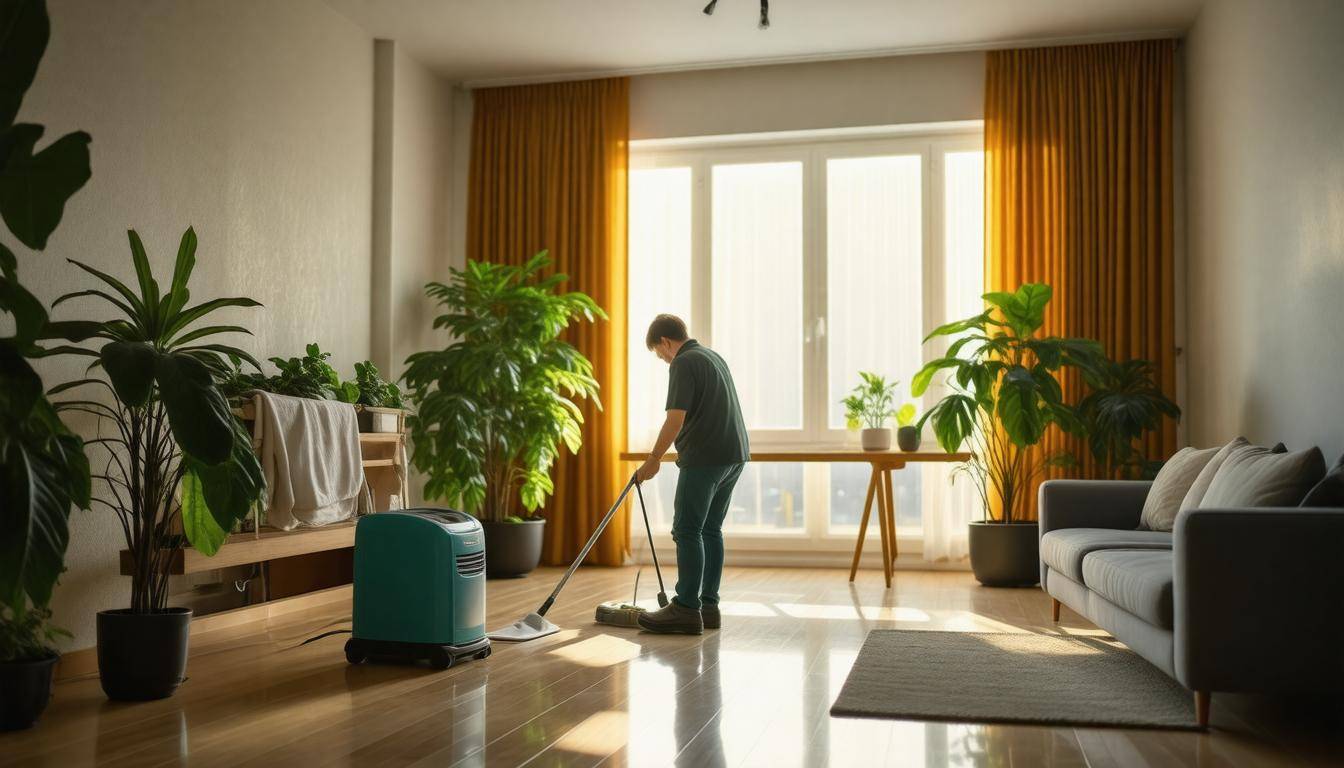
A successful mold prevention effort hinges on how well you clean and dry your home following a flood. As soon as the floodwaters recede, every affected surface should be meticulously cleaned.
Using a disinfectant solution is key; for example, mixing one cup of household bleach with one gallon of water can help eliminate mold spores before they take hold. However, it’s vital to maintain proper ventilation during this process. Open windows, turn on fans, and if possible, create a cross-ventilation scenario to disperse potentially harmful fumes from bleach.
Just a cautionary note: never mix bleach with ammonia-based cleaners, as this can produce toxic fumes that are dangerous to breathe in.
Once you’ve tackled the cleaning aspect, it’s time to ensure your home dries effectively.
Enhanced Drying Techniques
Drying out your home is not just about wiping surfaces; it requires strategic use of dehumidifiers and fans to promote airflow and speed up the drying process. For larger areas, investing in high-capacity dehumidifiers that can extract up to 70 pints of water daily is essential. Such machines are particularly helpful in moisture-prone spaces like basements or areas impacted by significant flooding. Positioning fans to encourage air circulation will aid this process further; aim the fans toward open windows to enhance the cross-ventilation effect.
The importance of maintaining low humidity levels cannot be overstated during this drying phase. Ideally, keep indoor humidity below 60% to inhibit mold growth. This might require monitoring humidity levels using a hygrometer, which can be found at most hardware stores.
It’s also useful to maintain indoor temperatures between 70°F and 80°F (21°C to 27°C). Warmer air holds more moisture and helps accelerate drying significantly.
To ensure effectiveness during this critical phase, careful attention must be paid to porous materials.
Remember that any porous materials—including carpets, upholstery, and drywall—that have been wet for over 48 hours should ideally be removed and discarded. These items become breeding grounds for mold due to their ability to retain moisture even after thorough cleaning attempts. Post-removal, ensure that all visibly clean areas have no lingering odors or visible traces of mold growth. You might notice some stains remaining; this is not entirely unusual but should be closely monitored.
Finally, don’t forget personal safety while undertaking these cleanup efforts. Wearing protective equipment like an N-95 respirator mask, goggles without ventilation holes, and gloves that extend beyond the wrist is crucial while working during the restoration process. This approach minimizes exposure risks associated with potential airborne mold spores or harmful cleaning chemicals.
With cleaning and drying complete, we now shift our focus toward understanding what constitutes contaminated materials in your home environment.
Identifying Contaminated Materials
Certain materials in your home exhibit a greater susceptibility to mold growth, especially after flooding. A keen eye and a little knowledge can help you quickly recognize which components need immediate attention. For instance, drywall and insulation absorb water like sponges, making them vital targets for inspection. If these materials have been soaked, it is often best to cut them out completely instead of attempting to dry them. Leaving them in place could lead to significant mold growth within just 24 to 48 hours, posing serious health risks.
Similarly, carpets and padding can be tricky; they tend to hold moisture deep within their fibers, making thorough drying nearly impossible. In many cases, you will want to consider replacing these items altogether to avoid the lingering odor and sight of mold.
Moving on to wooden floorboards, they may appear sturdy enough to survive a flood. However, if they remained wet for an extended period, they might warp or develop mold beneath the surface. It’s crucial to first check the condition of the boards; if they’re only slightly damp without visible signs of damage, you can typically dry them out using fans or dehumidifiers and sand them down afterward for aesthetic appeal.
Upholstery and Fabrics
When it comes to upholstery and other fabrics, it’s essential to be cautious. While mild detergent may work for cleaning lightly-soiled fabric, heavily soiled or soaked upholstery should typically be discarded. If you notice a musty smell or see visible discoloration, that’s a telltale sign of potential mold growth that is difficult to eliminate entirely.
Knowing what materials are at higher risk makes maintaining a healthy living environment much easier. Let’s now explore effective strategies specifically designed to prevent mold from becoming a persistent issue following a flooding event.
Mold Specific Prevention Techniques
Preventing mold requires specific steps tailored to address the unique challenges posed by flooding and damp conditions. One of the most effective strategies is to apply an EPA-registered fungicide on all cleaned surfaces, ensuring you tackle any lingering mold spores. Products like Concrobium Mold Control and RMR Brands Fungicide have gained popularity for their efficacy in curtailing mold growth. When using these products, it’s crucial to read and adhere to the instructions provided on the label for maximum effectiveness.
Along with fungicides, incorporating environmental control techniques will further fortify your home against mold. Keeping an eye on indoor humidity levels is fundamental; ideally, you want to maintain humidity below 60%. Invest in high-quality dehumidifiers, especially in moisture-prone areas like basements. Not only do they help remove excess moisture, but they also create a less hospitable environment for mold to flourish. In addition, open windows and use fans to circulate air and facilitate drying whenever possible. These actions can significantly reduce the chances of mold taking root.
Another key factor in mold prevention is timely water removal. After flooding, aim to eliminate standing water within 24 to 48 hours to prevent rapid mold proliferation. Every moment counts when it comes to drying out spaces and materials! Ensure that any wet materials—like carpets or drywall—are completely dried out within this timeframe. If they remain soaked past the 48-hour mark, it’s often best to discard porous items that cannot be thoroughly cleaned because they become prime suspects for harboring mold.
Remember, exposure to mold poses health risks, particularly for individuals with allergies or weakened immune systems. Being proactive not only protects your space but safeguards your health as well.
Additionally, utilizing appropriate cleaning solutions makes a difference. A diluted solution of 1 cup of bleach per gallon of water is effective for disinfecting surfaces prone to mold growth. However, ensure proper ventilation during use—open windows or use fans—to prevent the inhalation of fumes. It’s important to avoid mixing bleach with ammonia, as this creates toxic fumes unsuitable for respiratory health.
Implementing these strategies contributes significantly to creating a healthier living environment after flooding. Now that we understand preventive measures, it’s time to explore how proper equipment can enhance our efforts in combating excess moisture effectively.
Using Dehumidifiers and Fans

Dehumidifiers and fans play critical roles in maintaining a moisture-free environment, especially after flooding. These devices work together to control humidity levels, which is essential for halting mold growth before it starts.
When operating a dehumidifier, it’s crucial to place it strategically. For optimal results, position your dehumidifier in the center of the room while ensuring that all doors and windows remain closed. This setup helps trap humidity within the space, allowing the unit to work more efficiently and effectively draw moisture out of the air.
According to indoor air quality experts, such as Wei-Ning Wang, positioning these appliances correctly can exponentially enhance their performance.
As for fans, they contribute significantly by promoting air circulation. Positioning fans to create cross-ventilation throughout rooms can help move moist air around, leading to quicker drying times. For instance, setting up fans near open windows or doorways opposite each other allows fresh air to push into the room while pushing stale, humid air outside. This approach not only accelerates moisture evaporation but also improves overall air quality.
Knowing Your Equipment’s Capacity
When considering the size of your dehumidifier, keep in mind that a single 50-pint dehumidifier is typically adequate for about 2,000 square feet. However, in cases of extreme moisture levels—such as following severe flooding—you might find that larger units are necessary for effective continuous extraction of humidity. Users should regularly check their dehumidifier’s water reservoir to avoid overflow and ensure uninterrupted operation.
Regular maintenance of these appliances is vital to ensure they function optimally over time. Cleaning filters frequently removes any buildup that could impede performance. Setting a reminder every few weeks to check on this aspect can prevent issues down the line.
Don’t hesitate; take control of your indoor humidity levels today! Remember that maintaining low moisture levels not only prevents mold but also contributes to your overall health and safety after flooding incidents.
With the immediate concerns addressed, let’s explore strategies and technologies designed for ongoing prevention and management of humidity in your home.
Long-Term Humidity Control
Consistent humidity control is the cornerstone of effective mold prevention after flooding. When the moisture levels in your home are kept in check, you significantly reduce the risk of mold taking root and thriving. One practical step to ensure that this monitoring process is reliable is to invest in a hygrometer. This simple device measures indoor humidity, allowing you to keep track of those critical levels with ease. Aim for keeping your relative humidity below 60%, but ideally between 30% and 50%. This range not only contributes to a comfortable living environment but also acts as a deterrent against mold spores wafting through the air.
Beyond just using a hygrometer, consider implementing specific strategies within your home to manage moisture more effectively. For instance, installing bathroom exhaust fans can help expel humid air collected during showers. Similarly, ensuring that your dryer vents directly to the outside rather than into your home can prevent added moisture from lingering in enclosed spaces. With these simple modifications, even air conditioning units can play their part; they help dehumidify the air while cooling it down during particularly sticky months.
Maintaining a proactive approach towards humidity means being vigilant about factors that contribute to excess moisture.
Often overlooked, everyday activities can inadvertently raise humidity levels indoors. Where you store houseplants or how often you cook can make a difference. Cooking generates steam, which can quickly increase humidity when kitchens aren’t well-ventilated. Using vent hoods or placing lids on pots while cooking can drastically cut down on moisture entering your airspace.
Additionally, consider utilizing dehumidifiers strategically throughout your home—especially in areas prone to dampness like basements or laundry rooms. These devices efficiently extract moisture, helping maintain an ideal humidity level and thus creating an inhospitable environment for mold growth.
Remaining proactive about managing humidity acts as a crucial safeguard for your home’s integrity and helps identify potential issues early on. As we look closer at the aftermath of flooding, understanding how to recognize mold growth becomes essential.
Spotting Mold After Flooding
Early detection of mold in your home can make an enormous difference in preventing costly repairs. After experiencing flooding, the presence of mold can quickly spiral out of control if not addressed promptly. Mold thrives in damp, warm environments, making flooded areas prime territory for growth. This is why knowing what to look for is essential.
Common signs of mold include:
-
Musty Odor: One of the first things you might notice is a persistent musty smell lingering in the air. If something smells off, it’s important to investigate further.
-
Discoloration: Keep an eye out for unusual spots, such as black, green, or white patches on walls, ceilings, and floors. These discolorations can indicate mold growth hiding beneath the surface.
-
Health Symptoms: If you or anyone in your household begins experiencing increased allergy or asthma symptoms, it may suggest that mold spores are circulating in the air.
If mold is suspected but remains hidden from view, consider hiring a professional to conduct an air quality test. It’s better to err on the side of caution when it comes to your health.
Another often-overlooked aspect is humidity levels within your home. High humidity—above 60%—can foster an environment ripe for mold growth. Installing hygrometers can keep you informed about moisture levels, allowing you to act accordingly before problems arise.
Reactive Measures
Taking immediate action upon detecting these signs is vital. Mold can quickly spread through tiny airborne spores that may go unnoticed until it’s too late. Once you identify mold, it’s crucial not only to eliminate it but also to address the underlying moisture issue that allowed it to thrive in the first place.
Being vigilant about spotting mold can help safeguard both your property and health. By regularly assessing areas prone to moisture and understanding the common indicators of water damage and mold presence, you empower yourself to manage potential risks effectively. You’ll not only be protecting your investment but also enhancing your living environment.
In summary, staying informed and proactive after a flood is key to maintaining a safe and healthy home free from mold. Knowledge and readiness can make all the difference in preserving your space for years to come.
When should I consider hiring a professional for mold remediation post-flooding?
You should consider hiring a professional for mold remediation post-flooding if the affected area is larger than 10 square feet, as studies indicate that DIY approaches can often fail in widespread infestations, potentially leading to persistent health risks. The CDC states that mold exposure can cause allergic reactions and respiratory issues, particularly in sensitive individuals, so ensuring thorough and safe removal by experts is crucial to safeguarding your health and property.
How long does it typically take for mold to develop after a flood?
Mold can begin to develop within 24 to 48 hours after a flood, particularly in areas with high humidity and organic materials, such as wood and textiles. Studies have shown that if conditions are favorable—moisture, warmth, and a food source—mold spores can germinate rapidly, often leading to visible growth within just a few days. Quick intervention is crucial to prevent extensive damage and health risks associated with mold exposure.
What materials are most susceptible to mold growth following water exposure?
Materials most susceptible to mold growth following water exposure include drywall, carpets, insulation, and wooden structures. These materials are porous and retain moisture, making them ideal breeding grounds for mold spores. In fact, according to the Environmental Protection Agency (EPA), mold can start to grow within 24 to 48 hours after water exposure, which emphasizes the importance of prompt remediation to prevent health risks and structural damage associated with mold infestations.
Are there specific products or treatments that can effectively prevent mold after flooding?
Yes, there are several specific products and treatments designed to effectively prevent mold growth after flooding. Using antimicrobial sprays like those containing quaternary ammonium compounds can help inhibit mold spores. Additionally, applying a mold-resistant paint on surfaces post-cleaning can create a barrier against future outbreaks. According to the Environmental Protection Agency (EPA), damp environments can lead to mold growth within 24 to 48 hours, thus emphasizing the importance of immediate action using these products for effective mold prevention.
What are the immediate steps to take after flooding to minimize mold risk?
After flooding, it’s crucial to act swiftly to minimize mold risk. Begin by removing standing water within 24-48 hours, as mold can start to grow in damp conditions within just 24 hours. Ensure proper ventilation in the affected areas and use dehumidifiers to lower humidity levels below 60%. Remove and discard any porous materials such as carpets or drywall that have been soaked, as they are prime candidates for mold growth. According to the CDC, about 50% of homes that experience flooding develop mold issues, emphasizing the importance of these immediate actions.