
As the summer sun begins to fade, a different kind of weather looms on the horizon—monsoon season. For many, this period promises relief from the scorching heat, but it also brings an urgency that can turn sunny days into pressing safety concerns. In places like Arizona, where rainfall can go from a light drizzle to torrential downpours in mere moments, understanding how to prepare for potential flooding is crucial. It’s not just about having a plan; it involves practical steps to secure your home, keeping your family safe, and knowing what resources are available when things get tough. Let’s dive into some essential tips that will help you stay ahead and ensure your readiness as storm clouds gather.
To prepare for flooding during the monsoon season, it is essential to create a disaster kit with emergency supplies, develop an emergency plan that includes specific actions for all household members, and secure your home by deploying sandbags, elevating essential items, and turning off utilities if necessary. Additionally, stay informed about weather conditions and avoid moving water to ensure your safety through this period of potential extreme weather.
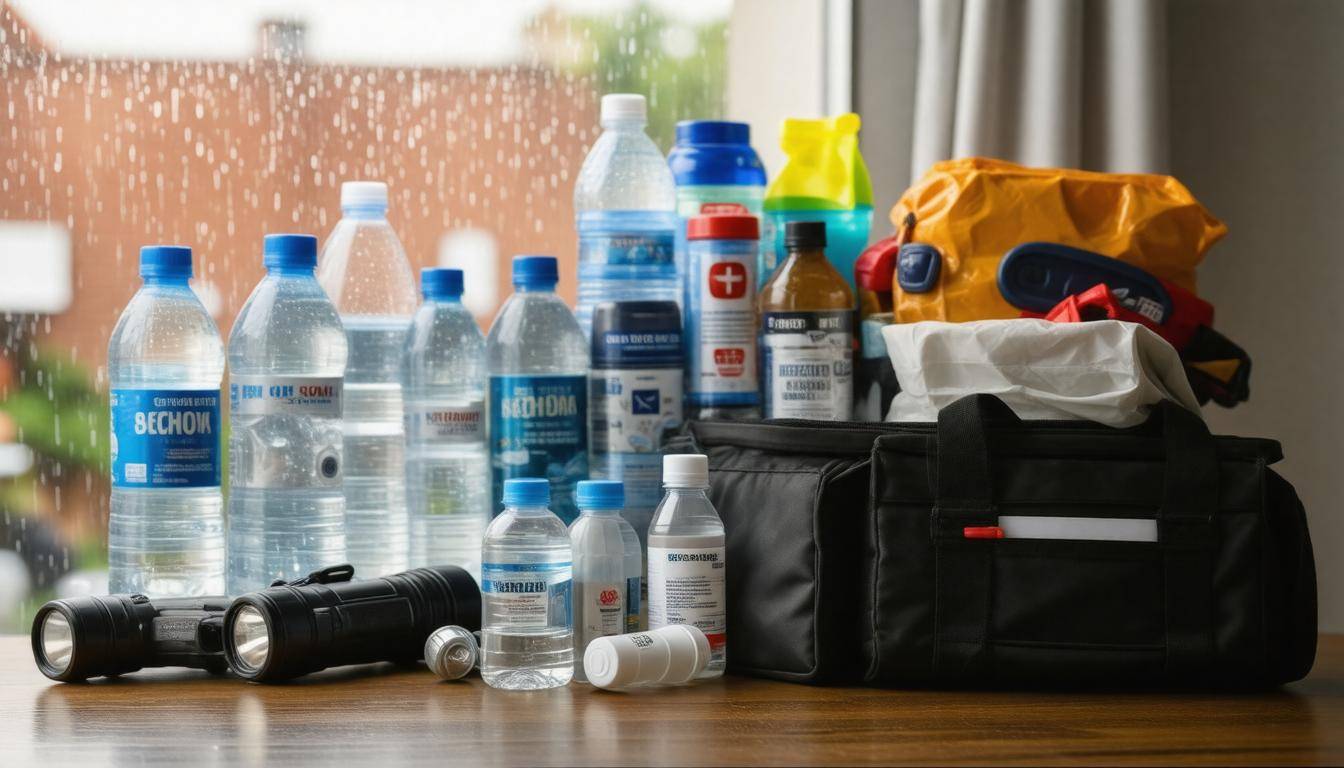
Monsoon Season Overview
Arizona’s monsoon season is marked by a dramatic shift in weather patterns that unfolds from June 15 to September 30. During this time, the landscape transforms under the weight of heavy rainfall, often resulting in significant flooding. The weather isn’t just about rain; it’s characterized by sudden downpours accompanied by flashes of lightning and, at times, wildfires sparked by dry conditions that can precede these storms. This volatility creates a unique challenge that profoundly affects daily life.
To put this into perspective, it’s crucial to understand how these elements interact. As moisture-laden air rises, it cools and condenses rapidly, leading to thunderstorms that can release several inches of rain in a matter of minutes. Such intense rainfall can turn streets into rivers almost instantaneously, making roads impassable and causing homes to flood as overwhelmed drainage systems struggle to keep up with the deluge.
In fact, the impact extends beyond just physical damage; essential services may be disrupted, leading to further complications for inhabitants trying to navigate their daily routines.
The risk associated with monsoon season isn’t just theoretical—it’s real and immediate. Flooding presents a plethora of hazards, including potential injuries or fatalities due to swift currents or collapse hazards still lurking beneath murky waters. It’s imperative to stay informed about local weather forecasts and heed advisories during this active season.
For instance, during the North American monsoon in 2024, Arizona experienced a surge of rain that totaled 12 inches over three months. Interestingly enough, homes specifically built to withstand flooding sustained around 50% less damage than their counterparts. This underscores not only the critical importance of preparation but also highlights building designs and practices aimed at mitigating monsoon effects.
Understanding these patterns equips you to take specific preparatory actions that encompass both structural considerations and emergency plans tailored to your unique environment. This knowledge paves the way for enhancements in your property that can offer greater safety during seasonal storms.
Home Modifications for Flood Protection
One of the first steps in flood protection is to elevate appliances and utilities. Major appliances like washing machines, dryers, and even electrical panels should be elevated at least 12 inches above the projected flood level. This isn’t just about preventing damage; it can save you significant money. Many homeowners who have raised their HVAC units on platforms have noticed they don’t face costly system replacements after floods hit. A little investment in elevation can last much longer than having to repair or replace submerged appliances.
However, elevation alone won’t keep the waters out.
Next on your list should be to install flood barriers. Think of sandbags or flood panels as your frontline defense; place these strategically at doors and low windows to block incoming water. While this might seem like a temporary fix, investing in flood-proof doors and windows can offer long-term solutions for homes that face regular flooding challenges. These durable structures significantly reduce water intrusion, allowing you to focus on other important preparations instead of worrying about rising waters.
It’s fascinating how simple measures, like permeable pavements, can also help manage excess water effectively. By allowing rainwater to seep through while still being sturdy enough for vehicles, these materials become a game-changer in reducing localized flooding around your home.
With these modifications in place, it’s crucial to ensure your home is stocked with emergency supplies. Being prepared for any flooding event is part of safeguarding your living space, so let’s explore what essentials you need to keep handy in case of an emergency.
Essential Items for a Preparedness Kit
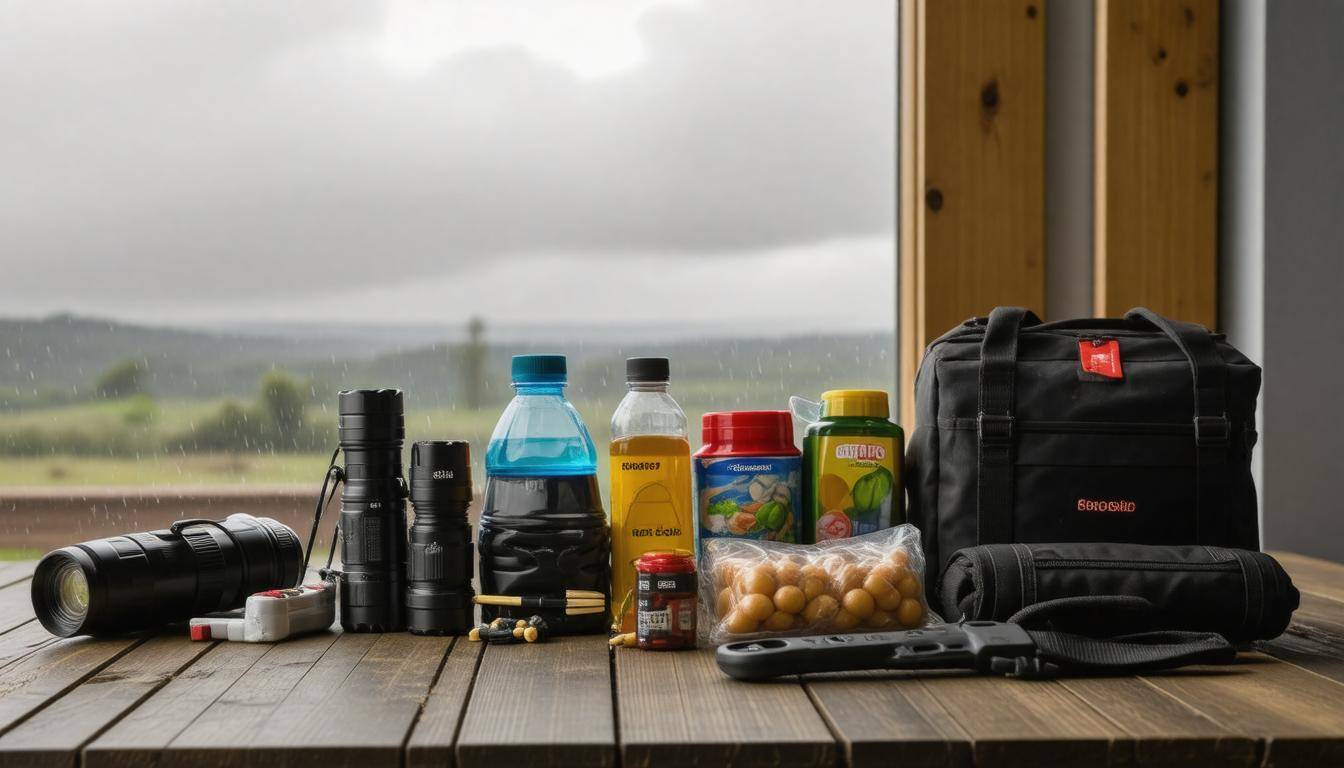
A well-stocked emergency kit can be a lifesaver during floods, ensuring that you have what you need when conditions get tough. It might seem trivial to gather items beforehand, but when the rain starts pouring and the water begins to rise, you’ll be glad you prepared. One of the most crucial components of your kit is water. You should store at least one gallon per person per day for three days. Water doesn’t just quench thirst; it’s vital for hygiene, cooking, and even administering medications.
However, water alone won’t sustain you. Next on your list should be non-perishable food items—think canned goods, granola bars, and dried fruits. Pack enough to last at least three days, as it may take time for rescue operations or aid to reach you if flooding becomes severe. Remember to check expiration dates regularly so that you can refresh these supplies as needed.
Even more important is a first aid kit. This isn’t just about band-aids; include essential medications for family members (like any prescribed drugs) along with antiseptics and tools like scissors. It can make all the difference in a pinch.
Imagine your flashlight flickering off during a power outage—keeping flashlights with extra batteries in your kit can prevent panic from setting in. Opt for LED flashlights for longer battery life, and don’t forget about multi-tools like wrenches and pliers. These tools are incredibly useful for utility shut-off, should the need arise to turn off gas or electricity safely.
Having sanitation supplies in your emergency kit is equally important. Personal hygiene items such as moist towelettes, garbage bags, and plastic ties should not be overlooked because maintaining cleanliness can help prevent illness during stressful situations.
As you’re assembling this emergency kit, keep it easily accessible in your home so family members know where it is during an emergency. If you’ve chosen a designated spot like a closet or a corner of your basement, confirm that it remains free from clutter over time. Regularly reviewing and updating your supplies is also key in keeping them relevant to your current needs.
Once your kit is ready, it’s essential to plan out safety measures for your family to ensure everyone knows what to do when flooding is imminent.
Safety Measures for Families
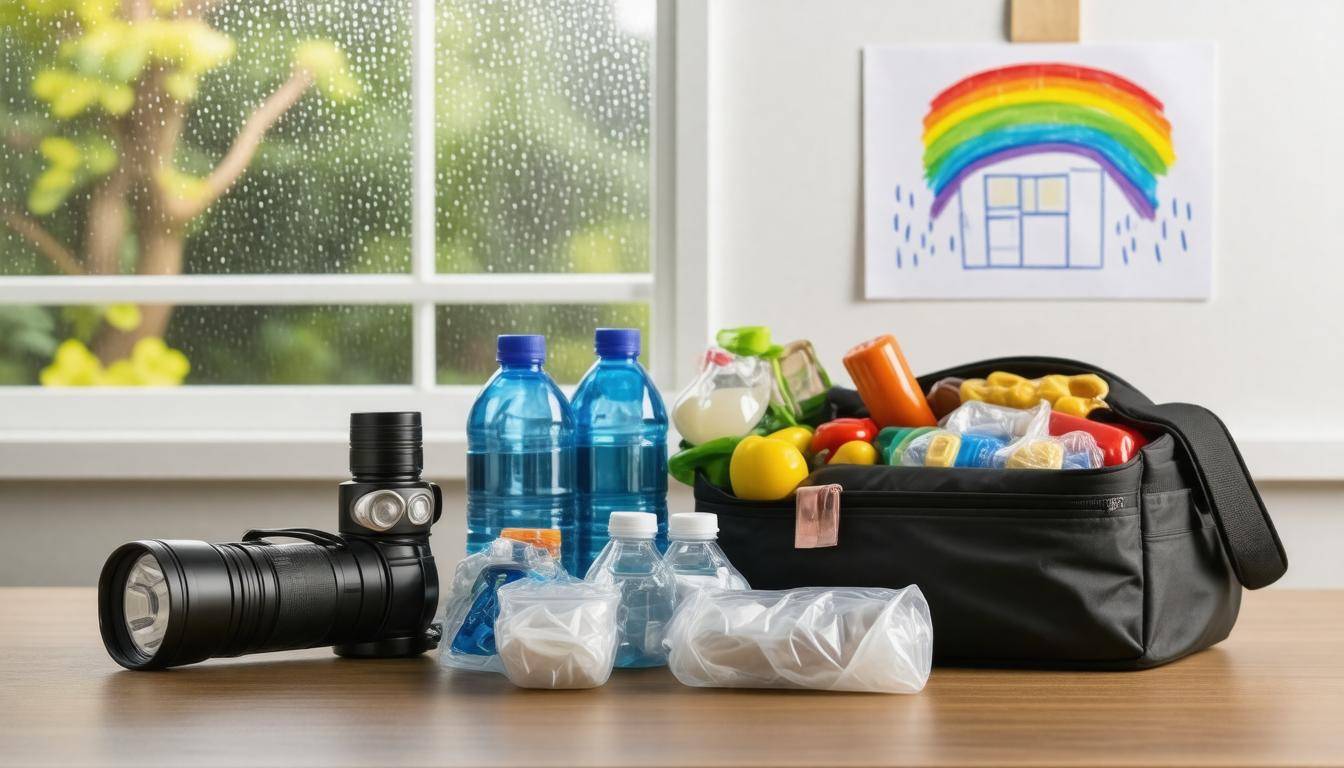
Keeping your family safe during potential flooding isn’t just about having a plan; it’s about instilling confidence and preparedness in each member. One of the first steps lies in developing an evacuation plan. It’s crucial to identify multiple escape routes from your home, taking care to assess each one’s accessibility under various conditions. Make sure that every family member understands these routes and their significance, so there’s no hesitation when it matters most. Assign specific roles—like who will gather essential supplies such as water, food, or medications. This shared responsibility fosters teamwork and helps alleviate panic during emergencies.
Communication Plan
As part of your safety preparations, create a robust communication plan. Designate a trusted contact person who resides outside the flood zone to relay messages between separated family members. Outline how information will be shared—this could be through phone calls or messaging apps. In doing so, you create a safety net that can help keep everyone connected despite the chaos that a flooding event may bring.
According to FEMA, families with prior evacuation drills are 80% more likely to complete a successful evacuation. Knowing this statistic emphasizes the importance of practice. Regular drills will turn abstract plans into second nature reactions.
Another key aspect of ensuring safety is preparing a disaster kit tailored specifically for your family’s needs. This kit should consist of enough essentials, like water and non-perishable food, to last at least three days for each family member. Don’t forget important items like flashlights with batteries, first aid supplies, necessary medications, and even personal documents securely stored in waterproof bags.
Home Safety Measures
It doesn’t stop there—securing your home against flooding hazards is equally essential. Elevating electrical appliances at least 12 inches above potential flood levels can minimize damage and keep essential utilities operable when others fail. Furthermore, installing sump pumps equipped with backup power sources ensures quick removal of any water that does manage to enter your home.
With all these measures firmly established, your readiness for flooding situations will substantially improve. Preparedness not only safeguards property but also protects the well-being of your loved ones during unpredictable events.
Financial and Insurance Planning
Financial preparedness can ease recovery after a flood, starting with understanding your insurance policy. Many people assume their homeowners insurance covers flood damage, but that’s often not the case. A quick check of your policy documents can reveal whether you’re protected against floods. If you discover your coverage isn’t sufficient, securing flood insurance becomes imperative.
You might think this is an unnecessary expense, but just one inch of floodwater can cause nearly $25,000 in damage—certainly worth avoiding potential financial ruin.
-
Flood Insurance: Under the National Flood Insurance Program (NFIP), you can access specialized policies designed for flood-related damages.
-
Purchasing Options: To buy flood insurance, contact your current insurance company or agent. Need help finding a provider? Resources like FloodSmart.gov or the NFIP’s hotline at 877-336-2627 can be invaluable.
However, even with solid insurance coverage, documentation is crucial when it comes time to file a claim. One simple yet effective step is to photograph and list all valuables within your home before a flood occurs. This might seem trivial now, but once disaster strikes, having visual proof of your possessions will significantly speed up the claims process.
Families who took the time to document their assets reported quicker claim settlements and reduced stress during an already challenging period. It acts as a safety net protecting you from possible disputes about what was lost.
Preparing financially for a potential flood means more than just securing insurance; it also involves leveraging local community resources for support.
Engaging with organizations focused on disaster preparedness can greatly benefit your financial planning. FEMA collaborates with communities to improve floodplain management regulations aimed at mitigating flooding effects, ensuring access to necessary information. Building connections within your community can lead to additional insights on navigating financial recovery after a flood.
Furthermore, being aware of grants or assistance programs available in your area can provide a financial cushion should you need immediate help post-flood. Consider attending local meetings or workshops discussing disaster preparedness within your community. Not only will this enhance your knowledge and readiness, but it may also connect you with others sharing similar concerns and experiences.
With both insurance in place and community resources at your disposal, you’re well-equipped for any challenges that lie ahead.
Utilizing Community Resources
Community resources provide invaluable support during flooding, acting as a lifeline when the waters rise. Knowing how to access these resources can make all the difference in ensuring safety and recovery. One of the first steps in this process is to familiarize yourself with local emergency services. Make sure you have contacts for shelters, emergency hotlines, and local authorities right at your fingertips. This way, if a flood warning hits or floodwaters start to rise, you’ll know exactly where to turn for immediate assistance.
Local Emergency Services
Your local services are your first line of defense. Keep a list of essential contacts saved on your phone or displayed in your home—this includes shelters (like schools or community centers that might be converted), police departments, and fire stations. Each year, many communities also prepare for potential disasters by holding drills; participating in these not only helps you become familiar with protocols but also strengthens your connections with neighbors.
Additionally, don’t underestimate the value of flood hotlines established by government agencies or local nonprofits. They often provide up-to-date information regarding evacuation routes and safe areas, which can be incredibly beneficial when quick decisions must be made.
Join Community Networks
Another vital component of disaster preparedness is connecting with your community through social media networks. Many areas have local Facebook groups or apps like Nextdoor that offer real-time updates during an emergency and foster mutual aid among residents. These networks not only keep you informed about the situation but can also act as platforms for sharing essential supplies or volunteer help.
“Our local community network kept us informed and safe during the worst days of the flood,” says Jane Doe, a resident affected by the 2023 floods.
Being part of such networks allows you to tap into collective knowledge and experiences. You can find out what worked for others in previous incidents, share crucial updates, and organize collective efforts for recovery after emergencies.
As conditions improve and the immediate threat passes, it’s crucial to shift focus towards resources that assist in rebuilding lives and restoring communities effectively.
Post-Flood Recovery Steps
Post-flood recovery is not just about cleaning up—it’s a methodical approach that requires careful planning and execution. The initial stage involves assessing the damage, which is crucial for understanding the extent of what you’re dealing with.
Begin by documenting all damage using photos and videos; these will serve as vital evidence for insurance claims. Make notes detailing the specifics of each affected area or item. This way, when it comes time to file your claim, you’ll have all the necessary information at your fingertips.
Assessing Damage
Once you’ve documented everything, consider hiring professionals who specialize in structural assessments. Homes often sustain hidden damage during floods that may not be immediately visible.
For example, mold can begin to develop within 24-48 hours in moist conditions, leading to serious health issues if not addressed promptly. Professionals can identify these hazards accurately and recommend remediation strategies, keeping your family safe.
Investing in an expert’s opinion can save you from costly repairs down the line. Remember that safety should always come first; avoid entering any areas that seem unstable or hazardous, as these could pose significant risks.
Sanitizing and Cleaning
Now that you’ve assessed the situation, it’s time to focus on sanitizing and cleaning. Equip yourself with protective gear—gloves, masks, and goggles are essential to shield you from contaminants in floodwaters.
Avoid using any contaminated water sources for cleaning; instead, rely on clean water or approved disinfectants.
As you begin the cleanup process, meticulously disinfect all surfaces that came into contact with floodwaters. Pay special attention to areas like kitchens and bathrooms where germs may linger. Items that cannot be effectively sanitized—like carpets soaked in dirty water or porous materials—should be discarded immediately to prevent future health risks.
In cases where the damage is extensive or overwhelming, do not hesitate to employ a professional cleaning service. They have specialized tools and expertise to simplify the process tremendously and ensure a thorough cleanup.
While recovery from flooding requires effort and diligence, organizing your approach will significantly alleviate the burden, allowing you to return to normalcy more efficiently.
By following these recovery steps carefully, you enhance your chances of a successful return to normal life after significant flooding events. Be proactive for a smoother recovery!
How can communities work together to improve flood management before and during the monsoon season?
Communities can enhance flood management by establishing local emergency response teams and conducting regular drills to prepare for monsoon season. Collaborative efforts such as creating community gardens with rainwater harvesting systems and maintaining drainage systems can effectively reduce runoff and mitigate flooding risks. Studies show that neighborhoods engaging in collective preparedness measures experience up to a 30% reduction in flood-related damage, demonstrating the power of proactive partnerships in safeguarding communities during torrential rains.
How can homeowners assess their flood risk effectively?
Homeowners can effectively assess their flood risk by checking FEMA flood maps, which indicate areas prone to flooding based on historical data and geographical factors. Additionally, they should consider the elevation of their property, proximity to bodies of water, and local rainfall patterns; for instance, approximately 20% of flood insurance claims come from low-risk areas, highlighting that even properties outside high-risk zones can be vulnerable. Engaging with local floodplain management offices can also provide tailored insights specific to their location.
What items should be included in an emergency preparedness kit for monsoon season?
An emergency preparedness kit for monsoon season should include essential items such as non-perishable food, bottled water (at least one gallon per person per day for three days), a flashlight with extra batteries, a first aid kit, medications, important documents in a waterproof container, and a multi-tool or Swiss army knife. According to the National Weather Service, approximately 90% of all flooding deaths occur during flash floods, highlighting the importance of being prepared and having immediate access to these supplies during sudden weather changes.
Which drainage solutions are most effective in reducing flood risks during heavy rains?
Effective drainage solutions to reduce flood risks during heavy rains include the installation of French drains, sump pumps, and permeable pavements. French drains effectively direct water away from structures, reducing basement flooding risks by over 50% in properly designed systems. Sump pumps provide active water removal, especially in flood-prone areas, with studies indicating they can decrease water accumulation by up to 90%. Permeable pavements allow water to infiltrate into the ground rather than run off, potentially reducing urban flooding by 25% or more, proving essential for sustainable flood management strategies.
What are the key steps to take before the monsoon season to prevent flooding?
Before the monsoon season, it’s crucial to take several key steps to prevent flooding. Start by clearing gutters and downspouts to ensure proper water drainage, as clogged systems can lead to overflow and potential home damage. Install sump pumps in basements to manage excess water effectively. Additionally, landscape your yard with swales and berms to redirect runoff away from your property. According to FEMA, effective pre-season preparations can reduce flood risk by up to 75%, making these proactive measures essential for safeguarding your home during high-risk periods.