
Monsoon season can be one heck of a roller coaster ride, transforming sunny days into drenching storms seemingly overnight. Many of us underestimate the might of these rain-soaked months, thinking we can simply wait it out. However, preparing for monsoons is like getting ready for a big game; it takes practice, strategy, and a game plan to come out on top. While storms can bring life-sustaining water and a refreshing break from heat, they can also lead to flooding, property damage, and safety hazards if we’re not prepared. In this guide, we’ll walk you through essential tips and strategies for tackling the challenges posed by the monsoon season so that you can keep your home safe and your family secure. So grab your umbrella—it’s time to get ready!
To effectively prepare for the monsoon season, regularly check weather forecasts, secure outdoor furniture, and ensure that you have a NOAA Weather Radio handy for real-time updates. Additionally, strategize your outdoor activities by planning them early in the day to avoid storms and identify safe routes to higher ground in case of flooding.

Assessing Monsoon Weather Risks
Understanding the potential challenges that come with the monsoon season allows you to take proactive measures to protect your home and loved ones. Heavy rain, strong winds, and thunderstorms can all create hazardous conditions, but the best defense is knowledge. This insight helps you prepare for immediate weather concerns and equips you to handle surprises as they arise.
Analyzing Local Weather Patterns
One way to begin your assessment is by analyzing local weather patterns in your area. You can easily check historical weather data using resources from the National Weather Service, which maintains detailed archives about past monsoon seasons. For example, heavy rains might be common during specific weeks, while strong winds may vary unpredictably. By understanding these regional patterns, you can anticipate potential threats.
Suppose you live in Phoenix, Arizona; you’d be particularly alert for flash flooding events due to intense rain storms that can develop rapidly. Conversely, if you’re situated in a coastal locale like Miami, Florida, your focus shifts toward monitoring potential thunderstorms that tend to occur more regularly during this time of year. Recognizing these patterns enables you to mentally prepare for what lies ahead.
Consulting Weather Forecasts
As you arm yourself with historical data, don’t overlook the importance of real-time forecasts. Leveraging advances in technology can significantly enhance your preparedness. Utilize apps and services such as Weather Underground or AccuWeather that provide real-time alerts tailored to your geographic location. These modern tools notify you of changing conditions instantly—not just warnings about imminent severe weather but also updates when conditions improve.
In fact, did you know that in 2024 nearly 70% of severe weather warnings issued were accurate? This statistic underscores the reliability of modern forecasting technology, making it easier than ever for you to stay informed and ready for whatever the skies may hurl your way.
Once you’ve identified the risks associated with monsoon weather through both historical analysis and real-time updates, it becomes essential to reinforce your living space against these elements.
Strengthening Your Home
Reinforcing your home before monsoon season is about more than just securing windows and doors; it’s preparing your entire property to withstand heavy rains, strong winds, and potential flooding. Think of it as giving your home a well-deserved protective shield. Each measure you take can significantly enhance your home’s ability to weather the storm.
Securing Windows and Doors
To start, ensuring that your windows and doors are fortified is crucial. It’s not just about protecting against water; it’s also about bolstering against gusty winds that could rattle sturdy frames. Upgrading to storm shutters or investing in impact-resistant windows can provide an added layer of safety. These upgrades protect from flying debris and drastically reduce air leaks, keeping your home snug during turbulent weather.
Remember, a sturdy door frame serves as a strong barrier, so ensuring its integrity should be part of your strategy. Applying weather stripping is a simple yet effective way to thwart unwanted moisture from entering your living spaces.
Next comes sealing those pesky gaps around windows and doors with long-lasting weather sealant. This prevents rain from sneaking in while keeping drafts out over the colder months. If you notice any cracks or holes, now’s the time to address them; every little bit counts in maintaining your home’s defenses.
Enhancing Roof Durability
With your windows and doors secured, let’s turn our attention upward—to your roof, a critical component in safeguarding against water damage.
Your roof shields everything underneath it from relentless elements. During monsoon season, heavy rainfall can lead to serious issues if your roofing isn’t prepared. Start by inspecting the condition of shingles; missing or damaged shingles should be replaced promptly. If you notice areas where water tends to pool after heavy rains, consider installing additional drainage solutions like roof valleys or downspouts to divert water effectively away from vulnerable spots.
Applying a waterproof coating on flat roofs can further bolster protection against leaks. This coating acts as armor that keeps your roof’s surface intact during storms. Additionally, clear gutter systems of debris and blockages—clogged gutters can overflow and cause significant water damage to both the roof and walls.
Establishing Drainage Solutions
Once you’ve taken care of securing openings and enhancing roofing, the next step involves considering how rainfall will flow around your property.
Effective drainage is essential for preventing flooding during periods of heavy rain. Assess existing drainage systems; ensuring they are clear from blockages will prevent water accumulation where it shouldn’t be. If you’re expecting particularly heavy rainfall, a sump pump system is an excellent investment—it helps remove excess groundwater swiftly.
Additionally, grading soil away from foundations helps channel water away from vulnerable areas around your house. As an added precaution, planting native vegetation around your property aids in absorbing groundwater while reducing erosion risks.
These proactive measures not only reinforce structures but also strategically manage water flow around your home, reinforcing its resilience against nature’s challenges. Next up, we’ll focus on the specific tasks involved in ensuring all drainage paths are efficiently clear.
Clearing Drains and Gutters
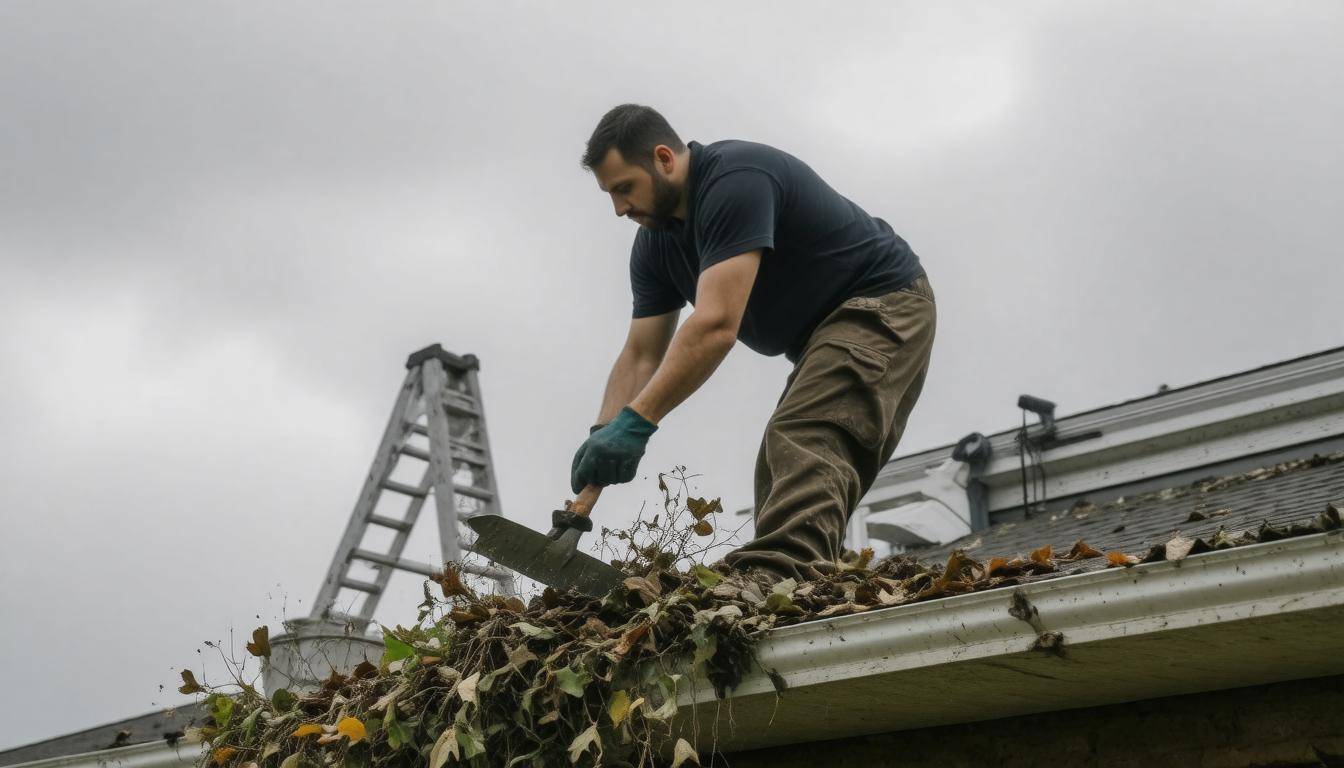
The importance of keeping your drains and gutters clear cannot be overstated, especially as the monsoon season approaches. Blocked gutters and drains can lead to overflowing, which may cause significant structural harm during heavy rainfalls. Maintaining a regular cleaning schedule is your first line of defense against potential water damage and is relatively easy to implement once you know what to do.
Regular Maintenance
During the monsoon season, aim to inspect and clean your gutters and downspouts at least once a month. However, if you reside in an area with many trees or experience fierce storms, consider doing so every two weeks. Debris like leaves, twigs, and dirt can accumulate quickly; even a small blockage can disrupt the whole system’s flow.
To make things easier, gather essential tools like gloves, a hand trowel, and a sturdy ladder before you start. This preparation ensures you’re ready for whatever debris you might find.
As you clean, inspect both the gutters and the downspouts. They should be free from clogs to ensure that rainwater flows away from your home’s foundation. A swift way to test your drains is by using your garden hose; simply run water through them after clearing out any visible debris.
Take, for instance, a homeowner in Houston who learned this lesson the hard way. They reported that regularly clearing their gutters every two weeks during the 2023 monsoon season kept their basement dry and free from flooding—an issue they had previously battled due to neglecting maintenance. It’s stories like these that highlight how proactive upkeep can save time, money, and stress.
Having a strategy is key. Begin with removing larger debris by hand or with a trowel; then use water flow tests to ensure everything is draining well. If blockages persist, consider using a plumber’s snake for those stubborn areas.
Safety Precautions
Safety should be your utmost concern while maintaining your gutters and drains. Always ensure that your ladder is stable and placed on solid ground before climbing it. Using gloves protects your hands from sharp edges or pesky insects hiding within the muck of uncleaned gutters.
After you’ve cleaned everything up, take a moment to stand back and assess whether all sections of your drainage system are operating efficiently. If the water isn’t flowing freely after your cleaning effort or if minimal leaks persist, it might be time to consult with professionals for repairs or further insight into drainage issues.
With the drains and gutters safeguarded, it’s essential to consider additional strategies that enhance your property’s resilience against unexpected challenges posed by monsoon storms.
Property Protection Techniques
One of the first lines of defense against the relentless rains of monsoon season is safeguarding your outdoor areas. With each heavy downpour, water can wreak havoc on your garden, furniture, and the structural integrity of your property if you’re not adequately prepared. This means understanding the pivotal role that proper landscaping, securing furniture, and reinforcement play in your overall strategy.
Landscaping for Water Flow
To effectively manage rainwater runoff, consider incorporating thoughtful landscaping strategies on your property. Positioning plants correctly can serve as a natural barrier to contain and divert water flow away from the foundation of your home. For instance, creating small berms with soil can funnel excess water to a drainage area rather than allowing it to pool at your doorstep.
Choosing the right plants is crucial—opt for deep-rooted varieties that are hardy and capable of absorbing excess moisture. Plants like vetiver grass and certain types of ferns create dense root systems that help hold the soil in place while lowering surface runoff.
Additionally, applying a thick layer of mulch around these plants can enhance both water retention and erosion control while maintaining a neat appearance in your garden.
Moreover, grouping plants together can maximize their collective impact against flooding. When you combine different plant heights and root depths, you create a diversified ecosystem that is better at handling varying amounts of rainfall.
Securing Outdoor Furniture
As much as we enjoy lounging outdoors during pleasant weather, those beloved patio chairs and tables can become hazardous projectiles during strong winds associated with monsoons. Keeping lightweight furniture inside is an excellent first step; however, heavier items need attention too. For those chairs that refuse to budge despite wind gusts trying their hardest, consider utilizing bungee cords or anchors to secure them firmly to the ground.
[QUOTE] “It’s always easier to prevent damage than to repair it after the fact.”
Nobody wants to look outside after a storm only to find their outdoor setup scattered across their lawn like lost sheep. Investing in waterproof tarps is also wise, offering an additional protective layer before storms hit. These simple actions ensure that when the clouds clear and it’s time for outdoor gatherings again, everything remains intact and ready for use.
After focusing on property protection techniques during the monsoon season, exploring how to prepare essential supplies will further ensure you’re safe and ready for any situation.
Assembling an Emergency Kit
Access to essential supplies can make all the difference in an emergency situation. When the unpredictable monsoon season strikes, having a well-equipped emergency kit ensures you and your loved ones are ready for anything. Imagine the sense of relief knowing that you’re prepared for any scenario—be it a power outage, flooding, or even longer-lasting disruptions to your daily life. You’ll be grateful for the peace of mind that comes from being ready.
Essential Items
-
Non-perishable food and drinking water: Stock up on enough supplies for at least three days. Canned goods, dried fruits, nuts, and energy bars are nutritious options that don’t require cooking. Remember—oranges might rot quickly, but canned beans can last years.
-
Battery-operated flashlight and extra batteries: With stormy weather often leading to power outages, a reliable light source becomes indispensable. Be sure to test your flashlight ahead of time; there’s nothing worse than reaching for a dim fixture only to find out the batteries are dead.
-
First aid kit: While injuries may be rare during storms, it’s better to be safe than sorry. Include items like adhesive bandages, antiseptic wipes, and any necessary medications—especially those prescribed for chronic conditions.
-
Portable phone charger or power bank: Staying connected is crucial during emergencies, whether for communication with friends and family or receiving important updates through weather apps or alerts. A portable charger will keep your devices powered even when electricity is out.
-
NOAA Weather Radio: It can prove invaluable during severe storms, providing continuous broadcasts of real-time weather updates and emergency information straight from the National Oceanic and Atmospheric Administration.
A well-prepared emergency kit isn’t just a box of items—it’s your lifeline when you need it most.
Once you’ve assembled your emergency kit, it’s also important to consider additional strategies for protecting other aspects of your home, especially your garden.
Safeguarding Your Garden
Intense weather can wreak havoc on even the most resilient gardens, leading to soil erosion, flooding, and damage to delicate plants. Preparing your garden for these challenges is essential for ensuring its health during the monsoon. One of the foremost strategies is to ensure proper soil preparation. By incorporating organic matter, like compost, into your soil before the rains, you can improve drainage capabilities by up to 30%, allowing excess water to flow away from roots rather than pooling around them.
While moisture retention is vital for healthy plants, selecting the right plants plays a crucial role in your garden’s longevity during monsoon season.
Plant Selection
Choosing native and drought-resistant plants is key when preparing for this rainy period. Plants like hibiscus and marigold not only withstand heavy rains but also help maintain the ecosystem of your garden. These plants have evolved over time to thrive in local conditions and can often handle abrupt changes in their environment better than exotic varieties. They are typically more pest-resistant as well, reducing the need for chemical treatments that may become less effective when weather conditions shift.
Now that you’ve chosen resilient plants, negating potential erosion from heavy rain becomes paramount.
Mulching
Applying a layer of mulch—about 2 to 4 inches—around your plants serves a dual purpose: it retains moisture for dry spells while preventing soil erosion during intense downpours. Mulch can reduce water runoff by up to 50%, keeping nutrients within your soil where they’re most needed. It acts like a sponge that absorbs rainfall slowly instead of letting it evaporate away or wash directly into storm drains.
Of course, an effective drainage system will make a big difference in managing excess water during storms.
Drainage Systems
Installing drainage systems or trenches can be a game-changer for redirecting excess water away from garden beds. This simple modification can reduce flooding risk by approximately 70%. Creating small slopes around garden areas can also aid in directing rainwater towards designated drainage spots. When done correctly, this helps cultivate a healthier environment for your plants while minimizing puddling that can lead to root rot.
After establishing efficient drainage, securing your delicate plants becomes vital when gusty winds accompany heavy rains.
Staking Plants
Using stakes to support taller plants is another critical preventive measure; strong winds can uproot even well-established vegetation. Installing sturdy stakes—not just flimsy ones—helps anchor these plants firmly in place, preventing them from bending or breaking under the pressure. Ideally, stakes should be at least 1 to 2 feet tall for adequate support during strong gusts and heavy rain.
Finally, protecting those delicate flowers from direct impact helps mitigate additional damage during harsh conditions.
Covering Plants
Utilizing row covers or tarps can shield fragile plants from heavy rain and wind, drastically reducing damage by up to 60%. These covers act like mini greenhouses that deflect rain while retaining warmth and humidity; it’s essential to ensure they’re breathable so that heat isn’t trapped under the fabric. When storms approach, covering vulnerable sections of your garden can be one of the simplest yet most rewarding preparations you undertake.
With all these protective measures in place, taking further personal safety precautions enhances overall preparedness for the challenging weather ahead.
Personal Safety Tips
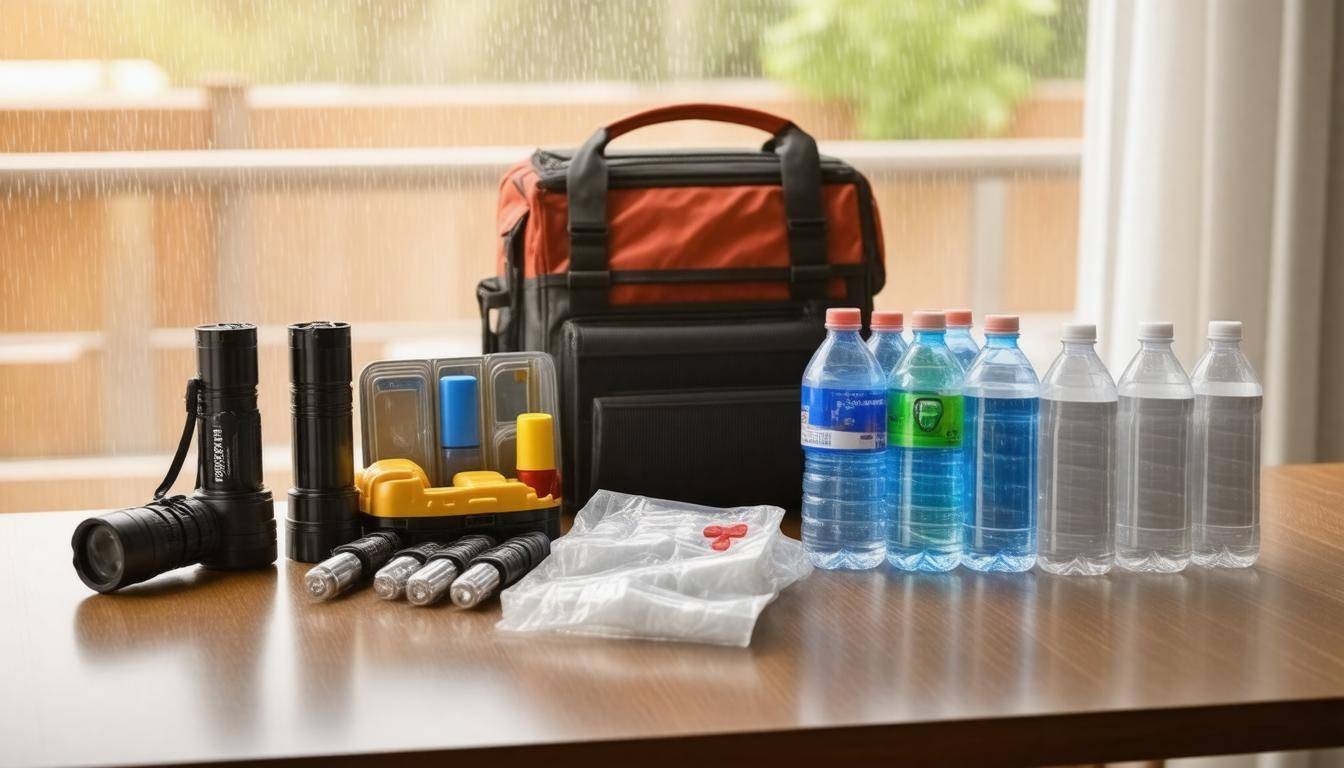
Understanding how to safeguard yourself and your loved ones during severe weather is crucial. The monsoon season can strike suddenly, bringing heavy rains, strong winds, and potentially hazardous flooding. Knowledge is your first line of defense. For instance, it’s important to have an emergency kit ready and an emergency plan that everyone in your household knows by heart. Have conversations with your family about what to do during a storm, where to go if evacuation is necessary, and how to communicate if cell service becomes unreliable.
Evacuation Plans
Developing a family evacuation plan is one of the most proactive steps you can take. Begin by identifying local evacuation routes; you can usually find these through local government websites or the National Weather Service. Make sure everyone in your family is familiar with these paths, as roads may change due to flooding or debris after a storm. Choose a designated meeting spot outside your home that everyone knows—this could be a nearby park, a friend’s house, or any safe location away from flooded areas. This ensures that even in chaos, you have a clear plan for reconvening.
Each minute matters during an evacuation, so time spent rehearsing your plan can make all the difference. Conduct drills with your family so that everyone feels comfortable with their roles and knows exactly what to do. This also helps younger members remember important details without panic setting in during an emergency situation.
Avoiding Flooded Areas
When it comes to floods, caution is essential. It’s vital never to attempt walking or driving through flooded streets. Statistics show that it only takes six inches of moving water to knock a person down, while just two feet can wash away most vehicles—not to mention it puts you at risk of serious injury or worse. Water levels can rise dramatically in mere moments, often concealing dangers like hidden debris or deep holes.
Staying alert is crucial. Always listen for emergency alerts on your phone or via radio broadcasts about weather conditions in your area; having a battery-powered emergency radio as part of your kit can keep you informed when power goes out. This knowledge allows you to make timely decisions about whether to stay put or evacuate.
Your personal safety and the safety of your loved ones begin with preparation and awareness. Taking these straightforward yet effective steps helps you navigate the challenges posed by the monsoon season with greater confidence and security.
With personal safety measures established, it’s time to turn our attention to ensuring your home remains resilient against the incoming storms.
Waterproofing Essentials
Waterproofing your home is akin to wearing a raincoat when stepping out into a storm; it’s essential for preserving the integrity of your living space. The first area to focus on should be the basement and foundation, as these are often the most susceptible to water infiltration during heavy rainfall. Regular application of a waterproof sealant on basement walls can create a barrier against moisture. Many homeowners overlook this step, thinking that their homes are built to withstand elements, but even minor cracks in foundations can welcome unwanted water.
As you consider waterproofing your basement, think about installing a sump pump as well. This device is designed to actively remove excess water from the area, preventing flooding. It’s particularly useful in regions prone to heavy rainfall or where groundwater levels may rise abruptly. Sump pumps can operate automatically and should ideally be installed before the monsoon season begins, allowing you to rest easy knowing you have an additional safeguard.
Moving beyond the basement, let’s examine other vital waterproofing aspects around your home that contribute to overall protection.
Roof and Gutters
Your roof is your home’s first line of defense against moisture intrusions. Ensuring it’s in top shape before the monsoon hits is crucial. Inspecting for damaged or missing shingles can save you from potential leaks down the line. It’s wise to apply a waterproof membrane underneath roof shingles, especially if you reside in an area that receives heavy precipitation.
Equally important are your gutters and downspouts—make sure they aren’t clogged with leaves and debris. Water needs a clear path away from your home; if it collects at the base, it can lead to both flooding and foundational erosion. A good rule of thumb is to clean gutters twice a year and install gutter guards if possible. This will keep maintenance light while ensuring effective drainage during storms.
With roofing and foundational work done, it’s time to consider how exterior adjustments can enhance your protection strategy further.
Outdoor Measures
Preparation doesn’t end at protecting structural components; outdoor measures are equally important. Creating effective drainage systems around your property can divert rainwater away from vulnerable areas where pooling might occur. If your yard tends to collect water after heavy rains, consider grading the land so that it slopes away from your foundation.
Additionally, constructing barriers such as sandbags or flood walls around entry points allows you to block incoming water effectively when forecasts predict severe rainfalls. Prepping these supplies in advance gives you peace of mind knowing you’re ready for whatever nature throws your way.
Staying informed through reliable weather updates can guide when these steps need implementation, helping you execute preparations timely for maximum effectiveness.
By focusing efforts on waterproofing and drainage preparations, you not only protect your physical space but also ensure your family’s safety during monsoon season. The time spent enhancing these defenses is invaluable when stormy weather approaches.