
Preparing for hurricane season isn’t just smart—it’s essential, especially when you live on an island. With swirling winds and rising waters threatening your home, knowing how to protect yourself and your loved ones can make a world of difference. The stakes are high: damage from hurricanes can leave families in chaos, with frustrating cleanup and recovery processes that last for months. That’s why taking the time to get organized, secure your home, and plan ahead is not just important—it’s vital for peace of mind. This guide will walk you through the necessary steps and strategies to keep your island home safe during one of nature’s fiercest storms. Let’s dive into how you can fortify your defenses and ensure you’re ready when the winds start to howl.
In your island home hurricane preparation, essential steps include assembling an emergency supply kit with food, water, medications, and flashlights; creating a family communication plan with designated meeting points; and establishing a detailed evacuation plan that includes routes and local shelters. Additionally, installing storm shutters and participating in community preparedness drills can significantly enhance safety during hurricane season.
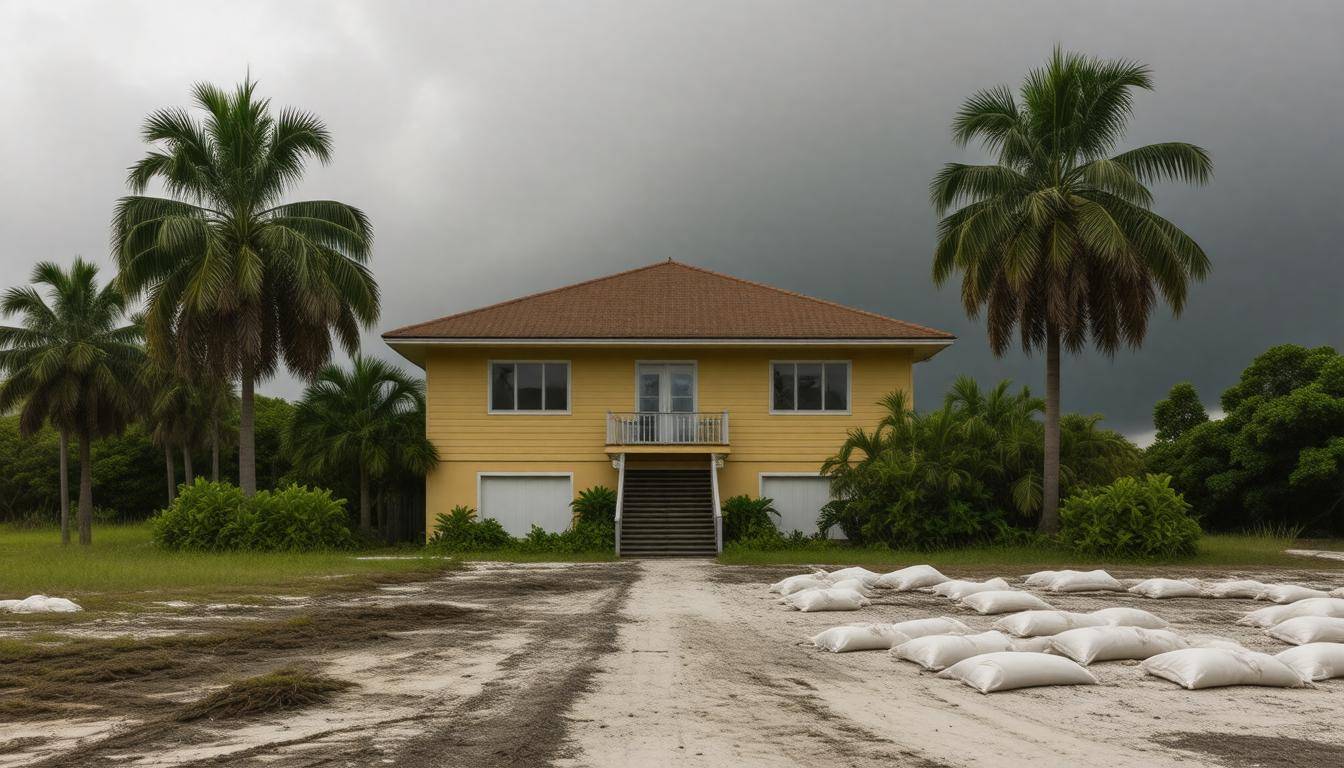
Assessing Your Island Home’s Vulnerability
The journey to hurricane preparedness begins with a thoughtful examination of the unique risks your island home faces, especially considering its coastal location. Coastal erosion, rising sea levels, storm surges, and high wind speeds are critical factors that can impact the safety of your property.
To truly understand your home’s vulnerabilities, you need to look beyond mere aesthetics and consider how these environmental elements affect its structural integrity. For instance, homes sitting merely a few feet from the shoreline are at a higher risk of taking on water when tidal surges occur during storms.
Identifying Risk Factors
Begin by making a comprehensive list of natural features surrounding your home that may influence exposure to severe weather. Pay particular attention to proximity to water bodies, elevation levels, and nearby vegetation.
For example, houses on low-lying land might not only be prone to flooding but also face challenges from storm debris whipped up by high winds. Tools like FEMA’s Flood Map Service Center can provide invaluable insights when determining whether your home resides in a flood zone or if it falls under categories such as Zone A or Zone V, which indicate varying levels of risk.
Understanding these nuances is crucial for making informed decisions about necessary preparations or renovations.
Once you’ve compiled this information, it’s wise to consult experts who can offer detailed assessments tailored for coastal properties.
Professional Assessments
Hiring a structural engineer or an architect specializing in coastal construction is one of the best steps you can take for your island home. These professionals possess the expertise to evaluate your home’s structural integrity comprehensively.
They will help identify potential weaknesses—such as a poor foundation that could be compromised during strong winds, outdated materials that may not withstand intense weather conditions, or insufficient drainage systems that could worsen flooding during a storm event.
Consider it an investment in safety; knowing where your home stands will guide future decisions on upgrades or repairs that could save lives and property during a hurricane.
One critical aspect they’ll focus on is the wind resistance rating of your home. Homes are categorized based on their ability to withstand wind speeds: Category 1 handles 74-95 mph winds while Category 5 can endure gusts over 157 mph.
Understanding this rating is essential as it directly impacts how you prepare for a storm.
After obtaining professional evaluations of vulnerability, you’ll want to explore effective strategies that can enhance preparedness, which includes putting together a robust emergency kit suited to your specific needs.
Building Your Emergency Kit
A complete and carefully assembled emergency kit can be the difference between chaos and safety during a hurricane, particularly for residents living on an island. When basic services might be interrupted or inaccessible, knowing that you have everything you need at your fingertips brings peace of mind. Before hurricane season begins, gather your supplies and ensure they are stored in a water-resistant container to keep them secure.
Essential Items to Include
-
Water: It’s essential to have at least one gallon per person per day for a minimum of three days. This not only covers drinking but also sanitation needs. Having a longer supply is especially important if you’re isolated!
-
Food: Stock a three-day supply of non-perishable food items, such as canned goods, granola bars, and dried fruits. Opt for compact, calorie-dense items that provide energy when you need it most.
-
First Aid Kit: Include bandages, antiseptics, any necessary medications, and key medical information that helps others understand your needs during an emergency.
-
Tools and Supplies: Don’t forget flashlights, extra batteries, a multi-tool or Swiss army knife, candles as backups for light sources, and a reliable lighter or matches for starting fires.
-
Communication Devices: It’s critical to remain informed. A battery-powered or hand-crank radio ensures you receive updates during power outages. Additionally, pack portable phone chargers and consider walkie-talkies to maintain communication with family members if cellular networks are down.
-
Personal Items: Bring along prescription medications along with glasses or hearing aids if applicable. Cash—small denominations work best—is crucial, as ATMs may not function during power outages. Include important documents like insurance policies, identification cards, and emergency contact lists to simplify your life during turmoil.
-
Sanitation Supplies: Hygiene can be overlooked during emergencies but is vital. Stock disinfectant wipes, garbage bags for waste disposal, and hygiene items such as moist towelettes.
Keeping these essentials organized and regularly checking their status will ensure your emergency kit is always ready when you need it.
With your kit prepared and tailored to your unique needs, the next step involves focusing on how best to enhance your living space against potential storms.
Home Modifications and Reinforcements
When it comes to hurricane preparation, making the right modifications to your home can mean the difference between minor damage and complete devastation. One of the key areas to focus on is reinforcing entry points. Doors and windows are particularly vulnerable during a storm; thus, they require special attention. You should consider installing durable door braces to help withstand harsh winds and use plywood or storm panels to cover all windows effectively. These barriers create an extra line of defense against flying debris, which is often the most damaging aspect of hurricane-force winds.
To go one step further, you may want to apply impact-resistant window film; this can absorb shocks and prevent glass from shattering—minimizing both injury risks and property loss.
While securing entrances is paramount, it’s equally crucial to check on the roof—the crown jewel of your home.
Strengthening the Roof
The roof is a critical component when it comes to storm resilience. Utilizing hurricane straps or clips offers a straightforward yet effective way to anchor your roof securely to the walls of your home, preventing it from being torn off during extreme weather conditions. This is especially vital for homes with gable roofs, which are at a higher risk of experiencing damage under strong winds. By reinforcing gable ends with additional bracing or framing materials, you enhance their strength significantly—a tip that can save you thousands when compared to dealing with post-storm repairs.
Beyond these foundational reinforcements, it’s worth considering the type of roofing materials used as well. Opting for lightweight materials such as metal or concrete tiles not only enhances protection but can also improve energy efficiency throughout the year.
In addition, ensure that existing shingles are checked for improper installation; curling or loose shingles can become projectiles in high winds, compromising roof integrity even further.
With sturdy entry points and solid roofs set in place, there are still other modifications you can employ to complete your fortress against hurricanes.
Additional Enhancements
Strengthening your exterior walls is another step not to be overlooked. Consider using reinforced concrete or steel—a combination that improves wind resistance dramatically by up to sixty percent according to engineering studies. These options provide a reliable defense against heavy gusts and flying debris, giving you peace of mind.
Lastly, don’t forget about garage doors. Many homeowners underestimate their vulnerability; however, upgrading to wind-rated garage doors can steer clear of significant damage during storms with winds exceeding 130 mph. Ensuring that all elements fit seamlessly together provides comprehensive coverage against potential disasters, positioning your home for success against the unpredictable nature of hurricanes.
Having covered these essential modifications, it’s time to explore important strategies for planning evacuation routes and establishing communication plans in your preparedness strategy.
Essential Hurricane Season Preparations
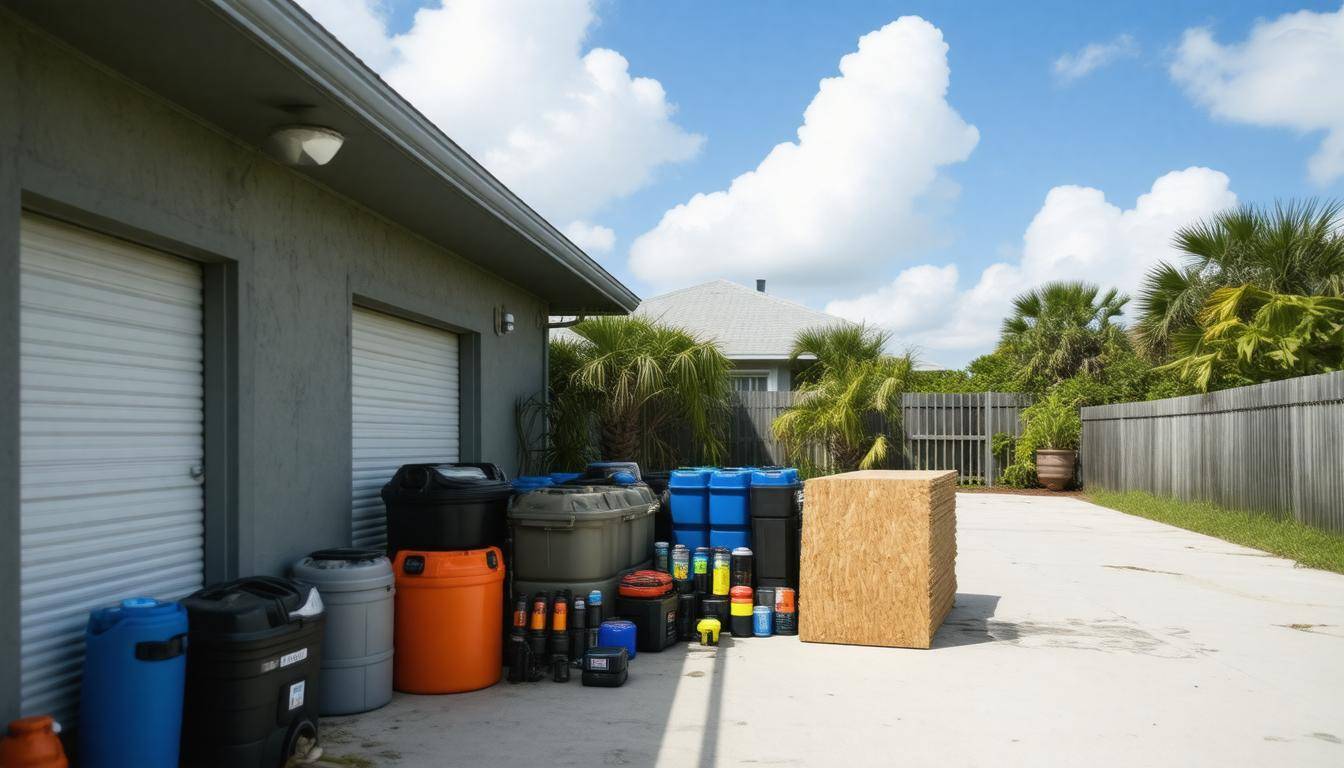
Preparedness for hurricane season goes well beyond just filling sandbags or nailing boards over windows—it’s a holistic approach that encompasses everything from monitoring weather updates to financial readiness. It’s all about setting yourself up for success before the storm begins. One crucial step is creating an emergency plan that includes your family and pets, designating roles and responsibilities. Imagine sitting around the dinner table, discussing your plan with loved ones, ensuring everyone knows what to do when the winds start to howl. This practice not only builds confidence but also fosters a sense of community within the household.
Monitoring and Alerts
Staying informed is perhaps one of the most vital avenues of hurricane preparedness. Subscribing to local weather alerts and downloading apps like the NOAA Weather Radar can be lifesaving. These resources deliver timely updates on hurricane paths, enabling you to make informed decisions. Just picture it: the storm clouds are gathering on your smartphone screen, and you’re receiving live alerts that guide your actions during those tense moments leading up to a hurricane. This kind of real-time information can empower your response and give you more time to prepare.
Routine Checks
Regular checks around your home also play a significant role in storm readiness. Inspecting gutters, drains, and downspouts ensures they are clear of debris which can cause water backup—a problem that can lead to serious flooding if a heavy storm hits. Imagine standing outside during a torrential downpour, watching as water pours off your roof like a waterfall because your gutters were clogged. By regularly cleaning these systems, you can channel water away from your home effectively.
Additionally, take time to trim any trees and shrubs close to your house. Overhanging branches might look lovely in calm weather, but when hurricane winds blow, they can become dangerous projectiles that puncture roofs and shatter windows. Visualize high winds snapping branches like toothpicks; this isn’t just a threat; it’s something you can actively prevent with conscientious maintenance throughout the year.
With these preparations in place, it’s equally important to address the legal and financial aspects of ensuring safety during emergencies.
Insurance and Legal Preparations
One of the most critical aspects of hurricane preparation involves understanding your insurance coverage and assembling essential documents. Without a solid foundation in these areas, your recovery could become more complex than necessary following a storm. The first step is to review your home insurance policy closely. You want to identify any potential coverage gaps that could leave you vulnerable after property damage occurs. Be sure to specifically check for flood insurance, as this is often not included in standard homeowner’s policies.
If you find that you’re at risk of flooding, consider obtaining a policy through the National Flood Insurance Program (NFIP). This program is crucial for residents living in areas prone to hurricanes and floods, providing valuable financial protection against flood-related damages.
In addition to understanding your insurance options, it’s equally important to gather and safeguard important documents.
Important Documents
Having all pertinent documentation organized makes filing claims or accessing services much easier under stressful circumstances. Here’s a list of what you should have ready before hurricane season hits:
- Insurance policies: Ensure all policies are up-to-date and easily accessible.
- Property deeds: Keep a copy of your home ownership documentation in a safe place.
- Birth certificates and passports: These personal records are essential for identity verification.
- Medical records: Include details about medications and doctors, especially for chronic health conditions.
- Financial documents: Bank statements and investment records can help you establish your financial position quickly.
Make copies of these documents or store them digitally, such as in a dedicated cloud account or on an external hard drive.
With your legal and financial safety net in place, the next crucial step is to fortify your windows to withstand high-speed winds.
Installing Impact-Resistant Window Shutters
Impact-resistant shutters are a homeowner’s best friend when it comes to safeguarding windows against severe weather conditions, particularly during hurricane season. Imagine a storm raging outside, rain pounding against your windows, and wind howling through the cracks, while you sit comfortably inside knowing that your home is well-protected. These shutters serve as a resilient barrier against flying debris and powerful winds, significantly reducing the risk of shattered glass and the ensuing damage associated with it. As an added bonus, they can provide insulation and noise reduction, making your living space more comfortable year-round.
Types of Shutters
| Type | Description | Pros | Cons |
|---|---|---|---|
| Roll-down Shutters | Permanently attached and can be rolled up when not in use. | Easy to deploy, high durability. | Expensive installation. |
| Accordion Shutters | Fold away when not in use and can cover wide spaces. | Quick to deploy, suitable for large areas. | Bulky appearance. |
| Bahamas Shutters | Hinged at the top, providing shade and protection. | Aesthetic appeal, easy to close. | Not as strong as other types. |
| Storm Panels | Removable panels that are mounted before a storm. | Cost-effective, easy to store. | Time-consuming to install. |
Choosing the right type of shutter is key to optimizing your home’s defense against storms. For instance, roll-down shutters offer both convenience and resilience but come with a higher price tag due to their mechanical components and durability. Conversely, storm panels might be easier on the wallet but require manual installation ahead of bad weather—something that might cause stress in the moments leading up to a storm.
Statistics show that homes equipped with impact-resistant shutters can withstand winds of up to 150 mph. Furthermore, they can reduce the risk of window breakage by nearly 90%, which is why many insurance companies offer discounts ranging from 10% to 20% on premiums for homes fitted with such protective measures.
Beyond protection from direct storm damage, investing in these shutters can also enhance your property value and curb appeal by displaying aesthetic elements that may elevate the overall look of your home. Reputable studies suggest their lifespan runs between 20 to 30 years, making this a wise long-term investment for residents in hurricane-prone regions.
While securing windows is crucial for safeguarding your home from the elements, ensuring your roof can withstand harsh conditions is another vital aspect of hurricane readiness.
Roof Reinforcement Techniques
Your roof is the most vulnerable part of your home during a hurricane; therefore, reinforcing it is essential to prevent major damage. By using specific techniques, you can significantly enhance your roof’s ability to withstand intense winds and heavy rains, much like a ship braves a storm when properly built.
Techniques for Roof Reinforcement
One effective method is installing hurricane straps. These metal connectors are used to tie your roof more securely to your home’s walls. By creating a solid bond between these two crucial components, hurricane straps can help hold your roof in place when fierce winds try to pry it off. Structural engineers agree—this technique is practically a must for homes in hurricane-prone areas.
Another noteworthy enhancement is the use of ring-shank nails instead of standard nails. Why does this matter? Well, ring-shank nails have grooves that grip the wood more effectively, resulting in better holding power. Studies show they can endure higher withdrawal forces, making them superior for withstanding high winds encountered during storms. So next time you consider any roofing work, think about opting for these specialized nails to fortify your home.
Nobody wants to think about their roof being torn off in a hurricane. Bracing it properly gives you peace of mind.
A less-obvious yet crucial precaution involves applying a secondary water barrier under your shingles. This additional layer acts as insurance, preventing water from penetrating even if the primary roof covering is compromised or blown off. Given how quickly storms can escalate into life-threatening situations, thinking ahead and being proactive can save you from significant headaches down the road—for example, mold removal or water damage repairs that could cost thousands.
Each of these techniques contributes to a comprehensive approach to securing your home against hurricanes. While reinforcing structures is vital, ensuring that all family members know what steps to take when severe weather strikes is equally crucial for safety.
Emergency Plans and Evacuation Strategies
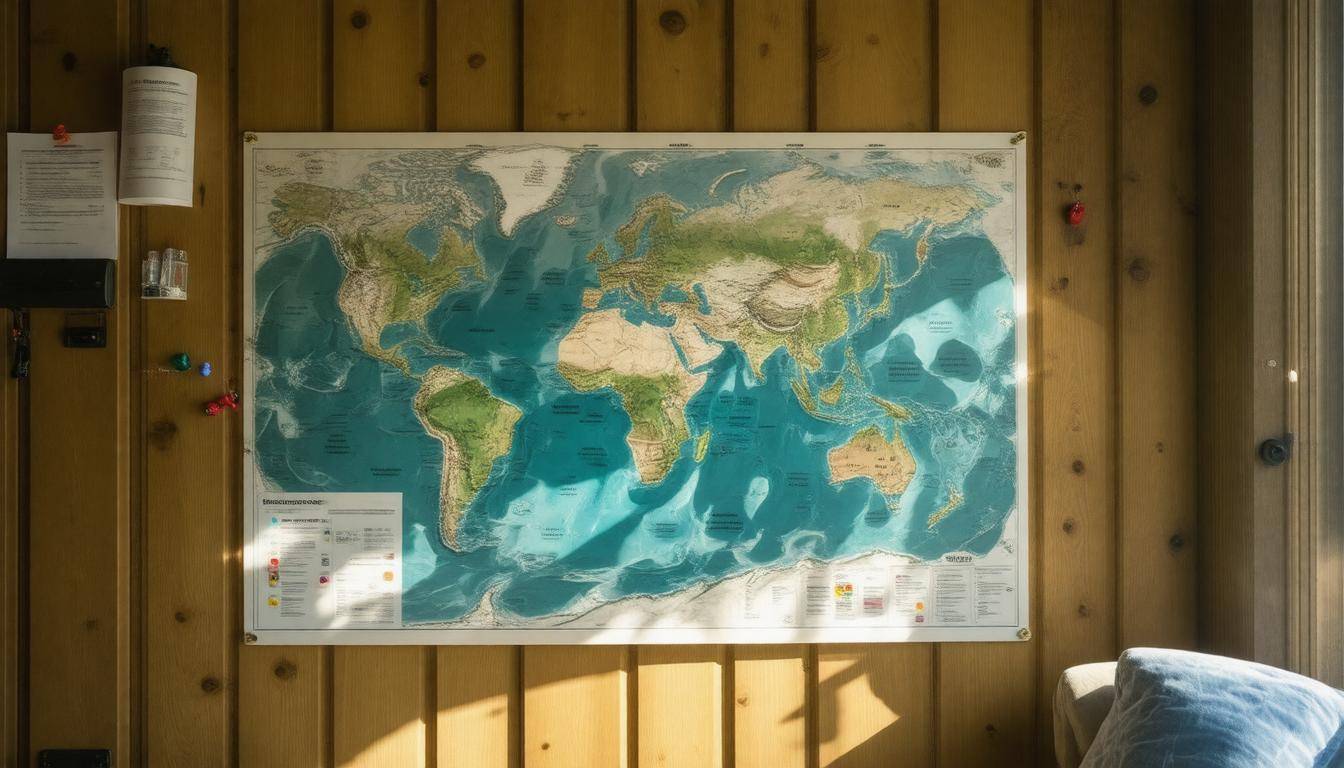
An effective emergency plan can be the difference between chaos and calm during a hurricane. When high winds approach and rain begins to pour, having a clear understanding of what actions to take can save lives. Start by establishing a communication plan within your household. This means keeping a list of emergency contacts handy, along with instructions on how to reach them. Designating a safe room in your home where everyone should gather during the storm is essential. This room should be away from windows and secure from possible flooding.
Once you have your communication plan in place, the next step focuses on knowing where to go when the time comes to leave your home.
Evacuation Routes
Knowing your evacuation routes ahead of time cannot be overstressed. Identify the nearest hurricane shelters and map out the best routes to get there. It’s wise to familiarize yourself with alternative routes, as main roads might be congested or blocked due to fallen trees or debris. Local authorities often provide evacuation route maps on their websites, which you can print or save on your smartphone for easy access.
Ensuring that you have multiple escape routes planned will reduce panic when every second counts.
But even with all that planning, it’s one thing to have it down on paper and another to practice it in real life.
Drills and Practice
Regularly practicing your evacuation plan with all family members is crucial. Drills help everyone remember their specific roles during an actual event. Assign tasks such as grabbing the emergency kit, herding pets, or retrieving important documents quickly, so each person knows exactly what they need to do without hesitation. Imagine how chaotic things could become if your children panicked because they didn’t know where to go or what to do! Sharing responsibilities teaches valuable lessons about teamwork and preparedness that they’ll carry with them through life.
A well-rehearsed plan ensures that, in the event of a hurricane, you and your family can evacuate safely and efficiently. By knowing who does what and where to go, the entire process becomes streamlined and minimizes the inherent stress involved in emergency situations.
In preparing for hurricanes, establishing comprehensive safety measures not only safeguards lives but fosters community resilience. Be proactive and keep your loved ones informed so that you’re all ready when disaster strikes.
How can homeowners assess the vulnerability of their island property to hurricanes?
Homeowners can assess the vulnerability of their island property to hurricanes by evaluating several key factors, including the elevation of the property, proximity to the coastline, and the strength of existing structures. Utilizing tools like FEMA’s Flood Map Service can provide insight into flood zones and storm surge risks. According to NOAA, properties in coastal areas face a 1 in 4 chance of flooding during a 30-year mortgage period, highlighting the importance of proactive assessments to mitigate potential damage.
What specific preparations should be made for an island home before a hurricane?
Before a hurricane strikes, island homeowners should secure all loose outdoor items, reinforce windows and doors with storm shutters or plywood, and stock up on essential supplies such as water, non-perishable food, medications, and first aid kits. Additionally, creating an emergency communication plan and knowing local evacuation routes is crucial. Statistics show that homes that employ thorough preparedness strategies can reduce property damage by up to 50%, making proactive measures the best defense against hurricanes.
What strategies can be implemented to secure an island home against hurricane damage?
To secure an island home against hurricane damage, implement strategies such as reinforcing roofs with hurricane straps, installing impact-resistant windows and doors, and elevating the foundation to mitigate flooding risks. Additionally, creating a defensible zone by clearing vegetation around the property and anchoring outdoor items can reduce debris impact. According to FEMA, homes with these protective measures are significantly more likely to withstand severe storms, showing up to a 75% reduction in wind damage when proper reinforcements are applied.
How do evacuation plans differ for residents of islands compared to mainland areas during a hurricane?
Evacuation plans for residents of islands typically focus on limited escape routes and the need for timely departure, often requiring residents to travel longer distances to reach safety compared to mainland areas, which may have multiple evacuation pathways. Islands also face constraints like ferry availability and tidal changes that can hinder evacuation efforts. For instance, during Hurricane Irma in 2017, it was reported that over 90% of Florida Keys residents evacuated due to the impending threat, illustrating the urgency for island dwellers who must contend with geographic isolation and potential logistics challenges when fleeing a hurricane.
What supplies are essential for hurricane preparedness in coastal areas?
Essential supplies for hurricane preparedness in coastal areas include a three-day supply of non-perishable food and water (one gallon per person per day), a first aid kit, flashlights with extra batteries, a battery-powered or hand-crank radio, important documents, and personal hygiene items. According to the National Oceanic and Atmospheric Administration (NOAA), having these supplies can significantly increase your safety and well-being during a hurricane, as nearly 60% of individuals affected by hurricanes wish they had better preparations in place. Being ready can make all the difference when facing such natural disasters.