
When the monsoon season hits Mumbai, it’s not just about dodging raindrops; it’s about being prepared for the possibility of flooding. With heavy rainfall that can turn streets into rivers overnight, having an emergency kit ready can make all the difference. Think of it as your safety toolbox, packed with essentials to help you and your family navigate through a challenging time. From food and water supplies to first-aid items and sturdy clothing, knowing what to include in your emergency kit will give you peace of mind during unpredictable storms. Let’s dive into the important steps to assembling your own Mumbai Monsoon Flooding Emergency Kit so you’re well-equipped when the skies open up.
A Mumbai Monsoon Flooding Emergency Kit should include essential items such as non-perishable food, bottled water, a first aid kit, flashlights with extra batteries, waterproof clothing, and important documents stored in a waterproof bag. Additionally, consider including portable phone chargers and a battery-powered radio to stay updated on weather conditions and emergency services.
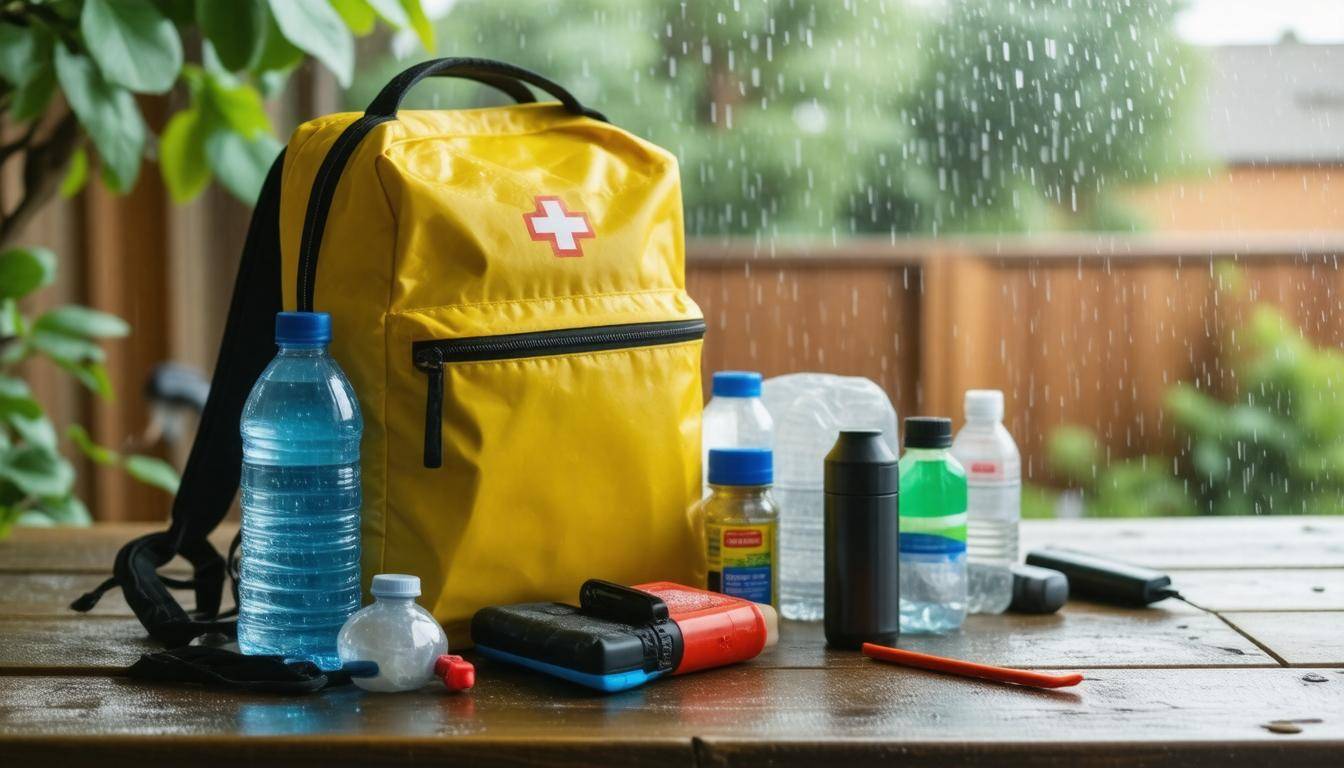
Preparing Your Mumbai Monsoon Flooding Emergency Kit
First and foremost, assessing your family’s unique needs will provide clarity on what essentials should be included. For example, families with infants must prioritize baby formula, diapers, and specific items that cater to young children. Similarly, the elderly may require medications or mobility aids. This assessment allows you to tailor your kit accordingly, ensuring it is comprehensive enough not to overlook important supplies for every member of the household.
Once you’ve determined those needs, it’s essential to think about storage.
Step I – Using Waterproof Containers
Using sturdy, waterproof containers is crucial when preparing your emergency supplies. Many opt for heavy-duty plastic bins with secure lids to keep water out. It’s wise to double-check that these bins are clearly labeled. Labeling helps anyone who might need to access the kit quickly understand what’s inside without wasting time rummaging through multiple containers. Additionally, consider using transparent boxes; this way, you can see at a glance what you have stored. Incorporating smaller zip-lock bags within these containers for individual items can further help organize everything neatly while providing extra layers of protection.
Now that we have reliable storage covered, let’s talk about accessibility.
Step II – Keeping the Kit Accessible
Your emergency kit won’t do much good if it’s buried in a hard-to-reach spot during an urgent situation. Aim to place your emergency kit in a location that’s instinctively easy to access when panic sets in. Ideally, situate it near your main entrance so that you can grab it quickly as you leave your home. If possible, keep it on a high shelf—this can prevent accidental water exposure from rising floodwaters inside your home. The idea is to find a balance between security against water damage while ensuring immediate accessibility when the need arises.
Lastly, let’s explore how to regularly update and maintain your emergency kit.
Step III – Regular Maintenance and Updates
An emergency kit is not a “set it and forget it” solution; therefore, it’s vital to check and refill its contents periodically. Establishing a schedule—perhaps once every few months—to review the items ensures that vital supplies such as food and medication haven’t expired and are ready for use whenever needed. During each review session, remember to add seasonal items that may be relevant during monsoons, like rubber boots or extra wipes. Also consider involving family members in these maintenance checks; teaching everyone where the kit is kept and its contents can empower them should an emergency arise.
By following these steps effectively—assessing needs, ensuring proper storage, maintaining accessibility, and committing to regular updates—you will be well-equipped for any unexpected flooding challenges that come your way. As we continue our exploration of preparedness, let’s focus on gathering all necessary supplies to ensure survival during such emergencies.
Essential Items for Your Flooding Survival Kit
Knowing what to include in your flooding survival kit can make a huge difference when disaster strikes. The right items not only equip you to survive but also empower you to face unforeseen challenges with confidence. Each item plays a specific role in ensuring you have the basics needed to endure until help arrives or situations improve.
| Item | Quantity | Purpose |
|---|---|---|
| Water | 3-day supply per person | Hydration |
| Non-perishable food | 3-day supply per person | Sustenance |
| Flashlight | 1 per person | Illumination |
| Batteries | Pack of 4 | Power for devices |
| First aid kit | 1 pack | Emergency treatment |
| Cash | ₹2000 | Purchases when ATMs are inaccessible |
| Multi-tool | 1 tool | Versatility in various situations |
| Whistle | 1 piece | Signal for help |
| Plastic bags | 10 pieces | Storage or refuse collection |
| Copies of documents | 1 set | Identification and records |
Having access to clean water is paramount during any crisis. A three-day supply per person ensures that you’ll stay hydrated while waiting for circumstances to stabilize. Choose sturdy, leak-proof containers so they can be easily transported if necessary. As for food, it’s critical to pack non-perishable items like canned goods or energy bars—anything that requires little prep and provides ample nutrients will go a long way toward maintaining your strength and morale.
Among the other essentials, a flashlight with fresh batteries can provide illumination during power outages. It is surprising how calming even a small light can be in the chaos of an unexpected flood. To make sure your devices remain functional, storing spare batteries is practical.
Emergency situations can be unpredictable, so including a first aid kit allows you to address minor injuries immediately while awaiting medical assistance. You might not consider cash as crucial until you realize that ATMs may become inaccessible due to flooding and infrastructure damage. A few thousand rupees stored safely can be invaluable.
Furthermore, having a multi-tool on hand elevates your capability significantly; it combines several tools into one compact design, which helps ensure you’re prepared for various tasks without needing extensive equipment.
In signal emergencies, a whistle can alert rescuers without wasting precious breath. When it comes to storage, recommend stacking ten plastic bags—they serve multiple purposes from waste disposal to protecting valuables from water damage. Lastly, having copies of vital documents at your fingertips ready should any identity verification arise is essential to smoothen any potential complications later on.
Including these items ensures you have the basics needed to survive for a short period while navigating potential challenges following a flood event. With these essentials packed securely, you increase your chances of weathering the storm effectively and staying safe.
Equipped with the right supplies, the subsequent focus shifts to ensuring reliable illumination and power sources during these critical times.
Lighting and Power Supplies
In the event of a flood, power outages are not just an inconvenience—they can become significant obstacles to staying safe and connected. This is precisely why having trustworthy lighting and power supplies in your emergency kit is crucial. Imagine being in the middle of the night, surrounded by water, with no light source to guide you. This scenario underscores the necessity of preparing adequately.
Opt for LED flashlights and lanterns as your primary lighting sources. Not only do they provide bright illumination, but they also consume less energy than traditional bulbs, meaning they can last longer when you’re relying on limited battery power. This durability is essential when facing extended blackouts.
A well-prepared individual should include multiple light sources in their kit. A small yet powerful flashlight for personal use and larger lanterns for communal areas will ensure that everyone has access to necessary visibility without draining the batteries too fast.
Additionally, thinking ahead about how to charge your devices is just as important as lighting solutions. Since keeping a cell phone charged could be crucial for receiving updates about flood conditions and remaining connected with loved ones, investing in rechargeable power banks becomes invaluable. Many modern power banks also come equipped with solar charging capabilities.
Raj Patel, a Mumbai resident, stresses this point with his experience: “Having a solar charger kept me connected when the power was out for three days during the 2022 floods.” His story illustrates how reliable, renewable power sources can provide peace of mind during dire situations.
Essential Considerations
When assembling your emergency kit, don’t overlook smaller but impactful items like extra batteries for your flashlights and lanterns. You don’t want to fumble through your supplies at midnight only to realize your backup lights have dead batteries.
Furthermore, consider the practicality of your setup; having everything organized so that it can be found quickly might save time during urgent moments. Utilizing storage boxes or bags that clearly label each item ensures you can grab what you need without wasting precious minutes—this can be vital when every moment counts.
Maintaining a focus on these essentials will enable you to create a well-rounded emergency kit that meets your needs during critical times. Next, we’ll explore items specifically aimed at enhancing safety and health in such emergencies.
First Aid and Safety Items
A well-stocked first aid kit can make a significant difference in emergencies. Beyond just bandages and antiseptics, it’s wise to personalize your kit to suit the family’s specific needs. Each family member may have unique health considerations, so including prescription medications—from inhalers for asthma to allergy pills—is crucial. You never know when these might be needed, especially during a crisis when access to pharmacies or medical facilities may be limited.
Dr. Smita Rao wisely pointed out, “Floodwaters can carry infections, so having antiseptic and antibacterial products is crucial.” This reinforces the notion that you should fill your first aid kit not just with typical supplies but also with preventative items that will keep your loved ones safe from waterborne pathogens. Consider incorporating antiseptic creams, anti-itch lotions for bug bites, and even extra gauze pads for larger wounds.
Aside from medical supplies, enhancing safety during emergencies is equally important.
Reflective vests are invaluable in low-visibility situations, helping rescuers see you in dark or flooded areas. If you find yourself stranded on a road or near a body of water, wearing one can drastically improve your chances of being seen. Pair this with a whistle; it’s a simple yet effective device for signaling help without overexerting yourself—especially when shouting may not be an option due to fatigue or injury.
Recommended Items for Your Emergency Kit
- Bandages (various sizes)
- Antiseptic wipes
- Pain relievers
- Prescription medications
- Tweezers for splinter removal
- Instant cold packs for sprains
- Safety scissors (blunt-tip)
- Reflective vests
- Whistles for signaling help
Lastly, consider adding emergency contact information sheets and basic first aid instructions in your kit. In stressful moments, knowing how to treat common injuries like burns or sprains can be incredibly beneficial. Equip yourself and your family with knowledge so that when crises occur, confidence replaces panic.
By thoughtfully assembling your first aid and safety items, you can ensure preparedness as we shift focus to enhancing the resilience of your living space against unexpected weather events.
Home Waterproofing Tips
Making your home flood-resistant can minimize damage, and simple waterproofing tips can really make a difference when floodwaters start rising.
One critical step is to check and seal cracks throughout your home. Inspecting foundations, walls, and ceilings for any visible gaps or fissures is essential. These cracks provide easy access for water to infiltrate your home, so it’s important to use a reliable sealant to close any openings you find. This may seem like a minor chore, but sealing those cracks can save you significant heartache down the line.
After ensuring that your home’s surfaces are well-sealed, consider investing in a sump pump.
If you have a basement, installing a sump pump can be a game-changer during heavy rains or flooding events. A sump pump works like a guardian angel for your basement: it sits at the lowest point of the area and helps to remove any water that accumulates in case of flooding. When selecting one, look for a model that can handle considerable volumes and comes with a battery backup, ensuring that it operates even during power failures – which often happen during storms.
While these two steps are foundational, there are additional measures worth taking to protect your property against water damage.
Elevating electrical appliances and outlets is another effective strategy for reducing risk when the waters rise. In a flood-prone area, it’s wise to place electrical systems at least one foot above the anticipated flood level. This simple adjustment can prevent costly replacements and safeguard against electrical hazards if flooding occurs. Make sure to also position crucial devices—like furnaces and water heaters—off the floor or on raised platforms.
Additional Protective Measures
- Install Backflow Valves: Prevent sewage from backing up into your home during floods.
- Create Drainage Systems: Enhance drainage around your property to redirect rainwater away from the foundation.
- Landscaping Adjustments: Shape your yard so that sloping directs water flow away from the house.
Remember, taking these precautions might seem overwhelming at first glance, but they can significantly ease your mind during heavy rains and flooding seasons.
Flood-proofing your home is an investment in peace of mind and future safety. Implementing these waterproofing strategies before disaster strikes gives you the best chance of keeping your home safe while ensuring you stay dry and comfortable through the stormy Mumbai monsoons.
With your property’s defenses strengthened, let’s now shift our focus towards protecting personal valuables and important documents throughout this season of uncertainty.
Securing Valuables and Documents
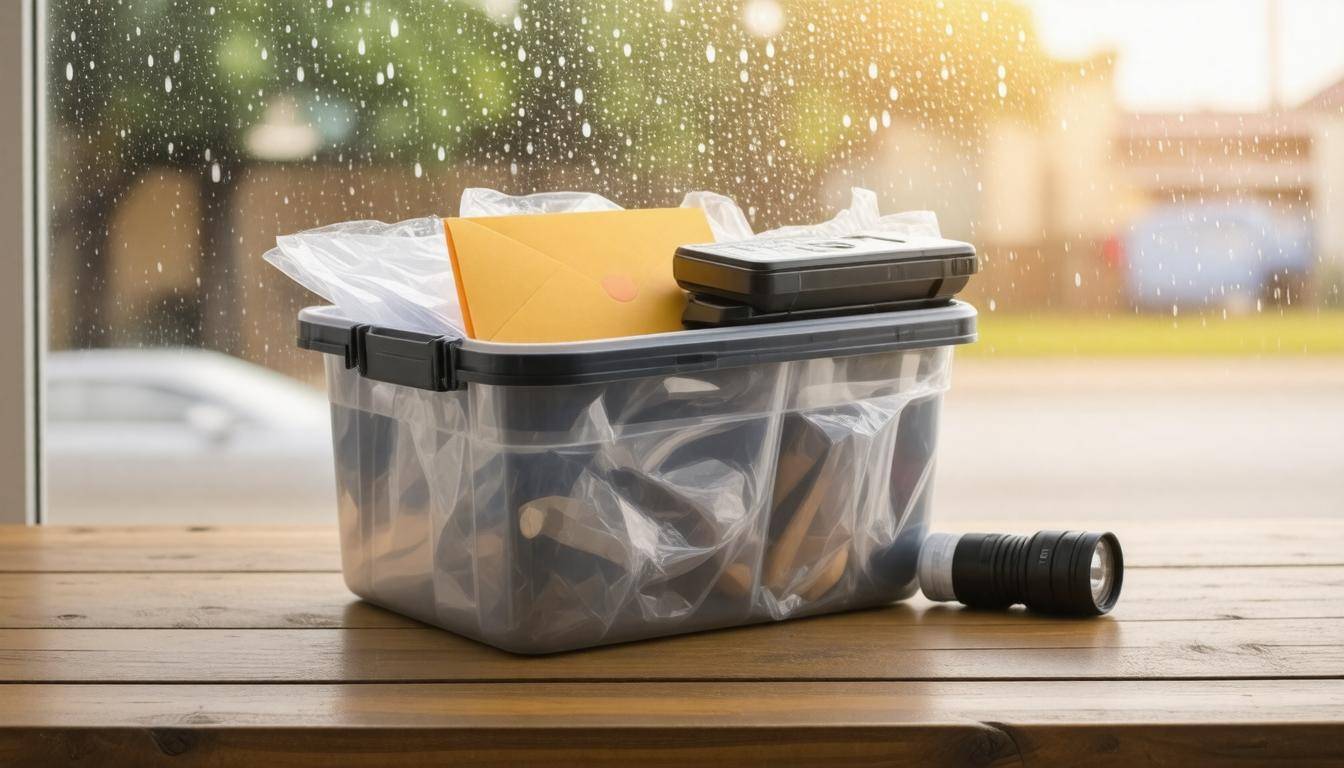
Flooding poses a significant threat to our homes and possessions, but taking the right steps can help safeguard your most important items. One key action is to use waterproof document bags. These specially designed bags are crucial for keeping important papers, such as identification cards, property deeds, and insurance policies dry and safe from water damage. Look for bags that are sturdy, with reliable seals to prevent moisture from seeping in. You might want to invest in several, labeling each one by type of document to keep track of what is stored inside.
Furthermore, don’t stop at physical protection; consider creating digital backups of critical documents as well. In a world reliant on technology, saving copies of your papers can be a lifesaver in catastrophic situations. Services like Google Drive or Dropbox allow you to upload your documents securely so you can access them from any internet-connected device after an emergency. Think about it: if your home is compromised, having these files accessible on your phone or laptop is immensely reassuring.
Taking these precautions means you’ll still have access to essential information even if the physical copies become damaged or lost in the flood.
Consider also securing valuable items beyond just documents. If you own precious jewelry or family heirlooms, placing them in a waterproof box or container can provide additional peace of mind. These boxes can usually float during a flood, which helps keep their contents away from harmful water exposure while making them easier to locate later on.
Alongside these protective measures, it’s wise to periodically review and update both your physical and digital collections as new documents come into play—don’t forget things like new mortgage agreements or recent tax forms. A little ongoing diligence can save you from scrambling during an already chaotic situation.
By understanding how to safeguard both physical items and their digital counterparts, you lay a solid foundation for weathering any storm. As we prepare further, let’s shift focus to ensuring an adequate supply of essentials for sustaining ourselves throughout any disruption.
Food and Water Storage
Securing adequate food and water supplies is vital during floods, especially for prolonged emergencies when regular access to stores may be compromised. It’s not just about quantity; it’s about ensuring what you store can sustain you and your family during challenging times. Therefore, the first step is to gather non-perishable food items that are nutritious, easy to prepare, and have a long shelf life.
Non-Perishable Foods
Start by stocking up on canned goods like vegetables, beans, and fruits, as well as ready-to-eat meals. These options provide essential calories and ease the burden of cooking in stressful situations. Dry cereals can serve as a great breakfast choice too; they’re simple to grab and eat on the go. Don’t overlook high-energy snacks—protein bars, nuts, and trail mixes are fantastic additions to your emergency supply, delivering energy without requiring preparation.
When organizing your pantry or storage area for emergencies, select a variety of foods to ensure balanced nutrition even if restricted to these supplies for an extended period. A helpful tip is to mark expiration dates clearly so you can manage rotations effectively; consume the older items first while replenishing with new stocks regularly.
Safe Water Storage
Equally important is having a safe water supply. Store water in food-grade containers specifically designed for that purpose—these prevent harmful chemicals from leaching into the water. Aim for at least one gallon of water per person per day, realistically assessing how long you might be away from running water sources.
To enhance your preparedness further, consider investing in water purification tablets or portable filters as backup options. These tools ensure that if your stored supplies dwindle or if you need additional water during floods, you have a reliable method for making sure it’s safe to drink.
The last thing you want during a flood is to scramble for clean drinking water—a little preparation today can save significant trouble during emergencies!
As you gather these supplies, keep in mind the importance of not only what you need but how you will navigate the challenges ahead. Next, let’s explore what clothing and gear are essential for tackling unexpected conditions effectively.
Proper Clothing and Gear
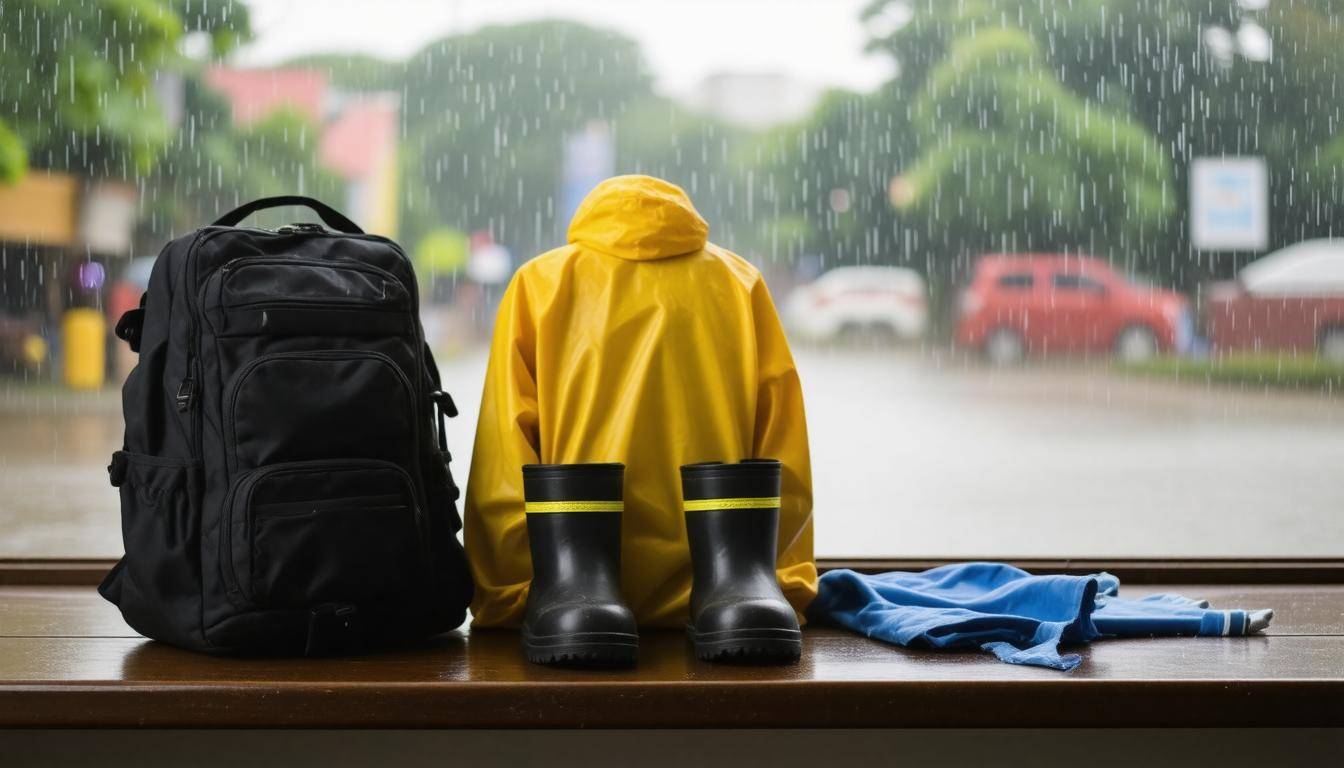
When you’re preparing for the monsoon floods in Mumbai, choosing the right clothing isn’t just a matter of comfort; it’s a crucial part of staying safe and protected. Think of your gear as an armor that will shield you from harsh weather conditions and potential hazards in floodwaters. For instance, wearing waterproof boots isn’t merely about keeping your feet dry; it’s about avoiding health risks that come with walking through potentially contaminated water. You want boots that provide good traction, preventing slips on wet surfaces while maintaining comfort for longer wear.
Alongside sturdy boots, a solid raincoat is essential. Opt for raincoats made from durable, water-resistant materials like Gore-Tex. This fabric technology allows sweat to escape while preventing rain from soaking through, keeping you both dry and comfortable. It’s pivotal that your raincoat has adjustable cuffs and a hood to keep water out. Remember to check for lightweight options; you don’t want to feel weighed down when you’re navigating through flood areas.
As temperatures can drop unexpectedly during storms, wearing thermal wear underneath your clothes can make all the difference. This type of clothing retains body heat without adding bulk, allowing you to stay warm without feeling constricted. A good thermal layer can provide insulation while still allowing for freedom of movement when you need it most.
Essential Accessories
-
Waterproof Gloves: Critical when dealing with damp or hazardous materials such as debris or chemicals that may have come loose in the flooding.
-
Quick-Dry Towels: Keep these handy for quickly drying off if you do get wet; they can also be used to wipe down any gear or equipment you’re carrying.
-
Backpack: Use a waterproof backpack to store extra clothing, snacks, and emergency items ensuring everything stays dry no matter what.
Each piece of gear complements the others, creating a strategy for protection against adverse weather conditions while enhancing your mobility within potentially dangerous flood scenarios. Making informed choices about how you dress can dramatically affect not just your comfort level but also your safety throughout the stormy season ahead.
In preparing for the Mumbai monsoon floods, being equipped with appropriate clothing and essential accessories will significantly increase your safety and comfort. Understanding what to pack gives you greater assurance as you navigate potential challenges during this season.
What essential items should be included in a Mumbai monsoon flooding emergency kit?
An essential Mumbai monsoon flooding emergency kit should include portable water bottles, non-perishable food items, a first aid kit, flashlights with extra batteries, a whistle for signaling, waterproof bags to protect important documents, and sturdy boots. Given that Mumbai experiences over 2500 mm of rainfall annually during the monsoon season, being prepared is crucial. Statistics show that flooding can disrupt life for weeks; having these supplies ensures safety and sustains basic needs during emergencies.
How often should you check and replenish the supplies in your emergency kit?
You should check and replenish the supplies in your emergency kit at least every six months, ideally coinciding with seasonal changes. Regular checks ensure that food, water, and medications do not expire—research shows that up to 30% of emergency kits can contain expired items if not regularly maintained. Additionally, inspecting your kit helps you stay familiar with its contents, so you’re better prepared during a crisis like the Mumbai monsoon flooding.
How can residents ensure their homes remain safe during heavy monsoon rains?
Residents can ensure their homes remain safe during heavy monsoon rains by proactively inspecting and maintaining drainage systems, sealing any leaks in roofs and walls, and elevating electrical appliances above potential flood levels. According to the Indian Meteorological Department, Mumbai receives an average of 2,500 mm of rainfall annually, with most occurring during the monsoons; thus, preparing in advance is crucial. Additionally, creating a barrier around the home using sandbags or waterproof sheeting can help prevent water intrusion.
Are there specific local resources or organizations in Mumbai that provide assistance or support during floods?
Yes, during monsoon flooding in Mumbai, organizations like the Mumbai Disaster Management Cell and Goonj provide vital assistance. The Disaster Management Cell coordinates rescue operations and supports emergency response, while Goonj mobilizes resources for flood relief efforts. According to data from previous years, these organizations have successfully aided thousands of affected families by distributing essential supplies such as food, clothing, and medical kits, highlighting the critical role of local support systems during disasters.
What are the best practices for storing an emergency kit before the monsoon season arrives?
To effectively store an emergency kit before the monsoon season in Mumbai, ensure that it is kept in a cool, dry place elevated from ground level to prevent water damage. Use waterproof containers to protect supplies from moisture and regularly check expiration dates of food and medications. According to disaster management studies, having a well-prepared kit can increase survival chances by up to 60% during natural disasters. Regular inventory checks also ensure that all items are functional when needed most, making timely preparation crucial for safety during heavy rains and potential flooding.