
When a hurricane is on the horizon, the feeling of uncertainty can be overwhelming. Knowing what to do and how to prepare can make all the difference between chaos and calm. If you’re a resident of Jacksonville, Florida, being ready for hurricane season means understanding not just the looming threat, but also how to protect yourself and your loved ones. Your safety starts with proper planning, knowing which supplies you’ll need, and having an effective readiness strategy in place. Whether this is your first hurricane season or you’ve gone through some scares before, our comprehensive Hurricane Supply Guide provides essential tips and items to help you stay safe when those dark clouds roll in. Let’s dive in!
Our Hurricane Supply Guide for Jacksonville, Florida outlines crucial items such as non-perishable food, water (at least one gallon per person per day), first-aid kits, flashlights with extra batteries, and essential medications. It also emphasizes the importance of having an emergency plan and staying informed through local weather updates as the hurricane approaches.

Essential Hurricane Supply Kits
A well-rounded hurricane supply kit is crucial for surviving an unexpected storm. Beyond just the basics, your kit should be meticulously packed with thoughtful additions that could make all the difference in an emergency. Each item contributes to your self-sufficiency and safety when external help may be delayed or unavailable.
Basic Items
- Water: At least one gallon per person per day to keep everyone hydrated.
- Food: Think non-perishable items like canned goods, protein bars, and dried fruits that store easily and provide energy.
- First Aid Kit: This should include bandages, antiseptics, any medications you rely on regularly, and even a manual on basic first aid procedures.
- Tools and Supplies: Equip yourself with flashlights, extra batteries, a multi-tool (which can serve many functions), and duct tape for quick fixes.
- Personal Items: Gather important documents such as identification and insurance papers, hygiene products, and sufficient clothing suited for extended periods without access to laundry facilities.
Once your basic needs are covered, consider additional items that will boost your preparedness.
Additional Items
Enhancing your hurricane supply kit can significantly elevate your readiness if conditions worsen. For instance, including a battery-powered or hand-crank radio allows you to stay updated on changing weather conditions without relying on power or cell service. Crucially, a portable phone charger ensures that you can communicate with family and emergency services should the need arise.
Small denominations of cash can be essential as ATMs may not function if the power goes out or if it’s unsafe to venture out. It’s wise to pack extra keys for both your home and car; in stressful situations, losing a key can lead to unwanted complications.
The more prepared you are ahead of time, the calmer you’ll remain if faced with an emergency situation. Thoughtfully assembling a hurricane supply kit—with both basic necessities and additional helpful items—can significantly improve your chances of staying safe during the tempestuous days ahead.
Now that we’ve examined the essentials for safeguarding yourself against severe weather events, let’s move on to the tools that will help ensure you have everything you need when storms arise.
Complete Checklist for Storms
A comprehensive checklist is your lifeline during a storm. It guides you through the chaos that can ensue when a hurricane strikes. For instance, having enough water—a gallon per person per day for at least three days—ensures that you stay hydrated when power outages can disrupt local supply chains.
In addition, you’ll want to pack at least three days’ worth of non-perishable food, which could include anything from canned goods to energy bars. Always remember to have a manual can opener handy! Medications should be checked and replaced if expired, and it’s wise to include any necessary prescriptions to ensure everyone in the household is taken care of.
Safety is paramount, especially in unpredictable weather conditions, so let’s explore emergency tools that will keep you informed and help you find your way.
Emergency tools are just as vital. A good quality flashlight with extra batteries can make all the difference during power outages. Your phone may die, but a flashlight provides immediate light and direction. Additionally, having a battery-operated or hand-crank radio helps you stay updated on weather and emergency announcements. Don’t forget to stockpile batteries; they’re as important as any tool! An added security measure is to include multi-tools or a basic toolkit for unexpected repairs around your home if damage occurs.
Now that we’ve covered essentials for hydration and safety, let’s move on to maintaining cleanliness and comfort amidst turmoil.
When it comes to safety and hygiene during a storm, proper supplies can greatly ease stress. Items like sanitizers, masks, gloves, and soap won’t just keep germs at bay; they will help you maintain health standards during uncertain times. Pack these in an easily accessible bag; they could be crucial if you need to step outside after the storm passes or if you are sharing space with family or friends who were also affected.
Comfort should also not be neglected; remember to prepare bedding, clothes, and towels—especially those that can double as insulation or warmth if the temperature drops.
Finally, let’s round out your checklist with necessities that often slip our minds but are undeniably critical.
Your miscellaneous supplies may seem trivial compared to other categories but can significantly affect your ability to manage during an emergency. Having cash on hand—ideally small bills—in case ATMs go down is prudent, as some services may only accept cash post-storm.
Gather important documents in one waterproof bag: passports, insurance papers, medical records—anything crucial that provides peace of mind during this turbulent time. Lastly, possessing local maps becomes invaluable if the usual routes become impassable due to fallen trees or debris.
Each item on your checklist isn’t merely necessary; collectively they serve as a reminder that preparation empowers you to face whatever storms may come with confidence.
With this comprehensive guide at your fingertips, the next step will be organizing how you’ll respond when the skies turn ominous.
Preparing Your Evacuation Plan
Planning an evacuation means considering every possible scenario, and it begins with mapping out your routes. It’s essential to identify multiple pathways out of Jacksonville, as relying on just one route could lead to backups and frustration when many people evacuate at once. Consider high ground routes that bypass low-lying areas susceptible to flooding.
Imagine the chaotic scene of vehicles stuck in rising water while trying to escape the storm. To help avoid such a scenario, keep several printed maps handy, just in case technology fails you; GPS systems can be unreliable during power outages.
“Preparation is the key to survival. An evacuation plan is not just about leaving; it’s about understanding your surroundings.”
Family Coordination
When designing your evacuation strategy, think about how to coordinate with your family members. Time may not be on your side when an evacuation order comes through, so establish a predetermined meeting point where everyone can regroup if they’re separated. This could be a local school or even a friend’s house outside the danger zone.
Additionally, having contact information is vital. Make sure everyone has a list of emergency contacts saved on their phones but also maintain a hard copy in your emergency supply kit—this list should include numbers for friends, family members, and local shelters within Jacksonville.
To streamline communication, discuss which family member will handle contacting whom during the chaos. Know that cell towers can become congested or fail, so consider alternative methods like using text messaging—which often works better than calls—when things get hectic.
As you secure these key components of your evacuation strategy, it’s important to think about essential supplies you’ll need when leaving home in a hurry.
Food and Water Essentials
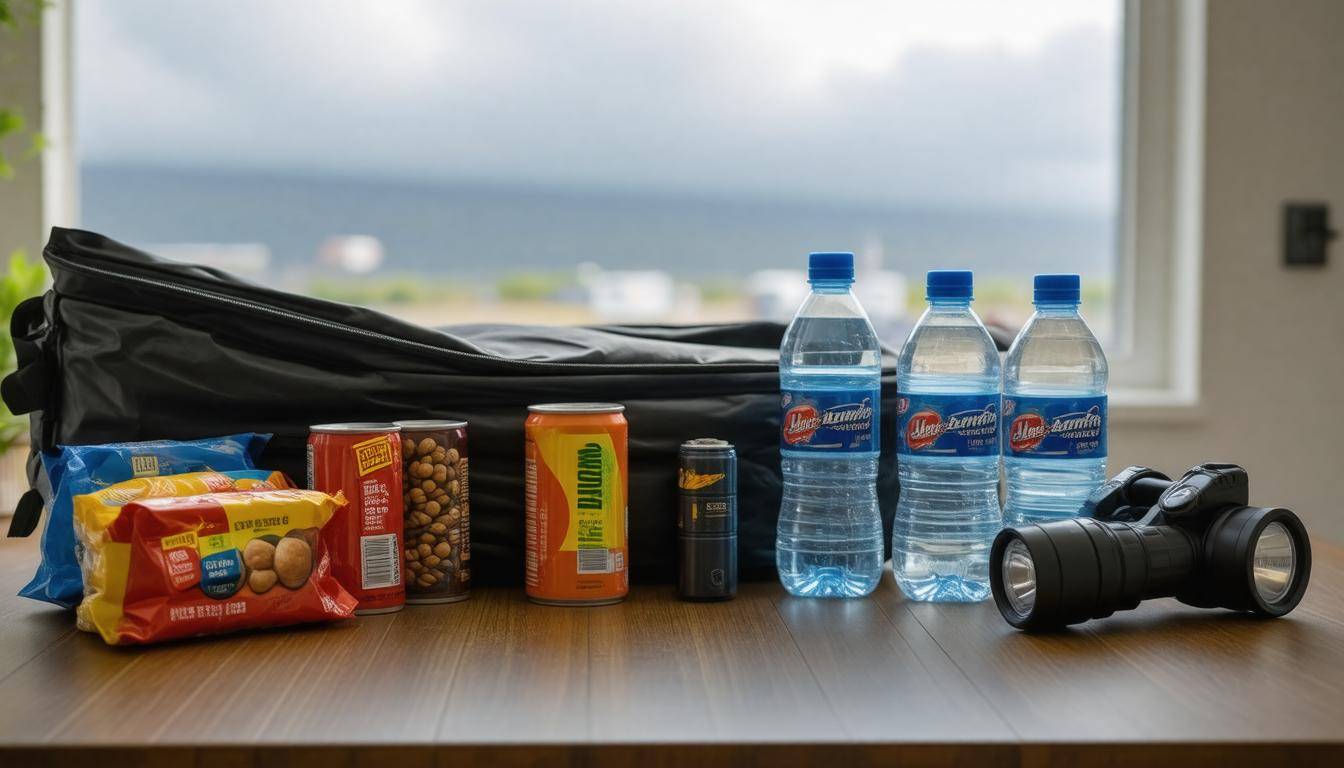
Ensuring that you have sufficient food and water is pivotal during hurricane preparations. The rule of thumb is to stock at least a three to seven-day supply per person. This timeframe considers potential disruptions in services, particularly in areas frequently impacted by severe weather conditions. Access to grocery stores and clean water can be significantly restricted during a hurricane, so being prepared will ease the stress of the situation.
Types of Food
When selecting food, it’s crucial to opt for high-energy, non-perishable items with a long shelf life. Consider canned beans, tuna, nuts, and granola, as these foods provide necessary nutrients and require minimal to no preparation, which is key during power outages. Convenience is critical; items like peanut butter or ready-to-eat meals can come in handy when cooking isn’t an option.
Don’t forget the importance of including manual can openers alongside your food supplies! Additionally, if you’re caring for infants or young children, including sufficient baby food and formula is essential for their nutritional needs during emergencies.
Having discussed how vital it is to prepare appropriate food supplies, let’s now look at the water aspect of hurricane preparedness: storage.
Water Storage
Each person should aim to store at least one gallon of water per day; however, it’s advisable to have some extra stockpiled for hygiene purposes such as washing hands or brushing teeth. Thinking ahead can save you from uncomfortable situations where clean water becomes limited. One effective method is to fill large containers or bathtubs with water before the storm hits.
This not only secures drinking water but also provides adequate resources for cleaning purposes. Have smaller bottles readily available for on-the-go hydration needs once the storm has passed. Additionally, consider storing extra bottles of water in coolers or insulated bags to prolong their ambient temperature after the storm has disrupted your regular supply lines.
Remember, staying hydrated is just as important as having proper nutrition when facing emergencies like hurricanes. Planning ahead means less panic during crises, making it always better to prepare early than too late.
With your food and water essentials firmly in hand, it’s time to transition into the next vital area of precaution: ensuring your home remains safe and secure during inclement weather.
Home Safety Measures
Structural Preparations
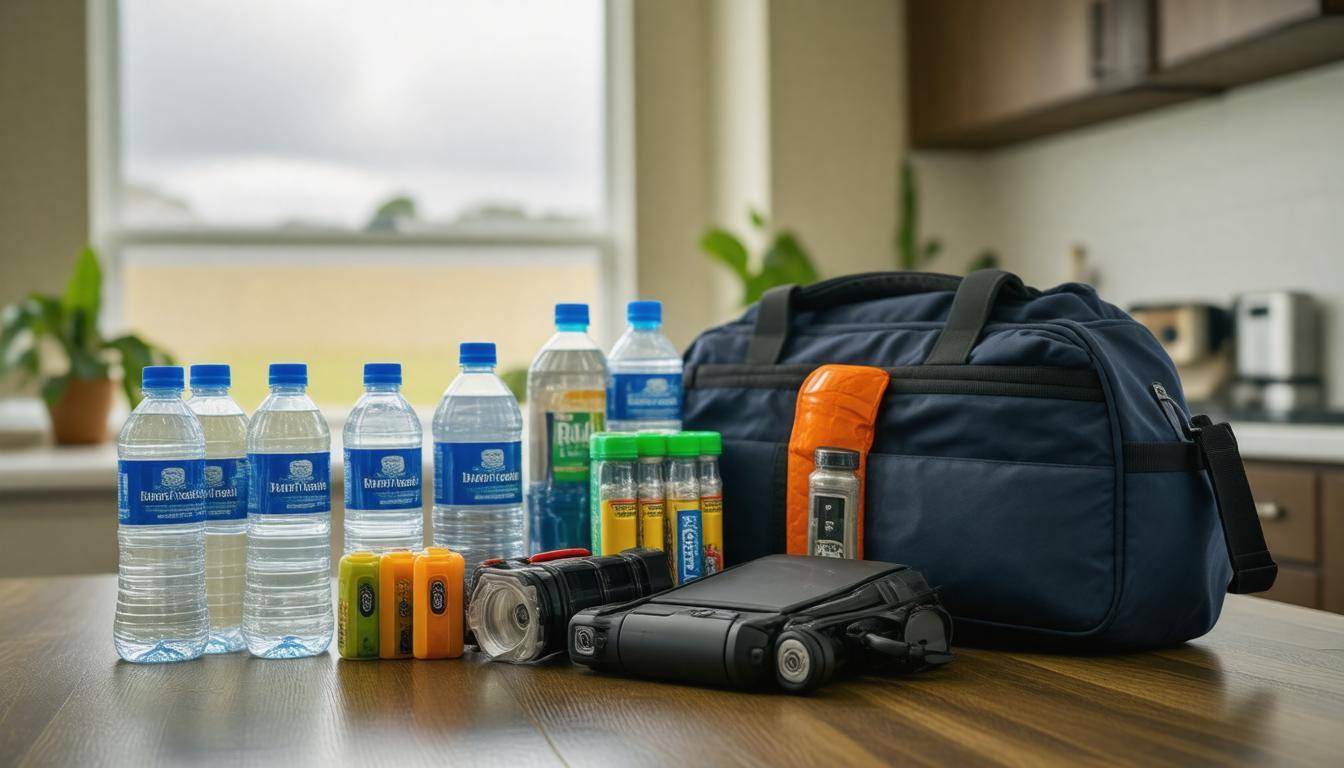
Start by fortifying your home’s exterior, as this is your first line of defense against the fierce winds of an approaching hurricane. Installing storm shutters is a solid investment; they shield your windows from debris that can become dangerous projectiles. If storm shutters seem too bulky, consider using plywood. Just remember to cut it down to size before the season hits—this preparation can save you time when urgency arises.
Additionally, don’t overlook the importance of securing doors. Reinforcing garage doors is crucial, as these areas are often vulnerable to wind forces.
Moreover, pay close attention to your yard. Trim any overhanging branches and remove debris such as fallen limbs or garden ornaments that could be swept away and cause damage. This simple step can greatly reduce risks not just for your property, but for neighbors too, creating a safer community overall.
Internal Safety
Once you’ve secured the outside, the focus shifts to internal safety measures. It’s essential to ensure that your electrical system includes surge protection. Hurricane storms can create fluctuations in power that may negatively impact appliances; investing in surge protectors will help you avoid costly replacements while reducing fire risks.
While you might prioritize external threats, don’t forget about flood prevention either. Secure heavy furniture pieces to walls so they can withstand wind gusts without toppling over. When a storm approaches, moving valuables—such as important documents or electronics—to higher ground can also make a significant difference. Water levels during floods can rise unexpectedly, and being proactive can save you from heartache down the line.
With these foundational safety measures in place, you’ll feel more equipped to face the unpredictability of hurricane season. Let’s now explore how to stay updated and informed during these challenging times.
Staying Informed During Hurricanes
Staying up-to-date with the latest information can dramatically improve your response time and enhance your safety. Information about changing weather patterns, evacuation orders, and emergency services is vital during a hurricane, and knowing where to find this information can make all the difference. For instance, hurricanes can shift course unexpectedly, and being alerted to these changes in real time allows you to act quickly, whether to evacuate or secure your property.
Reliable Sources
It’s best to subscribe to the Jacksonville Emergency Notification System for timely alerts specific to your area. Additionally, NOAA weather radios are invaluable; they provide consistent updates even when other communication methods fail. These devices can operate without electricity, ensuring you remain connected even if power outages occur.
It’s wise to follow verified local government and reputable weather service accounts on social media platforms for immediate updates. They offer visuals like maps and safety tips that can complement what you hear from radios or TV broadcasts.
Meanwhile, a battery-powered radio should be part of your emergency kit as it remains operational through storms when electricity may fail. This old-school method of receiving news is still relevant and reliable for staying informed.
As a rule of thumb, keeping multiple sources of information at your disposal helps confirm the news you receive and provides a more comprehensive understanding of the situation.
Beyond monitoring warnings and alerts, knowing how to use technology can also enhance your preparedness plans. With smart devices at our fingertips, we have access to apps designed specifically for hurricane tracking.
Local Resources for Jacksonville Residents
Jacksonville provides a variety of resources designed to assist locals in times of hurricane emergencies. Knowing evacuation shelters is a key part of your preparedness plan. These shelters offer vital services such as food, medical care, and sometimes even assistance for pets. The Jacksonville government website keeps an updated list of shelters — familiarize yourself with their locations and the services they provide well before hurricane season arrives.
Evacuation Shelters
When a storm approaches, knowing your nearest evacuation shelter can save you time and stress. Many shelters are located in schools and community centers across the city. Remember, not all shelters may allow pets or provide medical care, so it’s wise to check the specifics beforehand. This prepares you for any potential evacuation and ensures that you know where to go if and when the situation calls for it.
Aside from designated shelters, you’ll want to tap into various community resources that help prepare residents well before emergency situations arise.
Community Resources
The Jacksonville Fire and Rescue Department serves as an excellent resource during hurricanes and in providing education about emergency preparedness. They often hold workshops and distribute materials to guide you on preparing your home and family for hurricanes, teaching residents how to secure their properties effectively. Additionally, local Red Cross chapters play a crucial role by offering access to emergency supplies and up-to-date information regarding local disasters. Staying connected with these organizations can lead to valuable support just when you need it most.
Having reliable information from these community resources can significantly ease anxiety during hurricane season. It’s important to foster connections within your community because shared knowledge translates into collective safety.
You might also want to consider connecting with neighbors and setting up communication plans ahead of storms. A strong community network can provide additional layers of support as everyone looks out for each other’s well-being during emergencies. Familiarizing yourself with both evacuation shelters and community resources ensures safety not just for yourself but for those around you as well.
With this solid foundation of resources at your disposal, it’s essential now to shift our focus towards taking the necessary actions to prepare your residence effectively against impending storms.
Final Preparations for Your Home
The last phase of preparing your home for a hurricane isn’t just about being reactive; it’s about being proactive. Ensuring your home is fortified against strong winds and flooding can help protect not only your property but also your peace of mind. One significant aspect is securing the perimeter of your home.
Securing the Perimeter
Begin by going outside and taking a good look around. Make sure that loose outdoor items—such as patio furniture, potted plants, and garden decorations—are either stowed away in a secure location or tied down firmly. High winds can easily turn these objects into dangerous projectiles. Additionally, don’t overlook gutters and drains; ensuring they are clear allows water to flow freely and prevents unwanted flooding around your home.
Another critical task during this final check is to safeguard important documents. Gather all essential paperwork—like insurance policies, identification, and medical records—and place them in waterproof containers. This small step can save you time, stress, and potential loss if the worst should happen.
Testing Emergency Systems
It’s now time to focus on your emergency systems. If you have a generator or any other backup power supply, run a quick test to ensure they’re functioning properly. If storms hit unexpectedly when power outages occur, being prepared means having peace of mind that you can keep essential devices running.
In addition to testing your generator, charge your electronic devices fully. This includes cell phones, laptops, and flashlights—you’ll discover how vital they are when you’re cut off from normal electricity sources. Keeping a checklist can help ensure nothing gets overlooked.
Filling up your vehicle’s gas tank is another crucial step! If evacuation becomes necessary, you don’t want to be scrambling for fuel amidst rising water levels or heavy winds. Run through your supply list before heading out; essential supplies may include extra food, bottled water, first aid kits, and personal hygiene products.
By diligently taking these steps, Jacksonville residents can mitigate the risks and impacts of hurricanes more effectively. Investing time into prepping means potentially saving lives and reducing damage to homes—a small price for such significant protection.
In summary, thorough preparations combine safety and readiness for any storm that may arise, ensuring both your home and loved ones remain protected during hurricane season.