
Venturing into the winter wilderness of Northern Finland can be as thrilling as it is intimidating. With snow-draped landscapes and temperatures that can dip to bone-chilling lows, preparation is your best friend. Imagine finding yourself surrounded by a vast expanse of white, where the beauty of nature meets the challenge of survival. To make your journey not just bearable, but enjoyable, you need to arm yourself with the right gear. Drawing from extensive research and personal experiences in frigid conditions, I’ve compiled a comprehensive guide on the essential items and strategies for navigating this stunning yet harsh environment. Whether it’s packing the right clothing or knowing how to build a shelter from snow, this article will help ensure you’re ready for whatever winter throws your way. Let’s dive into the must-have survival kit for Northern Finland’s frosty embrace!
A comprehensive Northern Finland Winter Isolation Survival Kit should include thermal clothing layers, a reliable means of shelter such as a four-season tent, food supplies with high caloric content, a multi-fuel stove for cooking, navigation tools like a map and compass, a first aid kit, and safety equipment such as a whistle and flashlight. Additionally, bring emergency items like chemical hand warmers and extra socks to manage extreme cold effectively.
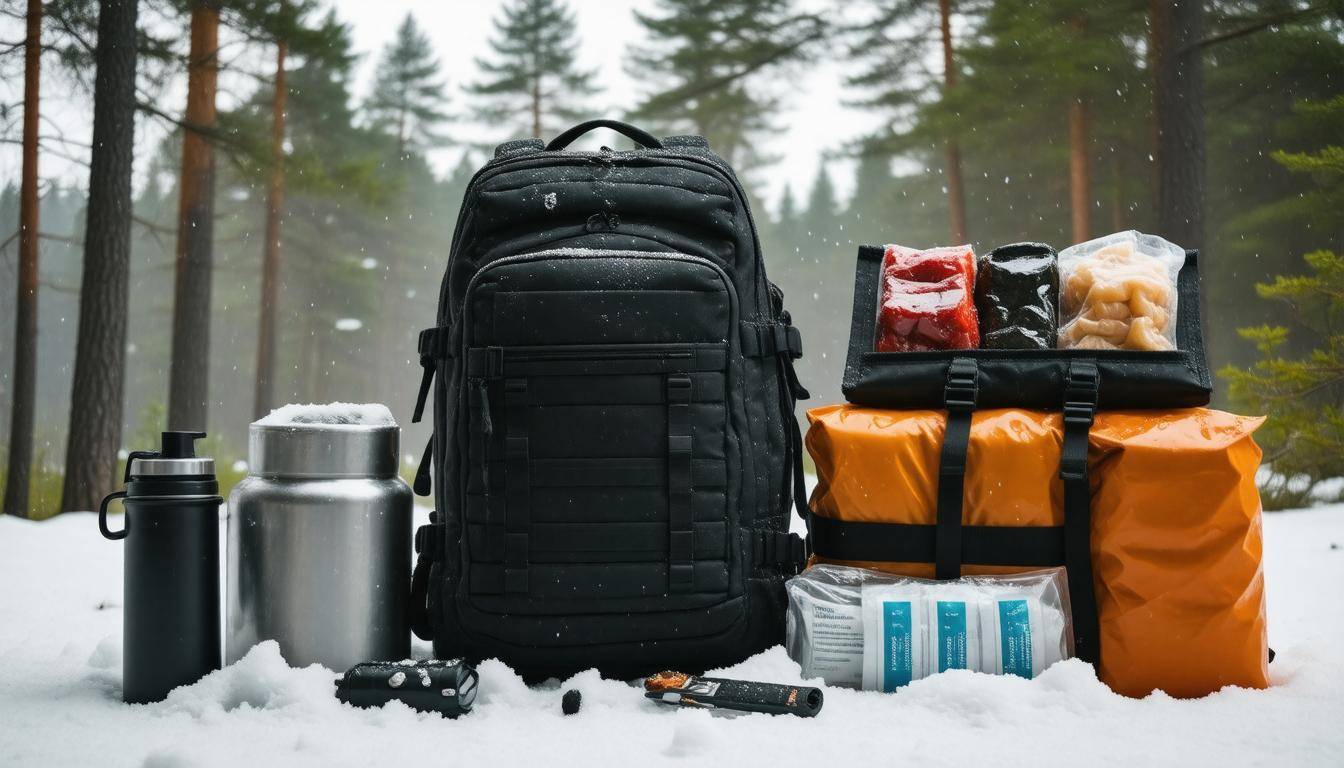
Must-Have Survival Gear for Northern Finland
First and foremost, don’t underestimate the importance of an insulated jacket. In Northern Finland, where temperatures can plummet to -40°C, your jacket is your first line of defense against the biting cold. Opt for jackets filled with high-quality down or synthetic insulation, providing warmth without being overly heavy. It’s essential not only to keep warm but also to maintain mobility. A well-fitted jacket helps you stay agile during physical activities, enhancing your overall experience in the snow.
Next on your list should be waterproof boots. Cold and wet feet can lead to misery and frostbite, so make sure your boots are insulated and equipped with a robust grip for navigating icy paths. Look for models that extend above the ankle to offer additional protection against snow infiltration, ensuring they fit properly with room for thicker socks.
Let’s now discuss how to cook and eat in these frigid conditions.
Having a reliable multifuel stove is essential for cooking in extreme temperatures. Unlike regular gas stoves that can fail when it’s brutally cold, multifuel options allow versatility; you can use various fuels like propane or white gas depending on what’s available. This adaptability could mean the difference between a warm meal and surviving on energy bars alone.
As you venture further into snow-covered territories, a GPS device becomes indispensable. Traditional maps and compasses can often be misleading when ditches and trails are hidden under thick layers of snow. A GPS provides accurate positioning, ensuring you remain oriented regardless of harsh weather conditions.
While navigation is crucial, you’ll also want to prioritize safety.
A comprehensive first aid kit tailored for cold injuries must not be overlooked. Ensure that it includes treatments for frostbite: gauze, antiseptic wipes, and thermal blankets can be life-savers. Familiarizing yourself with basic first aid techniques before heading out will equip you with the knowledge required to respond quickly in case of accidents.
Communication in remote areas is another vital aspect of survival. A satellite phone guarantees that even when traditional cellular coverage fails, you’re still able to reach out for help if necessary. It’s reassuring to know that no matter how far from civilization you tread, assistance is just a call away.
Now that we have your safety covered, let’s consider transportation across this beautiful snowy landscape.
When planning outdoor activities in Northern Finland’s winter wonderland, skiis and sleds are necessary tools for efficient travel across snowy terrain. Skiing not only helps you cover ground faster but allows for smoother movement compared to trudging through deep snow.
As for sustenance during your treks, don’t forget to pack high-energy food such as energy bars and freeze-dried meals. Maintaining energy levels is crucial in such challenging climates. These compact foods provide necessary nutrients while being lightweight and easy to carry.
Finally, let’s address a fundamental aspect of survival: water access.
Given Northern Finland’s conditions, a portable water filter is invaluable. Access to clean water isn’t just a convenience—it’s a necessity. While melting snow might seem like an acceptable solution in theory, it can be impractical when exploring extremely cold areas or during lengthy excursions. With a portable filter, safe drinking water is readily available from streams or lakes without hassle.
By preparing ahead of time with these essentials in mind, you’ll increase your chances of thriving amid Northern Finland’s harsh winter while transforming what could be a daunting journey into an unforgettable adventure.
With these critical supplies outlined, it’s also important to think about how best to dress appropriately in harsh weather conditions.
Clothing: Staying Warm in Extreme Cold
The right clothing system is critical for maintaining body heat and avoiding conditions like frostbite or hypothermia. When tackling the frigid temperatures of Northern Finland, understanding and implementing a layering system can transform your winter experience from uncomfortable to enjoyable. This method allows you to adapt to shifting temperatures and activity levels effectively.
Layering System
The layering system is a tried-and-true method for keeping warm in extreme cold. It includes three primary layers, each serving a specific purpose.
First up is the baselayer. Selecting high-quality materials like merino wool or synthetic options such as polyester is essential for starting off on the right foot. Merino wool has exceptional properties; not only does it insulate even when wet, but it also helps regulate temperature. If you’re out sweating during activities like snowboarding, this moisture-wicking capability is vital to keeping you comfortable. Conversely, synthetic materials provide excellent moisture management, drying fast and ensuring that you remain dry as you maneuver through the cold.
While traversing snowy trails, I quickly learned how important this baselayer was when my friend donned a heavy cotton shirt instead. By midday, he was nearly frozen while I thrived under my cozy merino layer.
The second layer is where insulation begins to shine—the midlayer should be an insulating garment like a fleece jacket or down sweater. These types of materials trap the heat produced by your body while allowing moisture to escape, creating a comfortable microclimate without excessive bulk. This balance means you can move freely without feeling constrained. I always favor down jackets because their lightweight nature coupled with magnificent insulation makes them feel like wearing a warm hug.
Finally comes your outer layer, the weather shield.
This layer is crucial for protecting against all elements—wind, snow, and rain. A well-designed Gore-Tex parka acts like armor against harsh conditions while remaining breathable. For more active endeavors where movement makes sweating likely—like hiking or downhill skiing—a softshell jacket provides flexibility with water resistance. However, for maximum protection during unyielding weather conditions, hard shells are worth the investment as they promise durability and rain shielding capabilities.
Now remember that while addressing the cold is necessary, ensuring you’re not weighed down by too many layers is equally important. Each individual reacts differently to temperatures; if you’re more active and produce heat through movement, you might find fewer layers are needed to stay warm while still maintaining full mobility.
My own experiences taught me this lesson profoundly during one exceptionally chilly expedition in Lapland when I noticed my gloves were soaked from perspiration inside my regular winter coat. That day taught me that sometimes less is more—if I had opted for a lighter top mid-layer alongside my efficient outer shell, I could have escaped much of that discomfort.
As you begin piecing together your winter essentials, attention must also be given to how you will create shelter against the biting winds and heavy snowfalls that define this unforgiving landscape.
Shelter and Sleeping Solutions
The first line of defense against extreme cold is undoubtedly your shelter; it acts as a fortress against biting winds and freezing rain.
There are various types of shelters that can provide safety and security, each with its unique benefits suited for different scenarios. When choosing shelter, you might want to prioritize options that offer durability and insulation while being lightweight enough to carry if you’re venturing into remote areas.
Types of Shelter
One popular choice is the winter tent, designed specifically to handle heavy snow and powerful winds. These tents typically feature strong poles and robust fabric. When selecting one, look for four-season tents equipped with snow skirts that prevent snow from entering. This adds an extra layer of security, essential for those blistering nights when temperatures plummet far below freezing.
However, if you possess the skills, consider constructing igloos or snow caves. Surprisingly, these natural shelters can be warmer than traditional tents since compacted snow serves as excellent insulation against wind chill. Building one requires some practice and knowledge about snow composition, but once mastered, they can maintain a surprisingly comfortable temperature inside.
For unexpected situations or emergencies, bivy sacks are indispensable. Lightweight and easy to carry, these sacks create a final barrier against the elements. They provide critical protection when you’ve encountered unforeseen obstacles and need immediate shelter.
Once your shelter is secured, it’s equally important to focus on how you sleep during these frigid nights; comfort and warmth can significantly influence your survival experience.
Sleeping Solutions
Selecting the right sleeping gear can significantly enhance your chances of staying warm overnight. First on the list is a sleeping bag rated for extreme cold, ideally rated down to -40°C. A mummy-style sleeping bag is highly recommended due to its snug fit; it retains heat much better than rectangular options. Make sure it has a drawstring hood to snuggle in tightly—this detail makes a noticeable difference when battling bitter cold.
Don’t overlook the importance of sleeping pads either. These pads act as insulation layers between you and the ground, preventing heat loss through conduction—an often-overlooked factor in cold weather camping. Look for those with a high R-value; this rating indicates thermal resistance and will ensure that you’re not losing precious body heat while resting.
As you prepare your winter survival kit for Northern Finland’s unforgiving conditions, remember that proper shelter combined with ideal sleeping solutions creates an effective synergy for warmth and safety. Each item plays a crucial role in your overall survival strategy as you brave the elements out in the wild.
With the foundational aspects of shelter and rest covered, it’s time to turn our attention towards another vital component that fuels both strength and endurance during harsh winter conditions.
Food and Nutrition Essentials
In the bitter cold of winter, food is not merely a source of nutrition but a vital component of survival. Your body uses significantly more calories to maintain warmth in freezing conditions, which means you need a diet tailored to these harsh circumstances. High-calorie foods are essential, and it’s wise to plan meals that sustain energy levels throughout the day. Imagine embarking on a trek or spending hours outdoors; without proper nutrition, you might find yourself fatigued and vulnerable to the elements.
Meal Planning for Extreme Conditions
To ensure you’re fueled properly, meal planning becomes crucial. The challenge? You must carefully select foods that are both high in calories and easy to transport. Here’s where energy bars come into play. These compact powerhouses can pack around 400-500 calories each, making them an efficient snack option during activities. They’re lightweight, don’t require cooking, and can easily slip into your pocket for quick access.
For something more substantial, consider freeze-dried meals. Just add hot water, stir, and voilà! You have a warm meal that provides balanced nutrition without the weight burden of traditional meals. They typically contain 300-500 calories per serving, making them another ideal option for someone on the go.
However, don’t underestimate the value of nuts and dried fruits. Not only do they provide healthy fats and fiber, but they’re also energy-dense snacks that will keep you satiated for longer periods. A handful of nuts can offer roughly 600-700 calories per 100g, which can be a lifesaver when you need instant energy.
Convenience vs Weight: Finding Balance
On the other hand, MREs (Meals Ready to Eat) provide convenience with their pre-packaged approach but can be heavier to carry. They do offer variety and often come with additional sides or snacks that make meals enjoyable even in dire situations.
Alongside these sustenance choices, don’t overlook the importance of hydration. Hot drinks, such as tea or hot chocolate, not only help raise your body temperature but also keep you hydrated—a crucial aspect since cold weather often masks thirst. Aim to consume at least 2-3 liters of water daily; having insulated containers can prevent your liquids from freezing.
As you prepare your winter survival kit, remember to stock up on high-calorie foods that will enable you to maintain energy levels while braving the icy outdoors.
With effective meal planning and hydration strategies in place, you’ll be well-equipped to face the elements as we move forward into exploring essential navigation tactics for harsh winter landscapes.
Navigating the Frozen Wilderness
Thick snow and limited daylight turn navigation in Northern Finland into a formidable challenge. The landscape is not just cold; it’s a canvas of white that can easily disorient even the most seasoned adventurers. Understanding how to navigate successfully requires not only the right mindset but also the right tools.
Tools for Navigation
To start your journey successfully, investing in reliable navigation tools is crucial. First and foremost, a GPS device should be your go-to gadget. Look for one designed specifically for outdoor use, especially in cold temperatures—this ensures functionality when you need it most. Make sure it has pre-loaded topographical maps; these provide invaluable detail that can help you understand the landscape around you.
A simple GPS device can guide you through thick woods or vast open fields, but keep in mind that technology can fail, especially in extreme conditions. Having multiple options at your disposal is your best bet against getting lost.
Next up: a compass and physical map. It might feel outdated in the age of smartphones and GPS units, but they remain essential companions. Familiarize yourself with the magnetic variation specific to the Arctic before heading out; it can be 2° east in Northern Finland, which could throw off your bearings if you’re not careful. By understanding how to read a map alongside using a compass, you add layers of reliability to your navigation skills.
In addition to these tools, utilizing satellite phones or devices like the Garmin InReach Mini offers another level of security by providing real-time location tracking and communication capabilities. When traversing remote areas that may not have cell service, these devices become lifelines—enabling you to send distress signals if necessary or simply update loved ones about your whereabouts.
One adventurer shared a harrowing experience of their GPS device failing due to extreme cold temperatures, leaving them disoriented. They were able to rely on their compass and map to find their way back safely—a powerful reminder that old-school methods can often save the day.
As you venture into this stark yet beautiful realm, considering the significance of traditional navigation methods alongside modern tools becomes paramount as you prepare for unexpected challenges ahead.
Building Temporary Shelters
Temporary shelters are essential for survival in the icy wilderness—these structures can protect you from harsh winds, snow, and sudden weather changes. Finding yourself stranded overnight, lost amidst a landscape blanketed in white, can be frightening. The key is having a few basic techniques under your belt that allow you to create an effective shelter quickly and with minimal resources.
Techniques
Among the most reliable methods for constructing these makeshift havens are snow trenches, quinzhees, and lean-tos with tarps.
Snow Trenches: This technique involves digging down into packed snow to create a trench-like structure. It might not win any beauty contests, but it offers excellent protection against wind while allowing some heat retention due to being insulated by the cold surrounding snow. When building a snow trench, aim for a length of at least two meters and ensure it is wide enough to lie down comfortably. The depth should be substantial enough to shield you from the elements; typically, around 1 meter should suffice.
Quinzhees: A quinzhee is a snowy dome built by piling up loose snow and then hollowing it out. Though more time-consuming than a simple trench, this type of shelter allows for remarkable insulation since the thick cover of snow traps heat effectively. Just remember to make it large enough to accommodate your body and leave a small entryway so you can access the outside without disturbing too much of your carefully arranged shelter.
“A well-constructed quinzhee can significantly enhance your warmth during chilly nights.”
Lean-to with a Tarp: If you’re in a hurry, this method is simply brilliant for quick assembly. Using available branches or logs for support, you can drape a tarp over them to fend off light snow or rain. To create it, find two sturdy trees about 2 meters apart and prop longer branches at an angle supported by the ground on one side. Drape your tarp across the lean-to frame, ensuring it provides adequate coverage without sagging too much.
Always carry a lightweight yet durable tarp in your survival kit; it’s incredibly versatile and could prove invaluable when constructing these emergency shelters.
Once you’ve established your shelter against the biting cold, knowing how to safeguard yourself takes precedence as you navigate the challenges posed by harsh winter conditions.
Safety Precautions and Emergency Tips
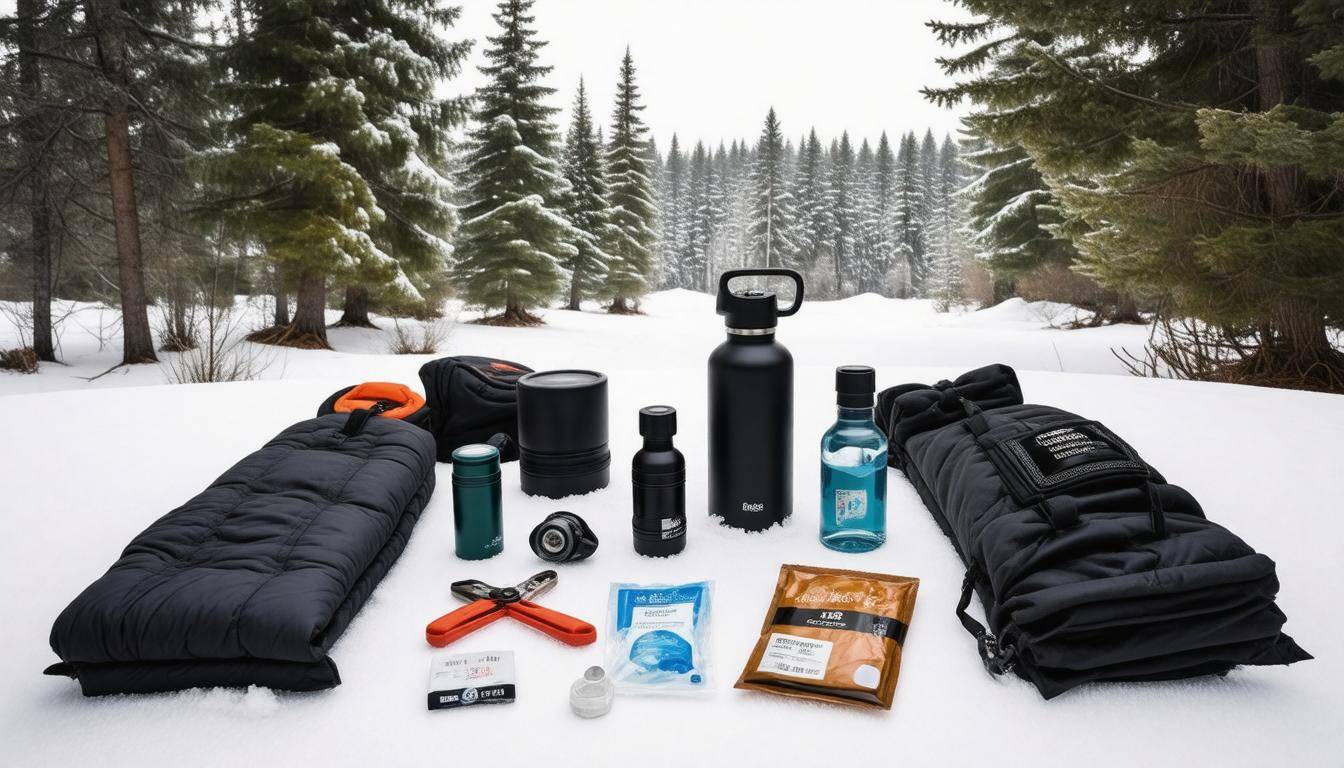
In extreme winter environments, vigilance is essential to ensure your safety and well-being. The cold can be deceptive; while you may feel fine at first, the risks associated with prolonged exposure easily escalate if you’re not prepared. One critical aspect of staying safe is to always have a solid plan—this is your best defense against unexpected situations.
For instance, notifying someone about your travel plans is essential. By letting a friend or family member know your route and expected return date, they can alert authorities if you don’t return as scheduled.
This precaution can make all the difference if you find yourself lost or incapacitated. Speaking of technology, carrying an emergency beacon or a satellite phone should also be part of your survival kit; these devices enable you to send out SOS signals that can save your life in critical situations. Often, help can reach you faster than you might think.
But beyond technology and planning, there are other vital considerations to keep in mind while traversing snowy backdrops.
Emergency Tips
-
First Aid Kit: Include supplies specifically for frostbite and hypothermia because these conditions demand immediate attention. Consider packing extra thermal blankets and chemical heat packs—they’re small but can provide much-needed warmth if temperatures plummet unexpectedly.
-
Stay Hydrated: In freezing temperatures, dehydration often lurks beneath the surface, camouflaging itself as fatigue. It’s easy to overlook hydration when you’re in the cold since you’re not sweating like during hot weather. Always keep water handy and take sips regularly to maintain optimal bodily functions.
-
Be Aware of Frostbite: Learning to recognize frostbite symptoms—such as tingling, numbness in extremities, and skin color changes—can be lifesaving. However, prevention is far better than cure: always cover exposed skin with gloves, hats, and proper socks to minimize the risk and maintain circulation.
Regularly monitoring signs of both physical health and environmental conditions adds another layer of safety as you navigate through winter’s unforgiving terrains.
Additionally, it’s crucial to foster a mindset that prioritizes safety over adrenaline in extreme situations. Understanding your limits and listening to your body can prevent dire situations before they arise. High-energy activities can leave you vulnerable if you’re not aware of your surroundings or how quickly weather conditions can shift—the beautiful yet formidable landscape can change from serene snowy vistas to treacherous whiteouts in an instant.
Keeping a reliable means of navigation—whether that’s a GPS device or a compass—will help ground you even amidst whiteout conditions that could potentially obscure familiar landmarks. In a region where daylight dramatically varies during winter months, having such tools will boost your confidence and keep you oriented.
By incorporating proactive measures into your winter excursions in Northern Finland, you’ll greatly enhance your chances of staying safe as you explore this captivating region’s beautiful yet treacherous wilderness.
Now that we’ve laid out essential safety precautions, let’s turn our attention to tools that equip adventurers for navigating these challenging conditions with confidence.
Top Tools and Equipment
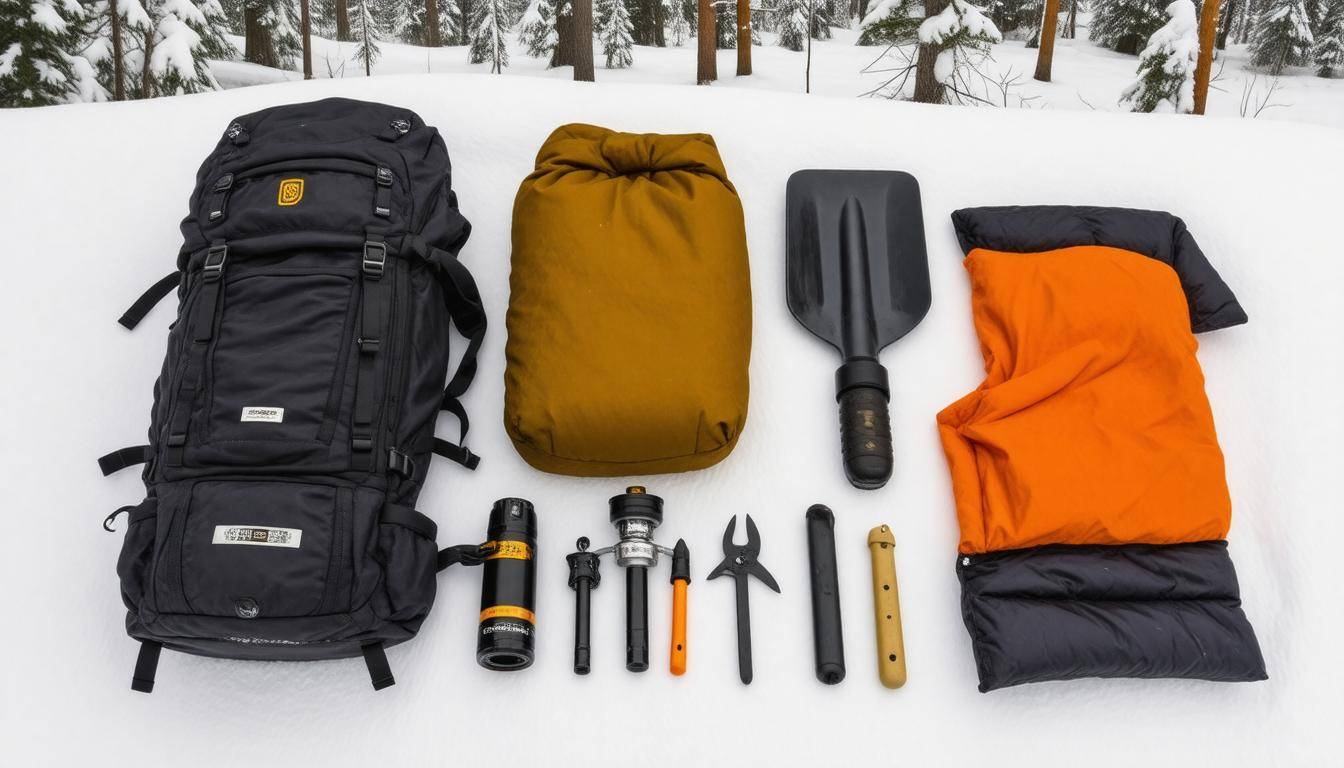
The cold, unforgiving landscape demands not just resilience but also an array of specialized equipment to make survival both possible and enjoyable. A well-thought-out toolkit can mean the difference between merely enduring winter and fully embracing it as an adventure.
Your toolkit should begin with a multitool; this versatile piece of gear holds essential functions such as knives, pliers, and screwdrivers all bundled into one compact device. Brands like Leatherman are popular because they combine durability with practicality and can address a multitude of tasks from fixing gear to preparing food.
Another indispensable item is an ice axe. Imagine traversing on ice, navigating steep inclines, or gouging out snow for a makeshift shelter; the ice axe serves both roles beautifully. Not only does it help you maintain balance on slippery surfaces, but it also acts as a tool for constructing windbreaks or more permanent shelters—critical in a place where blasting winds can sweep away your comforts.
With cold temperatures comes the necessity for warmth and safety, leading us to a firestarter kit. Pack waterproof matches or a reliable fire steel in a waterproof container to ensure quick access to fire-making materials when needed most. Fire can be your lifeline, offering warmth, cooking options, and security amidst the frigid wilderness.
As we shift focus, let’s talk about a shovel—specifically designed for winter camping. When building snow shelters or digging out your camp area, you want something lightweight yet durable enough to withstand tough conditions. Look for models made from high-quality materials that endure frequent use without bending or breaking. A sturdy shovel will save you time and energy while ensuring you’re not fighting against the elements.
Lastly, don’t overlook the importance of a headlamp in your survival kit. Opt for models that include a red-light mode since this setting helps preserve night vision while wandering in darkness. Imagine setting up camp under starlit skies without ruining your night vision; invaluable when avoiding potential hazards! Moreover, pack extra batteries; cold weather can quickly drain power sources, so being proactive will keep you illuminated during crucial hours.
With the right tools at your disposal, Northern Finland’s winter transforms from an unyielding challenge into an adventure waiting to unfold before you. Each piece of equipment not only enhances your chances of survival but provides opportunities to explore, navigate, and thrive amid remarkable landscapes.
In conclusion, being well-prepared with essential gear can lead to not just survival but also unforgettable experiences in the harsh beauty of Northern Finland’s winters. With the right tools and mindset, you’ll approach every journey with confidence and excitement.