
In the hustle and bustle of our daily work lives, it’s easy to overlook the unthinkable: emergencies. Whether it’s a sudden health scare or a fire drill gone wrong, having a solid plan can make all the difference. That’s where office emergency contact cards come into play. Imagine having all the critical information you need at your fingertips in a crisis—names, numbers, and medical details ready to go. These simple cards can help save lives by ensuring that everyone knows who to call and what to do when panic strikes. In this guide, we’ll dive into everything you need to know about creating effective emergency contact cards that not only serve as lifelines but also foster a culture of safety in your workplace. Let’s explore how these cards can bring clarity to chaos and empower your team during uncertain times.
The “Office Emergency Contact Cards: Template Guide” offers a detailed walkthrough on designing effective emergency contact cards tailored to your workplace, including essential elements to include, formatting options, and best practices for ensuring accessibility and clarity. Additionally, it provides downloadable templates to simplify the creation process and ensure compliance with necessary safety guidelines.
Overview of Office Emergency Contact Cards
Office emergency contact cards serve as lifelines during emergency situations, acting as a bridge between chaos and clarity. These cards contain vital information such as employee names, phone numbers, and designated roles, which become critical during an emergency where time is of the essence. With clear communication channels established, the potential for confusion diminishes significantly.
Over the years, the evolution of emergency contact cards reflects our changing needs and advancements in technology. What began as simple handwritten notes has transformed into comprehensive digital formats that can be accessed via smartphones and computers. This digital shift not only enhances accessibility but also ensures that contact information can be updated swiftly and accurately—a crucial aspect when dealing with emergencies.
At their core, these cards provide immediate access to pertinent details that support effective crisis management. They typically include personal contact information and essential medical information, enabling quick responses in various situations—be it a workplace accident, fire, or health-related emergencies. For instance, having a list of allergies or pre-existing medical conditions readily available can expedite medical assistance.
The significance of these cards cannot be overstated; studies have shown that having a clear emergency contact system can reduce response times by up to 30%.
One of the challenges with maintaining office emergency contact cards lies in keeping them up to date. As employees come and go or as personal circumstances change—like a new phone number or an updated medical condition—ensuring that this information remains accurate is crucial. Regular follow-ups with staff about their contact details can help prevent scenarios where vital information becomes outdated. Without current data, the very purpose of having these cards is undermined, possibly even leading to severe ramifications during an emergency.
Integrating training on how to use these cards effectively within your organization is another key recommendation. This could include regular drills or educational sessions that familiarize all employees with not just the contents of the cards but also how to utilize them efficiently during an emergency situation. An informed team will react faster than one scrambling to figure out who to call or what information is needed.
As we explore the critical impact these tools have on safety protocols, it becomes evident that they contribute significantly to fostering a secure working environment where preparedness is paramount.
Benefits of Emergency Contact Cards
To begin with, the National Safety Council highlights that having readily available emergency contact information can reduce emergency response times by as much as 30%. This remarkable statistic underlines just how crucial these cards are, as they not only enhance individual safety but also streamline emergency response protocols within an organization.
Let’s consider a real-world scenario. Imagine a bustling manufacturing plant in New Jersey where employees rely on swift action to keep operations flowing smoothly. One day, a worker suffers a sudden cardiac arrest. Thanks to quick access to the worker’s emergency contact card, co-workers immediately reach out to his family and pass essential medical history details to first responders—this critical step likely saves his life. It’s moments like these that illustrate how emergency contact cards can turn moments of panic into organized responses.
But the advantages extend beyond individual cases; emergency contact cards contribute significantly to organizational safety. They ensure employees’ unique needs are promptly addressed during emergencies. By having reliable information at hand, you empower managers and colleagues to make informed decisions. For instance, if someone has severe allergies or a pre-existing medical condition, this information should be front and center on their emergency card. When time is short, having that knowledge can mean the difference between life and death.
The implementation of such systematic practices fosters a culture of safety within workplaces. With 70% of employees feeling more secure knowing there’s a clear emergency contact protocol in place, it’s evident that regular use of these cards can boost morale and promote trust between staff and management.
With this understanding of the numerous benefits these cards provide, let’s explore the essential details that must be included to maximize their effectiveness.
Key Information to Include
The effectiveness of an emergency contact card hinges on the comprehensiveness and clarity of its content. Each section should be meticulously filled out to ensure that vital information is readily available when seconds count.
Personal Information
- Full Name: Start with the employee’s full name, as it helps to identify the person quickly.
- Date of Birth: Including the date of birth delineates the individual and can aid medical teams in case age-specific care is necessary.
- Address: This is particularly important if transport needs to be arranged; knowing where the employee lives ensures timely assistance.
- Primary Contact Number: A reliable phone number enables quick communication, ensuring that emergency services or family can reach the individual without delay.
Now, while personal identification details are imperative, health-related information adds another layer of essential clarity.
Health-Related Information
It’s pivotal to include health-related information, such as existing medical conditions, allergies, and current medications. These details inform first responders about any special considerations they need to account for and may avert potential complications during treatment. For example, if someone has a severe allergy to peanuts, knowing this ahead of time could save their life in the event of a reaction. Having this critical information compiled on the contact card ensures immediate access for anyone attending to the emergency situation.
In addition to personal and health information, having designated emergency contacts is equally significant.
Emergency Contacts
Listing at least two contacts can make all the difference during crises; ideally one should be an immediate family member, while the other might be a close friend or colleague who is well-informed about the individual’s background and health issues. Each contact entry should include their names, relationship to the employee, and multiple phone numbers if possible to ensure every avenue of communication is open when seconds matter.
As we finalize our card’s content, we shouldn’t overlook the importance of including workplace details.
Additional Details
Providing workplace specifics like department name and direct supervisor’s contact information adds another level of readiness. During emergencies, supervisors often need to coordinate responses and ensure that proper protocols are activated. Quickly identifying a primary point of contact within the workplace allows for more organized response efforts from the entire team.
With all this crucial information established for our emergency contact cards, we must now focus on making them user-friendly and visually appealing.
Design and Formatting Tips
A well-designed emergency contact card is easy to read and navigate, even in high-stress situations. Think of a nurse rushing to assist a child in distress; that split-second decision could hinge on finding the right information at a glance. Therefore, every aspect of your card’s design should facilitate quick understanding.
Readability
Clear readability is paramount. Opt for simple fonts like Arial or Calibri, ideally sized at 12 points or larger. While decorative fonts may seem appealing, they can hinder rapid comprehension.
Consider the environment in which these cards will be used: illumination may be low during emergencies, making plain text far more effective than intricate scripts.
Always bear in mind that the priority during an emergency is clarity.
Color Coding
Implementing a color-coding system can significantly enhance the efficiency of your cards. For example, you might use red for medical alerts—perhaps indicating allergies or pre-existing conditions—so this crucial information jumps off the card at first glance.
In contrast, green can signify contact information or general notices about staff roles within the emergency response team. Be judicious with your palette; too many colors can create confusion rather than clarity.
Durability
Consider laminating your cards to ensure their longevity, especially in settings prone to spills or wear and tear, such as schools or community centers. Laminated cards maintain their legibility over time and can withstand frequent handling by various staff members. This added layer of protection helps you avoid repeated replacements due to deterioration.
Having established the foundational design elements for your cards, it’s vital to focus on tailoring them to meet the specific requirements of your workplace environment. This ensures that all personnel are informed and prepared to respond swiftly when it matters most.
Customizing Your Card
The beauty of customizing your emergency contact card lies in its adaptability to the specific needs of your environment.
Just imagine how effective it can be when the card accounts for the unique characteristics of your workplace. For instance, in a chemical plant, it’s essential to include details about nearby emergency showers and exits, critical during incidents involving hazardous materials. An office setting would benefit from listing the nearest hospitals and outlining specific emergency procedures tailored to that particular space.
It’s fascinating to think how this little card can serve as a lifeline.
Consider an office worker who experiences a medical emergency—having pertinent information readily available, like the nearest hospital or first aid protocols, could mean the difference between life and death. In fact, many organizations have even embedded emergency contact details directly into employee ID cards, ensuring that vital data is always within reach—making them practical and lifesaving.
Yet customization goes beyond just including relevant information; it also involves engaging with your employees to ensure their safety is prioritized.
One practical step is involving employees in the customization process itself. When you engage your workforce, you gain valuable insights that may highlight specific risks or needs relevant to their work environment. For example, an employee might point out that they have a severe allergy or medical condition that needs urgent attention—this feedback can help tailor contacts not only to emergencies but also to provide necessary context regarding individual health concerns.
Continuously updating these cards based on employee feedback ensures that your emergency contact information remains relevant and effective over time. Whether through surveys or casual discussions during team meetings, fostering an open dialogue about safety and emergency preparedness promotes awareness and empowerment among staff.
For those who prefer ready-made solutions, various templates are available that simplify the creation process while still allowing for flexibility in design and content inclusion.
Best Template Options
When it comes to designing your office emergency contact cards, the goal is to make the process efficient and straightforward while ensuring that the card serves its purpose effectively. Utilizing templates can save time and guarantee consistency in appearance, conveying a professional image. There are countless options available that cater to different preferences—from digital to printable formats.
Digital Templates
Digital templates have revolutionized how we create important documents. Websites like Canva and Microsoft Office offer an array of user-friendly templates specifically designed for emergency contact cards. One standout feature is the customization options they provide, allowing you to easily modify colors, fonts, and organizational structures. These platforms often come with drag-and-drop functionalities and pre-defined layouts, making it incredibly simple to tailor the card to your specific needs.
Moreover, these templates include helpful prompts or suggestions on what information to include, which is ideal for those who might be unsure where to start. Using a digital template allows you to share your card via email or print it directly once you’re satisfied with how it looks. Just imagine being able to whip up a customized card while sipping your morning coffee!
Printable Templates
If you prefer a tactile experience rather than staring at a computer screen all day, printable templates may be the perfect choice for you. Websites like Etsy and Template.net offer high-quality PDF templates that you can fill out by hand or digitally before printing. This hands-on approach can be quite satisfying—there’s something about writing things down that makes them feel more concrete and personal.
What’s more, these printed templates can maintain a polished appearance even when filled out manually, especially if you invest in good quality paper and pen. You could even set up a fun crafting session with coworkers, turning the task into a team-building activity while ensuring everyone has essential contact information readily available.
Remember, regardless of which type of template you choose—digital or printable—clarity is key. The goal is to ensure that anyone can quickly find the necessary information in an emergency situation.
Once you’ve identified an appropriate template format, attention turns to the next essential phase: accurately inputting information tailored to meet your office’s safety needs effectively.
How to Fill Out Your Card
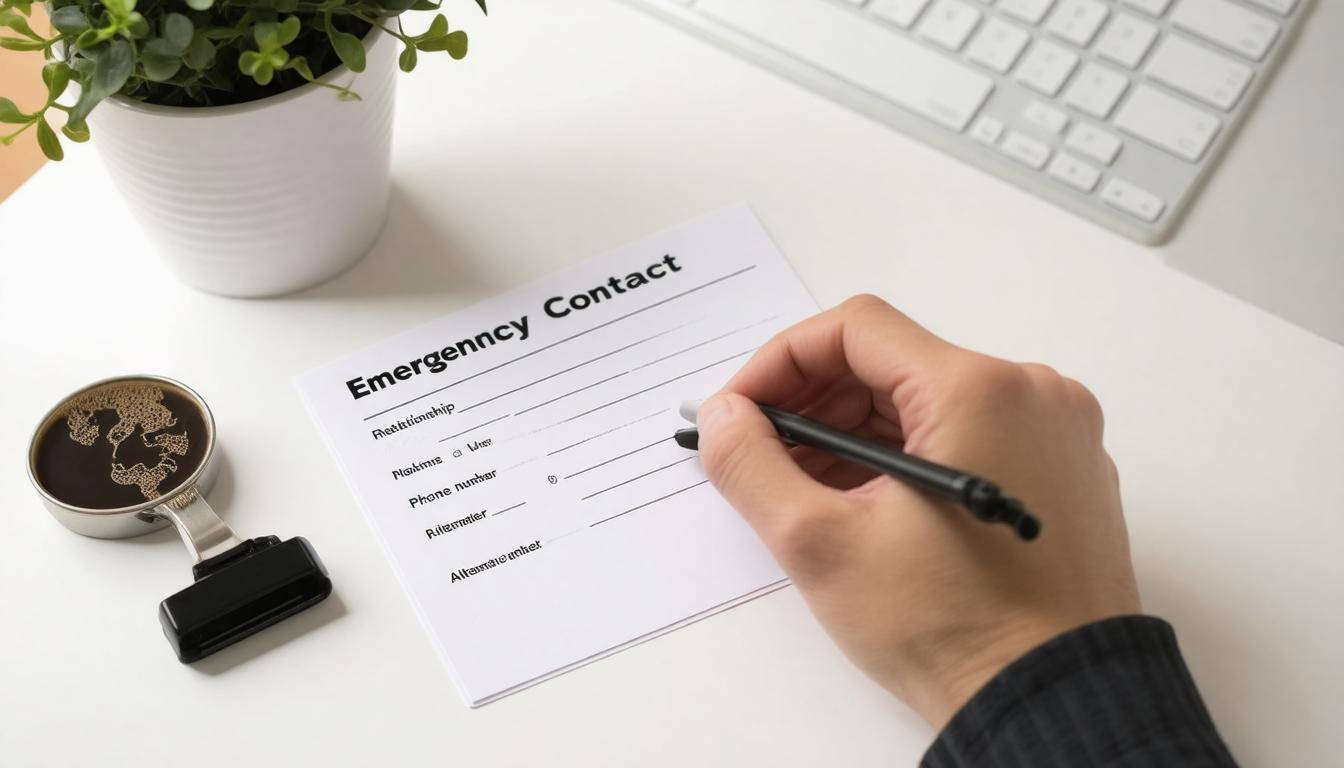
When filling out your emergency contact card, attention to detail is vital. The information you provide can determine how swiftly and accurately help reaches you or your loved ones during a crisis. It’s not just about getting it done; it’s about doing it right.
Step-by-Step Guide
To start with, the very first step is to gather all necessary personal information. This includes not only the individual’s full name and date of birth but also relevant medical history that can aid emergency responders in understanding any immediate health needs. Imagine being caught in an emergency where every second counts—having this foundational data on hand can expedite critical decisions made by medical professionals.
After collecting basic details:
- Note allergies to medications or other substances.
- Record chronic conditions like asthma or diabetes that may affect care.
Once you’ve gathered this important information, the next crucial step is to verify contact details. It’s essential to ensure that the emergency contacts you list are available and easily reachable at all times. Sometimes parents or guardians might assume their work phone numbers are reliable when, in fact, they are often unreachable during working hours due to busy schedules or meetings. It’s advisable to confirm these numbers directly with each contact, ensuring they understand their role should an emergency arise.
After securing accurate contact information, it’s time to include any medical alerts. These notes are vital for informing responders about specific health issues that could impact treatment. For instance, indicating someone has a severe allergy to penicillin can shape how paramedics deliver care. Clarity is key: use concise language and place these warnings adjacent to relevant personal details so they’re easy to reference quickly during stressful moments.
The importance of conducting a thorough review for accuracy cannot be overstated. Take a moment—step back and look over your card as though you are an emergency responder retrieving information under pressure. Are all entries clearly written? Have you missed anything significant? This final check ensures that all details reflect true and current information.
Remember, legibility and precision make all the difference. An error could prolong response times or result in inappropriate treatment—a risk no one should take lightly.
Beyond simply filling out the card, consider discussing its contents with those listed as emergency contacts. This way, everyone knows what the roles entail and maintains a clear understanding of how best to react in an urgent situation.
Next, we can explore various no-cost options for templates that can streamline this important process.
Free Printable Templates
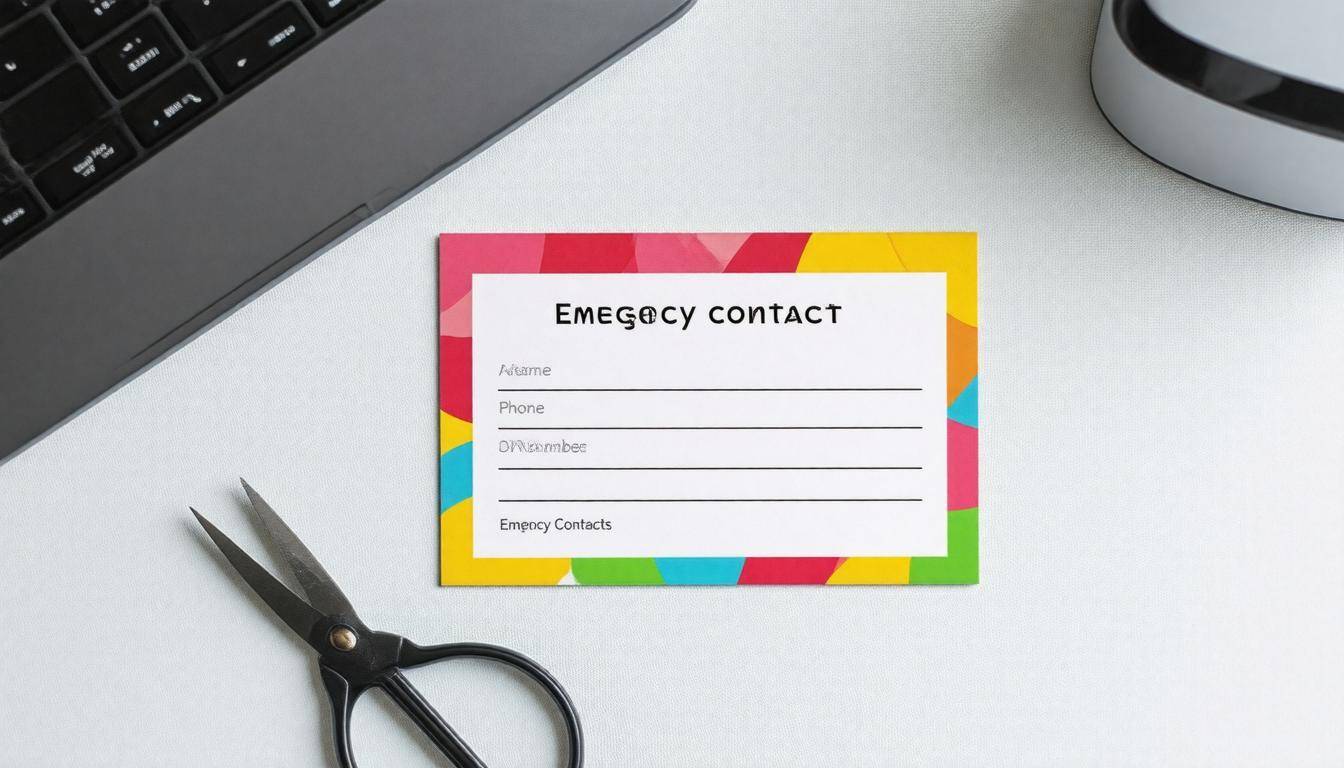
Free templates can be a tremendous asset when creating emergency contact cards. Not only do they save on costs, but they also streamline the process of ensuring that critical information is readily available in times of need. Imagine having a few clicks lead you to a beautifully formatted card that contains all necessary information! These templates are designed not just for functionality, but with aesthetics in mind too.
Popular Sources
One of the best places to start is websites like Pinterest and Template.net, where you’ll find an abundant selection of customizable options. Many individuals and organizations share their designs for free use, allowing others to benefit from their creativity. If you’re looking for something straightforward, these sources generally categorize templates based on style or purpose, making it easy to find one that resonates with your office’s aesthetic needs or corporate identity.
Importantly, while customization is an outstanding feature, be mindful of how each template’s layout might affect readability. Templates featuring high-contrast colors and bold headings can help ensure crucial information pops out; after all, clarity is essential during emergencies.
How to Download and Print
The downloading and printing process is designed to be seamless as well. Once you’ve picked the template that fits your vision, simply visit the selected website and look for download options, typically available in PDF format. This format helps maintain formatting integrity when printed.
When printing your cards, using a high-quality printer ensures the colors and details come out crisp and legible. To avoid disappointments, it might be wise to do a test print on regular paper first before committing to thicker cardstock. This extra step can save time and resources if adjustments are needed afterward.
Keep in mind that these templates not only make crafting contact cards easier but also help promote a culture of preparedness within your office.
As you work through this process, remember that maintaining accuracy and clarity in the information on these cards will ultimately serve your workplace safety initiatives tremendously.
Creating effective emergency contact cards through well-chosen templates equips your office with the tools needed to handle unexpected situations confidently. By prioritizing accessibility and clarity, you’re fostering a proactive approach to safety that benefits everyone in your workplace.