
In our fast-paced digital age, access to the internet has become as essential as food and water, especially during disasters. When catastrophic events occur, reliable communication can mean the difference between safety and chaos. Whether you’re trying to connect with loved ones, get emergency updates, or coordinate relief efforts, having a portable internet solution is crucial. From mobile hotspots that fit in your pocket to satellite systems capable of reaching remote areas, there are various options out there to help keep you connected when it matters most. With some thoughtful preparation and the right tools in hand, you can ensure that you’re not left in the dark—literally and figuratively—when disaster strikes. Let’s dive into some of the best portable internet options for emergencies.
The best portable internet options during disasters include emergency portable networks, such as Cradlepoint routers, which provide dual SIM capabilities for reliable connectivity, and satellite services like Starlink that offer backup communication in case of terrestrial network failures. Additionally, using high-performance antennas can significantly enhance signal strength and coverage in challenging environments.
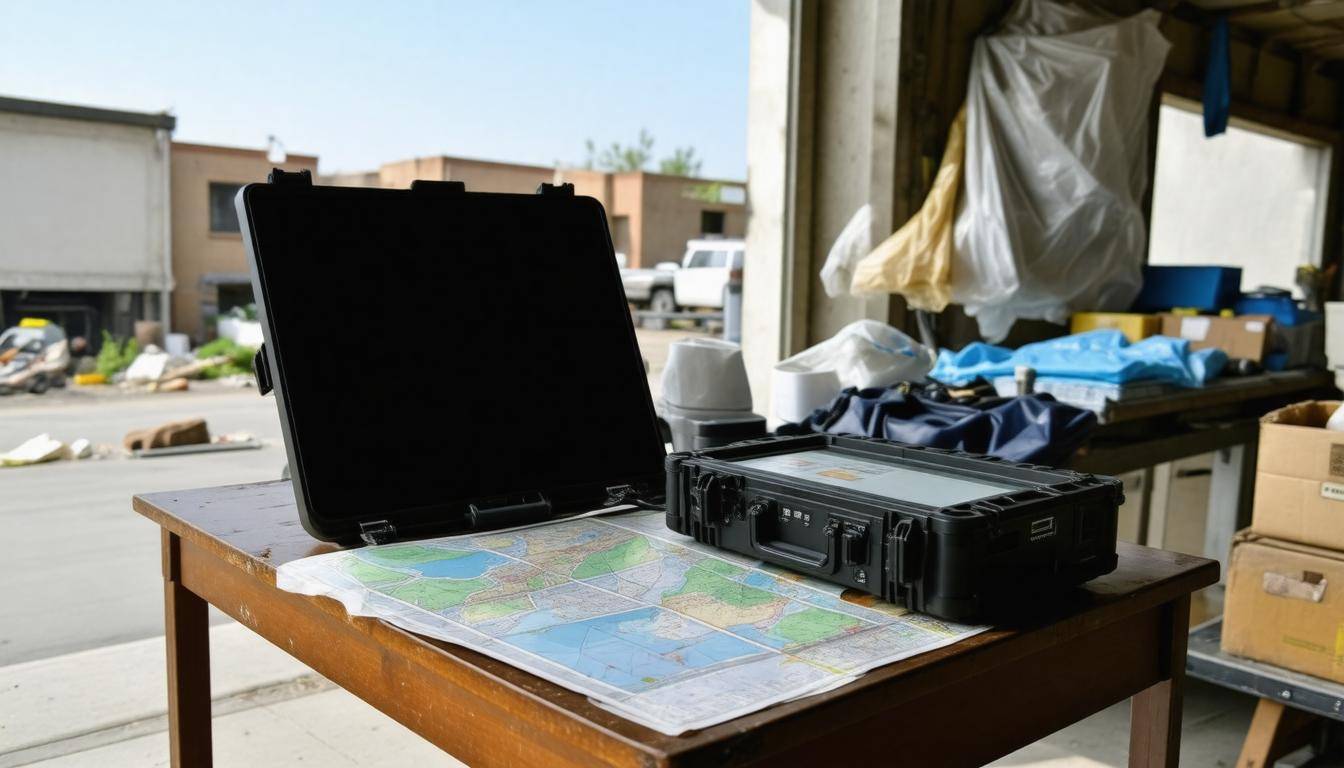
Various Portable Internet Options
Mobile hotspots are excellent for creating a personal Wi-Fi network wherever there’s cellular signal—think of them as your portable lifeline. Devices such as those offered by Verizon or AT&T transform cell signals into Wi-Fi, allowing multiple devices to connect simultaneously. They’re particularly user-friendly, making them ideal for anyone who might not be tech-savvy. Simply charge the device, press a button, and voila—instant access to the internet! However, it’s important to remember that these devices are inherently limited by their surroundings; if you’re in an area with weak cell tower coverage, your service might suffer.
It’s not just about having internet access; consider how many devices you may need to connect during an emergency. Many mobile hotspots support several connections at once, allowing family members or colleagues to stay informed or reach out to others. For instance, some models can connect up to 30 devices!
When selecting a hotspot for emergency situations, always look for generous battery life. Finding one with a battery that lasts 10 hours or more will ensure you maintain connectivity when you need it most.
Satellite Internet
Now let’s shift our focus to satellite internet options. This technology is a game-changer in locations where traditional networks fail. Companies such as Starlink, operating under SpaceX, have been pioneering this field by providing fast internet service even in remote areas. Satellite internet works by connecting directly to satellites orbiting the Earth, thereby eliminating dependence on ground-based infrastructure.
While satellite options can be pricier than mobile hotspots, their advantage lies in accessibility. Imagine trying to catch up with loved ones after a major disaster—satellite internet allows you to communicate reliably even in regions devastated by storms or fires where cellular towers may have been damaged.
Before jumping in, however, prospective users should consider the latency that often accompanies satellite connections. While it may not be a concern for email and browsing, video calls could experience delays that are frustrating.
Portable Routers
Another wise route to consider is using portable routers, such as devices like the Cradlepoint router. What makes these routers unique is their dual SIM card capability: they can switch between different cellular networks based on signal strength, ensuring you’re connected even if one network goes down. This can provide peace of mind during emergencies when every second counts.
However, these routers typically require more setup than mobile hotspots and may require technical know-how to configure properly initially. Once set up correctly, they offer stable and reliable connections that outperform standard devices in challenging conditions. Furthermore, some portable routers support external antenna connections for enhanced signal capture—this is especially advantageous in areas where signals are weak.
Understanding the capabilities and limitations of these portable internet solutions gives you crucial insight into choosing the right option when facing connectivity challenges caused by disasters. Exploring further into advanced solutions reveals exciting technologies aimed at ensuring uninterrupted communication during critical times.
Satellite Internet for Disaster Response
Satellite internet has emerged as a lifeline during emergencies. Its capacity to deliver connectivity in the midst of chaos is unparalleled, especially in remote or heavily damaged regions. Unlike traditional ground-based systems, which can easily fail due to downed lines or destroyed infrastructure, satellite connections remain active even when everything else crumbles around them. This resilience has made it a go-to solution following natural disasters, where rapid communication is essential for coordinating relief efforts and keeping communities informed.
Key Benefits
The ability of satellite internet to bypass damaged terrestrial infrastructure is its most significant advantage. Services from providers like HughesNet and Viasat have repeatedly demonstrated their reliability during extreme weather events, such as hurricanes and floods. During Hurricane Harvey in 2017, satellite providers quickly mobilized units to affected areas, allowing emergency services and residents access to vital information. This capability allows first responders to communicate and relay crucial data back to command centers without missing a beat.
Moreover, having access to high-speed internet services can provide individuals with real-time updates, whether they’re searching for shelter options, checking for weather changes, or connecting with loved ones. In situations where mobile networks may be congested or entirely down, satellite internet provides a unique solution with its ability to maintain service stability.
Limitations
While satellite internet has proven invaluable in these contexts, it’s not without its challenges. Many users report issues with high latency, making interactions sluggish compared to ground-based systems. Imagine trying to load a web page during an urgent situation; the delay can be frustrating and potentially dangerous. Furthermore, adverse weather conditions—like heavy rain or snow—can impede signals and reduce service effectiveness.
Nevertheless, advancements in technology are addressing these obstacles head-on. Innovators like Elon Musk’s Starlink aim to bring more low Earth orbit (LEO) satellites into operation, which promise lower latency through closer proximity to users on the ground. By February 2025, Starlink alone has launched approximately 7,000 satellites and hopes to increase that number significantly.
As technology continues to evolve in this field, understanding how these advancements will impact various communication methods is crucial for disaster preparedness and response. Exploring alternative connectivity solutions will shed light on additional resources available during crises.
Utilizing Cellular Networks
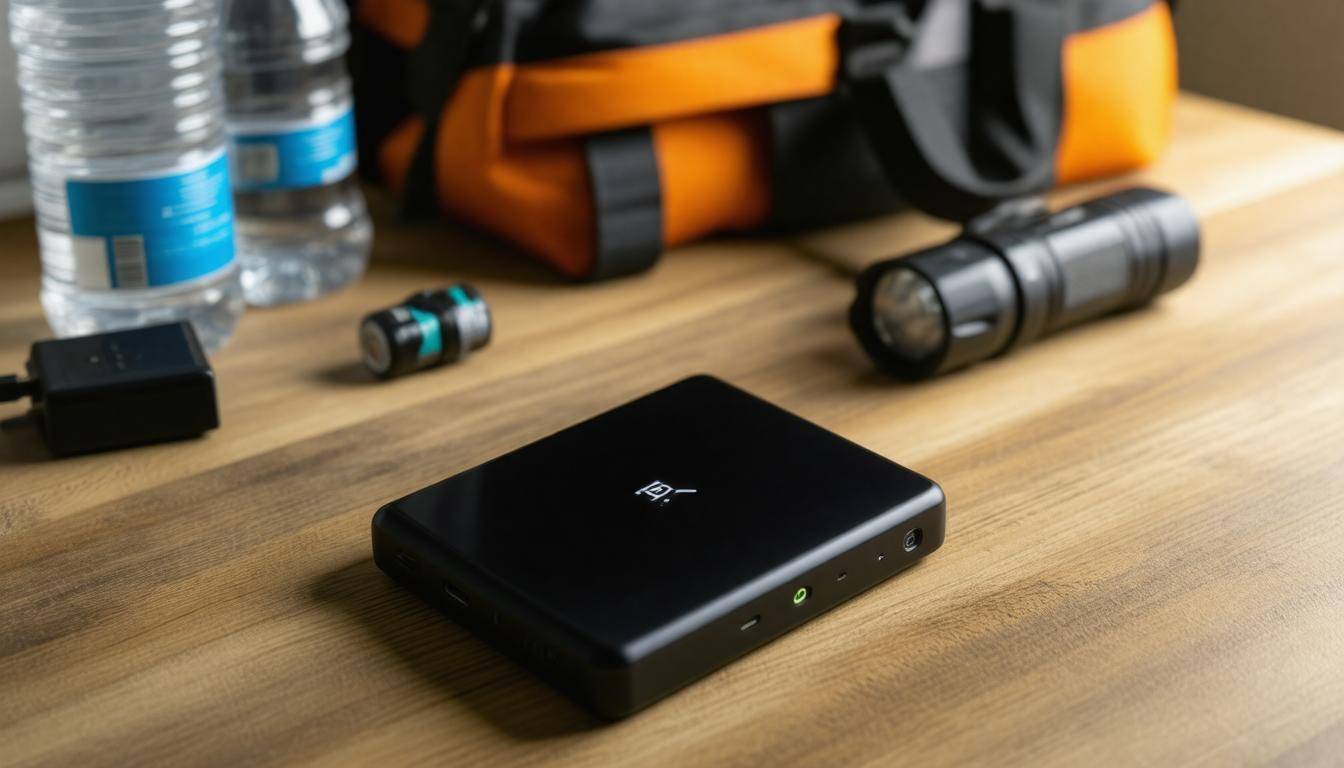
Cellular networks are invaluable resources when it comes to maintaining connectivity in disaster-stricken areas. They tend to be one of the quickest services to restore because of their extensive infrastructure, which remains adaptable even under challenging circumstances. When disasters strike, cellular technology can often keep the lines of communication open, making it easier for first responders and victims alike to connect with crucial services. However, their effectiveness can vary widely depending on the damage to specific regions and the overall strain on the network.
Cellular Boosters
To maximize signal strength during crises, consider investing in cellular boosters from reputable companies like WeBoost. These devices act as a safety net for when your network signal weakens or fluctuates, transforming weak transmissions into reliable ones. Essentially, a booster will amplify existing cellular signals—but bear in mind that they require at least some source signal to function effectively. If you find yourself in an area where signals are notoriously weak, having a reliable booster can mean the difference between reaching someone or being left in silence.
Many users have experienced dramatic improvements in connectivity through these devices. Imagine being amidst chaos but feeling assured you can get through to emergency services or check in with loved ones—boosters facilitate that peace of mind.
SIM Card Flexibility
Another key aspect to consider is the flexibility offered by modern portable routers that support multiple SIM cards. This feature allows users to switch effortlessly between different carriers like T-Mobile, AT&T, or Verizon, ensuring continuous connectivity despite the often unpredictable nature of mobile service availability during a disaster. For instance, if one provider’s network is overloaded or down due to damage, switching to another could restore your connection just when you need it most.
“Understanding your options—like switching SIMs—can provide a crucial advantage when every second counts,” says Bob Martinez, a veteran emergency response coordinator.
While cellular networks offer significant benefits for emergency communication, it’s essential to also explore additional resources and tools for navigating connectivity challenges. This leads us to consider the various technological innovations that play a pivotal role in enhancing our responses during crises.
Essential Technology and Devices
The right technology can make all the difference when an emergency strikes. In these situations, having dependable devices ensures you can stay connected, gather information, and communicate effectively with those who matter most. Below are some important devices that I recommend based on extensive research and practical experience.
Important Devices
-
Cradlepoint Routers: These routers stand out for their exceptional reliability and flexibility. They allow you to connect multiple devices seamlessly, whether through a cellular network or Wi-Fi. Imagine being able to link several laptops, tablets, and smartphones simultaneously without losing signal strength. Cradlepoint routers often come with built-in features for enhanced security, which is crucial when accessing the internet under uncertain conditions.
-
Satellite Modems: When local internet services fail—think storms or natural disasters—satellite modems become essential. They provide access to satellite internet, which is typically unaffected by terrestrial issues. Whether you’re streaming critical updates or participating in a video call to check on loved ones, these modems ensure you’re never entirely cut off from the world.
-
Portable Power Banks: During emergencies, power outages are common and can jeopardize your ability to charge necessary devices. Portable power banks are lifesavers in this regard. They keep your phones, tablets, and even laptops operational when traditional power sources aren’t available. It’s wise to invest in high-capacity models that can support multiple devices over extended periods.
Investing in these technologies not only enhances connectivity but also ensures that you are well-prepared for unforeseen circumstances. Familiarize yourself with their operation beforehand; understanding how to set them up quickly can save precious time in urgent moments when every second counts.
While maintaining connectivity is vital, ensuring that you have enough power to support these tools will further enhance your preparedness for any emergency situation.
Power Solutions for Portability
Reliable internet means nothing if your devices can’t stay powered. That’s the reality many of us face when disaster strikes. When traditional power sources become unreliable or are cut off entirely, having portable power solutions becomes the bridge between connectivity and chaos.
Portable Power Sources
Solar chargers and portable generators are exceptional tools for ensuring a continuous power supply during unexpected outages. These power sources become even more valuable when you find yourself in remote areas where traditional electricity isn’t available. Brands like Goal Zero offer highly efficient portable solar solutions that are perfect for long-term outages. Imagine being able to harness sunlight to keep your devices operational! With systems designed for quick deployment, these solar chargers can charge various electronics from phones to laptops, making them essential gear for anyone who prioritizes staying connected even in dire situations.
The beauty of solar power is its renewable nature; on sunny days especially, you could be charging your devices while also conserving battery life for those overcast or rainy moments.
Battery Backup Systems
In addition to solar chargers, using battery backup systems is critical for maintaining connectivity. Uninterruptible Power Supplies (UPS), manufactured by companies like APC, prove their worth by keeping your internet devices running smoothly during brief outages. These units store energy from the wall outlet and provide backup power when they detect an outage, seamlessly switching over to keep everything operational. Anyone who’s been interrupted during an important online meeting knows how crucial this is.
It’s worth noting that while UPS systems efficiently handle short outages, they may not last long during extended periods without power.
Consider always having one charged and ready; even a few hours of downtime can drastically affect the flow of information you need in critical situations.
Planning ahead becomes crucial when it comes to effective power solutions. Evaluating which combination of portable power sources suits your needs best will greatly enhance your preparedness for unforeseen challenges ahead.
Setting Up Emergency Internet Plans
Preparation is a crucial step in ensuring that you can maintain internet connectivity during a disaster, but what good are your tools if you don’t have a solid plan for their use? Understanding your needs and crafting an emergency internet plan allows you to react swiftly during crises, ensuring continuity in communication and information access.
Creating an Emergency Internet Toolkit
The first important action is to assemble essential devices. Start with routers, modems, power banks, and signal boosters specific to your area. If you’re in a rural location that may face outages, consider investing in a satellite modem or mobile hotspot as an alternative. This toolkit will be your lifeline during emergencies (and should be stored in a convenient, easily accessible location).
However, having the right devices isn’t enough. You need to test connectivity, which means setting up a trial run before an emergency strikes. Connect each device, verify compatibility, and ensure they operate seamlessly together. Think about how you would set everything up under power constraints—practice this scenario. Create a small simulation to understand exactly how long it will take to restore your connection.
Furthermore, it’s valuable to establish backup plans. Life can be unpredictable; thus, having secondary means of connectivity is vital in case your primary methods fail. For instance, if cell networks collapse due to overwhelming traffic or hardware failure, having a satellite phone or fixed-line broadband can serve as a reliable substitute. Make sure to have multiple options handy since they can prove beneficial when least expected.
Regular drills and updates to your emergency plan ensure you can rely on your setup when disaster strikes.
An often overlooked aspect of disaster connectivity is ensuring that all family members are familiar with the plans you’ve established. Everyone should know the location of your emergency toolkit and how to connect devices under stress or duress. Additionally, scheduling regular updates and refurbishments of any outdated equipment ensures you stay ahead of potential issues.
While adequate preparation significantly diminishes panic during emergencies, troubleshooting network issues emerges as another critical aspect in maintaining reliable functionality during challenging times.
Challenges and Reliability Issues
When we think about staying connected during a disaster, it’s easy to assume that portable internet services will always function seamlessly. However, the reality is much more nuanced. For instance, signal interference can be a sneaky foe. Physical barriers like buildings and trees can obstruct signals, causing frustrating lapses in connectivity just when you need it most. Weather conditions also play a significant role; heavy rain or snow can weaken signals, pulling the rug out from under your carefully laid plans.
Common Issues
Connectivity problems are a recurring theme for many users. Complaints have surfaced regarding situations where devices show strong WiFi signals, yet no actual connection exists. Reports suggest that these may be related to underlying hardware issues in LTE modules, causing an unreliable experience that leaves users feeling stranded.
In fact, a notable example comes from Hurricane Maria when as many as 95% of cell sites in Puerto Rico were down, starkly illustrating the acute vulnerability of cellular networks during catastrophic events. This incident serves as a reminder that even the best technology cannot guarantee uninterrupted service amidst chaos.
Mitigation Strategies
How do we ensure our connectivity remains intact? It starts with being proactive rather than reactive. Maintaining backup options is essential; this might include having mobile hotspots alongside traditional service providers. Consider investing in high-quality equipment too. Reliable routers and boosters can significantly enhance your chances of remaining connected.
It’s also important to regularly test your setup before an emergency strikes. Imagine finding out during a crisis that your internet won’t connect! Regular updates to your emergency plans can make all the difference, providing peace of mind and leaving you ready for any potential hiccups ahead.
Being informed about potential issues helps us prepare effectively. Therefore, focusing on vulnerable regions becomes crucial; understanding local infrastructure limitations empowers individuals to make smarter choices concerning their emergency connectivity strategies.
Staying Connected in Vulnerable Regions
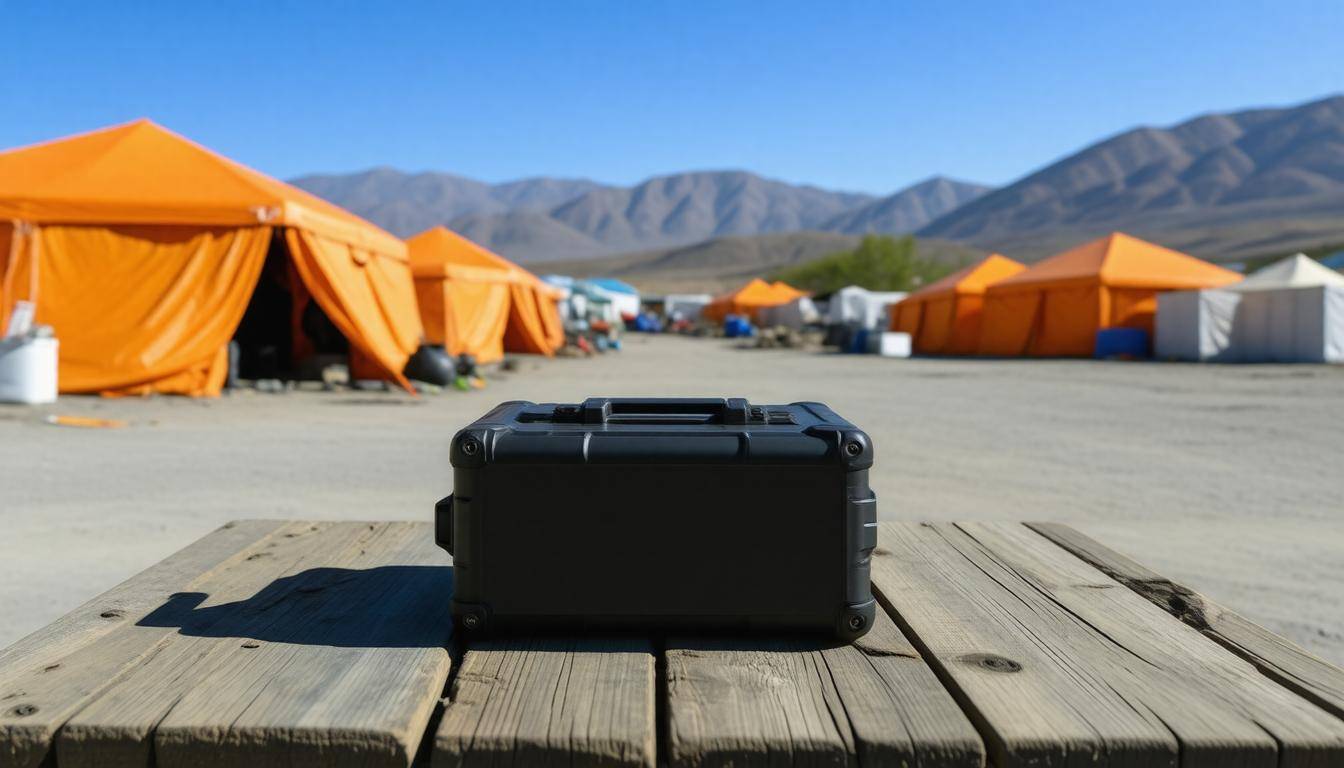
Some regions experience frequent disruptions due to geographic and climatic conditions. For instance, hurricane-prone areas require a different approach than those susceptible to wildfires. Through proactive planning, communities can ensure multiple lines of communication when disaster strikes. The key is resilience—the ability to bounce back swiftly from connectivity loss.
Regional Strategies
For communities situated in hurricane-prone zones, investing in satellite internet services is often a wise choice. Unlike traditional broadband, which relies on ground infrastructure that can be compromised by strong winds and flooding, satellite internet remains operational as long as the satellites themselves are functional.
It’s also essential to bolster connectivity with robust cellular boosters that amplify existing signals, allowing people to stay connected even when local towers are strained under high demand.
Conversely, areas historically affected by wildfires may find portable satellite solutions particularly beneficial. Wildfires can wreak havoc on physical infrastructure; traditional cables and towers can vanish in the flames. Having portable devices ready for deployment helps maintain internet access and ensures communications continue even when flames disrupt standard operations.
Beyond technological solutions, fostering a sense of community through support networks is equally important.
Localized Support Networks
Consider the power of community-driven initiatives. By establishing localized support networks, residents can share essential resources like power generators and internet devices among themselves. The NYC Mesh project during Hurricane Sandy is an inspiring example: this collective effort allowed neighborhoods to create their own mesh networks, ensuring connectivity where traditional services faltered.
Using innovative tools like Wi-Fi hotspots or community hubs encourages collaboration and ensures efficient resource utilization. Imagine neighbors pooling together their mobile hotspots or battery banks for charging stations; this sharing of assets could significantly mitigate the impact of outages. Regular community meetings to discuss and refine these strategies will enhance preparedness.
By focusing on both regional strategies and localized support networks, communities empower themselves—making the continuity of connectivity not just a possibility but a probability during emergencies.
In times of crisis, the combination of advanced technology and community solidarity can be the lifeline that keeps everyone connected and informed. Preparedness is key to overcoming challenges posed by disruptions.
Are there specific providers that offer reliable portable internet services during emergencies?
Yes, several providers offer reliable portable internet services specifically for emergencies. Companies like Skyroam and satellite-based services like Iridium are known for providing consistent connectivity in disaster scenarios. According to a 2023 report, over 70% of emergency responders prefer satellite communications due to their reliability during natural disasters, as traditional networks often fail under such circumstances. These solutions allow users to access essential information and communicate with response teams, making them invaluable during crises.
How can communities ensure improved internet connectivity post-disaster?
Communities can ensure improved internet connectivity post-disaster by implementing a combination of resilient infrastructure, such as installing portable satellite systems and establishing community mesh networks, which can enhance connectivity during emergencies. Studies show that areas with proactive disaster response plans see a 30% faster recovery in communications than those without. Additionally, fostering partnerships with local ISPs can facilitate quicker restoration of service, while providing training workshops on using these technologies can empower residents to better navigate connectivity challenges in the aftermath of a disaster.
How can individuals prepare for potential internet outages caused by disasters?
Individuals can prepare for potential internet outages caused by disasters by investing in portable hotspots, backup batteries, and offline communication tools. According to the Federal Emergency Management Agency (FEMA), approximately 40% of Americans are unable to communicate effectively during a disaster due to connection issues. By having alternative internet options such as satellite phones or local mesh networks, along with essential supplies, individuals can maintain connectivity and access crucial information even when traditional services fail.
What types of portable internet devices are most effective for use in disaster scenarios?
In disaster scenarios, portable Wi-Fi hotspots, satellite phones, and rugged routers are among the most effective internet devices. Portable Wi-Fi hotspots can support multiple users and provide fast connectivity through cellular networks, making them ideal when local infrastructure is damaged. Satellite phones offer reliable voice communication and limited data services even in remote areas without cellular coverage. According to a study from 2022, over 70% of emergency responders rated satellite communication as critical during disaster response, illustrating its importance. Meanwhile, rugged routers designed for harsh conditions ensure that connectivity is maintained where traditional devices might fail.
What role does social media play in disseminating information during a disaster with limited internet access?
Social media serves as a critical tool for disseminating information during disasters, even with limited internet access, by enabling real-time communication and information sharing among affected individuals and communities. According to a 2022 survey, about 60% of people rely on platforms like Twitter and Facebook for updates during emergencies. These platforms allow users to share vital information, such as shelter availability, safety tips, or evacuation routes, thereby fostering community resilience and collaboration. Additionally, social media can facilitate the rapid spread of official alerts and updates from agencies, enhancing situational awareness amidst chaotic circumstances.