
In times of crisis, communities often unite in the face of disaster, showcasing the incredible power of volunteering. But while the desire to help is commendable, stepping into a post-disaster scenario isn’t as simple as it may seem. Whether it’s a flood, earthquake, or wildfire, knowing how to assist effectively requires more than just good intentions. For instance, have you ever rushed to help only to find yourself overwhelmed and unprepared? Many well-meaning individuals experience this when they jump headfirst into chaotic situations without the proper knowledge or training. That’s why it’s essential to equip yourself with the right tools and understanding before offering your support. In this article, we’ll explore how you can volunteer safely and effectively in your community after a disaster strikes while making sure your efforts truly make a difference.
To volunteer safely after a disaster, it is crucial to undergo training that covers essential skills such as first aid, effective communication, and psychological support. Additionally, always prioritize your safety by waiting for official clearance to enter affected areas and utilizing personal protective equipment when necessary.
Identifying Current Needs
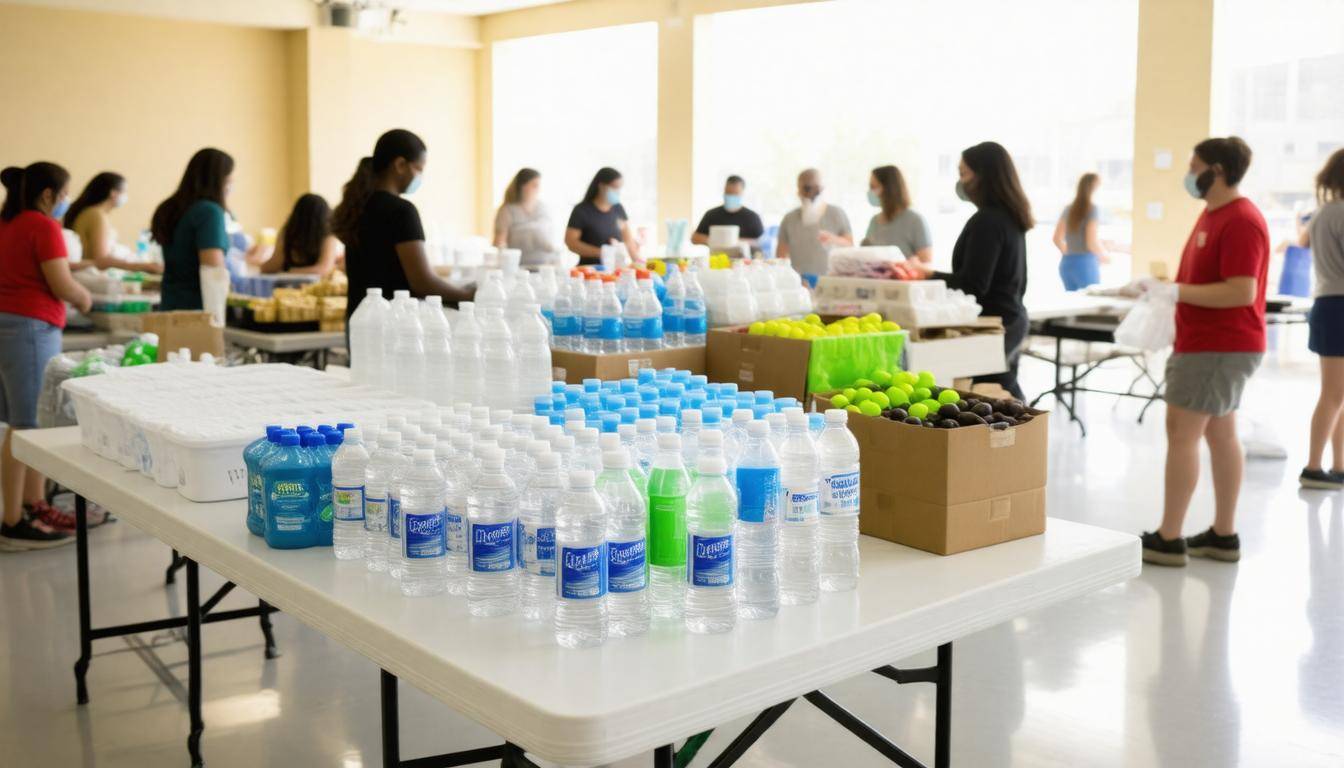
Evaluating the current needs of an area affected by disaster not only directs your volunteer efforts, but also ensures that your assistance is both timely and effective. Connecting with local authorities, disaster response teams, and organizations like the American Red Cross should be your first step. Each of these entities has unique insights into the situation on the ground, guiding you in determining what supplies or services are most urgently required. The aftermath of large-scale disasters often shifts day-to-day as new challenges arise and priorities evolve, making ongoing communication vital.
When connecting with these organizations, ask specific questions about their immediate requirements—whether that’s food supplies for shelters or volunteers to help distribute essentials. Understanding the needs allows you to provide what’s necessary and avoid duplicating efforts. For instance, if several groups send water to a shelter when what they truly need is blankets, resources could be stretched thin without yielding the expected impact. In this light, coordination emphasizes efficiency and creates a more profound collective response.
Real-Time Information Sources
Utilize real-time information sources such as social media updates, local news platforms, and dedicated disaster response apps upon which many organizations rely. These tools have become invaluable in today’s fast-paced world as they allow rapid dissemination of information about evolving community needs. For example, participating in local Facebook groups or following Twitter feeds from reliable organizations can give you insight into pressing issues that may not yet be formally documented by larger agencies. By rapidly adapting to fluctuating circumstances, volunteers can better ensure that their contributions meet actual demands rather than anticipated ones.
Remember, volunteers who stayed agile and flexible in their approach during past disasters—like Hurricane Sandy—were able to pivot quickly and shift their focus from immediate rescue operations to long-term recovery initiatives when indicated.
After assessing current needs and gathering information effectively, equipping yourself with the right knowledge is key to maximizing your impact as a volunteer.
Training and Preparation
Proper preparation can enhance both your effectiveness as a volunteer and your safety in challenging environments. Engaging in targeted training builds confidence and equips you with vital skills for responding effectively to various disaster scenarios. Imagine walking into a scene where chaos reigns – having solid training ensures you’re not just another person watching from the sidelines; you’re part of the solution.
Steps to Training
When preparing to volunteer in a post-disaster context, consider these essential training steps:
-
Enroll in Basic First Aid Courses: First aid knowledge is fundamental. Local health departments or organizations like St. John Ambulance provide courses designed for all skill levels, ensuring you’re prepared to handle common injuries that arise in chaotic situations. Having this foundational knowledge allows you to assist those in need effectively.
-
Understand Psychological Support: A crucial aspect of disaster response often overlooked is the psychological toll on victims and even fellow volunteers. Learning how to deliver psychological first aid is vital; it includes offering emotional support and recognizing signs of trauma, helping individuals cope during distressing moments.
-
Study Disaster Response Protocols: Familiarize yourself with common protocols like Incident Command Systems (ICS) or community-specific plans. Understanding these frameworks allows for improved coordination among volunteers and streamlined communication with emergency responders during an urgent situation.
Yet, even with this foundational training, there’s always more to learn. Stepping into specific pre-volunteer trainings ensures that you remain aware of operational standards while adapting to ongoing changes in recovery approaches.
Continuous Learning Opportunities
Beyond initial training, consider engaging in specialized programs tailored to specific roles within disaster recovery efforts. This could include learning about logistics management for supplies distribution or gaining further experience through hands-on simulations organized by professional organizations. These opportunities also provide valuable networking experiences that can connect you with seasoned volunteers and professionals who share insights from their own experiences, enriching your knowledge base.
Remember, every hour spent in training equips you better for the real-life challenges you’ll face during disaster response—making each investment worthwhile as it directly translates into improved outcomes for those affected by disasters.
As you gather more skills and knowledge, more detailed preparation activities will enable you to contribute effectively when needed most.
Essential Pre-Volunteer Training
Participating in post-disaster volunteering allows you to support your community while equipping yourself with skills that can make a significant difference during critical times. One of the most essential steps before lending a helping hand is engaging in specialized training programs. These programs provide tailored knowledge relevant to the specific challenges connected to various types of disasters. For example, Team Rubicon offers courses focused on responses to natural disasters like earthquakes, floods, and wildfires. These courses cover best practices and techniques to handle the unique situations volunteers may face—each disaster comes with its own set of demands.
Ensuring you are well-versed in the particulars of disaster response means you can contribute positively without putting yourself or others at risk.
Moreover, research emphasizes just how impactful pre-disaster training can be. According to a 2021 study by the International Association of Emergency Managers, volunteers who received specialized training are 40% more effective in their roles compared to those without such training. This statistic highlights not only the importance of preparation but also how knowledge empowers individuals in crisis situations. Having the right information helps volunteers make informed decisions quickly—ultimately saving lives.
It’s crucial to remember that while acquiring skills is vital, prioritizing your safety remains paramount when preparing for any volunteer opportunity.
Knowing basic first aid and understanding personal protective equipment usage can prevent misunderstandings in high-stress environments. For instance, carrying a first-aid kit and knowing how to use it may sound elementary, but it could be lifesaving. Familiarizing yourself with local emergency protocols enhances your readiness; this includes understanding evacuation plans and nearest medical facilities.
Maintaining a balance between specialized training and safety awareness forms a solid foundation for effective volunteer work after a disaster strikes. This consideration sets the stage for exploring ways to engage safely while making a meaningful impact within your community.
Getting Involved Safely
When volunteering after a disaster, safety isn’t just an option; it’s a necessity. Think of it like wearing a seatbelt in a car—it’s there for a reason. First and foremost, always heed warnings from local authorities about which areas are safe to enter and which are off-limits. You might feel the urge to rush in and lend a hand, but stepping into unsafe zones can lead to serious accidents or injuries. Your well-being allows you to be an effective volunteer, so prioritize it above all.
Personal Protective Equipment (PPE) plays a significant role in keeping volunteers safe. This isn’t mere advice—it’s essential practice during recovery efforts. Common essentials often include masks, gloves, and sturdy boots. For instance, if you’re cleaning up debris, sturdy boots help prevent injuries from sharp objects while gloves protect your hands from cuts and toxins. Masks will shield you from inhaling harmful particles that may linger in the air.
“I made sure to wear high-quality gloves and a dust mask while cleaning up after the tornado,” reflects Sarah Jenkins, a seasoned volunteer from Oklahoma. “It kept me safe from inhaling harmful particles.” Her experience underscores how vital it is to arm yourself with the right gear before diving into work.
Aside from equipment, knowing the proper protocols is critical. Familiarizing yourself with local emergency response codes not only enhances your effectiveness as a volunteer but builds trust within the community. Everyone appreciates knowing that volunteers understand safety measures and respect procedures set forth by authorities.
Remember, caring for yourself ensures that you can care for others effectively. The reality of post-disaster environments includes unpredictable hazards such as unstable structures or contaminated water sources. Keeping an eye on your surroundings is key—you should not only monitor what you’re doing but also pay attention to the actions of those around you.
Lastly, attending workshops or training sessions related to safety protocols adds substantial value to your volunteering efforts. Many organizations offer training opportunities that equip you with essential skills ranging from basic first aid to understanding how to operate safely in risky environments.
By implementing these safety measures, you not only protect yourself but also contribute greatly to the overall recovery effort and community resilience. Let’s now look at how partnering with established organizations can further enhance your impact during these critical times.
Collaboration with Professional Organizations
Partnering with established organizations amplifies the difference you can make in post-disaster scenarios. Many times, these organizations have honed their systems through years of experience, making them invaluable allies when engaging in community support. For instance, by collaborating with groups like the International Federation of Red Cross and Red Crescent Societies, you’ll tap into their vast network of resources and infrastructure designed to handle large-scale volunteer deployment. This means you won’t just be creating a haphazard flow of services; instead, you’re integrating into a well-oiled machine.
It’s crucial for volunteers to grasp that beyond their willingness to help, they must also enhance their skills with proper training provided by these organizations. Effective collaboration starts with understanding each organization’s mission and capacity. This enables you to learn about their existing frameworks, which is pivotal for maintaining effective communication and service delivery during crises.
Consider this: after the devastating Haiti earthquake in 2010, NGOs like Doctors Without Borders and the Red Cross were instrumental in managing thousands of dedicated volunteers. They coordinated distributions of essential medical supplies, food, and shelter with remarkable efficiency precisely because they had trained personnel and established methods to navigate complex disaster situations.
When you reach out to these organizations, it’s not just about tapping into a network; it’s about becoming a piece of a much larger puzzle where every piece matters.
Volunteer organizations often provide valuable insights about community needs that may not be immediately apparent. They understand the local context better than anyone else—what supplies are needed, where resources should go, and which areas are most vulnerable. This insight is pivotal; without it, good intentions can lead to poorly coordinated efforts or duplication of services.
Understanding Community Needs
Involving yourself with professional organizations allows you to conduct needs assessments effectively. These assessments reveal what communities require most urgently—whether it’s food, emotional support, or simply manpower to help clean up debris. By aligning volunteer efforts with these needs, you’re ensuring that your work addresses genuine problems instead of perceived ones.
The emphasis goes beyond merely helping out; it’s about offering targeted solutions that can genuinely aid recovery and re-establishment.
Additionally, focusing on training ensures that emotional considerations are not overlooked as they play a vital role in community recovery.
Emotional readiness cannot be underestimated in disaster response initiatives. Volunteers often face individuals dealing with trauma, grief, or even anger in the aftermath of crisis situations. Organizations provide training sessions that prepare volunteers for these diverse emotional responses. By using sensitive approaches derived from established psychological practices, volunteers become better equipped to offer both emotional support and practical assistance—bridging the gap between logistical help and human compassion.
With a strong foundation laid through collaboration and understanding community dynamics, we can now explore how best to provide meaningful assistance during crises.
Providing Effective Support
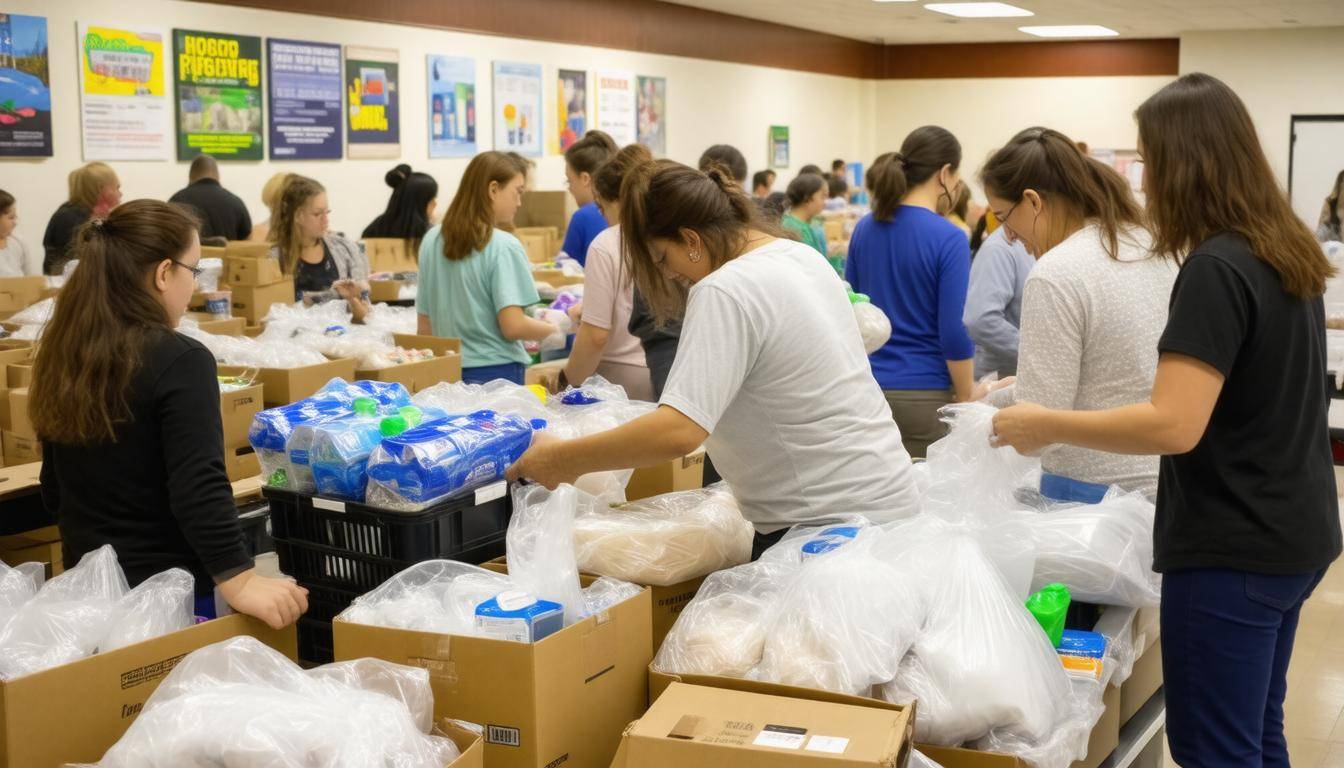
Effective support is about much more than merely making an appearance; it requires thoughtful preparation and action. To truly assist affected communities, volunteers should focus on bringing useful skills and being proactive in their roles. For instance, if you have medical knowledge or experience in construction, these skills can greatly enhance your ability to contribute meaningfully. Even having basic abilities—like physical strength for moving debris—can turn situations around when every pair of hands counts.
Before heading out, take a moment to assess what you can offer. Think carefully about your unique skill set. For example, volunteers adept at providing first aid can save lives and help local clinics manage overwhelming situations. Volunteers with construction expertise are invaluable in evaluating damages and helping rebuild infrastructure. Prepare yourself by packing tools or gear that might be necessary; this could include gloves, masks, or other equipment specific to your capabilities.
Importantly, the quality of support provided plays a critical role in how quickly a community can recover after a disaster.
Communities often rely heavily on the skills and determination of their volunteers during such crises. A well-prepared volunteer workforce allows for quicker mobilization of resources and smoother integration into recovery efforts. It’s striking to consider how during the 2004 Indian Ocean tsunami, volunteers trained in medical response made a profound difference. Their ability to efficiently triage patients relieved some pressure off local clinics inundated with casualties, showcasing the necessity of quality support options.
Volunteers who wish to maximize their effectiveness should continually ask themselves: How can I improve my skill set? Engage with training programs or workshops that build on potential areas of contribution.
Together, gaining skills and preparing effectively not only helps those impacted by disasters but also builds a stronger foundation for future volunteer efforts.
Effective support means being adaptable and responsive to the community’s immediate needs while prioritizing safety guidelines and protocols established by professional organizations. This involves a concerted effort from each volunteer, as continuous learning and refining unique contributions empower individuals to protect and uplift those in distress with empathy and expertise. By organizing efforts thoughtfully, good intentions evolve into lasting impact.
With this framework in mind, exploring the current conditions in affected areas ensures that we meet needs accurately and responsibly as we move forward.
Assessing and Adapting to Conditions
When disaster strikes, the ability to quickly assess and adapt to ever-changing conditions becomes a pivotal skill for any volunteer. It’s like being a firefighter who must evaluate the blaze, determine where help is most needed, and act without hesitation. This means you need to keep your eyes open and your mind clear about what’s happening around you. A thorough initial assessment helps volunteers gauge the environment and prioritize actions effectively.
Developing flexibility in your approach helps. Have you ever heard the saying, “The only constant is change?” In disaster relief, this couldn’t be truer. Volunteering often requires shifting gears based on evolving community needs. One moment, you might focus on distributing food supplies, and the next, you may be helping with debris removal or providing first aid. The landscape changes rapidly; hence, being ready to switch tasks isn’t just helpful—it’s essential.
Recommended Actions
Here’s an effective way to visualize potential conditions and corresponding recommended actions:
| Conditions | Recommended Actions |
|---|---|
| Debris and Rubble | Focus on clearing pathways |
| Medical Emergencies | Provide first aid and transport to hospitals |
| Food Shortages | Aid in distribution and rationing efforts |
| Communication Blackout | Support in setting up temporary networks |
Navigating through an area with debris requires a steady hand and quick thinking. When you’re faced with tons of rubble, prioritizing safety while focusing on clearing paths is critical. Gentle but firm gestures can guide others moving through these areas while minimizing risk.
Similarly, when medical emergencies arise, swift action can save lives. Providing first aid kits or transporting individuals who require more advanced care to nearby hospitals requires both attention and determination. These situations often happen unexpectedly, making preparedness key – knowing basic first aid techniques can equip you to make rapid assessments when they’re needed most.
Food shortages present another pressing issue that demands adaptable planning. During crises, resources dwindle quickly; thus aiding in distribution and rationing efforts can feel like a race against time. Here, communication plays an extremely important role since working together as a team ensures efficiency.
Having evaluated the pressing needs in tumultuous situations, we must remain mindful of moral guidelines that govern our actions as committed volunteers focused on community enhancement.
Ethical Considerations for Volunteers
When engaging in post-disaster volunteering, it’s essential to prioritize ethical considerations. The act of lending a helping hand is noble, but it should always be grounded in respect for the individuals and communities you aim to assist. Catastrophe compassion is indeed a powerful motivator; however, having a clear ethical framework ensures that your actions are both impactful and considerate.
One significant aspect of ethical volunteering involves respecting the dignity and autonomy of those affected by disasters. Imagine finding solace in your community—the warmth of local relationships built over years—and then suddenly having a stranger step in and impose solutions without understanding the culture or context of that community. It can feel overwhelming and intrusive. Thus, it’s important to approach each situation with humility, recognizing that community members themselves are experts on their needs.
As a volunteer, your primary focus should be active listening. This means genuinely understanding what people need and how they wish to receive help. Avoid making assumptions—what seems like a great solution to you may not align with the community’s values or realities.
Furthermore, a strong warning arises regarding the use of images. Capturing photographs of disaster victims can easily cross an ethical boundary if done without permission or consent. These moments are deeply personal and vulnerable for many individuals. Respecting their privacy and humanity is paramount; thus, volunteers must refrain from taking photos for personal use or social media promotion unless explicitly permitted by those involved.
Compassion alone isn’t enough; it’s vital for volunteers to consider how their presence affects the well-being of others. Remember, volunteering isn’t just about action; it’s about empathy, deep respect, and empowerment. Engage openly with local community leaders or organizations like American Red Cross or Team Rubicon to ensure that your efforts align with established practices in the area. By investing time in meaningful dialogues with those impacted, you’re not only providing support but also fostering solidarity and trust.
To wrap up this consideration, I implore all potential volunteers to view themselves as part of a larger ecosystem rather than saviors with superior knowledge. By recognizing the value of local insight and prioritizing respectful partnerships, volunteers foster environments in which communities can rejuvenate more effectively post-disaster. This collaborative approach not only benefits those in need but enriches your own experience as a volunteer.
Your commitment to ethical volunteering can significantly impact both the communities you serve and your personal growth throughout the process.
What training or certifications should I consider before volunteering in a post-disaster scenario?
Before volunteering in a post-disaster scenario, consider obtaining certifications such as CPR/First Aid, FEMA’s National Disaster Preparedness training, and Community Emergency Response Team (CERT) training. These programs equip volunteers with essential skills to respond effectively and safely in chaotic environments. Statistics show that trained volunteers are 30% more effective in disaster response efforts, significantly improving outcomes for affected communities.
What common mistakes do volunteers make when helping in post-disaster situations and how can they be avoided?
Common mistakes volunteers make during post-disaster situations include inadequate preparation, which can lead to safety hazards for themselves and those they aim to help, and acting without coordination with established organizations, resulting in resource duplication or interference. To avoid these pitfalls, volunteers should undergo basic training in disaster response and align with local agencies to ensure they’re contributing effectively. A study indicated that 70% of spontaneous volunteers were untrained, revealing the importance of preparedness in enhancing the overall impact of volunteer efforts.
What health precautions should be taken when working in potentially hazardous environments following a disaster?
When working in potentially hazardous environments following a disaster, it is crucial to wear appropriate personal protective equipment (PPE) such as gloves, masks, and safety goggles to minimize exposure to harmful substances. Additionally, staying hydrated and taking regular breaks can prevent heat stress and exhaustion. According to the World Health Organization, improper handling of debris can lead to injuries or infections, highlighting the importance of safety protocols. Ensuring vaccinations are up-to-date for diseases like tetanus is also essential, as emergency settings may be breeding grounds for infections.
How can I identify reputable organizations that operate in disaster-stricken areas for volunteering opportunities?
To identify reputable organizations for volunteering in disaster-stricken areas, start by looking for established nonprofits with a history of disaster response, such as the Red Cross or Team Rubicon. Verify their credentials through resources like Charity Navigator or Guidestar, which provide ratings based on transparency and financial health. According to a 2021 survey, 70% of volunteers reported feeling more confident about their contributions when working with recognized organizations, ensuring a safer and more effective volunteering experience. Always check reviews and seek local testimonials to gauge the organization’s impact in the community.
In what ways can I effectively support disaster relief efforts without physically being on-site?
You can effectively support disaster relief efforts remotely by organizing fundraising campaigns, spreading awareness through social media, and providing logistical support such as coordinating supplies or volunteers. Research shows that online donations during emergencies can increase significantly; for instance, GoFundMe reported that donations surged by 60% in the wake of major disasters. Additionally, offering skills like mental health support or legal advice remotely can make a significant impact without your physical presence, helping communities recover more quickly and efficiently.