
Storms can sweep in unexpectedly, leaving us scrambling for safety and supplies. In Johannesburg, where heavy rains and strong winds can turn a sunny day into a chaotic emergency, being prepared is more than just a good idea; it’s essential. Many residents often underestimate the impact these storms can have on their lives and homes. I’ve seen firsthand how quickly storms can disrupt daily routines, which really hammers home the importance of having a solid plan and an equipped emergency kit. By taking the right steps now, we can weather any storm that comes our way with confidence. Let’s take a closer look at the emergency supplies you need to keep safe when the skies darken above us.
It is recommended to have a stock of essential emergency supplies such as non-perishable food, bottled water, first aid kits, flashlights, batteries, and blankets. Additionally, preparing an emergency plan that includes communication strategies and evacuation routes is crucial for safety during storms in Johannesburg.
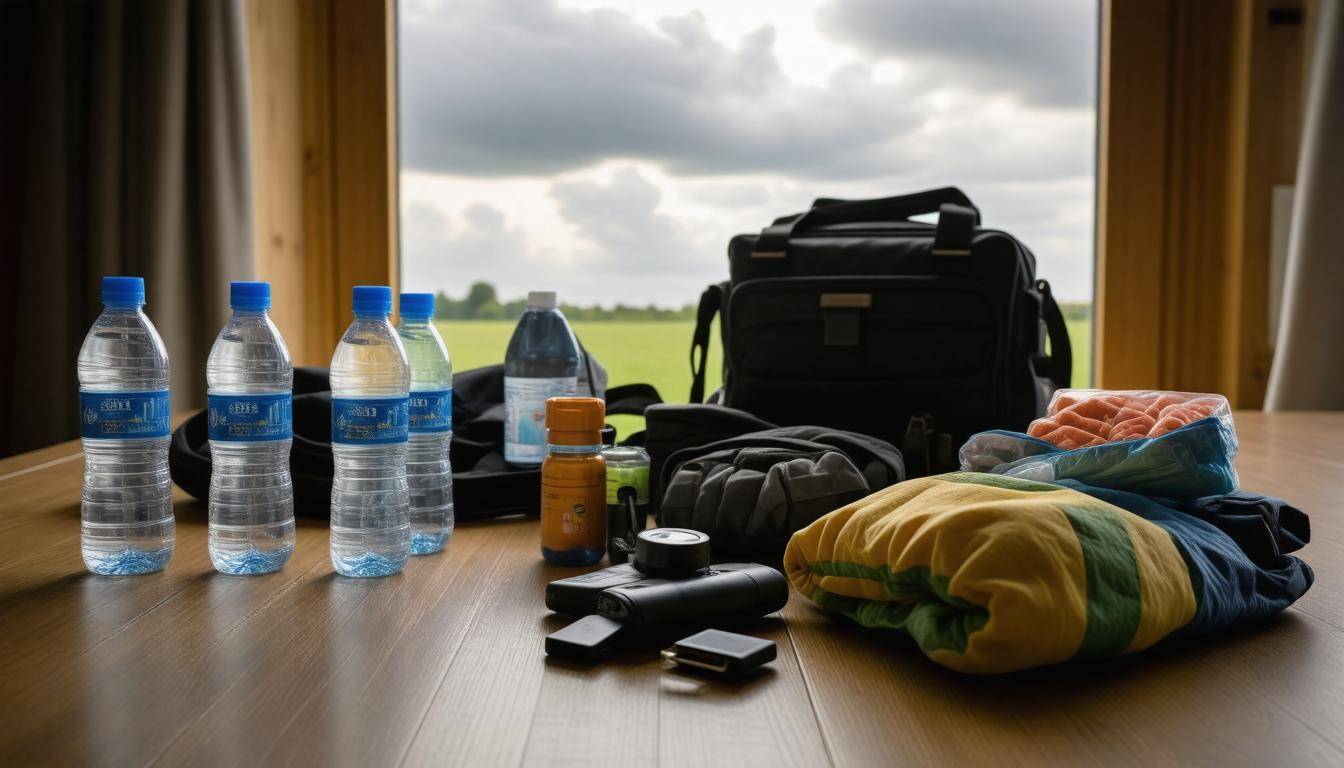
Essential Storm Emergency Kit Items
In addition to the basic survival supplies you’ve gathered, creating a storm emergency kit tailored for Johannesburg means considering the specific threats these storms pose, such as flooding and strong winds. Start by ensuring you have sufficient water, which is vital not just for drinking but also for hygiene during a power outage. Aim for at least one gallon per person per day over three days—this preparation is invaluable should your home’s water supply be compromised.
Next comes food; stockpiling non-perishable options like canned goods, dried fruits, nuts, and energy snacks can ensure you stay nourished even if you face access issues. It’s wise to include a manual can opener as well, especially if there’s a risk of losing electricity and your electric opener isn’t an option. Flashlights and extra batteries should be a priority too—when it gets dark, having light isn’t just a convenience; it’s essential for safety.
But what happens when you’re faced with minor injuries? That’s where a first aid kit becomes a critical component of your emergency supplies. Having one ready ensures that you can properly address any cuts or scrapes without delay while waiting for external help.
Another often overlooked item is a whistle; this small device helps in signaling for help when you’re in distress. During storms, where communication lines might get disrupted, using sound to attract attention may become your best bet.
As storms affect more than just our physical safety—they can impact air quality, especially following heavy rains and debris removal—consider adding a dust mask to your kit. This can provide some relief against inhaling harmful particles when clearing out potentially hazardous materials around your property.
To respond effectively to sudden weather changes, keep plastic sheeting and duct tape handy to create makeshift shelters or seal off areas from harsh winds and rainwater. This handy duo could transform into life-savers during an unanticipated shift in weather.
Maintaining personal sanitation amid chaos is crucial; thus, include moist towelettes, garbage bags, and plastic ties for efficient waste management. These supplies will keep your environment cleaner during stressful times when resources may run low.
Finally, don’t forget about local maps since GPS can falter with unavailable networks or power outages. Familiarizing yourself with alternative routes ensures you’re always one step ahead, allowing you to navigate safely through potential storm hazards that might obstruct travel.
With these items in mind, it becomes clear that having a well-prepared emergency kit is essential for navigating the unpredictable weather in your area. Now, let’s explore what specific supplies residents should consider stocking up on to enhance their readiness further.
Recommended Supplies for Johannesburg Residents
Having the right tools at your disposal can make all the difference when a storm hits Johannesburg. With unpredictable weather patterns, residents need to prepare for various scenarios—be it heavy rains or sudden power outages. Starting with high-quality rain gear, it’s critical to invest in durable raincoats and waterproof shoes. These items not only keep you dry but also ensure that you can move around safely without the risk of slipping on wet surfaces. Remember, warmth and dryness are essential during storms, as exposure to cold rain can lead to hypothermia.
Charging your devices is another crucial consideration; hence, power banks and solar chargers should be at the top of your list. When storms knock out electricity, having a reliable way to charge your phones or communication devices becomes invaluable—especially when contacting loved ones is a priority. Look for solar chargers designed for outdoor use which have built-in batteries that can store power, allowing you to harness the sun’s energy even when it’s cloudy.
Next comes water safety. A portable water filter can be a game-changer during emergencies. Water contamination can occur after heavy storms, so investing in a good filtration system can save you from needing to rely on potentially tainted municipal water. Clean drinking water is a basic necessity that should never be taken for granted. In fact, many brands offer compact filters that fit into backpacks, making them easy to carry along if you need to evacuate quickly.
Lastly, consider sandbags as part of your emergency preparedness kit. While they may seem basic, these bags are incredibly effective in controlling minor flooding around your property. They serve as first responders for diverting overflow from heavy rains away from doorways and vulnerable areas of your home.
A notable event occurred during the 2023 Johannesburg floods when residents who had prepared by stockpiling sandbags successfully diverted water away from their entry points. Similarly, during moments of crisis that involved boil-water advisories, those equipped with portable water filters faced fewer difficulties than others.
Finally, while one might think about acquiring a portable generator solely for its cost—and it can run on fuel or gas—keep in mind the importance of safety first. Generators can be remarkable in keeping vital devices powered during prolonged outages; however, using them requires extra caution to avoid carbon monoxide poisoning: ensure proper ventilation and read the manufacturer’s safety guidelines carefully.
Now that we’ve covered essential supplies tailored for Johannesburg’s unique storm challenges, let’s explore how best to organize these items in an efficient manner, ensuring they’re readily accessible whenever necessary.
Choosing the Right Kit Bag
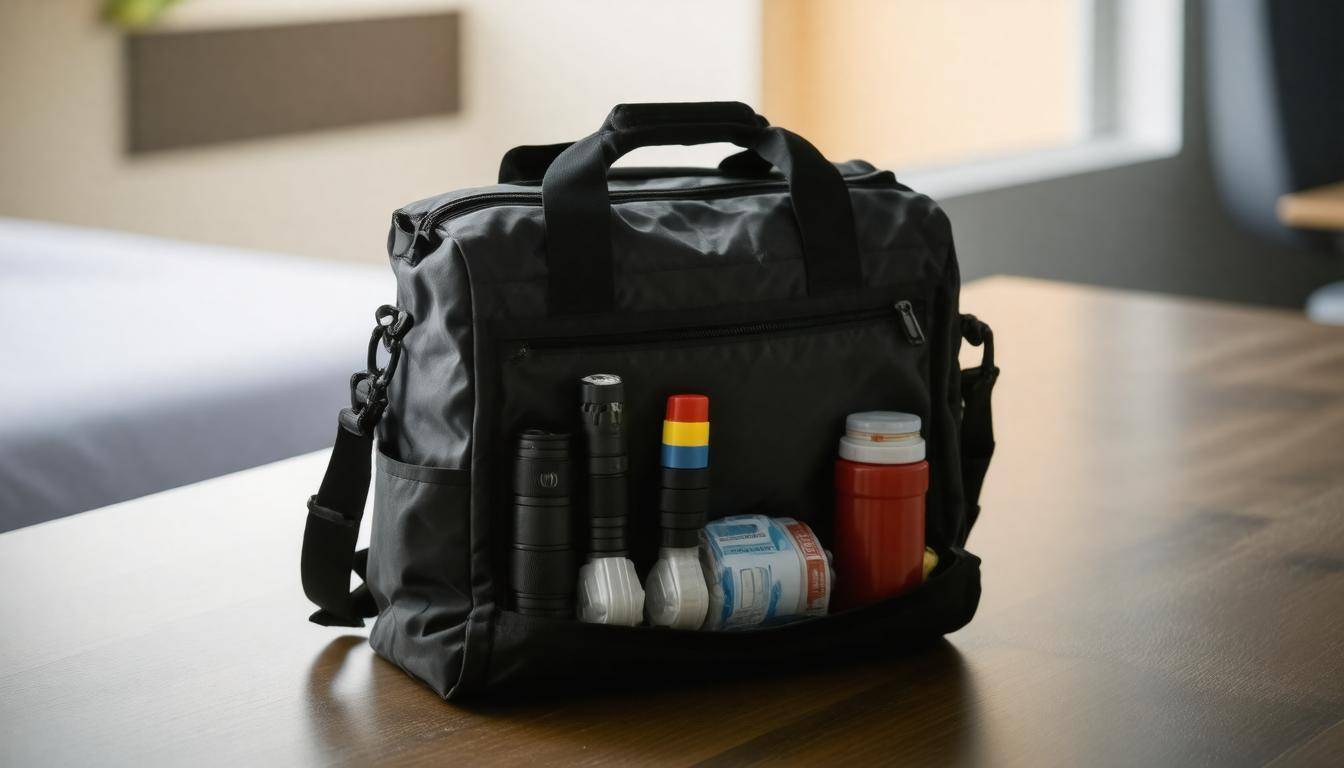
When it comes to preparing for storm emergencies in Johannesburg, the type of bag you choose will significantly affect how well you can respond in a pinch. A well-selected bag not only makes it easier to haul your emergency gear but also ensures that you can reach what you need without fumbling. It’s important to reflect on your specific needs before making a choice, as each style of bag offers distinct advantages and disadvantages.
Types of Bags
Starting with backpacks, they are often the preferred choice for many due to their hands-free design and ergonomic features. In bustling storm scenarios when quick evacuations are necessary, a backpack allows you to keep your arms free for navigating obstacles or carrying additional items like children or pets. Beyond this practicality, backpacks usually come with multiple compartments, making it simple to organize items for quick access.
On the other hand, while duffel bags provide ample space for packing supplies, they can become cumbersome, especially if you’re trying to cover long distances quickly. The lack of straps may lead to fatigue as you carry them over uneven ground, which can be a real challenge during emergencies. If you find yourself leaning towards a duffel, consider choosing one with padded handles or a removable shoulder strap for added comfort.
If mobility issues are a concern, rolling suitcases can prove invaluable. They allow effortless transport across smooth surfaces and require minimal physical exertion. However, they lose their effectiveness on rugged terrain, so it’s essential to assess the types of locations you’d need to navigate amidst an emergency when deciding whether this option is right for you.
Lastly, let’s talk about waterproof bags, which are non-negotiable in storm-prone areas. Given that flooding can pose a significant risk during severe weather events, having waterproof protection ensures your essential supplies remain dry and functional when you need them most. This is especially important for items such as food, medicine, and electronic devices.
Just think how comforting it would be in a storm to grab your sturdy backpack filled with meticulously organized supplies without worrying about whether things will get wet or if you’ll be weighed down by an unwieldy bag. The right choice not only prepares you practically but also contributes greatly to your peace of mind when facing unpredictable situations.
As we move forward, it is crucial to equip ourselves with medical essentials that can further enhance our readiness in times of crisis.
First Aid and Medical Supplies
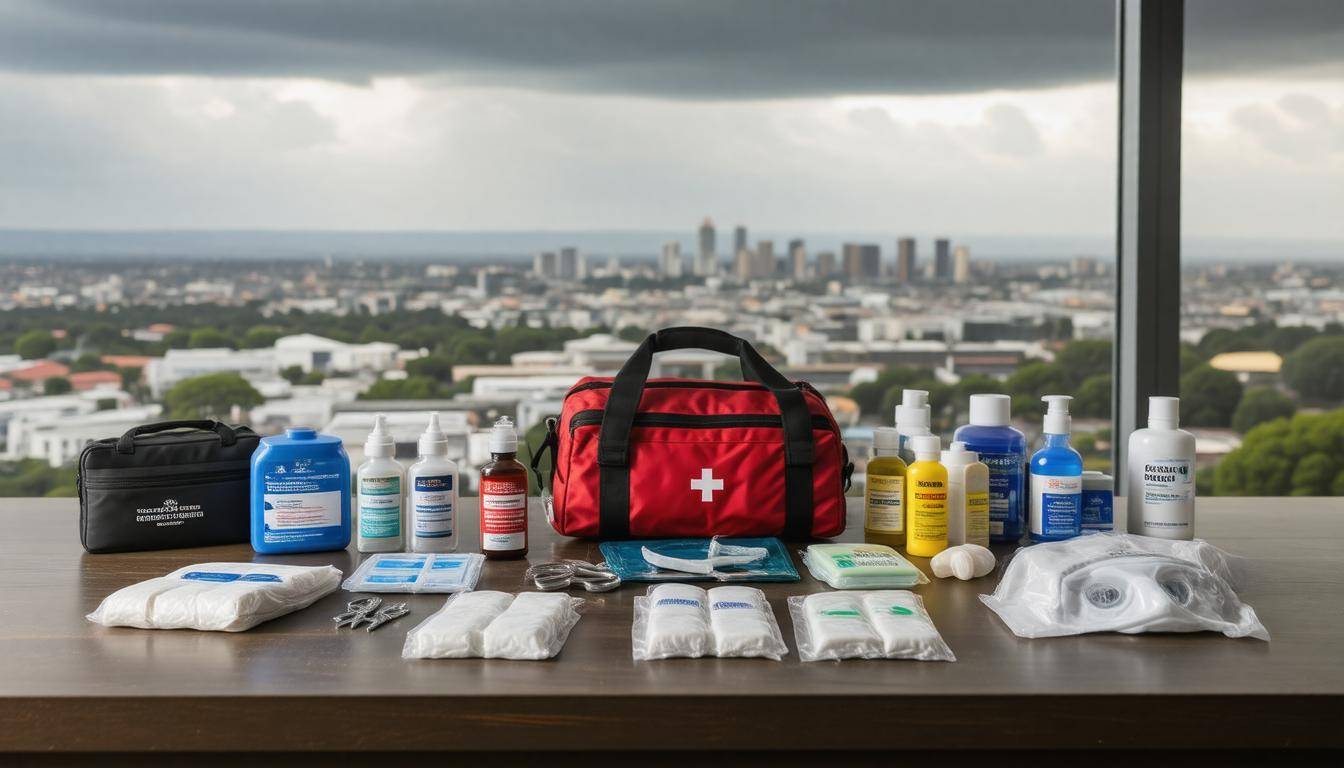
Injuries can occur unexpectedly, especially during unpredictable storm conditions when safety might be compromised. Therefore, having a well-stocked first aid kit becomes paramount. It’s not merely about having supplies; it’s about being ready to address any emergencies that may arise, ensuring you and your loved ones remain safe through chaos. Think of this kit as a safety net that offers peace of mind.
Core Medical Supplies
| Item | Purpose |
|---|---|
| Bandages | For cuts, scrapes, and wounds |
| Antiseptic Wipes | Cleaning wounds to prevent infection |
| Pain Relievers | Managing pain from injuries |
| Tweezers | Removing debris or splinters |
| Prescription Medications | At least a three-day supply |
| Instant Cold Packs | Reducing swelling from injuries |
| CPR Mask | In case of emergency CPR situations |
| Medical Gloves | To maintain hygiene during treatments |
As you compile your medical supplies, consider the specific needs of your family members. For example, if you have children, you may want to include pediatric doses of pain relievers or an extra set of band-aids featuring fun designs—they often bring a sense of comfort during stressful moments. With that in mind, don’t overlook the importance of having antiseptic wipes—not only do they clean wounds to stave off infection, but they also serve an important role during storm conditions when sanitation can become compromised.
It’s crucial to ensure you have at least a three-day supply of any prescription medications. Emergencies can disrupt access to pharmacies or healthcare providers, making personal medication even more vital in such scenarios. Genuine attention should be given to the instant cold packs, which can alleviate swelling and discomfort from strains or sprains—a common result during hectic times.
Maintaining hygiene is another vital part of medical preparedness; sterile medical gloves will help ensure clean administration of first aid procedures when treating injuries and prevent further contamination. Being equipped with the right supplies not only prepares you for challenges but also allows you to care for yourself and others in distressing situations.
This leads us seamlessly into understanding essential provisions for sustenance during emergencies.
Food and Water Storage
When preparing for emergencies, a strategic approach to food and water storage can make all the difference. First, let’s focus on food storage techniques. The key here is not just having enough food but ensuring it remains edible when you need it most. One of the first steps I recommend is to rotate your stock. This means checking those expiry dates and using the older items first. It might seem tedious, but it drastically reduces food waste and keeps your supplies fresh over time.
Incorporating a variety of foods helps cover different nutritional needs during an emergency. Think about ready-to-eat meals for convenience, alongside canned goods and dehydrated options that can be prepared with little fuss. Additionally, don’t overlook cooking fuel; portable stoves or grills could prove invaluable if you rely on cooking and power goes out unexpectedly.
Water Storage Strategies
Now onto water storage, which is equally crucial. A general guideline is to store at least one gallon of water per person per day for three days. To facilitate this, I suggest investing in large, specialized water containers that are both sturdy and BPA-free, ensuring the water remains clean and safe to drink. On top of that, consider purchasing water purification tablets. These tablets can transform questionable water sources into safe drinking water when fresh supplies run low.
It’s also beneficial to think creatively about ways to keep your food cool during power outages. If you can fill freezers with ice before a storm hits, this proactive measure can prolong the coolness of your stored food items, buying you valuable time before spoilage occurs.
Taking these thoughtful actions will ensure you’re prepared during storms while minimizing panic and stress in uncertain situations.
For example, I once heard about a family in Johannesburg who maintained a three-month rotation schedule for their canned goods. They found this system remarkably effective in avoiding spoilage while teaching their kids valuable life skills about food management. But it required consistent monitoring—something that became part of their family routine.
Apart from food and water, securing your living environment enhances your overall storm preparedness. This can involve checking windows, doors, and ventilation systems to ensure your home stands resilient against whatever nature throws your way.
Preparing Your Home for Storms
Securing your home against storms starts with a systematic approach, ensuring each part of your property is fortified and ready to endure potential weather threats. First and foremost, inspecting your roof and gutters is crucial. Blocked gutters can cause water overflow, which may lead to leaks or severe damage in the long run. Regular cleaning is essential to prevent this buildup, but don’t forget to examine the roof for any weak spots or missing shingles. If you notice anything amiss, take action immediately; even minor issues can become significant problems during a storm.
Next on the list is trimming trees and bushes around your home. Overhanging branches are literally one storm away from becoming dangerous projectiles that can damage your roof or windows. Keeping foliage adequately managed isn’t just about aesthetics; it’s about protection. Pay attention to old trees or those that appear unstable, as they may require professional evaluation or removal altogether.
Once you’ve addressed these two critical areas, it’s time to focus on protecting windows and doors.
Installing storm shutters or plywood offers a barrier against flying debris and strong winds. If you choose plywood, make sure you cut pieces ahead of time to fit your windows perfectly. This way, when storm warnings loom, you can quickly board up your windows without scrambling at the last minute. Many homeowners find this proactive measure invaluable when storms approach.
Additionally, consider elevating electrical equipment where possible. If you live in an area prone to flooding, keeping devices off the ground floor minimizes water damage risks. Use shelving units or raised platforms in your garage or utility rooms to ensure appliances remain dry. Also remember to secure important documents and valuables at a higher level; this extra precaution can save you heartache should water unexpectedly seep into your living spaces.
“Those pre-prepared measures make all the difference,” reflected a local homeowner after a recent storm warning.
By systematically addressing these vital aspects of your home’s readiness for a storm, you not only protect your physical space but also create a safer emotional environment for yourself and your family.
Of course, while fortifying your home is paramount, it’s equally important to consider how you’ll stay connected during such situations where communication may be impacted.
Using Radios and Other Communication Tools
When mobile networks fail, having alternative communication methods is essential for staying informed and connected with loved ones. One of the best tools in your arsenal is a battery-powered or hand-crank radio. These radios are lifesavers during power outages as they allow you to receive crucial news updates and weather information without relying on electricity.
However, it’s not just about owning a radio; you must also maintain it carefully. Consider purchasing extra batteries and storing them in a cool, dry place. Moreover, familiarize yourself with its operation before disaster strikes so that you don’t waste precious time fumbling around when you need it most.
Think of your radio as a lifeline; it keeps you connected to essential services and updates when everything else fails.
Another invaluable communication tool during a storm is walkie-talkies. Unlike mobile phones, walkie-talkies operate on different frequencies and can be used even if conventional phone lines are busy or down entirely. They enable quick communication between family members in various locations, especially important if you have a larger property or need to reach someone outside the house. Buying a set with good range will ensure you’re covered within your vicinity; just make sure everyone knows how to use them properly!
Important Preparation Tips
In addition to these devices, keeping an emergency contact list both digitally and on paper is vital. This list should include local emergency services, family contacts, and friends who live nearby. When creating this list, record numbers for local hospitals, fire departments, and any community help centers available during emergencies. Additionally, store this information somewhere easily accessible but safe from water damage or disarray caused by strong winds or flooding.
During past storms, those communities that utilized battery-powered radios were often much better informed about rescue operations and weather updates compared to those who didn’t. Similarly, families using walkie-talkies could coordinate their efforts more efficiently—whether it was gathering supplies or checking on neighbors—than those who relied solely on cell phones that might not work.
As we continue exploring ways to enhance your preparedness efforts, understanding the organization of your supplies plays a critical role in ensuring swift access when every second counts.
Securing Your Emergency Supplies
Keeping your emergency supplies secure ensures they are ready when you need them most. It’s essential for your safety and maintaining the integrity of those supplies. Imagine frantically searching for food or first-aid items during a storm, only to discover they’re damaged or missing because they weren’t stored properly. The time spent preparing can make a tremendous difference when faced with an emergency.
Tips for Securing Supplies
First and foremost, designating a safe storage area is crucial. Opt for a location on higher ground if you’re in an area prone to flooding, minimizing the risk of your supplies being swept away. Choose a spot that is easy to access during emergencies, ideally within sight of your main living area but without risking exposure to wind and debris. A clear, organized space means you won’t waste precious moments fumbling around.
Using lockable containers is another effective way to ensure your supplies remain untouched. Durable bins with secure lids deter not only scavengers but also curious pets drawn to food packages or other items. Clearly mark these containers so you can identify them quickly.
Regular inventory checks cannot be overstated. Schedule a time—perhaps at the change of seasons or during spring cleaning—to review what you have on hand. This practice allows you to identify expired products or missing items before the unexpected happens. Keep a checklist of essential supplies so you can easily assess whether you have everything needed.
Communication Is Key
Involve all family members in knowing where the emergency supplies are stored and how to access them according to an established procedure. This familiarity becomes invaluable when chaos strikes during a storm and quick action is critical. Make it part of your regular routine, perhaps even during family safety drills, to ensure everyone understands what’s required.
Implementing these integrated steps not only improves your preparedness level but fosters confidence within your family, ensuring that everyone knows how to handle emergencies efficiently when they arise. Regular attention and upkeep on these measures can significantly enhance safety and resilience against potential storm impacts.
By investing time in securing emergency supplies today, you’re laying the groundwork for a safe tomorrow. Preparing now means one less worry when storms threaten Johannesburg.
Are there local organizations or resources that offer assistance with storm preparedness in Johannesburg?
Yes, in Johannesburg, several local organizations and resources provide assistance with storm preparedness. The City of Johannesburg Disaster Management Services offers educational programs and community workshops on emergency preparedness. Additionally, the South African Red Cross Society is active in providing resources and support during natural disasters. According to recent statistics, over 60% of residents were unaware of storm safety measures, highlighting the importance of these initiatives in promoting better awareness and readiness within the community.
How often should I update or check my storm emergency supplies to ensure their effectiveness?
You should update or check your storm emergency supplies at least twice a year, ideally before the start of the rainy season and after it ends. This practice ensures that food items have not expired, batteries are functional, and any changes in local regulations or available resources are taken into account. According to FEMA, nearly 60% of households do not have an emergency supply kit ready, highlighting the importance of regular checks to ensure preparedness and safety for potential storms.
What specific items should be included in a storm emergency supply kit for Johannesburg residents?
For Johannesburg residents preparing a storm emergency supply kit, essential items should include non-perishable food and water (at least one gallon per person per day for three days), a flashlight with extra batteries, a first-aid kit, medications, a multi-tool, and important documents stored in a waterproof container. Given that Johannesburg experiences severe storms during summer months with heavy rainfall and occasional flooding, having these supplies can help ensure safety and facilitate survival during emergencies. Studies show that quick access to these essential items can significantly reduce anxiety and risk during unexpected weather events.
How can I assess the risk of storms in my area of Johannesburg to better prepare my emergency supplies?
To assess the risk of storms in Johannesburg, start by monitoring local weather forecasts and consulting resources like the South African Weather Service, which offers alerts on severe weather conditions. Additionally, familiarize yourself with historical storm patterns and statistics; for instance, Johannesburg experiences significant thunderstorms primarily during the summer months (October to March), often leading to flash floods. By understanding your area’s vulnerability to such storms, you can better prepare your emergency supplies—such as food, water, and first-aid kits—to ensure safety during adverse weather events.
What steps should I take if a storm is predicted to impact my area in Johannesburg?
If a storm is predicted to impact Johannesburg, ensure you prepare by securing your home with sandbags and boarding up windows if necessary. Stock up on essential supplies such as water, non-perishable food, and a first-aid kit, as power outages can last several hours or even days. It’s advisable to stay informed through local weather updates and have an emergency plan in place that includes communication methods with family members. Statistics show that areas prone to storms can experience significant property damage; thus, taking these steps can enhance your safety and minimize potential loss.