
Queenstown, tucked away on New Zealand’s South Island, is a slice of paradise for outdoor lovers. The stunning vistas and incredible activities draw adventure seekers from all over, but with that beauty comes the challenge of its alpine environment. Have you ever wondered what essentials you’d need in case things go sideways during an outing? From sudden weather changes to unexpected accidents, being prepared can mean the difference between a memorable experience and a nightmare scenario. In this article, we’ll dive into the must-have items for your Alpine Emergency Kit, ensuring you’re equipped to tackle whatever Queenstown throws your way while comfortably enjoying all its breathtaking scenery.
An effective Alpine Emergency Kit for Queenstown, South Island should include essential items such as a first aid kit, thermal blankets, a compass and map, extra food and water, a flashlight with extra batteries, and avalanche safety gear. Additionally, it’s crucial to carry means of communication like a satellite phone or whistle and ensure that your kit is tailored to the specific conditions you may face in this mountainous region.
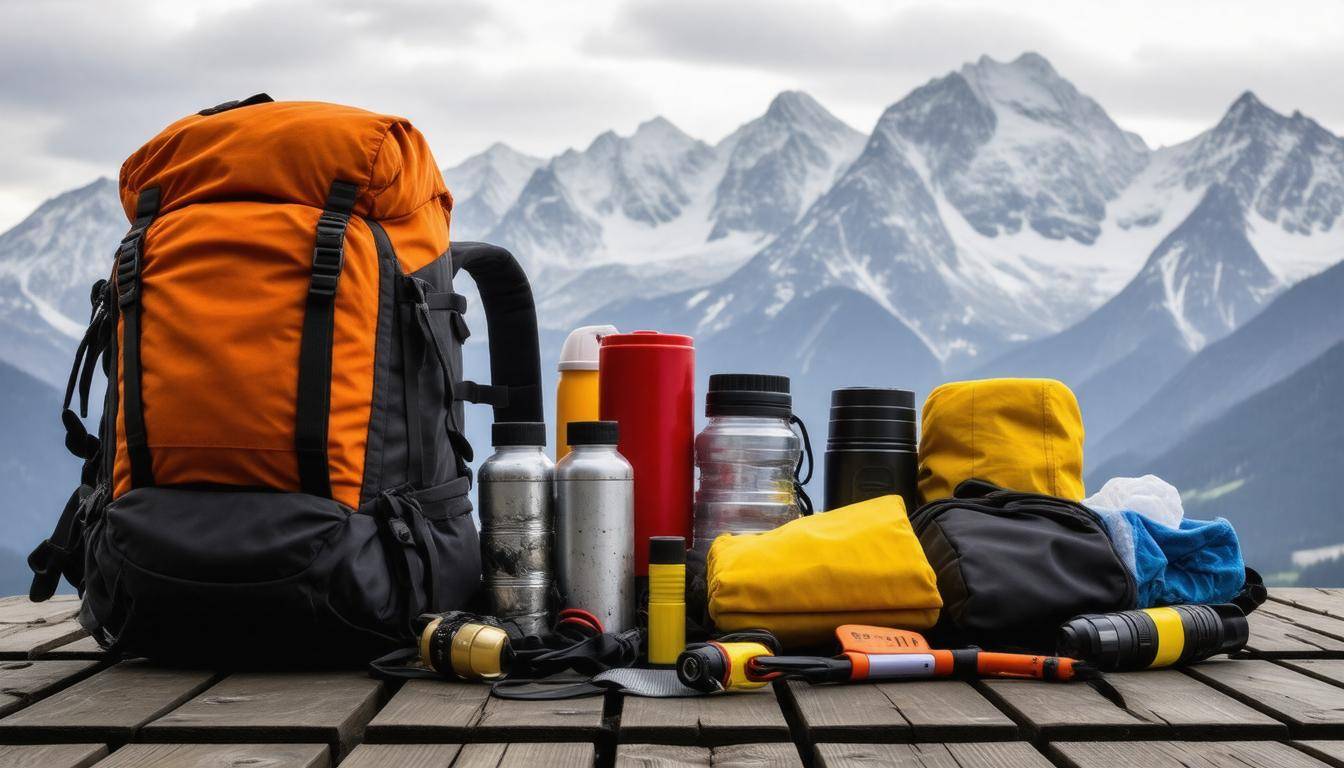
Gear for Queenstown Adventures
Let’s explore each essential piece of equipment to ensure you’re well-prepared for your adventures in this breathtaking alpine environment. To start with, investing in a durable backpack is crucial. A good one needs to be tailor-made for versatility, so you should look for features like padded shoulder straps and an adjustable waist belt to distribute weight evenly. High-quality materials will provide durability against the elements, while compartments help you stay organized; no one wants to rummage through a bag when you’re cold and wet!
Shoes are often overlooked, but wearing sturdy footwear can make all the difference. Choose a pair that’s not just waterproof but also offers solid grip and support—think of them as your best friends on rocky trails. Insulated boots can provide that extra layer of protection if you decide to venture into snowy terrains, keeping your toes warm even in blistering cold.
As we navigate through your packing list, it’s equally important to ensure you stay hydrated during those long hikes.
A reliable hydration system cannot be overstated. Opting for a water reservoir may be beneficial since they allow you to sip easily without having to stop frequently. If carrying bottles instead, lightweight, collapsible options save space when empty but offer substantial capacity while you’re on the move. Aim for a total of at least 2 liters to keep yourself adequately hydrated throughout the day, especially after physically taxing sections of the trail.
Next up are trekking poles, a beloved companion for seasoned hikers like me. When traversing uneven terrain or navigating icy paths, these adjustable poles provide extra stability and balance. They can significantly reduce strain on your knees, especially during downhill descents—believe me; your joints will thank you later.
Lastly, let’s consider staying connected in case of emergencies.
Having a fully charged portable charger for your devices is indispensable when exploring Queenstown’s wilderness. The cold weather can sap battery life faster than you’d expect, turning your trusty navigation app into an unreliable tool without sufficient power. Ensuring that your charger is lightweight and portable will save valuable space without compromising functionality.
“Imagine being miles away from civilization when your phone dies—it’s a nightmare scenario!”
With these essentials sorted out—your durable backpack, sturdy footwear, hydration system, trekking poles, and portable charger—you’ll be better prepared to fully immerse yourself in Queenstown’s majestic scenery without worrying about discomfort. With the essential gear covered, it’s time to shift our focus to maintaining warmth amidst unpredictable weather changes during your excursions.
Layering: How to Keep Warm
The heart of staying warm during your mountain adventures lies in the art of layering. Each layer serves a unique purpose, and the key is to wear each one correctly, allowing for flexibility as weather conditions shift throughout the day.
Starting with the right base layer is crucial; think of it as your first line of defense against the elements. This layer should consist of moisture-wicking materials—merino wool or synthetic fabrics being the best options—as they effectively draw sweat away from your skin. If you find yourself damp and cold, it can drain your energy and hinder your enjoyment.
Step I – Base Layer
A proper base layer not only prevents you from succumbing to cold but also significantly enhances comfort throughout the day. It acts almost like a second skin, ensuring that any moisture is efficiently carried away, keeping you dry even when you’re working up a sweat during vigorous activities like hiking or skiing.
If you’ve ever worn a cotton t-shirt as your base layer, you’ll know the discomfort that comes when it clings to your skin after you’ve perspired. This is uncomfortable and can lead to feeling chilled once you’re no longer moving.
Step II – Insulating Layer
After securing that moisture-free foundation, it’s time for the insulating layer. This step cannot be overlooked! The role of this layer is to trap body heat close to you while maintaining breathability. A fleece jacket or down insulation works wonders here.
Imagine taking off your jacket when you start moving and quickly feeling cold again; that’s because you lost that insulating warmth. It’s about balancing warmth without overheating, allowing you to adapt as your activity level changes during the journey.
Step III – Outer Layer
Finally, we arrive at the outer shell, which acts as your barrier against wind and moisture—the final soldier holding back harsh alpine conditions. Look for a waterproof and windproof jacket with features such as an adjustable hood and cuffs for maximum protection from unpredictable weather.
Consider being on a ski slope when strong winds kick up or rain starts; having that reliable outer shell can make all the difference between enjoying or regretting your outdoor experience.
When done correctly, the layering technique keeps you warm and dry and dramatically improves overall comfort during those excursions into nature’s wonders. While choosing well in terms of materials for each layer is essential, neglecting to wear them properly can still lead to exposure and discomfort.
Effective layering ensures maximum adaptability to changing conditions—a crucial aspect of survival and enjoyment in your alpine adventures.
Beyond clothing, several essential emergency items must be included for safety during your outdoor explorations ahead.
Essential Emergency Equipment
Carrying emergency gear in alpine areas can be a potentially life-saving decision. It’s no secret that the weather can change in an instant, and being prepared with the right tools can provide peace of mind as well as protection. A compact emergency kit should be at the forefront of your packing list, containing essentials such as a whistle, multipurpose tool, and waterproof matches. These items might seem basic, but their utility can’t be overstated when the unexpected occurs.
Must-have Items
First on the list is Emergency Shelter. A lightweight bivvy sack or an emergency blanket can be your best friend during unforeseen circumstances where you find yourself stranded. These shelters are designed to reflect body heat and protect against wind chill, ensuring that you stay warm—even in freezing conditions—until help arrives or you’re able to move again.
Next, having a First Aid Kit is paramount; this is more than just band-aids stuffed into a pouch. Your kit should include antiseptic wipes to clean wounds and pain relievers for injuries. Don’t forget any personal medications, as even the simplest issues can escalate without proper treatment. Picture this: You’re halfway through a trek when someone twists an ankle or gets a cut—having the right supplies could mean quick recovery instead of a long, difficult ordeal.
Equally important are your Navigation Tools. A map, compass, and GPS device are vital for traversing unfamiliar terrain. While modern handheld GPS systems pre-loaded with topographic maps make navigation easier, one must always carry traditional maps as a backup in case electronic devices fail—a reality many outdoor enthusiasts have faced at some point in their travels.
Finally, let’s not overlook the practicality of keeping a Headlamp in your emergency kit. It’s easy to underestimate how quickly nightfall descends in mountainous regions, sometimes without warning. A high-powered headlamp with extra batteries can illuminate your path and prevent disorientation during low visibility conditions—a critical factor that could determine safe navigation through treacherous trails.
Emergency Communication
Lastly, proper communication equipment is non-negotiable when it comes to safety in remote areas. For example, did you know that in 2024 there was a 15% increase in search and rescue missions in New Zealand’s alpine regions? Having a satellite phone or personal locator beacon can ensure that help is just a call away, regardless of how isolated you may feel. It’s crucial to stay connected, especially when traveling through unpredictable climates.
With this knowledge about essential equipment at hand, you’re well-equipped to face any challenges while enjoying the great outdoors, which naturally leads us to explore how to navigate through the unique winter terrain of this stunning locale.
Navigating South Island Winters
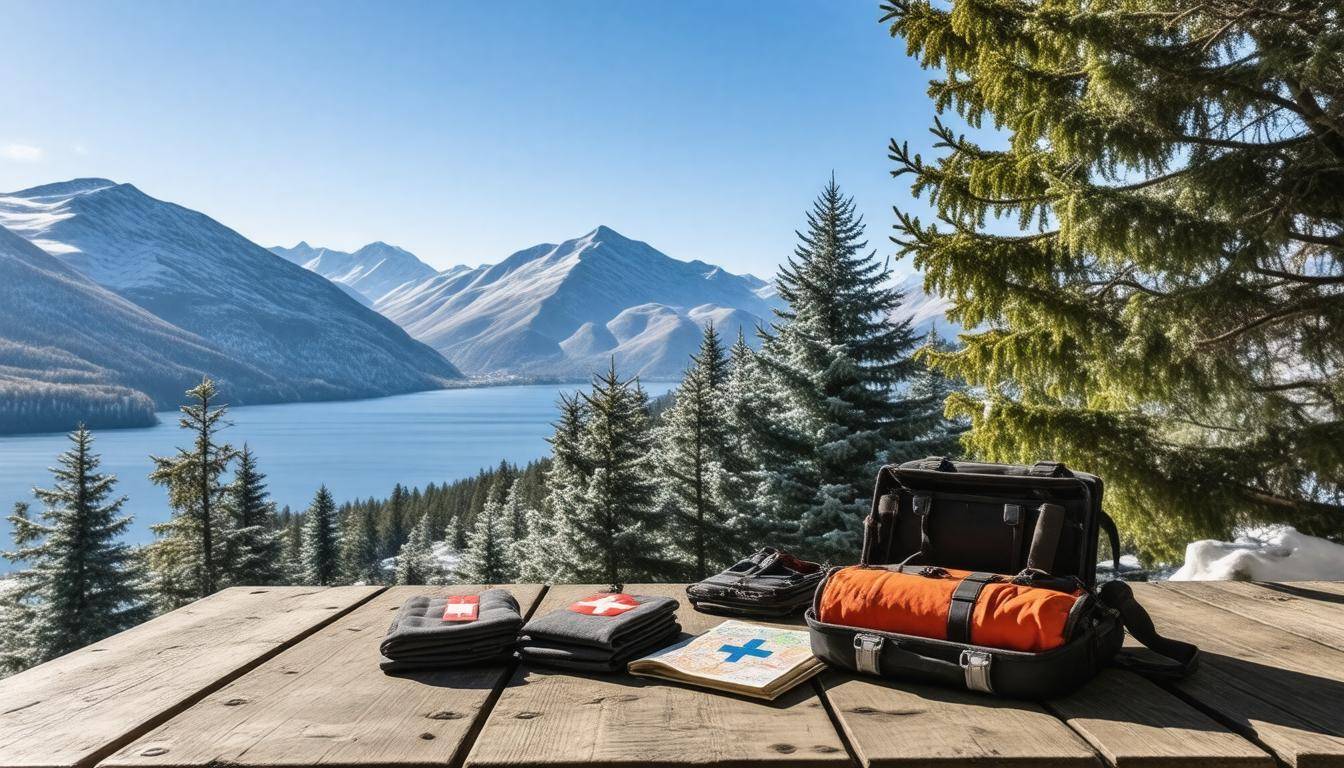
The South Island is known for its breathtaking scenery, yet winter can bring unpredictable weather conditions that challenge even seasoned outdoor enthusiasts. Snowstorms, blizzards, and sudden changes in temperature can transform a serene hike into a treacherous expedition in minutes. Therefore, being well-prepared becomes non-negotiable. Make sure to check weather forecasts regularly and be familiar with any warnings or alerts specific to the areas you’ll explore.
Alongside regular weather updates, it’s essential to pack accordingly. Layering your clothing not only helps maintain warmth but also enables you to adjust as temperatures fluctuate throughout the day. Opt for thermal underlayers, moisture-wicking fabrics, and insulating mid-layers. Don’t forget a waterproof outer layer; the alpine environment can throw rain or snow at you unexpectedly. Your hands, feet, and head are especially vulnerable to cold, so ensure you include gloves, warm socks, and a hat in your gear.
Being equipped with the right gear goes hand in hand with understanding how altitude affects weather conditions. Higher elevations experience more extreme changes which can lead to hypothermia without proper clothing.
In addition to monitoring the weather and dressing wisely, experience plays an important role in navigating this beautiful yet formidable terrain. Many novice hikers underestimate how quickly conditions can change based on elevation or proximity to lakes and rivers. Having prior hiking experience in snowy conditions will aid you tremendously. If you’re new to this level of exploration, seeking advice from friends who have traversed similar paths or even hiring a local guide could be invaluable.
The decision to navigate alone or with a guide is very much personal. On one hand, hiring a guide brings local expertise to the forefront—someone who understands specific trails and can alert you to hidden dangers posed by nature. Alternatively, pursuing self-navigation cultivates independence, strategy, and confidence as you learn to read landscapes and develop problem-solving skills in real-time.
Preparing for Queenstown’s wintery landscape requires flexibility, prudence, and common sense to ensure a safe—and enjoyable—outdoor adventure. Moving forward from here, we’ll explore crucial guidelines for keeping safe amid changing weather conditions during your excursions.
Weather Safety Tips
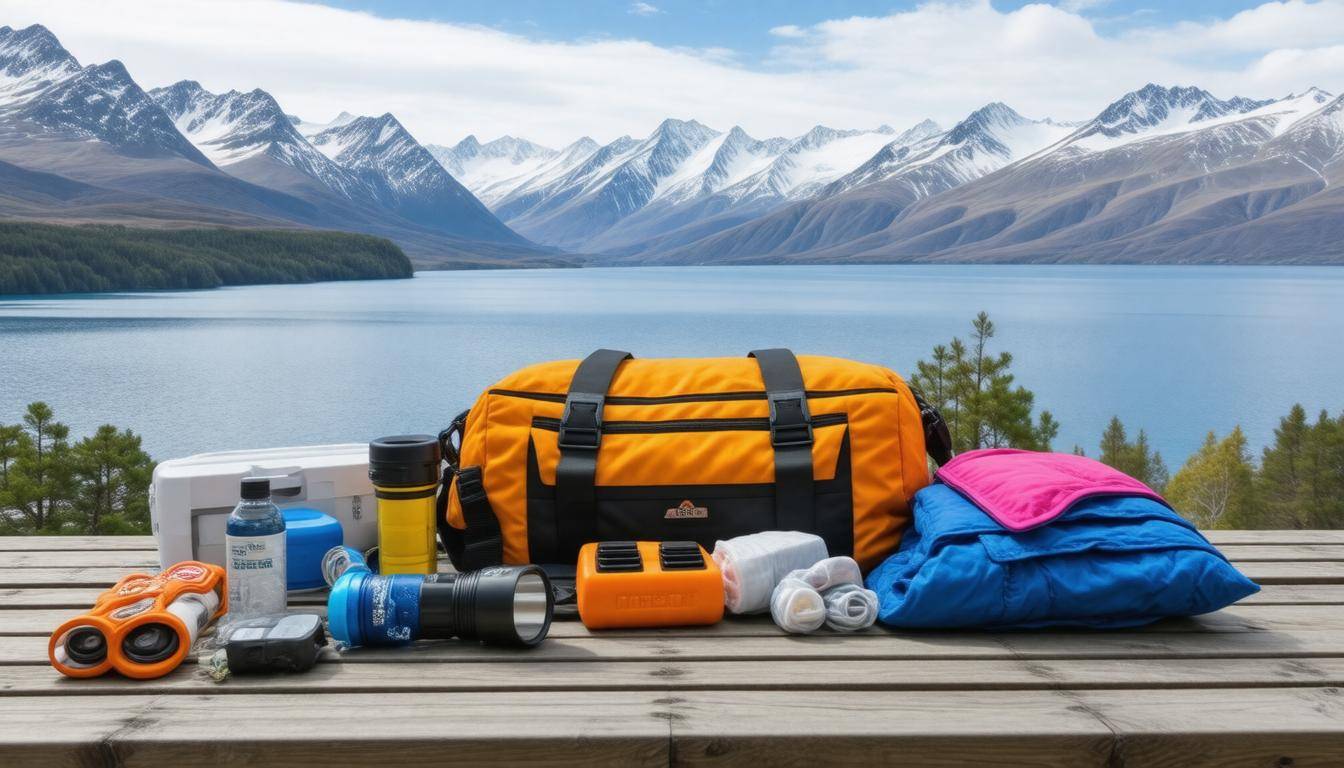
The first step towards safety in the outdoors is recognizing that weather can change in an instant. Queenstown’s alpine climate is famously mercurial; sunny skies can quickly transform into a battleground of rain and snow. To avoid the harsh surprises that Mother Nature may throw your way, it’s crucial to be vigilant about weather updates. Keeping a close eye on forecasts not only bolsters your safety but also enhances your overall experience outside. Websites like MetService can provide you with real-time updates and specialized reports.
It’s always good practice to have multiple sources for weather information so you won’t miss any critical changes.
Before heading out, remember to carry reliable maps and GPS devices while also keeping those smartphones charged and ready. Sometimes—even with the best forecasts—things don’t go as planned. Cell service might dip down or be buffeted by the winds, making navigation a challenge.
When venturing into the mountains, awareness of wind chill is paramount. It’s essential to remain cognizant of how wind affects temperature perception. The cold can sneak up on you, making it feel much chillier than what the thermometer indicates. Always bundle up adequately—layers are your friends. Base layers for moisture-wicking, insulation layers for warmth, and an outer layer for wind protection can be life-saving choices.
Safety Precautions Table
| Weather Condition | Safety Precaution |
|---|---|
| Snow | Wear snow goggles to protect eyes from glare and flying snow particles. |
| Strong Winds | Secure all loose items such as backpacks and tents; seek shelter if possible. |
| Heavy Rain | Ensure your outer layer is waterproof; consider a waterproof cover for your gear. |
While outdoor excursions can be exhilarating, they are also fraught with natural dangers that require forethought and preparation. Proper clothing selection is critical during inclement weather—not just simply layering but ensuring each piece is suited for specific conditions will empower you against the elements.
As you make your way through Queenstown’s enchanting landscapes, frequent breaks under safe cover are essential. This isn’t just about resting your legs; it’s checking in on each other’s gear, swapping stories about those famous gusts of wind back there, or even just taking stock of how well your clothing holds up against the drizzle.
Staying informed about weather conditions and understanding their implications on equipment choices greatly enhances overall safety as you venture out into nature’s playground—a crucial aspect leading us toward assembling your comprehensive emergency supplies for every outdoor endeavor.
Complete Emergency Kit Checklist
An effective emergency kit can make all the difference when you’re out exploring Queenstown’s stunning landscapes. It’s not just about having supplies; it’s about being prepared for unexpected situations that might arise in this alpine environment. Each item on your checklist serves a specific purpose, contributing to your overall safety and well-being.
Navigation tools are crucial when adventuring in unfamiliar territory. Always include a map, compass, and GPS device in your kit. While technology is helpful, a map and compass never run out of batteries and can guide you even when electronic devices fail. Familiarize yourself with using them properly before setting off—you might find it enjoyable honing this valuable skill.
Next on the list is shelter—another fundamental element of your survival kit.
Adequate shelter is vital for protection against the elements. An emergency blanket is compact, lightweight, and retains body heat in cold temperatures, making it an excellent addition. Pair it with a bivvy sack, which provides an extra layer of insulation against wind and rain, ensuring that you stay dry and warm should you need to spend an unexpected night outdoors.
As darkness falls, adequate lighting becomes crucial.
That’s where your lighting tools come into play. A headlamp allows you to keep your hands free while navigating or performing tasks, while bringing along extra batteries ensures you won’t be left in the dark because of a dead light source. Consider packing small LED lanterns as well—they can illuminate your entire campsite without draining your headlamp’s batteries too quickly.
Equally important is ensuring you have enough nourishment and hydration.
High-energy snacks like nuts or energy bars provide quick fuel during exhausting treks, while a water purifier or purification tablets guarantee access to safe drinking water. The last thing anyone wants during their outdoor adventure is to suffer from dehydration or digestive issues caused by unclean water. It’s prudent to carry at least two ways to obtain potable water, like a purifier and purification tablets, ensuring redundancy in emergencies.
Fire-starting tools are crucial for warmth, cooking food, and boosting morale in tough situations.
When it comes to igniting a fire for warmth or cooking purposes, having reliable tools is essential. Packing waterproof matches or a fire starter kit ensures that you can spark a flame regardless of the weather conditions. Practice building a fire before embarking on your trip so that you feel confident doing it even under pressure.
First aid supplies ensure you’re prepared for any injuries that may occur.
Each adventurer must always carry a standard first aid kit stocked with bandages, antiseptics, and other critical health items tailored to your needs and activity level. Don’t forget about your personal medications—if you have any chronic conditions or allergies that require maintenance, keep these handy as well.
Safety signals can be the difference between help arriving swiftly or too late.
In a remote location, signaling devices are indispensable if you find yourself lost or injured. A simple whistle can carry further than your voice while conserving energy. Mirrors also serve as powerful signaling devices by reflecting sunlight to attract attention from potential rescuers.
Lastly, gear malfunctions are unavoidable—but they can be mitigated by having the right repair tools accessible.
A good quality repair kit with items such as duct tape and a multipurpose tool will allow you to address various issues quickly whether it’s fixing gear or preparing makeshift solutions until you’re back in civilization. These items take up little space but provide immense peace of mind as part of your emergency kit.
With these essentials in hand, you’ll not only navigate Queenstown’s breathtaking wilderness more confidently but also enjoy every moment spent discovering its wonders.
Essentials for Ski Trips and Hikes
Adventure seekers will find that different activities call for specific gear tailored for the varying challenges of Queenstown’s stunning landscapes. For ski trips, carrying avalanche safety gear is non-negotiable; it ensures your safety and reinforces responsible backcountry practices. A transceiver, probe, and shovel should become your close companions as they form the trifecta of safety measures designed to assist in search and rescue scenarios should the unthinkable happen.
I remember a trip where my group decided to explore some off-piste skiing. We were well-prepared, but it was a sobering reminder that conditions change rapidly in the mountains. Wielding my transceiver gave me peace of mind while navigating the pristine powder—and thankfully, we didn’t have to use it!
Hikers should not underestimate their own set of unique demands either. Gaiters are an underappreciated yet essential item that act as protective barriers against snow and moisture. Imagine trudging up a peak like Mount Aspiring only to end up with soaked boots halfway through—an experience no one wishes for! Depending on the conditions, traction devices such as crampons can dramatically enhance footing on icy trails, giving hikers much-needed stability and confidence.
Packing wisely shapes the experience you will have outdoors. Trust me; you’ll thank yourself later when you’re comfortably navigating through snow instead of battling against its unwelcome intrusion.
In this alpine environment, preparedness isn’t just about comfort; it’s vital for enhancing your outdoor adventures and ensuring a safer experience. Understanding how to stay safe while exploring will further equip you to enjoy every moment amid Queenstown’s majestic landscapes.
Staying Safe in Alpine Terrain
Alpine terrain in Queenstown is both stunning and fraught with hidden dangers. It’s not just about enjoying the view; it’s about understanding your environment and protecting yourself in it. A fundamental part of this is to always inform someone of your route and expected return time before heading out. This simple act can make all the difference if things don’t go as planned, ensuring someone is aware of your whereabouts and can alert authorities if you don’t return on schedule.
Step I – Assess Your Skills
The first step toward a safe alpine experience is honestly evaluating your physical fitness and mountaineering skills. High altitudes come with challenges that novices may not anticipate. Steep inclines, unpredictable weather, and changing terrains can quickly become overwhelming for those lacking proper training or fitness levels. If you find yourself puffing heavily just walking up a hill, it may be wise to reconsider tackling demanding trails. Experience in similar conditions will help you assess risks more effectively while navigating the rugged paths.
Next, understanding the conditions of the area cannot be stressed enough. This involves studying how factors like altitude can affect your body or how sudden storms might roll in without warning. Every region boasts unique challenges: in Queenstown’s alpine environment, one must be particularly cautious of avalanche danger when snowpack builds up on slopes. This information isn’t just essential; it can literally be life-saving.
Step II – Understand the Conditions
According to data from the Department of Conservation (DOC), rescue missions have increased by 10% in recent years due to climbers underestimating these factors. That’s not just numbers; each statistic represents stories of individuals caught off-guard by nature’s unpredictability, often leading to dire consequences. By taking measures like checking weather updates, understanding seasonal variations, and familiarizing yourself with local terrain scans, your likelihood of being among those statistics drastically reduces.
Ultimately, equipping yourself with the right gear tailored to your skills and understanding of conditions solidifies your foundation for a rewarding and safe adventure in Queenstown’s captivating alpine regions. Knowledge truly is power in this breathtaking yet formidable landscape.
As you plan your outdoor travels, remain vigilant and prepared to navigate the challenges that come with alpine adventures. Embrace the beauty of Queenstown while ensuring your safety through informed choices and careful considerations.