
Landslides can strike unexpectedly, turning serene landscapes into scenes of chaos in mere moments. In a country like Rwanda, where steep hills and heavy rainfall combine to create a challenging environment, the threat of landslides is more than just a natural disaster—it’s a reality that communities must face. However, with the right knowledge and proactive measures, we can make these vulnerable areas safer for residents. This article outlines essential strategies for landslide protection, from effective engineering solutions to community awareness initiatives, each contributing to a collective effort that aims to safeguard lives and property while nurturing our beautiful environment. Let’s dive into these vital steps, exploring how they can build resilience against one of nature’s most unpredictable forces.
The essentials for landslide protection in Rwanda include implementing proper land use planning, maintaining vegetation cover, constructing drainage systems to manage water runoff effectively, and utilizing engineering solutions such as retaining walls. Additionally, community awareness programs and regular monitoring of vulnerable areas are crucial for enhancing resilience against potential landslides.
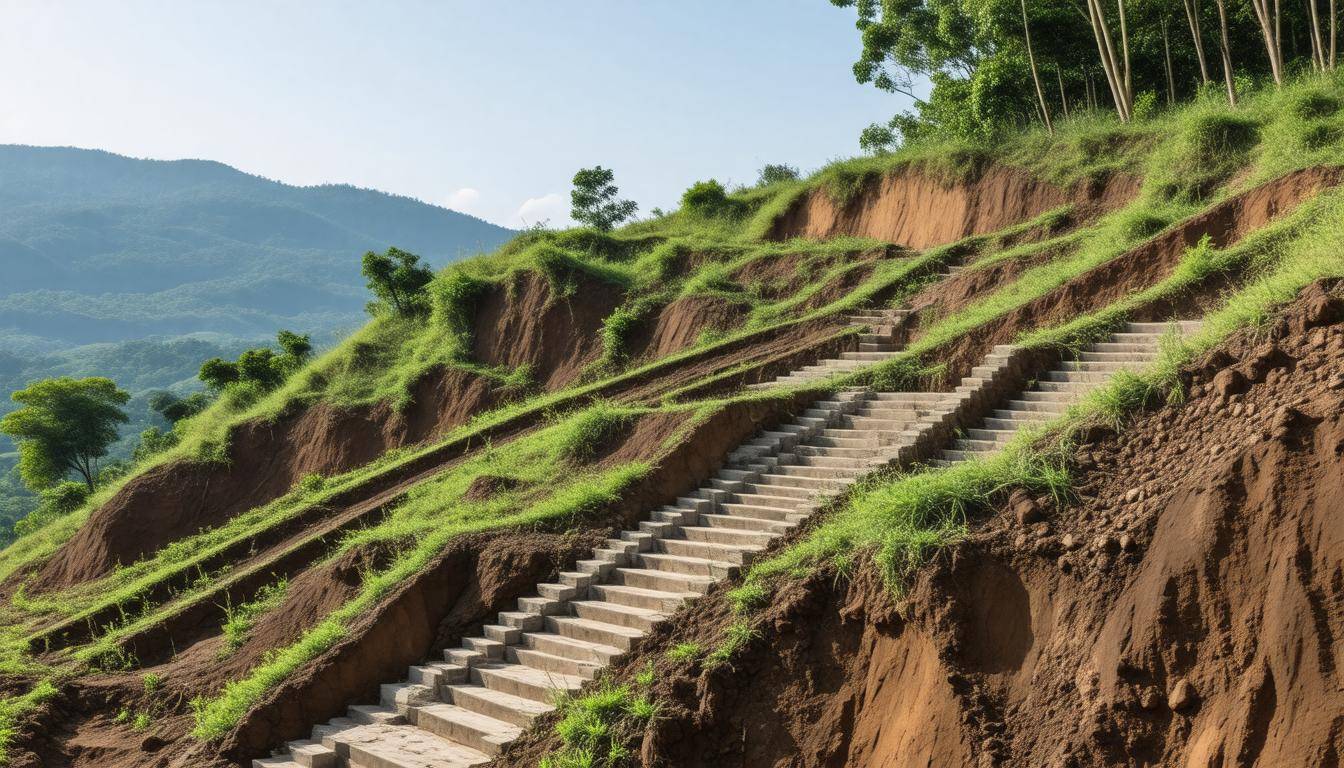
Key Components of Landslide Protection
At the forefront of landslide protection are early warning systems and engineering interventions. These two facets work hand-in-hand to create a robust defense against potential landslides.
Early Warning Systems
Early warning systems serve as an invaluable resource for communities living in high-risk areas. They function as an alarm, alerting residents to potential landslide threats before they occur. In fact, research shows that these systems can reduce fatalities significantly—by as much as 40%, according to a recent study by the Rwanda Geological Service. When integrated with technology, these systems often utilize sensors that monitor ground movement in real-time.
The proactive nature of early warning systems allows communities time to evacuate or take precautionary measures, potentially saving lives and minimizing property damage.
Local authorities must ensure that residents are aware of how these warnings will be issued—whether through text alerts, sirens, or local broadcasting stations. This education fosters a community-oriented approach to safety, ensuring everyone knows what steps to take when alerted.
Engineering Interventions
While early warning systems focus on prevention and timely responses, engineering interventions address the physical landscape itself. Techniques such as retaining walls, drainage control, and terracing play crucial roles in stabilizing slopes and minimizing the likelihood of landslides occurring.
| Method | Description | Effectiveness |
|---|---|---|
| Retaining Walls | Structures built to hold back soil and reduce lateral pressure. | High |
| Drainage Control | Systems designed to effectively divert water away from vulnerable slopes. | Medium |
| Terracing | The process of carving steps into a slope to help manage erosion and soil stability. | High |
Each method has its own strengths and can be tailored based on specific terrain conditions. For instance, retaining walls can be particularly effective in steep areas where soil saturation from rainfall poses significant risks. Drainage control systems, while somewhat less effective on their own, are essential within a comprehensive strategy that includes both types of engineering aids.
With an understanding of these protective measures, we can now explore the vital role that vegetation plays in stabilizing the soil and preventing landslides.
Vegetation Planting Techniques
Effective planting techniques can significantly enhance the protective capabilities of vegetation against landslides. To kick things off, deep-rooted trees play a critical role in stabilizing sloped regions. When selecting species for your terrain, consider more than just aesthetics. Opt for trees like Acacia and Eucalyptus, whose roots can reach impressive depths, acting as robust anchors within the soil. These trees are not only resilient; their root systems create natural structures that hold soil together, reducing erosion risk. It’s fascinating to note that areas with dense vegetation boast an astounding 80% lower incidence of landslides compared to barren or compromised landscapes.
Now, let’s dig into another essential aspect: grass and shrub layering. This method called bioengineering involves planting different types of vegetation at various heights along a slope. Imagine this strategy as a well-coordinated team, where each plant plays its role effectively. For instance, you might start by planting quick-growing grasses at the base of the slope to establish immediate ground cover. Then, transition to shrubs in the middle layer which provide additional stability and absorb water more efficiently. Finally, topping it off with trees serves the dual purpose of providing shade for the lower layers while reinforcing the upper soil structure—thereby distributing pressure more evenly across the slope.
This layered approach increases soil cohesion and enhances biodiversity by creating varied habitats.
So remember, each plant contributes in its unique way to the whole ecosystem’s defense against landslides. Be sure to choose native species suited to your environment; they will thrive better and require less maintenance than non-native varieties, ultimately leading to a stronger and more resilient landscape.
In addition to layering, proper spacing between plants is crucial too. Crowded vegetation can lead to competition for resources and may weaken rather than strengthen your landslide protection efforts. Consider this: when plants are strategically spaced, they can spread their roots more freely and drink in nutrients without competing with neighboring flora.
As you implement these vegetation techniques on slopes susceptible to landslides, you’re not just creating a visually appealing landscape; you’re crafting a barrier that nature supports through its inherent beauty and strength. This brings us naturally into further strategies concerning how to manage slope and soil effectively for sustained safety.
Slope and Soil Management Tactics
Managing slopes and soil is a critical aspect of landslide prevention that cannot be overlooked in vulnerable regions. Reducing slope angles and improving soil composition may seem simple, but these actions yield significant benefits. Modifying slope geometry isn’t just an engineering task; it’s about understanding how gravitational forces interact with the earth’s materials. By managing slope angles correctly, we can dramatically decrease the likelihood of landslides that disrupt lives and destroy landscapes.
Reducing Slope Angles
One effective way to tackle this issue is through grading, which involves reshaping the landscape to soften steep inclines. A less steep slope exerts reduced gravitational pull, meaning there’s significantly less chance for soil to shift under pressure from above. This could mean recontouring steep hillsides into terraced steps rather than allowing them to remain sheer and precarious.
The success of such a method has been demonstrated in various locations. For instance, in the Kigeme region, researchers discovered that a strategic approach to reducing slopes resulted in a 30% decline in landslide occurrences over just two years—a compelling testament to the efficacy of this technique.
However, simply addressing slopes isn’t enough; we must also consider the soil itself.
Soil Improvement
Enhancing soil quality plays an equally vital role in landslide mitigation. One straightforward yet powerful technique is incorporating organic matter like compost or well-rotted manure into the soil. This practice improves texture and increases water retention, which is crucial during heavy rainfall periods when soils are at their most susceptible to erosion.
Organic-rich soils can hold more water, leading to stronger cohesion and stability within the terrain.
This relationship between improved soil conditions and landslide resistance is essential. For example, adding organic materials can increase microbial activity that ultimately contributes to greater soil structure and porosity. The healthier your soil, the better it can manage its moisture content without becoming overly saturated or too dry—both scenarios can lead to instability.
Regular testing and assessment of soil composition will help determine how much organic matter needs incorporation for optimal results. Monitoring parameters such as nutrient levels and pH can inform land management strategies that yield sustainable outcomes over time.
Tactics like slope reduction combined with vigorous soil enhancement foster an environment where vegetation thrives, creating a natural barrier against erosion while further stabilizing slopes—a symbiotic relationship that ensures safer land use practices for generations to come.
With these foundational measures in place, it’s essential to turn our focus towards fostering awareness and knowledge among communities that face these risks daily.
Educating At-Risk Communities
Awareness and education serve as the backbone of any community’s strategy to mitigate landslide risks. In Rwanda, particularly in regions like Musanze, local officials initiated workshops specifically designed for those most at risk. These workshops teach about the causes and consequences of landslides while focusing on practical safety measures that families can implement in their daily lives. When communities are informed, they become empowered to take action.
“Residents, like Amina Mukamana, reported significant improvements in community readiness after participating in these educational initiatives, noting a direct correlation with fewer casualties during landslides.” The ripple effect of education transforms abstract concepts into concrete actions.
Workshops and Drills
Organizing interactive workshops is key to imparting knowledge effectively. These sessions outline the basics of landslide risks, providing attendees with a comprehensive understanding of environmental factors, soil stability, and signs to look out for when assessing potential hazards. Each workshop incorporates engaging activities, encouraging participants to ask questions and share personal experiences.
However, education shouldn’t stop at workshops alone; practicing emergency responses is equally critical.
Executing evacuation drills solidifies this knowledge. When communities practice swift and orderly responses during emergencies, they’re more likely to act decisively when a real threat arises. For instance, residents participate in simulated drills where they must move quickly from their homes to designated safe zones, building both muscle memory and confidence.
- Conducting Realistic Scenarios: These drills incorporate varying scenarios based on real-life incidents in the area.
- Feedback Sessions: After each drill, officials hold debriefings to discuss what went well and areas for improvement.
- Engagement with Local Services: Involving first responders helps reinforce relationships between residents and emergency services.
These educational strategies enhance community resilience against landslides, laying a safety net that could save lives when disaster strikes.
Fostering a culture of awareness through education transforms passive populations into proactive communities ready to face challenges head-on. By investing in educational initiatives focused on risks associated with landslides, we create safer environments for vulnerable individuals living near slopes prone to movement.
Equipped with this knowledge, communities can now shift their focus toward enhancing structural integrity and ensuring long-term stability against potential threats.
Building Stability Focus
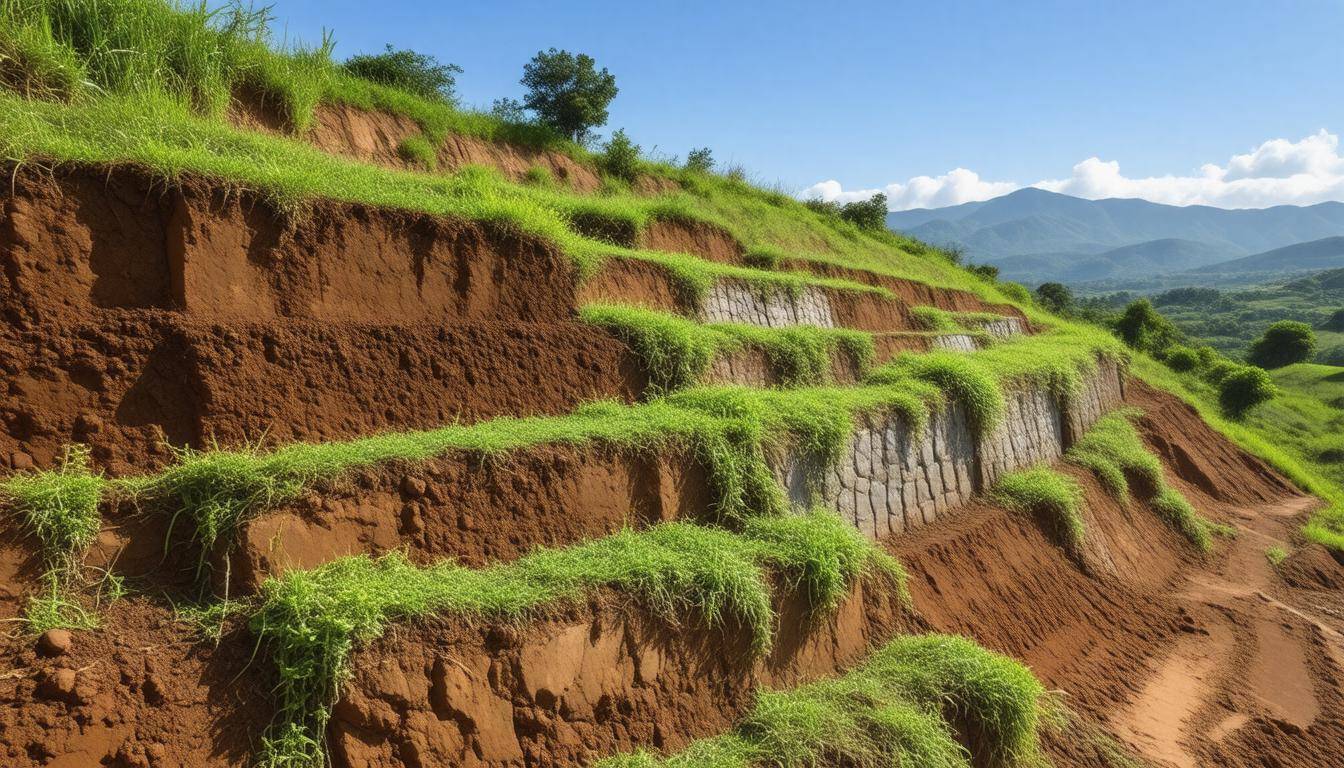
Construction in landslide-prone areas like those found in Rwanda must prioritize stability to minimize risks. One of the most important aspects is base reinforcement. By reinforcing building foundations with piles that penetrate deeply into bedrock, we secure structures on unstable slopes and provide a solid anchor against potential triggers for landslides, such as heavy rainfall or earthquakes. In Kigali, this method has become standard for hillside developments, ensuring collaboration between builders and engineers to create secure living spaces.
This approach not only enhances safety but instills confidence in the community regarding their homes.
Another critical factor in the quest for stability is material selection. Using lightweight yet strong materials like foam-concrete significantly reduces the load placed on the soil underneath. This is vital because the weight of a structure greatly affects its ability to remain stable during adverse conditions. Lighter materials distribute pressure more evenly across a broader area, minimizing localized stress points that can lead to shifting or sliding. Engineers can dramatically improve a building’s resilience to landslides by carefully considering these material choices during the design phase.
Collectively, these strategies are essential for guiding us toward safer living environments where residents can thrive without fear of natural disasters. As we further explore methods for enhancing safety, we’ll focus on implementing protective structures that bolster community resilience.
Protective Structure Implementation
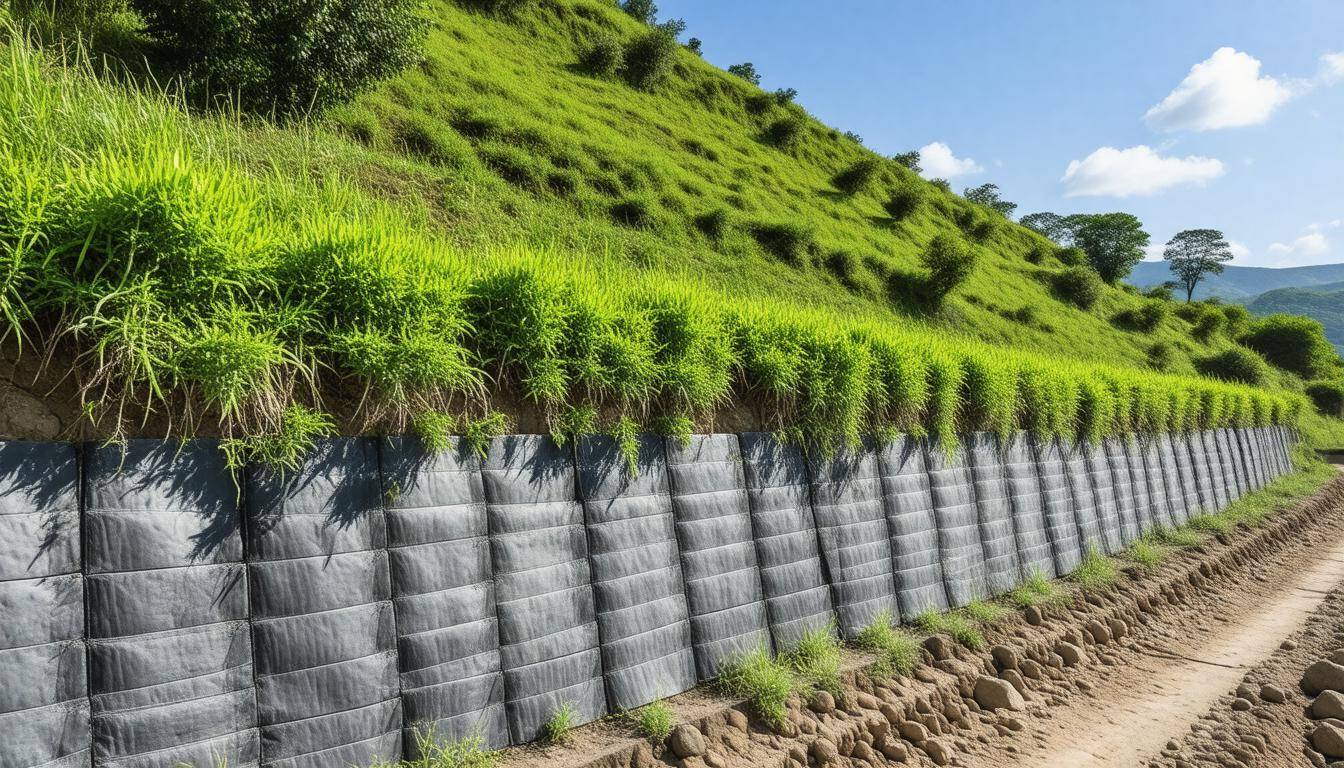
Beyond natural measures, adopting man-made protective structures is crucial in combating the threat of landslides. These structures must be thoughtfully implemented to ensure they fulfill their intended purpose, protecting both lives and property. Each component plays a pivotal role in creating safe environments.
Implementing Barriers
Installing physical barriers in strategic locations can significantly reduce the risk that landslide materials will flow into inhabited areas. When executed properly, these barriers can serve as formidable shields against nature’s fury. Concrete and steel are common materials for constructing these safeguards because they offer robust resistance against the considerable forces involved during a landslide.
In the Northern Province, the implementation of steel barriers successfully protected a local school from a disastrous landslide in 2022, demonstrating their life-saving potential. Understanding how and where to position these structures is essential; it takes careful planning and an assessment of the landscape to determine the best placements.
Debris Nets
Another effective method involves utilizing debris nets over regions prone to rockfalls. These nets, when strategically suspended, act as catchment systems that protect vulnerable areas by stopping falling debris before it can cause significant damage. They provide a layer of security for roads, homes, and other important infrastructures that could be impacted by rogue rocks.
A government report published in 2024 highlighted that 90% of installed debris nets effectively functioned during rainy seasons, confirming their reliability under conditions that typically exacerbate landslide risks. This statistic underscores that investing in such nets enhances safety while providing peace of mind for communities.
By combining robust barriers with dependable debris nets, we create an integrated system capable of addressing various facets of landslide risks. The focus on implementing these structures should extend beyond just installation; regular inspections and maintenance are equally vital to ensure their continued effectiveness in safeguarding our lives and property. Now, let’s turn our attention to the policies shaping our approach to disaster mitigation efforts.
Rwandan Policies on Mitigation
Rwanda’s strategy for landslide mitigation encompasses a robust set of policies formulated by the Ministry of Disaster Management and Refugee Affairs, focusing both on prevention and response. At the heart of these efforts are regulations designed to safeguard communities, ensuring both existing structures and new developments adhere to standards that minimize risk.
Strict Building Codes
The introduction of strict building codes in 2020 mandates specific structural reinforcements as well as thoughtful land-use planning in areas prone to landslides. These regulations serve as a safety net, requiring engineers and developers to incorporate resilient features into their designs. For example, buildings must be engineered to withstand not just seismic pressures but also water runoff—a crucial factor in mountainous terrain.
Since implementing these building codes, there has been a remarkable 25% decrease in reported landslide incidents linked to new developments. This impressive statistic indicates that proper adherence to these guidelines saves lives and property.
However, it isn’t merely structural integrity that matters—land use also plays a pivotal role in preventing landslides.
Land Use Regulations
In addition to building codes, Rwanda’s zoning laws have been revised to impose restrictions on construction activities on steep slopes. These areas have historically contributed significantly to landslide occurrences due to soil erosion and destabilization. By regulating where development can take place, the government actively reduces the risk factors associated with building on unstable ground.
These land use regulations not only prohibit construction on particularly vulnerable slopes but also encourage more sustainable practices among developers. For instance, they promote terracing and other techniques designed to stabilize soil, reflecting an understanding of the geological conditions of the region.
Through such comprehensive policies and dedicated monitoring efforts, Rwanda is establishing a resilient framework against natural disasters like landslides.
As we consider these measures, it’s essential to explore further how more sustainable initiatives can complement existing efforts in resilience building and environmental protection.
Sustainable Practices and Strategies
Implementing sustainable practices is essential for reducing landslide risks over the long term. These methods consider the balance between human activities and environmental preservation, ensuring our ecosystems remain robust and resilient. By recognizing the interconnectedness of our actions and natural landscapes, we can develop approaches that minimize risks while maximizing benefits.
Afforestation Programs
One standout solution to this challenge is afforestation. Large-scale tree planting initiatives can transform areas that have faced deforestation. Trees not only restore habitats but also act as natural anchors that secure soil, helping to prevent erosion. For instance, Rwanda’s ambitious Green Rwanda initiative aims to plant 30 million trees by 2030. This effort exemplifies how committed policy and grassroots initiatives can lead to significant ecological gains.
However, afforestation alone won’t suffice; more comprehensive strategies that account for engineering solutions are necessary.
Eco-Friendly Engineering
Eco-friendly engineering methodologies provide innovative ways to stabilize slopes while protecting our environment. Utilizing geotextiles—special fabric materials designed specifically for soil stabilization—can significantly reduce the risk of landslides. These materials reinforce soil structures without introducing synthetic elements that could harm the ecosystem. When used correctly, geotextiles allow vegetation to flourish while simultaneously preventing soil erosion, creating a sustainable partnership between nature and human ingenuity.
Both afforestation and eco-friendly engineering represent just the beginning of a broader commitment required for effective landslide risk management.
It’s crucial for communities and governments to invest in ongoing education about these sustainable practices. Encouraging local populations to understand their roles in maintaining these systems enhances protective measures against landslides while fostering stewardship towards the environment. Incorporating these strategies into everyday life mitigates landslide risks and promotes environmental sustainability for generations to come.
In conclusion, combining afforestation with eco-friendly engineering offers a holistic approach to landslide protection in Rwanda. Implementing these practices will not only secure our landscapes but also empower communities toward a sustainable future.
What are the primary causes of landslides in Rwanda and how can they be mitigated?
The primary causes of landslides in Rwanda include heavy rainfall, deforestation, and earthworks related to agricultural practices, which can destabilize slopes. To mitigate these risks, implementing proper land-use planning, reforestation projects, and the construction of drainage systems can be effective. According to studies, areas affected by heavy rains and poor agricultural practices can see an increase in landslide occurrences by up to 50%, highlighting the importance of adopting sustainable practices to protect vulnerable regions.
How does community involvement play a role in landslide protection initiatives in Rwanda?
Community involvement is crucial in landslide protection initiatives in Rwanda as it fosters local ownership and awareness of safety measures. Engaging communities in educational programs about landslide risks and prevention strategies leads to better preparedness and response. According to a study by the Rwanda Ministry of Disaster Management, community-driven initiatives have reduced landslide-related incidents by over 30% in high-risk areas. By participating in tree planting and proper land-use practices, residents not only enhance their environments but also build resilience against potential disasters.
What technologies or methods are currently being used for landslide detection and prevention in Rwanda?
In Rwanda, current technologies for landslide detection and prevention include the use of remote sensing, geographic information systems (GIS), and early warning systems that leverage rainfall data and soil moisture analysis. Methods such as slope stabilization through vegetation cover and engineered solutions like retaining walls are also employed to mitigate risks. Statistics indicate that these measures have contributed to a significant reduction in landslide occurrences, helping protect vulnerable communities in hilly regions, where approximately 60% of the country’s population resides.
What lessons have been learned from past landslide events in Rwanda that can inform future protective measures?
Lessons learned from past landslide events in Rwanda include the critical importance of comprehensive land-use planning and community engagement in disaster risk reduction. The 2008 landslide in the Northern Province, which resulted in over 15 fatalities and significant property damage, highlighted the need for effective early warning systems and proper soil management techniques. Implementing measures such as reforestation, terracing, and drainage system improvements can significantly reduce the risk of future landslides; studies indicate that such interventions can decrease landslide occurrences by up to 40%. Engaging local communities in these practices ensures greater resilience and awareness, making them key stakeholders in the protection against landslides.
What policies or regulations exist to manage land use and prevent landslide risks in vulnerable areas of Rwanda?
In Rwanda, land use management and landslide risk prevention are governed by several key policies, including the National Land Policy and the Environment and Climate Change Policy. These regulations emphasize sustainable land management practices, zoning laws to restrict construction in vulnerable areas, and community-based disaster risk management strategies. For instance, since 2010, Rwanda has made significant strides in reducing landslide incidents through reforestation projects and promoting terracing in hilly regions, which have helped decrease soil erosion by approximately 30% according to recent statistics.