
When winter storms sweep through Maine, leaving behind a trail of snow and ice, the last thing anyone wants is to be caught unprepared. Whether you’re facing high winds, heavy snowfall, or power outages that can last for days, knowing how to handle these challenges is crucial for your safety and comfort. It’s not just about stocking up on supplies; it’s also about having a plan in place—everything from monitoring weather updates to keeping essential items within reach. This guide aims to provide you with practical tips and advice that can turn daunting situations into manageable ones. So let’s dive in and ensure you’re ready to embrace whatever winter throws your way!
Your Maine Winter Storm Power Outage Survival Guide should include essential supplies like water, non-perishable food, batteries, and flashlights, as well as heating solutions such as safe propane heaters and insulation techniques for retaining warmth. Additionally, outline safety considerations for using heating devices, tips for cooking without electricity, and emphasize emergency preparedness steps to effectively handle extended outages during severe winter weather.
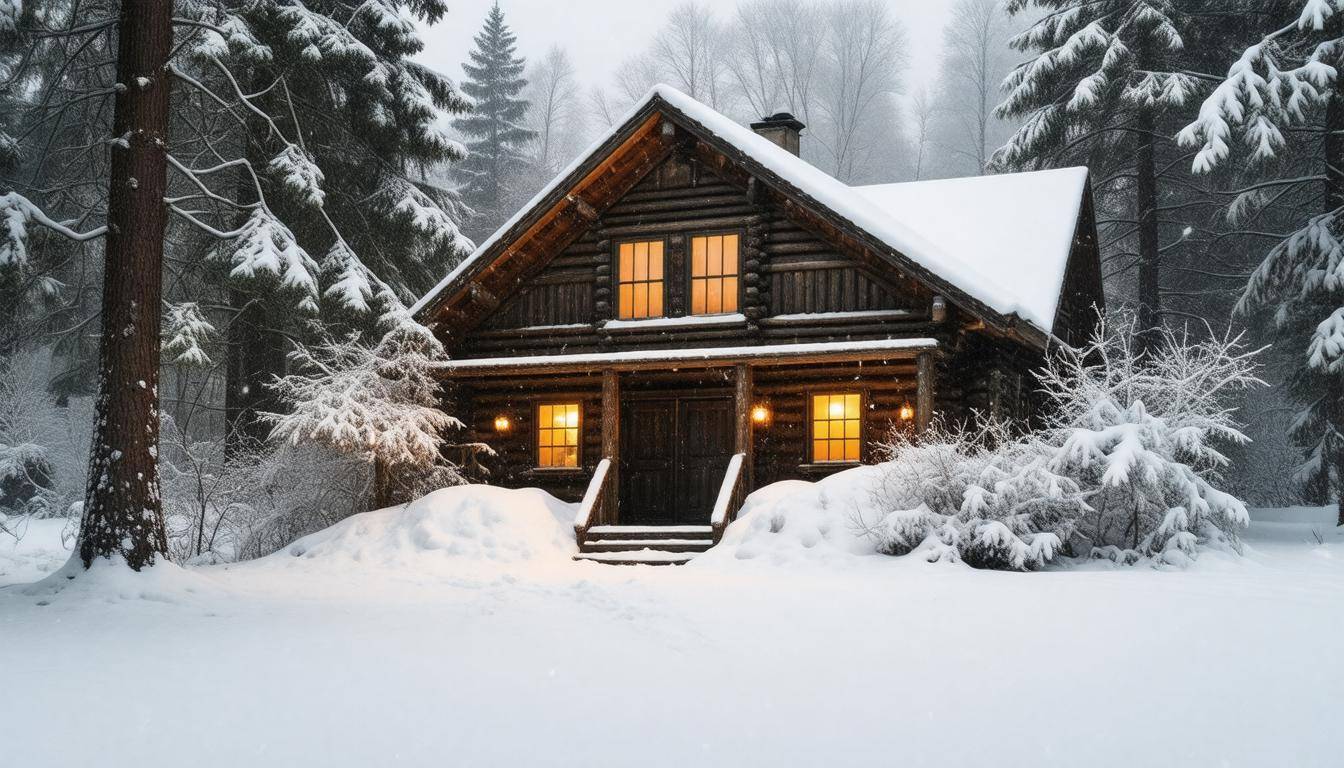
Staying Prepared for Winter Storms
During the harsh winter months, it’s crucial to be proactive rather than reactive when it comes to preparing for storms. Understanding the importance of weather forecasting can save you time, stress, and potentially even your safety.
Keeping an eye on local weather reports is your first line of defense against severe conditions. Investing in a reliable weather app on your smartphone is one of the easiest steps you can take; these apps provide real-time updates, and enabling push notifications will send alerts directly to you—invaluable during a rapidly changing winter storm forecast. Furthermore, utilizing NOAA Weather Radio guarantees you’ll receive accurate information, even if traditional methods fail due to electrical outages or technical glitches.
This consistent habit of monitoring will ensure that you’re not caught off guard and can make timely preparations.
Now, let’s talk about supplies—this is where stockpiling essentials early plays a significant role in your preparedness strategy. Rather than waiting for the snowflakes to start falling before realizing you need necessities, plan ahead! Begin gathering non-perishable foods like canned goods, dried fruits, and grains along with ample drinking water—at least one gallon per person per day for a week should serve as your baseline. Don’t forget about medications and any household items critical to your comfort.
History has shown us how sudden storms can leave residents scrambling: a particularly intense blizzard in March 2024 left many Maine families without access to food or basic necessities for several days.
However, preparation extends beyond merely stocking up on supplies.
Effective home maintenance and safety checks are vital components of a comprehensive winter readiness plan. Regular inspections of your home can significantly enhance its resilience against winter’s fury. Begin by ensuring that heating systems are clean and functioning properly; an inefficient heater can struggle to keep you warm when temperatures drop.
Next, address potential drafts by sealing gaps around doors and windows—this simple measure can help retain heat significantly. And don’t overlook the roof: make sure it’s in good condition to bear the weight of heavy snows without risking collapse. Remember, being well-prepared means each family member has what they need at their fingertips when winter strikes mercilessly outside.
Taking these precautions not only safeguards physical comfort but also promotes peace of mind throughout those long winter nights ahead while laying the groundwork for assembling crucial items that will enhance your survival during an outage.
Power Outage Survival Kit Essentials
A well-stocked power outage survival kit can be a lifesaver, transforming an uncomfortable situation into a manageable one. With the unpredictability of winter storms and potential outages lasting several days, having essential supplies ready can provide peace of mind. Imagine waking up in a cold house during a snowstorm and opening your emergency kit to find everything you need right at your fingertips. This can make all the difference when the lights go out.
Let’s start by exploring some key items that should definitely be included in your kit:
-
Batteries: Make sure to stock up on multiple sizes tailored to your needs. It’s always wise to have extras, especially for flashlights and radios.
-
Flashlights: Opt for bright, long-lasting LED models. They are energy-efficient and illuminate your surroundings effectively.
-
Portable Chargers: These are invaluable for keeping phones operational, especially if you’re using them to monitor weather updates or communicate with loved ones.
-
First Aid Kit: An all-encompassing kit with manuals can address minor injuries or emergencies when help isn’t readily available.
-
Manual Can Opener: Don’t underestimate this item; canned food can be a staple during outages, and having a manual opener ensures you can access those supplies.
-
Warm Blankets: Invest in wool or thermal blankets that not only keep you warm but also retain heat effectively.
According to the Federal Emergency Management Agency (FEMA), the average power outage in the U.S. lasts about three hours, but in severe winter storms, it can extend over several days.
Now that we have our basics outlined, it’s pivotal to remember that possessing these items isn’t enough—you must also learn how to use them effectively. For instance, knowing how to administer first aid not only gives you peace of mind but also arms you with the skills needed to assist yourself or others if the unthinkable occurs. Similarly, familiarize yourself with how your portable chargers function so you’re not left without communication when time matters.
Having these items is essential, but learning how to utilize them properly sets the stage for effective management during power outages. In addition to having supplies ready, understanding how to maintain warmth while navigating challenges is equally crucial as the temperature drops.
Conserving Heat in Your Home
When winter storms wreak havoc and power outages strike, heat conservation becomes vital to ensuring that you and your loved ones stay comfortable and safe. Every ounce of warmth counts, and with a few strategic measures, you can maximize heat retention in your home. One of the simplest and most effective ways to start is by sealing and insulating.
Sealing and Insulating
You can easily improve your home’s insulation by placing rolled-up towels or draft stoppers at the base of doors to block cold air from sneaking in. This small step creates a barrier against drafts, ensuring that the warmth generated within remains inside your living spaces. Additionally, heavy curtains can be a powerful ally when it comes to trapping warmth in rooms. When drawn closed, thermal curtains work to keep the heat from escaping through windows, which are often culprits of significant heat loss.
Proper insulation can reduce heat loss by up to 30% in homes.
Taking these proactive measures can go a long way toward maintaining a stable temperature within your home.
Utilizing Indoor Tents
Another innovative yet effective method for conserving heat is by utilizing indoor tents. Imagine transforming your living room into a cozy retreat during a winter storm. By setting up an indoor tent, you create a fun atmosphere while efficiently concentrating body heat, keeping everyone warmer than usual.
To enhance this setup, line the floor with sleeping bags and blankets; these act as both insulation and comfort enhancers. This cozy micro-environment retains the warmth generated from your bodies trapped within the confines of the tent. It’s like creating your little oasis amidst the chill outside—a practical solution infused with a childlike charm that invites family bonding while battling winter’s harshness.
Insulating is one way to retain heat, but an equally important aspect involves dressing appropriately to keep yourself warm.
Dressing in Layers
While you may have done wonders to keep your space warm, don’t forget about keeping yourself warm too! Layering clothing is one of the most efficient ways to trap body heat. Start with thermal underwear as your base layer for crucial insulation. On top of that, wear wool sweaters or fleece to add additional warmth without excessive bulk. Insulated socks prevent cold air from creeping in through your feet—outerwear should likewise focus on extremities like hands and head.
Using thermal caps or wool hats can lead to significant improvements in body warmth, retaining vital heat that would otherwise escape.
By combining all of these strategies—from proper sealing and insulating techniques to effectively dressing for the weather—you’ll find you’re much more comfortable during those frigid winter nights when everything outside seems uninvitingly bleak.
Transitioning now, we will look at how essential resources such as food and water can bolster your preparedness plans during power outages.
Food and Water Storage Tips

Properly storing your food and water is essential during a power outage, as it ensures you have sustenance while keeping your family safe. Imagine being in the midst of a Maine winter storm; the wind howling outside while you’re indoors knowing you have supplies that will last for days. Storing non-perishable food items is key to that assurance. Think about filling your pantry with canned goods, dried fruits, nuts, and other ready-to-eat meals. If you’ve never tried Meals Ready-to-Eat (MREs), they’re not just for soldiers—they’re durable and require no cooking, which is perfect for emergencies.
Long-Lasting Food Items
Now, stocking these non-perishables doesn’t mean you have to compromise on taste or nutrition. Focus on foods rich in energy yet easy to store. Items like peanut butter, energy bars, and granola bars are excellent options because they offer high calories with minimal prep time. And don’t forget about staples like rice or pasta—simple once cooked but also easily stored. Including variety makes those tough days feel less monotonous.
When choosing canned goods, pay attention to the expiration dates, and aim for a mix of vegetables, proteins, and fruits to keep your nutrition balanced. Also remember to keep a manual can opener handy; you never know when electricity might be unreliable.
Water Storage
Clean drinking water should be a top priority. Ensuring at least one gallon of water per person per day is essential, ideally enough for three days at minimum. You can store commercially bottled water or fill jugs with tap water treated with bleach—remember to treat it properly! For long-term situations or unexpected shortages, consider investing in purification tablets or a portable filter. This will provide peace of mind if your main water supply runs low.
Good hygiene practices are vital too—water isn’t just for drinking; it’s crucial for washing dishes or keeping yourself clean.
While having the right food and water is imperative, safe storage practices play an equally vital role in maintaining the quality of your supplies.
Safe Storage Practices
To keep food fresh during outages, store it in a cool, dry area away from direct sunlight—think dark cupboards or basements if possible. Pests despise tight-sealed containers, so invest in quality storage options like glass jars or heavy plastic containers to ward off humidity and critters that can spoil your stash. This simple step can save you from surprises when digging through your supplies later.
Moreover, rotating stock periodically is essential—review your supplies every six months at least—to ensure none goes past its prime. Mark dates on each container or create a list as part of your inventory management system; knowing what’s good can make all the difference in an emergency scenario.
Adequate preparation provides comfort not only logistically but mentally; knowing what you’ve done offers peace of mind when storms approach.
Understanding how to securely store your essentials leads us seamlessly into exploring effective methods for generating warmth and light when the power goes out.
Alternative Sources of Light and Heat
In those stressful moments without electricity, it’s essential to have a backup plan for keeping your home illuminated and warm. First off, lighting options can greatly enhance your comfort and safety when the sun sets.
LED lanterns are among the best choices; they’re energy-efficient, often lasting up to 30 hours on lower settings, and provide ample brightness—around 300-500 lumens. For those moments when you just want to create a cozy atmosphere, consider using battery-operated string lights. They’re not only reasonably inexpensive, but their soft glow can lift spirits, making your space feel inviting even in troubling times. Just remember to keep rechargeable batteries on hand, like Eneloop NiMH AA’s or Lithium 18650’s so you won’t find yourself left in the dark.
Imagine gathering around for a family board game or sharing stories by the light of these lanterns, as flickering shadows dance on the walls—it transforms a daunting scenario into quality time with loved ones.
Moving on to heating solutions, staying warm during an outage is equally important. Portable propane heaters can be very effective but should always be used with caution. They are capable of delivering heat efficiently—often producing between 10,000 to 40,000 BTUs per hour—but there’s a catch: These heaters need to be operated in well-ventilated areas to prevent carbon monoxide buildup. Carbon monoxide detectors are highly recommended if you’re using such heat sources; positioning them outside sleeping areas is crucial for safety.
Another alternative for warmth includes electric blankets that consume only about 60-100 watts while providing substantial coziness for individuals. However, take care to manage your power sources carefully; consider investing in a portable power station like the Jackery 300 that can easily take over these demands while providing rechargeability for your lights as well.
Also don’t overlook community efforts; teaming up with your neighbors can provide mutual support during an outage, ensuring everyone’s warmth and wellbeing together during extended periods without power.
Community Support and Neighbor Collaboration
There’s something truly comforting about knowing that your neighbors have your back, especially during tough times like a power outage. Collaborating with those around you can transform a daunting situation into something manageable.
For instance, creating a neighborhood emergency plan isn’t just a good idea; it’s an essential step toward community resilience. This plan could involve pooling resources ranging from extra food and water supplies to lighting options. Consider organizing a gathering to discuss how each household can contribute, ensuring no one feels overwhelmed or isolated during an outage.
When forming this emergency plan, think through practical considerations. Check-ins should be a priority—this means regular contact among neighbors to ensure everyone is safe and accounted for. It’s particularly important to identify homes with critical needs, such as elderly residents who may need additional assistance or families that have small children. Not only does this foster a sense of belonging, but it also creates a system of support that enhances everyone’s safety.
A poignant example comes from a Maine town in 2022, which successfully navigated a week-long power outage thanks to their strong community ties. Neighbors pooled their resources, sharing generators and regrouping as needed to keep everyone warm and fed. They even established a rotation schedule for using powered generators, which ensured that everyone had access to some electricity when they needed it most.
However, while the community’s strength is invaluable, enhancing your own long-term power supply can’t hurt either. It provides increased security not only for you but also for your neighbors who might rely on your resources when things get tough. Consider investing in portable power stations or solar chargers that can keep essential devices running during prolonged outages. Such preparedness not only gives you independence but allows you to extend help to those around you in their time of need.
As we consider the importance of individual preparedness intertwined with community support, it’s vital to explore more sustainable ways of ensuring power availability in fluctuating winter conditions.
Long-Term Backup Power Solutions
Investing in long-term backup power solutions is not merely about convenience; it represents a vital component of home safety and security. In Maine, where winter storms can knock out electricity for days, having a reliable source of power becomes essential. Imagine a frigid night where the wind howls outside, and yet, thanks to your proactive planning, your family remains warm and comfortable indoors. This peace of mind stems from choosing the right backup systems that fit your specific needs.
Generators
Whole-house generators, especially those powered by natural gas or propane, stand out as an ideal choice for homeowners seeking automatic power restoration during outages. These robust machines are designed to seamlessly take over when your main power supply fails. When there’s a storm brewing and heavy snow begins accumulating, you’ll be grateful for the foresight to install one of these units.
According to Consumer Reports, investing in a good standby generator might cost between $2,000 and $4,000 but can supply up to 20 kilowatts of power. That capacity is enough to keep essential household systems running smoothly—everything from heating and cooling systems to refrigerators can remain operational during extended outages.
Generators serve as a robust option but battery storage systems come in handy too—especially for those looking for a more sustainable approach.
Battery Storage Systems
Solar-powered battery storage systems shine when it comes to renewable energy solutions. These installations, like the popular Powerwall by Tesla, can store multiple kilowatt-hours of energy generated during sunny days and release it during blackouts or times of high consumption. The ability to draw on solar energy not only provides backup power but also reduces environmental impact.
Imagine a scenario where your electricity goes out just as you’re preparing dinner on a snowy evening. With a well-installed battery storage system, you can switch seamlessly to protected power without even noticing the blackout occurred. The flexibility of this technology ensures that your daily routines can continue uninterrupted.
However, adopting either solution—generators or battery storage—is merely part of the equation; the effectiveness of any backup system largely depends on thorough preparation and regular maintenance. Let’s explore how establishing a comprehensive strategy can enhance your preparedness further.
Crafting an Effective Emergency Plan
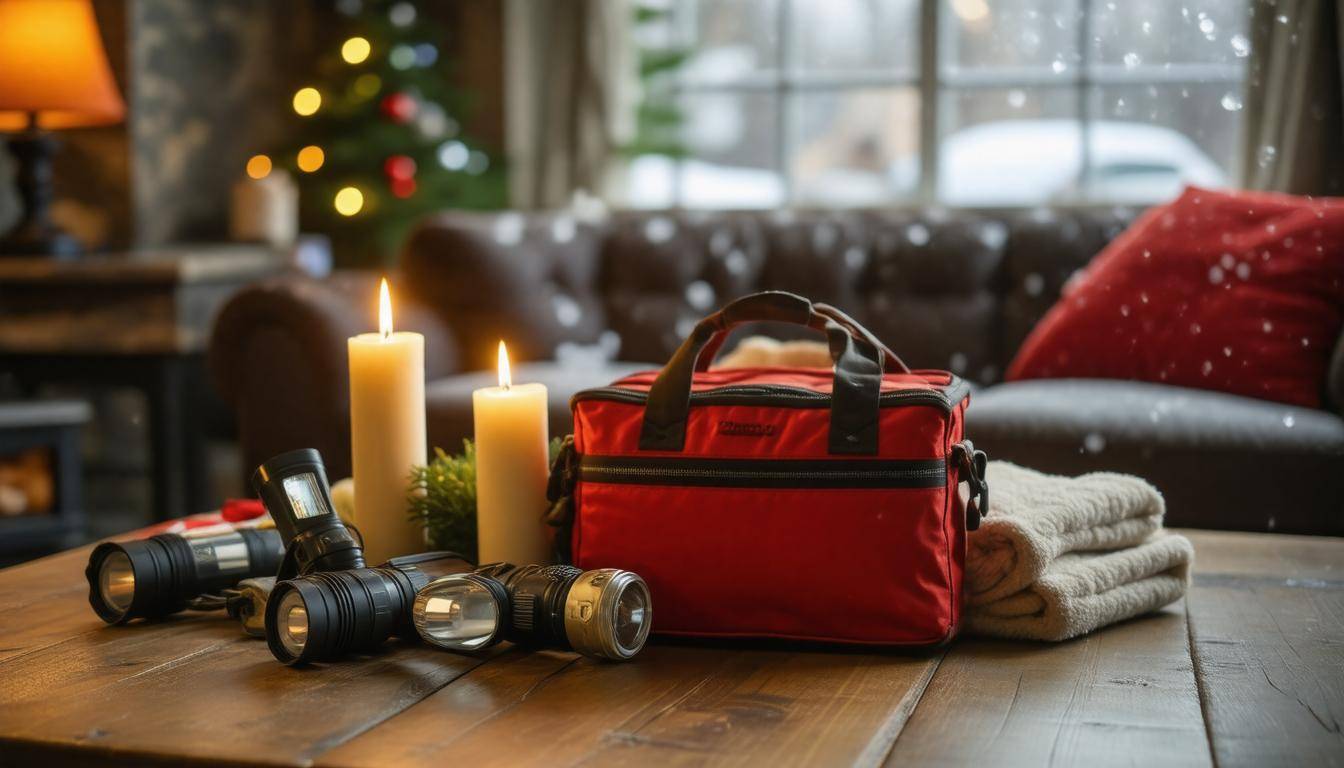
A well-structured emergency plan acts like a lifeline during unexpected winter storms. It brings together different aspects of preparedness into a concise strategy that everyone in your household can understand and follow. An organized approach helps alleviate confusion when tensions run high, which often occurs in emergencies.
Key Components of an Effective Plan
-
Communication Plan: Start by mapping out how you will stay connected with family members. This could involve designating a central contact person or utilizing a group messaging app to share updates. In case of separation during a storm, ensure everyone knows how to reach each other and where to meet if needed.
-
Evacuation Routes: Established evacuation routes are crucial, especially if your home becomes unsafe. Identify safe paths away from your home, preferably to friends’ or family members’ houses, and discuss these routes with all family members. Don’t forget to consider potential obstacles like heavy snow or downed branches.
-
Emergency Contacts: Keep a list of local emergency services, such as hospitals and fire departments, along with important family contacts. Place this list in a visible spot—perhaps on the fridge or as part of a central command station—to ensure easy access during stressful situations.
-
Document Storage: Important documents like insurance papers, identification, and medical records should be kept in a waterproof, fireproof safe. This step protects vital information against both floods and fires, helping you remain organized even in the worst conditions.
The structuring of your emergency plan doesn’t stop at simple checks; it’s also about testing its effectiveness regularly.
Regularly practicing and reviewing your emergency plan reinforces familiarity among all involved. Not only does this promote confidence, but it also allows everyone to provide feedback for improvements based on their lived experiences.
Take for instance one Maine family who found their meticulously crafted plan invaluable during a surprise storm in 2023. They credited their ability to stay calm under pressure directly to the steps they had practiced beforehand; instead of panicking, they executed their plan smoothly.
Ultimately, effective planning not only helps you cope during an emergency but fosters a sense of security and readiness that can make even Maine’s harsh winters feel a little more manageable. By being prepared, you equip your family not just to survive but also to thrive amidst adversity.
By investing time in planning now, you’ll ensure safety and peace of mind when winter storms hit.
How can I stay informed about weather updates and power restoration efforts during a storm?
To stay informed about weather updates and power restoration efforts during a storm, utilize multiple sources such as local news channels, radio broadcasts, and smartphone weather apps that provide real-time alerts. According to the National Weather Service, those who actively monitor multiple platforms are 50% more likely to receive timely updates compared to relying on a single source. Additionally, consider following your local utility company’s social media for immediate notifications regarding power outages and restoration efforts.
What essential supplies should I have on hand for a winter storm power outage?
For a winter storm power outage, essential supplies include non-perishable food, water (at least one gallon per person per day), batteries or a generator, flashlights, warm clothing and blankets, and a first aid kit. According to the Federal Emergency Management Agency (FEMA), 60% of U.S. households reportedly do not have an emergency plan or supply kit ready, highlighting the importance of being prepared for unpredictable winter weather that can leave you without power for days.
Are there specific safety precautions to take when using generators or alternative heating sources?
Yes, when using generators or alternative heating sources during power outages, it’s crucial to follow specific safety precautions to prevent carbon monoxide poisoning and fire hazards. Always operate generators outdoors in well-ventilated areas, away from windows and doors, and keep flammable materials at least three feet away. According to the CDC, nearly 400 people die from unintentional CO poisoning each year in the U.S., emphasizing the importance of proper usage and maintenance of these devices. Additionally, ensure that any heating source is properly vented to avoid dangerous fumes indoors.
What are the best methods for keeping food from spoiling without electricity?
To keep food from spoiling without electricity, one of the best methods is to utilize a cooler or insulated container filled with ice or snow, which can maintain lower temperatures for several days. Additionally, you can preserve food through canning, dehydrating, or fermenting; these methods not only extend shelf life but also enhance flavors and nutrients. According to the USDA, properly canned goods can last for years, while home-dried fruits and vegetables retain their quality for up to a year if stored correctly. Prioritizing perishable items and consuming them first ensures minimal waste during power outages.
How can I safely heat my home during an extended power outage?
During an extended power outage, one of the safest ways to heat your home is to use a wood stove or a fireplace if you have one and it’s in good working order. Ensure proper ventilation to avoid carbon monoxide buildup, as it can be fatal; installing a carbon monoxide detector is recommended. According to the National Fire Protection Association, heating equipment is involved in around 50,000 reported home fires annually, so prioritize safety by keeping flammable materials away from heat sources and never using a gas grill indoors. If these options aren’t available, consider insulated blankets and wearing layers to stay warm.