
In today’s classrooms, being ready for emergencies is just as important as teaching math and reading. With everything going on in our world, it can be hard to think about what might happen during a crisis. However, schools are places where kids should feel safe and protected, which is why having a well-prepared emergency kit is essential. This kit not only helps when accidents happen but also brings peace of mind to teachers and parents alike. Let’s dive into the key items that every classroom should have to ensure all students can stay calm, healthy, and secure in unexpected situations.
Essential items for a School Classroom Emergency Kit include food and water provisions such as juice boxes and nut-free snacks, hygiene supplies like toothbrushes and hand sanitizers, first-aid items such as Band-Aids and antiseptic wipes, as well as comfort items like family photos or small games to help soothe children during emergencies. Additionally, it is important to customize the kit based on specific needs and local emergency protocols.
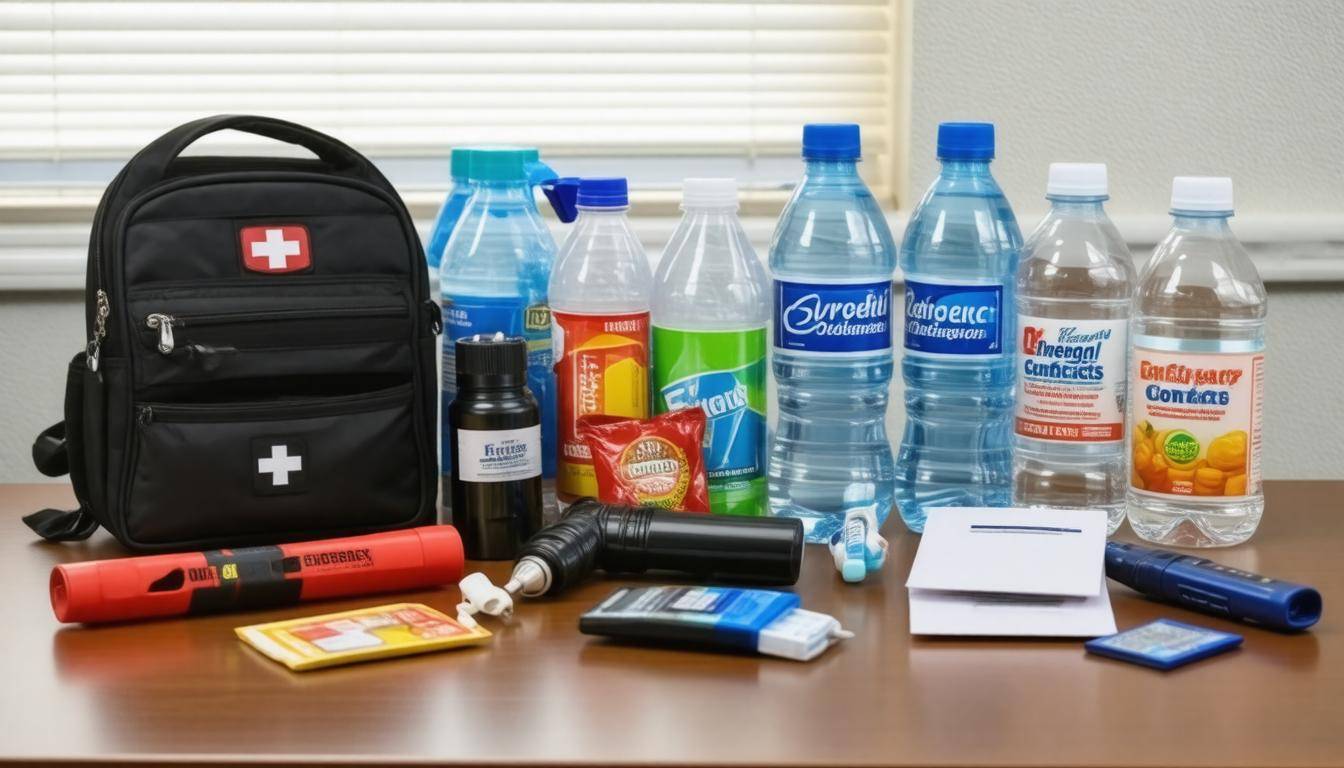
Comprehensive School Classroom Emergency Kit Checklist
The heart of any effective emergency kit lies in its contents. An organized and well-thought-out inventory ensures that both students and staff are equipped to face unexpected challenges.
Let’s break down the necessary components further for clarity.
Basic School Supplies
It’s important to stock basic school supplies like pencils, erasers, and highlighters. These might seem trivial, but you would be surprised how often they become vital during an unexpected disruption. Imagine a scenario where students are confined to the classroom and need to engage in some educational activity while waiting for the situation to stabilize. Having these materials on hand allows educators to turn an anxious moment into a productive one, keeping spirits high and minds engaged.
Food and Water
According to guidelines, ensure that there’s at least one liter of emergency water per student. This amount is crucial for hydration during emergencies when access to regular supplies may be compromised. In addition, include non-perishable food items rich in nutrition, such as packaged nutrition bars or dried fruits, so that students have energy when needed. These provisions should ideally sustain the class for 72 hours. Think of it as your safety net – you never truly know when you might need it, but being prepared today can avert a crisis tomorrow.
Safety and Communication
To maintain safety during emergencies, it is imperative to include tools for visibility and communication in your kit:
- Flashlights: Battery-operated with extra batteries provide illumination during power outages.
- Survival whistles: Useful for signaling for help or alerting others.
- Batteries or crank radios: These devices allow classes to stay informed with updates and instructions from authorities, ensuring everyone knows what steps to take next.
Medical Supplies
Understanding the importance of health during emergencies cannot be overstated. A First Aid Kit containing essentials such as adhesive bandages, antiseptic wipes, gauze pads, and gloves is critical. Stock up on items tailored to various needs; consider having a 48-hour supply of necessary medications for students with specific medical requirements.
Additionally, placing an emergency contact list within the kit allows quick access for any medical situations or emergencies involving family members, fostering a sense of safety amidst chaos.
Hygiene Supplies
Equally important is personal hygiene amidst stressful situations. Include items like hand sanitizers, wet wipes, and small packets of tissues. These supplies not only promote sanitation but also help maintain a level of comfort for students who might feel anxious or uncomfortable during uncertain times.
With a solid foundation established in emergency preparedness, let’s shift gears to explore essential health-related items that can significantly enhance your readiness during unforeseen events.
First Aid Essentials
First aid supplies are indispensable for managing minor injuries and providing necessary care before professional assistance can arrive. Imagine a child stumbling and scraping their knee during an emergency drill—having the right supplies on hand can make a world of difference in this moment. That’s why being well-prepared with a comprehensive assortment of first aid items not only helps with physical injuries but also provides comfort to both students and staff in stressful situations.
Basic First Aid Supplies
-
Band-Aids in various sizes: You want to have options! Different sizes accommodate various wounds, providing adequate coverage for anything from cuts to blisters.
-
Gauze pads and adhesive tape: These are essential for larger injuries. Gauze pads will help absorb blood while the tape keeps them securely in place.
-
Antiseptic wipes and antibiotic ointment: Cleaning a wound properly is crucial to preventing infection. Antiseptic wipes allow for quick cleaning without fuss, and an antibiotic ointment helps shield against bacteria.
By keeping these basic supplies accessible, you’ll make it easier for someone on the scene to mitigate damage until professional help arrives.
Specialized Medical Supplies
It’s also important to include specialized medical supplies that cater to more serious incidents. Cases of severe allergic reactions may arise, particularly in schools where children might have unknown sensitivities to food or environmental triggers. Therefore, including a couple of EpiPens in your kit can be a lifesaver.
For injuries requiring immediate attention, consider a compact bleeding control kit equipped with tourniquets. According to the American Red Cross, having these supplies available can increase the chances of successful first aid intervention by 60%. This statistic underscores the importance of being prepared for unexpected circumstances that could arise in a school setting.
Having robust first aid essentials prepares us not just physically but mentally as well. When students and teachers know they have access to first response tools, it promotes a sense of security within the classroom. After all, emergencies can be disorienting; reducing anxiety through preparedness is key.
Beyond immediate care needs, it’s essential to ensure that other significant resources are readily available, optimizing overall safety during crisis situations.
Critical Emergency Tools
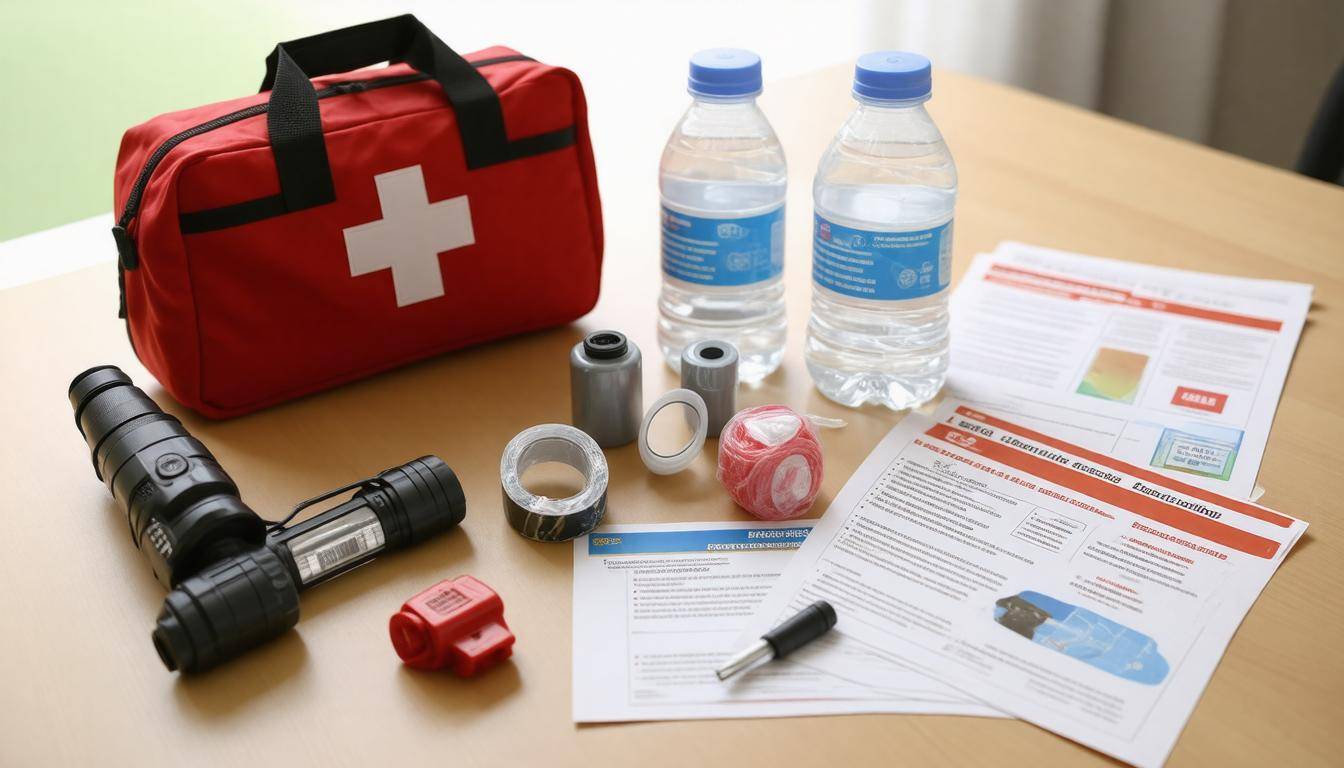
In any emergency situation, the right tools can mean a world of difference between safety and chaos. Practical items like a fire extinguisher, utility knife, and duct tape are vital for maintaining control during potentially chaotic scenarios.
For instance, a fire extinguisher rated for Class A, B, and C fires is essential; it enables teachers to respond promptly to different types of fires—those involving ordinary combustibles, flammable liquids, or electrical equipment. Keeping this tool easily accessible can make a significant impact when every second counts.
Imagine a scenario where a small fire breaks out from an electrical malfunction. Having that trusty fire extinguisher within reach allows swift action to extinguish the flames before they escalate.
The utility knife is another invaluable tool within the emergency kit, serving multifaceted purposes beyond mere cutting tasks. Whether it’s slicing through seatbelts in case of a vehicular accident during an evacuation or removing plastic seals on emergency supplies, this small but mighty tool supports various needs under pressure.
Coupled with sturdy duct tape, which can temporarily seal windows or doors, these tools become essential for blocking off areas or assisting in evacuation routes when minutes matter most.
Communication Devices
Just as important as the physical tools are the means of communication during emergencies. An investment in two-way radios or walkie-talkies can elevate preparedness significantly. These devices allow staff to maintain constant lines of communication with each other and external authorities without depending on potentially malfunctioning cellular networks following a disaster.
As we all know, during crisis times these networks can be overloaded or even lost altogether.
Additionally, having an emergency cell phone with a dedicated charger is crucial. This ensures access to immediate outside help when needed while allowing parents to stay informed about their children’s safety through updates.
When every moment counts, being able to convey information swiftly can relieve anxiety and enhance coordination with school authorities and emergency services.
With our critical tools secured and communication established, let’s examine how to ensure the well-being of everyone in the classroom through adequate food and drink provisions during emergencies.
Nutrition and Hydration Supplies
When an emergency strikes, having adequate food and water supplies can mean the difference between safety and discomfort. This is especially true in a classroom setting where children rely on these essentials to maintain their energy levels and morale during stressful events. It’s important to remember that the body requires a proper intake of fluids and nutrients to function effectively, particularly when faced with unfamiliar circumstances.
Water Supplies
Water is undoubtedly life’s essential resource. In emergencies, each person requires at least one liter of water per day. For a classroom of 30 students, this means you’ll need a minimum of 90 liters stored. Having clean, easily accessible water provides peace of mind; it ensures that everyone remains hydrated, which is vital for both physical health and cognitive functioning.
Look for high-quality containers designed for long-term storage and consider using labeled bottles or jugs to keep track of your supplies.
It’s wise to consider adding electrolyte packets to your emergency kit because they help replenish lost fluids during high-stress situations or if a student becomes dehydrated. Simply mix one packet with 16 ounces of water for an effective way to maintain hydration without overwhelming young bodies with plain water alone.
Non-Perishable Food Items
The types of food you pack are crucial since they must withstand time while providing sufficient energy. Keep these key items in mind:
- Energy bars: Opt for bars that are high in protein and fiber. They offer quick energy and are easy to store.
- Vacuum-sealed snacks: Nuts, dried fruits, and nut-free granola packs work well as nutritional snacks that kids will enjoy.
- Ready-to-eat meals (MREs): These meals don’t require cooking, making them ideal for classrooms during emergencies. Ensure they have a variety of flavors to cater to different tastes.
Having a diverse selection not only helps meet dietary needs but also aids in keeping spirits high during tough times. Simple snacks like whole grain crackers or fruit pouches can provide comfort and energy, making it easier for children to cope with the situation at hand.
As we turn our focus to the next critical aspect of preparedness, we’ll address the essential items necessary to ensure cleanliness and health during unexpected events.
Hygiene and Sanitation Items
Good hygiene is your frontline defense against illness, especially when the unexpected happens. It helps create a sense of normalcy amidst chaos, allowing students to focus on safety rather than discomfort or fear. Including appropriate items in your emergency kit can help maintain cleanliness and health standards that we often take for granted.
Hygiene Supplies
Essential supplies should include hand sanitizers containing at least 60% alcohol, deodorants, toothbrushes, and toothpaste. Hand sanitizer becomes invaluable during emergencies since access to soap and water might be limited. A quick squirt before eating a snack can effectively fend off germs picked up during a crisis. In fact, having at least a liter per classroom is recommended to ensure ample availability for all students.
Additionally, while some may question the need for toiletries—especially those that might seem too personal—keeping deodorant handy ensures comfort during stressful situations where anxiety can lead to discomfort.
Sanitation Items
Focusing on sanitation items, the importance of having wet wipes cannot be overstated; they’re excellent not just for cleaning hands but also for wiping down surfaces and faces after snacks or activities. Their versatility makes them invaluable tools in situations when no other cleaning options are available. Consider packing a small towel that can serve various functions—from drying off hands to providing warmth if needed.
I cannot emphasize enough the necessity of having toilet bags with chemicals designed for sanitation when traditional restrooms are out of reach. These bags offer a way to manage bodily needs while ensuring cleanliness and safety and should come with proper instructions on usage, making it easy even for younger students. Complementing these bags with sturdy trash bags is vital—they simplify waste disposal and keep any area neat.
In emergencies, having adequate hygiene and sanitation supplies becomes more than survival; it fosters a sense of security and community as everyone adheres to basic health practices.
Next, let’s focus on items that provide comfort and facilitate communication in these trying times.
Comfort and Communication Tools
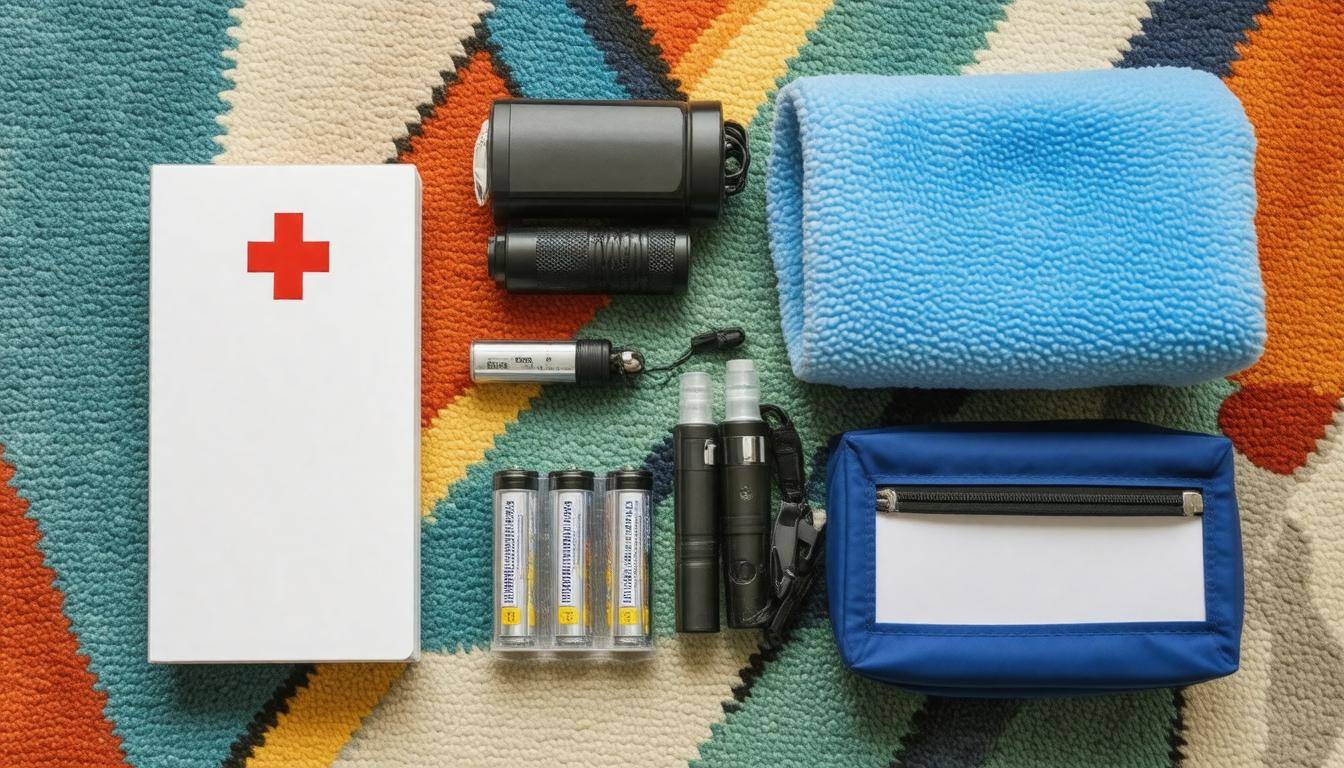
Emotional comfort and clear communication can significantly enhance the ability to manage stressful situations within a classroom. In emergencies, it’s essential not only to address the physical needs of students but also their emotional well-being. Providing items that offer comfort during times of distress can make all the difference in how children cope with stressful scenarios. For instance, including small toys or stress balls in your emergency kit can act as a soothing outlet for anxious students, offering them a tangible item they can cling to for reassurance.
Comfort Items
Another effective way to provide emotional support is by incorporating personal items, such as a family photo or a beloved stuffed animal. These familiar objects remind students of home and help reduce anxiety levels when faced with uncertainty. Moreover, a simple note from parents can serve as a powerful tool—its presence alone reassures children that they are loved and thought about during tough times.
A study highlighted that children exposed to comforting stimuli are better equipped to handle crisis situations. The emotional steadfastness experienced through these small gestures creates an environment conducive to safety and unity.
Communication Tools
Equally important are the communication tools that keep everyone informed and connected during emergencies. Emergent situations require swift access to accurate information; thus, having a notebook with emergency contact numbers is vital. This notebook should be easily reachable within the kit, ensuring that teachers can quickly reference any necessary contact information when panic arises.
Additional communication tools worth considering may include:
-
Spare phone chargers and power banks: In our digital age, technology plays a crucial role in maintaining communication lines. Ensuring there’s always a power source aids in preventing miscommunication during an emergency.
-
Walkie-talkies or two-way radios: These devices provide instant communication without relying on cellular service or Wi-Fi, which could fail during critical moments.
As much as we prioritize physical safety protocols, understanding the emotional landscape and keeping communication fluid in panic situations will equip schools to handle crises effectively. Creating an atmosphere of security through comfort items complements the functionality of an emergency kit while addressing some of the core needs of students in challenging times.
With a focus on equipping classrooms for emergencies comes the important task of organizing and ensuring the longevity of these kits, as proper storage and maintenance practices are just as crucial to preparedness.
Storing and Maintaining the Kit
Proper storage and regular maintenance of your school emergency kit are vital for ensuring its longevity and effectiveness. After all, nobody wants to reach for their emergency supplies only to find moldy snacks or expired medications. It’s best to keep your kit in an area that’s cool, dry, and protected from potential hazards. Imagine needing that kit quickly—if it’s buried beneath clutter or damaged by moisture, it may not be of much help.
Storage Tips
Begin by investing in a durable, weather-resistant container to house your kit. Choose something robust yet lightweight so it’s easy to transport if necessary. This container should also have clear labeling indicating it holds emergency supplies. Transparency is key; if others need to find the kit in a rush, they’ll spot it immediately.
Additionally, consider placing the kit in an easily accessible area known to all teachers and staff. This could be a designated space within the classroom or close to the exit for quick access during emergencies. Keeping the emergency kit in a high-traffic area ensures that everyone knows where to retrieve it without wasting valuable time.
Maintenance Routine
Establishing a solid maintenance routine is just as critical as the initial storage setup. Schedule at least annual inspections to replace expired items such as food, batteries, and medical supplies. Incorporating this into an existing school schedule—like before school starts or right after winter break—can serve as a good reminder.
During inspection days, conduct a detailed inventory check using a checklist to confirm every essential item is accounted for and in working condition. Be mindful of shelf life (which can be up to five years for many items) and make any necessary replacements before they expire.
A written log might also help keep track of what was changed during each maintenance check—identifying which items have been used recently or are still unused—to provide broader insight into how well-prepared your classroom truly is for emergencies.
Maintaining your storage and inventory is essential, but each school has unique requirements based on its specific context; therefore, tailoring your emergency kit can ensure you’re ready when it matters most.
Customizing Based on School Needs
When it comes to customizing your school emergency kit, understanding the specific characteristics of your student population is paramount. Each classroom is a microcosm of diverse needs—elements such as age, disabilities, and language can significantly impact the effectiveness of your emergency preparedness efforts.
For example, younger students might require more comfort items like small toys or games to help keep their spirits high during stressful times. By including these personalized touches, you ensure that all children feel supported.
As you think about customization, it’s important to factor in environmental needs, particularly the geographical location of your school. Schools situated in areas prone to certain natural disasters—such as earthquakes, floods, or severe weather—should have kits that reflect those risks. This might mean adding extra supplies, like sturdy ropes for evacuation routes or specialized tools for cutting through debris. Being proactive about expected emergencies can save valuable time and resources when every second counts.
Additionally, institutional insight can guide you in refining what goes into the kit. Collaborating with school nurses, local authorities, or emergency preparedness experts is an effective strategy to stay informed about potential threats in your area. They often have valuable experience and insight into common emergencies that schools face and can recommend essential items that may be overlooked otherwise.
For instance, schools experiencing frequent power outages might benefit from backup light sources or solar-powered chargers to sustain communication.
By addressing these specific needs and considerations in your emergency kit design, you are fostering a sense of security among students while promoting a culture of readiness within the entire school community. A well-thought-out emergency plan—including a customized kit—can transform an overwhelming situation into a more manageable one where everyone is equipped and prepared to handle adversity together.
In summary, attentively tailoring your emergency resources will ensure optimal safety and support for all students during times of crisis.