
When it comes to extreme weather conditions in Serbia, being prepared can mean the difference between safety and chaos. With unpredictable storms, scorching heat, or heavy snowfall looming, having an emergency supply kit is not just smart—it’s essential. Think about it: waiting until disaster hits is like going for a swim without knowing how to float. The truth is, the time spent preparing now will pay off immensely later on when you and your loved ones are safeguarded against nature’s twists and turns. In this ultimate preparedness guide, we’ll explore exactly what supplies you’ll need, tailored to the diverse weather scenarios you might face throughout the year in Serbia. Let’s dive right into creating your personal safety net!
For extreme weather emergencies in Serbia, it is essential to stockpile supplies such as non-perishable food, bottled water, a first aid kit, flashlights with extra batteries, a multi-tool, blankets, and a battery-operated radio. Additionally, consider having essential medications and important documents stored securely in your emergency kit.
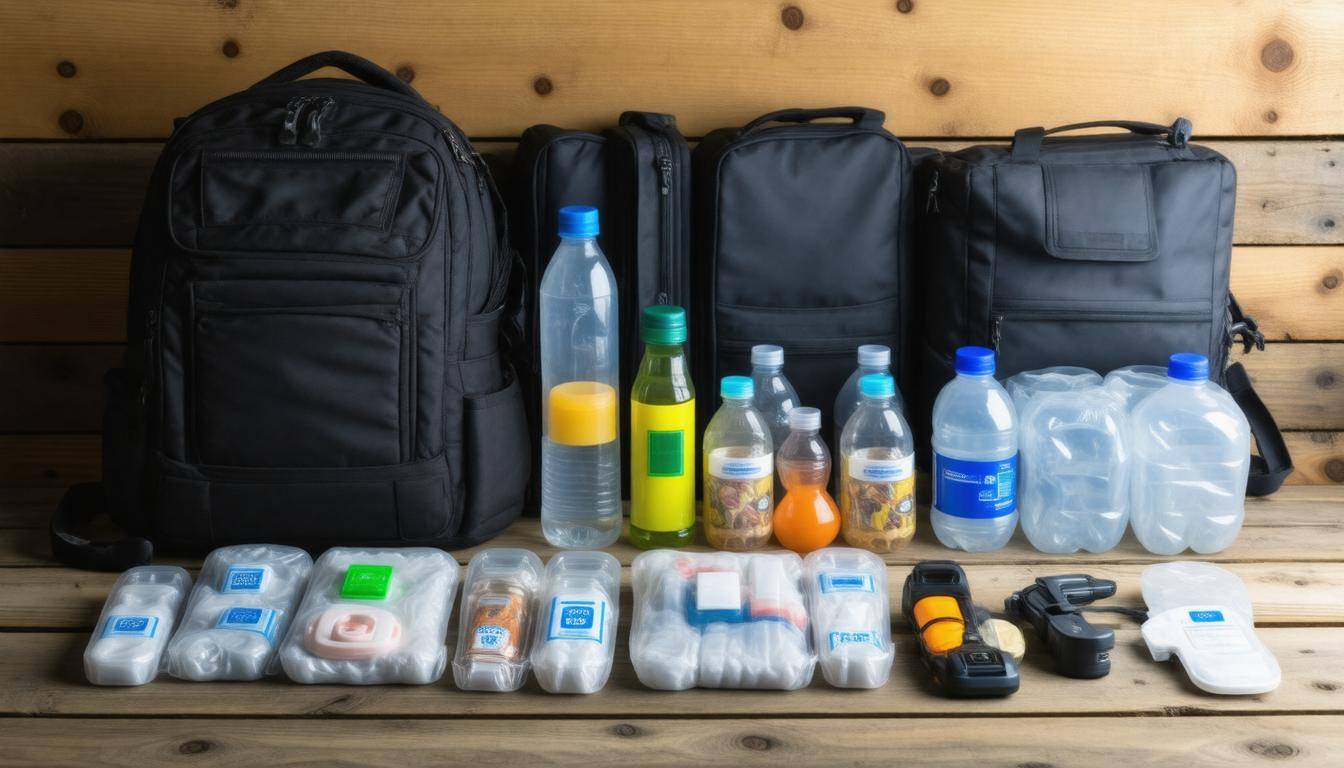
Essential Supplies for Extreme Weather in Serbia
To navigate unforeseen circumstances, it’s imperative to gather a comprehensive collection of supplies tailored to your potential needs. Having access to clean drinking water becomes the backbone of any emergency kit; the general recommendation is at least one gallon per person per day. This can be sourced not just from supermarkets but also from local shops or online vendors, providing flexibility in securing enough hydration for your family.
Following closely behind is non-perishable food. Think canned goods, dried fruits, and energy bars—items that sustain without requiring constant supervision. Many grocery stores, along with military surplus shops, serve as excellent sources for such provisions. The benefit is clear: securing food ensures you’re prepared for longer outages while waiting for assistance.
When it comes to health, immediate care should never take a backseat during emergencies.
An organized first-aid kit puts critical medical tools at your fingertips when every second counts. For most families, basic kits stocked from pharmacies or even specialized Red Cross outlets are sufficient. Think of bandages, antiseptics, and essential medications that could make all the difference in an emergency—having these ready can alleviate panic during high-stress situations.
In tandem with health supplies, a battery-operated radio allows you to stay informed when power cuts out. You don’t want to miss vital updates about weather developments or evacuation orders simply because the electricity went out. Electronics stores and online retailers provide various models tailored to every need or budget.
Safety doesn’t end with health and information; having adequate lighting is equally critical.
Equip yourself with flashlights and extra batteries; darkness can add an intimidating layer of uncertainty in emergency situations. Hardware stores typically carry a wide variety of flashlight options suited for every taste—from tiny keychain lights to robust models that illuminate entire rooms. Always keep a few spare batteries handy, ensuring light is available whenever needed.
Additionally, a multi-tool can become your greatest ally. Versatile in nature, it addresses various needs—from opening cans to making small repairs around the house—which can be invaluable when help isn’t readily available. Camping supply stores often offer multi-tools designed explicitly for outdoor survival scenarios.
Personal hygiene items contribute significantly to maintaining morale during stressful periods. Keeping sanitary helps in promoting physical health amid uncertainty; these essentials can easily be found at grocery stores or pharmacies.
Finally, don’t overlook the administrative aspect of preparedness.
Storing all important documents like identification cards, insurance papers, and medical records securely is just as crucial. A waterproof container can safeguard these items against unexpected water damage or other elements. Having access to these documents during an evacuation provides peace of mind along with practical assistance in a challenging situation.
Gathering these essential supplies establishes a solid foundation for facing potential emergencies. As you prepare for extraordinary weather challenges, it’s vital to focus on specific gear tailored for severe cold conditions.
Winter Storm Survival Gear
Preparing for extreme winter weather in Serbia means being equipped with essential survival gear designed to combat the harsh conditions. One of the first items on your list should be thermal blankets. These lightweight yet incredibly warm blankets are vital during power outages when conventional heating systems fail. They can easily be stored in an emergency kit or even kept in your car for unexpected situations. Being wrapped in a thermal blanket can keep your body heat from escaping, which is crucial when temperatures plunge.
Next on the list, heavy-duty winter clothing becomes your barrier against the relentless cold.
Think of thermal layers as your first line of defense against frigid air. When dressing for winter storms, layers are key; start with moisture-wicking base layers to keep sweat away from your skin, add insulating middle layers like fleece, and finish with a waterproof outer layer that shields you from snow and wind. Don’t forget gloves and hats, as exposed extremities can lead to frostbite quickly. A good pair of insulated boots with non-slip soles will ensure safe movement across icy surfaces.
As you prepare for mobility and safety, a snow shovel deserves mention.
Not only does this tool help clear pathways around your home, but it can also be a lifesaver during an emergency—imagine needing to create an exit route after a heavy snowfall. It’s not just about convenience; it’s about ensuring you can receive help or get out if needed. Keep in mind that a collapsible shovel can prove useful if space is limited, especially in cars.
Further enhancing your comfort during severe weather conditions leads us to portable heaters.
Battery-powered or propane options should definitely be part of your preparedness plan because if central heating fails, these small devices can provide critical warmth until the situation stabilizes. Just remember: any heater should be used with caution indoors due to ventilation needs; the last thing you want is carbon monoxide buildup. Always keep a few ice melt bags and sand on hand too; they mitigate slip hazards around your property while keeping you mobile outside.
Staying hydrated during winter should never take a back seat.
Insulated water bottles are perfect for this—they maintain the temperature of liquids for longer periods and prevent them from freezing solid. On top of hydration, high-calorie snacks are another essential item. Energy-dense foods such as nuts or protein bars not only provide sustenance but can offer quick energy boosts when you’re in cold environments. Keeping well-fed helps maintain body heat and keeps morale high during stressful circumstances.
Reflecting back on hardships like the 2014 Balkans cold wave brings into focus why preparation is key; many were caught unawares, leading to dire situations simply due to lack of proper gear.
As temperatures drop in Serbia, planning ahead cannot be overstated—every piece of gear contributes to safety and comfort during bouts of extreme weather while setting the stage for understanding what essentials are needed for rising temperatures as well.
Heatwave Preparedness Essentials
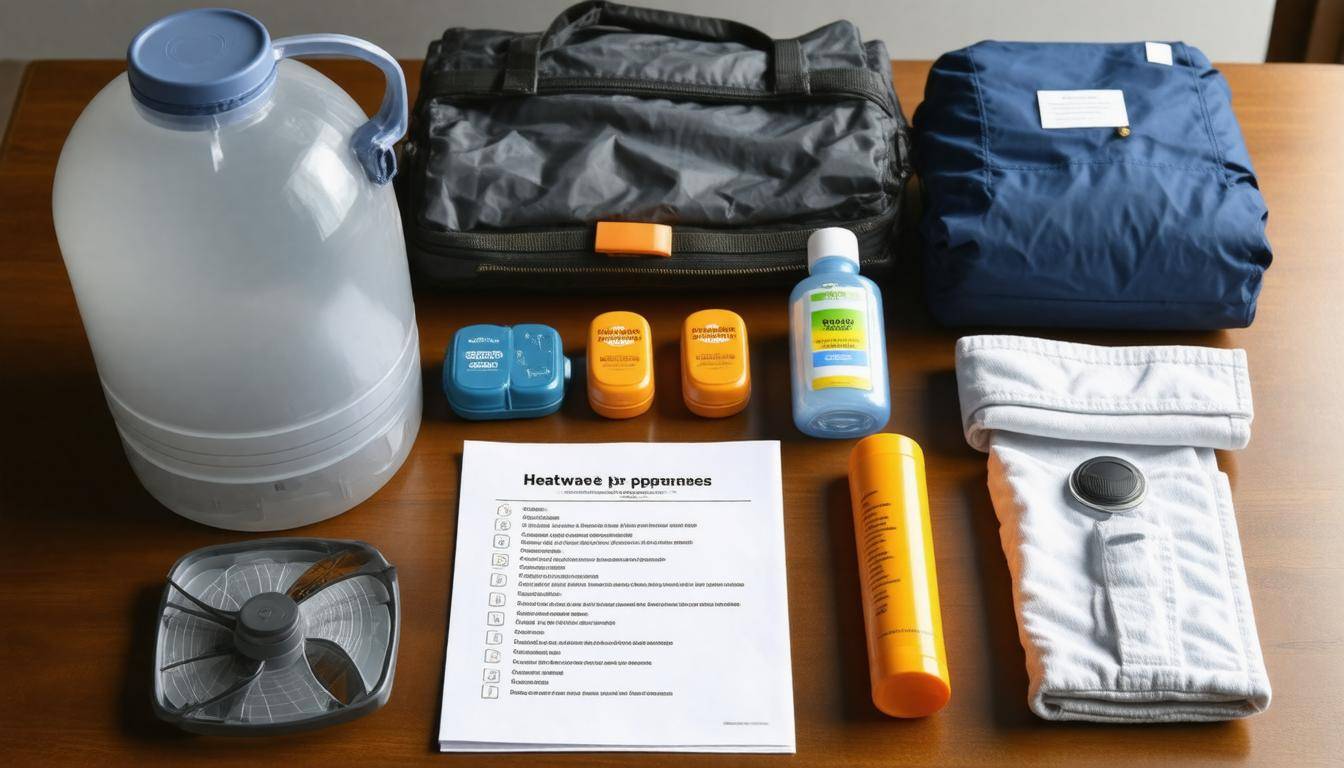
Rising summer temperatures in Serbia require specific preparations to manage heatwaves effectively. A fundamental aspect of surviving extreme heat is ensuring you have adequate cooling equipment. That’s where high-capacity fans or portable air conditioning units come into play. Imagine the relief of stepping into a room that’s carefully chilled, especially after being exposed to the harsh sun outside. It’s not just about comfort; in extreme conditions, these devices can significantly reduce the risk of heat-related illnesses like heat exhaustion and hypothermia.
Beyond mere temperature control, hydration becomes crucial during heatwaves. This is where electrolyte solutions enter the scene. When we sweat profusely, we lose not only water but also vital electrolytes like sodium and potassium necessary for our bodies to function efficiently. By replenishing these minerals with electrolyte drinks, you help prevent dehydration and maintain your energy levels throughout the day.
Another often-overlooked but practical strategy is selecting appropriate clothing for hot weather. Wearing light-colored and lightweight fabrics can make a noticeable difference in how comfortable you feel while moving about outdoors. These clothes reflect sunlight rather than absorbing it, keeping your body cooler and reducing sweat accumulation, which can lead to discomfort and irritation.
Equally effective in managing body temperature are cooling towels. These handy accessories provide an immediate cooling effect when soaked in cold water and then draped around your neck or forehead. They are incredibly convenient—perfect for quick relief whether you’re out for a leisurely stroll or working in your garden. Just a few moments with a cooling towel can make the heat bearable.
Additionally, protecting yourself from direct sunlight is paramount. Wide-brimmed hats and quality sunglasses serve multiple purposes: they shield your eyes from harmful UV rays while also keeping the sun off your skin, reducing the risk of overheating or sunburn. Hats with moisture-wicking properties can further enhance comfort by pulling sweat away from your head, contributing to overall cooling.
Lastly, don’t underestimate the power of sunscreen in your summer arsenal. Applying a good sunscreen with SPF protection is essential to safeguard against sunburn, which can worsen health issues and create discomfort for days afterward. Regular application means that even brief outdoor forays don’t need to be regrettable experiences when encountering intense sunlight.
Being proactive is key when it comes to safety and well-being during scorching summers. The next step involves understanding how to prepare specifically for flooding situations, which presents its own unique challenges.
Flooding Safety Supplies
First on the list are waterproof bags, which play a pivotal role in safeguarding your important items. Imagine scrambling to save family heirlooms or critical documents as water levels rise. With waterproof bags, you can swiftly pack and protect electronics, passports, insurance papers, and any valuable memorabilia from disastrous water damage. Choose bags that are durable and sealed tightly; these bags can be lifesavers in more ways than one.
Next, consider having life jackets ready at hand. During a flood, navigating through rising waters can pose significant dangers. Life jackets ensure that if you must evacuate quickly or find yourself in deep water, you’ll be buoyant and safe until help arrives. Even for those who are strong swimmers, currents and debris can present invisible threats—tooling up with life jackets will boost your survival chances.
Another indispensable tool is a submersible pump. Flooded cellars or ground floors often become breeding grounds for moisture-related problems if not addressed promptly. A submersible pump can quickly clear out standing water, protecting your home from mold and structural damage. For many homeowners, this piece of equipment may require some investment upfront but can save substantial costs in repairs down the line.
As you think about battling the inevitable flow of water, don’t overlook flood barriers or sandbags. These materials work by directing water away from vital areas of your property. The installation may seem daunting at first, yet doing so could mitigate potential flooding issues significantly. During heavy rainstorms or when river levels are dangerously high, taking proactive measures can mean the difference between safety and disaster.
Rubber boots and waterproof clothing are also essential for protection against contaminants swirling in floodwaters. Not only do these items keep you dry, but they also protect your skin from harmful substances often present in floodwater due to sewage overflow or industrial waste. During emergencies when every step counts, it’s crucial not to compromise on safety gear.
Equally necessary is having an emergency water purification system readily available. When flooding occurs, local water supplies may become compromised, leading to potential health risks from contaminated drinking water. Whether it’s a filtration system or purification tablets, ensuring access to potable water is non-negotiable—it could be a matter of survival.
If you find yourself stranded during a flood situation, road flares or signal devices should be included among your safety supplies as well. These items become lifelines when rescue teams are needed but visibility is low. They help attract attention to your location even amid chaos; signaling for assistance shouldn’t cost anyone their life simply because they were unfound.
Taking the time to gather these essential flooding safety supplies equips you with not just physical tools but enhances your overall level of preparedness. Each item plays its part in building resilience against nature’s unpredictable onslaught, ensuring that you and your loved ones remain safe when faced with the possibility of flooding in Serbia’s extreme weather conditions.
With the right supplies laid out for flooding scenarios, it’s equally important to prepare for unexpected interruptions to our daily lives—especially when the power goes out unexpectedly. Let’s explore what essentials are needed during such circumstances.
Power Outage Necessities
When the lights go out, having a strategy in place can make all the difference. Start with backup generators; these devices are invaluable during extended outages. They can keep essential appliances—like refrigerators and heating units—running, sparing you from spoiled food or discomfort. Just remember, if using a generator, it’s critical to follow safety protocols: run them outdoors to prevent carbon monoxide buildup inside your home.
Once you’ve secured a source of backup power, consider how you’ll keep your devices charged and operational.
This is where solar chargers shine. As long as there’s some sunlight, you can keep your smartphones charged, ensuring you stay connected and informed about weather updates or emergency notifications. Many solar chargers are compact and easy to store, making them an ideal addition to your emergency supplies. Think of them like a lifeline—you never know when you’ll need to grab that phone if you need to reach out for help.
In addition to staying powered up, it’s important to address lighting needs.
LED lanterns come into play here with their impressive longevity compared to traditional flashlights. These lanterns not only provide ample light but also consume far less battery. A good LED lantern will be your friend in daily routines during long nights without electricity, allowing you to navigate your home safely while saving battery life. Consider keeping a few on hand, along with extra batteries so you’re truly prepared no matter what happens.
Of course, food preparation is another vital consideration during outages.
Investing in a non-electric cooktop can be a game changer when the kitchen stove doesn’t work. Whether it’s a propane camp stove or a simple portable burner, this allows you to heat up meals or boil water even when the power is down. Just ensure you store cooking fuel safely and know how to operate the cooktop in secure conditions.
While focusing on energy sources and food preparation, don’t forget about maintaining functionality for your electronics.
An uninterruptible power supply (UPS) can help bridge the gap during short-term outages by providing immediate power to critical equipment such as computers or modems. With a UPS, you won’t just preserve important data; you’ll also keep connected with loved ones during emergencies when every minute counts.
Finally, let’s think about personal comfort.
As power loss often leads to chillier indoor environments—especially in winter—consider thermal wearables. These items help retain body heat without relying on central heating systems, allowing you to stay warm during unexpected cold spells caused by prolonged outages. Wrap yourself in thermal gear; it creates a cozy shield against whatever elements might sneak into your space.
Being proactive makes all the difference; the ultimate goal is not just protection from extreme weather but also fostering peace of mind amid uncertainty.
Now that we’ve established essentials for enduring power outages effectively, let’s shift our focus to assembling reliable supplies necessary for any emergency situation that could arise.
Creating a Comprehensive Emergency Kit
A comprehensive emergency kit is pivotal for effective preparedness and securing the safety of your loved ones. The first step in this journey begins with identifying your priorities and the types of emergencies you might face based on your locality. For example, if you live in an area prone to heavy snow and ice storms, you may want to include items that ensure warmth and shelter. Conversely, those in flood zones might need waterproof gear and water purification systems. Tailored planning like this sets the foundation for assembly.
Once you’ve established your potential emergency scenarios, it’s time to start putting together your kit. Begin with outlining a list of potential emergencies, as these will help inform what supplies you’ll need. For instance, floods demand different necessities than heatwaves or severe storms, each varying in their basic requirements.
After defining risks, gather your basic supplies. These are essential regardless of the type of emergency and should prominently feature clean water—at least one gallon per person per day for three days—as well as non-perishable food items capable of sustaining you for several days, such as canned goods or protein bars. Don’t overlook medical supplies; a well-stocked first-aid kit—including bandages, antiseptics, pain relief medication, and any personal prescriptions—should be on hand and checked regularly.
Next comes the addition of scenario-specific items tailored to the previously mentioned extreme weather conditions. If storms are a risk, think about packing flashlights with extra batteries, a battery-operated radio for updates, and blankets or sleeping bags for warmth. Conversely, if your concern is heat-related issues, consider including electrolyte tablets or even portable fans powered by batteries or solar energy.
It’s crucial to maintain an inventory list documenting all items in your kit. This helps keep track of what’s included and assists in monitoring expiry dates for perishables. Make it visually accessible—perhaps placed on top of the supplies or even stored online for easy access during an emergency.
To ensure your kit remains up-to-date and relevant, commit to regularly updating it every six months. Check off what has been used or replaced; replacing expired goods isn’t just good practice—it can be lifesaving when the moment comes that you need these supplies most. Keeping your emergency kit stocked with current and pertinent items prepares you for unexpected crises.
As we consider the myriad ways to enhance your safety and readiness during extreme weather events, let’s transition into exploring various devices that can help protect personal safety in critical situations.
Personal Safety Devices
In times of crisis, feeling safe often comes down to the gear we have on hand. Technology has given us an arsenal of tools that can significantly enhance our personal safety. Investing in reliable safety devices not only sets your mind at ease but provides practical solutions when you need them most.
Emergency Whistles
Let’s start with emergency whistles. These small yet mighty devices are vital for signaling for help, especially in noisy or chaotic environments where shouting might not be heard. A sharp, loud whistle can carry much farther than your voice, allowing rescuers to locate you more quickly. Plus, they’re lightweight and easily attachable to your keychain or emergency kit. It’s a simple addition that makes a big difference.
As I’ve found out from experience, having an emergency whistle can mean the difference between being overlooked and being rescued.
Personal Locator Beacons (PLBs)
Next up are personal locator beacons (PLBs). These devices are essential for anyone venturing into remote areas where cellular service is unreliable or nonexistent. PLBs emit a distress signal directly to search and rescue satellites, ensuring that help reaches you, regardless of your location. They provide peace of mind for outdoor enthusiasts and families alike, especially when adventures take you into uncharted territories.
While PLBs serve as a lifesaving tool in remote locations, keeping updated with real-time information can be equally critical.
Emergency Radios
This brings us to emergency radios. Staying informed about the surrounding situation is crucial during an emergency. Battery-operated or hand-crank radios allow you to listen to updates from local authorities, weather alerts, and news reports when the power goes out or mobile networks become overloaded. Some models even include NOAA weather channels, providing quick access to severe weather alerts.
When I was caught in a storm once without electricity, having my emergency radio turned out to be a lifeline for staying informed and making effective decisions.
Walkie-Talkies
Communication is key in emergencies, which is why walkie-talkies should be part of your toolkit. Unlike cell phones, walkie-talkies do not rely on cell signals; they operate on their own frequencies. This means they remain operational even when communication networks fail. With this device, family members can maintain contact with one another and coordinate plans per unfolding situations—even from a distance.
Having effective means of communication allows families to remain connected only if we know where everyone is located.
Wearable GPS Trackers
That leads us to wearable GPS trackers. These devices are incredibly useful for monitoring the whereabouts of family members during emergencies. Whether it’s kids playing outside or older relatives who might wander off during distressing situations, GPS trackers provide peace of mind by enabling you to know their locations at all times. Many modern trackers also come equipped with SOS features that alert designated contacts in case of emergencies.
Investing in personal safety devices like these isn’t just about preparation; it’s about enhancing your quality of life during incidents that may disrupt our routine.
By equipping ourselves with these technological lifelines during emergencies, we gain more than just safety; we gain confidence and clarity when chaos looms around us.
As we consider methods to enhance our personal safety, it’s essential to identify additional support systems available within the community that can assist during emergencies.
Local Resources and Contacts
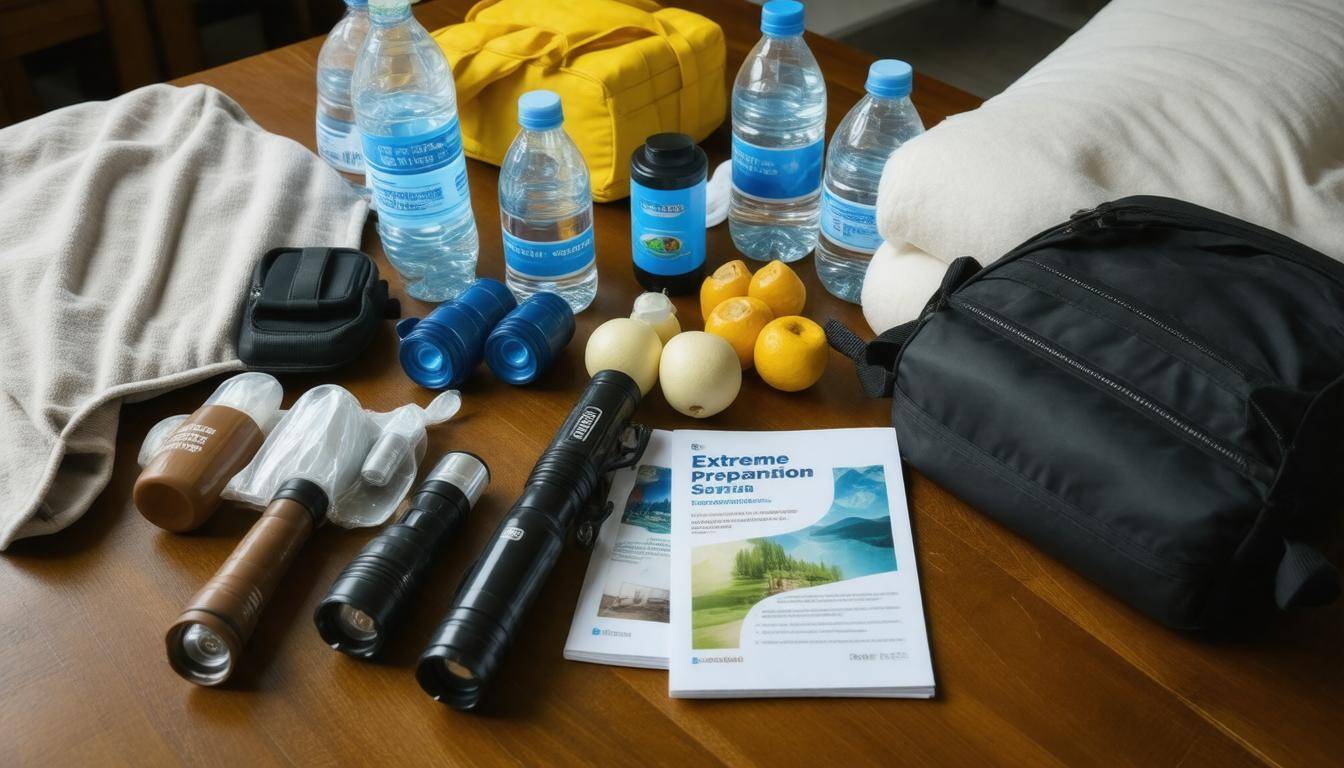
Utilizing local resources can truly be a lifeline during emergencies. In Serbia, there are numerous key contacts and entities that can provide support, guidance, and timely information when you need it most. Familiarizing yourself with these resources ahead of time ensures you can access help quickly and efficiently if necessary.
Emergency Numbers are your first line of defense in any critical situation. By simply dialing 112, you signal for emergency assistance across various services, including police and fire departments. For specific issues like fires, dial 193, while 194 connects you with medical emergencies. Memorizing these numbers can save precious moments when every second counts.
Beyond emergency numbers, local relief agencies play a pivotal role in offering immediate aid during crises.
Among the most recognized organizations is the Serbian Red Cross, which has a rich history of supporting communities in distress. They coordinate recovery efforts, distribute food and supplies, and offer emotional support during challenging times. Local volunteer groups can significantly amplify relief efforts, as they often mobilize quickly to meet immediate needs within their neighborhoods.
Staying informed about evolving weather conditions can also shape how you prepare for extreme weather events.
For accurate forecasts and updates, rely on the Republic Hydrometeorological Service of Serbia (RHMSS). This agency provides regular updates on severe weather warnings or changes in atmospheric patterns—knowledge that could very well be the difference between safety and danger during storms or flooding.
When facing localized emergencies, physical spaces such as community centers can transform into invaluable support hubs.
Many community centers serve as effective relief stations during unexpected disasters, offering shelter, resources, and a sense of solidarity among residents facing hardships. These centers generally coordinate logistics for distributing essential supplies and serve as communication points for citizens seeking assistance.
Lastly, in today’s digital age, social media serves as an essential tool for real-time communication and updates.
Following government authorities and municipality pages on platforms like Facebook or Twitter allows you to receive instant alerts regarding ongoing emergency situations or changes in public safety statuses. These updates empower individuals to make quick decisions based on reliable information rather than speculation.
In preparation for any emergency or extreme weather situation in Serbia, knowing your local resources isn’t just beneficial—it’s essential for ensuring personal safety and effective community response. Being proactive about connecting with these resources can significantly improve your readiness for when extreme weather strikes.