
As climate change continues to reshape our world, coastal cities like Manila are grappling with the harsh reality of rising sea levels and increasingly severe storms. Imagine a community that not only faces the onslaught of nature’s fury but also confronts the anxiety of uncertainty with each weather report. Enter the Manila Bay Storm Surge Defense Plan—a beacon of hope aiming to shield vulnerable neighborhoods from the relentless threat of storm surges. This plan is more than just a list of safety measures; it’s a united effort blending engineering ingenuity with nature’s resilience. Join me as we dive into how this initiative is crafted to protect lives and foster a sense of security amidst ever-changing conditions.
The Manila Bay Storm Surge Defense Plan is a strategic initiative aimed at protecting coastal communities from storm surges exacerbated by climate change and urbanization. It includes engineered barriers, improvements to drainage systems, and enhancement of natural wetlands to absorb floodwaters, all designed to mitigate the risks posed by rising sea levels and extreme weather events.
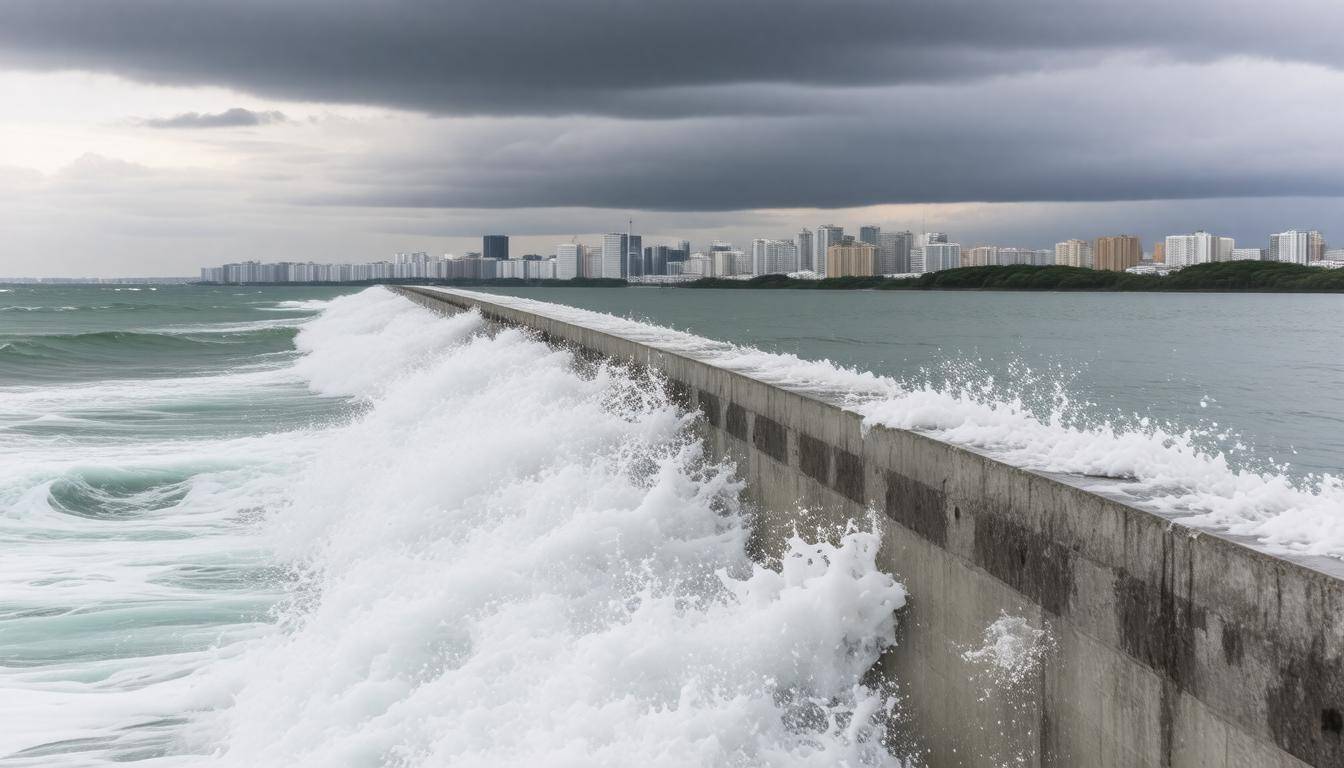
Overview of Manila Bay Storm Surge Defense Plan
The Manila Bay Storm Surge Defense Plan is not merely a patchwork of safety measures; it’s a visionary framework aimed at safeguarding coastal communities from the increasing threat of storm surges. Initiated by the Philippine government, this initiative reflects an understanding that climate change has radically altered weather patterns, leading to more frequent and intense typhoons in the region. In fact, data from the Philippine Atmospheric, Geophysical, and Astronomical Services Administration (PAGASA) indicates that there has been a notable 15% increase in typhoons making landfall over the last decade. This alarming trend necessitated a comprehensive strategy to protect vulnerable populations living in low-lying coastal areas.
As this plan unfolds, it becomes clear that its strength lies in its dual approach—combining engineered barriers with nature-based defenses.
Engineered solutions include the construction of resilient sea walls designed to withstand storm surges of up to 3 meters, ensuring essential infrastructures remain intact during severe weather events. Additionally, improvements to drainage systems are part of the strategy, allowing for efficient water management during heavy rains and flooding periods.
Yet, what truly sets this plan apart is its incorporation of nature-based solutions, such as the restoration of mangrove ecosystems and enhancement of natural wetlands. These strategies serve a dual purpose: they absorb excess floodwaters and improve water quality while providing habitats for local wildlife.
By creating multiple layers of defense—ranging from structural modifications to ecological enhancements—the Manila Bay Storm Surge Defense Plan strives for resilience rather than mere survival. This approach acknowledges the complex interplay between human activities and environmental stewardship, aiming for a sustainable solution that will endure rising sea levels and ongoing climatic changes.
In implementing these ambitious projects, local entities play a critical role, collaborating closely with international partners for both funding and expertise.
Leading this monumental effort are Philippine government agencies like the Department of Public Works and Highways (DPWH), in concert with NGOs and organizations such as the World Bank. These partnerships exemplify a global effort to tackle increasingly localized issues while also addressing broader implications associated with climate resilience. Moreover, robust funding—estimated at $2.7 billion—is allocated not just for construction but also for community education programs aimed at equipping residents with knowledge about emergency preparedness and sustainable practices for mitigating future risks.
Think about it: while having sturdy walls can shelter you when storms hit, knowing how to respond when those walls might falter can make all the difference between unshaken fortitude and an unexpected stumble.
The Manila Bay Storm Surge Defense Plan promises immediate protection while instilling hope for long-term sustainability in light of changing climatic conditions. By blending technology with nature’s best defenses, it paints a promising picture for individuals living in one of the world’s most vulnerable urban landscapes.
As we turn our attention to upcoming infrastructure initiatives, we’ll examine specific developments poised to further enhance resilience against these challenges.
Key Infrastructure Projects
One of the core components of the Manila Bay Storm Surge Defense Plan consists of significant infrastructure projects aimed at minimizing flood risk. The construction of sea walls and storm surge barriers is central to this endeavor. Engineers have proposed a 50-kilometer-long sea wall made of reinforced concrete, capable of withstanding waves up to 5 meters. But this is just one facet of a carefully crafted strategy.
The importance of these structural developments cannot be overstated. As sea levels rise due to climate change, they threaten urban areas with increased flooding. The proposed projects strive not only to safeguard physical structures but also to protect communities from displacement and loss. Flood control measures like drainage improvements are designed to enhance city-wide capabilities, ensuring swift water removal during extreme weather events.
| Infrastructure Project | Description | Estimated Cost |
|---|---|---|
| Sea Wall Construction | 50 km reinforced concrete wall | $1.2 billion |
| Drainage Improvement | Enhanced city-wide drainage systems | $500 million |
| Elevated Structures | Elevation of residential and critical buildings | $1.3 billion |
The costs associated with these projects reflect their scale and urgency; investing heavily in infrastructure now can prevent costly repairs later on and ensure public safety. Take, for example, the sea wall’s projected cost of $1.2 billion—a hefty investment that could prevent far greater financial loss in the wake of a severe storm.
Yet while these hard structures are vital, softer ecological measures also play a crucial role in creating a comprehensive defense against climate-related challenges.
Ecological solutions can complement hard engineering efforts by restoring natural habitats that act as buffers against flooding. Wetlands and mangroves absorb excess water and provide essential ecosystems for local wildlife. Incorporating such natural strategies alongside engineered structures fosters resilience at a community level.
Another key aspect is public engagement. Involving communities directly cultivates awareness about flood risks and emphasizes collective responsibility in maintenance efforts. Educating residents about environmental impacts and ways they can contribute—like maintaining drainage ditches or participating in clean-up drives—significantly bolsters the effectiveness of planned infrastructures.
Both hard construction and soft ecological measures come together as vital threads in a larger tapestry aimed at preserving life and property against the inevitable impact of climate change.
With these foundational strategies in place, it’s essential to explore the intricate balance between development and environmental stewardship for sustainable coastal living.
Coastal Ecosystem Utilization
Utilizing these natural resources provides an effective and sustainable approach to combating storm surges. Mangrove forests, for instance, are invaluable allies in storm surge defense. They serve as natural buffers, protecting shorelines while flourishing with rich biodiversity. When you think about mangroves along the coast of Manila Bay, envision tall trees with thick, intertwined roots dug deep into the ground like nature’s fortress against waves. Studies reveal that these roots can reduce wave heights by up to 66%, meaning less erosion for the coastline and more protection for inland communities.
But the benefits don’t stop at wave reduction; restoring these ecosystems goes hand-in-hand with enhancing marine biodiversity.
Coral reefs also play a crucial role in this relationship. By dissipating wave energy and serving as habitats for countless marine species, coral reefs contribute significantly to the resilience of coastal areas. An intact coral reef acts like a barrier, absorbing much of the wave’s force before it reaches the shore. This dual function—acting as both a home for marine life and a protective shield—makes coral restoration efforts integral to the defense plan. Communities around Manila Bay are working tirelessly to rehabilitate these reefs, promoting their ecological health while ensuring they continue to provide a buffer against storm-related impacts.
Moreover, these coastal ecosystems offer additional economic benefits through their incorporation into local fisheries and tourism sectors. The yearly economic value of ecosystem services provided by Manila Bay’s coastal ecosystems is estimated at $1.2 billion.
This highlights their practical importance and underscores why investments in such projects yield immense long-term rewards.
When we work to restore and utilize our natural environments—like mangroves and coral reefs—we invest in disaster resilience and community sustainability. Ongoing research and collaborations among local governments, NGOs, and international organizations aim to address gaps in knowledge while ensuring coastal defenses and ecosystem health prioritize future planning initiatives.
By entrusting nature to lend its strength against storm surges, layered systems of protection can adapt alongside climate change pressures, leading to greater safety for Metro Manila’s vulnerable neighborhoods.
As we move forward, understanding the financial framework behind these essential initiatives becomes crucial for effective implementation.
Budget Allocation and Funding
The budget for this comprehensive defense strategy is not just a number; it represents a commitment to protecting communities and ecosystems at risk from storm surges. With a total budget of $2.7 billion, every dollar is allocated with purpose and precision, ensuring that resources are directed where they can make the greatest impact. The breakdown reveals a strategic vision aimed at balancing immediate infrastructural needs while fostering longer-term ecological sustainability.
Financial Distribution
Let’s take a closer look at the allocations, which reflect both the urgency of infrastructure development and the importance of preserving natural coastal defenses.
| Sector | Allocation | Purpose |
|---|---|---|
| Engineering Works | $1.7 billion | Construction of sea walls, barriers |
| Community Projects | $600 million | Elevation of homes and critical buildings |
| Ecological Efforts | $400 million | Mangrove restoration, coral reef projects |
The largest chunk—**$1.7 billion**—is earmarked for engineering works, specifically the construction of robust sea walls and barriers designed to mitigate immediate flood risks. These structures are pivotal in shielding vulnerable neighborhoods from the direct impacts of storm surges.
However, it’s not solely about building barriers; we must also consider community resilience and environmental restoration.
Hence, the $600 million allocated for community projects emphasizes elevating homes and critical infrastructures, such as schools and hospitals. This part of the budget recognizes the need for proactive measures that enhance the safety of families without them needing to relocate entirely.
Alongside these engineering feats stands our ecological efforts, which command $400 million dedicated to mangrove restoration and coral reef projects. These natural systems serve as buffer zones against storms while promoting biodiversity. They protect coastlines and foster local fisheries—a vital source of food and income for many communities. Integrating ecological initiatives into this plan reflects an understanding that sustainable practices are essential for long-term protection.
Securing these funds involves navigating complex financial channels.
The funding sources are diverse, coming from government budgets, international loans, and grants from organizations such as the World Bank. This multifaceted financial approach ensures a robust base for the project’s execution. Each funding stream brings its own set of conditions and expectations; hence understanding these dynamics is crucial.
For example, government funding often comes with stringent oversight requirements meant to ensure accountability—fostering public confidence in how taxpayer money is used. Meanwhile, international loans frequently encourage technology transfer or best practice sharing among countries tackling similar issues.
Successful implementation hinges on careful management and transparent communication concerning fund utilization—a necessity in maintaining community trust and further securing necessary funding for future enhancements.
This intricate web of financial planning sets the stage for understanding how these developments will resonate with those who live in close proximity to Manila Bay. Let’s now explore how this strategy affects local inhabitants directly.
Impact on Local Communities
The impact on local communities cannot be overstated; it plays a vital role in ensuring their long-term safety and resilience against natural disasters. By raising approximately 2,100 residential structures and flood-proofing around 400 essential facilities, this initiative is set to benefit about half a million residents directly. Imagine the relief of families who once faced the anxiety of storm surges threatening their homes, as they will now have reliable protection in place.
For many residents like Maria Sanchez, the ongoing construction brings not only physical safety but also mental peace. She stated, “Although construction has caused some temporary disruptions, knowing my home will be safer offers peace of mind.” This sentiment encapsulates the hope within affected communities: while there may be logistical challenges during the transition phase, the promise of durability and security is what truly matters.
Additionally, beyond the immediate structural benefits, there’s a significant economic component to consider. The construction phases inevitably lead to improved employment opportunities for locals. With work made available on-site, families can find jobs right in their community, providing an economic uplift that runs parallel to the physical defenses being erected. Such employment not only stabilizes households financially but also fosters a sense of pride and ownership among community members.
The change isn’t just about structures; it’s about building trust and collaboration between entities like San Miguel Corporation and local populations. Active engagement through regular consultations helps residents voice concerns and contribute ideas to make the project even more effective.
As this relationship grows stronger, so too does the potential for community resilience. These collective efforts are paving the way for innovations that will enhance safety and support systems in the face of ongoing challenges.
Climate Change Adaptation Measures
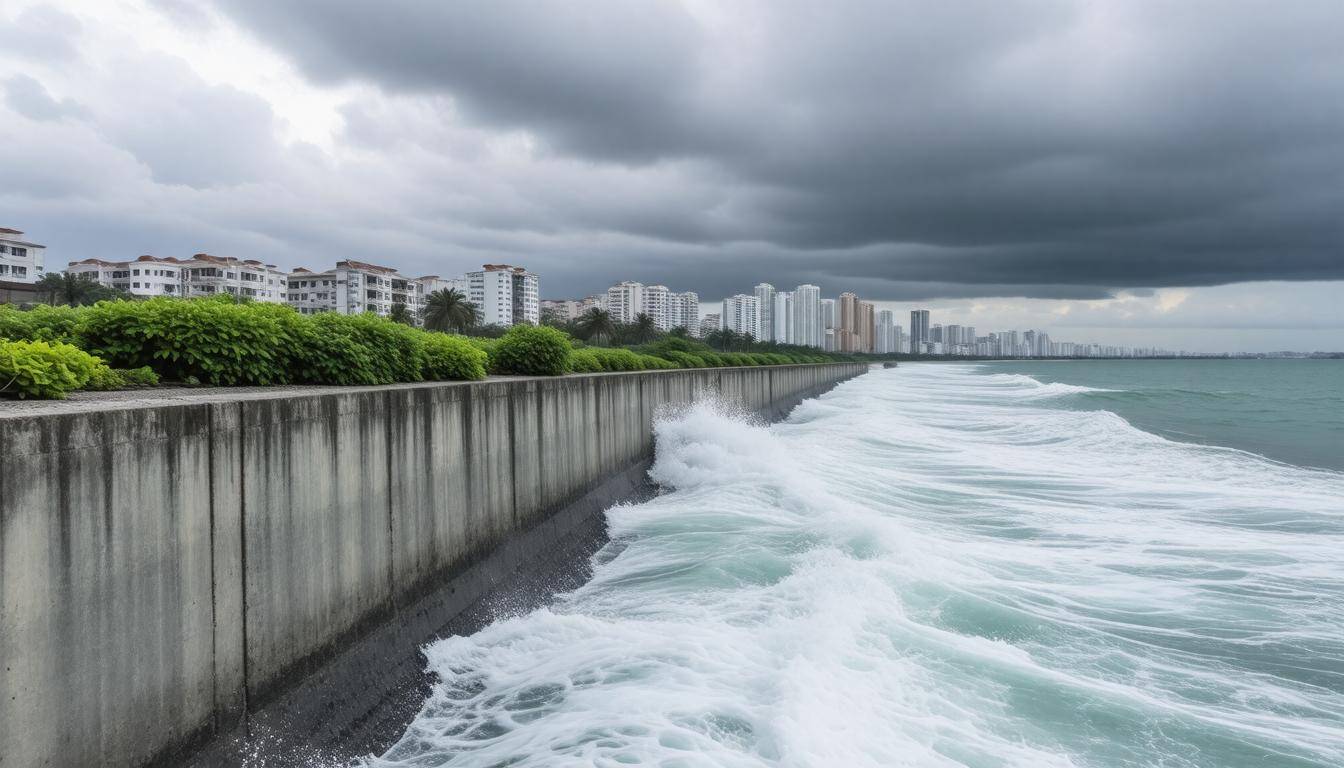
At the core of adapting to climate change lies the integration of scientific data into practical measures that directly impact community safety and infrastructure functionality. The Manila Bay Storm Surge Defense Plan recognizes this by adopting advanced climate modeling techniques, which blur the lines between prediction and preparation. These models allow scientists and engineers to simulate various storm surge scenarios based on current environmental data, giving a clearer picture of what to expect as climate conditions evolve.
The significance of these models cannot be overstated. For instance, they provide invaluable insights into the frequency, intensity, and potential impacts of storms in the region. With every simulation, planners gain a better understanding of how different infrastructures will fare under anticipated conditions. As a result, they can design stronger seawalls, optimized drainage systems, and resilient urban layouts that stand a fighting chance against extreme weather events.
A groundbreaking study published in Climate Dynamics reveals that an effective adaptation strategy could reduce projected flood damages by up to 50% over the next few decades. This statistic isn’t just a number; it represents countless homes saved and lives potentially spared from disaster. By investing in these scientific methodologies, policymakers not only safeguard their cities but also foster economic stability within vulnerable communities.
Employing data-driven approaches is essential; however, understanding the community’s context is equally important for effective implementation.
Effective adaptation goes beyond mere numbers—it requires collaboration between scientists, local governments, and communities themselves. Engaging citizens in discussions about these climate science efforts allows for a more nuanced understanding of local vulnerabilities while empowering those affected to become part of the solution. Striking a balance between scientific guidance and grassroots involvement will be crucial as we move forward with these significant initiatives.
With such collaborative efforts underway, each stakeholder contributes valuable insights that drive meaningful change in the region.
Partner Organizations and Stakeholders
The successful execution of this plan relies on a well-coordinated effort from a diverse coalition of entities. Each partner organization is not just a participant; they bring essential skills and resources that complement one another, forming a network dedicated to the shared goal of protecting coastal communities.
Philippine Department of Public Works and Highways (DPWH)
At the forefront is the Philippine Department of Public Works and Highways (DPWH), which oversees construction projects essential for infrastructure improvements. Their expertise ensures that land reclamation and storm surge defenses adhere to national safety standards and environmental considerations. They bear the responsibility of transforming plans into physical structures while balancing public safety with environmental sustainability. Through careful planning and public consultation, they aim to mitigate potential backlash from local communities worried about displacement or ecological impacts.
But they are not alone in this endeavor. This is where technical support comes into play.
U.S. Army Corps of Engineers
Partnering closely with DPWH is the U.S. Army Corps of Engineers, providing vital technical expertise and engineering solutions based on extensive experience managing similar issues worldwide. Their assistance includes deploying modern technology for mapping geohazards and conducting rigorous flood risk assessments to inform design choices. Such evaluations are critical given Manila Bay’s unique geographical challenges, including rapid sedimentation rates and varying storm surge patterns.
While these government bodies take lead roles, community voices also need to be heard at every stage of implementation.
Local NGOs
This requirement opens up a vital role for local non-governmental organizations (NGOs), which engage communities directly. These NGOs raise awareness about potential changes and gather feedback from residents whose lives are affected by reclamation projects. Their involvement ensures that local knowledge informs decision-making processes, enhancing the plan’s relevance to those it intends to benefit. For instance, workshops held by these organizations facilitate dialogue among community members to express concerns about their livelihoods linked to fishing or tourism—activities deeply impacted by any changes to Manila Bay’s shoreline.
In addition, external perspectives can provide necessary resources and oversight that ground the project’s financing in global best practices.
International Organizations
Integral yet often overlooked are international organizations like the World Bank, who supply financial backing and enforce accountability throughout project execution. Their involvement ensures that funds allocated for storm surge defenses yield tangible results aligned with global sustainability goals. This combination of hands-on resources alongside financial scrutiny helps keep all partners transparent and accountable.
Understanding how these various organizations interlink reveals how multifaceted approaches address complex challenges effectively, paving the way for future strategies aimed at resilience and ecological preservation. The next section will span avenues for long-term sustainability in these efforts.
Long-Term Sustainability and Future Considerations
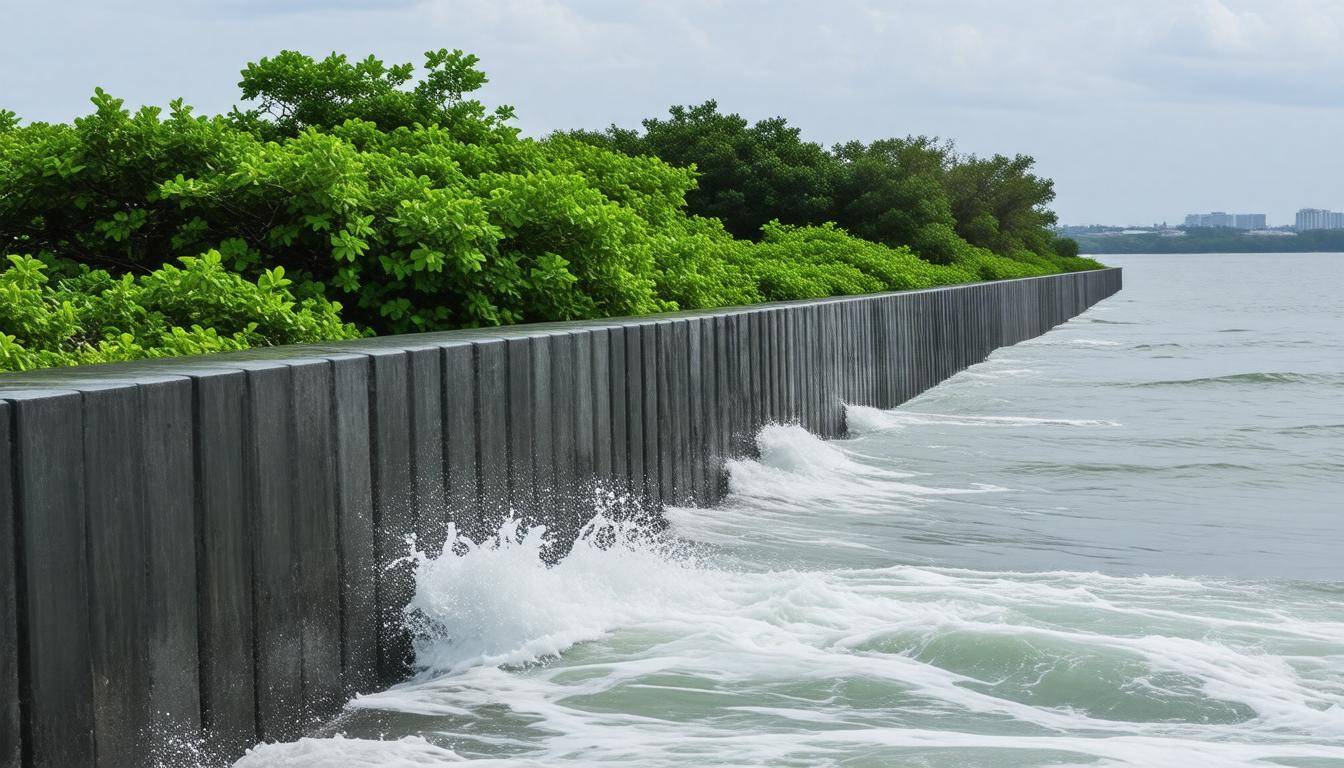
Ensuring the durability of the defense measures is paramount for protecting the communities around Manila Bay. The long-term sustainability of these strategies relies heavily on continuous evaluation and adaptive management. This means it’s not just a one-and-done project; it involves regular check-ups and making adjustments based on real-world conditions. Routine maintenance of infrastructure is crucial—think of it as giving your house a fresh coat of paint every few years to preserve its appearance and integrity. Just like that, keeping an eye on vital systems and repairing them when necessary will maintain their efficacy.
In addition to infrastructure checks, understanding the health of the ecosystem plays a big role in this equation. Ecosystems are dynamic; they change over time due to shifting climate patterns and human influence. Periodic assessments allow scientists and engineers to monitor what’s happening in the environment surrounding Manila Bay. By evaluating plant growth, animal populations, and sediment movement, stakeholders can identify areas needing attention before issues escalate into costly repairs or failures. This proactive approach fosters resilience against environmental challenges.
Beyond infrastructure and ecosystem monitoring lies another innovative concept: hybrid reef structures.
Hybrid reef structures are potential enhancements to our storm surge defenses. These combinations of nature-based solutions and engineered systems aim to absorb wave energy while providing habitats for marine life. However, we can’t rush into building these reefs without thorough studies; we need solid evidence demonstrating their effectiveness in reducing storm impact before committing resources. Think of it like testing a recipe before serving it at a dinner party—you want to be confident it will meet expectations.
Prioritizing immediate responses while remaining vigilant about future threats poses a profound challenge. Community leaders and policymakers must strike a balance between ensuring existing measures work for today while planning ahead for tomorrow’s uncertainties. In our changing world, such investments aren’t just wise; they are necessary for safeguarding lives and property against increasingly unpredictable storms.
Ultimately, the future of the Manila Bay Storm Surge Defense Plan hinges on collaboration among scientists, engineers, community members, and governmental bodies working toward sustainable practices. Together, they can adopt an iterative learning process: one that embraces new knowledge gained from experiences and continually seeks improvement in protecting vulnerable regions from storm surges.
In summary, maintaining a focus on sustainable practices alongside innovative solutions will fortify Manila Bay’s defenses against future storm surges.