
Storing temperature-sensitive medications properly can be a tricky task, yet it is absolutely crucial for your health. Imagine relying on a medication that could save your life—only to find out that it lost its effectiveness because it wasn’t stored right. It’s a lot more common than you might think! In fact, millions of dollars in medications are wasted every year simply because they weren’t kept at the right temperatures. You wouldn’t leave milk out on the counter, right? Just like food, medications have specific requirements that keep them working as they should. So let’s dive into some expert tips and guidelines to ensure those vital meds stay safe and effective!
When storing temperature-sensitive medications, it is essential to maintain specific temperature ranges according to their requirements; refrigerated medications should be kept between 2°C – 8°C (36°F – 46°F) while frozen medications must remain at -20°C (-4°F) or colder. Always follow the manufacturer’s storage instructions, use dedicated storage areas to minimize temperature fluctuations, and regularly check expiration dates to ensure medication efficacy and safety.

Importance of Temperature Control for Medications
The efficacy of temperature-sensitive medications hinges on storing them within defined temperature ranges. These drugs, which make up about 25% of all medications, can degrade when exposed to temperatures outside their recommended storage conditions. For example, insulin must be kept consistently between 2°C and 8°C (36°F to 46°F), or else it risks losing potency, compromising its ability to manage blood sugar levels effectively. Just think about how critical this is—an improperly stored vial could leave a diabetic patient without the necessary medicine when they need it most.
Alarmingly, statistics reveal that nearly 25% of vaccine wastage worldwide results from improper temperature storage. This significant reduction in available treatments emphasizes the importance of understanding these storage requirements. When vaccines, antibiotics, or even something as common as EpiPens are not kept at the correct temperatures, they’re essentially rendered useless, putting patients at risk for adverse health events due to ineffective treatment.
Therefore, taking proactive steps towards proper medication storage is essential.
The sensitivity of medications doesn’t stop at just high and low temperatures—time plays an equally critical role. If you leave certain medications out longer than recommended, even if they are in ideal conditions, you might still see a decline in their effectiveness. Regular checks on expiration dates should be part of your routine. For instance, ensuring that refrigerated items like some antibiotics remain within their ideal range during transportation is vital; using insulated coolers or gel packs can mitigate temperature fluctuations that occur during travel.
It’s also worth noting that not all medications require the same level of care; understanding the specific storage needs will help in creating a tailored solution. While most non-liquid medications can tolerate slight deviations from ideal temperatures more than fluid-based ones can, it’s best to aim for precise conditions whenever possible. This knowledge fosters better planning when arranging vacation trips or simply stocking up your medicine cabinet at home.
To reinforce the importance of this information further, using tools and adopting practices to monitor temperatures becomes invaluable.
Digital thermometers in designated storage areas can offer real-time insights into temperature fluctuations. Similarly, utilizing technology such as Varcode’s Smart Tag can enable precise monitoring of pharmaceuticals during transportation or storage. Since 50% of healthcare professionals lack awareness regarding specific temperature requirements for certain medications, integrating these technological aids enhances safety and promotes awareness among caregivers.
With this insight into the significance of maintaining temperature control for effective medication management, it’s imperative to look at specific medications that require particular attention during storage.
Common Temperature-Sensitive Medications
Several medications depend heavily on proper temperature management to ensure they remain effective. Among these, insulin stands out as a critical life-saving hormone required for diabetes management. Insulin must be stored between 2°C and 8°C (36°F to 46°F), avoiding freezing conditions that can destroy its structure and functionality. Imagine being diagnosed with diabetes; the thought of managing your blood sugar daily hinges on something as simple yet crucial as stored temperature.
Another category that requires careful attention is certain antibiotics, like amoxicillin and erythromycin, which similarly require refrigeration. These antibiotics are crucial in combatting bacterial infections, but any lapses in storage could lead to ineffective treatment, potentially worsening a patient’s condition. Typically, you’ll find instructions on the medication packaging indicating whether refrigeration is necessary, underscoring the importance of keeping them cool.
Biologics and Vaccines
Now let’s talk about biologics and vaccines, which are particularly sensitive to temperature variations. Take the Varicella vaccine, for example—it must remain frozen at -50°C to -15°C (-58°F to 5°F). If subjected to warmer temperatures, its effectiveness can be compromised, putting a child’s health at risk. The difference between an effective vaccine and one that has lost its efficacy can mean protection versus susceptibility.
Hormones also belong in this important category. Certain forms of thyroid medications and some birth control options should stay at controlled room temperatures—specifically between 20°C and 25°C (68°F to 77°F). Deviations from these optimal temperatures can lead to hormonal imbalances or diminished effectiveness.
Consider devices such as EpiPens, lifesaving tools for those with severe allergies; they need to be stored within a narrow range of 15°C to 25°C (59°F to 77°F). This range is paramount for ensuring the epinephrine remains potent when needed most during allergic reactions.
As you see, understanding these specifics is markedly essential not just for healthcare professionals but also for individuals who rely on these medications daily. Monitoring these temperature requirements enhances both efficacy and patient safety as we transition into exploring effective storage techniques to safeguard these vital medications.
Proper Storage Methods
How you store your medications can be the difference between their effectiveness and complete breakdown. For refrigerated medications, the middle shelf of the refrigerator is your best friend. Why? The door is notorious for temperature fluctuations every time you open it, which can expose your medications to unnecessary risks. Instead, placing them in the middle ensures they stay within that optimal range of 2°C – 8°C (36°F – 46°F). A dedicated box or container can keep them protected from cold blasts whenever someone opens the fridge.
Now, turning our attention to freezing, which comes with its own set of rules.
Refrigeration Tips
For frozen medications like the Varicella vaccine, maintain a freezer temperature of -20°C (-4°F) or below. If possible, dedicate a separate freezer just for medical supplies to avoid unintentional temperature changes when rummaging through for food items. You wouldn’t want your vaccines subjected to fluctuating temperatures caused by frequent access.
However, not all medications require refrigeration.
Freezing Tips
Let’s discuss room temperature medicines next. Finding a cabinet or drawer that isn’t situated near exterior walls or heating vents can help enhance stability. When medication is placed near these areas, rapid heating or cooling can compromise quality over time. Storing them in a cool and dry environment prevents humidity and heat damage, which could degrade potency.
With all this in mind, remember that diligence pays off in ensuring both safety and efficacy.
Room Temperature Tips
Always read the instructions on your medication packaging; they provide insights tailored to those specific drugs. Following these guidelines is critical because some medications may even require lower humidity levels to maximize their lifespan. By maintaining a controlled environment—whether it’s a cool cabinet or a dedicated shelf—you are safeguarding your health and ensuring that every dose works as intended.
Transitioning now from these guidelines leads us to consider how environmental extremes impact storage reliability and medication integrity.
Avoiding Temperature Extremes
Temperature extremes aren’t just inconvenient; they can compromise the effectiveness of your medications. For instance, contraceptive injectables are particularly vulnerable to freezing conditions, which could render them ineffective. Understanding how different temperatures affect medications is a necessary step for maintaining their integrity.
The dangers of heat can be equally severe. Research indicates that medications exposed to temperatures exceeding 104°F risk chemical breakdown, which may diminish their efficacy and potentially lead to harmful side effects if taken. It’s essential to keep your medications within the recommended storage range to ensure they function as intended.
To help manage this effectively, here are some practical recommendations:
-
Always store medications in a shaded, cool environment away from heat sources, such as radiators or direct sunlight.
-
Avoid places prone to temperature swings; never leave medications in cars, especially during summer months when temperatures can soar.
-
Consider using specialized insulated containers or coolers when traveling or storing your temperature-sensitive medications at home—this helps to stabilize their environment despite external fluctuations.
It’s also helpful to remember everyday scenarios that can harm your medications. For instance, bathrooms can be particularly problematic due to humidity and temperature swings with hot showers. Instead, try storing your medicines in a cabinet located in a more stable environment.
Regular monitoring of your storage areas will go a long way in safeguarding these vital medicines. Using thermometers or simple temperature monitors can vastly improve your peace of mind by ensuring that conditions remain optimal for storage.
Taking these simple yet effective precautions can help maintain the integrity of your medications, allowing you to continue relying on them for your health needs without worry.
As we move forward, let’s consider how various environmental elements further impact the effectiveness and safety of these crucial treatments.
Impact of Environmental Factors
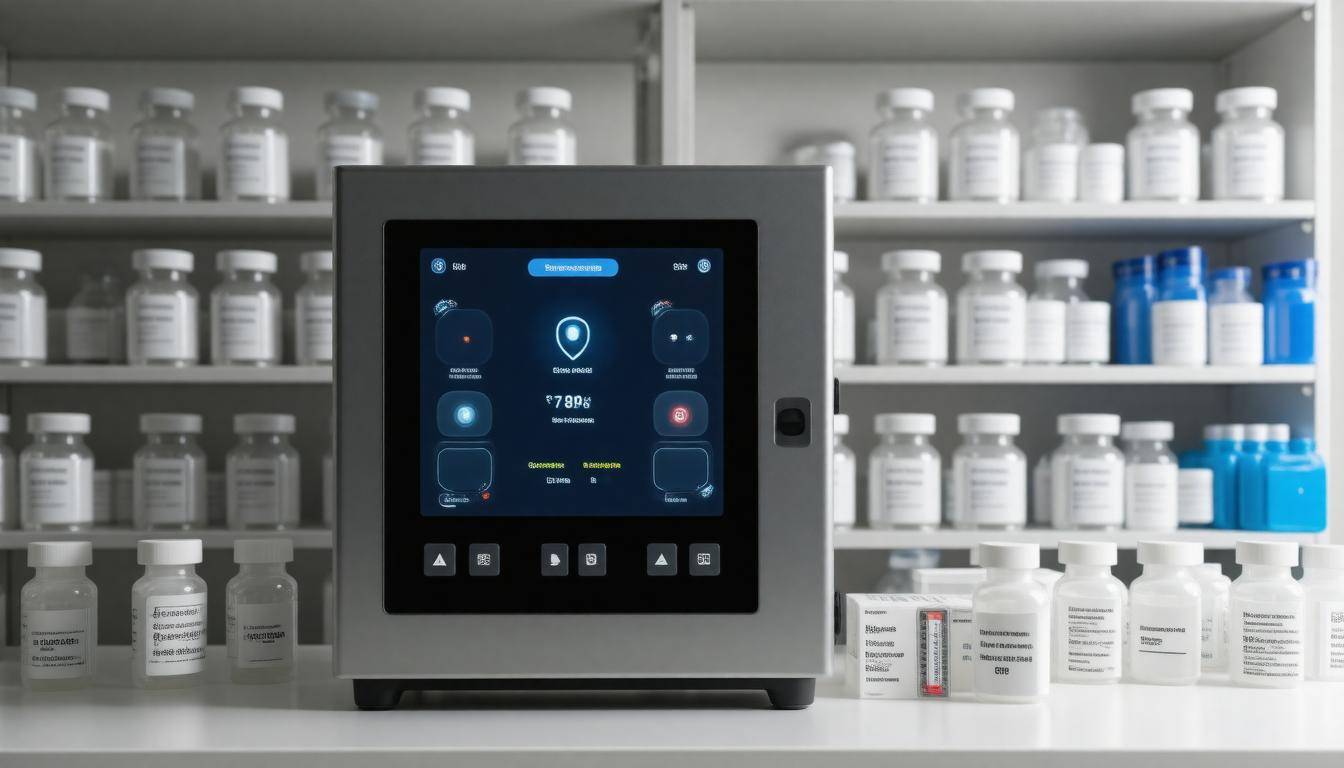
Environmental elements play a significant role in the efficacy of temperature-sensitive medications, and it’s not just about keeping them cool. Humidity, light exposure, and vibrations can adversely affect these medications, potentially compromising their integrity.
Humidity Concerns
High humidity levels can wreak havoc on medications, particularly those in capsule form. Capsules are designed to dissolve in your system, but when exposed to moisture, they can swell or even stick together. Imagine opening a bottle only to find that the capsules inside have clumped into an unusable mass. This problem often leads to waste, representing not just money lost but also potential health risks from using improperly stored medications. Maintaining low humidity is paramount; ideally, it should stay below 60%. Using desiccants—those little packets that come with new shoes or bags—can effectively absorb excess moisture and help maintain safe conditions.
Beyond humidity, light exposure also needs careful consideration.
The Effect of Light Exposure
Certain medications, known as light-sensitive drugs, require protection from direct sunlight. For instance, doxycycline can degrade significantly when exposed to light, rendering it ineffective for its therapeutic purpose. To combat this degradation, storing these medications in opaque containers or wrapping them in foil can be effective strategies for shielding them from harmful rays. Remember: just because a medication is in a cabinet does not mean it’s shielded from potential light exposure. Keep them away from windows and areas where direct light might enter.
Finally, the impact of vibrations might come as a surprise.
Vibrations and Their Impact
While we might think of stability in storage terms mostly related to temperature and humidity, vibrations can also pose a risk. Medications like injectables may have delicate components that could be affected by consistent movement or shaking. For example, some vaccines need to remain undisturbed to maintain their potency. Storing them securely—preferably in a designated area free from excessive movement—can help ensure their integrity. It’s all about treating these valuable items with care; after all, our health depends on them.
By being mindful of these environmental factors—humidity levels, light exposure, and vibrations—you can significantly enhance the safety and effectiveness of your temperature-sensitive medications.
Understanding how to monitor these critical variables will provide further insights into protecting your health through proper medication management.
Using Temperature Monitoring Tools
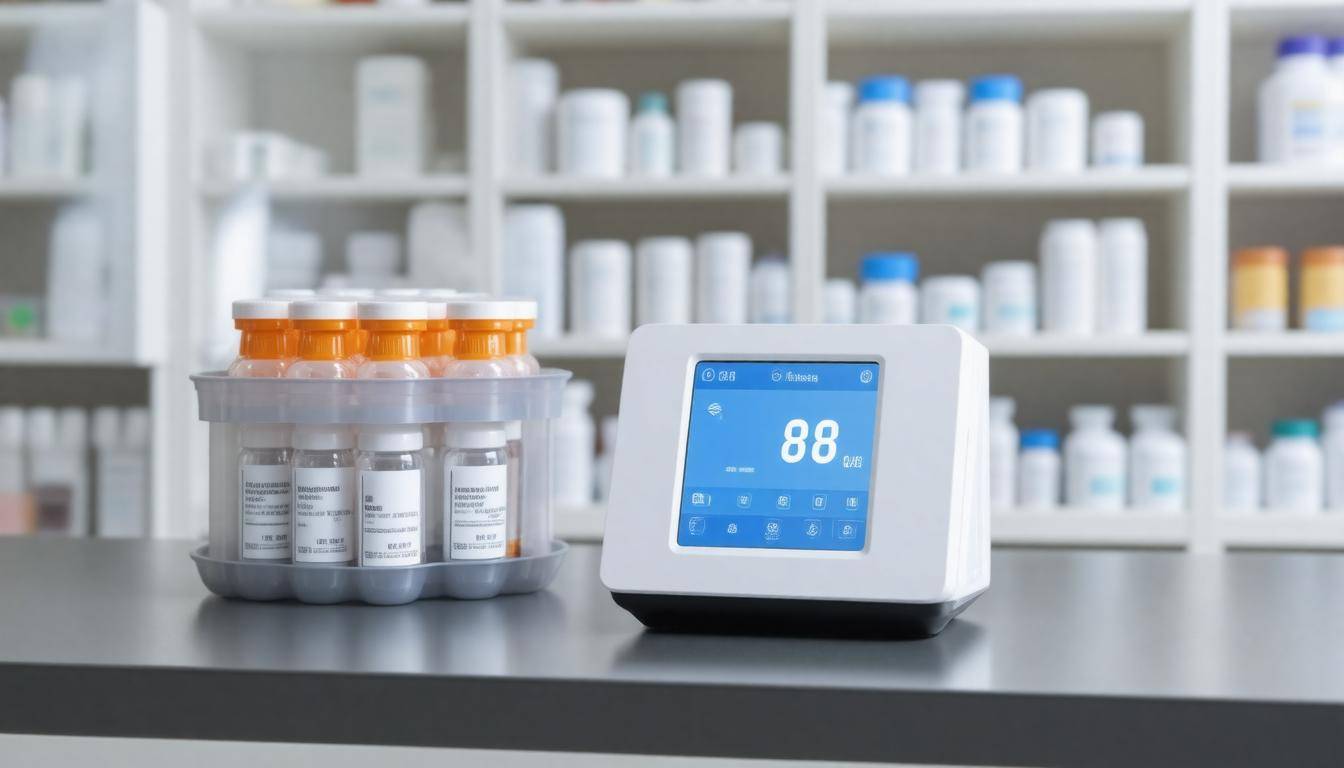
Continuous monitoring of storage temperatures is crucial for maintaining the efficacy of temperature-sensitive medications like vaccines. It’s no longer enough to rely on occasional checks or gut feelings; modern technology provides us with reliable methods to keep track of these vital temperatures. For those responsible for handling such medications, embracing these tools offers peace of mind and enhances patient safety.
Smart Tags and Sensors
One effective solution is Varcode’s Smart Tag technology, which offers precise and real-time monitoring from storage through transport. These smart tags are equipped with sensors that continuously measure temperature changes, ensuring that every medication container remains within its recommended temperature range. The beauty of using smart tags lies in their simplicity. Once attached to each container, they provide instant alerts if the temperature strays outside acceptable limits. This feature can make all the difference in preserving the integrity of your pharmaceuticals.
However, smart tags aren’t the only option available to you when it comes to safeguarding your medications.
Thermometers
Another fundamental tool for anyone in charge of vaccine storage is a reliable thermometer placed inside the storage area. These devices provide immediate feedback about current temperatures, allowing quick adjustments if something seems off. For a more sophisticated approach, digital data loggers are an excellent investment. They not only display live readings but also maintain a detailed historical record of temperature fluctuations over time.
| Tool | Use Case | Cost |
|---|---|---|
| Smart Tags | Real-time monitoring and alerts | $20 – $50 |
| Thermometers | Basic immediate readings | $10 – $20 |
| Data Loggers | Detailed historical data recording | $50 – $200 |
By equipping yourself with smart tags, thermometers, and data loggers, you create a robust system that supports accountability and precision in medication management.
Additionally, it’s essential to establish a comprehensive schedule for regularly checking and logging temperatures. This routine not only fortifies your adherence to safety standards but also helps ensure that your facility meets regulatory requirements. Remember that detailed documentation is as vital as the tools themselves; keeping track of any anomalies empowers you to take corrective actions swiftly and effectively.
Understanding how to manage these advanced monitoring tools sets a solid foundation for our next topic—preparing for unforeseen circumstances while ensuring these sensitive medications remain secure during transport.
Traveling with Sensitive Medications
Traveling often presents a challenge in maintaining the required temperature for medications, especially those that are sensitive to heat or cold. This makes proper preparation essential for carrying these vital medicines safely. The first step is to think ahead and plan how you’ll transport your medications. Insulated travel bags or coolers can be incredibly beneficial in keeping your medications within the necessary temperature range.
When packing, remember that not all temperature-sensitive medications require extreme cooling. Medications such as insulin need to be kept cool but should not come into direct contact with ice packs, which could freeze them. Instead, loosely surrounding them with ice packs while using an insulated bag creates a stable environment to maintain their potency. Furthermore, you can utilize special cooling wallets available online, designed specifically for medications like insulin, to keep them cool for extended periods without risking damage.
As you embark on your travels, understanding country-specific regulations becomes equally important.
Different countries have unique rules regarding the import of personal medications. For example, some may only allow a 5-7 day supply while others might permit up to three months’ worth of medications. Understanding these regulations beforehand helps avoid unnecessary complications at customs and ensures you won’t be left without necessary supplies.
Moreover, when flying, be sure to check airline regulations about carrying medication on board. Airlines may have specific requirements related to carrying medications, particularly liquids or injectables, so it’s wise to verify this ahead of time.
Lastly, maintaining documentation will smooth out any unexpected bumps along the way.
Carrying a signed letter from your doctor detailing your medications is one of the best practices for traveling with sensitive medication. This should include important information such as your name, date of birth, and the medical conditions treated with those medications. Having this documentation not only eases security concerns but can also provide clarity should you encounter any issues during travel.
Careful preparation and attention to detail will make traveling with sensitive medications much more manageable and safe, ensuring you have what you need wherever your journey takes you.
With these tips fresh in mind, let’s transition to identifying critical signs that could indicate your medications may not be safe for use.
Warning Signs of Compromised Medications
Being able to spot indicators that your medications have lost their effectiveness can truly be a lifesaver. Just imagine relying on a medication for managing a serious condition, only to discover it has become ineffective due to improper storage or contamination. The body often gives subtle signals that something isn’t right, and understanding these warning signs can make all the difference in ensuring your treatment remains effective.
One of the first things to look for is a change in color. For instance, insulin, vital for those with diabetes, should remain clear and consistent; if it appears cloudy or discolored, you should consider it suspect. This alteration can indicate that the medication has degraded and may no longer work effectively.
Another aspect worth examining is the texture of the medication itself.
If tablets become crumbly or if capsules begin to stick together—these are significant red flags. You might recall a time when you went to grab a pain relief tablet from the cabinet only to notice it’s not as pristine as it once was. This change can result from exposure to humidity or temperature fluctuations, both of which compromise the structural integrity of the medication.
Remember, “When in doubt, it’s safer to dispose of a suspicious-looking medication than risk taking it,” as one savvy pharmacist advised.
Beyond visual aspects, it’s essential to engage your sense of smell since an unusual odor can also signal problems with your medications.
If you detect a strange scent coming from a bottle of liquid medication or solid forms like creams and ointments, this could indicate chemical degradation. Medications ought to possess a neutral aroma, so any off-putting smell calls for caution. Not only does this hint at instability but it could also suggest that harmful breakdown products might be present within.
If you find yourself questioning the state of your medications based on any of these signs, don’t hesitate to throw them away and consult with a healthcare professional for further advice. Keeping your health intact should always take priority over any doubts lingering over your medications’ efficacy.
These precautionary measures are crucial in navigating the potentially dangerous landscape of temperature-sensitive medications. Just as we check expiration dates regularly, staying vigilant about unwanted changes in your medications ensures you’re always one step ahead in your healthcare journey.
In conclusion, understanding the warning signs and maintaining proper storage protocols will significantly enhance safety for your temperature-sensitive medications. Your health deserves nothing less than thorough attention and care.
Are there specific containers or packaging recommendations for transporting temperature-sensitive medications?
Yes, using insulated containers, such as thermal bags or coolers with ice packs, is recommended for transporting temperature-sensitive medications. These containers help maintain the required temperature range, typically between 2°C to 8°C (36°F to 46°F) for many biologics and vaccines. Studies show that improper storage can lead to a loss of efficacy in over 20% of temperature-sensitive medications, underscoring the importance of proper packaging and insulation during transport.
What types of medications are classified as temperature-sensitive?
Temperature-sensitive medications primarily include biologics, vaccines, insulin, and certain antibiotics. These drugs often require storage within specific temperature ranges; for instance, most vaccines need to be kept between 2°C and 8°C (35°F to 46°F) to maintain efficacy. According to the World Health Organization, improper storage can lead to a significant loss of potency, with up to 50% of some vaccines becoming ineffective if stored outside recommended temperatures. Thus, ensuring proper temperature control is crucial for patient safety and treatment effectiveness.
What are the recommended temperature ranges for storing temperature-sensitive medications?
Temperature-sensitive medications generally need to be stored between 2°C to 8°C (36°F to 46°F) for refrigeration, while some can be kept at room temperature (15°C to 25°C or 59°F to 77°F). Deviating from these ranges can lead to decreased efficacy or even spoilage of the medication; for instance, studies show that exposure to temperatures above recommended limits can reduce the potency by up to 10% for every month it is stored incorrectly. Proper adherence to these guidelines is critical to ensure patient safety and treatment effectiveness.
How can I monitor the temperature in my medication storage area effectively?
To effectively monitor the temperature in your medication storage area, invest in a high-quality digital thermometer with an alarm system that alerts you to temperature fluctuations. Studies show that improper storage conditions can reduce medication efficacy by 10-20%, so maintaining a stable environment is crucial. Regularly calibrate your thermometer every few months and consider using data loggers that provide continuous monitoring with remote alerts to ensure compliance with recommended storage temperatures, typically between 15°C and 30°C (59°F and 86°F) for most medications.
What should I do if I accidentally expose a temperature-sensitive medication to extreme temperatures?
If you accidentally expose a temperature-sensitive medication to extreme temperatures, the first step is to check the medication’s packaging or accompanying documentation for specific instructions. Generally, if the exposure lasted only a short time and the medication appears unaffected (e.g., no discoloration or changes in consistency), it may still be viable. However, medications like insulin or some biologics can lose efficacy after just one hour at high temperatures; according to research, up to 50% of insulin users report efficacy issues due to improper storage. If in doubt, it’s safest to consult your pharmacist or healthcare provider for advice on whether to use the medication or obtain a replacement.