
Tornadoes can strike suddenly and without warning, leaving devastation in their wake. Living in Texas, it’s crucial to prepare for these unpredictable storms, and that starts with having a well-thought-out tornado emergency kit. Knowing what supplies to have on hand can make all the difference when the skies darken and the winds pick up. This kit acts as your safety net, ensuring that you and your loved ones are ready for whatever Mother Nature throws your way. From food and water to first-aid supplies and safety gear, let’s dive into the essentials everyone in tornado-prone areas should consider packing.
A Texas Tornado Emergency Kit should include a 3-day supply of non-perishable food and at least 1 gallon of water per person per day, a well-stocked first-aid kit, battery-powered radios for communication, flashlights with extra batteries, and necessary personal hygiene products. Additionally, consider including important documents, pet supplies if applicable, and any special items needed for individuals with disabilities to ensure preparedness during a tornado emergency.
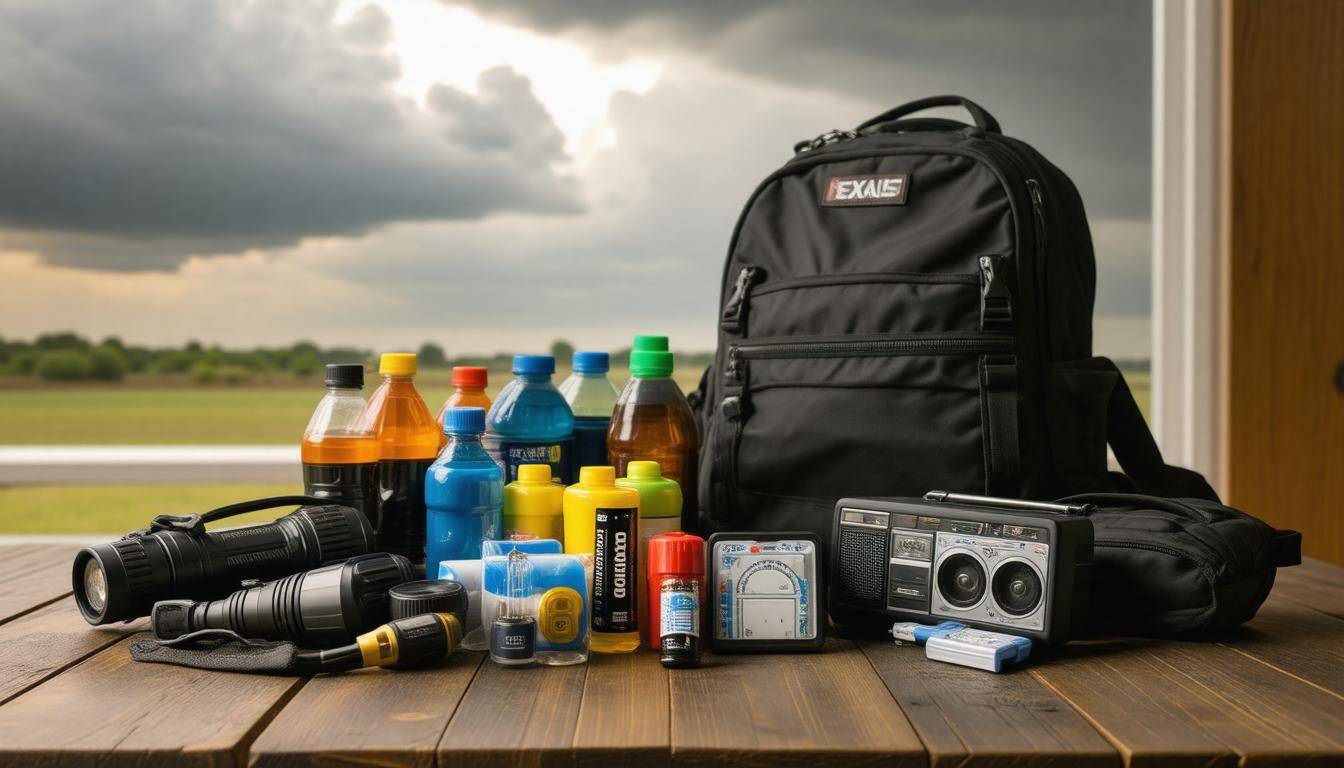
Texas Tornado Preparedness
To effectively prepare for tornadoes, it’s not enough to merely know that they can occur; you have to take proactive steps. Start by assessing your home’s risks. Do you live in a mobile home or an older house? If so, you might want to look into becoming familiar with local shelters. Regardless of your home type, make sure your emergency plan is communicated clearly among all family members so everyone knows what to do and where to go when alerts come in.
One of the best initial actions is to set up a designated safety zone in your home—preferably on the lowest level away from windows. Fill this area with blankets, pillows, and a battery-powered radio for communication.
It’s also wise to conduct regular drills. Much like schools practice fire drills, establish a routine where you simulate tornado emergencies as a family. This teaches children and adults alike how to respond quickly under pressure, reinforcing what you’ve discussed.
On the equipment front, consider investing in quality indoor safety items such as helmets or sturdy furniture. Heavy items that can fly around during high winds should be secured or moved to safer areas to prevent injury or damage.
According to the Texas Division of Emergency Management, being actively engaged in your preparedness plans fosters resilience during emergencies.
For instance, having reinforced windows can reduce the risk of injuries from flying debris significantly—the glass won’t shatter easily, providing an added layer of protection for you and your loved ones.
Additionally, keep important documents organized in a waterproof container as part of your preparedness strategy. In times of chaos, easy access to copies of insurance policies, identification cards, and medical records can save time and alleviate stress when seeking assistance after a disaster.
By creating a robust system of preparation and safety measures at home, you’re laying the groundwork for effective responses in emergency situations. This ties into understanding the essential supplies needed to navigate tornado scenarios safely.
Importance of a Tornado Emergency Kit
A tornado emergency kit acts as your lifeline during and after a tornado, ensuring that you and your family can survive the initial disaster and its aftermath. It is crucial to prepare for the unpredictable — just like that unexpected storm that swept through Texas one spring evening.
Sometimes, tornadoes can disrupt not only our immediate environment but also everyday conveniences such as water, electricity, and emergency medical care. Without warning, the life you’re used to can go upside down in an instant. That’s where having an emergency kit stocked with essential items can mean the difference between life and death.
Imagine this: a tornado strikes late at night, obliterating everything familiar — your power goes out, and suddenly every electrical device which could have helped is rendered useless. Would you have access to what you need? That’s why preparation is key.
A well-prepared emergency kit will make a challenging situation more manageable. The basics should include:
- Battery-operated lanterns for light when it’s darkest
- Bottled water — at least one gallon per person per day for hydration
- Long-lasting non-perishable food options to ensure you have nutrition at hand
“After experiencing a tornado firsthand, having an emergency kit gave us peace of mind and the essentials we needed to last until help arrived,” recalls Texas resident Jamie Perkins. This sentiment resonates with many who have felt the unpredictability of storms in their lives.
Having these supplies ready isn’t just smart; it provides comfort in knowing that when disaster strikes, you’re prepared.
Speaking of essentials, focusing on food and water specifically is vital during any emergency, including tornadoes. By stocking non-perishable food items such as canned goods or freeze-dried meals along with adequate water supply, you set yourself up to get through those critical first few days when access to resources may be severely limited.
Essential Food and Water Supplies
Having enough food and water during a tornado emergency can make all the difference in maintaining health and well-being. In the chaos that follows such a disaster, access to clean water may become scarce, making it essential to have your emergency kit stocked appropriately. FEMA suggests storing at least one gallon of water per person per day for a minimum of three days. This calculates to twelve gallons for a family of four—ample for both drinking and sanitation purposes.
Step I – Water Supply
Water is not just about hydration; it plays a key role in personal hygiene as well. When planning your water storage, think beyond mere survival; consider how you will maintain cleanliness to prevent illness.
Aim to keep your water supply in sturdy containers that resist leaking or breakage. Stainless steel bottles are an excellent choice since they’re durable and can also be used to purify water over a small flame if necessary. It’s vital to check on the supplies regularly and rotate them so you always have fresh water available.
Step II – Food Provisions
Choosing the right food items for your tornado emergency kit is equally important. Opt for non-perishable foods like canned goods, dried fruits, nuts, and energy bars—items that pack nutrition without requiring immediate cooking or special preparation. Canned soups can be a comforting choice, but ensure you include a manual can opener in your kit to access them easily. To maximize efficiency during a crisis, it’s advisable to choose ready-to-eat meals that require no heating or complicated steps.
Quick Tip: When stocking up on snacks, focus on high-energy options such as granola bars, trail mix, or peanut butter crackers. These can give you an easy boost during stressful situations without taking much space or time.
Always keep an eye on expiration dates as well; replacing expired items before they become unusable can save you from stress when you need these provisions most. If you have pets, don’t forget about their needs: including a three-day supply of pet food ensures they remain cared for while you’re handling the situation.
While food and water are vital, addressing medical necessities will also prove essential when dealing with the aftermath of a tornado.
First Aid and Medical Necessities
As tornadoes sweep through communities, injuries can often occur amidst the chaos. This is why having a comprehensive first aid kit is not just advisable; it can genuinely save lives. Imagine being in an emergency situation where every second counts, and you lack access to basic medical supplies—this underscores the importance of preparation.
Your first aid kit should contain essential items such as:
- Adhesive bandages
- Sterile gauze pads
- Antiseptics like alcohol wipes
- An assortment of pain relievers
However, it’s also crucial to consider adding advanced items like splints to stabilize fractures and antibiotic ointments to prevent infections.
Medications and Prescriptions
It’s vital not to overlook your personal medical needs when assembling your kit. Always include a week’s supply of any prescription medications you or your family members may require, ensuring these are organized neatly in the kit. Accompany these medications with a detailed list of dosages and administration instructions.
This simple step could be lifesaving if you find yourself stranded or cut off from pharmacies during emergencies.
According to the American Red Cross, having an organized and accessible first aid kit can increase the chances of surviving and recovering from injuries by up to 50%. Knowing that piece of information can motivate anyone to take this step seriously.
Beyond standard first aid items and personal medications, remember to pack additional comfort and care products. Think about including:
- A thermometer to monitor fevers
- Instant cold packs for swelling
- Scissors for cutting gauze or tape
- Disposable gloves to maintain hygiene while administering care
- A CPR face shield for mouth-to-mouth resuscitation
With these essential medical supplies lined up, let’s transition to exploring the critical physical safeguards you need when faced with tornado threats.
Shelter and Safety Gear Essentials
Your first line of defense against the unpredictable nature of tornadoes is your emergency shelter gear. While it can be daunting to think about facing such intense storms, preparation will provide you with not just safety but also peace of mind.
Having sturdy tarps on hand can create an instant shelter in case your home becomes compromised or if you find yourself outdoors during a storm. These tarps are robust enough to withstand strong winds and can be secured with rocks or heavy objects to prevent them from flying away.
Emergency Shelter Items
Heavy-duty blankets serve a dual purpose: they can keep you warm during those tumultuous nights without power, and they add an extra layer of protection from potential debris. An inflatable mattress may sound luxurious, but in an emergency scenario, it’s about comfort as much as practicality; it elevates you off damp or cold ground while offering significant cushioning should the surface be unstable.
Remember to keep these items easily accessible so that when an emergency strikes, you’re not scrambling through clutter to find them.
Keeping a portable weather radio in your kit is essential; it keeps you updated on the storm’s progress, alerting you about any changes in its path.
Personal Safety Gear
Just as important as creating a safe space lies in protecting yourself physically from hazards. Helmets provide indispensable head protection against flying debris — they are not just for construction workers but for anyone expecting rough conditions. Choose helmets that meet safety standards; they should comfortably fit and have adjustable straps for a snug fit during high winds.
Safety goggles are another crucial piece of gear. They shield your eyes from dust, debris, and potential injury. Alongside these, durable gloves are invaluable when you’re forced to move debris or make quick adjustments to your makeshift shelter.
You should also include signaling devices like whistles or air horns in your kit; if trapped or separated from others, these compact items increase your chance of being found by rescuers.
While having individual safety items is essential, the effectiveness of your preparations hinges on how well you organize and pack them for easy access when the need arises.
Packing Your Emergency Bag Effectively
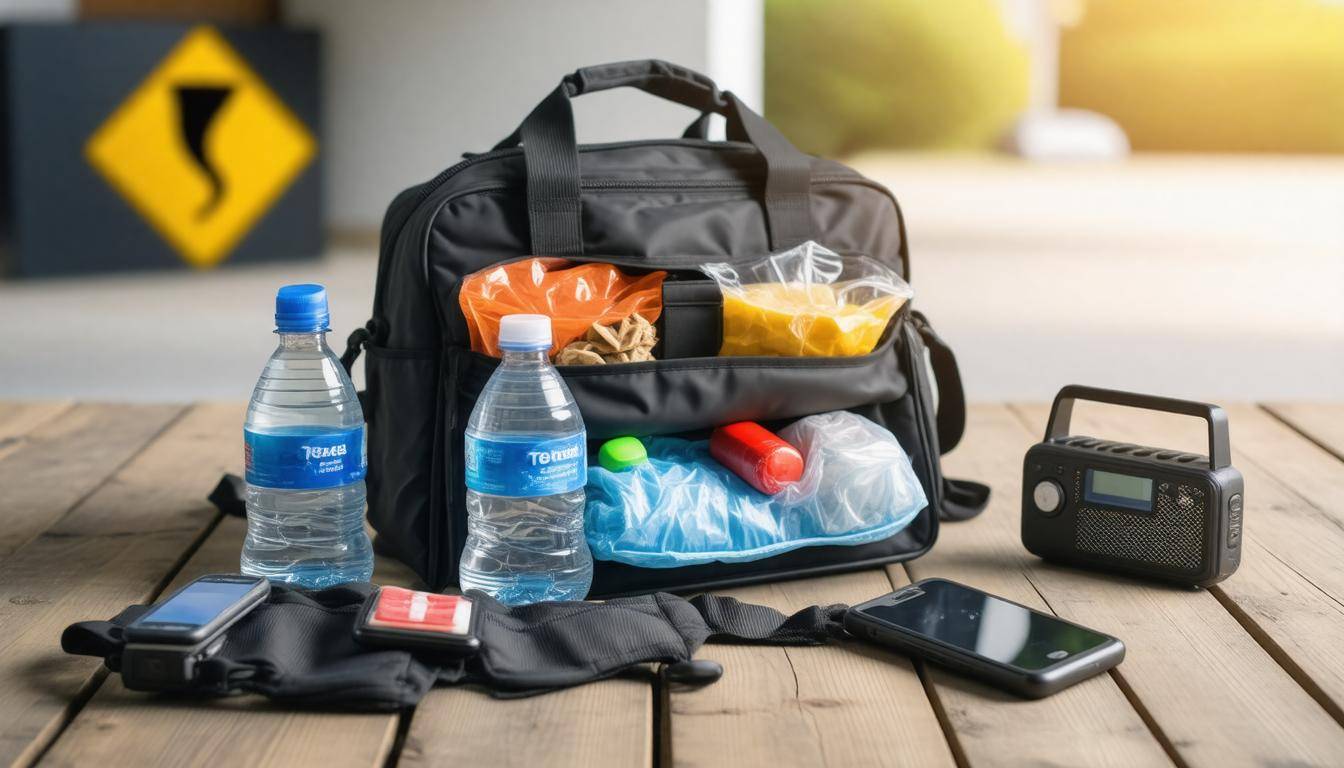
Organizing and packing your emergency kit correctly ensures you can access items quickly when you need them most. It’s much more than just throwing a few essentials into a backpack; it’s about creating a system that weaves efficiency into chaos, ensuring that when the storm hits, you don’t waste precious time rummaging for supplies.
Imagine needing a first aid kit but having to dig through layers of cluttered items — panic can set in quickly, but with an organized system, you’ll handle emergencies with ease.
Use Clear Containers
One effective strategy is to pack items in clear, waterproof containers. Not only does this allow you to see at a glance what supplies you have, such as food or bandages, but it also protects everything from water damage. These containers can be stacked neatly in a designated area of your home or vehicle, and labeling each container can streamline the process even further. For example, if labels read “First Aid,” “Food,” or “Tools,” you’ll know exactly where to reach without second-guessing yourself.
Prioritize Essentials
Equally important is prioritizing your essentials. Place the most critical items—such as first aid supplies, water, and medications—in easily accessible areas of your bag. This might mean tucking those heavier items toward the bottom while keeping lighter materials on top for balance. The Organization of Strategic Preparedness emphasizes this approach as it helps ensure that in times of urgency, you can quickly grab what you need without unnecessary delays. Keeping flashlights and batteries readily available makes sense because during a power outage, fumbling around for things can raise anxiety levels considerably.
It’s essential to not only have the right items packed but also to place this bag strategically in your home so that it becomes part of your regular routine—easily within reach and ready for action at a moment’s notice.
Placement Matters
Assessing the placement of your emergency bag is crucial for reducing response time when seconds count. Consider storing it near an exit or in a designated spot like your bedroom closet—somewhere everyone knows to look. If you live with family members, involve them in the decision-making process; once they are aware of where to find the emergency kit, everyone will feel more prepared and less anxious when storms roll through Texas.
Being proactive with organizing and maintaining your emergency kit will give you confidence, allowing you to face any storm knowing you’re ready.
With an effective packing method sorted out, let’s further explore how to ensure this kit is optimally positioned within your living space for maximum accessibility.
Optimal Kit Placement in Your Home
The placement of your emergency kit is more than just a matter of convenience; it’s a vital strategy for ensuring your safety during a tornado. Like positioning a life preserver on a ship, you want to have immediate access when the storm hits. A central location, such as a hall closet or under the staircase, is ideal because these places are typically easy to reach and offer some protection while allowing for quick escape. If you are fortunate enough to have a basement, that’s even better! Basements serve as both storage and safe rooms, providing a fortified area when disasters unfold.
Now, consider the importance of creating a network of emergency supplies throughout your environment. There’s wisdom in the saying, “Don’t put all your eggs in one basket.” Following this principle can be particularly useful when it comes to emergency preparedness. Having smaller kits in various locations—your car, workplace, and bedrooms—ensures that no matter where you are when a tornado strikes, you’re equipped with vital supplies. It’s like having multiple lifelines at the ready, offering peace of mind and quick accessibility.
Assembling family members for discussion about where these kits should be kept could also offer practical insights—after all, they might know of places that are both safe and convenient.
Consider how to organize these kits efficiently. Using waterproof containers can protect supplies from potential flooding or water damage—an essential qualifier since tornadoes can bring unexpected weather changes along with them. Regular checks every six months allow you to ensure all items are fresh, usable, and not expired. This proactive maintenance is akin to keeping an eye on the weather forecast: it prepares you for what’s ahead without waiting for an emergency to make an assessment.
With optimal placement and organization behind you, it’s now essential to formulate a comprehensive strategy outlining how your family will respond effectively when disaster strikes.
Creating a Family Tornado Safety Plan
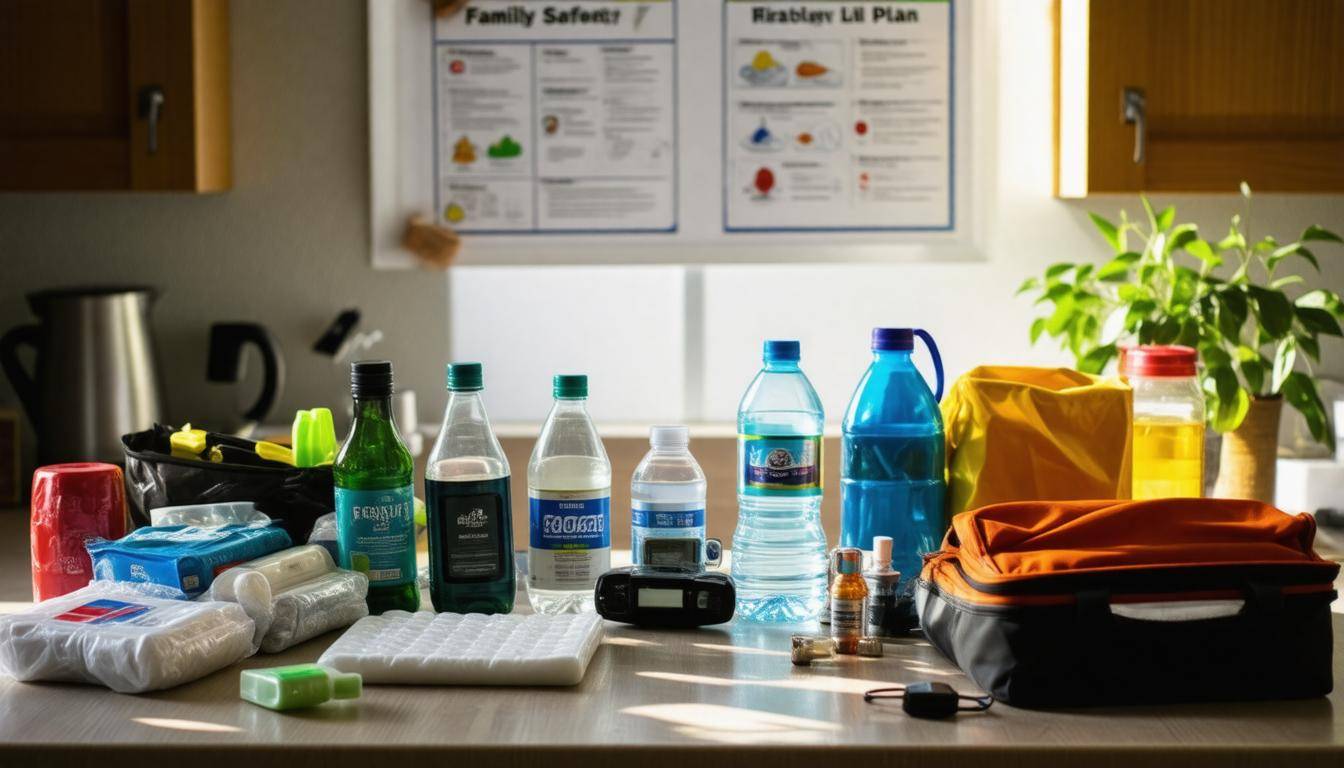
A family safety plan creates an organized approach, ensuring everyone is prepared and knows exactly what to do when the sirens sound or a warning is issued. This sense of order can significantly decrease panic during emergencies, allowing your family to focus on getting to safety. It’s not just about having a plan; it’s understanding it and practicing it regularly.
Step I – Designate Safe Rooms
Begin by identifying the safest spots in your home where you and your loved ones can take shelter during a tornado. Typically, this will be in a basement or a small interior room on the lowest floor, far away from windows and potential debris.
Consider the layout of your home and communicate these designated areas clearly with your family. It might seem simple, but repetition is key; people often forget details in stressful situations.
“We went through our house and pinpointed places where we’d all go,” shares Jake Harrison, who emphasizes how this preparation made all the difference for his family during a severe storm last spring.
Step II – Communication Plan
The next step is to devise a robust communication strategy. Ensure everyone knows how to reach one another if they’re separated when disaster strikes. Discuss various ways to maintain contact—whether through text messages, phone calls, or even using walkie-talkies if reception is compromised.
In addition, establish predesignated meeting locations outside the home where your family can gather once it’s safe to emerge.
While it may feel tedious to create such plans, think of it like practicing fire drills; the peace of mind knowing you have a route out makes the effort worthwhile.
| Step | Action |
|---|---|
| Designate | Safe rooms identified; usually basements |
| Communicate | Plan for staying in touch |
| Assembly | Meeting points designated outside the home |
Establishing these two vital components lays the groundwork for a comprehensive emergency plan that keeps everyone connected and aware of their surroundings during tumultuous times.
This plan isn’t just an exercise; it’s a commitment to each other’s safety. Regular practice reinforces familiarity, making it instinctual when tornado warnings occur.
As families across Texas gather together for their emergency drill, they cultivate resilience against nature’s unpredictability—teaching their children essential skills for life, well beyond the storm.
In summary, having a well-thought-out tornado safety plan not only prepares you for the worst but strengthens family bonds in the face of adversity. Having this proactive mindset ensures that you’re ready when disaster strikes.
Are there specific considerations for making an emergency kit suitable for children or pets?
Yes, when creating an emergency kit for children or pets, it’s crucial to include age-appropriate items and personal necessities. For children, consider including comfort items like toys, snacks, and any medications they may need. For pets, ensure you have sufficient food, water, leashes, and any specific medications. Statistically, children and pets are often the most vulnerable during disasters; preparing their kits can greatly reduce anxiety and improve safety in emergencies.
What strategies can you implement beyond the emergency kit for overall tornado preparedness in Texas?
To enhance tornado preparedness in Texas beyond assembling an emergency kit, individuals should develop a comprehensive family communication plan, establish a designated safe location within their home (preferably in a basement or an interior room away from windows), and participate in community preparedness training. Research indicates that having a family plan can significantly reduce panic and increase safety during severe weather events; according to FEMA, communities with implemented emergency plans see a 25% reduction in fatalities during such emergencies. Furthermore, staying informed about weather alerts through apps and local news can ensure timely actions are taken before disaster strikes.
What specific items should be included in a tornado emergency kit for Texas residents?
Texas residents should include essential items in their tornado emergency kit such as a battery-powered weather radio, non-perishable food and water (at least one gallon per person per day for three days), first aid supplies, flashlights with extra batteries, a whistle to signal for help, dust masks to filter contaminated air, and sturdy shoes. Statistics show that Texas experiences more tornadoes than any other state, averaging about 140 tornadoes annually, emphasizing the need for preparedness in areas prone to severe weather. Having these supplies ready can make a critical difference in survival during an emergency.
Where should you keep your tornado emergency kit for easy access during a storm?
You should keep your tornado emergency kit in a designated area that is easily accessible, such as a basement or a storm shelter, ideally within 10 feet of the exit to ensure rapid access during a storm. This increases your chances of grabbing it quickly; according to recent statistics, nearly 40% of tornado-related fatalities occur when people do not have their emergency supplies ready. Having your kit stored in an easily reachable spot can save valuable time and help ensure your family’s safety.
How often should you check and replenish your tornado emergency kit supplies?
You should check and replenish your tornado emergency kit supplies at least every six months. This ensures that items like food, water, batteries, and medications are fresh and functional since many emergency supplies have expiration dates. Regular checks help to maintain readiness, as studies show that preparedness can significantly reduce injury and property damage during extreme weather events. Keeping your kit up-to-date is vital for safety when unexpected tornadoes strike, especially in tornado-prone areas of Texas.