
When accidents occur on the road, the immediate response can be chaotic and overwhelming. Emergency responders must quickly step in, ready to assess the situation and provide aid to those trapped inside vehicles. Vehicle extrication is more than just a rescue; it requires a well-thought-out approach focused on safety for both the victims and the rescuers. With advancements in vehicle technology and varying accident scenarios, understanding proper extraction techniques has never been more critical. This guide will walk you through essential protocols, procedures, tools, and roles of each team member involved, ensuring that both rescuers and victims are safeguarded during these incredibly challenging moments.
The key safety guidelines for vehicle extraction techniques include ensuring personal safety by turning off the vehicle’s power, wearing hi-visibility vests, and being aware of potential hazards such as leaking fuel or power lines. Additionally, responders should always confirm that airbags are disabled before entering the vehicle to prevent injury upon deployment and maintain a focus on patient stability assessment throughout the process.
Essential Vehicle Extrication Procedures
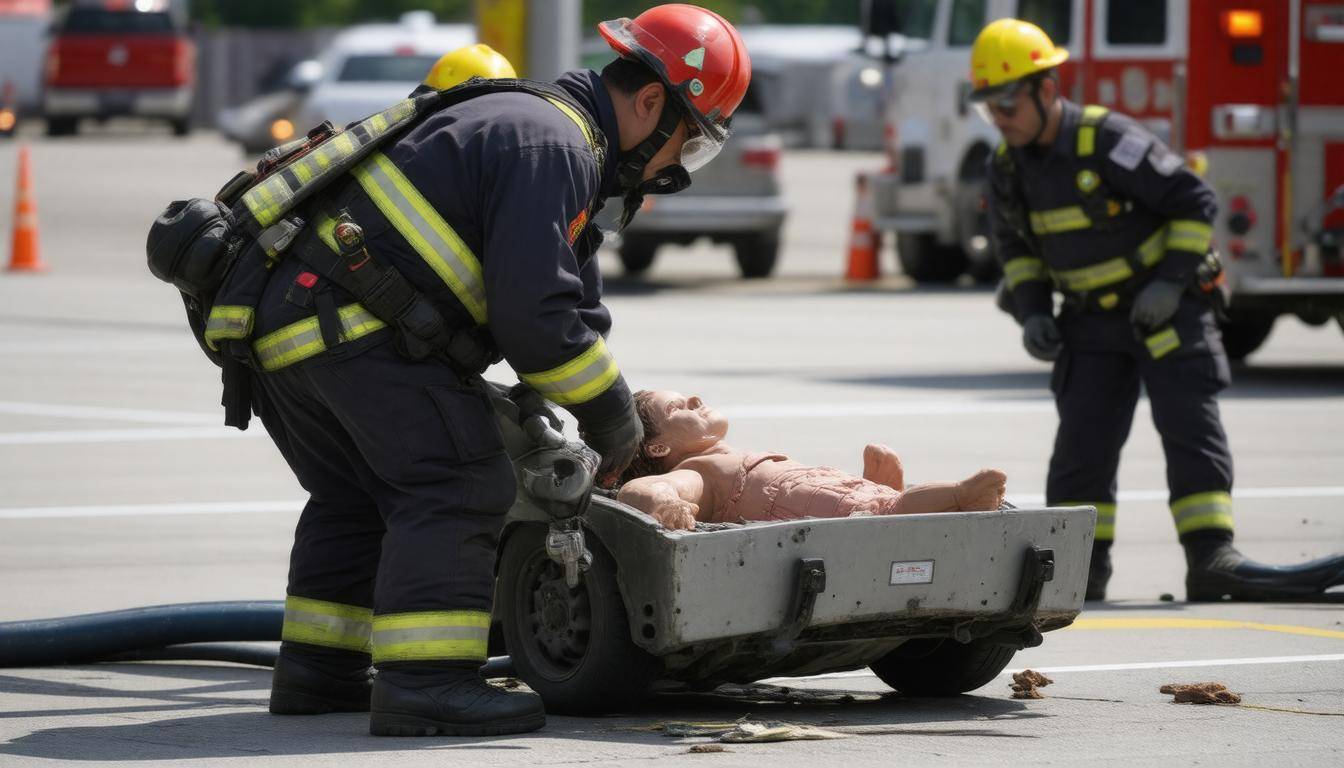
Vehicle extrication is not just about removing someone from a wrecked car; it’s a meticulous process that prioritizes safety and effectiveness. The first step, Scene Assessment, involves observing the accident site for any potential hazards like leaking fuel or unstable vehicles. Imagine approaching a chaotic scene where adrenaline runs high—your eyes scan for downed power lines or other dangers that could further complicate rescue efforts. This vigilance ensures everyone’s safety before taking action.
Once the scene is assessed and deemed safe, the next critical step is Stabilizing the Vehicle. This can be done using wheel chocks and stabilization struts designed to hold the vehicle in place. Deflating tires can further aid stabilization, lowering the vehicle’s center of gravity and making it less likely to shift during the extraction process. It is crucial that firefighters and emergency personnel take this step seriously, as an unstable vehicle can lead to injuries for both trapped individuals and rescuers trying to assist.
After securing the scene and stabilizing the vehicle, attention turns to Accessing the Vehicle. Depending on how crushed or damaged the car is, various tools come into play here. Hand tools might suffice for minor openings, but hydraulic rescue tools, affectionately known as the “jaws of life,” are often necessary for more complex rescues. These powerful devices easily cut through metal and open doors or roofs to allow access. The choice of method hinges on conditions; if a door is jammed shut, cutting it away may be the only option.
With access achieved, responders must then conduct an Initial Medical Assessment of anyone trapped inside the vehicle. This immediate assessment focuses on vital signs and identifying any life-threatening injuries that might require urgent attention. Time is of the essence—responders may need to quickly decide whether to prioritize rapid extrication or provide immediate medical care based on injury severity.
Finally comes the ultimate goal: Extrication and Removal of victims. Careful techniques such as spinal immobilization are critical here to prevent further injury during movement. Utilizing long backboards or Kendrick Extrication Devices (KEDs) allows responders to secure patients properly before maneuvering them out of tight spaces in the wreckage. It’s an intricate dance between urgency and caution—each move calculated not just for escape but also ensuring patient safety throughout.
These steps form a framework for extrication, emphasizing preparedness and careful execution in high-stakes situations. Adhering strictly to this protocol enhances efficiency while minimizing risk, paving the way for better outcomes in emergencies. As we explore these urgent themes further, it becomes clear how critical proper protocols are for protecting rescuers during their efforts.
Safety Protocols for Rescuers
Safety protocols are at the heart of effective vehicle extraction, emphasizing the well-being of all involved. Every extrication team member must embrace these protective measures to ensure their own safety and execute a successful rescue. A particularly critical aspect is the adherence to personal protective equipment (PPE). Wearing the proper gear—such as helmets that meet ANSI Z89.1 standards, cut-resistant gloves, safety goggles, and high-visibility vests—is non-negotiable. The environment during an extraction can be unpredictable; flying debris, hazardous materials, or exposure to extreme conditions demand robust protection.
When it comes to scene safety, maintaining a secure perimeter around the accident site is crucial. Establishing at least a 50-foot radius keeps unauthorized people away, minimizing distractions that could lead to accidents. Using cones or advanced barriers effectively communicates boundaries. Moreover, it’s vital to deactivate any potential fuel or electrical hazards before approaching the vehicle. This prevents fueling fires from ruptured fuel lines or exposed wiring, creating a safer environment for responders while maximizing efficiency in the rescue process.
An established command structure can help prioritize tasks during critical situations. Roles like Incident Commander and Safety Officer should be predefined so everyone knows their responsibilities when time is of the essence.
Even with safe perimeters and proper PPE in place, it is imperative to recognize unforeseen risks that could arise during an operation.
One common safety concern involves undeployed airbags within vehicles, which can deploy unexpectedly and pose severe injury risks to both rescuers and individuals inside the vehicle. Responders should always be aware of airbag locations in vehicles—especially newer models packed with multiple airbags. Utilizing airbag restraint devices such as chocks or specialized covers can mitigate this risk by securing the potential deployment zones effectively. Also, keeping a safe distance from those areas during extraction operations minimizes exposure.
Another vital element to consider is ongoing assessment of the scene amid rescues. Assessing changing dynamics such as engine status (running or off) and observing passenger behavior inside the vehicle can offer insights into how to proceed safely while keeping a close eye on any shifting threats such as leaking fluids or structural instability—all factors contributing to creating a precarious environment.
In this field, you learn quickly: if you’re comfortable, you’re likely not being careful enough! Those on the front line need to foster an attitude where they anticipate challenges and prepare thoroughly for unexpected occurrences—essentially adopting a mindset that treats each extraction as unique.
Embracing these protocols bolsters responder safety and enhances the effectiveness of emergency extrication techniques, leading to improved outcomes for all involved in serious incidents on our roads.
As we continue exploring this crucial aspect of emergency response, let’s shift our focus to tools designed specifically for enhancing efficiency and safety during these high-pressure situations.
Specialized Extrication Tools
The right tools truly make a world of difference in vehicle extrication. Starting with hydraulic rescue tools, commonly referred to as the “jaws of life,” these powerful devices are fundamental in emergency scenarios. Capable of cutting through thick metal and spreading apart vehicle components, they create access points that might otherwise be impossible to reach. The sheer force these tools can exert is astonishing, typically operating at pressures between 5,000 and 10,000 psi. With them in hand, first responders can safely navigate through wreckage and extract victims swiftly.
Hydraulic Rescue Tools
Beyond just the jaws of life, hydraulic rescue equipment includes various devices such as spreaders and cutters. The hydraulic cutter, for example, can slice through materials ranging from a quarter-inch to half-inch steel depending on the model. Battery-operated versions are increasingly popular; some can make up to 300 cuts on a single charge. This extended operational ability allows rescuers to focus on extracting individuals without the constant worry of losing power midway through a critical operation.
Next in line are tools designed specifically for glass management.
Glass Management Tools
Window removal during extrications introduces unique challenges due to shattered glass fragments. This is where specialized glass management tools shine. Items like glass cutters and hammers allow responders to safely break away windows without creating additional hazards from flying shards. To further ensure safety, special blankets help contain glass fragments during the process. Maintaining a clean workspace minimizes risks, allowing responders to concentrate entirely on their mission—saving lives.
As critical as effective cutting and glass-management tools are, stabilization equipment plays an equally significant role.
Stabilization Equipment
The following items are essential for maintaining vehicle stability during the extraction process:
- Struts
- Cribbing blocks
- Ratchet straps
These stabilization tools protect both the victim and the rescuers throughout the extrication process by ensuring that the vehicle remains steady and secure while operations unfold. Properly stabilizing a vehicle prevents unnecessary movement that could lead to additional injuries or damage during the rescue.
Having specialized tools at your disposal enhances efficiency and fundamentally impacts the safety of both victims and responders alike during emergency extrication situations.
Understanding how these various tools function sets a solid foundation as we explore the roles and responsibilities involved in successful rescues.
Rescuer Roles and Responsibilities
Different team members hold specific roles to ensure a coordinated and efficient operation. Each role addresses specific needs during emergencies and significantly affects the outcome of the rescue. For instance, the Incident Commander plays a pivotal role by directing operations, making strategic decisions, and ensuring communication among team members. They serve as the primary decision-maker on the scene, acting as the conductor of an orchestra, laying out plans for both immediate actions and long-term strategy. This position requires not just experience but also clear communication skills to liaise effectively with others, keeping everyone informed about evolving situations.
Incident Commander
The importance of this role cannot be overstated. During chaotic moments, having someone who can maintain perspective while coordinating various teams makes all the difference. An effective Incident Commander evaluates risk factors, communicates the level of urgency for each victim’s condition, and delegates specific tasks to other responders based on immediate needs.
If you’ve ever participated in an operational exercise or drill, you’ll know that practicing these roles is crucial for honing skills necessary in real-world scenarios. You want the Incident Commander to have a firm grasp of protocols, familiarity with tools that will be used, and understanding vehicle dynamics—especially when electric vehicles introduce new risks.
Medical Officer
Next is the Medical Officer, whose responsibility it is to conduct initial medical assessments upon arrival at the scene. Quick decisions made here influence both patient stability and the extraction process. The Medical Officer provides first aid, maintains communication with transport services about the status of victims, and continuously monitors conditions until they can be safely removed from the vehicle.
This isn’t just about treating visible injuries; understanding mechanisms of injury can be paramount. For example, if a vehicle has been involved in a high-speed crash, spinal injuries may occur even without apparent symptoms. This awareness can inform how future extrication efforts should be approached.
Tool Operations Specialist
Moving on, we have the Tool Operations Specialist, who operates hydraulic tools and other specialized equipment during the extraction process. Their expertise becomes critical when dealing with various types of vehicles that may have unique materials or structural considerations—think modern cars using ultra-high-strength steel or advanced composite materials affecting cutting techniques or safety measures.
Having someone skilled in using these tools allows for safe access points to be created swiftly and intentionally without putting additional pressure on patients or compromising their safety further.
Safety Officer
Last but definitely not least is the Safety Officer, whose role centers around vigilance for potential hazards at an accident scene. They ensure all protocols and safety measures are being followed meticulously. Whether confirming that vehicles are turned off to prevent electrocution hazards or announcing when it’s safe to approach a car after assessing explosion risk, their constant presence acts as a safeguard for both rescuers and victims alike.
Assigning these roles streamlines the extrication process, making it faster and safer for everyone involved. As each member understands their responsibilities clearly, they contribute to a cohesive response that ultimately prioritizes safety and efficiency at every turn.
Challenges in Vehicle Extrication
Notably, modern vehicles come equipped with intricate designs that prioritize occupant safety; however, these advancements can complicate rescue efforts significantly. Reinforced structures are a common feature; while engineered to absorb impact, they can pose significant challenges when attempting to free trapped individuals. As rescuers try to access the interior of these vehicles, they often encounter extensive barriers including additional metal reinforcements and complex airbag systems which require specialized training and tools to navigate safely.
In addition to structural complexities, the situation on the ground can pose another layer of difficulty.
The placement of a vehicle post-collision is often unpredictable. Whether it has flipped over or is wedged against an object, accessing the trapped individuals without further exacerbating their injuries is a tough balancing act for emergency responders. Imagine trying to pull someone out of a car that’s teetering dangerously on its side—every motion counts and one wrong tug could mean serious repercussions for the victim’s safety.
But it’s not just the vehicle’s position that’s challenging; environmental conditions also play a significant role in rescue effectiveness.
Weather conditions can create substantial hurdles during vehicle extrications. Heavy rains might make the road slippery, impacting not only the tools used but also the stability of the vehicle being worked on. On scorching summer days, tools can become dangerously hot, while cold winter conditions can freeze essential components stiff, impairing any attempts to leverage them effectively. Such variability necessitates that rescue teams come prepared with knowledge around how different conditions affect both equipment and extraction methods employed.
Recognizing these diverse challenges illustrates a crucial point: continuously adapting through regular training ensures first responders maintain their readiness. Understanding modern vehicles’ risks and being aware of how environmental factors can impede progress lays the groundwork for effective responses.
As we move forward, it’s important to consider how ongoing education and practice can enhance skills and preparedness for tackling these demanding scenarios.
Continuous Training and Preparedness
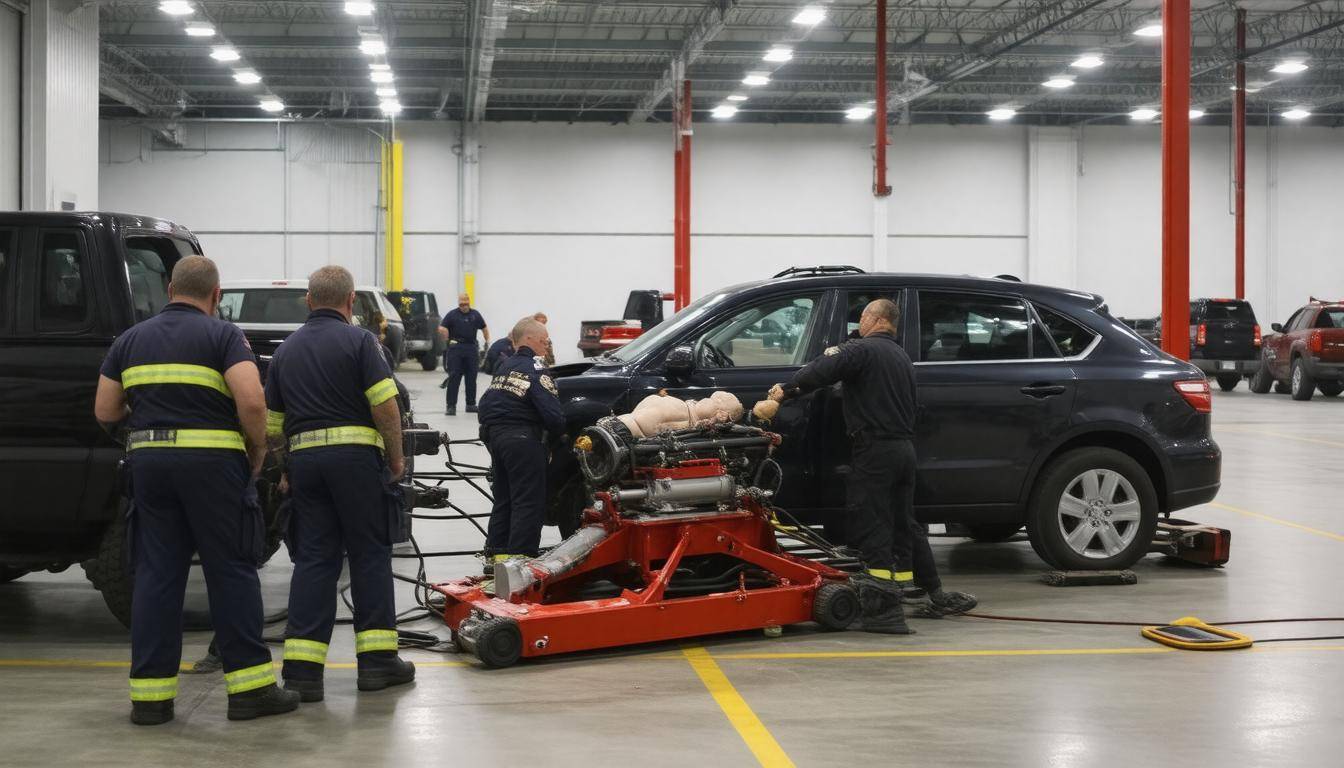
Regular training is essential for rescuers, enabling them to respond to any situation with confidence and efficiency. It enhances their ability to manage the unique challenges of various incidents, including those involving alternative fuel vehicles like electric cars. While no two rescues are identical, seamless execution relies on frequent practice and ongoing education.
Simulation Drills
One key element of this ongoing preparedness is conducting realistic simulation drills. These drills are invaluable because they help improve muscle memory and foster team coordination in high-stress situations. Studies reveal that frequent training can reduce rescue times by an impressive 20%. Imagine being able to get a person out of a vehicle faster than the blink of an eye, allowing for crucial medical attention sooner rather than later.
During these simulation drills, responders refine their techniques and adapt to new tools or methods. Various scenarios—from simple roadside accidents to complex multi-vehicle crashes—are simulated, ensuring responders tackle a range of potential problems before facing them in real life. This practice promotes instinctive reactions when every second counts.
Update Knowledge
Staying informed about the latest techniques, regulations, and tools is equally important. Emergency responders should actively seek out workshops, courses, and resources offered by renowned organizations such as the National Fire Protection Association (NFPA). By investing in further education, responders not only enhance their skills but also equip themselves with knowledge about evolving risks that come with advancements in vehicle technology.
As an added layer of preparedness, engaging in scenario-based training, where at least 50% of time spent during practice sessions involves simulating real-life situations, is paramount. This hands-on approach allows responders to experience the complexities of extrication in a controlled environment.
In this pursuit of operational excellence, it remains equally vital to ensure that patient care is prioritized alongside these advanced techniques and training methodologies.
Patient Care During Extrication
When dealing with a vehicle accident, the primary goal is clear: safely extricate the victim while minimizing further harm. This requires a delicate balance of technique and empathy. First and foremost, you must always assume a spinal injury due to the nature of most accidents.
Employing spinal boards or Kendrick Extrication Devices (KEDs) is crucial in providing stability to the spine during the extraction process. This not only protects against aggravated injuries but also gives your team the confidence to operate efficiently.
Keep in mind that spinal immobilization isn’t just a precaution; it’s an essential step informed by protocols that prevent potentially devastating complications.
Now, with a focus on stabilization leading into patient monitoring, let’s highlight a critical aspect of care throughout the extrication process.
Continuous Monitoring
As you begin the extrication process, continuous monitoring of vital signs cannot be understated. You should routinely check parameters like heart rate, blood pressure, and respiratory rates every five minutes. This allows you to detect any early signs of complications such as shock or breathing difficulties.
For example, if you notice a sudden spike in heart rate or significant drop in blood pressure, you must be prepared to provide immediate interventions.
Navigating through an accident scene can be chaotic, but consistent monitoring offers a lifeline of information about the victim’s condition.
While physical care is vital, we must not overlook another crucial component during this emotionally charged situation.
Emotional Support
Offering emotional support to victims is equally important as addressing their physical injuries. Clear communication can work wonders—reassuring them that help is on its way can reduce levels of anxiety and panic. A calm voice not only helps victims maintain composure but also ensures they understand what is happening around them.
By keeping them informed about the steps being taken and what they should expect next, you create a cooperative environment that facilitates smoother extraction efforts.
Providing emotional reassurance lays the groundwork for trust between responders and victims—a trust that can make all the difference in high-stress situations.
Successful extrication hinges on a combination of physical techniques and compassionate interaction—attributes essential when considering modern challenges faced by rescuers. Let’s explore how new vehicle technologies influence these practices.
Electric Vehicle Extrication Considerations
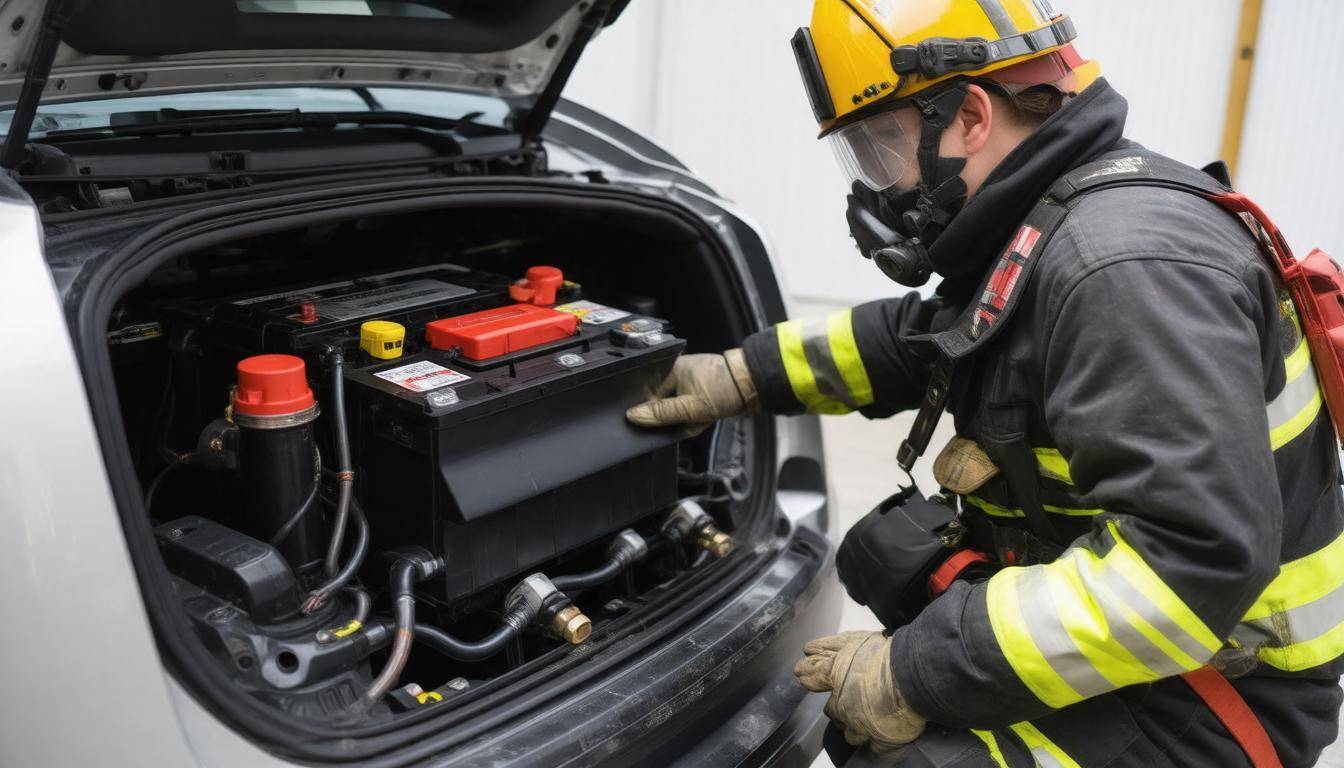
The unique design of electric vehicles, particularly their high-voltage batteries, brings forth a series of challenges during emergency situations. These batteries can cause serious injuries or fires, making it crucial for first responders to be aware of the hazards they present. One key aspect is the risk of electrocution; thus, proper handling becomes paramount.
Potential Hazards
High-voltage systems in EVs can lead to catastrophic fires, even without visible exterior damage. It’s essential to approach accident scenes with caution and remain vigilant about underlying dangers. Fire departments should invest in training drills focused on recognizing these risks and practicing safe approaches to vehicles with active electrical systems.
Always remember: When in doubt, maintain a safe distance until a qualified technician confirms that it’s safe to proceed.
Deactivation Procedures
Before any physical extraction occurs, it’s vital to deactivate the vehicle’s electrical system. Familiarize yourself with standardized procedures that typically involve isolating or disconnecting the battery terminals. Methods can vary by manufacturer, so understanding each type will optimize your response time and enhance safety for everyone involved.
Ensure you have adequate tools; you may need insulated screwdrivers or pliers designed for electrical systems when performing this task. In high-pressure scenarios, quick access to manufacturer-specific guides makes all the difference—so don’t wait until it’s too late.
Training Resource Availability
As part of your ongoing education, seek out specialized training programs focusing on EV extrication. Organizations like the National Highway Traffic Safety Administration (NHTSA) offer resources tailored for emergency responders.
Important Entities & Training Resources for EV Extrication
| Entity | Resource Offered |
|---|---|
| National Fire Protection Association | EV-specific emergency response guides |
| General Motors | EV incident training programs |
| International Association of Fire Chiefs | Bulletins on EV fire responses |
By investing time in learning these procedures and best practices, responders not only enhance their own safety but also improve the care and support they provide in urgent situations involving electric vehicles. Proactive maintenance of skills can make all the difference when called into action.
In mastering these techniques and understanding the complexities of electric vehicles, first responders can significantly mitigate risks and enhance their effectiveness in challenging scenarios. Your preparation could be the key to saving lives when it matters most.