
When it comes to owning a vehicle, protecting your title should be at the top of your to-do list, even if it feels like a hassle. After all, your vehicle title is more than just paperwork; it’s proof that you own your vehicle and can make transactions like selling or trading it in smoothly. But have you ever stopped to think about what would happen if you lost it? Surprisingly, many people don’t. With around 5% of titles going missing each year, safeguarding this essential document is key to preventing headaches and frustrations later on. In this article, we’ll explore the best practices for emergency protection of your vehicle title storage, ensuring that you’re prepared for whatever life throws your way.
For emergency protection of your vehicle title storage, utilize a combination of physical and digital storage methods; keep your titles in a fireproof safe or safety deposit box, and back up essential documents electronically through secure cloud services. Always ensure that originals and copies are stored in separate locations to minimize loss risk during unforeseen disasters.

Why You Should Store Your Vehicle Title Safely
Vehicle titles are more than just pieces of paper; they serve as crucial documents that prove ownership. Just as you wouldn’t leave your house deed lying around unprotected, your vehicle title deserves similar care. The potential risk of losing such an essential document is not trivial—it leads to the possibility of title fraud, which costs Americans millions annually, according to the Federal Bureau of Investigation (FBI). It’s alarming but true: keeping your vehicle title locked away in a secure storage system isn’t just a good idea; it’s essential.
One critical reason to store your vehicle title safely is that it provides proof of ownership. This document verifies that you are the legal owner of the vehicle, allowing for necessary transactions such as selling it or transferring ownership. Without this proof, you may have to navigate through complex processes to regain ownership rights, which could take considerable time and effort.
Additionally, safeguarding your title reduces the risk of fraud significantly. Each year, nearly 1 in 10 car owners encounter issues related to title fraud, where criminals attempt to change ownership using stolen or forged titles. By storing your title in a secure location—whether it be a fire-resistant bag or safety deposit box—you create a barrier against unauthorized access that can protect you from falling victim to identity theft.
Resale Value Matters
Another vital aspect to consider is the resale value of your vehicle. When you decide it’s time to sell, having the title on hand makes the process much smoother. Potential buyers will want to see evidence of ownership before making a purchase commitment. Without it, your ability to present a potential deal is compromised, diminishing both the sale process’s efficiency and your potential profit.
According to recent data, approximately 25% of vehicle owners report losing their vehicle title due to theft, fire, or natural disasters like floods or earthquakes. If you find yourself in such a situation without proper backup storage for that vital document, you may face unnecessary challenges and financial losses.
It’s staggering to note that 70% of vehicle owners currently lack any backup plan for their title storage—and many underestimate its importance altogether. By treating your vehicle title with the same respect as other essential documents in your life, such as insurance policies and medical records, you’re actively protecting yourself from unforeseen complications.
With these considerations in mind, we can now turn our attention to what steps you should take if you find yourself in the unfortunate predicament of losing this important document.
What Happens If You Lose Your Vehicle Title?
Losing your vehicle title is a more common occurrence than you might realize. In fact, reports indicate that around 5% of vehicle titles are lost or damaged annually, leading to potential roadblocks in transactions like selling or transferring ownership. Without that all-important document, you’re essentially left without proof of ownership. It may prevent you from legally selling your vehicle or even getting it registered if needed, which can quickly complicate matters.
Once you recognize the loss of your title, the first thing you’ll need to consider is how to get a replacement. The replacement process often involves filling out specific forms that vary by state. This paperwork usually requires demonstrating proof of ownership such as receipts or previous registration documents. Keep in mind that this task can be time-consuming—due in part to the bureaucratic nature of the system—and often invites feelings of frustration as you navigate through various forms and procedures.
While the average cost to replace a lost vehicle title ranges from $15 to $50, depending on your state, there’s an added catch: the processing time can take anywhere from 2 to 6 weeks for standard replacements. If time is of the essence—say, if you’re trying to sell or trade-in your vehicle—you might find yourself scrambling for an expedited service which could get you a new title in as little as 1 to 3 days for an additional fee.
Understanding these potential challenges makes it clear why proactive measures for title protection are crucial.
Consider services like Title Lock or MyCarTitle, which provide additional layers of security by monitoring changes in vehicle title records and alerting owners to any unauthorized attempts at changing ownership. This kind of protective measure has become increasingly important as threats of identity theft rise, especially in vehicle ownership scenarios.
It’s essential not only to replace a lost title but also to protect your documents proactively. Keeping a close eye on your credit reports can be another layer of safety; individuals who regularly monitor their credit are statistically 30% less likely to experience significant fraud incidents. Being aware of your financial information translates into broader awareness regarding important documents like your vehicle title.
By grasping the nuances surrounding vehicle titles and employing vigilant protective strategies, you’re setting the stage for robust document management. Now it’s time to explore methods available to ensure your important files remain secure, whether stored physically or digitally.
Physical vs. Digital Storage Options

Both physical and digital storage have their merits, but choosing the correct one depends on your specific needs.
On one hand, physical storage has a certain simplicity and tangibility that many people appreciate. Storing documents like your vehicle title in a fireproof and waterproof safe can provide peace of mind against disasters such as fires or floods, which might lead to irreversible losses. Imagine a situation where an unexpected storm floods your home; knowing your important documents are locked away in a secure safe can make all the difference during such an ordeal.
However, while physical storage is intuitive, it’s not without its pitfalls. Despite the protections that safes offer, they can still fall victim to theft if someone breaks into your home. A lock and key cannot guarantee absolute security; after all, criminals can be quite resourceful. While it’s wise to invest in protective measures for physical copies, it’s also important to consider what happens should those measures fail.
In contrast, digital storage presents an innovative solution that complements traditional methods nicely.
Digital Storage
The modern age allows us to digitize important documents easily. Digital copies stored in encrypted cloud services can offer you not just easy access from various devices but also layers of security to protect against unauthorized users. Just think about all those times you’ve wanted to quickly pull up your vehicle’s title while negotiating a sale or dealing with registration—it’s hard to beat the convenience of having it at your fingertips through an app or website.
However, there is a catch: while the convenience of digital storage is compelling, there is a legitimate concern regarding cybersecurity threats such as hacking. As our lives become increasingly digital, the responsibility falls on us to ensure our data’s protection through strong passwords and encryption processes. By taking these precautions seriously, you minimize risks associated with storing sensitive information electronically.
According to a study by Data Security Inc., only 20% of people use digital storage for legal documents. This figure highlights a gap where many are still relying solely on physical copies—a missed opportunity for enhanced security. By combining both methods, you can enjoy the best of both worlds: the immediacy of digital access along with the safe permanence of physical documents.
Evaluating how each storage method aligns with your personal needs may prove beneficial in enhancing your overall document security as we further explore strategies for safeguarding your vehicle title effectively.
Tips for Securing Your Vehicle Title
One of the best ways to protect yourself is by using a fireproof safe for storing your vehicle title. This not only safeguards against fire hazards but also offers protection from theft or damage during everyday incidents like floods or leaks. Imagine returning home after a rough day to discover that a minor mishap has turned into a disaster. A fireproof safe becomes an invaluable asset if those critical documents are stored securely within it.
However, relying solely on one storage method can be risky.
That’s where opting for dual locations comes into play. Consider keeping a digital copy in a secure cloud service – encrypted, of course – while housing the original in your fireproof safe. This approach provides an extra layer of redundancy; if one storage method fails or is compromised, you still have access to your vital records elsewhere. Think of it as having a backup plan for your backup plan. When disaster strikes, having that peace of mind can make all the difference.
Access control is another important consideration when securing sensitive documents.
You should limit access to these essential files to trusted individuals only. When you share access, no matter how minor, you’re increasing the risk of potential misuse or unauthorized changes. Just imagine sharing your keys to a safe and then later finding out someone else made decisions about who gets what. Keeping your circle tight means you take charge of your documents and maintain their integrity.
Finally, regular checks can save you from unforeseen troubles.
Make it a habit to conduct regular checks on the security measures you’ve put in place for your vehicle title. Whether it’s scanning through your digital records for accuracy or inspecting your physical storage solution for signs of wear and tear, staying proactive is key. These small acts of diligence not only help ensure that everything is where it needs to be, but they also provide a sense of control over important matters. Imagine opening that safe—or logging into that secure account—and knowing that everything is in excellent condition and ready whenever you need it.
With these practices in place, you’ll be taking significant steps towards safeguarding your vehicle title and minimizing risks from unforeseen circumstances as we explore optimal environments for document protection.
Safe Locations for Title Storage
One of the most foolproof ways to safeguard your vehicle title is by utilizing a safety deposit box at a bank. These boxes are designed specifically to protect important documents from theft and natural disasters. Imagine having peace of mind knowing your title is locked away in a durable vault, monitored around the clock and shielded from potential hazards. With limited access hours, think of it as an extra layer of security—one that requires planning whenever you need to retrieve your documents.
Alternatively, if you prefer immediate access to your vehicle title, storing it in a personal home safe could be an excellent choice. Opt for a fireproof and waterproof safe to ensure added protection against unexpected calamities. You may think that merely placing your title inside is enough, but it’s advisable to audit the condition of your safe from time to time. Is it still functioning properly? Have you checked if any batteries or locking mechanisms need attention? Such simple checks will help guarantee that vital documents aren’t lost due to neglect.
Interestingly, some households have also found value in storing their vehicle titles at a trusted family member’s home. This method provides both accessibility and another line of defense against theft or damage. Just remember that clear communication with your family members regarding the document’s location is crucial; no one wants to knock on a relative’s door looking for something that’s been misplaced!
Additionally, if your area supports it, local government offices may offer secure storage for vehicle titles. Engaging with services provided by agencies such as the DMV can assure that your title is not only protected but also easily retrievable when needed. Consider checking if these options are available, as they might serve as a valuable resource for safeguarding critical documents while providing retrieval convenience.
In addition to these physical storage methods, exploring digital options can also bolster your protection strategy. Making use of electronic storage solutions like secure cloud services can provide backups in case of physical loss or disaster, serving as a modern safeguard in our increasingly digital world.
Benefits of Proper Title Storage
One of the most compelling reasons to store your vehicle title correctly is that it protects against potential loss, damage, and fraud. Your vehicle title is a legal document that proves ownership, and losing it can complicate your life more than you think.
When titles are kept secure and in good condition, they are much less likely to be misplaced or harmed by environmental factors like water damage or fire.
This significantly reduces the risk of title fraud—by as much as 50% according to statistics. By keeping your title safe, you also create a barrier that prevents unauthorized changes in ownership. With almost 1 in 10 car owners reporting issues with title fraud, safeguarding this document is essential in today’s digital world where identity theft is on the rise.
A well-organized title storage system allows for easy retrieval when necessary. Imagine being involved in an accident and needing to present your vehicle’s title for insurance purposes: knowing exactly where it is stored can save you from unnecessary stress.
Furthermore, having quick access to your vehicle title simplifies various transactions, such as selling your car or applying for a loan. About 85% of financial institutions require a physical title when processing loans; thus, knowing where to find it quickly can expedite these processes. Smoothly managing these transactions helps avoid complications that could delay crucial decisions or financial activities.
Storing titles securely not only eases personal concerns about management but also combats common issues like misplacement. As we consider practical strategies for ensuring safety in our lives, it’s crucial to explore actionable steps to prepare effectively for unexpected situations.
How to Prepare for Emergencies
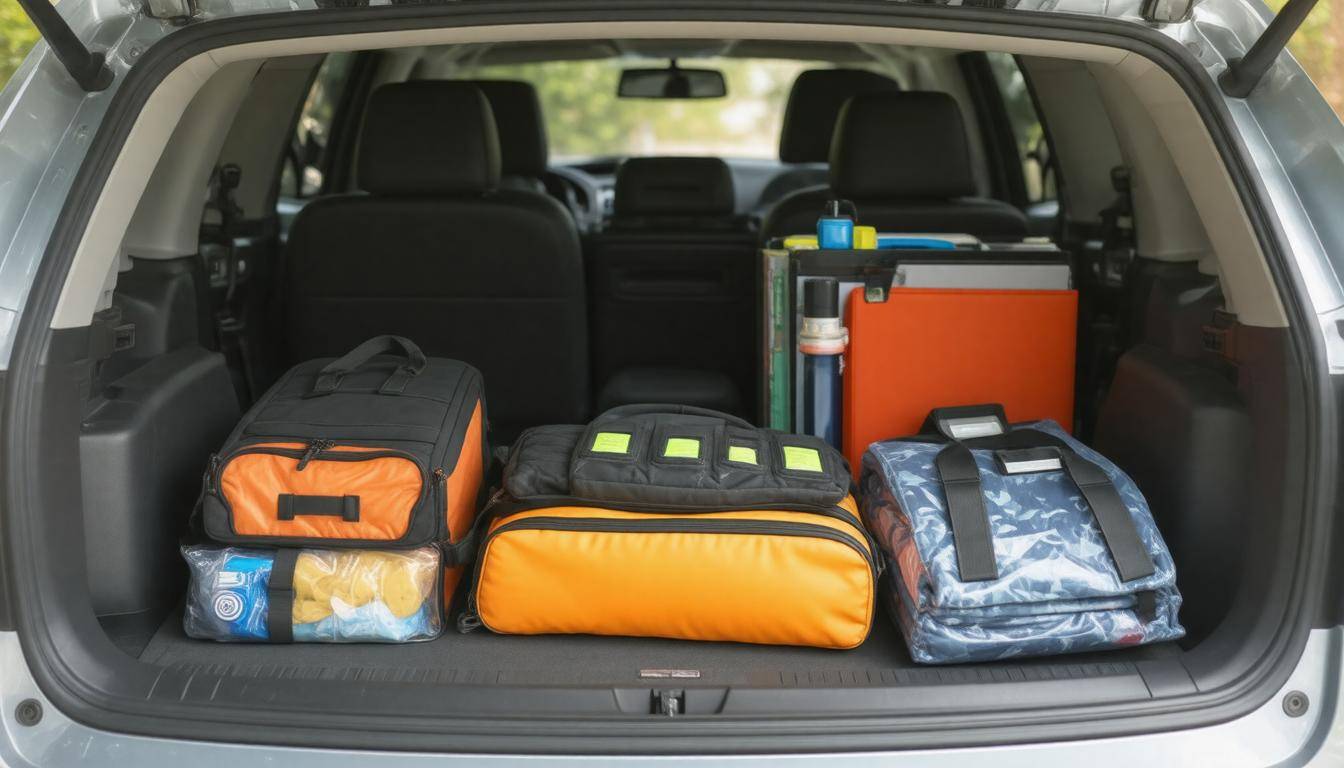
Emergencies can strike at any moment, and being caught off guard can lead to unnecessary stress and confusion. That’s why having a well-thought-out plan is pivotal. One cornerstone of this preparation is creating an emergency preparedness kit that safeguards essential documents, including your vehicle title. Imagine reaching for that document only to find it in disarray or worse—lost. Having everything neatly organized allows for a seamless response when disaster strikes.
Begin by assembling a physical emergency kit tailored specifically for important documents. Include your vehicle title, legal identification like passports and driver’s licenses, medical documents such as health histories and insurance policies, estate planning documents like wills and trusts, property records including titles and deeds, as well as financial records. This comprehensive collection acts as a protective barrier against chaos during an emergency.
It’s prudent to store these critical papers in a fireproof and waterproof bag or safety deposit box, ensuring they are safe from potential damages.
In today’s digital age, supplementing your physical documents with secure digital copies is equally vital. Cloud storage solutions like Google Drive or Dropbox provide encrypted storage options that keep your information accessible wherever you go. A quick upload can save you much heartache later on if physical copies become unavailable.
When preparing your digital storage plan, consider the following:
- Utilize strong passwords to protect online accounts.
- Regularly update necessary documents to reflect any changes in legal status or personal information.
- Have a backup plan; avoid keeping all originals and copies in the same location to minimize risk.
Maintaining versatility in how you store documents not only protects against risks but also enhances accessibility during emergencies.
Additionally, being aware of post-disaster resources enhances overall preparedness. Organizations like the National Motor Vehicle Title Information System (NMVTIS) can help you track the history of your vehicle even after loss of documentation due to unforeseen events. Keeping abreast of where you can get replacements for lost documents—like through local DMV offices—also helps streamline recovery efforts after an emergency incident.
Being prepared isn’t just about having the right tools; it’s about having the right mindset. Taking the time today to organize your documents correctly results in peace of mind tomorrow when everything is easily accessible should an emergency occur.
With these foundational practices in place, we can now explore various services designed specifically to protect your titles efficiently and securely.
Essential Services for Title Protection
One service that stands out in the realm of vehicle title protection is Title Lock. This innovative service continuously monitors your vehicle title for unauthorized changes or potential fraud, managing to delineate a clear boundary between peace of mind and the uncertainty of ownership threats. Imagine worrying about whether someone could alter your title without you knowing—this is precisely where Title Lock steps in, providing notifications for any suspicious activities so you can act swiftly.
“Using Title Lock gave me the peace of mind that my vehicle ownership is continuously monitored,” says Karen, a satisfied customer. Her experience emphasizes a crucial point: awareness is critical. By utilizing services like Title Lock, you’re not just reacting to problems; you’re proactively preventing them before they escalate.
However, it’s important to remember that no single service is foolproof on its own. Combining these services with both physical and digital storage methods amplifies your safety net. Think of it as a two-pronged approach: while Title Lock monitors your title digitally, physical copies secured in a safe offer a tangible backup should you need it.
In an era where fraud is prevalent, relying solely on one storage method can be risky. The nature of cybersecurity is such that vulnerabilities exist everywhere, making it imperative to utilize multiple layers of defense. This dual strategy enhances reliability and ensures you’ve prepared for various contingencies.
Pairing Title Lock with other services promises comprehensive protection. For example, setting up alerts from your county’s recorder’s office related to your vehicle title could further enhance security, ensuring you remain informed about any changes. Likewise, a trusted insurance provider might offer additional coverage for vehicle theft or fraud-related losses.
By adopting these services and practices collectively, you’re not just safeguarding your vehicle title; you’re embracing complete security. With vigilance and the right tools at your disposal, protecting what is rightfully yours becomes more straightforward and effective than ever before.
In protecting your vehicle title, being proactive rather than reactive leads to better outcomes. Prioritizing the use of modern protective services not only secures your ownership but also ensures peace of mind.