
Understanding the weather is like having a crystal ball for everyday life; it can help you plan outings, safeguard your home, and even nurture your garden. Whether you’re a garden enthusiast hoping to keep those petunias blooming or a dad trying to dodge the rain during soccer practice, having the right tools to monitor the weather is essential. In this guide, we aim to simplify the process of choosing weather monitoring equipment. Alongside practical advice and insights gained from personal experiences with various devices, we hope you’ll find everything you need to make an informed choice that suits your unique needs. So grab your sun hat (or raincoat) as we set off on our journey into the world of weather monitoring!
When selecting weather monitoring equipment, you should consider factors such as durability, functionality, types of measurements offered (like temperature and humidity), ease of data collection, connectivity options, and your budget. It’s important to ensure that the equipment is suitable for your intended use, whether it be for personal or research purposes.
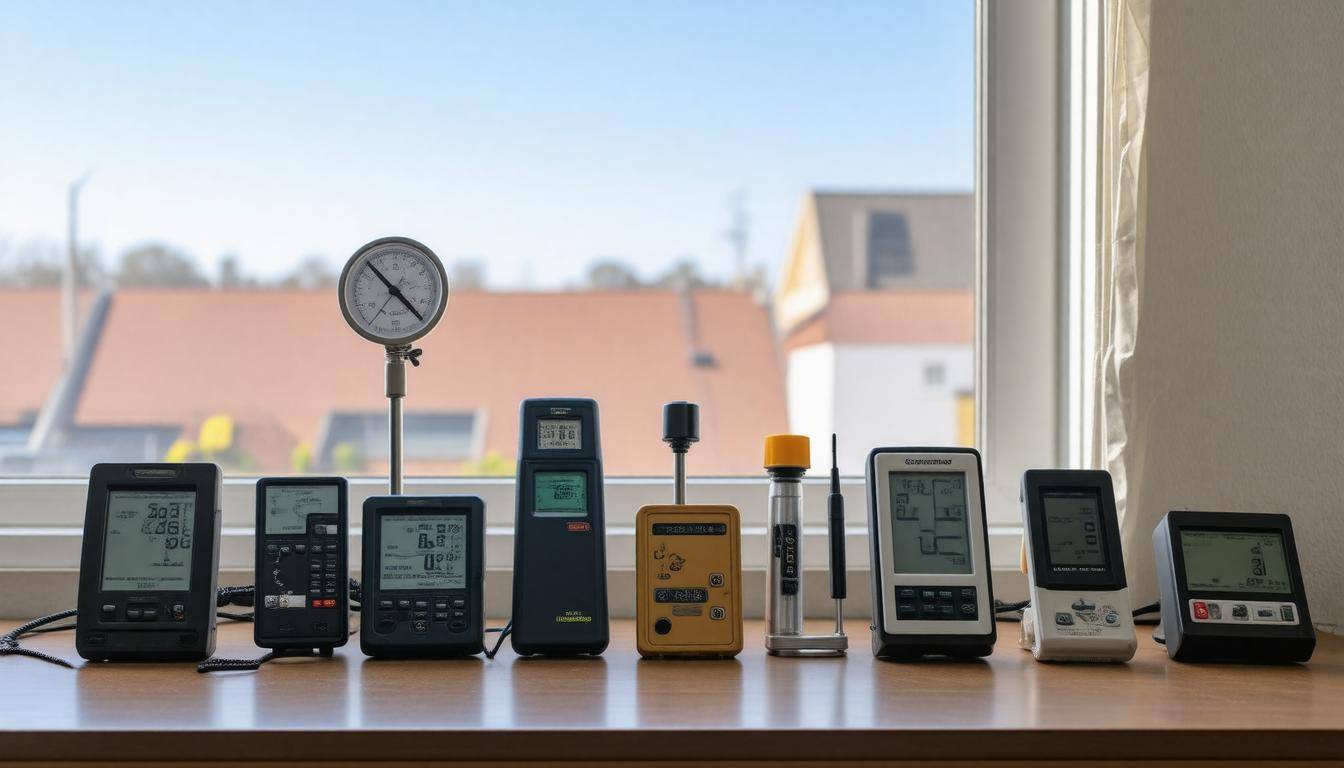
Key Criteria for Selection
When choosing weather monitoring equipment, durability and build quality are standout factors. Since these instruments will be exposed to unpredictable weather patterns—from torrential downpours to scorching sunshine—it’s crucial that they’re made with robust materials. Look for models constructed from stainless steel or UV-resistant plastics. Not only do these materials withstand physical impacts, but they also resist corrosion and fading, guaranteeing that your investment will stand the test of time.
Imagine investing in a compact weather station, only to see it fade into obscurity after just one season because of a rainstorm; that’s the difference quality materials can make.
Durability and Build Quality
The significance of good durability cannot be overstated; picture yourself coming back to check your readings after a storm, only to discover your unit has been damaged beyond repair. Weather stations serve a critical role in providing real-time data, especially during volatile conditions. Therefore, having a resilient model will give you peace of mind knowing your emissions won’t just stop working when you need them most.
Data Storage Capacity
Another vital aspect is data storage capacity—this feature often gets overlooked. For anyone engaged in long-term environmental studies, having adequate storage is key for continuous operation. You might find devices that include SD card slots incredibly beneficial because these slots provide expandable options for extensive data logging.
Should you decide to monitor trends over multiple months or even years, being able to store more data will save you from constantly transferring files or facing the dreaded “memory full” message at an inconvenient time.
Now consider this: if you are documenting temperature fluctuations during seasonal changes over two years, how frustrating would it be to lose critical data simply because your equipment lacked adequate storage? Investing in units with great storage capacities prevents such future hassles.
Ease of Use
Let’s not forget about ease of use—another criterion where paying attention can really make a difference. User-friendly interfaces allow for quick setups and easy operation. You want to select models equipped with intuitive display panels and minimalistic controls. A good interface will let you track multiple measurements without overwhelming you with buttons and confusing options.
After all, the aim is to gather valuable insights—not engage in a complicated puzzle each time you check the weather! Imagine setting up your new weather station on a breezy Sunday morning. Wouldn’t you prefer a smooth start where you can concentrate on enjoying the environment instead of fiddling around with overly complex menus?
It’s comforting to know that user-centered designs exist out there that prioritize your experience alongside functionality.
Now that we’ve examined key considerations in selecting effective equipment, let’s turn our focus toward essential tools that will significantly enhance your monitoring capabilities.
Essential Monitoring Instruments
The right tools not only simplify the complex task of weather monitoring, but also increase your accuracy in forecasting environmental conditions. Among these instruments, thermometers and hygrometers stand out as essential for understanding your local climate. High-accuracy thermometers typically boast an impressive tolerance of ±0.1°C. This precision is critical for everything from agricultural planning to scientific experiments. Imagine conducting research on plant growth—knowing the exact temperature can make all the difference.
Thermometers and Hygrometers
Coupled with thermometers, hygrometers measure the humidity in the air, another vital weather parameter. A stable hygrometer should have an accuracy margin within ±2% RH, allowing you to gauge moisture levels effectively. This precision is significant for applications including home comfort, where excessive humidity can lead to mold growth. By monitoring both temperature and humidity simultaneously, you’ll gain a comprehensive overview of your environment that informs data-driven decisions.
Moving beyond temperature and humidity, we shift our focus to wind conditions.
Anemometers and Wind Vanes
Anemometers serve as your eyes into the ever-changing winds; they measure wind speed effectively, generally operating in a range from 0 to 60 m/s with an accuracy of ±0.1 m/s. The most common type—the cup anemometer—uses spinning cups to measure wind velocity. However, if you’re seeking greater precision or working in very high-wind areas, consider investing in ultrasonic anemometers, which don’t rely on moving parts and thus offer phenomenal accuracy regardless of turbulence.
Wind vanes complement these devices by indicating wind direction, providing crucial context during stormy seasons when knowing the prevailing winds can determine safety measures and preparedness plans.
Precision forms the next important aspect to explore, as it lays the groundwork for identifying how specific measurements impact overall weather understanding.
Additional Instruments
Other noteworthy instruments include barometers for atmospheric pressure readings and rain gauges for precise precipitation measurement. A barometer indicates pressure changes that could signal approaching storms or fair weather, while rain gauges allow you to track accumulated rainfall accurately over time.
Each instrument plays a role in painting a full picture of weather conditions around us—be it through real-time awareness or long-term climate studies. Investing in quality instruments that match your monitoring needs becomes essential for anyone wanting to engage more deeply with their environment.
As we examine the intricacies of these instruments, understanding their accuracy will help illuminate how they contribute to reliable weather predictions.
Evaluating Accuracy and Precision
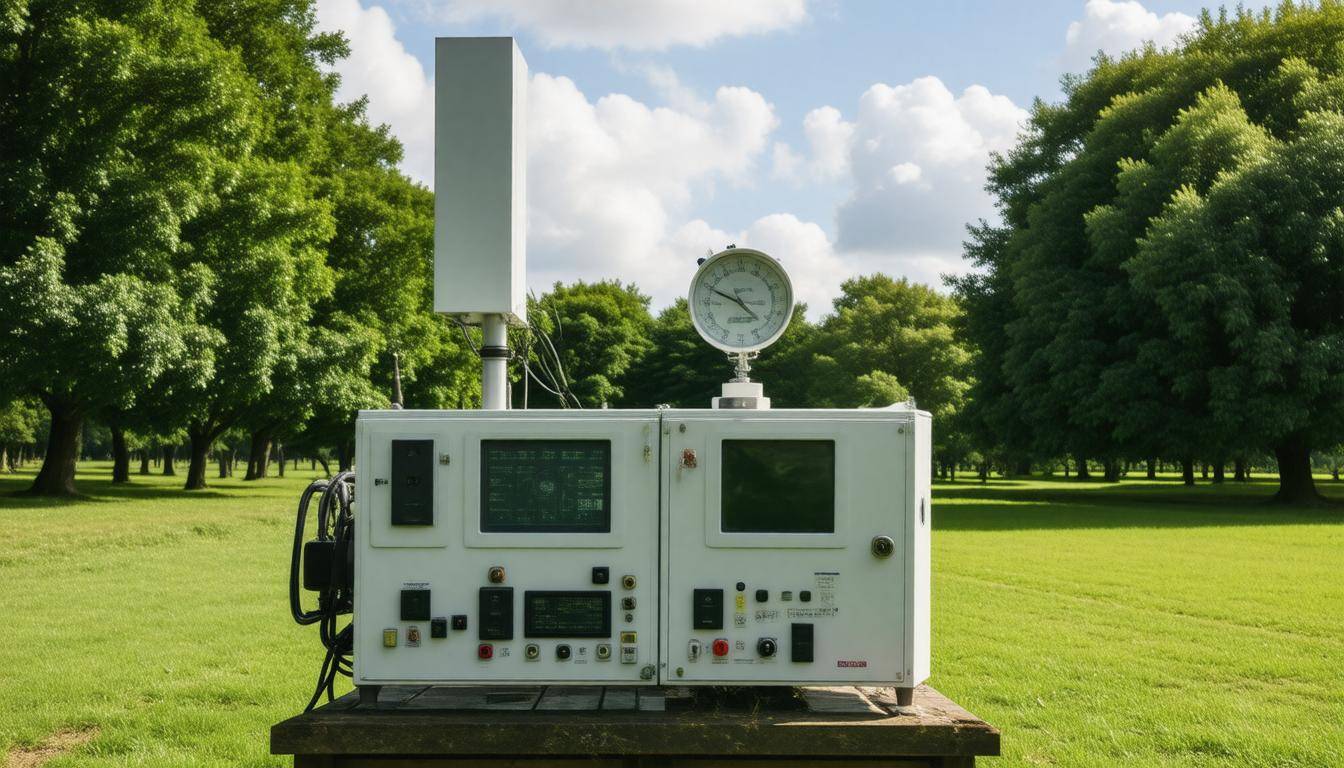
The effectiveness of weather monitoring equipment hinges on two critical components: accuracy and precision.
In essence, accuracy refers to how close a measurement is to the true value, while precision indicates the consistency of measurements under the same conditions. For instance, if you’re measuring temperature, an accurate thermometer will give readings very close to the actual temperature, while a precise thermometer will produce similar readings despite environmental fluctuations.
Calibration
Regular calibration is pivotal for maintaining sustained accuracy. Calibration involves comparing an instrument’s measurements against a known standard and adjusting it accordingly. Most high-quality weather devices come from the factory pre-calibrated and often include certificates of accuracy that confirm their reliability. This means you can trust that these instruments measure accurately right out of the box.
However, over time, environmental factors may cause drift in readings. Therefore, performing routine calibrations—typically recommended at least once a year—can prevent deviations that could impact your data.
Consider this: If you utilize a barometer for tracking pressure changes but fail to calibrate it periodically, you may miss critical weather patterns due to inaccurate readings.
Standard Deviation
The concept of standard deviation plays a significant role in evaluating the reliability of measurements. A low standard deviation indicates that repeated measurements yield results that are closely clustered together, enhancing confidence that the values you are recording are dependable.
For example, if a rain gauge is used repeatedly over several days and shows variation in precipitation measurements with a high standard deviation, it can lead to uncertainty about rainfall totals.
In contrast, weather instruments with lower standard deviations are generally preferred because they enhance your ability to forecast trends accurately. The less variability you see in your readings, the better you can rely on those instruments for making informed decisions about your local environment or for research purposes.
Understanding these principles equips you not only to choose effective monitoring tools but also to tap into advanced systems that can further streamline your data collection process for even greater accuracy and efficiency.
Benefits of Automated Systems
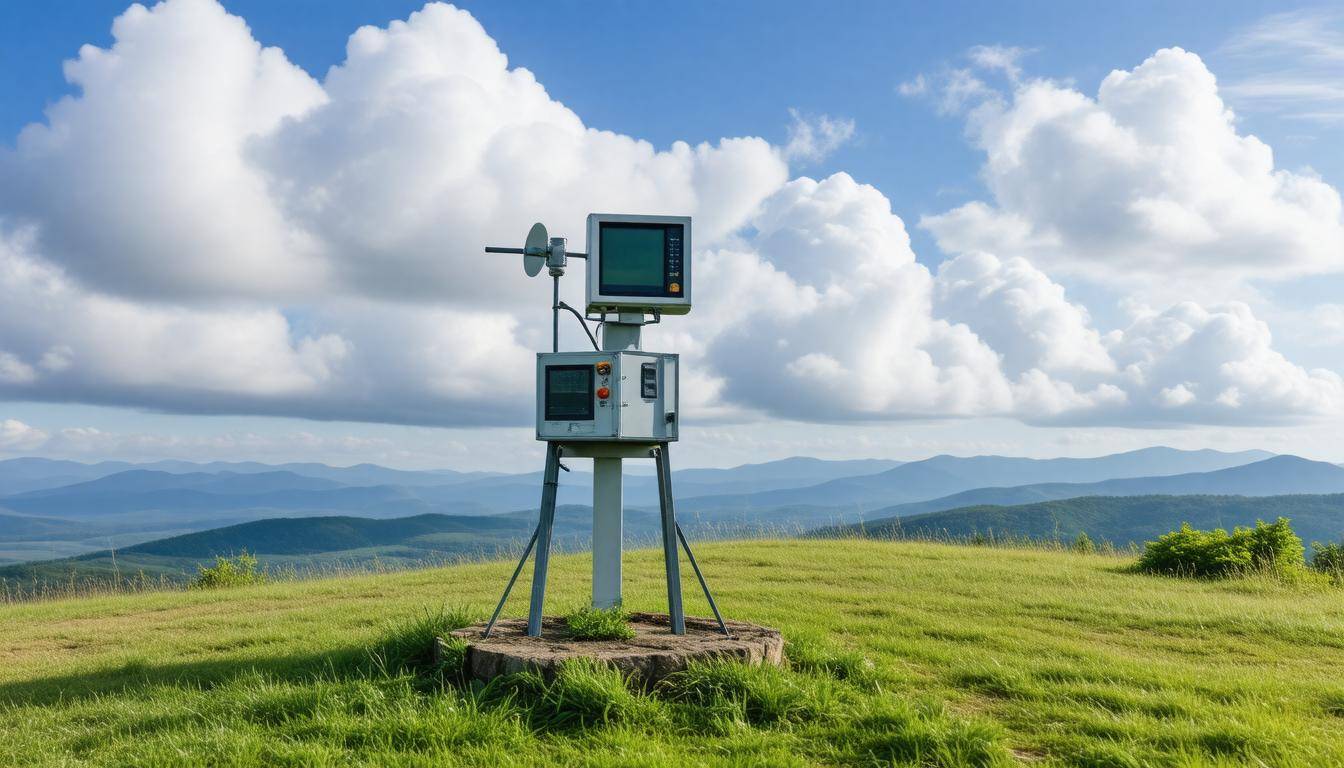
Automated weather monitoring systems offer significant benefits that can enhance both personal and professional data collection, making them an invaluable tool for anyone serious about tracking environmental conditions. One of the standout features is their ability to operate continuously without any need for human intervention. This not only allows for data to be collected around the clock but also ensures that information remains consistent. Imagine being able to monitor everything from temperature fluctuations to wind speeds day in and day out; it simplifies the labor-intensive process of manual recording.
Continuous Data Collection
Because these systems work autonomously, they eliminate gaps in data that might occur during periods when a human operator isn’t available. Sensors gather and transmit information at specified intervals, frequently every 1 to 5 minutes. Consequently, this leads to a wealth of data that contributes to a more comprehensive understanding of local weather patterns over time. When you consider the accuracy increases from having real-time data, it’s evident that these systems can greatly improve your understanding of atmospheric behavior.
Real-Time Alerts
Furthermore, several systems, such as the popular Davis Vantage Pro 2, come equipped with the capability to send real-time alerts based on parameter thresholds you define. For instance, if a sudden change in temperature or barometric pressure occurs, you’re notified immediately, allowing you to respond promptly—whether that’s adjusting your activities or preparing for inclement weather. However, it’s essential to note that initial configuration is necessary for optimal performance. Setting up alert systems correctly ensures you receive notifications that matter to you rather than all types of data overload.
In addition to real-time alerts, the broader integration of cloud technologies into these automated weather stations greatly enhances their utility.
Cloud integration allows users to store and analyze gathered data seamlessly. By uploading readings directly to cloud platforms, users can view historical trends and conduct long-term studies without managing physical storage devices. Moreover, this accessibility means that no matter where you are—be it in your backyard or halfway across the globe—you can monitor real-time conditions through a smartphone app or webpage.
Thus, with continuous data collection capabilities and real-time alerts combined with cloud technologies, automated weather monitoring systems provide a robust infrastructure for effective environmental monitoring.
This remarkable evolution showcases how technology not only helps measure our surroundings but also makes it easier to adapt and respond to the complexities of our environment.
Cloud-Based Technology Integration
Cloud integration is transforming the way we monitor and analyze weather conditions, making it more efficient and accessible than ever before. By leveraging the power of the cloud, users can harness vast datasets and real-time analytics once reserved for professional meteorologists. Whether you are a novice enthusiast or an experienced weather watcher, having such technology at your fingertips opens up a world of possibilities.
Data Accessibility
One of the most significant advantages of cloud-connected systems is data accessibility. Imagine being able to access critical weather metrics from anywhere—whether you’re sitting in your living room or hiking in a remote area. With just a few taps on your smartphone or clicks on your computer, you can get real-time updates on temperature, humidity, wind speed, and precipitation. This convenience simplifies planning outdoor activities and tracking changing weather conditions, allowing people to make informed decisions quickly.
Think about all those moments when an unexpected downpour derailed an outing! Having instant access to accurate weather data can ensure that you’re never caught off guard again.
But data accessibility is only one piece of the puzzle; let’s explore another key benefit: real-time analytics.
Real-Time Analytics
The ability to conduct real-time analytics is game-changing for weather monitoring. Services like Weather Underground offer advanced analytical tools that utilize cloud technology to provide meaningful insights. These platforms allow users to visualize data through dynamic charts and graphs, revealing trends over time, extreme events, or anomalies in local weather patterns. This level of analysis was once confined to specialized professionals operating highly expensive equipment, but now it’s as simple as logging onto a website.
For example, with these advancements, homeowners can track temperature fluctuations within their gardens and adjust their watering schedules accordingly, ensuring optimal plant health. Similarly, for farmers, accessing localized climate data in real-time allows them to respond proactively to potential crop threats like frost or drought conditions by implementing protective measures right away.
“Real-time analytics should be seen as indispensable,” says leading agricultural meteorologist Dr. Jeanette Wells. “It’s incredible how technology has democratized access to pivotal information.”
As we’ve seen, cloud-based technology facilitates greater accessibility and enhances analytical capabilities in weather monitoring systems. With these transformative tools in mind, we can now turn our attention to how best to install and operate these innovative solutions effectively.
Installation and Operation Guide
Installing weather monitoring equipment may seem daunting at first, but with a systematic approach, it can be straightforward and rewarding. The initial step in this process is choosing the right location. Site selection is critical; it should be an open area away from large trees, buildings, or other obstructions that could skew your readings. You need to consider specific requirements for each instrument, as different devices may have unique needs for optimal performance.
After determining an ideal site, the next logical step is effectively securing your equipment.
Step I – Site Selection
Think of selecting the right site like finding the perfect spot for planting a tree—too close to other structures will not only hinder growth but also affect the yield of fruit down the line. Similarly, if you place your sensors in a crowded environment, you’ll get misleading data. For instance, placing an anemometer (which measures wind speed) too close to a fence will inaccurately reflect wind patterns due to turbulence created by the obstruction.
Once you’ve identified a suitable location, it’s important to move on to the mounting process.
Step II – Mounting
Securely mounting the devices is essential for stability and consistent readings. Use manufacturer-provided brackets or poles for this purpose. Following precise alignment instructions cannot be overstated; even a slight misalignment can lead to deviations in data collection. If your installation includes a rain gauge, make sure it is level. An uneven gauge won’t catch all precipitation accurately and could lead to frustrations when analyzing the data later.
With everything mounted correctly, let’s connect your device to a power source.
Step III – Connecting to Power
Many weather monitoring systems require an external power source. When planning installations in remote areas, consider utilizing solar panels as they provide a sustainable solution while keeping your devices operational. Make sure that all connections are waterproofed. Exposed connections can lead to short circuits or damage from moisture over time, potentially compromising your monitoring efforts during critical weather events.
Finally, once everything is set up, it’s time to prepare to gather accurate data.
Step IV – Initial Calibration
Calibration is akin to tuning an instrument; without it, you won’t get the melodious flow of accurate readings. You should calibrate all instruments immediately after installation to guarantee they provide precise measurements from day one. Each device typically has specific calibration steps outlined in its manual—be diligent here as it pays off immensely in the long run. Regular calibration checks every few months ensure that drift doesn’t occur over time—it’s part of maintaining the integrity of your data collection.
Now that you’ve set up and calibrated your equipment properly, many additional features can enhance its functionality and expand your capabilities.
Advanced Features to Consider
Advanced features make weather monitoring more comprehensive, ensuring that you don’t just collect data but actually gain meaningful insights from it. For example, solar radiation sensors are becoming increasingly critical, especially for agricultural applications. They measure sunlight intensity, providing essential information for farmers who rely on this data to optimize crop growth. Knowing how much sunlight reaches a field each day can determine when to plant or harvest, potentially leading to larger yields and healthier crops.
This leads us to another important feature: rain gauges.
Rain gauges provide precise data on precipitation levels, which is vital not just for agriculture but also for urban planning and environmental management. Imagine a gardener preparing for the weekend only to be surprised by an unexpected downpour—having accurate rainfall data allows homeowners and businesses alike to plan their activities better. With modern rain gauges, you can even receive updates directly to your smartphone, keeping you informed in real-time about any changes in weather conditions.
Speaking of smartphones, let’s discuss data sharing capabilities.
The ability to share collected data with global weather networks significantly amplifies its value. By contributing your observations, you’re part of a larger community helping improve local and national forecasts. It’s like being part of a neighborhood watch, but instead of watching for crime, you’re watching the sky! This collaborative effort fosters better predictions and ultimately benefits everyone.
Now, consider how convenient it is with mobile app integration.
With mobile app integration, monitoring weather conditions becomes nearly effortless. Users can track real-time data right from their phones without needing to be tethered to their equipment. Whether you’re enjoying a picnic or tackling yard work, having that information at your fingertips brings peace of mind. Additionally, some apps offer notifications when significant weather changes occur, so you’re always prepared.
When selecting your weather monitoring system, thoroughly evaluate these advanced features. They not only enhance your overall experience but also ensure you make well-informed decisions based on accurate and timely data.
Next, we will take a closer look at specific models that stand out in the market for their innovative capabilities.
Top Recommended Models
First up is the Davis Vantage Pro 2, a model that has gained a reputation for its accuracy and reliability. Priced at around $686, this weather station offers extensive features that cater to enthusiasts looking for professional-grade data. Its precision sensors provide highly accurate readings, making it ideal for serious hobbyists as well as researchers. Whether tracking temperature, humidity, wind speed, or rainfall, the Vantage Pro 2 delivers real-time updates that can be conveniently accessed remotely through the WeatherLink app.
But what if you’re working with a tighter budget?
Consider the Ambient Weather WS-2902. This model shines as a budget-friendly option, typically priced between $150 and $200, making it perfect for home use. The WS-2902 comes equipped with wireless capabilities and a suite of sensors that ensure you don’t sacrifice quality for cost. This little device is comprehensive enough to monitor various weather parameters while keeping your finances intact. Users love how easy it is to set up and begin receiving local weather updates without breaking the bank.
If affordability with robust data collection is appealing to you, then you’ll want to check out the AcuRite 01036M.
This charming weather station provides all the essential readings you need at a price point of around $130. It excels in striking a balance between functionality and cost-efficiency. While it may not have every advanced feature found in pricier models, AcuRite ensures reliability in basic weather metrics such as temperature and humidity. As a solid entry-level choice for those just beginning their weather monitoring journey, it’s an option worth considering.
| Model | Key Features | Price |
|---|---|---|
| Davis Vantage Pro 2 | High accuracy, durable, extensive features | $686 |
| Ambient Weather WS-2902 | Budget-friendly, suitable for home use | $150-$200 |
| AcuRite 01036M | Affordable option with robust data collection | $130 |
Each of these models offers unique benefits tailored to different user needs, so it’s important to consider what features align best with your specific monitoring requirements before making a final decision.
In choosing your weather monitoring equipment, understanding your specific needs and budget will guide you to the right tool for accurate data collection. Embrace the opportunity to enhance your weather awareness effectively.