
In today’s fast-paced work environments, the importance of being prepared for medical emergencies cannot be overstated. Whether it’s a sudden heart attack in the office or an injury caused by machinery, knowing how to respond quickly can save lives and prevent further harm. Unfortunately, many workplaces lack a solid response plan, leaving employees feeling anxious and unsure when crises arise. Drawing on my own experience in creating safety protocols, I’ve seen firsthand how a thoughtful approach to emergency preparedness can transform not just individual responses, but the entire workplace culture. This guide aims to provide you with vital information needed to develop effective medical emergency response protocols that prioritize safety and foster confidence among your team.
The Workplace Medical Emergency Response Protocol Guide provides essential steps for effectively responding to medical emergencies in the workplace, including immediate actions to take, communication procedures, and safety protocols. Additionally, it outlines the roles of trained personnel and the necessary equipment required to ensure a safe and efficient response during such emergencies.
Developing a Workplace Medical Emergency Response Plan
Crafting an effective medical emergency response plan is crucial for ensuring workplace safety because it directly affects how swiftly and efficiently employees can respond when an incident occurs. Without a solid plan in place, confusion or accidents can arise during critical moments. The foundation of any robust response plan begins with understanding your specific work environment and the risks it presents.
Step I – Conducting a Risk Assessment
Start by identifying potential risks in your workplace, such as machinery hazards, chemical exposures, or environmental factors that could lead to emergencies. Engage with health and safety experts to carry out a detailed analysis that pinpoints vulnerabilities.
You might want to walk around the premises, considering every corner from the assembly line to the break room, assessing what could go wrong in each situation.
For instance, in manufacturing settings, there is a high likelihood of physical injuries due to heavy machinery. This means extra attention must be given to ensuring that all operators are properly trained and aware of the safety measures at their disposal. Don’t overlook environmental threats—whether it’s fire risks, slips on wet floors, or even chemical spills. Each potential hazard should be documented thoroughly.
Once these risks are identified, you can begin drafting corresponding strategies that will form the backbone of your response protocols.
Step II – Creating Emergency Protocols
Develop specific protocols tailored to each identified risk. This may include evacuation procedures for natural disasters like floods or hurricanes; clear steps for administering first aid; or specialized protocols for dangerous material spills. The goal here is to ensure that no matter the emergency scenario, employees know exactly what to do—and do so quickly.
It’s vital that these protocols are not only comprehensive but also clear and accessible to all employees. Consider displaying them prominently in common areas for quick reference during emergencies. Regularly revisiting these protocols in team meetings reinforces everyone’s understanding and keeps safety at the forefront.
Furthermore, engaging employees in this process is crucial—they should feel empowered not just to follow protocols but also to provide input based on their experiences and insights.
It’s essential to recognize that regular reviews and updates of your emergency response plan will help adapt to changes in workplace environments over time. This ongoing process ensures preparedness against new and evolving risks that may arise.
Identifying Potential Emergencies
Different workplaces are prone to various types of emergencies, and understanding these risks can be crucial in a crisis situation. For example, a factory might be particularly vulnerable to chemical spills, while an office could face medical emergencies such as heart attacks or strokes. According to the National Safety Council, there were approximately 4,572 workplace fatalities in the U.S. in 2022, many tied to emergencies. Therefore, identifying these scenarios is critical.
List of Potential Emergencies
-
Fires: Workplace fires can arise from faulty equipment, neglected electrical systems, or flammable materials left unattended. It’s vital to have smoke detectors and fire extinguishers accessible and conduct regular fire drills for proper evacuation preparation.
-
Medical Incidents: Medical emergencies can include sudden heart attacks, strokes, or severe injuries from accidents. Having trained personnel who are familiar with Basic Life Support (BLS) techniques can save lives when every second counts.
-
Chemical Spills: In labs and factories where chemicals are manipulated regularly, spills pose significant risks. Employees should be aware of Material Safety Data Sheets (MSDS) for hazardous substances, which provide detailed guidelines for safe handling.
-
Natural Disasters: Events like earthquakes and floods can strike unexpectedly. Preparedness involves having an evacuation plan along with designated safe zones for employees to regroup after evacuation.
-
Workplace Violence: Incidents of violence such as threats or assaults can occur in any workplace environment. Establishing a culture of open communication and ensuring proper reporting channels are essential steps toward prevention.
By assessing these potential emergencies, employers not only comply with legal requirements set by organizations like OSHA but also foster an environment where safety is prioritized and staff feel secure.
Identifying potential emergencies sets the foundation; the next step is empowering your workforce with the training and resources necessary to respond effectively in these situations.
Establishing a Trained Response Team
Having a dedicated team ensures that when emergencies strike, there are individuals ready to leap into action. The essence of an effective response team lies not only in their training but also in their willingness and ability to work under high-stress situations. Selecting individuals from various departments creates a balanced and versatile team—think of it as forming a mini-UN of emergency management right in your workplace. Each member brings unique skills and perspectives that could prove vital during crises.
Choose team members who possess the necessary skills and demonstrate reliability and teamwork. Ensure they are willing to step up, available at critical times, and physically capable of performing the tasks required. This becomes crucial during emergencies where every second counts.
Regular drills and practice scenarios serve as a foundation for your response team’s effectiveness. They keep members engaged, help hone their skills, and build the confidence needed to manage real-life emergencies. For example, running through simulations that mimic potential incidents will prepare them for what to expect when it actually occurs. These exercises improve response times and allow team members to bond, fostering trust and collaborative spirit.
Training Programs
It’s imperative to implement specialized training programs specifically designed for your response team. Essential topics should encompass first aid, CPR techniques, the proper use of Automated External Defibrillators (AEDs), and emergency communication protocols. Training acts as your safety net; without it, everything else falls apart.
Regular refresher courses can provide essential updates on techniques—the same way athletes train consistently for performance excellence. For instance, a quarterly CPR course can dramatically enhance the quality of responses during actual emergencies. Just imagine how much more effective your team will be knowing they’ve practiced lifesaving techniques recently rather than five years ago during a one-off workshop.
Apart from technical skills, cultivating soft skills like communication and stress management should not be overlooked either. A response team needs to work seamlessly together under pressure and communicate effectively with others. Clear communication can set off a chain reaction—one alert helping to prevent chaos in a fraught situation.
With a strong emphasis on meticulous selection processes and ongoing training, an agile response team emerges in preparation for various crisis scenarios. This integral setup aligns with an efficient approach to ensuring employee safety throughout the organization.
Roles and Responsibilities
In any workplace, clearly defined roles are essential for maintaining order during an emergency. When a crisis strikes, knowing who does what can make all the difference between effective action and chaos. Each member of the response team should know their place and purpose, helping ensure that all aspects of the emergency are handled in a structured manner. By laying out specific roles, everyone understands their responsibilities, greatly improving overall effectiveness.
First Aid Responder
The First Aid Responder plays a critical role in any medical emergency. Equipped with training in CPR and first aid, this individual provides immediate medical care to anyone who needs it, often before professional resources can arrive on the scene. Imagine an employee suddenly developing chest pain; quick intervention by a trained responder can mean the difference between life and death. This person must also know when to call for advanced medical help while providing reassurance to the affected individual, stabilizing the situation until further assistance arrives.
Evacuation Coordinator
Next up is the Evacuation Coordinator, responsible for guiding employees safely through designated exit routes during emergencies like fires or chemical spills. They must be familiar with the workspace layout and understand evacuation procedures. This role requires calmness under pressure because panic can lead to mistakes and confusion. A well-trained Evacuation Coordinator ensures that no one will be left behind during an evacuation and checks designated safe zones for completeness before raising the all-clear signal.
Communication Liaison
Another pivotal member is the Communication Liaison. Actively contacting emergency services during a crisis, this person keeps everyone informed by relaying important information between first responders, management, and colleagues on the ground. Think about a scenario where there’s an active shooter on premises; clear communication becomes vital. The liaison is responsible for disseminating updates while protecting sensitive information and ensuring that misinformation doesn’t spread among employees.
| Role | Responsibilities |
|---|---|
| First Aid Responder | Provide immediate medical care to affected persons |
| Evacuation Coord. | Guide employees to safety through designated routes |
| Comm. Liaison | Contact emergency services and update stakeholders |
Having these key roles defined not only streamlines operations but promotes confidence among employees as they know help is readily available when needed most. With strong team dynamics built on clarity, organizations can effectively mobilize their resources during challenging situations. This leads us naturally into a discussion about how to utilize emergency tools and equipment efficiently during such critical moments.
Proper Use of Emergency Equipment
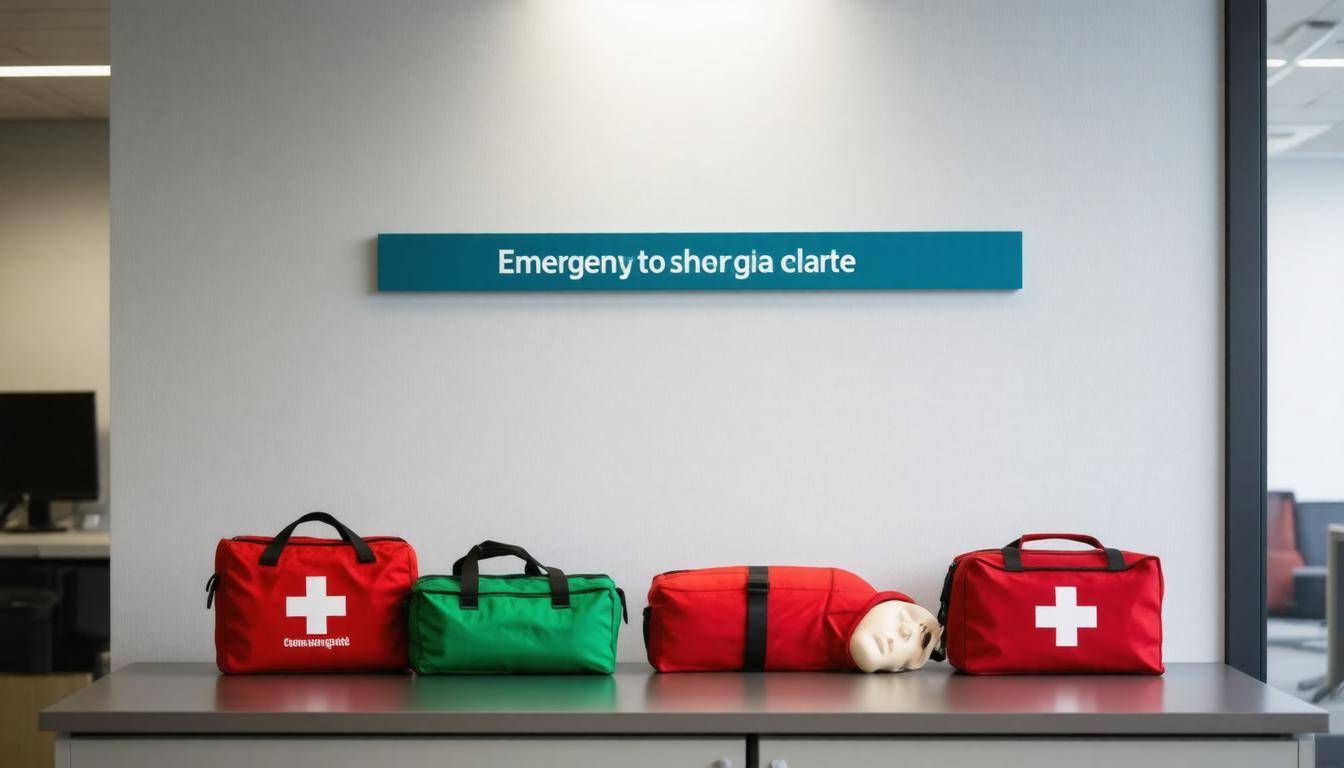
Understanding how to use emergency equipment correctly is essential in any workplace. Think of the first aid kit as your frontline defense in medical emergencies – it’s not just a box filled with supplies, but a treasure trove of life-saving tools waiting for the right moment to shine. Each item within needs to be treated with respect and familiarity. From adhesive bandages and antiseptic wipes to critical items like tourniquets and splints, knowing how and when to use these tools can make a significant difference.
As you prepare for emergencies, familiarity breeds confidence. This is why training employees on their specific roles, along with how to properly handle materials such as fire extinguishers or Automated External Defibrillators (AEDs), is vital. An AED can shock a heart back into rhythm, but only if an individual knows where it’s located and how to operate it confidently. It’s imperative that everyone in the office understands this equipment isn’t just for seasoned professionals—it’s for all hands on deck in an emergency.
Maintenance and Checks
Just as important as understanding how to use this equipment is ensuring that it functions correctly when needed. Regular checks act as a safety net—essentially, they provide peace of mind. You wouldn’t drive a car without checking if it has gas; similarly, don’t let emergency supplies sit idly and expect them to function when called upon.
Conduct monthly inspections of your emergency equipment. Check for expiry dates on first aid supplies; nothing is worse than reaching for a medication that has gone past its due date. Fire extinguishers should be serviced annually by a trained professional, and having the tags updated serves as proof that your extinguishers are ready to combat a blaze at a moment’s notice.
A well-maintained unit not only provides safety but reinforces a culture of preparedness among employees.
In addition, ensure that the locations of these crucial tools are clearly marked and unblocked; visibility can save precious seconds during an emergency. Consider placing guides or simple instructions near each piece of equipment; they reinforce knowledge and serve as helpful reminders when adrenaline runs high.
Regular maintenance combined with comprehensive training empowers your workforce, creating an environment where everyone feels capable and prepared to face emergencies head-on. This sets the stage for understanding additional protocols that enhance overall workplace safety.
Safety Procedures and Protocols
Safety protocols serve as the backbone of any effective workplace emergency response. Their implementation is not just a guideline; it’s essential for reducing risk and ensuring that an immediate, effective response occurs when emergencies arise. This is particularly true when we consider specific industries where hazards fluctuate based on context, such as construction sites or chemical plants. For example, in construction, enforcing helmet use isn’t just a suggestion—it significantly diminishes the risks of head injuries, safeguarding workers while promoting a culture of safety.
Beyond mere recommendations, creating industry-specific safety protocols becomes pivotal. Employers should conduct thorough risk assessments tailored to their operational environments, pinpointing potential hazards and designing corresponding protocols. Regular training sessions should then be established to ensure that these protocols are continuously reinforced among all employees.
To keep your workforce informed, consider initiating regular audits and compliance checks. These serve not only to confirm adherence to the established safety measures but also to identify areas needing improvement.
The value in maintaining stringent safety procedures extends beyond just employee welfare; they can have substantial economic benefits too. When safety protocols are followed, companies often notice fewer workplace accidents, translating into lower insurance premiums and less downtime due to injuries.
Additionally, there is a growing trend toward integrating holistic approaches that encompass comprehensive planning for every conceivable emergency—be it floods, wildfires, or potential chemical spills. By preparing for varying scenarios under one cohesive framework, businesses are better equipped to respond flexibly and efficiently.
It’s important for organizations to foster an environment where safety is prioritized without fail. They should encourage open dialogues about safety concerns and allow employees to voice their suggestions for improvements. This engagement provides valuable insight into the real-world application of protocols while empowering workers to take ownership of their safety.
Effective safety procedures are an ongoing commitment rather than a one-time setup. By prioritizing compliance through continuous training and reinforcement, employers create a nurturing environment where everyone feels valued and ultimately cultivates enhanced productivity across the board.
As we explore the critical foundation of safety measures in workplaces, we can now turn our attention to the vital role of training programs that enhance employee preparedness and knowledge in emergency situations.
Employee Training Programs
One of the core elements of an effective response to workplace medical emergencies is the training programs you establish for your employees. Developing these programs isn’t merely about compliance with regulations; it’s about empowering your workforce with the knowledge and skills they need to respond confidently in an emergency. Imagine walking into a workplace where every employee knows exactly what to do in a crisis—everyone feels more secure, which translates into increased productivity and morale.
Types of Training
As you create these comprehensive training sessions, it’s vital to cover a range of scenarios and equipment. The focus should balance theoretical knowledge with practical drills, ensuring that employees are not only informed but also equipped to act decisively. A well-structured program should include several core components:
-
First Aid and CPR: Perhaps the most critical training involves life-saving techniques. Employees should feel confident performing CPR or using first aid supplies. Offering hands-on practice enhances retention, making them more likely to recall these measures in real-life situations.
-
Fire Safety Procedures: Fire drills are crucial not just for knowing evacuation routes but for cultivating a sense of teamwork during crises. Consider simulating real scenarios where employees must evacuate safely while also reporting to designated muster points.
-
Emergency Evacuation Drills: Training should extend beyond fire drills to cover various emergency scenarios, like severe weather or bomb threats. Role-playing can familiarize employees with decision-making under pressure, helping them stay calm when time is precious.
-
Chemical Spill Response: For industries dealing with hazardous materials, specific training on what to do during chemical spills is indispensable. This knowledge protects their health and the environmental integrity of the surrounding area.
-
Workplace Violence Prevention: Addressing potential violent behavior is critical for employee safety. Training on recognizing warning signs can empower workers to diffuse potentially dangerous situations before they escalate.
An additional layer of benefit comes from regularly updating these training sessions based on new findings or emerging threats within your specific industry. By establishing a culture where continuous learning is encouraged, employees will remain adaptable and prepared for whatever challenges arise in their work environment.
Effective training programs not only equip employees with necessary skills but also foster a sense of community and support during emergencies.
With a robust training foundation in place, the next step involves assessing how well these protocols hold up over time and making necessary modifications as the workplace evolves.
Evaluating and Updating Response Plans
Continuous improvement should be a core component of your emergency response strategy. Developing an effective plan is just the beginning; the true test lies in how well you can adapt and enhance it over time. Regular evaluation keeps these plans relevant and ensures they meet the evolving needs of your workplace environment—especially as regulations change, such as those related to COVID-19.
One effective way to achieve this is by conducting post-incident reviews and regular plan audits. These activities are crucial for identifying areas that need improvement. Post-incident reviews allow teams to analyze what went well and what didn’t during an emergency or drill. For example, if a fire drill reveals a bottleneck at an exit, measures can be taken to rectify it before a real emergency occurs. This proactive approach can save lives.
Moreover, gathering data from these evaluations is invaluable; it helps uncover patterns and persistent issues that may not be obvious at first glance. Through careful analysis of incident reports, staff feedback, and observations made during drills, you can pinpoint specific weaknesses in existing protocols. Then, systemic changes can be implemented to alleviate these problems.
Regular Drills
Scheduling regular drills—at least semi-annually—is a cornerstone of maintaining an effective emergency response plan. These drills not only test the efficiency of your protocols but also serve as practice for employees, equipping them with the knowledge and confidence they’ll need during an actual incident.
After every drill, gather feedback from participants. This step is critical because the insights obtained help refine protocols while increasing overall preparedness. You might hear about confusion regarding evacuation routes or issues with communication tools that could be corrected ahead of time. By actively engaging employees in this way, you not only foster a culture of safety but also encourage them to take ownership of the procedures in place.
The more realistic and frequent your drills are, the better prepared everyone will be when an actual emergency arises.
It’s essential to create an atmosphere where continuous learning is not just encouraged but expected. As workplace dynamics shift, ongoing evaluations ensure that your emergency response plans remain effective and relevant, protecting both employees and the integrity of the organization itself.
In summary, prioritizing regular evaluations and drills in your emergency response strategy is fundamental to workplace safety. Through ongoing assessment and improvement, you enhance both preparedness and confidence among employees.
What equipment or resources should be readily available in the workplace to manage medical emergencies?
To effectively manage medical emergencies in the workplace, essential equipment and resources include an Automated External Defibrillator (AED), first aid kits stocked with supplies like bandages, antiseptics, gloves, and emergency contact lists. A staggering 70% of workplaces lack essential first aid supplies, highlighting the need for preparedness. Regular training sessions on using this equipment further enhance response capabilities, ensuring that employees are equipped to act swiftly in emergencies.
How often should the emergency response protocols be reviewed and updated?
Emergency response protocols should be reviewed and updated at least annually, or immediately after any incident that highlights a potential gap in safety measures. According to the National Safety Council, organizations that regularly update their emergency plans are 50% more effective in responding to workplace injuries. Regular reviews ensure that protocols reflect current best practices, regulatory changes, and lessons learned from past emergencies, ultimately fostering a safer work environment.
How can employers train their staff on the established emergency protocols?
Employers can train their staff on established emergency protocols by implementing regular, engaging training sessions that incorporate hands-on practice, scenario-based learning, and refresher courses. Utilizing tools such as CPR training certifications and first aid workshops can enhance proficiency. Statistics show that workplaces with trained employees in emergency response see 70% fewer injuries, thereby underscoring the effectiveness of proactive training and preparedness in fostering a safety-conscious environment.
What specific steps should be taken immediately in the event of a medical emergency at work?
In the event of a medical emergency at work, immediately assess the situation for safety, call for help (dialing emergency services), and provide care within your level of training. Quickly check if the person is responsive; if not, begin CPR if trained. According to statistics, timely intervention can increase survival rates for cardiac arrest by up to 40%. Ensure to use available medical resources like first aid kits and AEDs while keeping calm and encouraging bystanders to assist as needed. Remember, clear communication with emergency responders is crucial for effective assistance.
What role does first aid training play in workplace medical emergency preparedness?
First aid training is crucial in workplace medical emergency preparedness as it equips employees with the skills to respond effectively to injuries or health crises, potentially saving lives while minimizing the severity of incidents. Studies have shown that workplaces with trained first aid responders see a 60% reduction in the likelihood of fatalities due to timely interventions. Moreover, having staff trained in first aid enhances overall safety culture and employee confidence, promoting a proactive approach to health and safety issues within the organization.