
When thinking about coastal cities, we often picture beautiful beaches and vibrant cultures. But lurking beneath this sunny facade is a pressing challenge: climate change is threatening these precious homes. In Pattaya, Thailand, the stakes are high as rising sea levels and more intense storms put thousands of lives at risk. To combat these dangers, the Pattaya Coastal Storm Defense Plan has emerged as a critical lifeline for the city, merging advanced engineering with natural solutions to create a safety net for its residents. Through bold infrastructure projects and community involvement, Pattaya is taking proactive steps to protect its coastline and ensure that both people and nature can thrive together.
The Pattaya Coastal Storm Defense Plan is a strategic initiative designed to protect the coastal city of Pattaya, Thailand, from flooding and storm surges exacerbated by climate change. This plan includes critical infrastructure developments such as seawalls, improved drainage systems, and natural defenses like mangrove restoration, ultimately aiming to safeguard approximately 300,000 residents while enhancing overall urban resilience against environmental challenges.

Overview of the Pattaya Coastal Storm Defense Plan
The Pattaya Coastal Storm Defense Plan represents a vital investment in the resilience of one of Thailand’s most popular coastal cities. This plan was born out of necessity, driven by an alarming increase in severe weather events attributed to climate change. With storms occurring more frequently than ever—and an anticipated 30% rise over the last decade—the urgency of protecting both the community and infrastructure became a priority. As such, this plan isn’t merely about immediate relief but rather about long-term sustainability and safety for the approximately 300,000 residents who call Pattaya home.
Central to this initiative is the dual approach of utilizing hard engineering—which includes robust structures like seawalls—and soft engineering solutions, such as natural barriers and improved urban drainage. This blend maximizes efficiency while considering environmental aspects. These engineered solutions not only mitigate flooding risks but are also designed to adapt over time to ongoing climate challenges, which is crucial given projected rises in sea levels and rainfall intensity.
Furthermore, one cannot overlook the strategic role of partnerships woven into this project.
Collaborations with prominent international engineering firms like Royal HaskoningDHV allow for the adoption of advanced technology and expertise. Their involvement brings innovative planning techniques that effectively address both immediate needs and future projections related to weather patterns and coastal resilience.
It’s essential to note that the total budget for this ambitious project is estimated at over $100 million, illustrating a significant financial commitment from local government entities and partnerships on both national and international levels. This degree of funding underscores the high stakes involved—failure is not an option when so much relies on the integrity of Pattaya’s coastal defenses.
Having understood the driving forces behind this critical plan, we can now shift our focus to the specific elements that make up its core strategy.
Defense Infrastructure Components
The Pattaya Coastal Storm Defense Plan relies on two main elements: substantial physical barriers and eco-friendly interventions. Each of these plays a pivotal role in safeguarding the area from storm surges and flooding.
Physical Barriers and Drainage Systems
Starting with physical barriers, one of the most critical tasks is the construction of 5 kilometers of reinforced seawalls. These seawalls are not merely walls; they represent a formidable defense engineered to absorb and deflect the energy generated by waves during severe storms. Made from high-strength concrete, these structures are designed to withstand category 4 storms, offering reassurance to residents and businesses alike. The planning behind such fortifications involves extensive geological assessments to ensure their stability and effectiveness, a process that takes into account everything from soil composition to wave patterns.
However, building seawalls isn’t enough on its own. Alongside these robust defenses, improved drainage systems are equally crucial to ensure swift water removal following a storm. To this end, the project will install over 50 new high-capacity drainage outlets connected to underground stormwater pipes. This investment in infrastructure means that, during heavy rains or floods, incoming water can be effectively channeled away from vulnerable areas, thereby reducing the risk of standing water that could lead to erosion or damage.
While these physical barriers provide immediate protection, the integration of natural solutions enhances resilience even further.
Eco-Friendly Interventions
Eco-friendly interventions like mangrove planting have emerged as significant components of this defense strategy. Mangroves are not just beautiful; they serve as effective coastal buffers against wind, waves, and storm surge. Their intricate root systems anchor soil in place while absorbing excess rainfall. This dual benefit advocates environmental sustainability alongside urban engineering approaches.
The inherent value of mangroves extends beyond storm protection; they also offer habitats for diverse marine life while improving local ecosystems.
The combination of installing seawalls and promoting ecological restoration draws attention to a balanced approach to coastal protection. Understanding that the challenge of climate change requires innovative solutions paves the way for sustainable practices that can greatly enhance community resilience.
This multifaceted defense strategy sets an important foundation for understanding the subsequent challenges and advances in structural measures at the coastline.
Shoreline Structures and Barriers
Shoreline structures play a vital role in the fight against coastal erosion and storm damage. These barriers are crafted to protect coastal areas from the relentless power of waves and rising sea levels. Among these structures, seawalls and groynes stand out as prime examples of engineering ingenuity that safeguard our valuable shorelines.
Seawalls and Groynes
Seawalls serve as a robust frontline defense, meticulously designed to absorb and reflect incoming wave energy. Picture standing by the ocean during a storm: the waves crash violently onto the shore, but with a seawall in place, much of that force is redirected back into the sea rather than eroding precious land. This helps preserve beachfront properties and infrastructure, significantly reducing damage from high tides and storm surges.
Meanwhile, groynes are long, thin structures protruding from the shoreline, engineered to manage sediment movement along the coast. By intercepting sand carried by longshore drift, these barriers allow for sand accumulation on one side while minimizing erosion on the other. When I visited Pattaya last summer, I could see some of these groynes in action. The beach on one side was expansive and inviting while just yards away, erosion had impacted other areas without such defenses. These simple yet effective structures work hand-in-hand to stabilize the shoreline.
However, it’s crucial to recognize that while these hard solutions provide immediate protection against nature’s forces, they also necessitate thoughtful design considerations to maintain ecological balance.
Impact on Local Marine Life
Some environmental advocates raise concerns about how seawalls and groynes can disrupt local marine ecosystems. They worry that solid structures may inhibit natural coastal processes that many marine species rely on for breeding and feeding. On a positive note, proponents of these projects often emphasize that it’s possible to incorporate features that promote marine life—such as artificial reefs—into their designs. Integrating living spaces within designs encourages biodiversity even amidst human-made structures.
Navigating between engineering solutions and environmental responsibility is paramount for creating sustainable coastal defenses that protect people while also nurturing our oceans.
Beyond these physical barriers lies another critical concern: effectively managing wave energy and controlling erosion requires a comprehensive approach that blends various measures together harmoniously.
Wave Management and Erosion Control
Controlling wave impact and erosion is not just a matter of aesthetics; it serves as a fundamental strategy for protecting coastal communities from the increasing threats posed by climate change.
When we think of the dangers that storms present, we often focus on flooding or structural damage, but waves can inflict significant harm as well. To mitigate these risks effectively, a variety of methods are utilized, including wave breakers and innovative erosion management techniques.
Wave Breakers
The installation of offshore wave breakers at 100-meter intervals plays an integral role in reducing the force of incoming waves before they reach the shore. These structures serve as a first line of defense against turbulent waters. By breaking up waves, they dissipate energy and significantly lower their height, thus preventing the kind of destructive impact that can erode coastlines and threaten properties.
Imagine standing on a beach during a storm; the fierce crashing waves can be both mesmerizing and terrifying. With wave breakers in place, however, what you would see is a calmer shoreline—a direct result of these functional barriers softening the power of the natural elements. This protection not only safeguards people but also helps maintain the beach itself, preserving its beauty for future generations to enjoy.
Erosion Management Techniques
Beyond structural solutions, nature offers some remarkable answers to our coastal challenges. Innovative techniques like bioengineering have emerged as effective methods for erosion control. One notable example is the strategic planting of vetiver grass along shorelines. The deep-rooted systems of this resilient plant help anchor soil in place, providing stability during heavy rainfall and high winds. This consolidation of soil prevents erosion while benefiting biodiversity in local ecosystems—truly a win-win solution.
Equally transformative, mangrove reforestation projects offer additional layers of protection against wave forces while enhancing carbon sequestration efforts. Mangroves absorb substantial wave energy, which significantly reduces sediment loss and bolsters coastal resilience to storms. By stabilizing sediments and providing habitats for various marine species, these projects play an essential role in creating vibrant coastal ecosystems.
Understanding how these initiatives blend both engineering and ecology sets the stage for exploring the intricate processes involved in bringing these protective measures to fruition.
Construction Processes
Building the storm defenses requires not just skills but also a well-coordinated strategy that seamlessly blends science with practicality. The entire project is like constructing a protective barrier, where each element is crucial for standing firm against nature’s fury.
Step-by-Step Construction Plan
Step I – Preliminary Surveys
The first step in any major construction project is thorough research—think of it as preparing a recipe before cooking. In Pattaya, extensive topographic and hydrographic surveys are conducted to pinpoint the most vulnerable areas along the coastline. Local engineers and geologists analyze current conditions and local weather patterns, which helps predict where defenses will be most needed.
This groundwork provides invaluable insight; it determines everything from where seawalls will be placed to how high they need to be.
When you consider that climate change is increasing storm frequency and intensity, these surveys become even more critical. They inform the planners about specific elevations that can withstand rising sea levels and identify points prone to flooding.
Step II – Material Procurement
After gathering data from surveys, the next phase involves material procurement. High-strength construction materials are essential to withstand the harsh coastal environment. Orders for specialized concrete, geotextiles, and corrosion-resistant metals are meticulously planned and placed, ensuring that the materials arrive just in time for installation.
Using high-quality materials isn’t merely about durability; it’s also about longevity. Choosing materials suited for these specific environmental conditions translates into fewer repairs down the line, which saves both time and money.
For instance, the project anticipates using approximately 200,000 cubic meters of concrete and 50,000 tons of steel in its construction, demonstrating significant logistical planning regarding material usage.
Step III – Sequential Installation
Once everything is ready on-site, construction kicks off with laying foundations for seawalls and groynes. The sequential installation ensures that every component works cohesively together. Once those foundations are solidly laid, workers move on to constructing wave breakers and enhancing drainage systems.
This methodical approach allows for ongoing evaluation throughout the process. Regular inspections happen at each stage to ensure compliance with environmental standards set out during the planning phase, minimizing any potential adverse effects on local ecosystems.
The importance of sequencing cannot be overstated; it helps maintain structural integrity while adapting to evolving climate risks. Each part of this massive puzzle plays an interdependent role in creating a resilient urban coastline protected from natural threats.
Having outlined the intricate processes behind this ambitious initiative, we now turn our attention to examine the broader implications of climate-related challenges and how proactive measures are being taken to address them effectively.
Climate Risks and Mitigation

In Pattaya, the threat of climate change is not theoretical—it’s a daily reality facing this vibrant coastal city. With climate risks becoming more pronounced, it’s essential to recognize both the specific vulnerabilities and the measures in place to safeguard against them. For instance, rising sea levels due to global warming present enormous challenges for coastal cities like Pattaya. The risk isn’t limited to stronger storms or tidal surges; it translates into increased flooding that can disrupt local infrastructure and damage homes. To combat these floods, the city has strategically planned seawalls and elevation projects designed to protect vital areas from encroaching waters.
Another significant concern is the intensified storm activity, which has begun to batter coastlines with alarming regularity. These events threaten property and can devastate entire communities. To counteract this, Pattaya’s urban planners are focusing on building high-resilience structures that can withstand severe weather while also implementing early warning systems that ensure residents receive timely information about impending storms. This proactive approach helps prepare citizens, potentially saving lives and minimizing property damage.
Moreover, threats such as erosion and land loss pose a serious risk to environmental integrity and coastal ecosystems. As beaches erode, we lose not only recreational spaces but also critical habitats for local wildlife. Here, bioengineering techniques come into play—a blend of technology and nature restoration strategies like mangrove restoration aim to stabilize shorelines while promoting biodiversity.
These strategies embody a sense of shared responsibility among government, businesses, and individuals alike. Each entity has a role to play—residents can be advocates for sustainability and support local initiatives designed to enhance resilience against climate change.
It is important to remember that just as Pattaya is taking steps towards mitigation today, its citizens must remain vigilant and adaptive as new challenges arise.
Engaging in these environmental initiatives not only secures Pattaya’s future but also highlights opportunities for further advancements that could shape a more sustainable community in the face of climate realities.
Environmental Sustainability
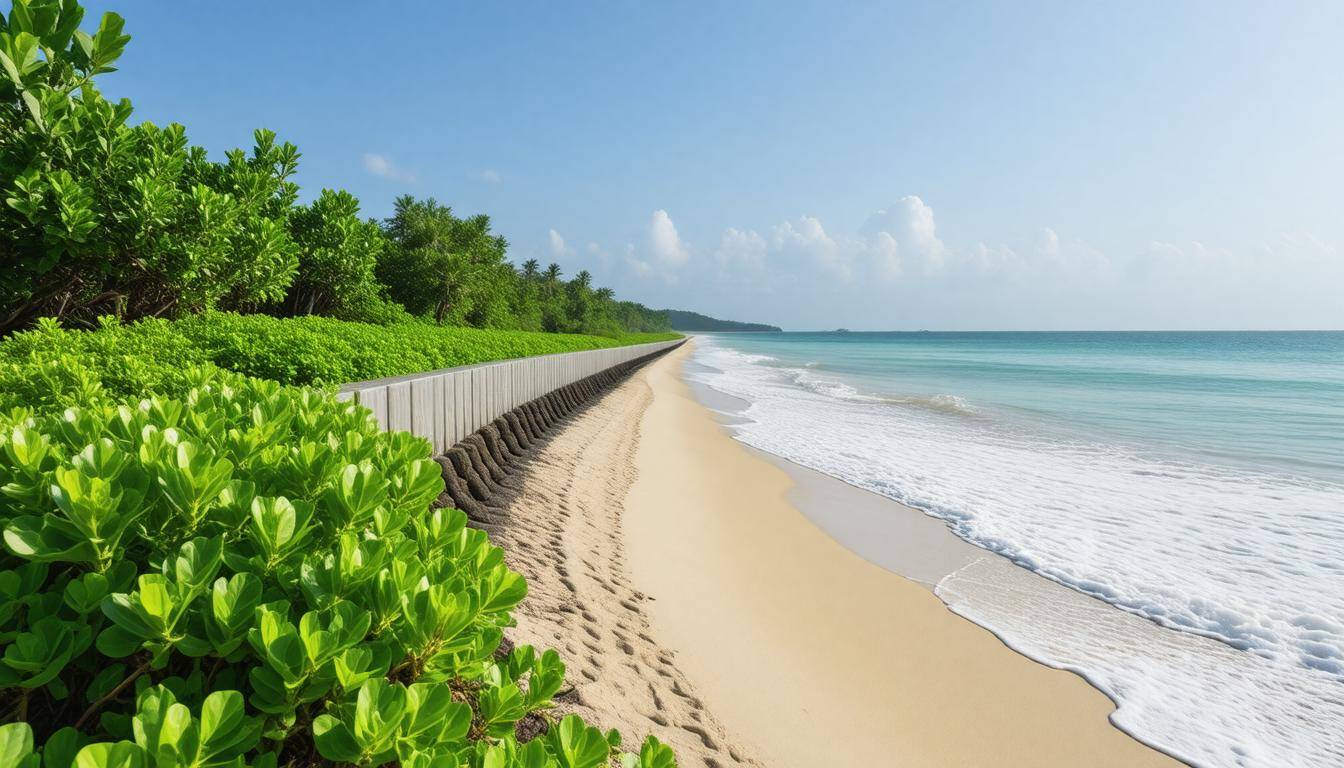
Integrating sustainable solutions means balancing human protection with ecological preservation. This is vital because climate resilience cannot be achieved without considering the environment we aim to protect. One effective method that has gained attention in the Pattaya Coastal Storm Defense Plan is the restoration of mangrove forests. These natural barriers do far more than just stabilize coastlines—they offer a sanctuary for diverse wildlife, enriching local ecosystems as well.
Mangrove forests, often referred to as nature’s buffer zones, can absorb up to 70% of wave energy during storms. This remarkable capability not only protects coastal communities but also guards against erosion, reducing the need for costly artificial structures. The presence of mangroves leads to healthier water systems as they filter pollutants and provide habitats for various marine life forms. By restoring these habitats, we’re investing in both environmental health and community safety—an example of working with nature rather than against it.
Eco-Friendly Approaches
To further bolster this initiative, innovative building materials are being explored for coastal defense structures. For instance, using permeable concrete in some seawall sections allows marine life to flourish without compromising structural integrity. This type of concrete can reduce stormwater runoff, effectively managing rainwater while maintaining a strong foundation. Prioritizing these eco-friendly practices ensures that infrastructural improvements enhance rather than detract from the natural landscape.
Embracing sustainable designs creates resilient communities capable of withstanding climate impacts. Local government agencies in Pattaya are at the forefront of this movement, collaborating with environmental experts and engineers to ensure that every enhancement reflects an understanding of ecological importance. Combining advanced technology with traditional ecological knowledge yields innovative strategies for combatting climate threats.
Engaging all stakeholders—from local communities to NGOs—is essential for the plan’s success. Involvement not only fosters ownership among residents but also integrates diverse perspectives that can enrich decision-making processes as we move forward together.
Community and Government Roles
The collaborative efforts between community members and government agencies are vital in formulating and implementing effective coastal defense strategies. When locals take ownership of the project alongside governmental bodies, it fosters a sense of unity and purpose that translates into more successful outcomes. It’s about building a resilient coastline hand-in-hand, ensuring that everyone has a stake in their environment.
Government Initiatives
Local authorities work closely with national disaster management agencies to establish clear guidelines for construction and ensure compliance with environmental regulations. This is no small feat; with climate change causing rising sea levels, adaptive measures must align with sustainable practices. The intricate balance of effective flood prevention measures and ecological preservation can lead to innovative solutions that benefit both people and nature. Moreover, strict compliance monitoring ensures that the foundations laid today will serve generations to come.
But without community engagement—local buy-in—the best-laid plans might falter.
Community Involvement
Engaging the community through public workshops and consultations opens the door for residents to voice their concerns and contribute valuable insights on the initiative. These platforms serve as essential venues for sharing experiences, particularly regarding flooding, which many Pattaya residents have encountered firsthand. A survey revealed that approximately 70% of residents support the project, reflecting widespread backing bolstered by personal narratives of past flooding crises.
One resident shared: “When you’ve seen homes submerged and livelihoods washed away, you begin to understand the importance of these defenses.”
A local fisherman expressed solidarity with the initiative as he stated, “These defenses protect our homes and our livelihoods.” His sentiment highlights how personal stories resonate within the community, reinforcing a collective commitment to maintaining both cultural heritage and economic stability.
When communities understand their role in such projects, they become ambassadors of change, educating each other about the significance of coastal resilience. Combining practical knowledge from local experiences with professional expertise from government initiatives creates stronger protective measures against climate threats. Community input matters—every voice contributes to shaping a future where safe shorelines coexist with thriving ecosystems.
As we explore how improvements can be made through this collaboration, it becomes clear that supporting each other is crucial in defending against the harsh realities posed by climate change.
In conclusion, fostering strong ties between communities and government bodies underpins effective coastal defense strategies while promoting resilience against climate challenges.