
Hurricanes can leave behind a trail of destruction that’s overwhelming, and navigating the aftermath can feel like a daunting task. You might ask yourself, “Where do I even start?” Well, fear not! A post-hurricane home inspection is your first step towards safety and recovery. By understanding how to assess your property for damage systematically, you can safeguard your home from further issues and set the stage for repairs. This guide will walk you through checking critical areas of your home, helping you take charge after the storm. Whether you’re spotting leaks or documenting damages for insurance claims, being prepared is key to bouncing back stronger. So let’s dive into what you need to do right after the winds have calmed.
Your post-hurricane home inspection checklist should include assessing structural integrity, documenting visible damages (both inside and outside), checking for leaks or water damage, verifying that utilities are functioning, and compiling a list of personal property losses. Additionally, ensure you have your identification, proof of ownership, and any insurance documentation ready for the inspection process.
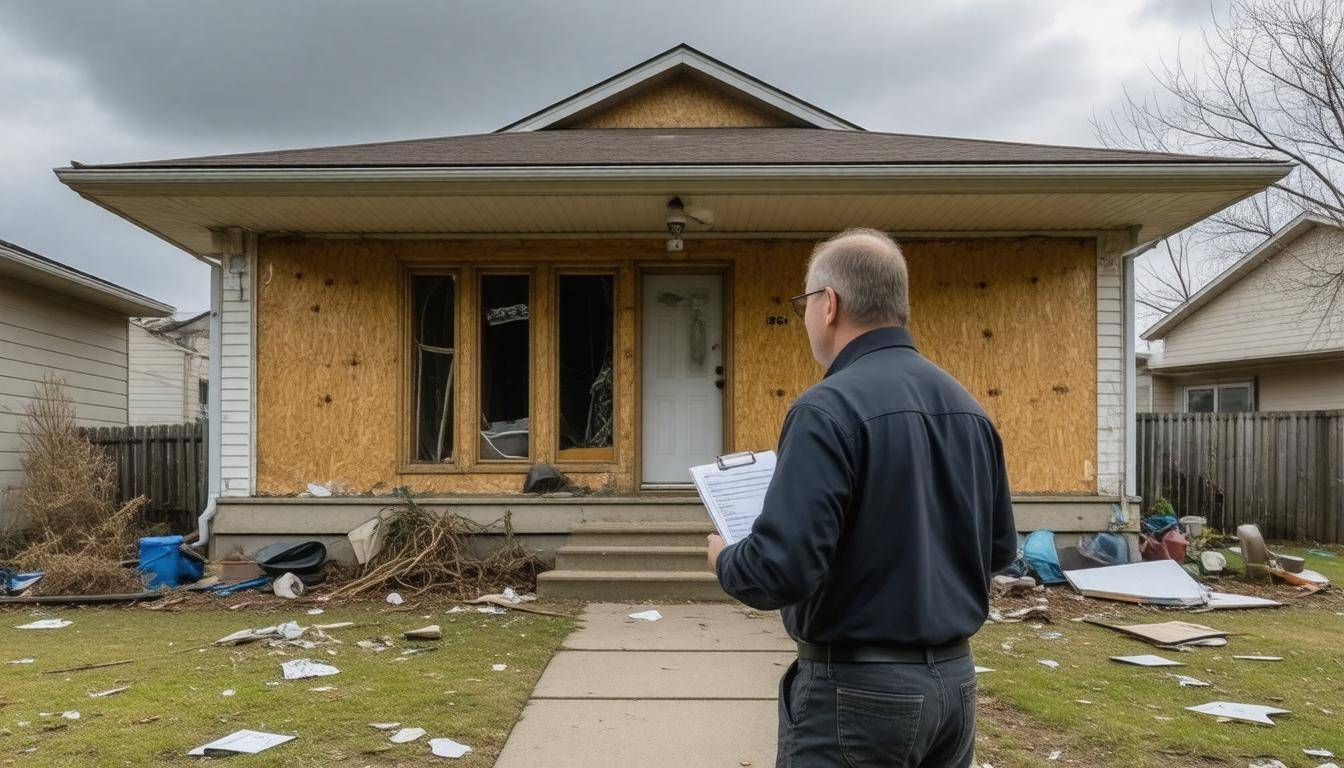
Inspecting Your Home Post-Hurricane
The inspection process is crucial for ensuring your safety and understanding the extent of the damage so you can take appropriate action. As you begin your inspection, keep in mind that attention to detail can save you headaches later on. Start with the roof—a vital part of your home’s structure. Look for missing shingles or sagging areas; these are serious indicators that your roof may require immediate repair. If you notice more than 25% of the shingles missing, it’s time to consider a replacement.
You’ll want to work methodically, moving from the roof down to the external walls. This approach helps in recognizing holistic patterns of damage. When inspecting your exterior walls, take note of any visible cracks—especially those wider than 1/4 inch—as they may signal structural problems requiring professional evaluation. Pay close attention to areas where water may have seeped through, as this can lead to mold or further deterioration if left unchecked.
Ensure to look closely at your windows and doors too. Are there broken panes or damaged frames? Any signs of water intrusion must be addressed immediately, as they can compromise the integrity of your home while inviting unwanted pests.
Once you’ve thoroughly assessed the exterior, turn your focus inward.
Inside the house, start with a detailed review of your electrical system. Check for tripped breakers or exposed wiring; both can be dangerous if there has been water exposure. If you suspect any electrical issues stemming from water damage, it’s imperative to consult a licensed electrician before reusing any outlets. Remember, safety first!
Next, conduct a careful check of your plumbing systems because leaks can create unseen hazards, especially in basements and crawl spaces. It’s wise to search for any mold or water stains as these could indicate bigger plumbing problems lurking behind the scenes.
Lastly, don’t overlook the exterior features around your property such as decks and fences. Structural damages here might not be immediately visible but can weaken their overall integrity over time. Be proactive by assessing all elements like siding and railings; any visible deterioration could require repair or replacement soon.
As ominous as this might sound, think of this step as preparing for an epic home makeover rather than just damage control—your efforts could transform what feels like disaster into opportunities for improvement!
With this comprehensive examination under your belt, the next steps will involve diving deeper into specific aspects of your home’s resilience against future challenges.
Assessing Structural Integrity
Structural integrity serves as the backbone of your home—without it, safety becomes a concern. One must approach this assessment with a discerning eye, as small issues can often herald bigger problems. It starts with two critical areas: the foundation and the roof.
Roof and Foundation
When inspecting your roof, it’s crucial to check for missing shingles or tiles. Stand back and observe if there are any sagging areas; these could indicate that the roof is under duress, possibly due to water damage or weakened timbers. A compromised roof not only poses a risk of leaks but can also lead to more severe deterioration of internal structures.
Imagine weathering a storm while worrying about rain pouring into your living room because of a damaged roof. It’s stressful enough without adding unexpected leaks to the list.
Next, turn your attention to the foundation. It’s vital to look for cracks or shifts in its structure. Hairline fractures in concrete are relatively common and may sometimes just need sealing, but anything larger than a quarter-inch should raise alarms. This could indicate significant settling or other structural issues that might warrant immediate professional evaluation.
Remember, although you may handle smaller repairs, for serious concerns regarding either your roof or foundation, specialized repair services are often necessary to ensure long-term stability and safety. They will offer expert insight into whether an issue can be resolved with minor repairs or if more extensive interventions are required.
Having assessed the integrity of your home’s structure, it’s important to maintain focus on essential services, ensuring that all systems operate effectively to keep your household safe and secure.
Checking Utilities and Safety Hazards
In the aftermath of a hurricane, checking the utilities may not be the first thing on your mind, but it can be essential for safeguarding your property and loved ones. Utilities, particularly electricity and gas, present significant danger if damaged or affected by water. An unnoticed gas leak or an exposed electric wire can pose life-threatening risks, making it imperative to inspect these systems thoroughly.
Utility Checklist
-
Gas Leaks: Begin by taking a deep breath—smell for natural gas, often detectable by a unique rotten egg odor. You might also hear hissing sounds near gas lines. If you suspect a gas leak, don’t hesitate; turn off the gas supply immediately and get in touch with your local gas company. Prompt action is crucial because undetected leaks can lead to dangerous explosions.
-
Electrical Issues: Next, look around for any visible electrical issues. Check for frayed wires, which can spark fires, or downed power lines that may still be live. If you see water pooled near electrical outlets or appliances, it’s time to act: switch off the power at the main breaker first, then contact a licensed electrician for help. Electricity and water are a hazardous combination, so always err on the side of caution.
-
Water Supply: The integrity of your water supply has likely been compromised after heavy floods. Inspect pipes for visible damage or leaks and test your water for discoloration or unusual pressure changes, which could indicate contamination. Even a slight change in your water’s color can suggest serious underlying issues that require professional attention.
-
Sewer Lines: Lastly, any sign of backups or blockages in your sewer lines can lead to bigger problems like sewage spills in your home. Look for unexpected smells or slow drains—these are common signs of trouble that shouldn’t be ignored.
Addressing these utility hazards prevents potential accidents and forms a safer environment in the wake of disaster recovery.
Having confirmed that your utilities are safe, it’s now time to assess your home’s interior for damage caused by the storm.
Evaluating Interior Damage
While the external damage of a hurricane is often glaringly apparent, the internal damage can be just as treacherous yet much less visible. A thorough evaluation of your home’s interior will help you identify problems that may not immediately catch your eye but can have serious implications for safety and health. Start by examining your walls and ceilings, as they can reveal a lot about water infiltration and structural integrity.
Walls and Ceilings
When inspecting walls, look for any damp spots, which could indicate lingering moisture from water seepage, as well as cracks that may suggest a compromise in structural support. Discoloration might also signal trouble; don’t ignore those large dark patches.
Heavy water exposure can cause paint to peel and may also herald mold growth, an issue that develops quickly after a storm. Mold can begin growing within 24 to 48 hours of water exposure, so if there’s any sign of it, act swiftly. For example, signs of bulging in the drywall could mean the ceiling is at risk of collapsing due to hidden water accumulation. Immediate action is crucial—possibly calling in professionals—to address this before it exacerbates.
The threat doesn’t stop with your walls; it extends into your living areas and flooring as well.
Furniture and Flooring
Let’s turn our attention to furniture and flooring, which are often the quiet victims of unexpected disasters. Soft furnishings such as carpets and sofas soak up water easily. If left moist for too long, they can become breeding grounds for mold and mildew. Even a seemingly minor amount of water can cause substantial issues; homeowners report average losses between $1,500 to $5,000 just from furniture damage alone.
Additionally, inspect hard flooring surfaces like tile or hardwood for signs of warping or staining. These physical deformities often serve as indicators of water penetration beneath the surface. If you notice buckling wood or tiles beginning to loosen, this could pose serious concerns regarding stability and may necessitate further restoration work.
It’s worth noting that 14% of homes face significant water damage post-hurricane, with repair costs ranging from $3,000 to $8,000 on average—an expensive lesson if proper evaluations aren’t conducted promptly.
As you assess these areas, remember to document all findings meticulously; creating a detailed inventory of damages alongside photographs will support any insurance claims or assistance requests later on. Preparing this information now will make navigating recovery processes much smoother.
Reviewing Exterior Features
When conducting a post-hurricane assessment, evaluating your home’s exterior is just as important as checking for damage indoors. Elements like fences, driveways, and decks might seem minor compared to roofs and walls, but they play a crucial role in your property’s overall safety and aesthetic appeal. A thorough inspection can reveal hidden issues that could lead to larger problems down the road.
Fences and Decks
Wooden fences and decks are particularly vulnerable to harsh weather conditions. Begin by examining them for signs of rot, which can create hazardous situations if not addressed. Look for soft spots; if you can easily poke your finger through the wood, it’s time for repairs or replacements.
Furthermore, don’t forget about the nails. Weather-worn nails can become loose over time, posing risks for both people and pets. It’s wise to replace any compromised nails and broken planks to maintain safety standards. For composite materials like plastic or vinyl, inspect them carefully for any cracks—these could indicate a structural failure waiting to happen.
Once you’ve carefully assessed your fences and decks, it’s equally crucial to extend your review to other areas such as driveways and sidewalks.
Driveways and Sidewalks
Driveways and sidewalks are often overlooked during inspections but can suffer significant damage during severe weather events. Check for cracks or shifts in the surface that are wider than a quarter of an inch; such imperfections could undermine stability and safety. Additionally, look for pooling water or improper drainage, as these may result from underlying issues that need immediate attention.
If you installed brick or paver stones, inspect for dislodged pieces that can trip unsuspecting pedestrians. In heavy storms, these materials can shift significantly, creating uneven surfaces that pose risks both visually and physically.
Gutters and Downspouts
While you’re at it, don’t neglect your gutters and downspouts—they’re vital for effective rainwater management. Ensure that gutters are clear of debris; overflowing gutters can result in water seeping into walls or foundations, causing costly damage. Additionally, check if the downspouts are directing water away from your home’s foundation; improper drainage can lead to erosion over time, compromising structural integrity.
Whenever possible, try using a ladder during this inspection so that you can get a closer look at potential blockages or misalignments. It’s essential to take precautions while climbing—if you’re uncomfortable with heights or the condition of your roofline is suspect after the storm, consider hiring a professional.
With all these elements carefully evaluated and documented, you’ll be ready to tackle any necessary repairs or initiate discussions with insurance representatives about coverage for damages sustained.
Documenting and Reporting Issues
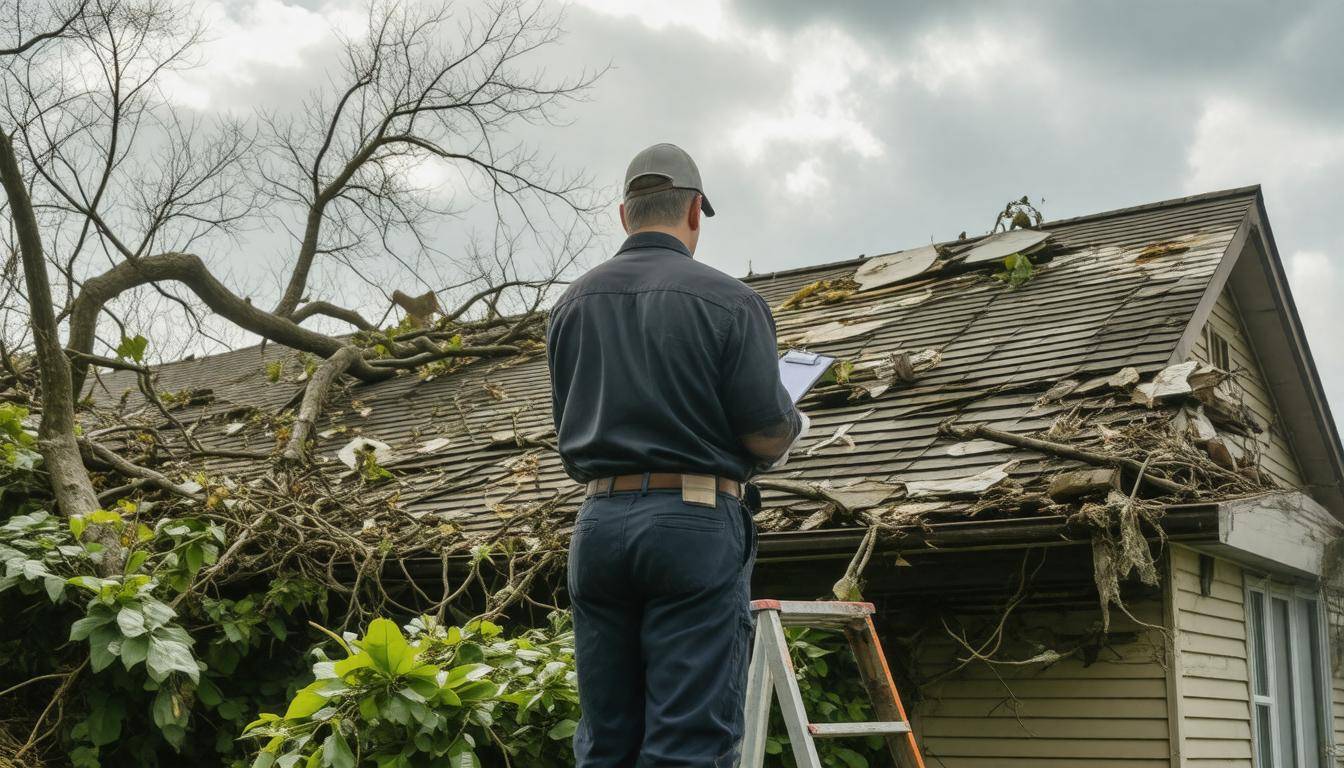
Thorough documentation post-hurricane isn’t just a precaution; it’s a vital component of securing the assistance you need. When it comes time to file insurance claims, provide clear and compelling evidence. This means taking high-resolution photographs of all visible damage, not just the obvious areas like the roof or windows, but also less conspicuous spots where water may have seeped in or structural elements may have aged improperly.
Remember, when documenting damage, aim to capture multiple angles of each issue so that nothing is left to ambiguity.
Use your smartphone for convenience—most phones today have cameras that take excellent quality pictures. As you move through your home, create a small report detailing each damaged area alongside its location. Note the specific nature of the damage and consider jotting down emotional responses as well. While insurance companies primarily look for physical documentation, highlighting how damage affected your life can personalize your claim and enrich your narrative. Don’t forget to back up all documentation online for easy access later on.
Here’s an example layout that can simplify your documenting process:
| Area | Damage Description | Photo Reference |
|---|---|---|
| Roof | Missing shingles | DSC001.jpg |
| Living Room Ceiling | Water stains and sagging | DSC002.jpg |
| Backyard Fence | Broken planks and post rot | DSC003.jpg |
Additionally, keeping organized records ensures that when FEMA or your insurance company contacts you, you are fully prepared to provide them with everything they’ll need to process your claim swiftly. The more transparent and proactive you are now, the smoother this process will be down the line. This will not only support your request for aid but contribute significantly to rebuilding your home better than ever.
With all issues meticulously documented, attention must now turn towards addressing urgent repairs and implementing necessary safety measures to stabilize your living environment after the hurricane.
Immediate Repairs and Safety Measures
Quick fixes play a crucial role in minimizing the damage caused by adverse weather events. They act as temporary solutions but can significantly shield your property until professional repairs can be made. Not only do these measures help protect your home, but they also safeguard your family by reducing potential hazards. Imagine waking up in the middle of a storm, hearing the howling wind and pouring rain above, knowing that every moment counts: this is when quick action can save you from more extensive damage.
Quick Fixes
-
Tarp the Roof: If you’ve noticed missing shingles or leaks, covering gaps with heavy-duty tarps can prevent water from penetrating further into your home. Start by securing one end of the tarp on a high point of the roof, then extend it downwards and fasten it with ropes or bungee cords.
-
Seal Cracks: Small cracks in your foundation or walls can expand during inclement weather, allowing moisture to seep in. Use epoxy or a waterproof sealant to fill these cracks. This stabilizes the structure and keeps unwanted water at bay.
-
Clear Debris: After a storm, fallen branches and debris may litter the area around your home. Removing these hazards reduces the risk of accidents while also facilitating better drainage if further rainfall occurs. Clear pathways and gutters to promote water flow away from your foundation.
-
Dehumidify: Utilizing dehumidifiers in affected rooms helps combat moisture accumulation. This is particularly vital since stagnant air encourages mold growth, which poses health risks to you and your family. Keep windows closed while running the dehumidifier for better efficiency.
Quick fixes aren’t an invitation to procrastinate longer-term repairs; think of them as essential first-aid measures. Addressing immediate concerns should go hand-in-hand with organizing for professional inspections and repairs when possible.
As we consider how to better equip ourselves against nature’s fury, it’s essential to focus on proactive strategies that can greatly enhance our resilience.
Preparing for Future Storms

Prevention is better than cure. This age-old adage rings particularly true when it comes to hurricane preparedness. By taking proactive steps now, you not only safeguard your home but also ensure peace of mind when storm season approaches. Incorporating preventive measures into your seasonal routine can mean the difference between minor inconveniences and major disasters when the next storm rolls in.
Precautionary Measures
One of the best investments you can make is to install storm shutters. These are not just a decorative option; their primary function is to protect your windows from breakage during high winds. Shattered windows often lead to water damage inside the home, compounding repair costs. By having dependable storm shutters installed, you defend against debris while enhancing your property value.
Securing outdoor items is another often-overlooked strategy that can save homeowners unnecessary hassle. Items such as patio furniture, potted plants, or garden tools, if left unsecured, can turn into dangerous projectiles in high winds. Anchoring these loose items may seem trivial until you realize that high-force winds can easily transform them into hazards for both your home and your neighbors. Simple anchors or storage solutions for outdoor items become invaluable during storm preparation.
Checking your roof and gutters regularly is equally critical. Over time, these structures endure wear and tear from environmental factors that go unnoticed until it’s too late. Ensuring they are in good condition can prevent overflow during heavy rain—a quiet guardian against serious flooding in your living space.
Beyond physical preparations, staying informed about local weather patterns and community resources remains essential in creating a solid defense plan against future storms.
Joining local preparedness programs or understanding how to use tools available at Ready.gov Toolkits will empower you with resources on how best to respond before, during, and after a storm. The more knowledge families have about potential threats in their areas—whether hurricanes, floods, or wildfires—the more effectively they can prepare their homes and loved ones.
In truth, preparation isn’t just a one-time event; it’s an ongoing commitment that resonates through annual routines and careful planning. By embracing these precautionary measures today, you’re laying down the groundwork for a resilient tomorrow—a decision that could very well protect what matters most when nature shows its formidable side.
Ultimately, being prepared goes beyond physical safety; it fosters a sense of security within your community as well. Equip yourself with knowledge and tools now so that when the storms come, you’ll be ready to face them head-on.