
When it comes to protecting your valuable belongings, you might think standard homeowners or renters insurance has got you covered. But what happens when those treasured items—like a stunning diamond ring or a family heirloom painting—outprice what your policy can handle? It’s a common pitfall where many individuals find themselves underinsured, leaving their most cherished possessions vulnerable in times of need. This is where insurance riders step in, offering a specialized safety net tailored just for these high-value items. Understanding insurance riders isn’t just about safeguarding valuables; it’s about securing peace of mind for you and your loved ones. Let’s dive into this comprehensive guide on how riders function and why they are essential for true protection against life’s unexpected twists and turns.
Insurance riders for high-value items provide additional coverage beyond standard homeowners or renters insurance, ensuring that valuable possessions like jewelry, art, or collectibles are adequately protected. They are essential because most standard policies have limitations on the amount they will cover for such items, often requiring specific riders to secure full replacement value and peace of mind in case of loss or damage.
What Are Insurance Riders?
Insurance riders, often referred to as endorsements, add a personalized layer of safety to your standard insurance policy. These provisions allow you to tailor your coverage and ensure that high-value items, such as fine jewelry, collectibles, or even that beloved vintage guitar, receive proper protection. Most people don’t think twice about their regular homeowners’ insurance until something goes wrong, but those unexpected moments highlight the need for extra safeguards.
A classic example lies in standard homeowners insurance policies, which typically cover personal property up to around $2,500. So, if you possess a luxurious diamond ring valued at $15,000, that’s simply not enough coverage without adding a rider specifically for that piece. In cases like this, an insurance rider is crucial—it ensures full compensation should disaster strike.
Now consider insurance riders as akin to customizing a vehicle; just like you can choose specific features—like heated seats or upgraded sound systems—you can also select which items to insure and the extent of their protection. This flexibility allows policyholders to suit their individual needs. Moreover, depending on the insurer, there are often different types of riders available that cater specifically to various categories of valuables.
To access this kind of tailored coverage typically requires providing documentation such as appraisals or photographs of the high-value items you wish to insure. Adequate documentation helps determine the right premiums and incentives policyholders may enjoy based on the items covered. By obtaining an appraisal before getting an insurance rider, you gain insight into the appropriate levels of coverage needed for peace of mind.
Here are several common types of insurance riders worth noting:
- Scheduled Personal Property Rider: Specifically lists valuable items along with their appraised values.
- Blanket Coverage Rider: Covers multiple high-value items up to a certain dollar limit without naming each item.
- Accidental Damage Rider: Provides extra protection for damages caused unintentionally.
Understanding these nuances regarding what insurance riders provide and how they enhance your coverage creates the foundation for examining practical applications and recommendations for securing your valuables effectively. As we shift focus, let’s explore the key advantages associated with having additional coverage in place.
Benefits of Extra Coverage
Adding an insurance rider specifically for valuable items can dramatically enhance your financial protection and peace of mind. High-value pieces, such as bespoke jewelry or intricate art, often carry risks that standard homeowners’ policies may not sufficiently address. This became starkly clear in 2024 when statistics revealed that a staggering 35% of claims related to high-value items were denied simply because these items weren’t adequately covered under regular policies.
Imagine investing in a breathtaking piece of artwork only to discover that the losses incurred from theft or damage would have to be borne entirely by you due to insufficient coverage. This reality highlights the importance of customizing your policy and incorporating riders to protect against significant out-of-pocket expenses.
A well-crafted insurance rider offers targeted protection for specific items that may otherwise risk being underinsured. For instance, while your homeowners’ insurance might cover personal property up to a certain threshold—often between 50-70% of dwelling coverage—items valued over this limit could be left vulnerable. On the contrary, dedicated riders are tailored to ensure you can recover the full appraised value of rare artworks, designer handbags, or vintage watches. Thus, without these additional layers of security, you may find yourself facing potentially crippling financial consequences.
Moreover, having this extra coverage isn’t just about the money—it also fosters a sense of security and comfort regarding your treasured belongings. Knowing that something so personal and valuable is safeguarded by comprehensive coverage can alleviate some anxiety associated with ownership. Instead of constantly worrying about the “what-ifs,” you can engage with your possessions fully, such as wearing that beloved necklace or displaying family heirlooms without hesitation.
Insurance riders can make all the difference in ensuring you’re not left with losses amid devastation. They often cover various scenarios—from theft to accidental damage—providing robust security against unexpected incidents that life tends to throw our way. For example, if you accidentally spill wine on a prized silk scarf or if a natural disaster causes damage to an antique desk that’s been passed down through generations, insurance riders can help mitigate those losses effectively.
It isn’t simply about having more policies; it’s about strategic protection tailored to your lifestyle and valuable assets.
Choosing specialized insurance is a proactive move towards safeguarding what matters most. Understanding how these additional protective measures operate gives you the insight needed to preserve your prized possessions efficiently and securely, allowing for a deeper appreciation of everything they represent.
Items Often Covered
When considering insurance riders for high-value items, a variety of personal and investment-worthy possessions are eligible for additional coverage. These riders cater to the unique needs of these items, ensuring you don’t face devastating financial loss should an unfortunate event occur.
Common High-Value Items
-
Jewelry
- Pieces like engagement rings, heirlooms passed down through generations, and luxury watches often exceed the coverage limits typically found in standard homeowners insurance policies. Protecting these sentimental and financially significant items is essential.
-
Artwork
- Fine art collections, including original paintings and sculptures, require specialized insurance due to their unique value and potential for significant appreciation over time. Without specific riders, losses or damages to such pieces can lead to considerable out-of-pocket expenses.
-
Collectibles
- Items such as rare stamps, coins, or sports memorabilia may seem niche but can hold extraordinary worth. Insuring collectibles ensures that even if they are lost or damaged, you won’t suffer financial ruin.
-
High-End Electronics
- In our increasingly tech-driven world, high-end electronics such as custom-built gaming PCs or premium home theater systems warrant separate insurance policies as their replacement costs can escalate quickly.
-
Antiques and Vintage Items
- Antiques—think finely crafted furniture or rare books—are valuable assets that can appreciate significantly in value. Proper insurance allows collectors to enjoy their treasures without the anxiety of potential loss.
-
Sports Equipment
- High-end bicycles or specialized golfing equipment can add up financially. Athletes invest heavily in quality gear to enhance performance, making it essential to safeguard these investments against theft or damage.
The importance of covering these items with dedicated insurance riders cannot be overstated; protecting them shields you from potential heartbreak and financial loss in desperate situations. Now, we’ll turn our focus to the intricate details of various policy options available on the market today.
Evaluating Different Policies

Buyer beware indeed! Not all insurance riders are created equal, and evaluating different policies requires a discerning eye to sift through the specifics. When you’re considering safeguarding your high-value items, the key is to methodically assess certain criteria that can significantly impact both your protection and your peace of mind. After all, ensuring the items you care about most is not just a financial decision; it’s an emotional one.
Comparison Criteria
Thus, it is vital to compare several aspects before making your choice. First up is coverage amount—what total value does the rider protect? This should align with the appraised or market value of your item. For example, if you own an engagement ring valued at $10,000, look for a policy that covers this amount fully.
Next, consider deductibles. A low deductible might seem appealing since it reduces your out-of-pocket expenses when filing a claim. However, be mindful that lower deductibles often lead to higher premiums. You may want a balance between reasonable deductibles and affordable monthly or annual payments.
Moving on, examine the exclusions. Every policy has them, so it’s crucial to identify what isn’t covered. Some riders may exclude certain types of damage or loss situations that could otherwise put you at risk.
Always read the fine print—those exclusion clauses can be tricky and will help clarify what you can really expect.
Then there’s premium costs. It’s important to evaluate how much you’re willing to invest in coverage compared to the actual value of what you’re insuring. Riders typically cost less than standalone policies, which often makes adding them to your homeowner’s insurance a favorable option.
Finally, assess the claim process. Ask yourself: How straightforward is it? What kind of documentation do they require? A tedious claims process can add stress during an already difficult time if you need to file a claim for stolen or damaged property.
To illustrate these points further, imagine insuring a $20,000 cherished painting. You would want a policy with comprehensive coverage that includes accidental damage but also be wary of high premiums. Finding a happy medium between coverage and cost can yield peace of mind.
With this understanding of evaluation criteria in place, it’s essential to translate this knowledge into actionable steps for securing the right coverage tailored to your high-value possessions.
Steps to Purchase Coverage
The process of acquiring an insurance rider involves several essential steps that ensure you are well-protected without getting lost in paperwork.
It all begins with Step 1 – Assess Value: You have to identify and document the value of each high-value item you possess, whether it’s an exquisite piece of jewelry or a valuable collection. A good rule of thumb is to research similar items online or consult with experts to establish a fair market value. By properly cataloging these values, you’ll create a baseline not just for coverage, but also for future discussions with your insurer.
Once you have a clear idea of what each item is worth, you can then proceed to step two.
In Step 2 – Consult Insurers, it’s crucial not to rush into choosing the first policy that comes your way. Instead, open a dialogue with multiple insurance companies offering specialized riders. This will allow you to compare and contrast their offers and understand what works best for your unique situation. Pursuing this broader approach ensures you’re not only getting competitive pricing but also better terms that serve your interests in the long run.
After gathering assorted opinions from insurers, it’s time to focus on defining the worth of your most cherished items.
Enter Step 3 – Obtain Appraisals, which is where your thorough evaluations truly pay off. For items such as fine jewelry or art pieces, it’s beneficial, if not necessary, to get a professional appraisal done. Appraisers bring expertise and a trained eye, resulting in more accurate coverage amounts. This often ends up being invaluable during claims processes because having an official valuation gives both you and the insurer a reference point. That’s the kind of confidence you want backing your beloved investment!
After obtaining an appraisal, the next logical step is to finalize your coverage.
Finally, we arrive at Step 4 – Finalize Coverage. This step requires you to actively engage with your insurance provider in designing the rider according to your specific needs. During this stage, discuss premium options and clarify claim procedures so that you are never left in the dark. It’s about tailoring a policy that feels right for you—not just in terms of cost but also in peace of mind knowing that you’re prepared for life’s uncertainties.
With this structured approach—assessing value, consulting insurers, obtaining appraisals, and finalizing coverage—you’ll be setting yourself in motion toward comprehensive protection for your high-value items. Each step interconnects seamlessly, contributing to an effective risk management strategy that safeguards your possessions while ensuring ease of maintenance on your part.
As we navigate through the details of creating tailored policies, it becomes crucial to explore how specific adjustments can further enhance your coverage experience.
Tailoring Policies to Your Needs
Customizing your insurance policy is not just about selecting a coverage limit; it’s about creating a safety net that reflects the true value, context, and usage of your high-value items. Think of it as setting tailored parameters for an ill-fitting suit—adjustments can profoundly affect how well it functions and fits into your lifestyle. By deciding on specific conditions related to each item, you can ensure they are protected in the best possible way.
Considerations for Customization
One critical consideration for customizing your policy is the frequency of use. Items that are regularly used, such as a luxury watch or fine jewelry worn for special occasions, require different coverage than those that spend most of their time tucked away. For frequently used items, it’s prudent to select comprehensive, all-risk coverage. This approach means you’re safeguarded against a wider range of potential issues, from loss and theft to accidental damage.
On the other hand, consider items that are less accessible or are stored for long periods, like artwork kept in storage. In these cases, you might benefit from a more budget-friendly policy that includes off-premise limitations. These policies typically cover theft but may limit protection regarding damage due to environmental factors like humidity or improper storage conditions.
The nuances in storage conditions can’t be stressed enough. For instance, priceless art should ideally be stored in climate-controlled environments to prevent deterioration and any sort of unexpected financial loss due to unforeseen natural events.
Another factor to contemplate is whether the items in question belong to a broader collection. If you own multiple valuable pieces of art or an assortment of collectible items—think vintage guitars or limited-edition watches—your approach might change. Rather than insuring each piece separately, consider bundling them into a collection policy tailored for comprehensive coverage across an entire category. This method often streamlines paperwork and could also lead to overall lower premiums due to the reduction in administrative costs for the insurance company.
Inventory Maintenance Is Key
Regardless of how you choose to customize your policy, regularly updating an inventory is crucial. Maintaining an up-to-date list—including photographs and original receipts—keeps your insurer informed about changes in value and acquisitions. It aids significantly during claims processes and renewals.
As you make these thoughtful considerations for protection against loss or damage, the next part will focus on specific strategies necessary for preserving your valuable items in practical ways.
Safeguarding Jewelry and Collectibles
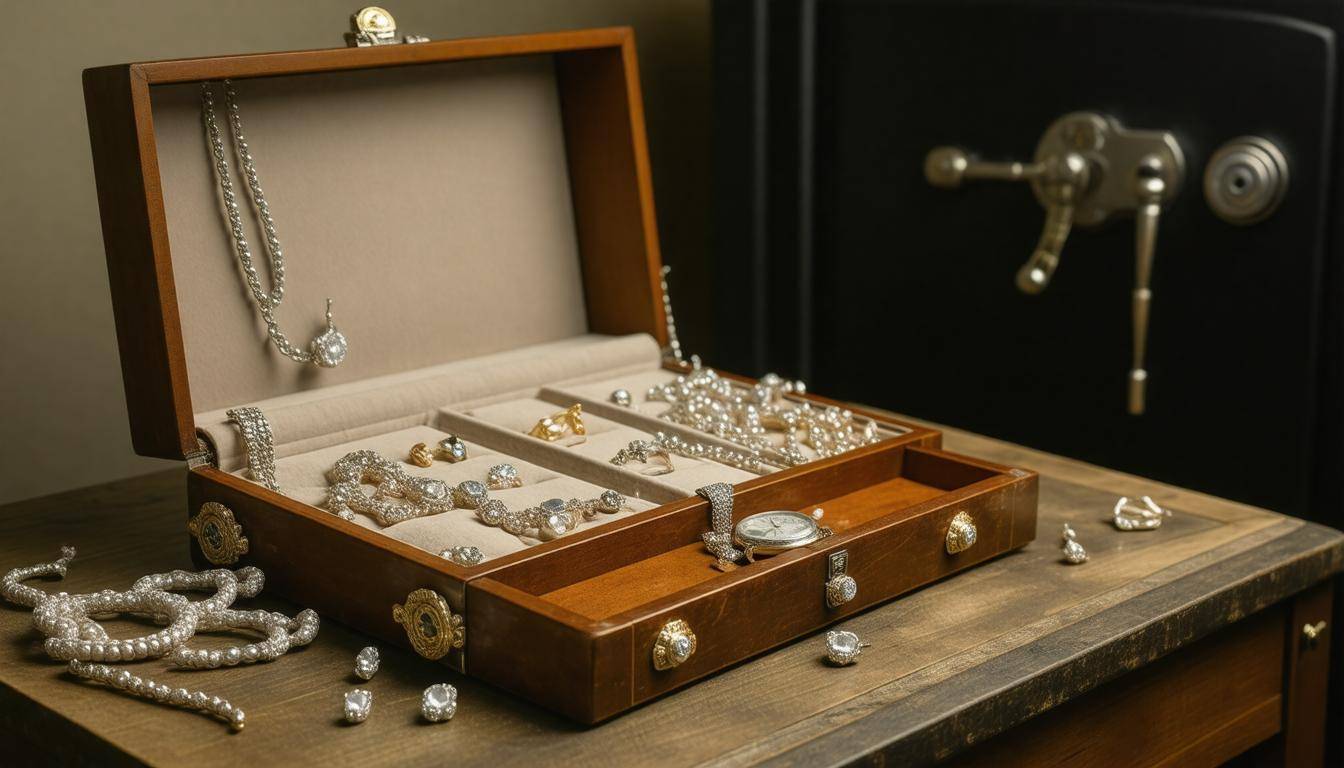
Jewelry and collectibles carry both sentimental and financial weight in our lives, often representing treasured memories or significant investments. Taking steps to protect these items is vital, as it ensures they can be appreciated by future generations without the fear of loss or damage. Safeguarding begins with appropriate storage methods tailored to each type of item.
For jewelry, using a home safe or a bank deposit box provides excellent security. These environments not only keep your pieces safe from theft but also protect them from humidity and extreme temperatures. Regularly checking your jewelry for signs of damage or wear is equally crucial. A simple inspection can catch issues like loose stones or weakened clasps before they lead to costly replacements. Proper handling is key; even minor negligence can result in significant losses.
Collectors of coins face unique challenges that require a different approach. Storing coins in a climate-controlled environment is highly recommended because temperature and moisture fluctuations can tarnish even the most well-preserved specimens. Utilizing acid-free holders will further enhance preservation by preventing corrosion or discoloration. Additionally, striving for organization can significantly ease access when showing off your collection to friends.
Now let’s shift our focus toward preserving delicate items such as stamps and artwork, which require gentle care to maintain their quality over time.
When securing stamps, using an album with protective sleeves keeps them safe from environmental factors while allowing for easy display. Handling these treasures while wearing gloves can help avoid transferring oils or dirt from our fingers onto the stamps, potentially damaging their surfaces. This small precaution makes a world of difference for serious collectors aiming for pristine condition.
Similarly, artwork deserves thoughtful placement to safeguard its beauty and longevity. Displaying it in low-humidity areas and avoiding direct sunlight creates optimal conditions to prevent fading and warping over time. Investing in alarm systems or motion detection devices adds an extra layer of security, allowing you to enjoy your artwork without constant worry about potential theft.
| Type of Item | Storage Advice | Additional Tips |
|---|---|---|
| Jewelry | Use a home safe or bank deposit box | Regularly check for damage |
| Coins | Store in climate-controlled, secure environments | Use acid-free holders |
| Stamps | Album with protective sleeves, away from light | Handle with gloves |
| Artwork | Display in low-humidity areas, away from direct sun | Invest in alarm systems |
By understanding how to properly safeguard your possessions based on their specific needs, you not only protect their value but also ensure they remain well-preserved for years to come. Next, we will discuss essential strategies for proper valuation and documentation.
Appraisal and Documentation Tips
Proper appraisal and thorough documentation are vital for insuring high-value items adequately, particularly in the ever-evolving market landscape. Just like you would regularly get a check-up for your health, your valuable possessions also need a routine assessment to ensure their insured value keeps pace with current market conditions. Without these evaluations, you risk underinsurance or an unwanted surprise during a claim.
To begin with, it’s wise to obtain appraisals from certified professionals who have expertise in the specific type of item you’re insuring. A certified appraiser doesn’t just provide a value; they can supply insight into the historical context, condition, and authenticity of your piece. This is essential for items such as artwork, collectibles, or precious jewelry where market values can shift dramatically based on trends, economy or even shifts in consumer interest.
Once you have that appraisal in hand, maintaining its relevance over time is crucial. Regular updates to your appraisals—ideally every couple of years—are necessary. Think about how much markets fluctuate; what was once considered a peak value might not hold today. Staying informed protects you from unexpected financial gaps should you need to file an insurance claim.
Here’s an insider tip:
- When readying your item for appraisal, ensure it is clean and presented well.
- Have any previous appraisals handy for review.
- Be honest about any damage or repairs; transparency aids accurate valuation.
Lastly, keeping detailed documentation cannot be overstated. In addition to appraisals, this includes comprehensive photographs from different angles that showcase your item’s condition. Don’t forget the purchase receipts and any certification documents like authenticity papers or letters of provenance. These documents can serve as solid proof of ownership and help support your claim if issues arise.
A digital inventory can be an effective measure here. Consider creating a secure online folder where you store scanned copies of these essential documents—this serves as a backup in case physical copies get lost or damaged.
By taking these meticulous steps—professional appraisals, regular updates, thorough record-keeping—you’ll ensure that your high-value items are properly insured and accurately valued, shielding yourself from potential heartache down the line.
As you gather those priceless pieces and consider their place in your life—and possibly their future market value—remember: proper documentation and frequent appraisals safeguard both your emotional and financial investment.
In summary, investing time and effort into appraising and documenting high-value items is not merely a precaution but an essential foundation for protection. Taking these strategic measures ensures peace of mind when it comes to safeguarding your cherished possessions.
How can one effectively document and appraise high-value items for insurance purposes?
To effectively document and appraise high-value items for insurance purposes, it is essential to create a detailed inventory that includes photographs, receipts, appraisals, and descriptions of each item’s condition. Engaging a professional appraiser can provide an accurate valuation, which not only ensures correct coverage but also aids in preventing underinsurance; studies show that nearly 60% of homeowners are underinsured on their personal property. Maintaining updated records helps facilitate smoother claims processes and offers peace of mind in the event of loss or damage.
How do insurance riders differ from standard homeowners or renters insurance in terms of coverage?
Insurance riders provide additional coverage for specific high-value items, such as jewelry, art, or collectibles, which may not be fully covered under standard homeowners or renters insurance policies. While standard policies often have coverage limits (e.g., $1,500 for jewelry), riders allow homeowners to insure their valuable items for their appraised worth, offering protection against theft, loss, or damage. According to the Insurance Information Institute, 60% of American households own at least one high-value item that might require specialized coverage beyond a standard policy.
What types of high-value items typically require insurance riders for full coverage?
High-value items that typically require insurance riders for full coverage include jewelry, art collections, antiques, and collectibles. Standard homeowners’ insurance often has limits on the coverage for these items—jewelry can be limited to around $1,000 to $2,000, while valuable artworks can exceed tens of thousands of dollars. According to the Insurance Information Institute, many homeowners are unaware that standard policies may leave them underinsured, making riders essential for full protection against theft, loss, or damage.
What factors should be considered when determining how much coverage is needed for a specific item?
When determining how much coverage is needed for a specific high-value item, consider factors such as the item’s appraised value, replacement costs, potential depreciation, and any market fluctuations that could affect value. Additionally, assess the item’s condition, rarity, and sentimental value which may not be reflected in monetary terms. According to industry studies, underinsurance is common; about 60% of high-value items are inadequately covered, making a thorough evaluation essential for proper protection.
Are there any common exclusions or limitations associated with insurance riders for high-value items?
Yes, common exclusions and limitations associated with insurance riders for high-value items often include damage due to wear and tear, loss from theft without proof of forced entry, and specific categories of high-risk items like collectibles or art worth over a certain threshold. For instance, many policies might exclude jewelry valued at more than $10,000 unless specifically covered, leading to potential underinsurance in cases of loss. It’s important for policyholders to thoroughly review their policy terms to ensure adequate coverage and avoid surprises during claims.