
Navigating the vast and challenging landscape of the Algerian desert can be a real test of skill and endurance. Whether you’re exploring the stunning dunes or bracing for the unexpected thrill of an earthquake, having the right strategies up your sleeve could mean the difference between adventure and disaster. In this guide, we’ll unpack practical approaches to not only survive but thrive in one of the world’s most formidable environments. From sourcing water in a dry expanse to erecting shelters against the blazing sun, you’ll discover essential tips that blend traditional wisdom with modern techniques. Let’s dive in and equip you with the knowledge that could keep you safe—and maybe even make your journey more enjoyable!
The Algeria Desert Survival & Earthquake Guide offers essential tips on navigating and thriving in the harsh desert environment, including packing properly for extreme conditions, employing effective sun protection strategies, and using local navigation techniques. Additionally, the guide outlines crucial safety protocols to follow during an earthquake, ensuring you are well-prepared for both natural disasters and everyday desert survival scenarios.
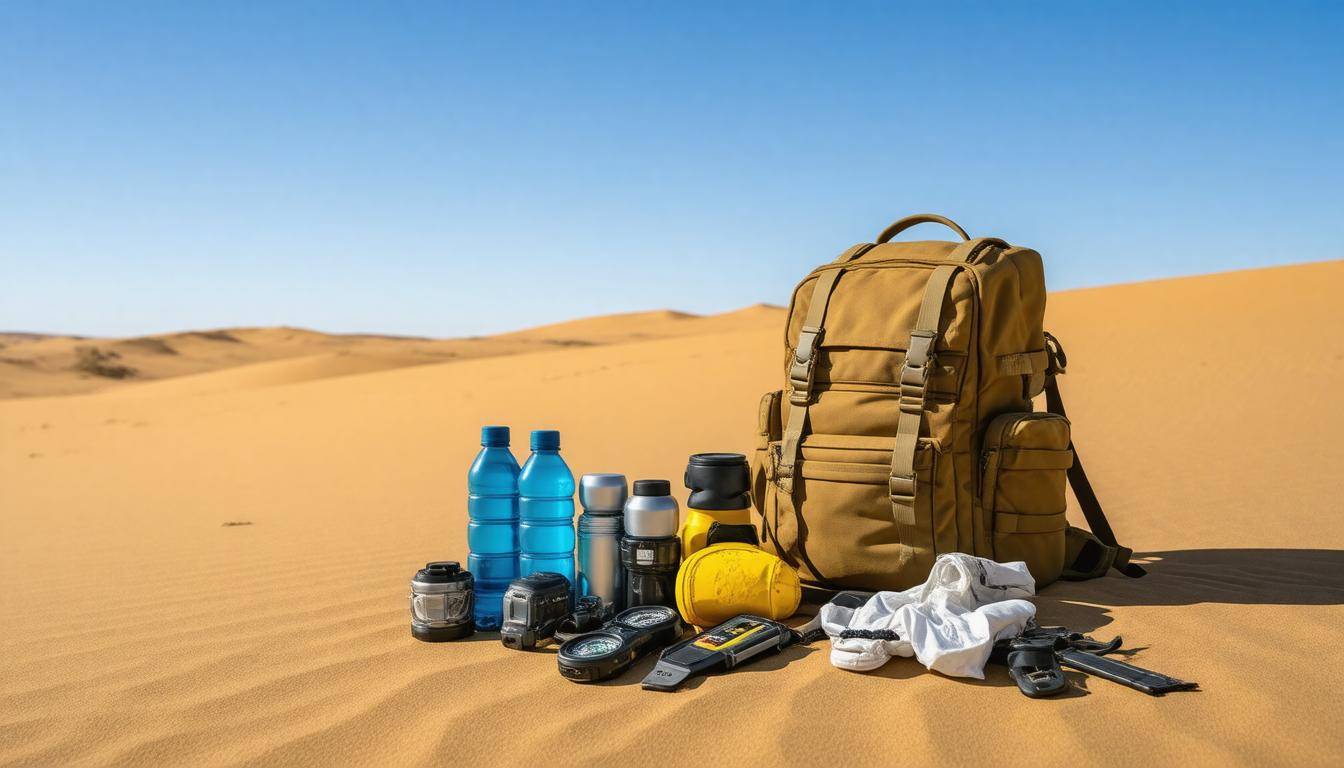
Algerian Desert Survival Skills
Step I – Understanding Basic Needs
The first step towards survival in the desert is grasping the fundamental requirements: water, food, shelter, and protection from the elements. Water is your lifeline because, without it, you can only survive for about three to five days, depending on various factors like heat and exertion levels. Finding reliable sources, such as oases or digging for groundwater, becomes priority number one when you’re out there.
Remember, dehydration sneaks up quietly, so checking your physical condition regularly is crucial—thirst is already a sign that you are on the verge of losing too much fluid.
However, securing water isn’t enough; equally significant is ensuring that you protect yourself from the relentless sun during the day.
Step II – Mastering Sun Protection Techniques
When navigating through the lofty dunes or scorching sands of Algeria, mastering sun protection techniques becomes vital. Utilizing traditional head coverings, such as the Tuareg cheche—a long cloth often used by local nomads—is a time-tested method for shielding your face and neck from harsh UV rays and sand particles.
But don’t stop there; always wear loose-fitting, light-colored clothing that covers as much skin as possible to reduce exposure to harmful sunlight. This not only helps prevent sunburn but also regulates body temperature, reducing the risk of heat strokes.
“An ounce of prevention is worth a pound of cure.”
While your clothing can significantly mitigate sun exposure, it’s essential to complement this with adequate shelter for times when you need respite from extreme conditions.
Step III – Building and Finding Shelter
Knowing how to construct effective shelters can be a game-changer in desert survival situations. Look for natural formations like rocks or efficiently use tarps and available vegetation to create cover against the scorching sun and unexpected sandstorms.
Consider building a shelter that shields you from the prevailing winds while allowing ventilation to keep it cooler inside. An ideal structure should stand approximately 1.5 meters high and provide enough space for you to rest comfortably.
Always remember to reinforce your shelter against shifting sands and ensure it doesn’t collapse under wind pressure. This safeguarding allows you peace of mind while conserving your strength for future endeavors in this majestic yet demanding landscape.
With these survival skills at your disposal, it’s time to turn our attention toward navigation techniques that will enhance not just your safety but also your ability to explore and appreciate Algeria’s vast wilderness.
Navigating Challenging Terrain
The vast and varied terrain of the Algerian desert is a mesmerizing blend of scenic beauty and formidable obstacles. As you traverse this stunning landscape, it’s not just about getting from point A to B but about allowing yourself to interact meaningfully with your surroundings. One major aspect of navigating this terrain involves recognizing specific features that can serve as natural guides. If you’re hiking amid towering dunes, for example, those rolling hills can look strikingly similar over long distances, making it crucial to have a keen eye and a strong memory for unique landmarks.
Step I – Recognizing Landmarks
Start by familiarizing yourself with significant landmarks such as mountain ranges, unique rock formations, prominent dunes, and dried riverbeds. Each of these elements can serve as vital reference points during your journey, helping to orient you against the backdrop of seemingly identical sand dunes.
Despite their importance, remember that these features can shift slightly due to the relentless nature of the desert winds. Understanding that even these static-seeming points may change can prepare you mentally for the unexpected.
However, navigation isn’t solely dependent on recognizable landmarks; you must also stay alert to atmospheric changes and their potential impacts.
Step II – Coping with Sandstorms
Sandstorms are one of the most formidable challenges when navigating in the desert. They can arise suddenly, transforming visibility from miles to just a few feet in seconds. When faced with an incoming storm, your best course of action is always to halt all movement and seek immediate shelter—ideally behind a boulder or any substantial surface that blocks wind. To protect yourself from inhaling dust, cover your nose and mouth with a cloth or scarf; it acts as a barrier against harsh particles.
It’s essential to remain calm during a storm. If you panic and try to push through without sufficient visibility, you risk serious disorientation or injury. Instead, sit tight until conditions improve; usually, waiting it out for 20-30 minutes is enough unless it’s truly severe. Your patience may allow for clearer skies. Once visibility is restored, use your compass to regain orientation if any familiar landmarks are obscured.
As you embark on your adventure into Algeria’s sandy expanses, implementing these strategies will significantly enhance your ability to navigate successfully through this captivating but challenging environment while preparing you for various unexpected situations.
Essential Desert Preparation Tips
Thorough preparation for a desert journey is key to maximizing safety and enjoyment. You need to think ahead, almost as if you’re planning a small expedition, and that begins with your packing essentials. Start by considering water, which is your most precious resource; aim for about 2-3 liters per person each day. This sufficiency ensures you can combat dehydration often faced in the sweltering desert heat. Many deserts have harsh conditions that can lead to rapid fluid loss – just imagine hiking along and suddenly feeling parched.
As you pack, include these additional crucial items:
-
High-energy, non-perishable foods: Think nuts, dried fruits, and energy bars. These are perfect because they provide necessary calories without the weight of traditional meals.
-
A first aid kit: Ensure it has essential medications, band-aids, and antiseptics for any scrapes or bumps during your adventures.
-
Waterproof matches and fire starters: A must-have for warmth or cooking in a pinch.
-
A sturdy multi-tool: This versatile piece of equipment can fulfill several needs ranging from food preparation to emergency repairs.
-
An emergency blanket: Not only does it reflect heat back to you if you’re cold, but it’s also light and easy to pack.
As you gather your supplies, remember that what’s inside your pack matters just as much as the weather after you set out on your journey. The desert’s climate can change in an instant; keeping an eye on local forecasts will let you know when it’s wise to postpone treks or adjust your plans completely.
Checking Weather Forecasts
Always check local weather forecasts before heading into the desert. Being aware of impending sandstorms or extreme temperature shifts could make all the difference in your survival experience. It’s imperative not just to glance at the predicted highs and lows, but also to understand how those temperatures affect overall conditions in the vast open spaces surrounded by seemingly endless horizons.
Sudden changes can occur, often catching travelers off guard; staying informed allows you to prepare mentally and physically for whatever Mother Nature throws your way.
Having a reliable approach to weather checking helps when you’re navigating desert climates where conditions can go from pleasant during the day to frigid at night. Ideally, utilize multiple resources—online forecasts are great, but insights from local guides or nearby communities can provide context that doesn’t always make it onto the web.
With a well-planned approach to preparations and constant awareness of shifting conditions, it’s essential now to explore strategies for managing high temperatures and ensuring comfort in extreme environments.
Dealing with Extreme Heat
Extreme heat is an omnipresent challenge in the Sahara, where temperatures can escalate beyond a staggering 50°C (122°F). To ensure your journey remains safe, it’s crucial to adopt strategies that allow you to cope with these sweltering conditions effectively.
One of the most beneficial approaches is to adjust your schedule according to the sun’s movements. By planning outdoor activities during the cooler hours of dawn or dusk, you can avoid the scorching sun and still make the most of your adventure. This brings about a significant reduction in exposure to extreme heat, allowing you to experience the beauty of the desert without succumbing to fatigue.
Moreover, hydration cannot be overlooked—it’s your lifeline in such a dry environment. Aim to drink at least 3-4 liters of water per day, but rather than gulping down large amounts infrequently, take small sips regularly throughout the day. This approach helps maintain optimal hydration levels and keeps you refreshed. If you’re unsure how much water you’re consuming, try keeping a hydration log for that extra motivation; it can remind you to sip away.
But even the most careful preparations don’t guarantee safety; therefore it’s vital to recognize those sneaky signs of heat-related illnesses before they spiral out of control.
Identifying Heat-Related Illnesses
Symptoms of heat exhaustion can often sneak up on you when you’re preoccupied with exploring this stunning expanse. Classic indicators include heavy sweating accompanied by weakness, fatigue, and nausea. If you find yourself feeling this way, don’t panic—first, seek refuge in a cooler area immediately. Remember to sip water slowly; overwhelming your body with too much fluid can be counterproductive.
However, should you ignore these signs and let your situation worsen, you may encounter heat stroke—a serious condition characterized not just by excessive heat but also by hot, dry skin and mental confusion. In such cases, time becomes critical; rapid cooling methods are essential. This includes dousing yourself in cool water or wetting cloths to wrap around your wrists and neck. Always seek medical assistance as quickly as possible since untreated heat stroke can lead to serious complications—even death.
Understanding how to avert these heat-related issues is one piece of the puzzle; however, employing effective cooling techniques while exposed to extreme conditions will further fortify your defenses against the blistering sun. As we continue our exploration, we’ll turn our focus towards essential skills for securing clean drinking water and finding adequate shelter when needed.
Finding Water and Shelter
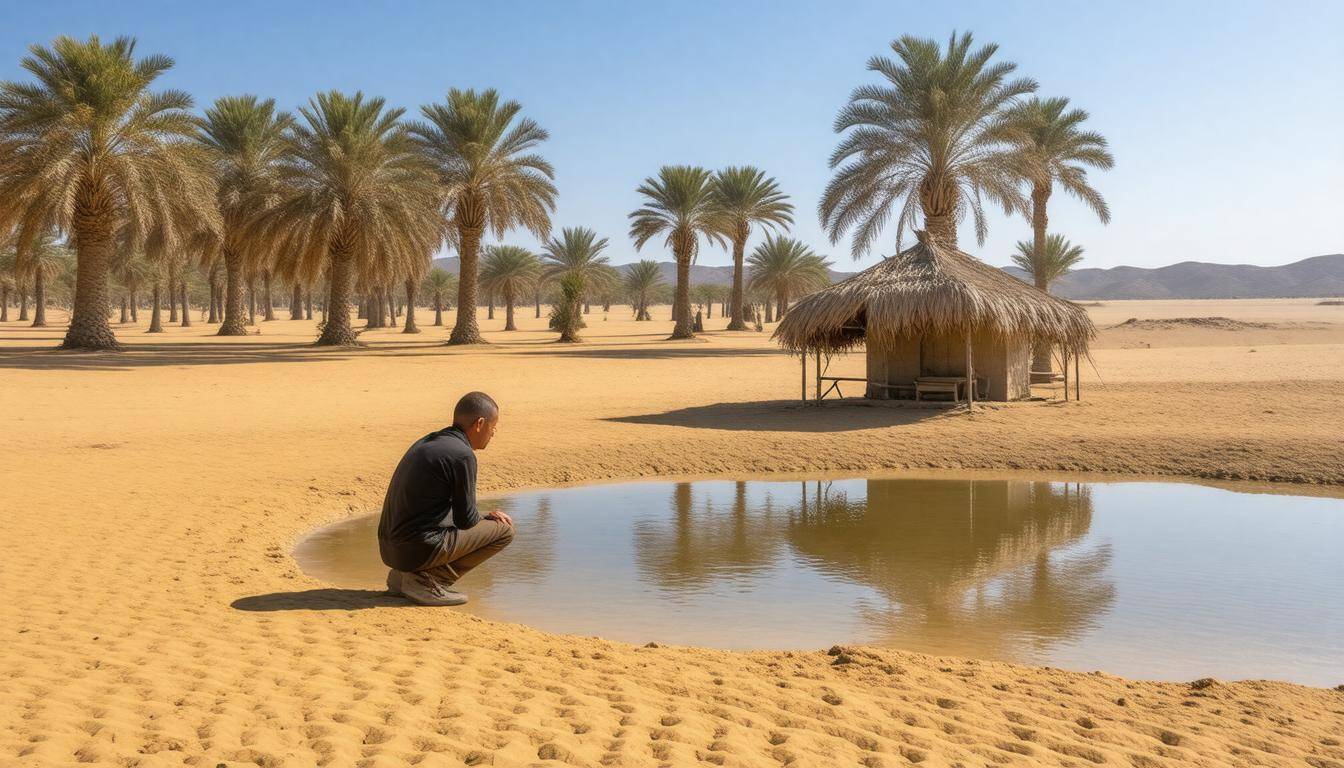
In a vast expanse like the Sahara, locating water can feel like searching for gold. The desert paints a harsh picture; you could be days away from the nearest source. However, understanding basic survival tactics drastically improves your chances.
One key approach is to scout for vegetation; you may find that areas with lush plant life often house hidden water sources nearby. I remember trekking through the arid sands while my eyes became keen on spotting clusters of green; they were like beacons signaling hydration was close at hand. Along the way, keep an eye out for animal tracks as these gleeful wanderers usually lead straight to water. Bird flights during dawn and dusk are also pivotal clues; local wisdom suggests that observing their paths can often guide you to drinking spots.
While water is essential for survival, it’s just as crucial to have adequate shelter from the brutal sunlight and temperature fluctuations that characterize desert life.
Constructing Emergency Shelters
Think of shelter as your shield against extreme conditions. If you’re caught without proper cover, building an emergency shelter quickly is vital. Utilize whatever materials are available—think rocks or even digging into sand dunes to create a trench-like structure that can provide shade and protection. This method not only offers respite but also helps you regulate body temperature.
I vividly recall a moment when I used a small rock outcropping to stretch a tarp between it and another rock; this simple action created a surprisingly effective barricade against the sun’s relentless rays.
Moreover, if you have reflective materials at your disposal, use them creatively. Positioning these forms of cover can shift sunlight away from your makeshift shelter, significantly lowering the internal temperature and providing a more bearable environment. Your comfort in such an inhospitable place will have profound effects on stamina and overall mental resilience.
Recognizing the significance of both hydration and shelter lays the groundwork for navigating the unpredictable terrain of emergencies effectively. With these keys in hand, we can now turn our attention to specific strategies for dealing with seismic events that may arise amidst Algeria’s varied landscape.
Algeria Earthquake Safety Guide
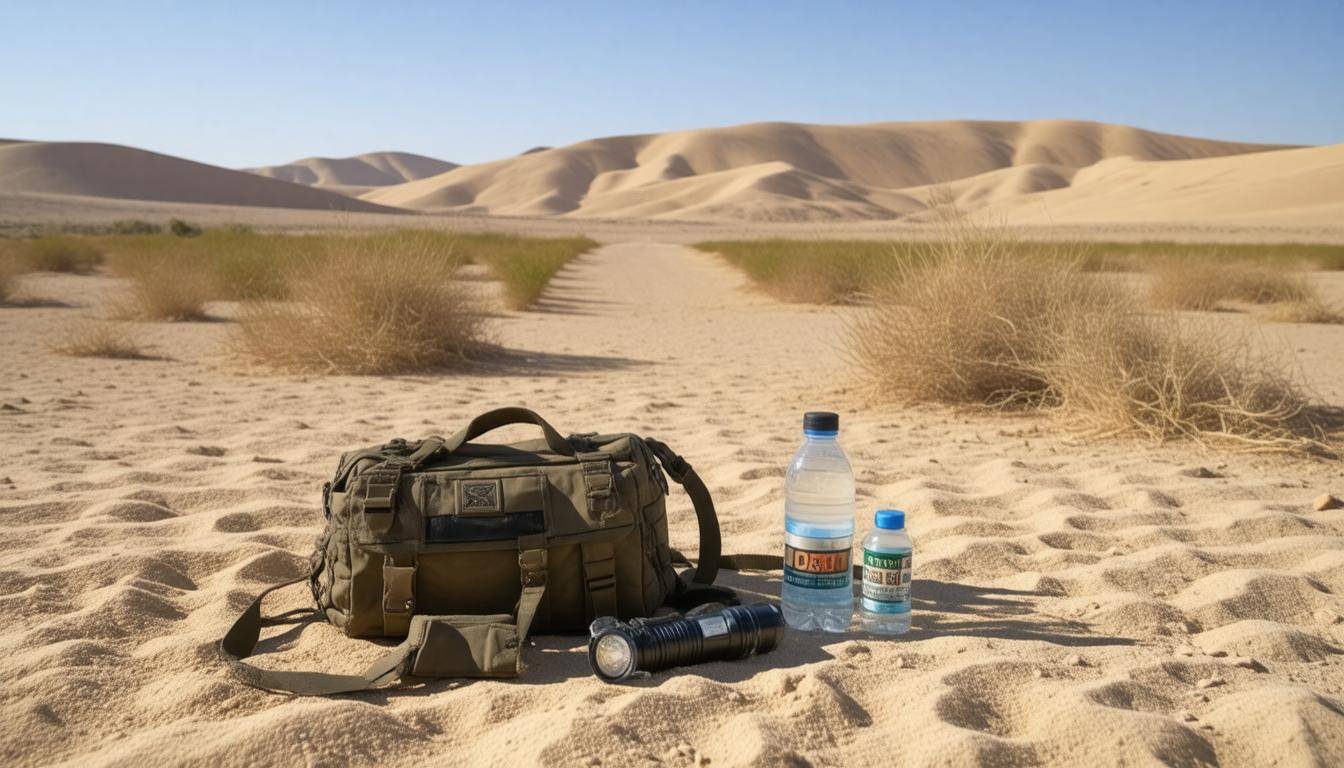
In a country like Algeria, where earthquakes, although infrequent, pose a discernible risk, understanding how to properly prepare and respond can significantly influence survival rates. Imagine you are enjoying a peaceful evening when suddenly the ground begins to shake. Are you equipped with the knowledge to act swiftly and safely? By familiarizing yourself with key safety protocols, you can turn a potentially catastrophic experience into one that is manageable.
Preparing for Earthquakes
Before any seismic activity occurs, it’s imperative to take proactive measures in your living spaces. First and foremost, ensure that your shelter or temporary home is effectively anchored. This doesn’t just mean securing the foundation; check that heavy furniture or objects are placed securely and cannot topple over. Reinforce shelves with brackets and make sure any freestanding items, like potted plants, are stable. Additionally, assess your environment for falling hazards such as loose rocks if you’re in a mountainous area—these can become projectiles during an earthquake.
Equally important is having a consistently stocked emergency kit tailored to your needs. This kit should include water—enough for at least three days—and non-perishable food items that are easy to consume without cooking. Don’t forget essentials like flashlights with fresh batteries, a first aid kit, and perhaps even portable phone chargers. These items ensure you’re ready for any scenario that might unfold during or after an earthquake.
During an Earthquake
If that shaking does occur while you’re indoors, remember the mantra: drop, cover, and hold on. Dropping protects you from being knocked over, while covering—getting beneath sturdy furniture—provides more protection from falling debris. Consider how life-threatening objects could fall around you; securing yourself under a table can significantly enhance your odds of escaping injury.
However, if you’re outside when the earth starts shaking, quickly move to an open area where there are no trees, buildings, or light poles that could collapse onto you. Think of expansive parks or parking lots where you have plenty of space to maneuver away from potential dangers. Once the shaking stops, remain vigilant; aftershocks can follow unexpectedly.
Aftershocks are often less powerful but still pose risks especially if buildings were weakened during the initial quake. Therefore, resist the urge to immediately re-enter any structures that may have been compromised until they have been assessed by professionals for safety.
Understanding these critical safety measures enhances your preparedness for emergencies while highlighting the necessity of community engagement in maintaining awareness about natural disasters.
Recognizing Natural Threats
Understanding the environment is crucial when navigating the harsh realities of the Algerian desert. Mother Nature, while beautiful, can be dangerous if you’re not attuned to its cues. As you traverse this mesmerizing landscape, take note of the signs that might indicate an impending threat. A sudden change in weather can drastically shift your circumstances, and being able to identify these shifts can make all the difference.
Identifying Signs of Natural Hazards
One of the first signs to watch for is a transformation in the sky. When you see dark clouds forming out of nowhere or hear distant rumbles of thunder, it could be a precursor to flash floods—particularly perilous in valleys where water can accumulate rapidly and without warning. In such moments, understanding the terrain becomes your ally. Sandy areas can become torrents, and knowing how to escape them is vital.
Similarly, watch for changes in wind patterns or shifting sand dunes. Rapidly moving dunes might signal an approaching sandstorm, which can bring blinding sand and high winds. Getting caught in one is something best avoided; therefore, finding shelter is essential during these severe weather conditions. Trust your instincts; if something feels off about the environment, it’s crucial to act without delay.
Recognizing these signs aids in timely response; therefore mitigating their impact becomes possible when you are alert.
Wildlife Awareness
Another aspect of recognizing natural threats is being aware of local wildlife. The desert is home to creatures like snakes and scorpions whose presence can turn from fascinating to threatening quickly. While many animals will avoid humans if given a chance, it’s still powerful to respect the space they need. Keeping a safe distance will serve you well—after all, taking a wrong step could mean facing a painful bite or sting.
Familiarize yourself with basic first aid measures for bites or stings when visiting these environments. Carrying a small first aid kit stocked with necessary supplies can boost your confidence, ensuring you’re prepared rather than panicked if faced with such a situation. Moreover, learning about the local species before your trip can enhance both your experience and safety, giving you a deeper appreciation of life within the desert’s stark beauty.
As we consider how to remain safe amidst nature’s challenges, it’s equally important to explore ways to adjust and thrive in changing conditions.
Adapting to Environmental Changes
Environmental adaptability is the essence of desert survival. The stark and unforgiving desert landscape constantly shifts, bringing new challenges that require quick thinking and flexibility. When navigating such terrain, it’s crucial to remain vigilant about the surrounding conditions. For example, sudden sandstorms can sweep through at a moment’s notice, transforming clear skies into disorienting clouds of dust. In these situations, knowing your immediate environment can be the difference between getting lost or finding shelter before the storm hits.
Being adaptable goes beyond just dressing in layers for temperature changes; it’s about having mental and physical readiness to respond to the unexpected. With average daily temperatures in the Algerian desert reaching up to 50°C (122°F), maintaining your body’s fluid levels is critical. Wear layered clothing to manage temperature fluctuations effectively and pack extra water. Plan activities around peak sun hours—stay cool during the hottest part of the day and pursue your adventures when the sun has dipped low.
Moreover, adaptability extends to how you maneuver through environmental challenges presented by the terrain itself.
Flexibility in Tactics
Be ready to adjust your travel plans. If a route becomes too hazardous due to unpredictable weather or rugged landscapes, don’t hesitate to alter your course. Continuous assessment of the situation is key—regularly check on your surroundings and stay updated on potential dangers ahead. For instance, if you hear reports of strong winds creating shifting sands or are aware that certain trails may be reclaimed by floodwaters after a short rainy season, it is prudent to have backup routes planned.
As you traverse this vast landscape, enlist local guides who can offer insights based on their personal experience with changing conditions. These individuals understand their environment like no one else; their knowledge about areas that are typically safe versus those that aren’t under certain circumstances is invaluable—a tip worth its weight in gold when navigating unpredictable terrains like the Sahara.
In addition to navigation tactics, cultural awareness plays a role in acclimating to substantial environmental changes as well.
Engaging with locals isn’t just about safety; it allows you access to survival techniques tailored specifically for that environment. Their wisdom regarding resource availability—including where to find water—can make a significant difference in survival scenarios. They can guide you toward natural shelters commonly overlooked by outsiders or teach you about traditional practices for handling extreme weather conditions effectively.
Ultimately, being adaptable not only increases your chances of survival—it enriches your travel experience by connecting with the very heart of the desert’s culture while enhancing your connection with nature around you.
Remember, preparation and knowledge are your best allies in any emergency situation you might encounter in Algeria’s diverse landscapes.