
In a land where stunning mountains meet the black sea, many might not consider the threat of nature’s unexpected shake-ups—earthquakes. However, living in Bulgaria means recognizing that seismic activity is just part of the package deal. If you’ve ever felt the earth tremble beneath your feet and wondered what to do next, you’re not alone. Preparedness isn’t just a buzzword; it’s a lifeline. That’s why having a solid earthquake readiness plan in place isn’t just smart—it’s essential. Let’s dive into the practical steps you can take to safeguard yourself and your loved ones against potential seismic surprises.
The essentials for earthquake readiness in Bulgaria include creating an emergency plan, assembling a disaster supply kit with food, water, and first aid supplies, and securing heavy furniture and appliances to prevent them from falling during tremors. Additionally, staying informed about local seismic activities and participating in community preparedness drills can significantly enhance your safety during an earthquake.
Earthquake Risks in Bulgaria
Bulgaria is nestled in a region characterized by complex geological formations, which makes it susceptible to earthquakes. The country’s position on the Balkan Peninsula means that it often experiences seismic activity due to tectonic shifts. The undercurrents of history reveal a series of powerful quakes that have shaped the land and impacted communities. It’s essential to grasp the risks associated with these natural events to foster preparedness and ensure safety.
Historical Earthquake Data
Diving into historical records provides insight into just how perilous the situation can be. For instance, the Chirpan-Plovdiv earthquake of 1928, registering at a staggering magnitude of 7.0, serves as a grim reminder of nature’s power, resulting in extensive destruction and numerous casualties. Another significant incident, the Strazhitsa earthquake of 1986, while relatively milder at 5.7, still raised alarms regarding building integrity and public safety.
In more recent years, smaller tremors have reminded Bulgarians that they live in a seismically active zone, affirming that preparedness should remain a priority.
The seismic risk is most pronounced in southern and southwestern Bulgaria, where fault lines are more prevalent due to tectonic plate movements. Notably, towns like Kazanlak and Stara Zagora lie closer to these fault zones, making them particularly vulnerable during seismic events. However, it’s crucial to recognize that no part of Bulgaria is entirely immune due to its diverse geological characteristics. Each region has unique traits that can amplify or mitigate seismic effects; hence understanding your local terrain becomes vital for effective risk management.
Regular monitoring is essential as regions previously deemed safe can suddenly become susceptible based on evolving geological conditions.
As part of emergency preparedness, households must remain informed about their area’s seismic history and potential risks. Understanding these risks assists families in making informed decisions about safety measures—such as retrofitting older homes or creating emergency response plans—thus enhancing their resilience against natural disasters.
Having understood the landscape of earthquake risks solidifies an individual’s ability to take proactive steps towards effective preparedness measures. This foundation opens the door to exploring practical strategies and recommendations for readiness in the face of potential seismic events.
Earthquake Readiness Tips
Preparation is key; therefore, here are some practical tips to help you get ready. The first critical step is to identify safe spots in each room, such as under sturdy furniture or against an interior wall. These locations are designed to provide maximum protection from falling debris during an earthquake. When the shaking starts, you want to know instinctively where to head for safety. It’s not just about being aware of the nearest exit; instead, focus on areas inside your home that can shield you from harm.
Once you’ve established your safe zones, engaging in practical drills with your family is indispensable. This is more than just occasional talk around the dinner table; it involves actually practicing “Drop, Cover, and Hold On” drills. Make it a family activity—repeating these actions until they become second nature can be a game-changer during an actual earthquake. The more familiar everyone is with this procedure, the better equipped they’ll be to respond swiftly.
Furthermore, it’s essential to keep certain items easily accessible to enhance your security at night. For instance, having a flashlight and sturdy shoes near your bed can make a significant difference if an earthquake strikes while you’re asleep. Even when buried under debris, you will be able to navigate your surroundings safely without risking injury. This preparation takes mere minutes but can save valuable seconds later on.
Now let’s talk about your home’s infrastructure and safety measures. It’s vital to learn how to shut off the gas, water, and electricity in your home in case of an emergency. When there’s damage after an earthquake, these systems can become unsafe very quickly if left unattended. Knowing exactly where those shut-off valves are located and how to operate them means you won’t waste precious time searching during a crisis.
Another critical aspect of readiness is ensuring that all emergency contact numbers are easily accessible. Instead of hoping you’ll remember important phone numbers when panic sets in, keep a list prominently displayed—perhaps on your fridge or saved in easy-to-find apps on your phones or devices. Regularly review these numbers with family members to ensure everyone’s aware of who to contact for assistance—be it friends, family, or local emergency services.
By taking the initiative now to prepare yourself and your loved ones, you drastically enhance both your personal safety and peace of mind for any future events that may come your way.
Having equipped yourself with these vital tips for disaster preparedness, it’s time to explore structured strategies for ensuring a comprehensive emergency response plan tailored for your household.
Creating an Emergency Plan
An effective emergency plan is crucial for the safety of every household, especially in regions prone to earthquakes. The first step involves establishing communication protocols. You should decide how you will communicate during and after an earthquake to ensure that everyone stays connected and informed. It’s wise to keep a list of out-of-town contacts, as local lines might be busy or down in the aftermath of a disaster. This way, if family members are separated, they have a backup method for checking in and updating each other on their safety.
Next, let’s explore another critical aspect of your emergency plan: escape routes.
Step I – Establish Communication Protocols
The next step involves planning escape routes from your home. You should map safe and accessible exits from each room in your house. This doesn’t mean just knowing where the front door is; consider all possible exits, including windows, so there are multiple pathways available if one route becomes blocked due to fallen debris or other hazards. Practice these routes with your family so that everyone becomes familiar with them, and make adjustments based on any physical limitations in your household.
As you solidify these routes, it’s also essential to consider how you’ll reunite as a family once you’ve evacuated.
Step II – Plan Escape Routes
In addition to planning escape routes, having family reunification strategies is equally important. Establish a specific meeting point outside of your house and choose one away from the immediate neighborhood, such as a nearby park or community center. This ensures that family members who’ve evacuated can gather without worrying about blocked roads or destruction in the vicinity of your home. Make sure everyone knows where this meeting point is and practice getting there through various escape routes.
As we finalize the emergency plan, it’s vital to keep these strategies fresh in everyone’s minds through regular drills.
Step III – Family Reunification Strategies
Lastly, once your communication protocols and escape routes are established along with a proper reunification strategy, it becomes essential to hold regular drills. Like fire drills at school, practicing your earthquake preparedness plan will familiarize everyone with their responsibilities and actions during an actual event. By doing this routinely, not only will it instill a sense of confidence among family members but it will also help identify any issues or gaps within your plan that need to be addressed.
Remember that having a clear emergency plan ensures that every family member knows exactly what steps to take when disaster strikes. Your knowledge could mean safety and peace of mind for you and your loved ones when faced with an earthquake situation.
These foundational practices lay the groundwork for a more comprehensive kit that caters specifically to your family’s unique needs in case of emergencies.
Family Emergency Kit Essentials
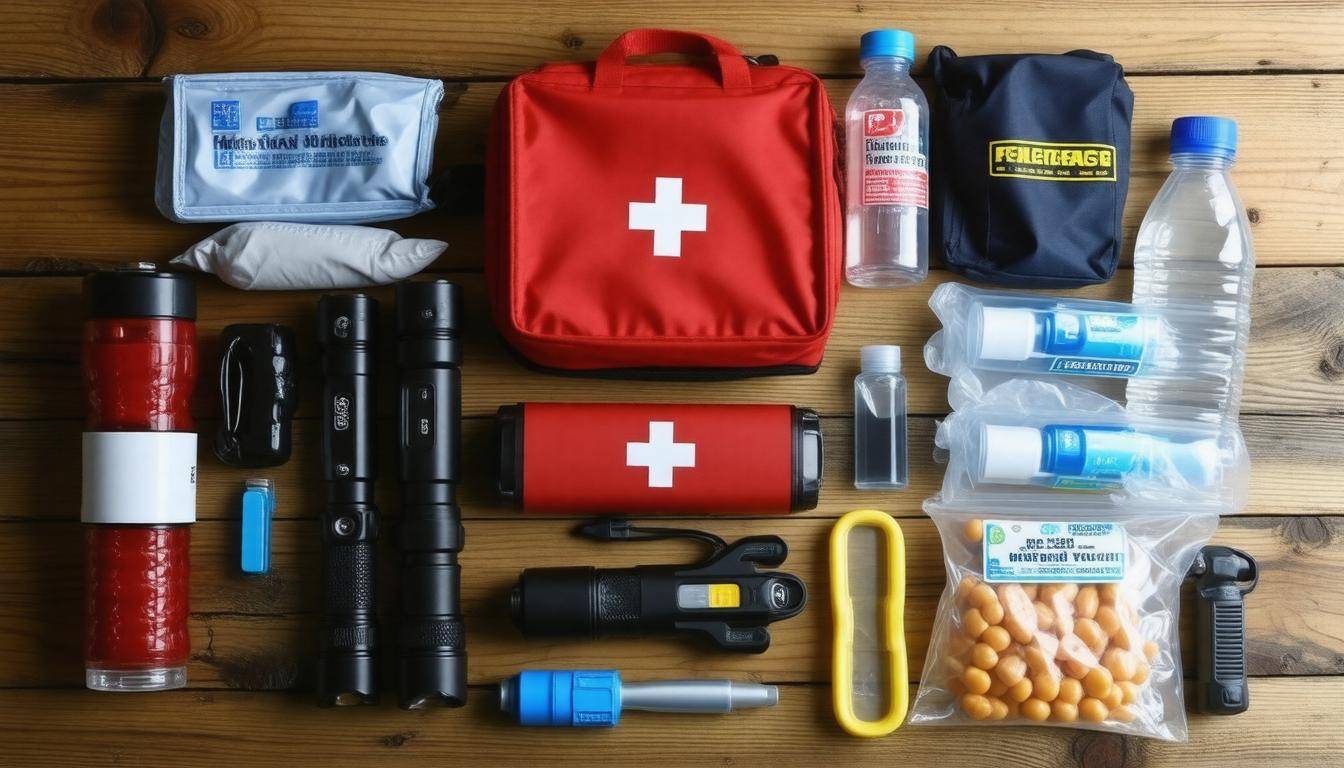
A well-stocked emergency kit isn’t just a collection of random items; it symbolizes your readiness and resilience in the face of potential crises. Think of this kit as your family’s first line of defense, filled with essentials that can support you through at least three days of uncertainty. Gathering these items ahead of time means when the unexpected happens, you’re not left scrambling in chaos.
Essential components for any family emergency kit start with bottled water. You want to ensure you have at least one gallon of water per person for each day, multiplied by three days—this is particularly important if you have pets as well. Maintaining hydration is essential, especially under stress. Complement this water supply with non-perishable food items that are easy to store and consume. Canned goods such as beans and vegetables or ready-to-eat meals like granola bars can provide valuable calories without requiring cooking.
Personal hygiene items also can’t be overlooked; consider soap, hand sanitizer, toothbrushes, and menstrual supplies. In the face of a disaster, cleanliness can help ward off illness, making this segment of your kit vital for maintaining health.
Another aspect is assembling a thorough first-aid kit. This should include band-aids, antiseptic wipes, adhesive tape, scissors, and pain relief medication. Don’t forget prescription medications that individual family members may need—having these on hand can alleviate stress significantly during challenging times.
Portable Utilities for Safety
When the lights go out and power becomes unreliable, having flashlights with extra batteries is paramount. LED flashlights last longer and consume less power compared to traditional options. Consider including portable phone chargers, as communication often remains life-saving during emergencies. A charged phone can connect you to loved ones or emergency services when the world around you may feel chaotic.
Important documents are another crucial component—a clear waterproof bag can house copies of IDs, insurance policies, bank account information, and critical medical records. This ensures that even in disarray, you won’t lose access to vital information that could aid your family’s recovery.
Lastly, it’s wise to stash some cash away since ATMs may be out of service after an earthquake hits. Small denominations make transactions easier during shortages when credit systems might topple.
By taking the time to collect these essential items now and organizing them into a convenient emergency kit, you’re proactively creating peace of mind for yourself and your family. As you prepare these essentials, it’s also vital to focus on ensuring your living space is fortified against potential earthquakes.
Securing Homes and Buildings

Securing your home is not merely about protecting your belongings; it’s about safeguarding lives. Earthquakes can strike unexpectedly, and ensuring that our living spaces are resilient to such natural disasters is paramount. One effective way to start is by fastening heavy furniture. For instance, bookshelves and cabinets can easily tip over if not anchored properly. A simple yet vital step involves using brackets or straps to secure these items to the walls. This way, when the tremors hit, their movement is minimized, significantly reducing the chances of injury from falling objects.
Beyond anchoring your furniture, addressing smaller items can collectively make your home safer as well.
Step I – Fasten Heavy Furniture
Picture this: you’ve just settled in for a cozy evening at home when suddenly the ground starts shaking. The last thing you want is your favorite bookshelf crashing to the floor. To prevent such disasters, choose high-quality brackets—preferably ones designed for seismic conditions—and secure each heavy piece of furniture tightly against the wall.
Step II – Secure Breakables
Next, let’s talk about those everyday items scattered around your home. You might think securing breakables is a minor detail, but it plays an essential role in overall safety. Use non-slip pads under electronic devices to keep them steady and avoid damage from vibrations. Additionally, anything fragile, like picture frames or mirrors, should be treated with earthquake putty—a sticky substance that helps these items cling to surfaces during shakes. This small addition can truly save your prized possessions and reduce mess after a quake.
As you tend to the contents within your home, it’s crucial not to overlook the structure itself.
Step III – Reinforce Structure
If you own your home, now’s the perfect opportunity to think long-term. Consider hiring a professional who specializes in assessing structural integrity. They can identify weaknesses in crucial areas like foundations and load-bearing walls that could be vulnerable during an earthquake. Investing in reinforcement may seem daunting initially, but think of it as fortifying your fortress—a sturdy foundation will not only prepare you for earthquakes but enhance your home’s value.
The creation of safer homes does not stop with individuals; when communities prioritize these actions collectively, they pave the way to greater preparedness overall.
This focus on individual readiness lays the groundwork for a collective approach toward safety and resilience in facing potential threats together. Next, we’ll explore how neighborhoods can come together for increased preparedness and support systems.
Community Preparedness Steps
A strong community response to an earthquake starts with proactive measures taken by citizens, organizations, and local governments. Community preparedness means creating systems that not only help individuals but also empower the entire neighborhood to come together efficiently during emergencies. For instance, regular earthquake drills teach residents what to do while building familiarity and trust within the community. Imagine a Saturday morning where families gather in the park to practice evacuation routes. This reinforces safety protocols and fosters connections among neighbors, making it easier for them to check on each other during a crisis.
Beyond simple drills, public education campaigns can drastically improve knowledge around earthquake preparedness.
Consider community workshops where experts explain the risks and precautions associated with earthquakes. These sessions can cover anything from identifying safe spots in your home to assembling an effective emergency kit. Providing pamphlets or handouts is also essential, as many people may not remember everything discussed during the workshops. Distributing this information minimizes confusion and empowers residents with actionable steps to take before, during, and after an earthquake.
It’s equally important to establish local emergency centers equipped with supplies like food, water, and first aid kits. These centers act as lifelines during disasters, providing essential resources and coordination points for rescue efforts. Communities should work with local government agencies to identify suitable locations for these centers and ensure they are stocked and ready to function quickly after an earthquake occurs.
However, community preparedness isn’t just about what local governments can do; individuals significantly contribute as well.
Engaging in community readiness programs offers numerous volunteering opportunities that enhance local emergency responses. You might find yourself helping distribute materials or even leading drills within your neighborhood, which builds regional resilience through shared experiences. When you’re actively involved in these programs, you transition from waiting for assistance to actively being part of the solution.
By working together—both residents and local officials—the community evolves into a supportive and capable entity capable of navigating uncertainties posed by natural disasters like earthquakes. It’s about forging connections, learning together, and ensuring every voice is heard in the quest for safety and security during challenging times.
As we shift focus from community initiatives to understanding more specific support systems in place during crises, let’s explore the resources available for immediate sheltering options and governmental assistance.
Shelters and Government Aid
During major earthquakes, immediate shelter and aid are essential, providing temporary refuge for those displaced. To prepare adequately, it’s important to identify local shelters. A quick touchpoint would be to consult municipal resources or download apps from the Bulgarian Ministry of Interior, which can provide real-time updates and shelter availability during emergencies. By staying informed, individuals can quickly find safe havens when seconds count.
Government Resources
Understanding the various government resources available can make a substantial difference in times of crisis. For instance, the Bulgarian Red Cross plays a pivotal role during natural disasters by offering not only temporary shelters but also food and medical aid. Their dedicated volunteers work tirelessly to assist affected populations, making their knowledge invaluable.
Furthermore, the Ministry of Interior Apps serve as powerful tools. These apps provide real-time updates on emergency shelters and locations where aid is distributed. Knowing how to access these resources beforehand can save precious time and ensure families remain together in stressful situations.
Resource Overview
| Resource | Description |
|---|---|
| Bulgarian Red Cross | Provides temporary shelters, food, and medical aid |
| Ministry of Interior Apps | Real-time updates on emergency shelters and aid distribution locations |
| Municipality Websites | Local shelter locations and emergency assistance information |
Lastly, don’t overlook your local municipality’s website. It contains vital information about shelter locations and includes details about emergency assistance programs tailored to your specific area.
However, while familiarizing yourself with available shelters is a step in the right direction, actively cultivating a culture of preparedness within your community amplifies overall safety and efficiency in responding to crises. This proactive approach enhances resilience against disasters and fosters stronger communal bonds.
Promoting a Preparedness Culture
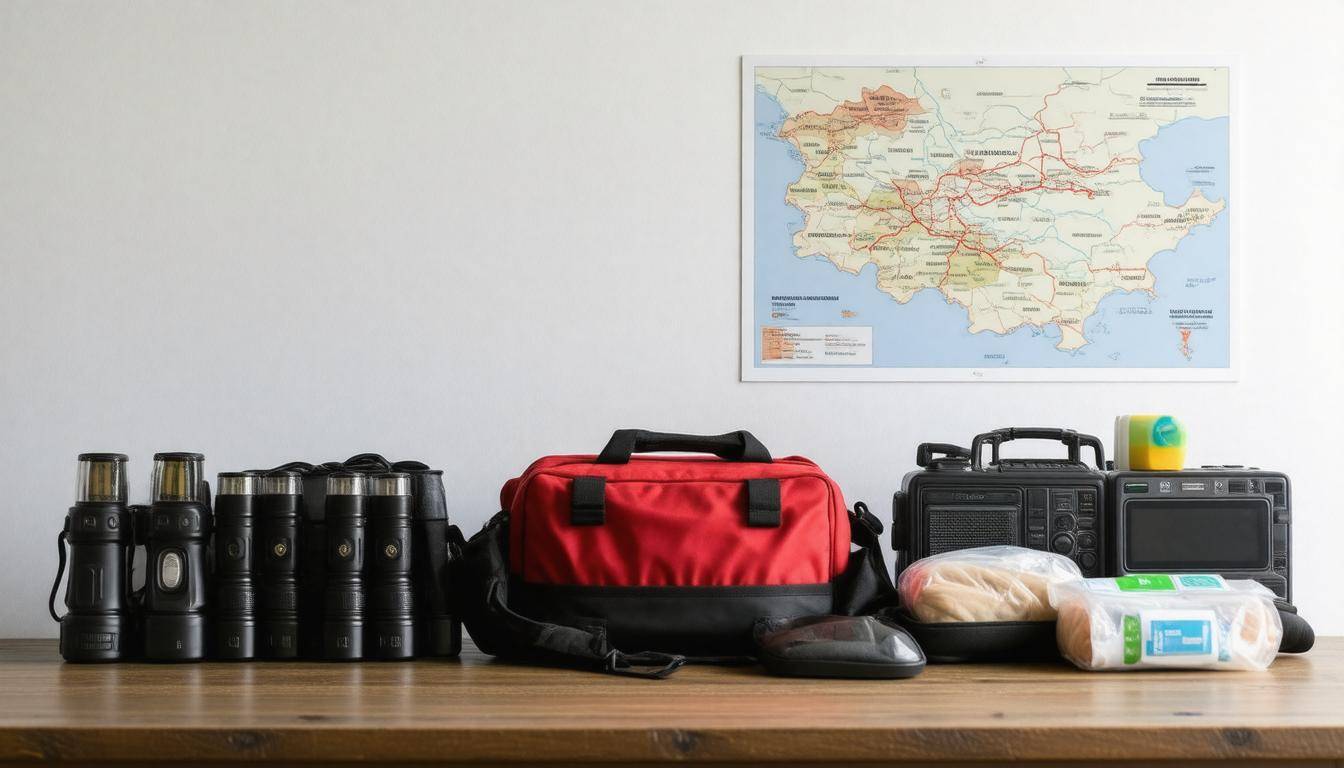
Building a culture of preparedness isn’t just about knowing what to do during an earthquake; it’s about making readiness an integral part of our daily lives. It’s like teaching someone to swim not just for emergencies but as a vital skill that allows them to enjoy their time at the pool.
Imagine a world where children are aware of safety measures, adults know how to respond quickly, and communities come together regularly to reinforce these skills. This kind of preparedness becomes second nature when it’s woven into the fabric of our everyday existence.
Schools and workplaces play a pivotal role in this journey by incorporating regular drills and training into their schedules. For instance, conducting quarterly earthquake drills not only familiarizes participants with emergency protocols but also builds muscle memory. This repetitive practice prepares everyone—staff, students, and families—making them feel confident and capable when seconds matter.
Such initiatives turn theory into practice, ensuring responses are immediate and effective during actual events.
“After our school implemented regular earthquake drills, my students feel more confident in what to do during a quake,” says Maria Ivanova, a primary school teacher in Sofia.
The effort to cultivate this culture shouldn’t end within school walls; it’s crucial to encourage entire communities to engage in local preparedness activities. Local government programs often host workshops that highlight best practices for earthquake readiness while providing an opportunity for residents to connect with neighbors.
Beyond personal participation, joining national initiatives can bolster community efforts by connecting them with resources, training materials, and expert guidance.
As we take these steps toward building awareness and skills, each individual becomes a contributor to a safer society—a lighthouse guiding others through uncertainty toward certainty and security.
Emphasizing preparedness transforms not just individuals but entire neighborhoods into resilient zones ready for any seismic activity. Investing in this culture today ensures a safer tomorrow for all.
What specific measures can households take to prepare for an earthquake in Bulgaria?
Households in Bulgaria can prepare for an earthquake by securing heavy furniture and appliances, creating an emergency kit with food, water, first-aid supplies, and flashlights, and developing a family communication plan. According to the National Institute of Geophysics, Geodesy and Geography, Bulgaria experiences over 30 earthquakes annually, making these measures critical for safety. Additionally, families should regularly practice earthquake drills to ensure everyone knows what to do during an event.
What types of emergency supplies should be included in an earthquake preparedness kit for families in Bulgaria?
An earthquake preparedness kit for families in Bulgaria should include essentials such as water (at least one gallon per person per day for three days), non-perishable food (minimum a three-day supply), a flashlight, batteries, first aid supplies, and important documents. According to the European Seismology Commission, Bulgaria is at risk for seismic activity, with over 300 earthquakes recorded annually. Having these supplies can significantly increase the chances of survival and comfort during and after an earthquake.
How can schools and workplaces implement effective earthquake readiness plans?
Schools and workplaces can implement effective earthquake readiness plans by conducting regular training drills, establishing clear evacuation routes, and creating emergency communication protocols. According to a study by the National Earthquake Safety Foundation, organizations that conduct drills at least twice a year significantly improve their response times and safety awareness among participants by up to 60%. Additionally, having designated earthquake response teams and regularly updating preparedness materials ensures everyone knows their roles during an emergency, ultimately enhancing overall safety and resilience.
Are there any government programs or resources available to assist with earthquake preparedness in Bulgaria?
Yes, Bulgaria offers several government programs and resources to assist with earthquake preparedness. The Bulgarian Ministry of Interior provides educational materials and guidelines for citizens on how to prepare for earthquakes. Additionally, the National Institute of Geophysics, Geodesy and Geography conducts research and provides data on seismic activity, helping communities understand risks. Statistics show that around 40% of Bulgarian municipalities have developed local emergency plans, demonstrating a proactive approach to disaster readiness.
What role does community awareness and education play in improving overall earthquake readiness across Bulgarian cities?
Community awareness and education are crucial for enhancing earthquake readiness in Bulgarian cities, as they empower residents to understand risks and implement effective preparedness strategies. For instance, studies show that communities with targeted educational programs have seen up to a 50% increase in preparedness measures, such as emergency kits and evacuation plans. By fostering a culture of safety through drills and informational workshops, citizens become more proactive, leading to improved overall resilience against seismic events. This collective mindfulness can significantly reduce casualties and property damage during an earthquake.