
In uncertain times, cooking may be the last thing on your mind, yet it can be a source of comfort when crises strike. It’s easy to feel overwhelmed when faced with unexpected challenges like natural disasters or power outages, but having a few affordable emergency cooking methods at your disposal can turn a stressful situation into an opportunity for creativity and resilience. By preparing simple meals, you not only nourish your body but also bring a sense of normalcy amidst chaos. Whether you’re heating up canned soup or whipping up pasta from pantry staples, knowing how to cook without access to conventional appliances can make all the difference. Let’s dive into some quick and easy options that won’t break the bank!
Affordable emergency cooking methods include options such as preparing ramen with added nutrients, heating canned soups, and making quick pasta dishes. Additionally, utilizing frozen meals like chicken nuggets allows for easy reheating, while innovative ideas like pita pizzas enable customizable, fast meals during times of need.
Why Prepare for Emergency Cooking
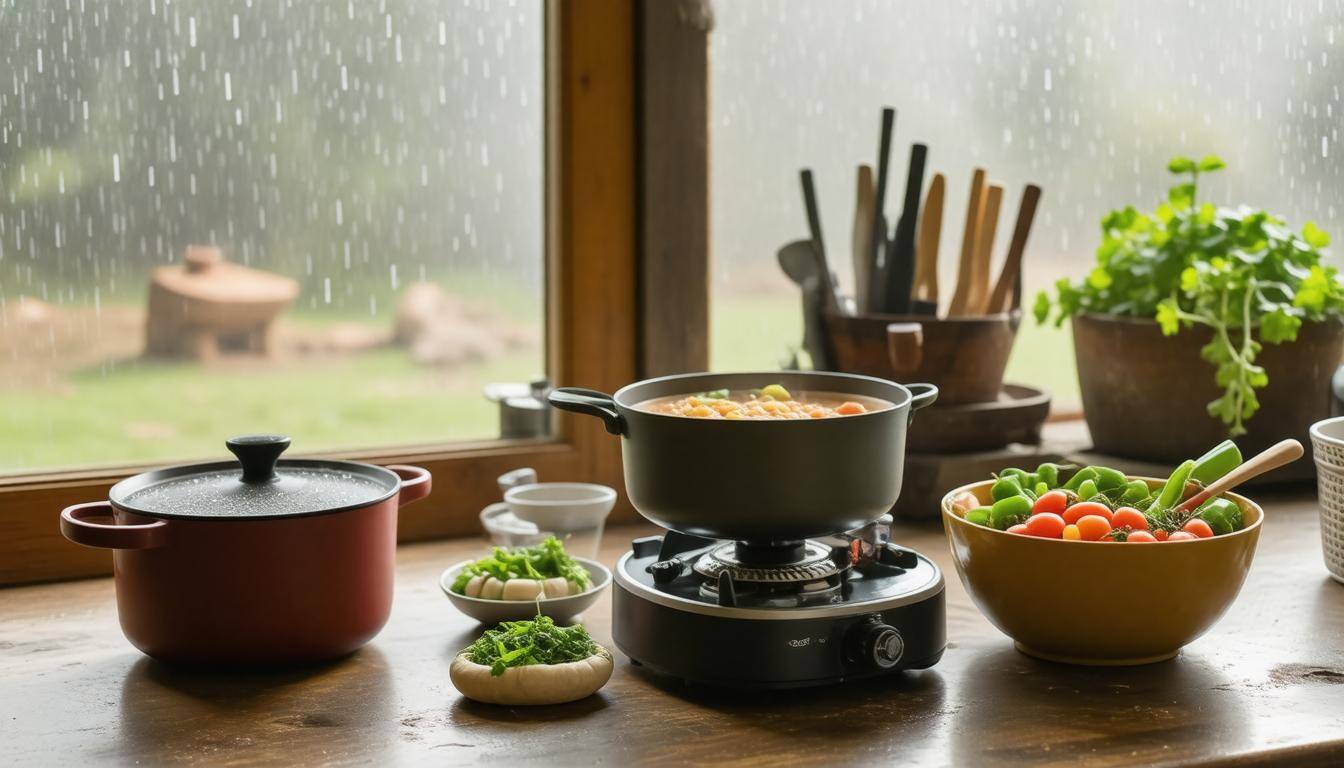
Emergencies can happen to anyone at any time, often arriving without prior warning. Whether it’s a natural disaster like a hurricane or an unexpected power outage due to a storm, these events can create difficulties, particularly with meal preparation. Preparing for emergency cooking means ensuring that you and your family are not just surviving, but thriving amid chaos. This level of preparation allows you to maintain some semblance of normalcy during tumultuous times.
For instance, picture yourself in a situation where you’ve just experienced a prolonged power outage. Panic can set in quickly as you look around your kitchen full of perishable foods heading towards spoilage. By having a stockpile of emergency cooking supplies—such as canned goods, pasta, and rice—you’re able to whip up meals that provide comfort and nutrition rather than relying on fast food or nothing at all. Studies show that having a well-stocked food supply significantly reduces stress levels during crises.
It’s interesting to note that according to FEMA, nearly 60% of Americans have faced emergencies throughout their lives. What’s troubling is that despite this high percentage, only about 20% feel adequately prepared for a three-day disaster. This shortfall underscores the importance of taking proactive steps—you don’t want to be among those panicking when trouble arises.
Natching this piece of advice can greatly enhance your preparedness: “The best time to prepare for an emergency is before one occurs.”
While some may argue that investing in emergency supplies seems unnecessary since such circumstances might appear rare, it is vital to recognize the peace of mind gained from being ready. After all, it’s better to have something and not need it than to need something and not have it. Preparing allows you to shift your focus away from worry and instead empowers you with self-sufficiency.
With this understanding of why preparation is essential settled in our minds, let’s explore practical cooking strategies you can implement during emergencies without overwhelming expense or effort.
Quick DIY Cooking Solutions
Quick DIY cooking methods enable you to create meals even with limited resources, ensuring that you don’t go hungry when times are tough. One of the simplest ways to cook without a conventional stove involves creating makeshift stoves using household items. For example, you can easily whip up a functional stove from some soda cans and aluminum foil. Simply take a soda can, cut it open, and place a tea light candle inside. Cover the top with foil, making sure to leave enough space for ventilation—this allows the flame to breathe while providing a steady heat source.
Consider another clever option: a tuna can stove. Made by placing rolled cardboard pieces soaked in wax inside an empty tuna can, this compact design serves as a highly effective heating apparatus. It’s easy to prepare and ideal for those moments when time is of the essence or conventional cooking methods aren’t feasible.
Once you have your source of heat ready, it’s time to talk about what to cook.
Thankfully, canned and non-perishable foods come in handy during these situations, allowing you to whip up hearty meals with minimal hassle. Items like beans, soups, and vegetables can easily be heated over your makeshift stove or combined for a savory stew. To make things more interesting, consider enhancing simple canned soup by adding a pinch of herbs or some frozen vegetables that can thaw quickly with just a bit of warmth. These small additions enrich the flavor and provide essential nutrients often lacking in standard emergency meals.
Additionally, incorporating pasta into your meals offers versatility; it’s quick to boil over a small fire and can be paired with anything—from sauces to seasonings found in your pantry. Preparation requires only a few ingredients and little time, ensuring you won’t spend all day in the kitchen.
Even more satisfying is utilizing your own recipe adjustments by combining common pantry staples such as rice or dried beans—they’re affordable and possess long shelf lives. Preparing these options not only serves your hunger but also fosters creativity in the kitchen during dire circumstances.
As we explore further, let’s dive into another incredibly resourceful method: crafting energy-efficient solar ovens.
DIY solar ovens can be an ingenious addition to your emergency cooking toolkit. Constructed using simple materials like cardboard boxes, aluminum foil, and plastic wrap, they harness the sun’s power to cook food without any energy costs. On sunny days, these ovens can reach temperatures as high as 200°F (93°C), making them suitable for baking or warming food with just the sun’s rays. By placing a carefully arranged meal inside—perhaps some sliced vegetables or marinated chicken—you’re simply allowing nature to take its course as it cooks throughout the day.
Through exploring these emergency cooking solutions, it’s clear that being prepared invites creativity into every meal you prepare.
As we move forward, we’ll uncover practical approaches that involve using shelf-stable ingredients typically found in every household.
Using Canned and Non-Perishable Foods
Let’s explore why these items are indispensable. Canned and non-perishable foods have the unique advantage of boasting an impressive shelf life, which can vary significantly depending on the type of item. Most people don’t realize that staples like canned beans and vegetables can last between 2 to 5 years, making them not only cost-effective but also incredibly reliable during emergencies. You can incorporate them into meals quickly, which is a lifesaver when time is tight or when resources are limited.
Imagine it’s been a long day, and the thought of cooking feels insurmountable. Just reaching for a can of beans means you can whip up a nutritious meal with little more than some spices and perhaps a dash of olive oil. It’s simplicity like this that offers not only convenience but peace of mind during trying times.
The nutrient profile of these canned foods often holds up well too. For instance, a can of tuna not only provides around 20 grams of protein per serving, but it’s ready to eat straight from the container, making it an excellent choice when cooking isn’t feasible. Additionally, instant noodles cook in just minutes with hot water and serve as a base for countless meals.
Here’s a closer look at some popular options:
| Food Item | Shelf Life | Preparation Needed |
|---|---|---|
| Canned Beans | 2-5 Years | Minimal Heating |
| Canned Tuna | 3-5 Years | Ready to Eat |
| Instant Noodles | 2-3 Years | Boil Water |
| Dried Fruits | 1-2 Years | No Preparation |
| Shelf-stable Milk | 6-12 Months | No Preparation |
When combined thoughtfully, these pantry staples not only enhance your emergency meal repertoire but also empower you to craft quick meals that won’t compromise on nutrition. As we further investigate practical cooking methods, consider how various alternative heating sources can play a vital role in preparing these convenient meals.
Heating with Candle Stove
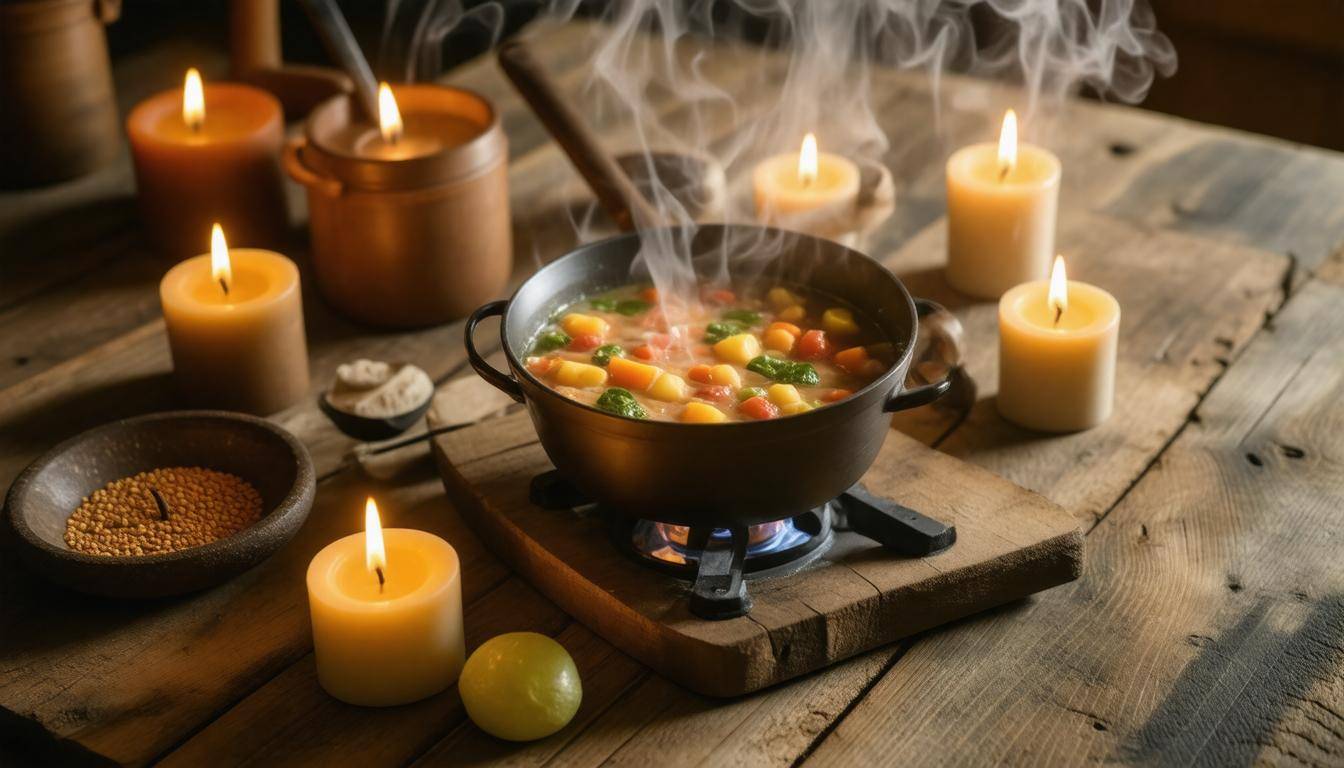
When conventional cooking methods aren’t an option, candle stoves can serve as a surprisingly effective solution for heating food or boiling water. It’s incredible how simple materials can come together to create a tool that can make your life easier during emergencies. Picture this: an empty metal can, often overlooked in the recycling bin, can be transformed into a heating source with just a few adjustments. You start by carefully cutting ventilation holes near the bottom of the can—this will allow air to flow and keep the flame burning brightly.
Once you have that ready, it’s time to add your candle. A small tealight candle works perfectly for this setup due to its low profile and steady heat output. Place the candle right in the center of the metal can and light it carefully. This is where the magic starts to happen; the flame generates enough heat to warm your food slowly but surely. However, don’t forget to keep a close watch throughout the cooking process because although the flame is small, patience is key.
The beauty of using a candle-stove setup lies in its versatility. For small meals or drinks—like a cup of herbal tea or reheating canned soup—a single tealight is usually sufficient. Just position your pot or pan on top of the can, ensuring it sits securely. The heat generated will effectively bring your liquid to a simmer over about 20-30 minutes, depending on how much water you’re boiling and its initial temperature. While this method may not rival that of a full kitchen stove, it provides an admirable alternative when resources are limited.
Remember to always use this setup in a well-ventilated area to prevent any buildup of carbon monoxide—safety should always come first.
Aside from being practical during emergencies, another aspect to consider is cost-effectiveness. The average price for materials to set up this kind of stove generally ranges between $1 to $5, making it an accessible option for almost everyone. Not only are you saving money compared to relying on store-bought emergency meals, but you’re also utilizing what might otherwise be discarded.
Safety Tips and Precautions
Always practice caution when using your candle stove:
- Ensure flammable materials are kept far away from the flame.
- Never leave the stove unattended while in use.
- Always monitor burning candles closely as they can become unstable if moved.
As we navigate through these resourceful cooking strategies, exploring other renewable energy options could further enhance your emergency preparedness toolkit.
Solar Cooking Techniques
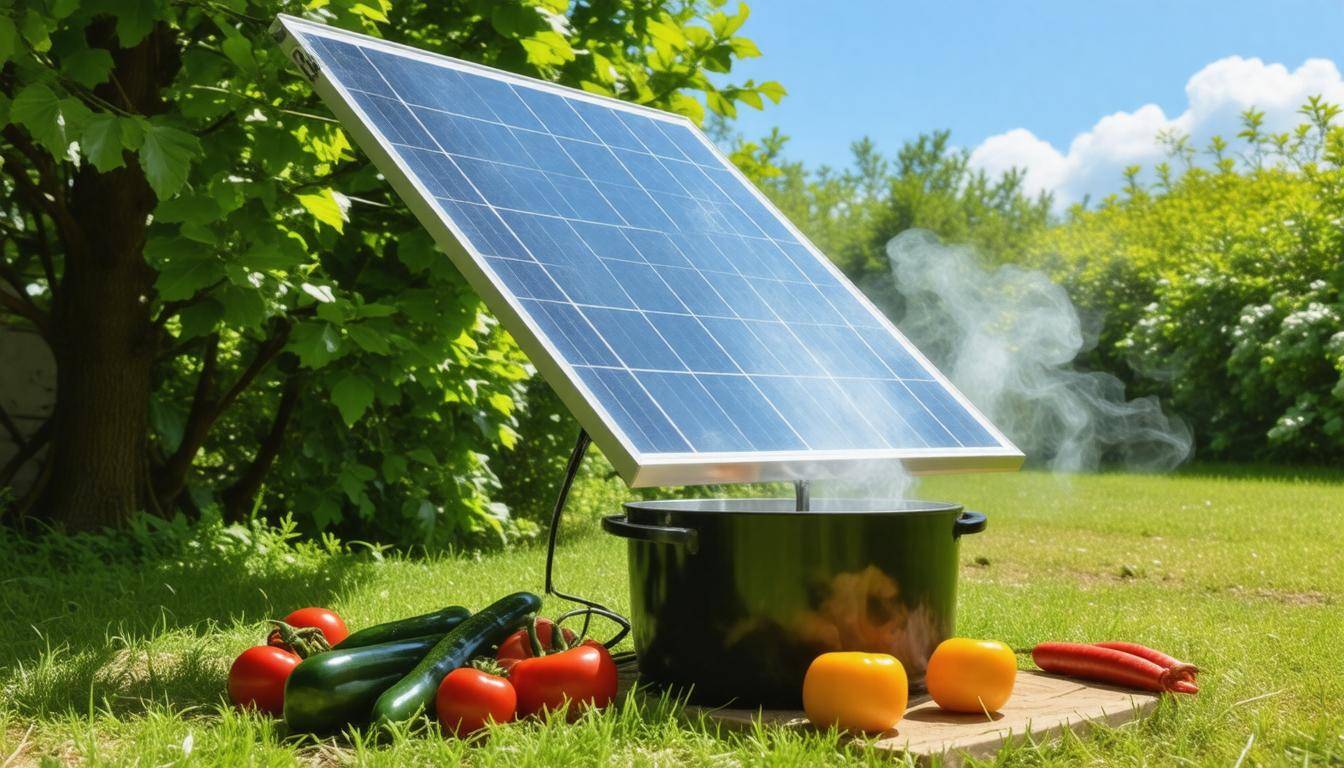
Harnessing the power of the sun offers an innovative and cost-effective way to prepare meals, especially when traditional energy sources are scarce. Not only is it environmentally friendly, but solar cooking also allows you to whip up a hearty meal using minimal resources.
A simple solar cooker can reach impressive temperatures, typically between 200°F to 300°F (93°C to 149°C), depending on its design and the availability of sunlight. This achievement speaks volumes about how effective solar cooking can be, making it an excellent choice for maximizing emergency cooking options.
DIY Solar Cooker
Building a solar cooker at home is both feasible and rewarding. You only need common materials like a cardboard box, aluminum foil, and clear plastic wrap. Here’s a straightforward guide detailing how to create one:
- Start with a cardboard box—this will serve as the base of your solar oven.
- Line the inside of the box with aluminum foil; this step is crucial as it reflects sunlight directly onto your cooking pot.
- Place a dark-colored cooking pot inside the box; dark colors absorb heat better than light ones.
- Cover the entire setup with clear plastic wrap; this helps trap the heat created inside.
- Finally, position your solar cooker in direct sunlight and adjust its angle to catch the sun’s rays effectively throughout the day.
With this DIY setup, you can achieve temperatures resilient enough for cooking rice and beans or even baking bread right at home!
Cooking Time and Considerations
It’s essential to note that cooking times will vary based on several factors such as sunlight intensity and the type of food being prepared. On a sunny day, foods can cook in as little as 30 minutes, while others may take a couple of hours. Be patient and keep an eye on your meals; it’s all part of the fun!
Moreover, for an optimal cooking experience, ensure your pots are of good quality and have tight-fitting lids, as this aids in heating retention.
Benefits Beyond Cooking
Why is something as fun as solar cooking more than just about preparing delicious meals? Think about safety and sustainability—solar cooking uses no fuel, reducing both costs and environmental impact over time. Imagine not worrying about gas prices or running out of propane when you know you can cook simply by harnessing sunlight.
Furthermore, among various affordable emergency cooking methods, solar ovens stand out for their simplicity and efficiency. Whether you’re dealing with a temporary power outage or seeking alternative cooking techniques during outdoor activities like camping, solar cooking proves to be both practical and resourceful.
While exploring sustainable options through solar cooking offers a unique approach to emergency meal prep, there are also other reliable techniques worth discovering that allow for creative culinary solutions in challenging situations.
Campfire and Outdoor Methods
Campfire and outdoor cooking methods open up a world of culinary possibilities, especially in emergency situations when standard appliances may not be usable. Whether you have a traditional campfire setup or a portable grill at hand, these versatile techniques allow you to prepare hearty meals without the luxury of modern conveniences. The beauty of cooking outdoors is that simplicity meets functionality—think delicious roasted meats or even baked goods cooked in a Dutch oven.
One popular method is direct grilling, where food is placed right over the flames. This technique works wonders for items like hot dogs or skewered vegetables, which cook in just a matter of minutes. However, while the grill is sizzling away, it’s wise to keep some long-handled utensils nearby to avoid any burns. After all, accidents can happen swiftly around a fire.
As I’ve learned over time, incorporating fresh ingredients, like seasonal veggies or herbs from your garden, can elevate your outdoor meal significantly. They not only add more flavor but also enhance our connection with what we’re eating—reminding us to appreciate every bite.
When transitioning into more intense cooking methods, consider boiling. Simply fill a pot with water and place it above the flames. This approach works great for cooking pasta or making soups. While waiting for the water to boil, this downtime can give you precious moments to relax by the fire with your family. An estimated boiling time of 10-15 minutes will have you ready to create simple yet satisfying dishes.
To streamline your cooking process during these moments of outdoor excitement, consider preparing foil pack meals which are both easy to assemble and clean-up afterwards is effortless. Wrap seasoned proteins and vegetables in aluminum foil before setting them near the coals. They’re typically ready in about 20-30 minutes. This method also invites creativity—each person can customize their own packs!
However simple it sounds, always have safety measures in place. Keeping a bucket of water or sand nearby ensures that any runaway ashes or sparks can be quickly managed.
As memorable as campfire cooking can be, it’s essential to prepare properly by gathering dry wood for fuel and creating a secure fire pit with stones to contain the flames. Planning ahead goes beyond just having wood; it’s about assembling the right tools for efficient cooking. A cast iron skillet is ideal because it retains heat well and can handle direct flames effortlessly.
The experience of cooking outdoors not only nourishes our bodies but also deepens our appreciation for food preparation’s inherent challenges and joys. As we continue exploring this theme, it’s crucial to examine how we can ensure that each cooking session remains safe and enjoyable.
Prioritizing Cooking Safety
Safety should always be a top concern, particularly in situations where you’re forced to think on your feet. When you’re preparing meals in a hurry, it’s easy to overlook essential safety precautions; however, negligence can lead to disastrous consequences. For example, fires can start from unattended flames or overheated equipment. By integrating a few straightforward practices into your routine, you can create a safer cooking environment during emergencies.
Always keep a fire extinguisher within arm’s reach when cooking. A Class K fire extinguisher is specifically designed for kitchen use and can effectively snuff out grease fires that often occur while cooking. Along with this, ensure proper ventilation—open windows or turn on exhaust fans—to prevent harmful gases like carbon monoxide from accumulating in enclosed spaces.
It’s also wise to have a first-aid kit readily available. Minor cuts or burns can quickly escalate if not treated properly, so having burn ointment and bandages at hand allows for immediate care if accidents happen.
Some may argue that elaborate safety measures seem unnecessary for quick meals, but even a minor mishap can escalate quickly in emergencies. Think of it this way: one small oversight—like leaving a pot unattended on the stove—can lead to unwanted chaos. Thus, adopting careful habits not only protects your health but also ensures that the culinary creativity you engage in delivers joy rather than danger.
Another crucial consideration is maintaining a clean cooking area. A cluttered space increases the risk of slips and falls, which is especially hazardous when working with hot surfaces or sharp tools. Use non-slip mats to reduce the chances of accidents and ensure your workspace allows you to move freely while handling food and implements.
Equally vital is being conscious of what you wear while cooking. Loose clothing and dangling jewelry may catch fire or inadvertently snag on equipment. Opt for fitted clothing and tie back long hair to minimize risks while you focus on whipping up delicious meals.
The mindful integration of these safety practices lays the groundwork for enjoyable cooking experiences. With these precautions in place, you can focus on creating delightful dishes, exploring modern tools that enhance your culinary adventures.
Innovative Cooking Tools and Gadgets
Today’s world has seen the rise of several ingenious cooking tools that can save the day when traditional methods fail. These gadgets enhance your cooking experience, especially in times of crisis. For instance, portable camping stoves have become a staple in outdoor lovers’ kits. They are compact and fuel-efficient, allowing you to boil water or prepare meals almost immediately. Imagine setting one up in your backyard while the power is out, curling your fingers around a warm mug of tea—this simple act can soothe anxiety in uncertain times.
Consider rocket stoves as another innovative option. They rely on small twigs and other biomass, harnessing a sustainable approach to cooking. Not only do they consume minimal fuel, but they also produce efficient heat perfect for boiling water or simmering stews. In a pinch, these little powerhouses can make all the difference in providing nourishing meals when your kitchen appliances can’t.
When discussing no-power scenarios, let’s not overlook hand-crank blenders. While it seems quaint, having this tool on hand can be invaluable when electricity is scarce. Whether whipping up smoothies or pureeing soups, these blenders tap into sheer human strength to get the job done without dependency on power sources. Blending your favorite smoothie using muscle power adds a fun twist to your day—even if it is born out of necessity.
“I never thought I’d rely on a solar oven,” shared a camping enthusiast who fared well during a recent blackout. “With it, I was able to cook full meals regardless of the state of my kitchen.” This simple yet effective gadget utilizes sunlight to generate heat and cook food efficiently—ideal for those conscious of conserving resources and making environmentally friendly choices while preparing meals.
Understanding how to use these innovative tools will empower you with a sense of preparedness and confidence, ensuring culinary needs are met without worry during emergencies. With advances in technology catering specifically to emergency cooking, you’ll find that being resourceful can keep both body and spirit nourished when faced with uncertain conditions.
In summary, having access to affordable emergency cooking methods ensures you’re prepared for any situation. Embracing inventive tools allows you to maintain comfort and nourishment in challenging times.