
In today’s unpredictable world, it’s becoming increasingly important to prepare for any emergency that might come our way—whether it’s a natural disaster, job loss, or something else unexpected. One of the simplest and most effective ways to be ready is by having an emergency food supply on hand. But don’t let the thought of stocking up stress you out; creating an affordable 60-day meal plan doesn’t have to drain your wallet. With a little creativity and planning, you can build a well-rounded food kit that not only keeps you nourished during tough times but also stays within a budget. In this guide, we’ll walk you through the essential steps to forming your own survival meal plan—from selecting staple ingredients to ensuring everything stays fresh until it’s needed. So, let’s dive in and get started on setting up your emergency food supply!
An affordable 60-day emergency food plan includes staple items like rice, beans, canned vegetables, and freeze-dried meals, all purchased in bulk to minimize costs. By creating a personalized plan with common ingredients and meal options, you can ensure nutritional variety while effectively preparing for emergencies without breaking the bank.
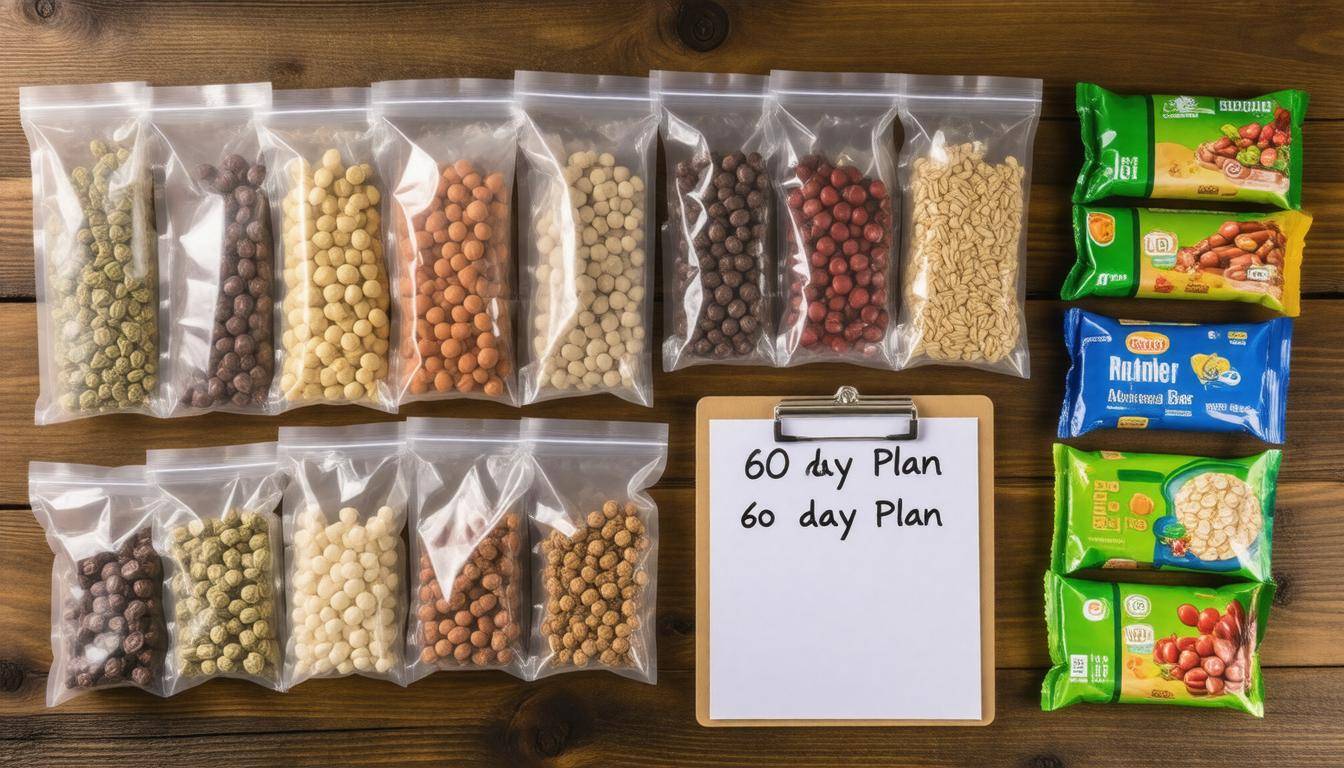
Creating Your Affordable Emergency Food Kit
When you’re ready to build your emergency food kit, starting with a solid plan is crucial. By setting a budget, you can make informed choices about where and how much to spend on your supplies. A typical budget ranges from $200 to $600 depending on how extensive or quality-oriented you want your kit to be. Setting this financial framework early on will streamline your shopping experience and prevent any impulse buys that could stretch your finances too thin.
Once you’ve established a budget, the next step is to identify what you really need in your pantry.
Creating a checklist of necessary items is vital to ensuring you’ve covered all your bases. Consider staple ingredients such as grains like rice and oats, dried beans, canned vegetables, and protein sources like canned meats or fish. It’s wise to buy non-perishable items in bulk as they are usually more economical.
For example, purchasing a #10 can of white rice might save you far more than buying smaller packets repeatedly. When stored properly, these staples can last for years, making them an excellent investment for the future.
With your list in hand and priorities set, it’s time to explore the best places for shopping.
Shopping smart involves capitalizing on sales and leveraging bulk-buying opportunities. Discount stores are gold mines for finding essentials at lower prices. Chain stores like Costco or Sam’s Club often carry bulk items at prices significantly less than conventional supermarkets.
At Sam’s Club, large bags of rice can be found priced at around $12, which is an absolute steal compared to paying upwards of $25 at regular grocery stores for the same amount. Online platforms such as Amazon or Walmart also provide competitive prices on bulk orders—often with options for free shipping if you subscribe or reach a minimum order amount.
As you embark on this journey of building your food kit, keep in mind that flexibility in meal planning will add variety to your emergency supplies. Aim for a balanced diet by incorporating proteins alongside carbohydrates and vegetables wherever possible.
A well-organized approach not only ensures affordability but also maintains quality in your emergency food kit without compromising on taste or nutrition. With the essentials in mind, it’s beneficial to evaluate effective ways to keep everything stored securely and efficiently.
Selecting the Right Storage Containers
When it comes to preparing for emergencies, proper storage maximizes the shelf life of your emergency supplies. The containers you choose can significantly impact how long your food lasts and how well it remains protected from environmental elements.
For instance, food-grade buckets with airtight lids should be at the top of your list. They are designed specifically for food storage and offer robust protection against moisture and pests that can ruin your supplies. A standard 5-gallon bucket can hold up to thirty-seven pounds of dry goods, providing ample space for staples like grains or legumes.
To take it a step further, consider using Mylar bags in conjunction with oxygen absorbers. This combination provides an excellent solution for storing grains and beans, creating a nearly vacuum-like environment that keeps oxygen at bay. Think of this as shrink-wrapping your food: it adds an extra layer of security against spoilage by reducing oxygen levels that can cause food to degrade or lose flavor over time.
While Mylar bags are great for bulk items, smaller items also need special attention.
For those nuts, dried fruits, or other smaller ingredients, a vacuum sealer is an ideal tool. Vacuum sealing not only extends the shelf life of these items but also locks in their flavors. Left unchecked, exposure to air can lead to staleness or rancidity—something no one wants when reaching for a quick snack in an emergency. Vacuum-sealed items can often last much longer than their non-sealed counterparts.
Additionally, having sturdy shelving systems in place is crucial for keeping everything organized and easily accessible. Invest in durable shelving units that can withstand weight and provide robust support for your bucketed and bagged supplies. A well-organized pantry saves time and reduces stress during emergencies, allowing you to quickly grab what you need without digging through clutter.
Utilizing these proper storage solutions not only ensures the freshness and safety of your emergency food but also empowers you to be ready when challenges arise. As we explore further, you’ll find out how to effectively build and manage your emergency stockpile.
Building the 60-Day Emergency Food Supply
When you’re planning to build a 60-day food supply, it’s crucial to think strategically about what you need. First, you’ll want to calculate daily needs based on caloric requirements, which typically range from 2,000 to 2,500 calories per person per day. This goal translates into a total caloric intake of approximately 120,000 to 150,000 calories for the entire duration. Understanding this number helps provide a solid foundation upon which you can build.
Calculate Daily Needs
Estimating how much food you actually need requires meal planning. Take an average family and assess how many meals they eat daily. A common mix might be three meals with snacks in between. Each meal should ideally consist of a balanced plate that includes grains, protein, vegetables, and fats. This balance not only sustains energy levels but also keeps spirits high during tough times.
Staple Foods
- 60 pounds of rice—versatile, inexpensive, and has a long shelf life.
- 60 pounds of beans—packed with protein and great for sticking to your ribs.
- 40 cans of vegetables and soups—ensuring access to essential vitamins.
- 20 cans of meats (chicken, tuna, etc.)—providing a reliable source of protein.
- 10 pounds of pasta—easy to cook and pairs well with many sauces.
- 20 jars of peanut butter—a healthy option that’s filling and contains good fats.
With these staples in mind, it’s essential not just to fill your pantry with bulk items but also to consider ways to add variety to your meals.
Add Variety
Having an array of options can prevent the feelings of monotony that often accompany long-term food supplies. Items like powdered milk, cereals, and dried fruits enhance taste and provide vital nutrients that may be lacking in a staple-heavy diet. These elements are not just about nutrition—they help keep morale boosted during emergencies by providing comfort and joy in familiar flavors.
For instance, enjoying a bowl of oatmeal sweetened with dried fruit for breakfast can provide a substantial energy boost and make mornings feel a little brighter compared to plain rice. Furthermore, considering different preparation methods or incorporating seasonings can elevate simple ingredients into something exciting.
A thoughtfully assembled emergency food supply meets all nutritional requirements while maintaining variety to keep everyone satisfied—even during stressful times.
Creating a resourceful kitchen setup is key; it enhances your family’s overall preparedness against unforeseen challenges while ensuring that mealtimes remain enjoyable and engaging.
Balancing Nutrition and Variety
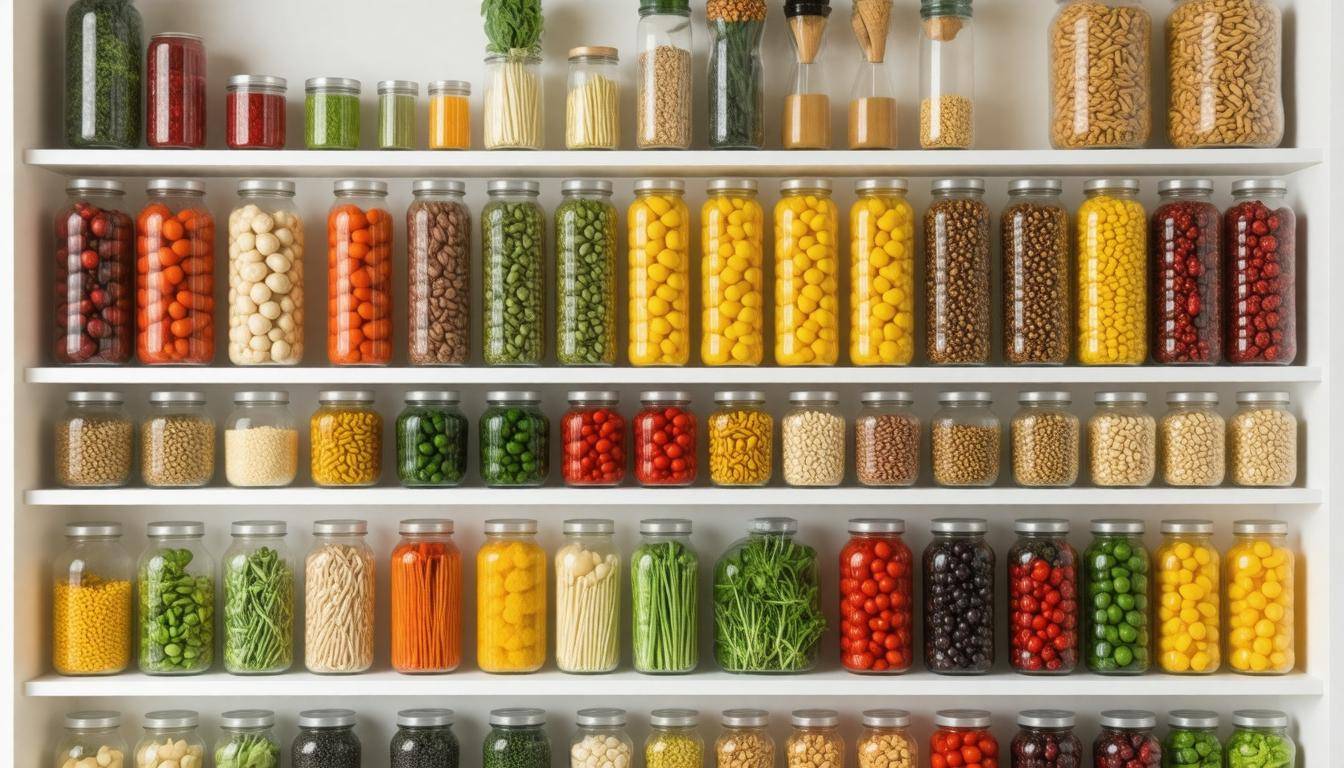
When planning your meals, particularly for emergencies, striking the right chord between nutrition and variety is vital. A well-balanced diet equips your body with the necessary energy and nutrients to function optimally, especially under stress. So how do you ensure you get the right macronutrients?
Macronutrients
First, let’s look at macronutrients—carbohydrates, proteins, and fats. These three macronutrients serve specific functions that keep your body fueled and ready to tackle any situation. Carbohydrates provide quick energy; think of them as the gas you put in a car. When times are tough, your brain and muscles require ample energy, and foods like brown rice and pasta offer just that. Proteins are crucial for muscle repair and growth; they act as building blocks for your body. Canned tuna or beans are excellent sources to include in your storage. Lastly, fats play a vital role in hormone production and nutrient absorption; don’t shy away from items like peanut butter, which can also add great flavor.
Nourishing your body with these essential macronutrients is like keeping an engine running smoothly.
Micronutrients
While macronutrients get a lot of attention, it’s easy to overlook micronutrients—vitamins and minerals that play a critical role in maintaining immune function and overall health. During emergencies, when fresh produce may not be available, these crucial vitamins can be forgotten. That’s where multivitamins come into play!
Adding multivitamins to your emergency supply is a wise choice. They act as supplemental insurance against deficiencies, ensuring that even when variety in food choices is limited, you’re still receiving necessary nutrients. This small addition provides peace of mind during uncertain times.
With that in mind, let’s not forget about the importance of keeping your food supply fresh through rotation.
Rotate Foods
To maintain the integrity of your food stockpile, consider implementing a rotation system. Regularly checking for expiration dates helps avoid spoilage and ensures that you’re utilizing older foods first. In doing so, you’ll minimize waste while maximizing nutritional value throughout its lifespan.
A practical way to keep track of your food is labeling containers with their purchase or expiration dates. Doing this simplifies meal planning while preventing those frustrating moments of uncertainty during a crisis.
| Food Item | Shelf Life |
|---|---|
| White Rice | 25-30 Years |
| Canned Beans | 2-5 Years |
| Pasta | 2 Years |
| Dried Fruits | 1 Year |
By balancing varied meals with essential nutrients and regularly rotating supplies, you create a sustainable strategy that prepares you for unexpected challenges ahead. Next, let’s explore the culinary possibilities that can make your emergency food choices both enjoyable and satisfying.
Recipes for Long-Term Survival
Simple recipes can truly maximize your food supply and make meal preparation less daunting during unexpected situations. When building a stockpile, having meals that are easy to prepare yet fulfilling is key. Take oatmeal, for instance; it’s an ideal breakfast option brimming with nutrients.
Breakfast
To prepare a quick yet hearty breakfast, consider mixing rolled oats with powdered milk and adding dried fruits such as raisins or apricots. This combination provides essential carbohydrates and proteins while satisfying your sweet tooth. Just combine these ingredients with hot water and let them steep for a few minutes—the result is a warm, creamy bowl of goodness to kickstart your day.
Once you’ve enjoyed a nourishing breakfast, it’s time to think about lunch.
Lunch
For lunch, a hearty lentil soup becomes your next best friend. Using just dried lentils, canned tomatoes, and an assortment of spices, you can whip up a filling meal that bursts with flavor. Simply cook the lentils in vegetable broth until tender, then mix in the canned tomatoes and spice them up according to your taste. This soup is rich in protein and fiber, providing comfort on chilly days when you need something warm and filling.
After savoring a supportive midday meal, let’s discuss dinner options.
Dinner
When it comes time for dinner, rice and beans could be the perfect solution. Combining cooked rice with canned beans and your choice of meat or vegetables creates a balanced plate that’s both satisfying and nutritious. Add some seasoning—a sprinkle of salt, pepper, or even chili powder—and enjoy the blend of flavors while receiving the benefits of complete proteins.
And what about those moments when you simply need a quick bite?
Snacks
For snacks throughout the day, keep nuts, dried fruits, and peanut butter handy—excellent sources of energy that also satisfy hunger between meals. Nuts offer healthy fats along with protein while dried fruits provide swift energy boosts through natural sugars. A spoonful of peanut butter can satisfy cravings while packing in plenty of nutrients.
Leveraging these simple recipes not only helps maintain nutritional standards but also keeps meal preparation efficient in any situation. Regularly incorporating these options into your emergency planning can ensure satisfaction without compromising quality or taste.
Now that we’ve explored how to craft meals that cater to your survival needs, let’s examine how you can enhance this strategy by integrating practical additions to your emergency food stash.
Cost-Effective Ways To Add Freeze-Dried and Dehydrated Foods
Freeze-dried and dehydrated foods are indeed excellent additions to any emergency food supply, but the initial price can often feel daunting. However, with a few savvy shopping strategies, you can significantly reduce your costs while stocking up on these nutritious meal options.
One effective method is bulk buying. When you purchase larger quantities from reputable suppliers like Mountain House or Thrive Life, you may find that even though the upfront cost seems higher, you end up paying much less per serving. This approach not only stretches your budget but also ensures you have a variety of meals ready for emergencies.
Another useful tip for minimizing expenses is to keep an eye out for promotional offers.
Using coupons and discount codes can be a game changer. Many suppliers provide seasonal discounts or promotional codes that can lead to substantial savings. Take a few moments to browse through websites or sign up for newsletters that alert you to special deals. You might be surprised by how quickly those savings add up, making high-quality freeze-dried meals more accessible.
If you’re feeling adventurous in the kitchen, consider DIY dehydration. Investing in a food dehydrator can save you a great deal of money down the line. With this compact machine, you can transform fresh fruits and vegetables into lightweight snacks for your emergency kit without spending a fortune. Imagine enjoying homemade dried apples or zucchini chips! Not only do homemade options taste better than many store-bought counterparts, but they also allow for control over ingredients, ensuring that you’re filling your pantry with wholesome food.
The beauty of DIY dehydration lies not only in cost savings but also in the joy of preserving nature’s bounty.
With these strategies in mind, integrating freeze-dried and dehydrated foods into your supply not only becomes feasible; it transforms into an exciting opportunity to explore new flavors and nutrition on a budget. As you prepare your pantry for unexpected circumstances, consider the best practices for storing these essential items effectively.
Safe & Durable Home Storage Solutions
Safe storage is crucial not just for the longevity of your emergency food supplies but also for ensuring that these provisions remain nutritious and accessible when you need them most. Imagine opening a container only to find that mice have feasted on your carefully chosen dehydrated meals or that moisture has turned rice into a clumpy mess. To prevent such scenarios, it’s essential to adopt effective storage strategies.
Cool, Dark, Dry
First and foremost, store your supplies in a cool, dark, and dry place. The ideal storage temperature for most foods falls between 50°F and 70°F. If your pantry or cupboard tends to fluctuate too much in temperature or humidity, consider alternative locations like basements or closets. Thwarting moisture accumulation is critical because excess humidity can accelerate spoilage and attract pests. Think of it this way: just as you wouldn’t leave fresh fruit out in the sun, you shouldn’t expose your emergency food supplies to temperature extremes or light either.
Next up, let’s tackle the issue of pest deterrence.
Rodent-Free
Keeping your storage area secured against rodents is another fundamental aspect of preserving your food supplies. It’s surprising how crafty little critters can be! To keep them at bay, utilize metal containers or heavy-duty plastic ones with secure seals. Not only do these materials provide an extra layer of protection against pests, but they also help keep air and moisture out, enhancing shelf life. Regularly checking the integrity of your containers ensures they remain effective; even the slightest gap can turn a sturdy container into a buffet for unwanted guests.
Now that we have a plan to keep pests away, let’s consider how placement plays a role in protection.
Elevate Storage
Elevating your food storage is an often-overlooked strategy that can significantly mitigate the risk of water damage. Storing food containers slightly off the ground helps prevent any potential seepage during floods or leaks—something particularly pertinent if you’re using a basement for storage. A simple shelving unit can make all the difference by keeping your supplies safe and dry while allowing you easy access whenever needed.
Following these guidelines ensures safe, long-term storage of your emergency food supply. Each step—from choosing the right location to securing containers—helps safeguard peace of mind in uncertain times.
With these protective measures firmly in place, we can now explore ways to ensure that this critical plan remains both accessible and secure for any situation that may arise.
Making Your Plan Accessible & Secure
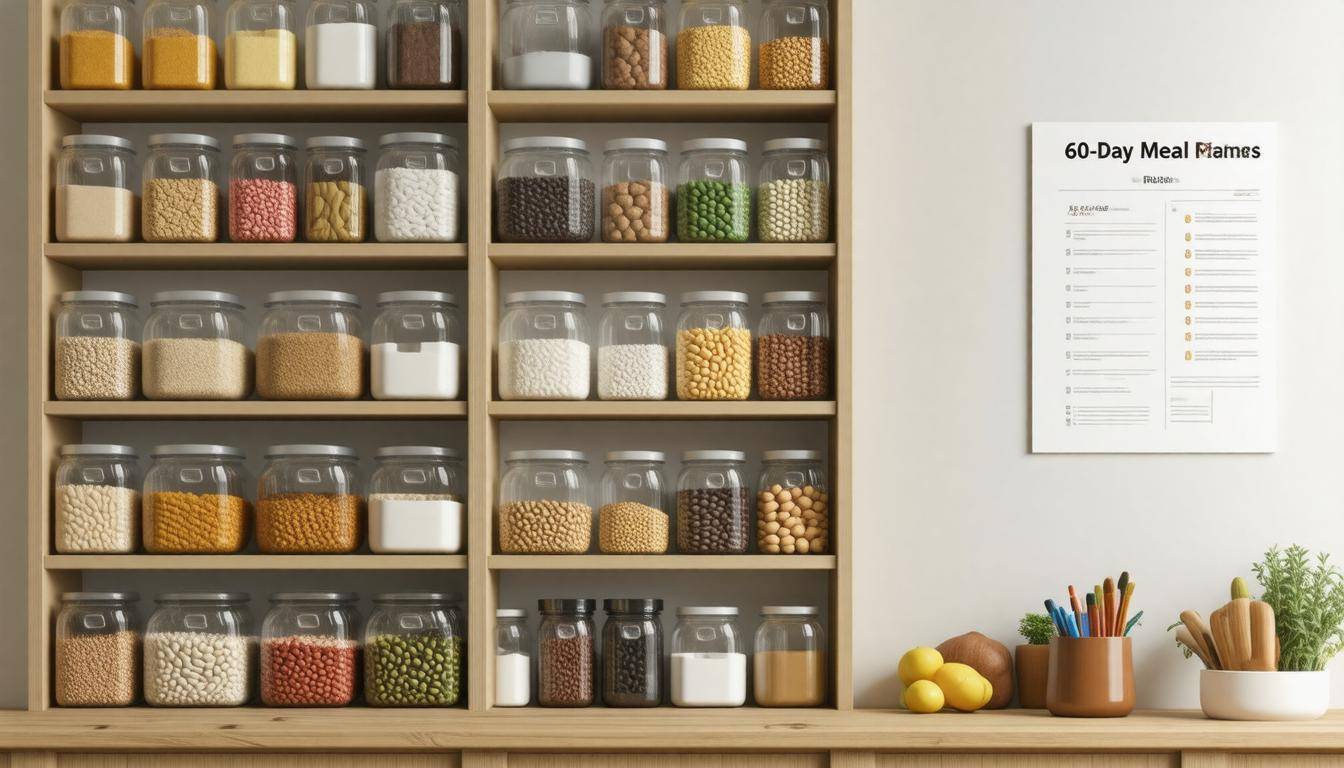
Easy access is crucial when it comes to your emergency food supply. Store your food in a designated area that’s convenient for you and easily reachable by all family members. Whether it’s a basement shelf or a closet, the key is to choose a location that everyone can find without hassle. You might even want to position some staple items closer to the kitchen for quick use during regular mealtimes, blending everyday needs with emergency preparedness. This prepares you for possible crises and encourages routine checks of your supplies.
Now, having easy access isn’t just about convenience—it’s also about ensuring that everyone knows what to do when an emergency strikes.
Emergency Drills
Conducting regular emergency drills is one of the best ways to familiarize everyone with the layout of your home and the location of your food supply. Just like you would practice fire drills, set aside some time every few months to gather the family and walk through what they should do in case of an unexpected situation.
Walking them through how to access food quickly can save precious minutes when seconds matter. Additionally, this practice helps instill confidence in each family member, making them feel part of the emergency preparedness plan rather than passive onlookers.
As important as accessibility is, securing your food from potential threats also warrants serious attention.
Security Measures
Implementing security measures is essential to protect your emergency food stash against theft or spoilage. Simple locks on cabinets can deter curious children; more sophisticated solutions could include alarm systems or surveillance cameras if you’re storing larger supplies in an out-of-the-way area like a garage.
It’s worth considering financial investments for peace of mind because a well-secured setup protects not just your resources but also ensures that your planning efforts aren’t in vain.
By taking these steps, you create a support system that guarantees your family knows where to find vital resources during a crisis while protecting those assets diligently—both important elements for effective emergency planning.
In preparing for emergencies, accessibility and security are paramount. Ensuring everyone understands these aspects will greatly enhance your family’s readiness for any situation that arises.
How can I effectively rotate and utilize my emergency food supply to prevent waste?
To effectively rotate and utilize your emergency food supply, implement the “First In, First Out” (FIFO) method, which ensures that older items are used before newer purchases. Regularly check expiration dates and create a meal plan that incorporates these foods into your weekly meals, aiming to use them within their expiry period. Statistics show that up to 30% of food is wasted in households; by actively engaging with your emergency supply, you can minimize this waste while ensuring your preparedness for any unforeseen circumstances. Additionally, consider storing versatile ingredients that can be used in various recipes; this not only prevents waste but also keeps your meals interesting.
Are there budget-friendly options for freeze-dried or dehydrated foods suitable for emergency preparedness?
Yes, there are budget-friendly options for freeze-dried and dehydrated foods that are ideal for emergency preparedness. Many brands offer affordable meal kits that can provide a wide variety of nutrients while being shelf-stable for long periods. For instance, bulk purchasing from wholesalers can reduce costs significantly—saving up to 30-50% compared to retail prices. Additionally, purchasing in larger quantities allows families to stock up effectively without breaking the bank, ensuring they have access to lightweight and nutritious meals when needed.
What storage tips can help extend the shelf-life of my emergency food supply?
To extend the shelf-life of your emergency food supply, store items in a cool, dark, and dry place, ideally between 50°F and 70°F (10°C to 21°C), as warmer temperatures can significantly reduce longevity. Use airtight containers to protect against moisture and pests, which can spoil food; studies show that properly stored foods can last up to 25% longer than those kept in less optimal conditions. Additionally, rotating your stock every six months ensures you consume older items first while keeping your inventory fresh and effective for emergencies.
What types of foods should be included in an affordable 60-day emergency food plan?
An affordable 60-day emergency food plan should include non-perishable items such as canned vegetables, legumes, rice, pasta, and dried fruits, along with a protein source like canned fish or beans. These foods are not only economical but also provide essential nutrients necessary for maintaining energy and health during emergencies. For example, legumes can offer up to 15 grams of protein per cup cooked, making them a great choice for sustenance when fresh food is not available. Planning this way ensures that individuals can sustain themselves without breaking the bank while also covering their nutritional needs effectively.
How can I determine the necessary calorie intake for my family when planning for 60 days of emergency food?
To determine your family’s necessary calorie intake for a 60-day emergency food plan, start by calculating the total daily calories needed based on age, gender, and activity level. The average adult requires about 2,000-2,500 calories per day, while children need between 1,600-2,200 calories depending on their age and activity. Multiply these daily figures by the number of family members and then by 60 days to get your total caloric needs. Don’t forget to factor in special dietary needs or medical conditions that may affect caloric intake. This will ensure you stock enough food to maintain energy levels during an emergency.