
When disaster strikes, having a solid evacuation plan can be the difference between safety and chaos. But let’s face it; few of us want to spend a ton of money preparing for something we hope will never happen. Luckily, creating an effective evacuation strategy doesn’t have to be expensive or stressful. In this article, we’ll explore budget-friendly tips and tricks to help you get ready without breaking the bank. You’ll find practical advice on everything from planning routes and packing essential supplies to drawing on your community’s resources. With some thoughtful preparation, you can ensure that when emergencies do arise, you’ll be able to protect your loved ones without the added strain on your wallet.
In the Affordable Evacuation Planning: Complete Guide, you will find essential strategies for preparing for emergencies cost-effectively, including route planning, supply kit preparation, and establishing communication plans. The guide also emphasizes considerations for special needs and offers resources to enhance your understanding and readiness for potential evacuations.
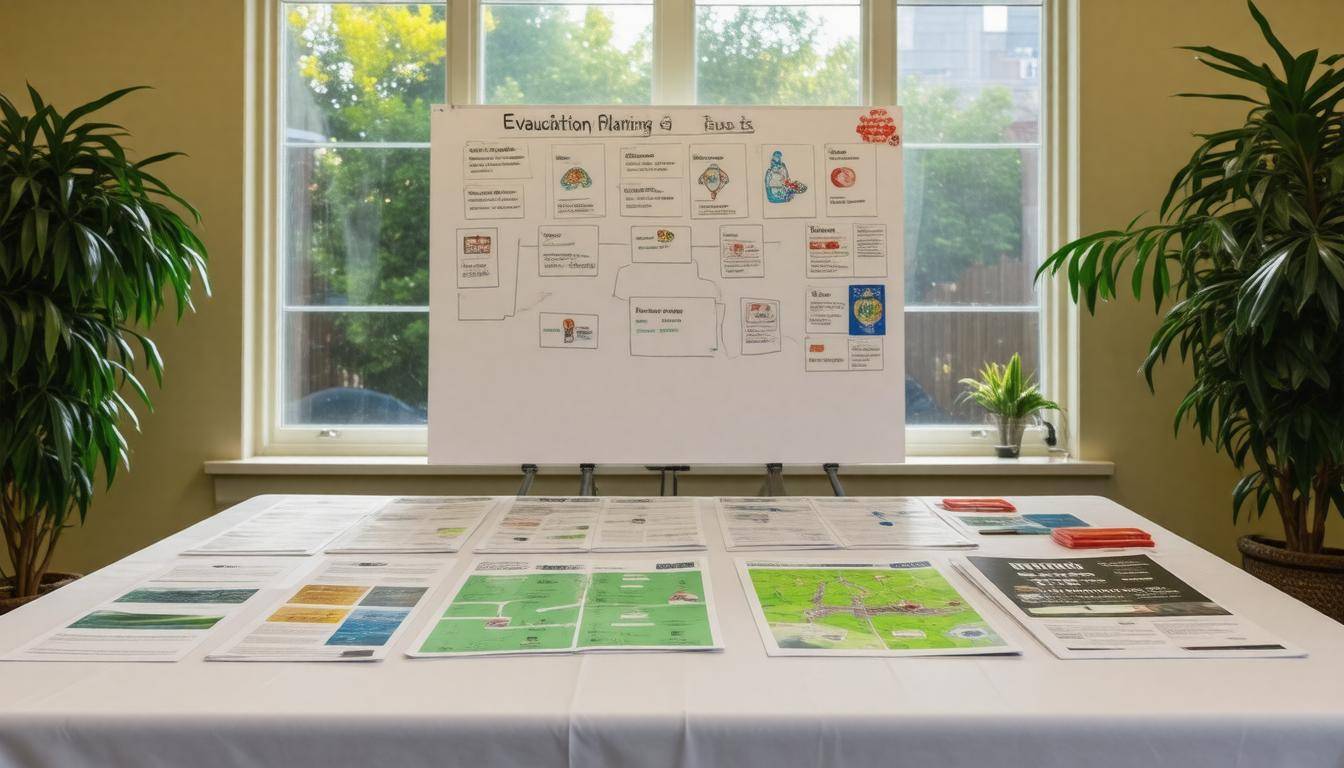
Importance of a Budget-Friendly Evacuation Plan
A budget-friendly evacuation plan isn’t just about cutting costs; it’s about ensuring that everyone in your household knows what to do when an emergency strikes. By investing time and thought into your evacuation strategy, you significantly reduce potential financial stress during a disaster. Think of it in terms of your grocery shopping: when you plan meals ahead of time, you save money and avoid waste. Similarly, having a detailed evacuation plan can help you allocate funds more effectively and ensure that your family’s needs are met when urgency becomes paramount.
Specific numbers highlight this point well; according to a 2024 FEMA report, families with a detailed evacuation plan save an average of 20% in emergency-related expenses. This financial cushion can be vital during recovery periods when every dollar counts. You might think about the implications of such savings—perhaps you have funds left over to invest in other essentials or even to restock necessities post-disaster.
The practical aspect can’t be overstated—the right planning complements peace of mind in emergencies.
Financial Resilience
Building on the preceding insights, consider how a budget-friendly evacuation plan strengthens your financial resilience. When families lack a structured approach, they may overspend on ad-hoc decisions made under pressure, such as hastily purchasing supplies or taking detours that lead to costly gas expenses. In contrast, families who prepare ahead can pre-pack essential supplies and scout out routes that avoid congested areas, thereby limiting their overall expenditures.
It’s like when you go grocery shopping with no list—you end up with three kinds of cereal and ten bags of chips! But emergencies aren’t snacks; they’re serious business that require meticulous preparation.
Take the Smith family from Texas, for example. After facing devastating floods in 2022, they exemplified this principle beautifully. Their comprehensive yet cost-effective evacuation plan included pre-packed supplies and pre-determined routes, allowing them to move quickly without expensive last-minute purchases or unnecessary panic. Managing these critical elements not only kept chaos at bay but also preserved their financial resources amid the turmoil.
This example illustrates how planning can forge paths not just toward safety but also economic efficiency.
Prioritizing Safety Without Excess
It’s possible to prioritize safety without breaking the bank if you employ smart strategies. For instance, starting small with what I call “mini-preparations” can be effective. Stocking up on basic supplies gradually—think canned goods or hygiene items—can lead to substantial savings down the line. Additionally, finding community resources can further amplify your preparedness without straining finances; many municipalities host workshops or provide resources specifically aimed at safe evacuations.
Don’t forget the old adage: “An ounce of prevention is worth a pound of cure.” Having an organized plan helps reduce anxiety while enhancing safety.
With all these strategies in place, you’re laying down the groundwork for managing unexpected events efficiently. This sets the stage for exploring innovative tactics that further enhance preparedness and resource management in uncertain situations.
Resourceful Planning Strategies
Developing an effective evacuation strategy doesn’t have to weigh heavily on your wallet. One of the most resourceful yet overlooked tactics is leveraging local knowledge and free community resources. By forging connections with your neighbors, community leaders, and local organizations, you can gather insights that are invaluable during emergencies. This network not only provides practical advice but also fosters a sense of camaraderie—because, in challenging times, having a support system makes all the difference.
DIY Emergency Kits
Rather than splurging on pre-packaged emergency kits, consider crafting your own using items already found at home or through affordable purchases from local discount stores. It’s surprising how many emergency essentials can be gathered for less than the price of a commercial kit.
For example, look for non-perishable food items like canned goods and granola bars; these add nutrition without needing refrigeration. Additionally, gathering basic first aid supplies such as band-aids, antiseptics, and any personal medications should be part of this assembly process. Flashlights with extra batteries are also a must-have—they can easily be included from what might be leftover after other household projects.
Not only does this approach save you money, but it also empowers you to customize your kit according to the specific needs of your family members.
With your DIY kit ready, you can now focus on identifying well-researched routes that allow for an efficient evacuation during an emergency.
Leveraging Community Knowledge
Another excellent strategy involves engaging with your local community by attending workshops or safety seminars that are often offered free of charge. These events tackle various subjects related to emergency preparedness and can provide vital information—from understanding the layout of your area to knowing which roads may be prone to flooding or closures during critical times. You might find that local fire departments or neighborhood associations host these gatherings, offering tips that can dramatically improve your readiness.
Additionally, don’t underestimate the value of social media groups focused on community safety or preparedness. Many towns have pages where residents share valuable information about local resources, road conditions during crises, or even real-time alerts concerning upcoming storms or hazards.
Of course, it’s important to stay informed year-round, not just when disaster strikes. By checking in regularly with community centers and remaining active in local discussions around emergency planning can help create a resilient neighborhood prepared for whatever challenges may come our way in the future.
Connecting with your community enhances both safety and resilience—two qualities that are paramount in effective evacuation planning. As you gather essential insights and implement strategies from your surroundings, consider which supplies will best equip you for any emergent situation ahead.
Gathering Essential Supplies on a Budget
When it comes to preparing for an evacuation, having the right supplies can make all the difference. It’s crucial, however, to focus on the essentials rather than getting distracted by superfluous items that might tempt you while shopping. Choosing wisely not only helps you maintain your budget but also ensures that when an emergency strikes, you’ll have what you need most.
Prioritize Needs Over Wants
Begin your preparation with basic necessities that will keep you and your family safe:
- Water: Aim for one gallon per person per day, ensuring you have enough for at least three days.
- Canned Food: Stock up on nutritious canned goods along with a manual can opener—this will be crucial if the power goes out.
- Basic First-Aid Kit: Make sure it includes essentials like bandages, antiseptic wipes, and other important items for treating minor injuries.
- Prescription Medications: Don’t forget any medications that are vital for family members; replace them regularly to avoid expiration.
- Important Documents: Prepare copies of crucial documents (like IDs and insurance papers) stored in a waterproof container.
By prioritizing these must-haves, you’re maximizing your utility while minimizing expenses. Let’s not overlook the importance of saving money wherever possible—such as finding deals that fit neatly into your emergency budget.
Utilize Free Resources
Many local organizations provide supplies free of charge. For instance, food banks often distribute non-perishable food items that could significantly contribute to your emergency kit. Utilizing community resources can alleviate some financial strain and expand the variety of supplies available to you at no cost.
In addition to food banks, consider checking platforms like Freecycle or neighborhood groups on social media where people often list free household items they no longer need. You might find things like blankets, flashlights, or even storage containers that can serve as part of your evacuation kit without costing anything.
A well-stocked kit doesn’t have to come from big retail stores; tapping into local networks can greatly enhance your preparation efforts while keeping costs down.
Furthermore, don’t hesitate to involve friends and family by sharing costs or pooling resources. Collectively creating supply kits can reduce individual burdens and also foster a sense of community preparedness that could be invaluable during a crisis.
Balancing essential needs against budget constraints may seem daunting at first, but through careful planning and resource utilization, it becomes an achievable goal. With this foundation set, it’s vital to explore how to effectively navigate the pathways to safety during emergencies.
Identifying Safe Evacuation Routes
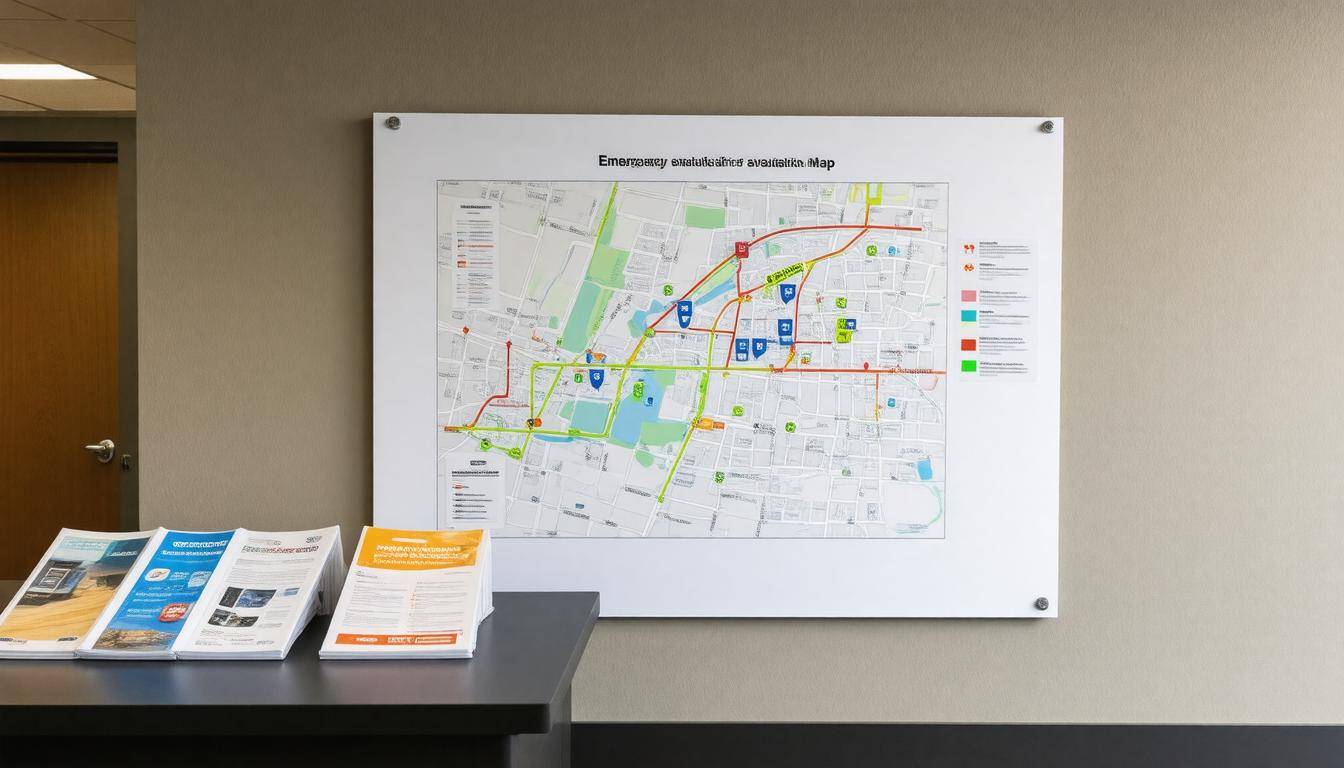
Understanding the safest ways to evacuate your area is as vital as having supplies on hand. When disasters strike, whether they be natural disasters like fires or unforeseen civil disturbances, having clear and well-researched evacuation plans can make all the difference in getting you and your loved ones out of harm’s way.
A well-planned route takes into account real-time conditions that may affect travel, such as closures due to fires or law enforcement activities during civil unrest.
Mapping Multiple Routes
To ensure you’re prepared for various emergencies, it’s smart to identify two to three potential evacuation routes beforehand. Consider using digital tools like Google Maps for their ability to offer real-time updates about traffic conditions or road closures—these can be invaluable when you’re trying to exit quickly. However, technology can fail at the worst times; therefore, print physical maps of your selected routes ahead of time and stash them in your emergency kit.
To illustrate this point, here’s an example of how one might approach this task:
| Route Type | Primary Route | Secondary Route | Tertiary Route |
|---|---|---|---|
| Natural Disasters | Main Highway 101 | County Road 5 | River Drive to City Square |
| Civil Disturbance | Local Street Network | Suburban Backroads | Rural Off-Road Path |
By planning multiple routes, you’re creating a safety net. If one method is blocked or unpassable, you have alternative options ready and waiting.
The meticulous preparation doesn’t stop at mapping out routes; once you’ve identified these escape paths, effective communication with your family becomes the next indispensable step in ensuring smooth evacuations.
Effective Family Communication Plans
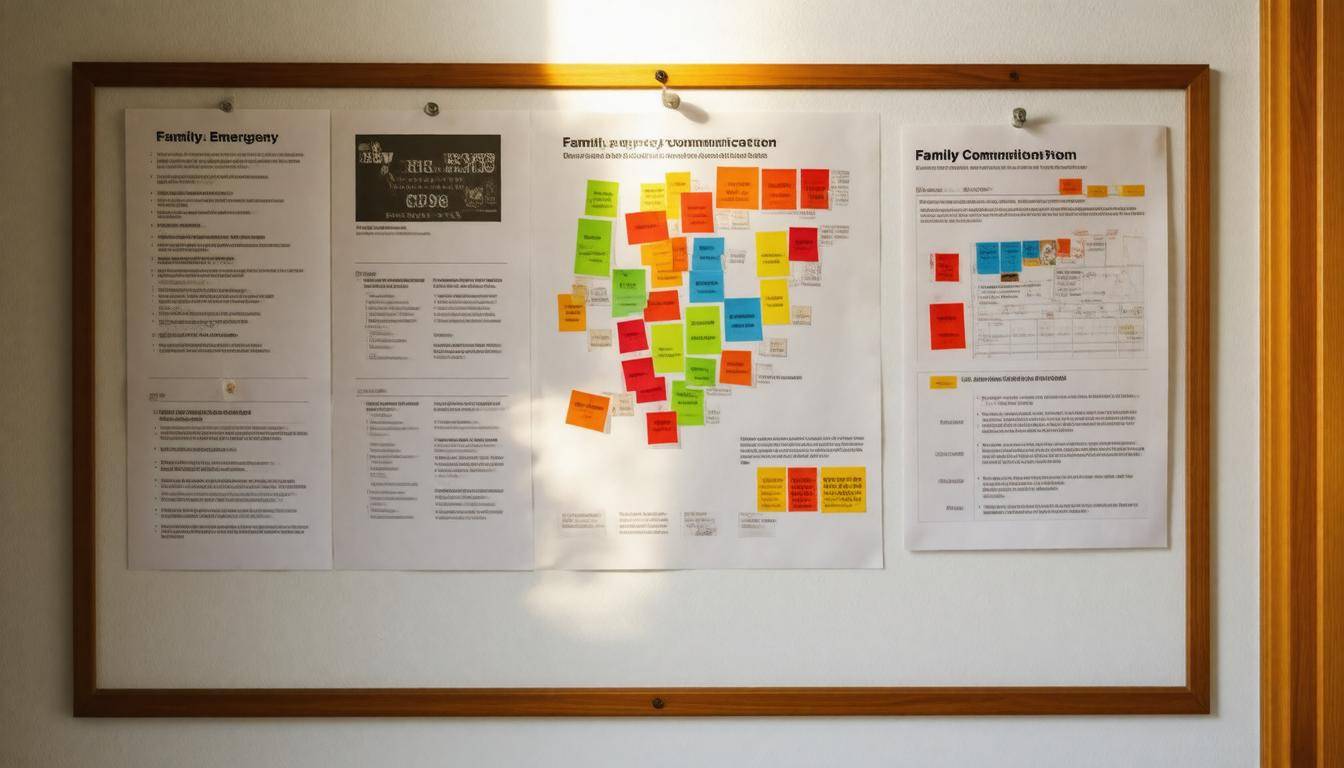
Clear communication can make all the difference between safety and chaos during an evacuation. It’s not just about talking; it’s about creating actionable strategies that ensure everyone knows what to do, where to go, and how to connect with each other under stress. This starts with establishing a meeting point. A designated spot provides a familiar location for family members to regroup in case of an emergency.
Establish a Meeting Point
Choose a primary meeting place that is easily accessible, like a local park or a neighbor’s house, as well as a secondary location further away for more severe situations. Including this in your family plan creates clarity and removes the guesswork. Ensure every family member knows these locations by practicing regular drills, reinforcing the importance of sharing this knowledge with younger children or those who might be less aware of their surroundings.
It’s crucial to emphasize that if communication lines are down, knowing where to find each other will save time and reduce anxiety.
Now that you’ve established a solid plan for where to meet, let’s talk about harnessing technology effectively.
Use Technology Wisely
In our tech-driven world, utilizing free apps like Zello—an effective walkie-talkie app—can greatly enhance family communication in emergencies. Everyone should download it and practice using it together in different scenarios leading up to potential emergencies. However, don’t rely solely on technology. Equip yourself with low-tech backup plans as well. Make sure everyone has written emergency contact numbers tucked safely in their wallets or bags, ready to be accessed when needed.
Additionally, consider carrying something as simple as a whistle for signaling—especially useful in environments with lots of noise or distractions where voices might get drowned out.
Beyond technology and meeting points, regular discussions about the plan can foster a sense of preparedness among family members. Knowing roles, responsibilities, and how to employ various resources empowers them to respond calmly and efficiently during real emergencies.
Preparation breeds confidence. Establishing clear communication channels ensures every family feels secure in their understanding of what needs to happen if an evacuation occurs. With this foundation laid, it’s essential to explore the various resources that support families in emergency situations.
Community Resources and Local Services
Many municipalities are committed to ensuring that residents have what they need for emergency situations, providing numerous free resources that can greatly assist with your evacuation plans. These local services may include sandbags to help mitigate flooding, fire safety inspections to secure your home against potential threats, and readily accessible information about local shelters — all vital when time is of the essence. For families with limited financial means, tapping into these resources can mean the difference between safety and unnecessary hardship.
For example, imagine a family living in a flood-prone area who finds themselves on alert for an upcoming storm. They can easily secure sandbags from the city to protect their home, dramatically reducing the risk of water damage. This actionable step costs nothing but a little time, providing peace of mind and ensuring they are better prepared should they need to evacuate quickly due to rising waters.
Leverage Community Networks
It’s crucial for residents to check with their local government websites or community centers regularly for updates on available resources. Often, municipalities will have dedicated pages outlining specific services currently being offered. These might range from emergency pass distributions—allowing quicker access during evacuations—to workshops focused on how to gather needed supplies effectively. Building relationships within your community enhances your response to emergencies since everyone benefits from shared experiences and support.
In addition to municipal resources, various programs exist to support residents in building their disaster preparedness skills.
Join Local Preparedness Programs
Local chapters of organizations like the Red Cross or volunteer disaster response teams such as CERT (Community Emergency Response Team) organize periodic training sessions. These programs provide free training that equips individuals and families with life-saving skills and knowledge necessary when facing emergencies. Learning how to administer first aid or understand basic firefighting techniques offers not only practical skills but also boosts confidence during crises.
Additionally, these programs can prepare you for:
- Creating an Emergency Plan: Understanding how to develop a cohesive family emergency plan.
- Identifying Resources: Learning where to find critical resources in times of need.
- Practicing Evacuation Routes: Identifying multiple evacuation routes and practicing them enhances familiarity during an actual emergency.
Joining such programs empowers households to take action rather than feeling helpless during emergencies. The sense of community fostered through these training sessions cultivates a network of support that can prove invaluable in times of crisis.
By leveraging local services and participating in community preparedness programs, you’re not just preparing yourself; you’re also contributing to a stronger, more resilient community overall — one that stands ready to face any challenges that may come its way.
As we navigate existing resources and community efforts, it’s equally important to consider unique factors that may influence individual preparedness strategies. Let’s explore the nuances that can shape effective emergency planning for diverse needs.
Special Considerations for Unique Needs
Every family has distinct characteristics that can shape how you prepare for emergencies, especially during an evacuation. It’s paramount to address these specific needs as they significantly influence not just safety but also the comfort of each member during a crisis.
For instance, families with elderly members or those with mobility challenges should consider accessibility ahead of time. If you have loved ones who utilize wheelchairs or mobility aids, plan evacuation routes that are clear, well-lit, and suitable for such devices. This involves mapping out locations with ramps instead of stairs and ensuring there are no obstacles blocking your path.
It’s crucial to include assistance in your emergency kit—this might mean packing lightweight wheelchairs or collapsible walkers if needed. But don’t stop there; consider enlisting neighbors or local community groups who may be more familiar with your situation and can offer support during an evacuation. Such connections can be invaluable when unexpected situations arise.
Additionally, dietary requirements should never be underestimated during emergencies.
Families with members who have special dietary restrictions must take proactive steps to ensure everyone stays nourished even under stress. Preparing a separate emergency food supply tailored to these specific needs is vital. Aim for non-perishable and allergen-free options that can last at least 72 hours. Examples could include gluten-free granola bars, shelf-stable plant-based milk, or specialized protein sources like nut butter packets. Fortunately, many reputable online resources offer lists of suitable foods that won’t spoil quickly and accommodate various dietary restrictions.
The importance of careful planning goes beyond mere sustenance; it helps ease anxiety related to the unknown in an emergency. A well-stocked supply tailored to your family’s unique dietary needs ensures that you can weather the storm with fewer concerns, allowing you more mental bandwidth to focus on staying safe.
Recognizing both physical accessibility and dietary needs plays a crucial role in developing a comprehensive evacuation strategy that meets diverse family requirements. With those foundations established, it’s essential to keep revisiting and refining your approach as new circumstances emerge.
Regularly Testing Your Evacuation Plan
An untested plan is practically non-existent; without practice, you’re relying on hope rather than preparation. Regularly testing your evacuation plan helps to ensure it is effective when you need it most.
Imagine this: it’s a chilly evening, and suddenly an alert comes through about a fire in your area. You might feel panic rising, yet if you’ve practiced your evacuation plan regularly, it turns into controlled action rather than chaotic confusion. This preparedness transforms what could be frantic moments into a smooth operation.
Conduct Family Drills
Scheduling monthly drills can instill confidence in each family member while ensuring everyone knows exactly what to do in an emergency scenario. During these drills, test different routes and meeting points.
Perhaps establish a primary evacuation route from the back door and an alternate from the front door. But don’t stop there; vary them over time to ensure each person understands where to go regardless of circumstances.
In fact, surveys show that families who rehearse their evacuation plans have a 50% higher chance of a successful evacuation during actual emergencies. That statistic speaks volumes! It highlights the value of practice and emphasizes the importance of making every simulation realistic. You can add tenets like ‘don’t bring valuables’ or ‘keep pets ready’ to infuse real-life urgency into practice sessions.
Update and Adapt
As important as testing your plan is, remaining flexible is equally vital. Your household’s dynamics can change—new pets, children entering different schools, or even moving furniture around can all affect logistics during an evacuation.
After every drill, take a moment to discuss what worked well and what didn’t. You’ll likely discover weaknesses that need addressing, whether that’s blocked escape routes due to new arrangements in your home or outdated information concerning local hazards. Use each drill as an opportunity to gather feedback from each family member and update your plan according to the latest local information or changes within the household itself.
Keeping your evacuation plan fresh doesn’t just fortify safety; it fosters unity within your family as well. Togetherness isn’t just about enjoying movie nights; it can also mean sharing critical responsibilities gained through communication and cooperation during practice drills.
In essence, consistently testing and refining your evacuation strategy builds resilience and confidence, so each family member knows their role in keeping everyone safe when it matters most.
Creating an effective evacuation plan requires diligence and teamwork, ensuring everyone is prepared for any emergency that may arise.
What role do local governments play in supporting affordable evacuation planning efforts?
Local governments play a crucial role in supporting affordable evacuation planning by developing and implementing policies that ensure accessibility and effectiveness in emergency response. They provide resources such as funding, educational programs, and infrastructure improvements to facilitate safe evacuations for all community members. For instance, studies show that regions with active local government engagement in evacuation planning experience up to 30% fewer casualties during disasters, highlighting their impact on public safety and resilience.
How often should evacuation plans be updated or reviewed to ensure effectiveness?
Evacuation plans should be reviewed and updated at least annually or whenever there are significant changes in circumstances, such as new building codes or demographic shifts. Regular reviews help ensure that the plan remains effective and relevant; studies show that timely updates can reduce evacuation time by as much as 30%, ultimately saving lives during emergencies. Additionally, practicing evacuation drills regularly can help identify weaknesses in the plan, keeping everyone prepared for real situations.
What are the most cost-effective strategies for developing an evacuation plan?
The most cost-effective strategies for developing an evacuation plan include utilizing community resources, such as local volunteers for training and simulation exercises, which can significantly reduce costs associated with hiring external trainers. Implementing a phased approach to evacuation planning allows communities to focus on high-risk areas first, optimizing resource allocation. According to FEMA, communities that engage in regular drills can decrease evacuation times by up to 30%, thereby enhancing safety without incurring hefty expenses on last-minute logistics. Furthermore, investing in low-cost communication tools, like mobile apps or social media channels for alerts, ensures widespread reach without straining budgets.
What resources are available for families with limited budgets to prepare for evacuations?
Families with limited budgets can access various resources to prepare for evacuations, including local government programs that offer emergency kits and planning guides at little to no cost. Nonprofit organizations often provide workshops on evacuation strategies and free supplies like first-aid kits and food storage tips. Additionally, online resources such as FEMA’s preparedness website offer downloadable materials that outline essential checklists and planning tools. According to a survey by the American Red Cross, nearly 65% of families lack an evacuation plan, highlighting the importance of utilizing these free resources to enhance safety without financial strain.
How can communities work together to create comprehensive yet affordable evacuation plans?
Communities can collaborate to create comprehensive yet affordable evacuation plans by forming local task forces that include residents, emergency services, and local businesses. Regular community workshops can engage citizens in identifying risks and resources, fostering a sense of ownership and responsibility. According to FEMA, communities that involve citizens in planning are 40% more effective during emergencies, as they adapt solutions based on local knowledge and needs while maximizing existing resources. Establishing partnerships with nonprofits and leveraging grants for training exercises can further enhance the development of cost-effective strategies tailored to specific community needs.