
When traveling, the last thing on your mind is usually an emergency at the airport. However, being prepared can make all the difference if something unexpected happens. Imagine waiting at your gate when suddenly alarms go off—would you know what to do? It’s essential to be aware of airport emergency procedures, not just for your safety, but also for those around you. Airports are busy places with countless travelers, and knowing how to respond can help everyone handle a crisis calmly. In this guide, we’ll explore practical steps you can take to be ready for emergencies, ensuring your travel experience remains as smooth and safe as possible.
The Airport Emergency Procedures: Traveler’s Guide outlines essential protocols that travelers should be aware of in case of emergencies at the airport, including evacuation routes, communication strategies, and recommended actions to take during situations such as fire alarms or medical emergencies. It emphasizes the importance of being prepared and familiar with airport layouts to enhance safety and minimize panic in critical moments.
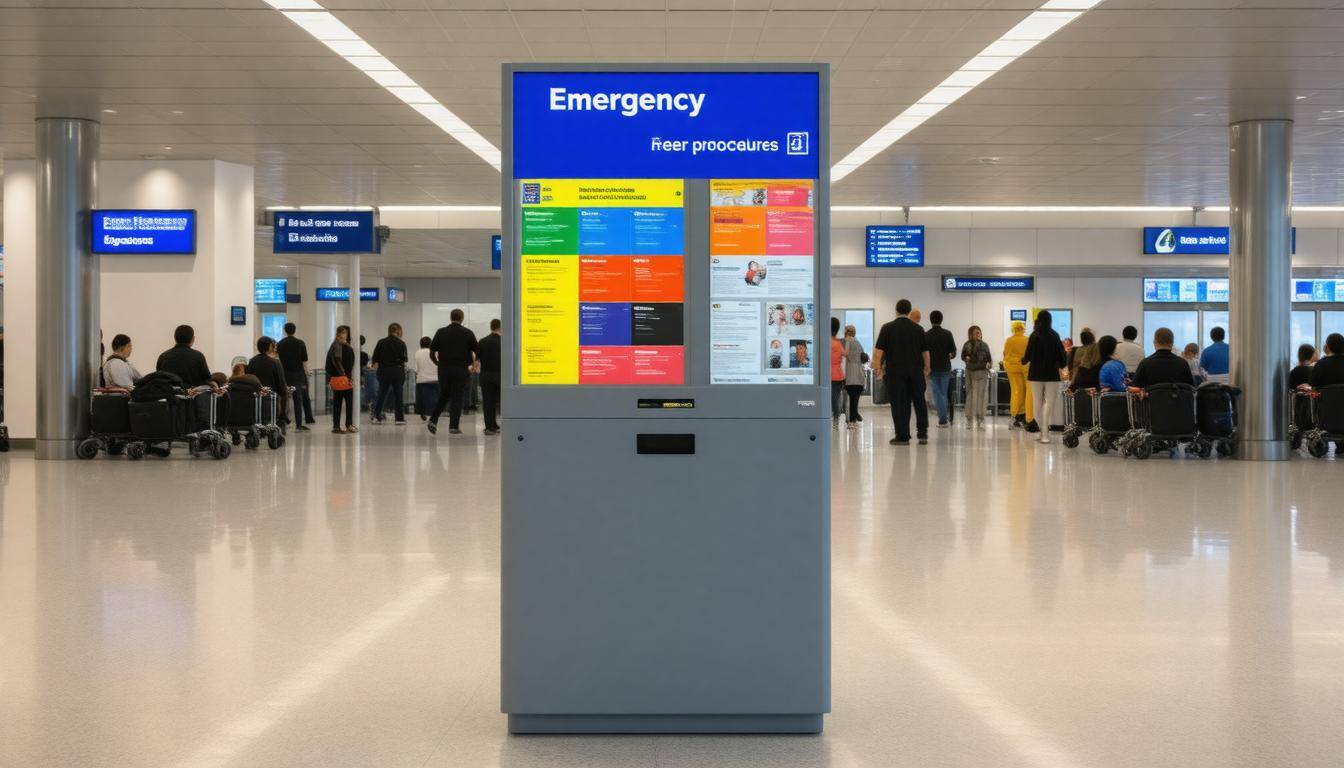
Purpose of Airport Emergency Procedures
At their core, airport emergency procedures are designed to guarantee the safety and security of passengers, staff, and the overall integrity of airport operations. These protocols offer a structured response to potential emergencies by outlining clear actions that must be taken in various situations. Think of them as a detailed road map that directs not just the staff but also travelers on how to navigate through chaos effectively.
Establishing Protocols
For example, during a fire, established protocols dictate specific evacuation routes and designated assembly points. These routes are often well-marked to prevent confusion and provide an efficient escape path out of immediate danger. The planning is thorough; even specific roles for staff members are assigned to ensure someone is always directing passengers toward safe exits. This methodical approach prevents panic and helps everyone act swiftly when time is of the essence.
Beyond fires, similar protocols exist for other emergencies like security threats or natural disasters. Whether it’s guiding passengers through a bomb threat or organizing emergency medical situations, each scenario has a tailored plan that incorporates communication strategies, crowd control, and even provisions for travelers with disabilities.
Training and Drills
The importance of these procedures is underscored by regulations set forth by organizations like the International Civil Aviation Organization (ICAO), which mandates that airports perform annual emergency drills. A study from the Airport Council International revealed that effective simulations can reduce risk and injury rates drastically when real incidents occur. Imagine a pilot facing an engine failure—a well-rehearsed response can mean the difference between chaos and calm.
Having established the crucial nature of these protocols, it’s also important for travelers to understand how they can be prepared should an emergency arise at the airport. Preparing oneself fosters a proactive approach, enabling individuals to respond with confidence during potential crises.
Preparing for Airport Emergencies
Travelers should take proactive steps to prepare for unexpected situations. One effective method is to familiarize oneself with the airport layout upon arrival, as this knowledge can significantly reduce stress when incidents occur.
Once at the airport, look around and observe the signage directing you to exits and emergency services. These small acts of mindfulness can make a big difference when time is of the essence.
Pre-trip Preparations
Before even heading to the airport, it’s wise to research the specific emergency procedures for the airport you will be using. Scanning your chosen airport’s official website or calling their information desk can often provide vital insights into their emergency protocols.
Knowing where the first aid stations are located, understanding how evacuation routes work, and identifying any potential assembly points can empower you to act calmly should an incident arise.
Downloading airport maps in advance serves multiple purposes: it helps you navigate through terminals much quicker than fumbling with paper maps or relying solely on your phone’s GPS. Knowing where vital equipment like fire extinguishers or Automated External Defibrillators (AEDs) are located can save precious moments. If there’s an emergency involving cardiac arrest, being familiar with AED locations could mean life or death.
Packing Essentials
-
Keep medications and essential documents in an easily accessible part of your carry-on; this ensures they are readily available if needed.
-
Pack a portable phone charger to ensure you can stay connected; having communication tools at your fingertips can help in an emergency.
-
Include a small first-aid kit with bandages and antiseptics; these basic supplies can address minor injuries that may arise during busy travels or help while waiting for official assistance.
Being prepared also involves recognizing the safety measures put in place by the airport. Understanding which services are available and knowing how to engage them effectively creates a heightened sense of security and readiness.
Recognizing Safety Measures
Airports are highly dynamic environments filled with travelers from all walks of life. This makes them a focal point for various safety protocols designed to protect everyone. One such measure is the deployment of automated external defibrillators (AEDs). Strategically located throughout terminals, these devices are crucial for addressing cardiac emergencies quickly and effectively. It’s comforting to know that lifesaving equipment is within reach when you need it most.
Security Policies
Security policies at airports are stringent, but they are implemented for good reason. Mandatory screenings and pat-downs, while sometimes inconvenient for travelers, play a pivotal role in maintaining safety. These protocols specifically aim to prevent dangerous items—such as weapons or explosives—from entering secure areas of the airport. You can witness these measures firsthand at TSA checkpoints, where agents meticulously examine bags and conduct thorough inspections. Think of it like a comprehensive health check; though it may feel intrusive, it is vital for overall security.
Moreover, the process serves to educate travelers about awareness of their surroundings. Remaining alert during security checks fosters a culture of vigilance among passengers, which significantly contributes to safety.
Monitoring Systems
Another layer of safety comes from continuous monitoring systems equipped with surveillance cameras and trained personnel keeping watch 24/7. This ensures that airports can detect unusual behavior swiftly and respond to any potential threats before they escalate. If you’ve ever wandered through a terminal and felt like someone was watching over you, that’s the extensive monitoring system at work—providing peace of mind.
In addition, having well-trained personnel who know how to respond quickly to incidents ensures that any disruptions are handled promptly. They serve as an immediate response team in situations where time is critical.
Recognizing these safeguards is just the first step; knowing how to effectively respond during emergencies can empower you and potentially save lives. Being prepared mentally for various scenarios not only equips you better but also allows you to navigate through the airport with confidence when unexpected situations arise.
Responding to Emergencies
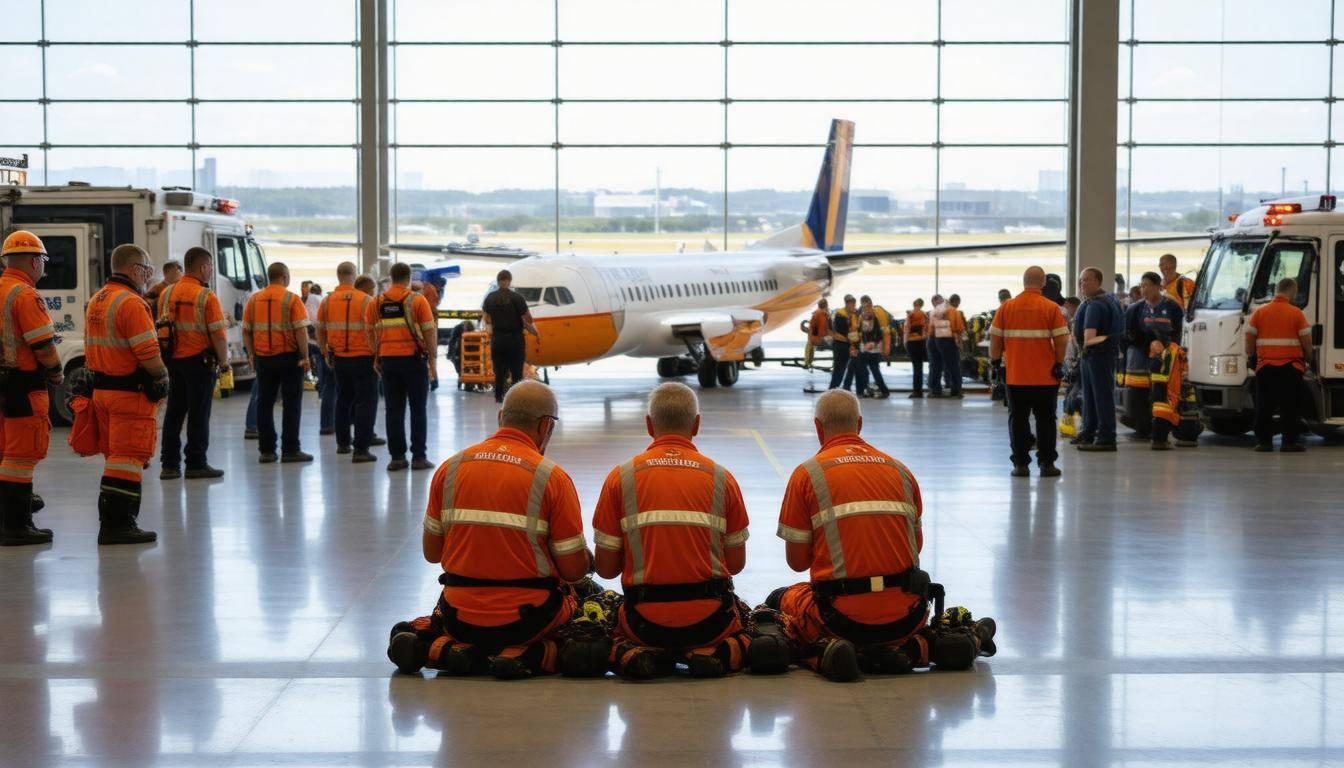
Quick and calm responses are vital in any emergency situation. Effective action begins with a clear understanding of what to do when faced with various scenarios. The first step is essential: stay calm and follow instructions. Your ability to keep your composure will not only help you think more clearly, but it can also influence those around you.
Step-by-Step Response Guide
When announcements are made, whether it’s over loudspeakers or through staff members, listen carefully. Make a mental note of any instructions given while remaining focused on what you need to do next, as panicking can exacerbate chaos. Remember, the clearer your head is, the better you’ll be able to assess your situation and make sound decisions.
If evacuation is necessary, it’s crucial to act quickly but steadily.
This brings us to the next step: evacuate if needed. In the event of an emergency alarm signaling an evacuation, it’s advisable to leave all personal belongings behind—this is not the time for retrieval. Maintaining a brisk yet orderly pace will ensure that everyone makes it safely out of the airport. Rushing could lead to mishaps; instead, focus on creating a steady flow towards the nearest exit. Traits of good emergency knowledge lie in patience and discipline when evacuating.
Another important aspect is helping one another during such crises.
Lastly, consider helping others when possible: offer help if safe to do so. Actively assisting those who may be struggling—like children, elderly individuals, or people with disabilities—not only fosters a sense of community but contributes positively to the overall environment during an emergency. However, only offer assistance if you feel secure doing so; your safety must remain a priority.
An effective response requires clear communication among all parties involved. This includes making sure everyone understands the situation at hand and relaying information efficiently. Whether you’re waiting for instructions from airport staff or signaling for assistance from another traveler, fostering open lines of communication can greatly enhance emergency outcomes and ensure everyone knows their responsibilities.
As we move forward, understanding the dynamics of communication plays a crucial role in navigating emergencies smoothly.
Effective Communication During Emergencies
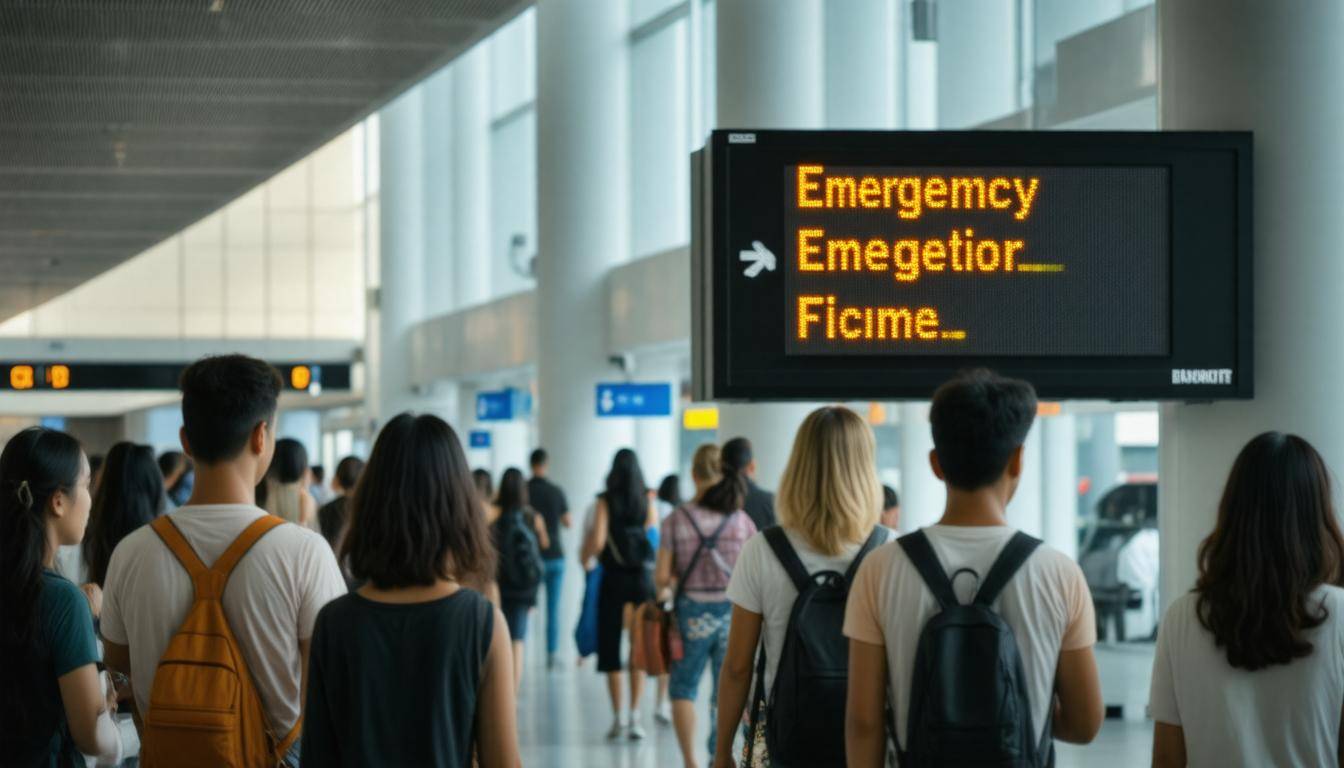
Clear communication serves as the backbone of effective emergency management at airports. When situations become chaotic, the ability to receive and relay information makes a critical difference in ensuring personal safety and overall situational awareness. This intricate dance of information flows from public announcements to direct interactions that travelers must navigate, all while maintaining composure.
Airport Announcements
Paying close attention to public address systems is essential. Airport announcements typically provide real-time updates about the nature of the emergency and crucial instructions on what actions to take next. For instance, during an evacuation scenario, you may hear commands directing passengers to proceed calmly to designated exits or assembly points. These broadcasts are not just informative; they can also be lifesaving, emphasizing the importance of remaining vigilant and attentive to your surroundings.
It’s advisable to train yourself to listen actively: focus not just on the content but also on the tone and urgency of the announcements. A sudden change in tone could indicate a transition from standard protocol to heightened concern.
Additionally, recognizing the potential for multiple languages in announcements will help ensure that you understand critical messages regardless of your native language. If you notice a change in announcement language that you’re unfamiliar with, seek assistance quickly or look for visual indicators such as signs or monitors displaying information.
Personal Communication
While airport announcements lay an important groundwork for safety, personal communication plays a role that’s equally significant. Ensure that your mobile phone is charged and capable of receiving emergency texts or calls from airport authorities. In today’s world, almost everyone relies heavily on instant communication methods, so being prepared helps maintain connections during unpredicted events.
In moments of distress, social media platforms and messaging apps offer rapid means of communicating your status to family and friends. Posting an update via a loved one’s preferred channel reassures them of your safety while providing peace of mind amidst potential chaos.
However, it’s crucial to remember that overloading these platforms can lead to delays or glitches in receiving information. Therefore, prioritize personal messages—once you’ve updated your contacts—by tuning back into airport announcements or official channels for the latest updates.
Knowing how to communicate effectively is important for traveler safety; however, understanding where to get support further enhances security during uncertain times. Let’s now explore how to gain access to assistance when needed.
Seeking Assistance at the Airport
Airports are often bustling environments filled with thousands of travelers, and navigating them can be overwhelming, especially during emergencies. Knowing how to seek help can make all the difference between a stressful experience and a smooth resolution.
First and foremost, airport staff is your best ally. Look for information desks strategically located throughout the terminals. These friendly and knowledgeable personnel are trained to handle various inquiries, including emergency situations, and typically work long hours to ensure travelers have support when they need it most.
A report from Airports Council International highlights that well-staffed information desks at major airports can field up to 500 inquiries daily, encompassing requests for emergency assistance, directions, and general travel questions. This means that there’s a good chance someone is readily available to help—whether you’ve lost an item, need first aid, or require directions to safety.
On-site Assistance
In addition to information desks, look out for uniformed staff patrolling the airport. Whether it’s airport police or other personnel, their primary role includes ensuring passenger safety and providing immediate guidance during unforeseen incidents.
You may also spot emergency assistance desks specifically designated for urgent care; these are staffed with trained personnel who can respond quickly to medical emergencies or security threats.
Knowing key contact numbers ahead of time is valuable in case of an emergency situation requiring quick action. For example, if you look for LAX Airport Police Dispatch in Los Angeles, simply call 424-646-7911 for immediate support. Such proactive steps can empower you, giving you confidence during high-pressure experiences.
Utilizing Technology
In today’s digital age, technology plays a pivotal role in enhancing traveler safety. Many airports offer dedicated mobile apps that provide updates on flight statuses and crucial information on emergency procedures. Some apps even provide real-time alerts for incidents or emergencies occurring within the airport.
With these tools at your fingertips, locating the nearest emergency exits or first aid stations becomes effortless.
As a traveler in an unusual environment like an airport, leveraging mobile technology can ease your stress levels during emergencies while equipping you with essential communication capabilities.
By becoming familiar with effective ways to seek assistance and using available technological resources, you are better equipped to navigate potential challenges arising during air travel. Turning our attention now to additional valuable resources specifically designed for travelers enhances your overall journey.
Useful Traveler Resources
Travelers have a wealth of resources at their fingertips that can enhance their safety and experience at the airport. One essential tool is the TSA Website, which provides up-to-date guidelines on security protocols. Familiarizing yourself with what to expect before heading to the airport can significantly reduce anxiety. For example, knowing what items are prohibited in carry-on luggage can save you time during security checks.
Regularly visiting this website ensures you’re informed about changes and current regulations.
Just like how spelled-out guidelines make navigating security easier, having real-time information can turn your hectic airport day into a smooth journey.
Here enters Airport-Specific Apps. These applications deliver real-time flight status updates, terminal maps, and gate alerts directly to your smartphone. Imagine being able to see if your flight has been delayed or if you need to sprint across the terminal for a last-minute gate change—these apps can be lifesavers! Most major airports offer their own apps, making it easy to find your way around while keeping updated.
The convenience these apps provide often translates to reduced stress levels when traveling, which many overlook when preparing for their journey.
In addition to technology aiding your travels, it’s wise to consider how you would respond in an emergency.
This leads us to the Red Cross First Aid App, which provides invaluable emergency first aid instructions. Accidents can happen anywhere, and airports are no exception. Accessing quick guidance through this app means that if an injury occurs, you’ll know how to act immediately—giving both you and those around you peace of mind. The simple layout makes it user-friendly, ensuring critical information is only a tap away.
Speaking of peace of mind, let’s not forget about mental health as part of your travel toolkit.
For travelers who experience anxiety related to air travel, the SimpliFly app serves as an excellent companion. It offers various mindfulness techniques tailored specifically for flying. Moreover, connecting with resources from organizations such as the Anxiety & Depression Association provides additional strategies for overcoming fear of flying. Having these tools can make all the difference in transforming your mindset toward travel and reducing any possible panic you may feel while navigating busy airports.
Staying informed not only prepares you for routine procedures but also equips you with strategies for unexpected situations.
Leveraging these comprehensive resources increases your awareness and preparedness as a traveler. By integrating practical tools such as those suggested above into your travel routine, you will navigate through any airport emergency effectively—after all, knowledge is power.
Ultimately, staying aware and utilizing available resources ensures a safer and smoother travel experience at the airport. Being prepared helps you enjoy your journey rather than worry about it.
What are the common types of emergencies that may occur at airports?
Common types of emergencies at airports include medical incidents, security threats (such as active shooter situations), fires, and hazardous material spills. According to the FAA, while aviation remains one of the safest forms of travel, any given airport may experience medical emergencies with around 20% of air travelers requiring assistance for various health issues during their journey. Additionally, security-related events have seen a rise in recent years, underlining the need for robust emergency procedures.
Are there specific resources or tools available to assist travelers during an airport emergency?
Yes, there are specific resources and tools available to assist travelers during an airport emergency. Most airports have emergency response teams and clearly marked evacuation routes, ensuring passenger safety. Additionally, many airports provide mobile applications that offer real-time alerts and guidance during emergencies, with studies showing that 75% of travelers feel more secure when they can access timely information. Furthermore, established protocols by agencies like the FAA ensure comprehensive training for airport staff to manage crises effectively.
How can travelers familiarize themselves with airport emergency procedures before traveling?
Travelers can familiarize themselves with airport emergency procedures by reviewing information available on the official website of their departure and arrival airports, which often includes safety protocols, emergency exit routes, and procedures for various incidents. Additionally, many airlines provide pre-flight safety briefings and in-flight materials that outline emergency procedures. According to a survey conducted by the Transportation Security Administration (TSA), 65% of travelers feel more secure knowing they have reviewed these guidelines prior to flying, thereby enhancing overall passenger safety awareness.
What should a traveler do if they encounter a suspicious situation at an airport?
If a traveler encounters a suspicious situation at an airport, they should immediately alert airport security or law enforcement personnel, as timely reporting can prevent potential threats. Statistics show that over 70% of thwarted security breaches were reported by vigilant passengers. Staying calm and providing detailed information about the situation can significantly enhance response measures and ensure the safety of all travelers. Always remember, when in doubt, it’s better to be safe than sorry!
What role do airport staff play in managing emergencies, and how can travelers effectively communicate with them?
Airport staff play a crucial role in managing emergencies by coordinating responses, ensuring passenger safety, and providing clear instructions. They are trained to handle various situations, from medical emergencies to security threats, often using communication systems that allow for rapid information dissemination. Travelers can effectively communicate with staff by staying calm, clearly identifying the nature of the emergency, and following any guidance given. Studies show that effective communication during crises can reduce panic and increase compliance with safety procedures, contributing to overall safety and quicker resolution of the situation.