
Imagine this: you’re at a birthday party, laughter and joy fill the air, when suddenly someone breaks out in hives after biting into a cupcake. Allergic reactions can happen fast, and knowing how to respond effectively is crucial for everyone involved. Building a well-equipped allergy emergency kit isn’t just precautionary; it’s about safeguarding lives. It’ll prepare you for those unexpected moments when allergies strike, allowing you to act quickly and confidently. Here’s what you need to include in your very own kit to tackle allergic emergencies head-on.
An allergy emergency kit should include crucial items such as an auto-injector of epinephrine for immediate relief from anaphylactic reactions, antihistamines like diphenhydramine for managing milder symptoms, and medical history forms detailing allergies and emergency contacts. Additionally, it is important to include emergency phone numbers, personal medications, and a small waterproof flashlight to ensure preparedness in any situation.
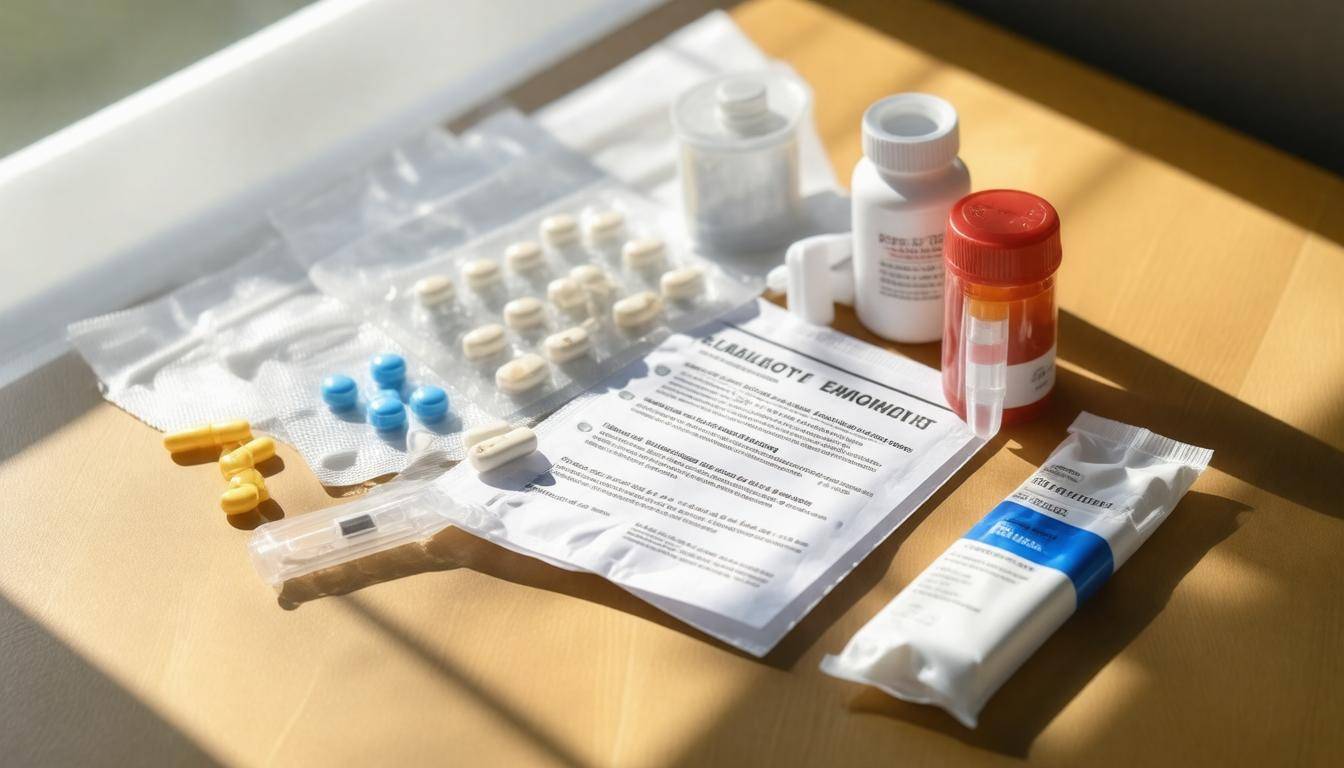
Essential Components of an Allergy Emergency Kit
The foundation of your allergy emergency kit begins with epinephrine auto-injectors. These devices are critical for anyone at risk of anaphylaxis, as they deliver a swift injection of epinephrine, helping to reverse severe allergic reactions within minutes. It’s wise to always carry at least two auto-injectors because sometimes the first dose won’t be enough. Being prepared can mean the difference between life and death.
Complementing the epinephrine, antihistamines like diphenhydramine or cetirizine help manage less severe symptoms such as hives, itching, or mild respiratory issues. These medications work by blocking histamine—the body’s natural response to allergens—offering relief in situations where immediate medical attention isn’t feasible. But remember, antihistamines should never replace epinephrine during anaphylactic episodes; think of them as supportive allies for milder reactions.
In cases where the allergic reaction triggers asthma-like symptoms, having inhalers such as albuterol is essential. These inhalers help open the airways quickly and ease breathing difficulties. If you or someone in your family has asthma, integrating a rescue inhaler ensures you’re comprehensively prepared for any allergic fallout.
Additional Important Items
The inclusion of several other vital items rounds out your kit:
-
Medical History Form: Keep a detailed account of allergies, relevant health conditions, and emergency contact information. This crucial document helps first responders act quickly.
-
Identification: A medical alert bracelet or card is vital as it clearly indicates allergies to healthcare providers in emergency situations.
-
Alcohol Wipes and Band-Aids: Small but significant, these can be used to clean minor wounds that could potentially compromise someone already facing an allergy issue.
-
Emergency Contact Numbers: Compile a list featuring local emergency services, poison control centers, and healthcare providers for quick access in urgent scenarios.
Having these components is fundamental; maintaining your kit and ensuring it’s ready when needed most is equally important. Regular checks on expiration dates and inventory can significantly enhance your preparedness level.
With this strong base established for managing emergencies, let’s look into the specific medications that play a crucial role in these situations.
Key Medications to Include
Medications act as the frontline defense against severe allergic reactions, transforming panic into effective relief. When assembling your allergy emergency kit, having the right medications on hand can significantly affect outcomes during emergency situations. The cornerstone of any allergy kit is epinephrine, as it’s life-saving and works rapidly to counteract potentially fatal reactions, such as anaphylaxis. Within moments of administration, epinephrine can combat symptoms like low blood pressure and respiratory distress—making its role not just essential but critical.
While epinephrine takes center stage, don’t overlook other necessary medications. Corticosteroids are often prescribed post-episode due to their effectiveness in reducing inflammation—this means if you experience lingering discomfort after the acute reaction has been managed, these oral steroids can help calm things down over a few days. Although they don’t provide immediate relief, they are invaluable during recovery.
Now that we’ve established the importance of corticosteroids, it’s time to look at how topical treatments can enhance your kit.
Similarly, antihistamine creams, like hydrocortisone, prove beneficial for dealing with localized reactions such as itching or hives. Imagine experiencing swelling at the site of a bee sting or an unexpected rash; applying a soothing cream can make a significant difference by alleviating discomfort quickly. Topical antihistamines can be particularly comforting since they target specific areas without needing to ingest additional medication.
Furthermore, gastrointestinal symptoms can often accompany allergic reactions, creating another layer of distress that needs to be addressed.
Here’s where antacids come into play. Medications such as ranitidine or famotidine can ease gastrointestinal discomfort that some individuals may experience during an allergic reaction. Whether it’s heartburn or stomach cramps, these medications help provide relief and ensure that your focus remains on recovery rather than discomfort. Not only do these little helpers soothe the gut, but they add another safety net within your emergency toolkit.
As you gather these essential medications for your allergy emergency kit, always prioritize accessibility and organization. Ensure that individuals who might be called upon to assist you in emergencies know exactly where the kit is stored, and consider providing training on the correct usage of each item in it. Through careful preparation and education, you’re enhancing the chances for safety and swift recovery in the face of potential allergic reactions.
Being well-prepared goes hand-in-hand with understanding how to effectively organize these vital resources for quick access in times of need.
Assembling and Organizing Your Kit
When assembling your allergy emergency kit, the goal is to ensure that everything you need is present and easily accessible during a moment of urgency. Picture it: an unexpected allergic reaction, and fumbling through disorganized supplies can add to the panic. Thoughtful assembly plays a vital role.
To start, choose a durable container that can withstand variability in temperature and moisture, ensuring your components remain intact. A waterproof bag or a sturdy plastic box designed for medical supplies can safeguard your items from damage.
Once you have selected the right container, the next step involves organization. Using dividers and labels adds clarity to your kit. Separating medications from tools (like tweezers or scissors) allows for swift identification when every second counts. Consider employing transparent pouches within your container so you can see what’s inside without having to dig around.
Remember that clarity saves time. A well-labeled kit can be the difference between success and delay in an emergency.
Adding instructions is another important detail that shouldn’t be overlooked. Many individuals may find themselves needing to assist someone experiencing an allergic reaction—possibly even someone who isn’t familiar with how to administer treatments like an epinephrine auto-injector. Including concise, step-by-step guides alongside clear diagrams of the auto-injector’s use enhances confidence for anyone stepping in to help.
Ensuring your allergy emergency kit holds essential items such as antihistamines or emergency contact numbers becomes increasingly important once organized. They should also be stored logically—medications grouped together while vital contact numbers printed clearly on a card that’s easy to find are good practices. Placing this in a dedicated pouch ensures it remains visible each time you open your kit.
The aim here is a combination of functionality and preparedness, allowing effective responses to allergic reactions should they happen. With these adjustments made, you’re building a solid foundation for understanding how to spot allergic reactions and respond proficiently when needed.
Identifying Allergic Reactions
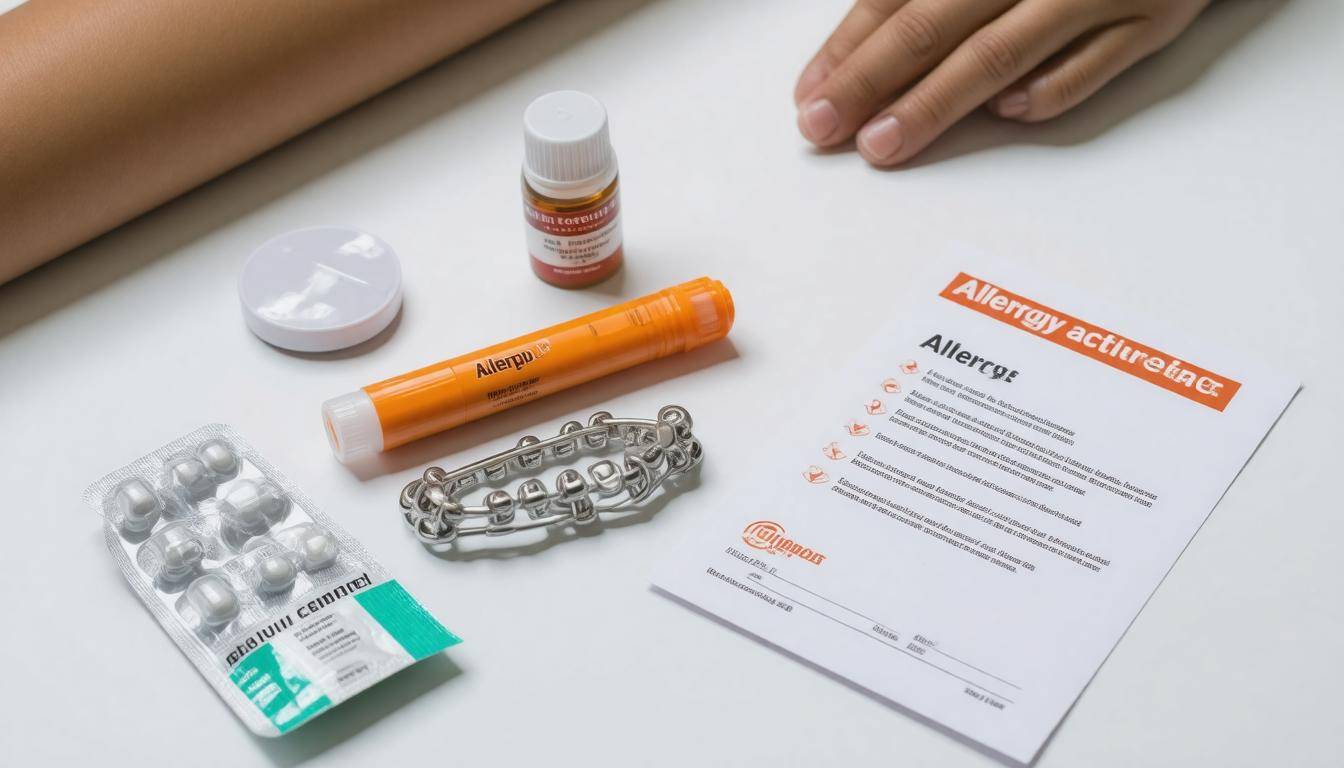
Being able to discern an allergic reaction is crucial, as it directly affects how quickly and effectively you can respond. Allergic reactions can range in severity from mild discomfort to life-threatening anaphylaxis. For instance, mild reactions might include common symptoms such as hives, itching, or nasal congestion, which you could easily mistake for something less serious. However, they can escalate if not addressed promptly.
Mild Symptoms
Mild reactions are often the first signs that something isn’t right. These symptoms frequently manifest soon after exposure to an allergen—think sneezing fits during pollen season or a sudden itch after eating shrimp. While they may feel manageable at first, monitoring these symptoms is essential since they can evolve into more severe warnings.
Moderate Symptoms
Moving up the scale are moderate reactions that require close attention. These can involve swelling of the lips, tongue, or throat, making it increasingly difficult to breathe. Imagine sitting down for dinner when suddenly you feel a tightening in your throat; it’s alarming and requires immediate action. Do not hesitate to use your allergy kit; administering antihistamines could provide relief until further medical assistance is available.
Severe (Anaphylactic) Symptoms
On the other end of the spectrum are severe reactions known as anaphylaxis, which strike swiftly and demand urgent attention. Symptoms may present as rapid swelling throughout the body, difficulty breathing, and a racing heartbeat—all signs that you are in a dangerous situation. It’s vital to act quickly in these instances: the American Academy of Allergy Asthma & Immunology states that immediate administration of epinephrine is critical within 5-15 minutes of severe symptoms appearing. Knowing how to recognize these signs ensures you’re never caught off guard.
Additionally, familiarize yourself with your unique triggers—these might be food allergens like peanuts or environmental factors such as pollen. Awareness can prepare you better for any unforeseen circumstance.
Emergency Response Time
The clock ticks during an allergic reaction; thus, our response time plays a massive role in our outcome. Accurate identification of symptoms provides clarity on the urgency involved in using your emergency kit. As stated earlier, having items like EpiPens readily available means you’re always prepared for those tricky moments.
Recognizing symptoms quickly can dictate how to proceed effectively and ensure that help arrives in time.
Every second matters during an allergic reaction; understanding these nuances helps streamline your response as we move towards discussion on how to utilize your emergency kit effectively.
Steps to Use Your Emergency Kit

When facing an allergic reaction, quick and effective action is vital. Start by ensuring you are calm and collected, which helps the person experiencing the reaction feel more at ease too.
The first step is to administer epinephrine using your auto-injector, such as an EpiPen. It is crucial to grasp this tool confidently; simply remove the safety cap and press the injector firmly against the outer thigh for three seconds while keeping it in place. This should deliver the lifesaving medication right into the muscle, providing immediate relief from the symptoms of anaphylaxis.
Next, after administering epinephrine, it’s imperative to call emergency services immediately. If someone is nearby, ask them to make that call so you can focus on monitoring the person in distress. Be prepared to provide essential information about their allergies and any relevant details concerning the allergic reaction they are experiencing.
After you’ve called for help, check if the person can swallow; if they can, offer them an oral antihistamine. Medications like diphenhydramine (Benadryl) can help mitigate further allergic symptoms. However, remember that antihistamines should never be a substitute for epinephrine nor delayed in administration if anaphylaxis is present.
While you keep a close watch on the individual, it is important to actively monitor their condition. Look out for changes—are they becoming more lethargic? Are they showing signs of improvement or deterioration? You may need to administer a second dose of epinephrine if symptoms do not improve within 5-15 minutes.
Maintaining an open line of communication with emergency responders once they arrive will also speed up the treatment process when they get there. Don’t forget that “a little bit of training goes a long way.” Practicing these steps until they become second nature enhances your readiness for real-life emergencies, ultimately empowering you to act decisively when it matters most.
Having established how to effectively utilize your emergency kit during a critical situation, it’s also beneficial to explore how proper training can further prepare you for unexpected allergy emergencies.
Training for Allergy Emergencies
Training is an often-overlooked but crucial part of managing allergy emergencies. Having an allergy emergency kit is only half the battle; knowing how and when to utilize each component can make all the difference. Enrolling in a first-aid course that specifically covers allergic reactions is an excellent starting point. Organizations like the American Red Cross provide comprehensive training, equipping you with skills such as using epinephrine auto-injectors correctly—a vital tool for severe reactions.
Once you’re familiar with the basics, it’s beneficial to incorporate simulations and drills into your routine. Take some time to practice using dummy auto-injectors, which helps reinforce proper technique. You might consider holding mock drills with family members or friends, ensuring everyone is aware of their roles during an emergency. This not only builds confidence but also fosters teamwork where each individual knows how to act quickly and efficiently.
“Confidence comes from competence; knowing what to do saves precious moments.”
Sharing knowledge with those closest to you can help ensure that no one falls short in the event of an allergy emergency. Inform your roommates, coworkers, and friends about the signs of severe allergic reactions and the steps to take if they occur. A brief conversation or a casual meeting can go a long way towards preparedness. Encourage them to familiarize themselves with your emergency kit—what it contains, and how to use it.
To enhance your overall readiness, I recommend revisiting key training components every 6 to 12 months through refresher courses or informal group reviews. Regular assessments help keep your instincts sharp, ensuring you won’t hesitate when milliseconds matter. When you know how to respond fluidly, you’ll feel more confident acting under pressure.
Cultivating this culture of preparedness involves ongoing education on updates related to allergy management from reputable resources. Health organizations actively share new guidelines or recommendations, helping you stay up-to-date with best practices.
Training lays a solid foundation for handling allergy emergencies effectively; however, maintaining your emergency kit also plays a critical role in ensuring you’re always prepared.
Regular Maintenance of Your Kit
Just like you would regularly check your smoke detectors or change the batteries in your remote, maintaining your allergy emergency kit is crucial for ensuring that you are always prepared for unexpected allergic reactions. Having a reliable support system can mean the difference between a manageable situation and a life-threatening emergency.
Monthly Checks
One of the most straightforward ways to keep your kit in top-notch condition is by conducting a thorough inspection each month. Start by examining all medications within the kit, paying special attention to their expiration dates.
Expired medications can lose their effectiveness, which could result in insufficient relief during critical moments. Additionally, don’t forget to scrutinize the auto-injectors for any signs of damage or leaks—these vital tools must be in peak condition.
Imagine needing that quick shot of epinephrine only to find that the injector doesn’t work!
After checking for expired or damaged items, it’s wise to restock supplies after each use. The minute you reach for that antihistamine or epinephrine auto-injector, make it a habit to replace what you’ve taken out. This ensures that you never face an empty kit when the need arises again.
Equally important is keeping your medical information up-to-date. Periodically review and revise your medical history form contained in the kit, especially if there have been changes in your allergies or medications. Providing clear and accurate information can be lifesaving during an allergic emergency.
Moreover, sharing this maintenance routine with family members will ensure everyone knows where your allergy kit is located and how to use its contents safely during an emergency.
With an understanding of how to maintain your kit effectively, we will now look into additional tools and resources that can significantly improve allergy management and preparedness for unforeseen situations.
Useful Allergy Management Resources
In today’s age, where information is at our fingertips, it’s essential to tap into various resources for effective allergy management. For instance, online communities offer invaluable support and shared experiences. Websites like Allergy UK enable users to connect with others facing similar challenges, fostering a sense of camaraderie and mutual learning. Forums such as r/allergies on Reddit are treasure troves of real-life advice, tips, and anecdotal stories that can help individuals feel less isolated in their experiences with food allergies.
Furthermore, the use of mobile apps has revolutionized how we approach allergy management. Apps like MyEpiPen serve not just as reminders for medication refills but also provide critical information on how to administer epinephrine correctly during an emergency. Another app, Allergy Alert, goes a step further by locating the nearest hospitals or healthcare facilities should a situation escalate. Imagine being at a picnic and realizing you’ve come into contact with an allergen—having these tools right on your phone can be the difference between panic and calm determination to act.
To deepen your knowledge base, don’t overlook the importance of educational materials from reputable organizations. The American College of Allergy, Asthma, and Immunology (ACAAI) is an excellent resource for staying up-to-date with the latest research and guidelines on allergy management techniques. Not only can you access comprehensive information about various food allergies, but also learn about new treatments and coping strategies that may ease day-to-day living with these conditions.
Regularly utilizing these resources empowers you to become more proactive and confident in managing allergies.
By engaging with these tools—ranging from community support to tech-empowered solutions—you create a more robust safety net surrounding your health. Whether it’s participating in discussions on community forums or ensuring your smartphone is loaded with essential apps, each small action aggregates into a strong defense against allergy-related issues. Understanding that help is always within reach can alleviate stress and make navigating allergic reactions far less daunting.
Equipped with the right knowledge and resources, you’re now better prepared to handle allergy emergencies effectively and confidently.
With these diverse tools at your disposal, staying informed and connected can empower you to manage allergies proactively. Remember, preparation is key to ensuring safety in any food-related situation.
What types of allergies should I prepare for when assembling an emergency kit?
When assembling an emergency kit for allergies, prepare for the most common types, such as food allergies (especially to nuts, dairy, and shellfish), insect sting allergies, and medication allergies. According to the Asthma and Allergy Foundation of America, approximately 32 million Americans have food allergies, with reactions often requiring immediate intervention. Additionally, insect stings can provoke severe allergic reactions in about 5% of the population. Inclusion of necessary epinephrine auto-injectors, antihistamines, and tailored supplies for individual triggers can be lifesaving.
How often should I check or replenish the items in my allergy emergency kit?
You should check and replenish the items in your allergy emergency kit at least once every six months, or immediately after use. This ensures that all medications, such as epinephrine auto-injectors, are within their expiration dates and that other supplies remain stocked. Studies show that nearly 50% of people with allergies do not have their emergency kits properly maintained, which increases risks during an allergic reaction when timely access to these essentials is crucial. Being proactive can be life-saving!
How should I store and maintain an allergy emergency kit?
To effectively store and maintain an allergy emergency kit, keep it in a cool, dry place that’s easily accessible, like your home or car, but out of direct sunlight. Regularly check expiry dates on medications, replacing any that are near expiration—statistics show that 20% of people forget to do this, risking their safety in an emergency. It’s also wise to review the kit’s contents every six months and ensure everyone who may need to use it knows its location and how to access it quickly.
Are there specific medications that must be included in every allergy emergency kit?
Yes, an allergy emergency kit should include specific medications such as epinephrine auto-injectors (e.g., EpiPen), antihistamines (like diphenhydramine), and corticosteroids. A study by the American College of Allergy, Asthma, and Immunology found that 45% of individuals with severe allergies experience anaphylaxis at some point, underscoring the importance of having epinephrine readily available to counteract life-threatening reactions. Additionally, antihistamines can help manage milder symptoms, while corticosteroids may be necessary for severe reactions after initial treatment.
What steps should I take if someone has an allergic reaction despite having an emergency kit?
If someone has an allergic reaction despite having an emergency kit, first ensure the person stays calm and remove them from the allergen source if possible. Administer their prescribed epinephrine auto-injector immediately, which can reverse severe symptoms. Call emergency services or have someone take the affected individual to a hospital, as up to 30% of people may experience a biphasic reaction (a second wave of symptoms) within 8-72 hours, even after initial treatment. Monitor their breathing and be prepared to perform CPR if necessary.