
Allergies can sometimes feel like an invisible threat lurking around every corner, ready to strike when you least expect it. For many, the stress of managing allergies isn’t just about avoiding triggers; it’s also about being prepared for emergencies. It’s essential to have a solid plan in place, so that if an allergic reaction does occur, you can act quickly and confidently without let panic take over. In this guide, we’ll explore essential steps to create an effective Allergy Emergency Preparation plan, highlighting how a little planning and awareness can save lives when it matters most.
An effective Allergy Emergency Preparation: Severe Reaction Plan should include a clear identification of allergens, a list of symptoms that signify a severe reaction, and step-by-step instructions for treatment, including the use of an EpiPen or auto-injector. It’s also crucial to have emergency contact information readily accessible and to ensure that family, friends, and caregivers are trained in recognizing symptoms and executing the plan promptly.
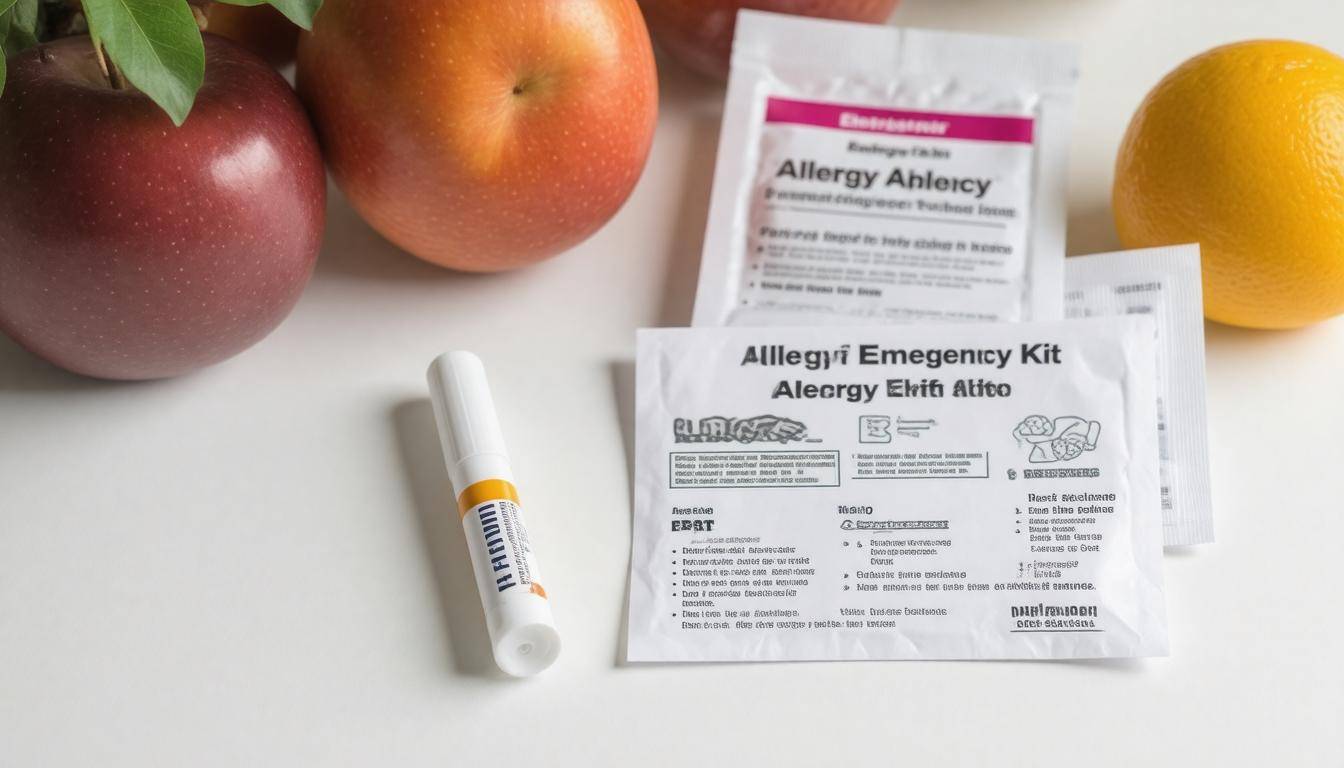
Identifying Severe Allergic Reactions
When it comes to severe allergic reactions, also known as anaphylaxis, early identification can significantly impact the outcome. Anaphylaxis is not just a mild inconvenience; it manifests rapidly and dangerously, potentially leading to life-threatening situations. Symptoms appear within minutes of exposure but can sometimes take up to two hours to develop. Recognizing these symptoms quickly ensures prompt treatment, often involving the administration of an EpiPen or similar auto-injector.
It’s staggering to note that food allergies alone account for more than 200,000 emergency room visits annually in the U.S., highlighting the critical need for awareness and education around allergy responses. Common symptoms of severe allergies include skin reactions like hives or swelling, trouble breathing, rapid pulse, and dizziness. For instance, up to 90% of individuals may develop hives or incorporate itching into their symptoms. Understanding these signals can not only save lives but also remove uncertainty during allergic emergencies.
The most alarming symptoms include swelling of the face, lips, tongue, or throat which can constrict air passages. Up to 50% of cases will present with this potentially choking hazard.
It’s equally important for friends and family members of allergy sufferers to be educated on these indicators. Sometimes a person experiencing anaphylaxis might not be able to communicate their distress effectively due to swelling or loss of consciousness. Those around them need to recognize that actions must be taken — usually a call for emergency medical assistance should be immediate along with administering any prescribed medications like an EpiPen.
Common Triggers for Severe Allergic Reactions
Becoming familiar with common triggers can further enhance your ability to identify severe allergic reactions efficiently. Foods such as nuts, shellfish, and certain fruits account for 90% of anaphylaxis cases — it’s crucial to understand what’s dangerous when dining out or attending social events. For some people, medication like penicillin can send their body into chaos as well. Insect stings from bees or wasps account for about 3% of incidents but are equally alarming.
Staying aware of potential hazards is indispensable in keeping yourself safe and managing others’ safety as well. A proactive approach includes always carrying necessary medications and communicating allergies clearly to those around you; that way, they are prepared in case something unexpected occurs. By combining knowledge of symptoms with an understanding of common allergens, we empower ourselves and others in crucial moments where timely action is needed most.
With this foundational knowledge firmly established, it’s time to shift our focus towards recognizing these important symptoms in ourselves and those around us.
Recognizing Symptoms in Yourself and Others
The ability to swiftly recognize symptoms of an allergic reaction in yourself and others is vital. Common signs often begin subtly but can escalate rapidly, so being vigilant is key. You might notice hives or swelling, often appearing on the skin as raised welts that can be itchy and uncomfortable. However, hives aren’t the only telltale sign; also pay attention to any difficulty breathing or wheezing. This could signal that the airways are tightening, posing a serious risk if not addressed immediately.
Abdominal pain is another symptom to watch for, often accompanied by nausea or vomiting. Imagine enjoying a family meal when suddenly someone starts clutching their stomach, feeling queasy. This could be an early indicator of a severe allergic reaction. In addition, a rapid or weak pulse should not be overlooked—these physiological changes can indicate the body is struggling under stress from an allergen. Dizziness or fainting might occur as well, potentially leading to loss of consciousness. This reinforces the need for immediate action.
According to studies, symptoms appear quickly after exposure, with many individuals experiencing anaphylaxis within minutes. Roughly 30% of those with food allergies may experience such reactions, underscoring the importance of vigilance.
When you are with friends or family who have known allergies, it’s essential to familiarize yourself with their specific symptoms as well. For example, if someone has a peanut allergy and begins exhibiting signs like swelling of the lips or difficulty swallowing right after having a snack—it’s crucial to take these indicators seriously. Responding before symptoms worsen can literally make the difference between life and death.
Because recognizing these symptoms is so critical, always ensure everyone around you knows how to respond appropriately in case an allergic reaction occurs. Preparing in advance will equip you with the knowledge necessary for swift action in emergencies, setting the stage for a comprehensive response strategy.
Preparing Your Allergy Emergency Plan
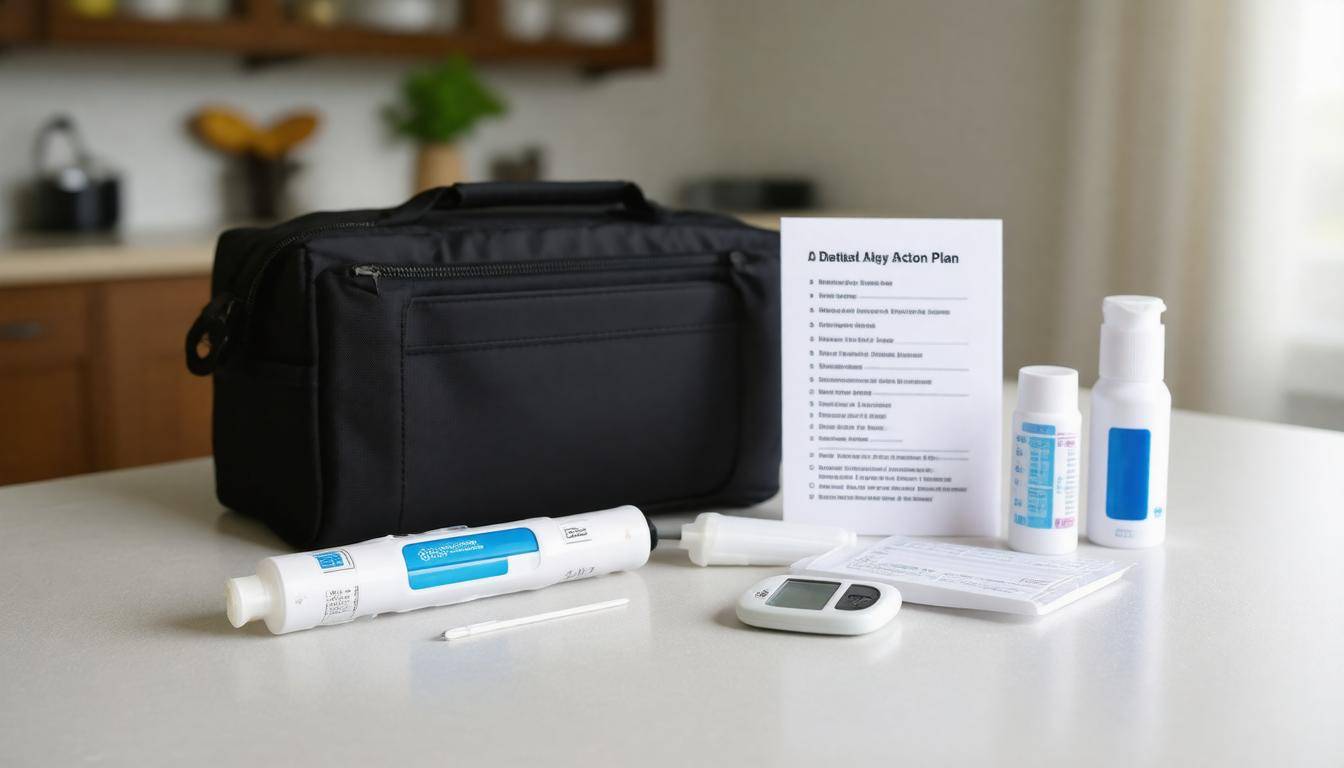
Preparing an allergy emergency plan involves several vital steps that make all the difference during unforeseen allergic reactions. The first step is to collaborate with your allergist to create a personalized action plan. This document should clearly outline what to do in case of an allergic reaction, helping you feel more prepared mentally and physically. For instance, if someone has a known shellfish allergy, their plan might specify avoiding seafood altogether, reading labels meticulously, and always keeping necessary medications like antihistamines and an epinephrine auto-injector on hand.
Given the potential severity of allergic reactions, a well-crafted plan can be a lifesaver, providing peace of mind not just for individuals but also for their families and friends.
Essential Elements of Your Plan
Every effective allergy emergency plan should encompass specific details to provide comprehensive guidance during emergencies. Think of this as your roadmap; it needs thorough directions and essential landmarks. Here are critical components to include:
-
Identifying the allergens: Clearly list all known allergens, serving as a primary reference for those who may need to help in an emergency.
-
Step-by-step instructions for handling reactions: Include detailed steps to follow in various scenarios—ranging from minor symptoms to full-blown anaphylaxis—ensuring everyone knows how to act promptly. For example, what to do if swelling occurs versus when breathing difficulties arise.
-
Emergency contact information: Keep updated phone numbers readily accessible, listing family members, physicians, and nearby emergency services.
-
Prescriptions and dosage information: Document all necessary medications along with their dosages. This ensures that anyone administering treatment understands what’s required.
These elements are crucial not only for keeping you safe but also for educating those around you about your needs. An informed environment fosters quicker responses during emergencies and increases the efficacy of interventions.
Additional Considerations
Beyond these basics, consider enhancing your plan with other valuable features. One of these is conducting regular drills within your family or among close friends. Simulating various scenarios will help everyone practice their roles, improving overall confidence about what to do when real challenges arise.
Moreover, it’s wise to keep multiple copies of your emergency plan in easily accessible places such as on the refrigerator door, in a wallet, or even on a mobile device. This ensures quick retrieval when time is of the essence. The goal here is simple: prevent panic by ensuring everyone knows exactly where to find this vital information without wasteful delays.
By fostering a shared understanding among loved ones, you not only enhance preparedness but also strengthen supportive networks. This preparation paves the way for discussing necessary treatments and medications that can further safeguard health in times of crisis.
Key Allergy Emergency Medications
When it comes to managing severe allergies, understanding the right medications can mean the difference between a minor inconvenience and a life-threatening situation. Among the most vital of these is epinephrine, commonly delivered via an auto-injector like the EpiPen or Auvi-Q. This medication acts swiftly to reverse anaphylaxis by constricting blood vessels and widening airways, ensuring a rapid response in emergencies.
On the other hand, antihistamines such as Benadryl may be lifesavers during milder reactions, offering relief from symptoms like hives, sneezing, and itching. But their role should not be overstated; they are not a substitute for epinephrine when it comes to serious allergic reactions.
The speed with which epinephrine works is crucial—it’s designed to counteract the severe effects of anaphylaxis almost immediately. Unlike oral antihistamines that must first pass through the digestive system before entering the bloodstream, epinephrine takes effect in minutes because it can be injected directly into muscle tissue. It’s important to recognize that even if antihistamines seem effective, they won’t address anaphylaxis’s life-threatening symptoms like throat swelling and difficulty breathing.
On average, around 32 million Americans are affected by food allergies, emphasizing the necessity of awareness and preparation in managing potential allergens.*
Each individual should be equipped with their prescribed auto-injector at all times. For adults and children over 30 kg, a typical dose of epinephrine is approximately 0.3 mg to 0.5 mg. For those weighing under 30 kg, 0.15 mg is recommended. Having a clear understanding of dosage allows caregivers and family members to administer treatment effectively without hesitation in case of an emergency.
It’s vital that anyone who may be involved in an allergic emergency—from family members to teachers—understands not only when to administer epinephrine but also how to do it correctly. Practicing using a trainer pen can help build confidence and ensure swift action during a real-life incident.
Supplemental Allergy Medications
In addition to epinephrine and antihistamines, there are other useful medications you should consider having on hand during allergy emergencies. Corticosteroids like prednisone may be prescribed for severe allergic reactions to combat inflammation after an episode occurs. Furthermore, saline nasal sprays can provide relief from nasal congestion caused by exposure to allergens.
Keeping track of expiration dates for these vital medications is paramount; most auto-injectors have a shelf life of about 12-18 months, so remember to check periodically and replace them as necessary.
Being knowledgeable about these key allergy emergency medications will empower you in high-stress situations, making it easier to act decisively when every second counts. This kind of preparedness not only promotes safety but enhances your peace of mind in navigating shared spaces where allergens might lurk unexpectedly.
With this foundational knowledge in place regarding emergency medications, it’s essential to familiarize yourself with how to use them effectively when truly needed.
Correct Use of Epinephrine
When it comes to using epinephrine, precision really matters. It’s not just about having the auto-injector; it’s knowing how to wield it effectively. The first step begins with identifying symptoms. Recognizing telltale signs of anaphylaxis—such as difficulty breathing, swelling of the lips or tongue, rapid heartbeat, or severe hives—is crucial. These symptoms signal that immediate action is required. If you or someone around you is displaying these serious symptoms, time is of the essence.
Once you’ve confirmed those symptoms, it’s time to move on to the actual injection process.
Next, prepare the auto-injector; hold it in your dominant hand with your thumb on the bottom and fingers wrapped around the middle. Removing the safety cap can seem minor, but failing to do so completely can result in ineffective administration. When you’re ready, position the auto-injector against the outer thigh at a 90-degree angle. It’s key to press it firmly until you hear a click; this sound indicates that the epinephrine is being delivered into the muscle tissue—a crucial factor for effectiveness.
The two most common areas for administration are just above the knee on either thigh, making it easily reachable for both right-handed and left-handed individuals.
After injecting, hold the auto-injector in place for about ten seconds to ensure all medication is delivered effectively. This compact moment could save a life. Once administered, don’t forget to massage the injection site for approximately ten seconds; this helps disperse the medication more evenly within your body.
But remember, even after administering epinephrine, medical assistance is mandatory.
Immediately call emergency services—dial 911 right after usage, even if symptoms appear to improve instantly. Medical professionals need to assess the situation fully because an allergic reaction can recur after initial treatment; this is known as a biphasic reaction and may occur hours later. Hence having further medical evaluation cannot be overstated.
Here’s a quick reference table:
| Symptom | Action |
|---|---|
| Breathing difficulty | Use auto-injector immediately |
| Swelling of lips/tongue | Use auto-injector immediately |
| Hives or rash | Administer antihistamine |
| Dizziness/fainting | Use auto-injector if severe |
Equipped with this knowledge and sharing it with others ensures everyone knows how to respond effectively during an allergy emergency. Moving forward, understanding how to convey your emergency plan can enhance safety and preparedness in critical moments.
Communicating Your Emergency Plan
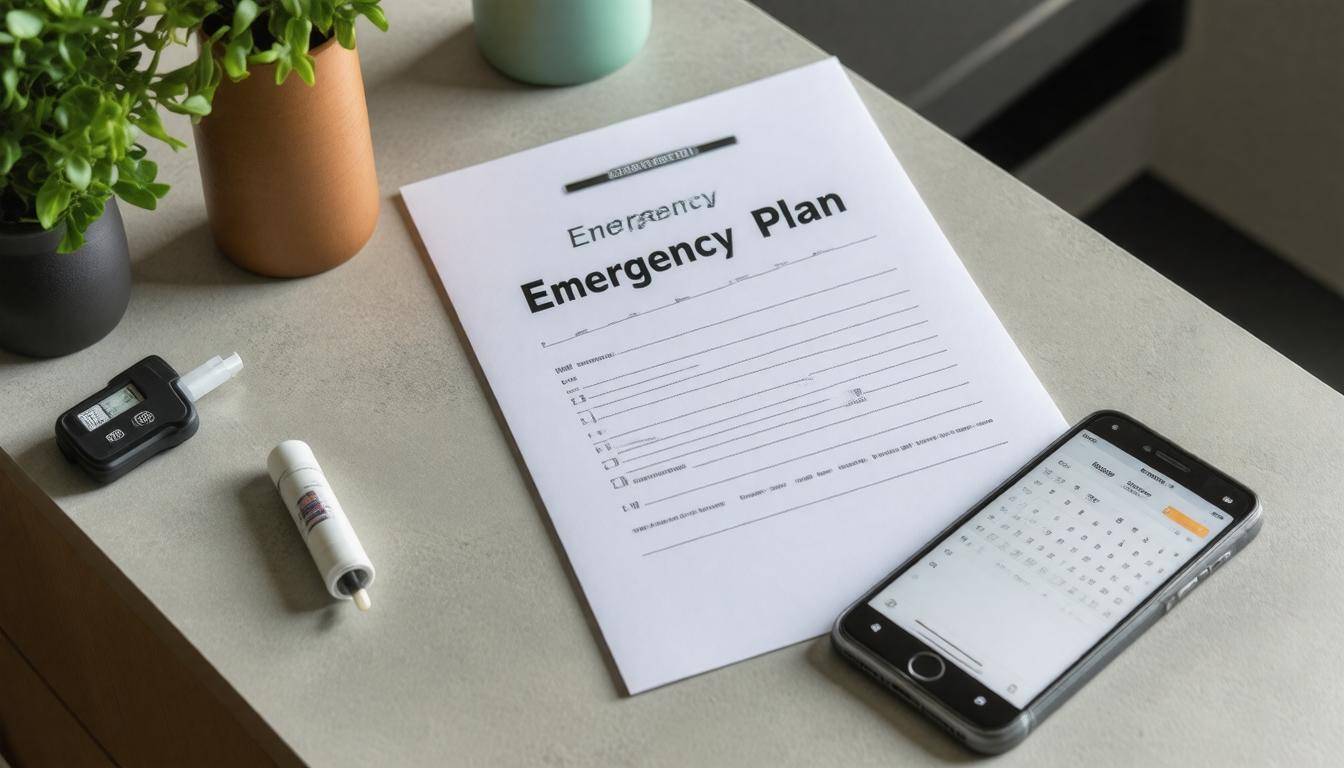
One of the most crucial aspects of allergy emergency preparation lies in effectively communicating your emergency plan. This involves informing not just close family members but also friends, coworkers, and acquaintances about your allergies. The more people who understand your situation, the safer you will be. A simple chat can go a long way. For example, explaining the significance of your EpiPen and how to use it can make all the difference during an emergency.
Consider this: if you’re at a gathering or event, having someone aware of your allergies means you have an additional layer of safety. Whether it’s a friend who can advocate for you when ordering food or a coworker who knows what to do in a crisis, being proactive with communication is key. It’s important to discuss specific symptoms associated with allergic reactions since recognizing these signs promptly can expedite response time if an issue arises.
Furthermore, creating an allergy alert system can enhance overall awareness of your condition.
An effective strategy is to utilize visible alerts like allergy bracelets or tags. These tools serve as quick reminders for others and provide essential information if you cannot speak for yourself. Ideally, your bracelet should clearly indicate your allergies and mention that you carry an EpiPen or similar device. Clear communication isn’t limited to conversations—it also extends into visible communication tools that provide immediate assistance in emergencies.
When traveling or participating in public events, particularly those involving food, ensure that relevant staff—like restaurant employees or activity coordinators—are aware of your allergies. Communicating your needs proactively often results in accommodating practices that safeguard against potential allergic reactions. Moreover, it’s helpful to keep printed copies of your emergency care plan handy to share with those who need it. This documentation should be concise yet comprehensive enough for anyone unfamiliar with allergies.
Lastly, consider fostering dialogue within and beyond your immediate community regarding the awareness and management of severe allergies.
Encourage friendships based on education surrounding allergic reactions—it helps normalize discussions about allergies while reducing stigma. Beyond personal interactions, reach out to schools or community groups to promote sessions on allergy education to increase collective awareness, ensuring that the message is widespread.
As we explore these elements further, understanding how to share your experiences and educate others becomes essential for fostering an empathetic environment where everyone feels equipped to help in emergencies.
Making Family and Others Aware
Educating those around you isn’t just a personal responsibility; it’s a collective effort aimed at creating a supportive environment for individuals with severe allergies. It’s surprising how many people are unaware of the severity of allergic reactions. Simple conversations can vastly improve awareness and preparedness. Consider involving family, friends, school staff, and even neighbors in ongoing education about allergies. The more they understand the potential risks, the better equipped they will be in case of an emergency.
Take Amanda, for example, a committed mother who organized a workshop at her child’s school specifically focused on her child’s severe egg allergy. Through this initiative, she not only taught the staff and students how to recognize the symptoms of an allergic reaction but also demonstrated how to use an EpiPen effectively. This kind of proactive education fosters empathy and preparedness among individuals who would otherwise remain uninformed. By sharing personal stories and real-life experiences, you help others grasp the seriousness of food allergies in a tangible way.
To keep your community well-informed, regularly update your emergency contact list with relevant information regarding each individual’s allergies and their specific action plans. Schedule informal training sessions or discussions, perhaps at family gatherings or community meetings, to keep the lines of communication open. This routine reinforces important information and empowers everyone with knowledge that could one day save a life.
“An informed community is a safer community.” Every detail in your emergency plan matters, from knowing which allergens are dangerous to understanding when and how to administer medication.
Beyond formal training, don’t underestimate the power of simple tools like allergy alert bracelets or tags. These can serve as vital reminders for those caring for individuals with allergies during public outings that might occur without pre-planning. Consider developing a brochure or handout detailing signs of allergic reactions and first-aid steps tailored to your child’s specific needs. Spread this information not just within your immediate circle but within the wider community as well, such as local schools or recreational centers.
While fostering awareness about food allergies lays a solid foundation for safety, it is equally important to know what essential details should go into your emergency plan to ensure its effectiveness in critical situations.
Details to Include in Your Plan
When it comes to preparing for an allergy emergency, having a comprehensive plan can mean the difference between chaos and control. Every detail matters. Start with ensuring you clearly list the exact location of your medications. Whether you store your EpiPen in your bag, on a high shelf, or somewhere else entirely, knowing precisely where it is saves critical seconds during a panic. Remember, these moments are time-sensitive, so if your medication isn’t easily accessible during a reaction, its effectiveness diminishes significantly.
In addition to medication placement, you must identify specific trigger allergies that you or your loved one need to avoid. This isn’t just about what foods should be off-limits; it encompasses environmental triggers as well. Writing down allergens—like peanuts, tree nuts, shellfish, or dairy—helps reinforce awareness among caregivers and others. Think about this as having a sort of “allergy digest” available at a glance whenever necessary.
Developing a concise medical history within your plan can further bolster preparedness. This should include any past reactions and existing conditions alongside prescribed medications. A well-rounded medical history not only aids first responders but also provides peace of mind knowing that you have information ready for anyone who might assist.
Furthermore, don’t overlook the importance of listing secondary emergency contacts. Sometimes primary contacts might be unavailable due to unforeseen circumstances. Having backup individuals on file ensures continuous care can be sought efficiently during an emergency. Consider including neighbors, nearby relatives, or trusted friends who know how to administer relief.
It’s crucial that the details provided in your allergy action plan strike a balance between clarity and brevity. A detailed emergency plan creates clarity and quick action; however, if it veers into clutter, confusion may arise instead. Focus on keeping instructions straightforward and easy to read while ensuring all relevant information is included.
Regularly reviewing and updating this plan is equally important. Life changes—new medications or health shifts—should prompt immediate reassessments with your healthcare provider to adapt accordingly. This proactive approach will keep everyone informed and prepared for any allergy-related incidents.
By including vital details in your allergy emergency plan—medication locations, trigger allergens, medical histories, and emergency contacts—you equip yourself and those around you with the knowledge needed to react quickly when it counts most. Feeling prepared can foster greater confidence when facing the outside world despite allergies lingering in the background.
Are there any specific considerations for managing allergies in children or special populations during emergencies?
Yes, managing allergies in children and special populations during emergencies requires specific considerations such as age-appropriate communication about their allergies, ensuring access to epinephrine auto-injectors, and having a tailored emergency action plan. According to studies, children are at higher risk for severe allergic reactions due to their developing immune systems, and up to 30% of children with food allergies experience accidental exposure. Therefore, it’s crucial to educate caregivers and ensure that emergency staff are aware of the unique needs of these populations in crisis situations.
How do I recognize the signs of anaphylaxis or other severe allergic reactions?
Recognizing the signs of anaphylaxis is crucial, as it can be life-threatening. Key symptoms include difficulty breathing, swelling of the face or throat, rapid pulse, hives or rash, and gastrointestinal distress such as nausea or vomiting. According to the Asthma and Allergy Foundation of America, an estimated 2% of the population is at risk for anaphylaxis, making prompt recognition and treatment essential. Always be prepared with an epinephrine auto-injector if you have known severe allergies.
What steps should be included in a severe allergy reaction plan?
A severe allergy reaction plan should include the following key steps: 1) Identify and avoid allergens, 2) Create a clear action plan that includes recognizing symptoms of anaphylaxis, 3) Carry and know how to use an epinephrine auto-injector, 4) Inform friends, family, or caregivers about your allergies and the emergency plan, and 5) Seek immediate medical help after using epinephrine. According to the Asthma and Allergy Foundation of America, about 30% of people with food allergies will experience anaphylaxis in their lifetime, making preparedness crucial.
How should I train family members or caregivers to follow the severe reaction plan?
To effectively train family members or caregivers on following the severe reaction plan, conduct regular practice sessions that simulate an allergic reaction scenario, ensuring they understand how to recognize symptoms and administer emergency medications like epinephrine. Involving them in role-playing can reinforce their confidence and preparedness; studies show that preparedness can reduce response time significantly during real emergencies. Additionally, ensure that written plans are easily accessible and comprehensible, as research indicates that clear communication enhances the likelihood of timely and effective responses in critical situations.
What emergency resources and contact information should be part of my allergy emergency kit?
Your allergy emergency kit should include essential items such as an epinephrine auto-injector, antihistamines, a rescue inhaler if you have asthma, and instructions for their use. Additionally, keep contact information for your healthcare provider, local emergency services, and a trusted individual who can assist you during an allergic reaction. According to the Asthma and Allergy Foundation of America, approximately 32 million Americans have food allergies, emphasizing the importance of having these resources readily available to ensure prompt action in case of an allergic emergency.