
When exploring the breathtaking but perilous alpine region, your safety should be top of mind. Avalanches can strike unexpectedly, making it essential to have the right gear on hand. By preparing an effective avalanche kit, you’re not only arming yourself with lifesaving tools but also enhancing your confidence while enjoying outdoor adventures. With a mix of proper equipment and clothes, you can tackle snowy terrains with ease. In this article, we’ll break down key items for your avalanche kit and essential safety gear that will keep you warm, protected, and ready for whatever Mother Nature has in store.
An effective Alpine Region Avalanche Kit should include essential items such as an avalanche beacon, shovel, probe, slope meter, climbing skins, and a snow study kit. These tools are crucial for monitoring avalanche risks and ensuring safety during backcountry skiing or outdoor activities in potentially hazardous conditions.
Essential Avalanche Safety Gear
Safety gear is critical for anyone venturing into avalanche-prone regions. This gear can mean the difference between life and death, as its effectiveness directly impacts your ability to respond in emergencies.
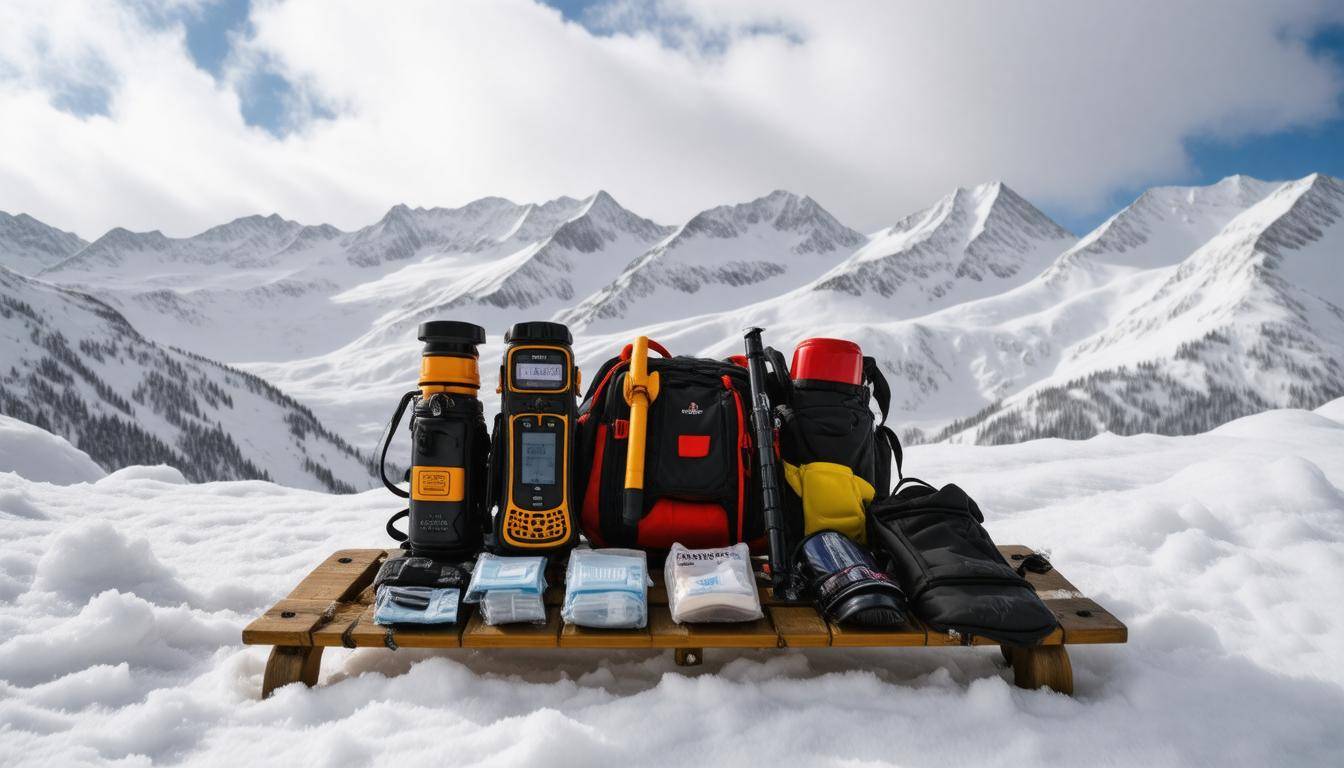
First on the list is the avalanche beacon, which is a must-have tool designed for locating buried individuals quickly. The Backcountry Access Tracker3 stands out as a reliable choice and typically costs around $350. It combines user-friendliness with respectable battery life, making it fantastic for both seasoned adventurers and newcomers alike. Although some experienced users might find its interface too simplistic for professional contexts, its straightforwardness means that even those new to backcountry safety can operate it effectively.
While many beginner skiers rely solely on this essential piece of equipment, it’s important to remember that knowing how to use an avalanche beacon is just as vital as owning one.
Alongside the beacon, you’ll need a sturdy shovel. The Black Diamond Transfer shovel costs about $65 and features a design that allows for easy assembly and disassembly—a crucial factor for navigating snowy terrains. Its robust build ensures durability during rescue operations, where quick action can literally save lives.
But digging someone out isn’t enough; you also need to know exactly where to dig, which brings us to the next essential item: the probe.
A quality probe will help you pinpoint the location of buried victims after a beacon indicates their position. For this purpose, the Black Diamond QuickDraw Pro 240 is an excellent choice, priced at $70. Thanks to its lightweight construction and quick deployment feature, it’s incredibly effective in emergency situations, allowing you to maximize efficiency when every second counts.
Table of Essential Gear
| Gear | Product | Price | Pros | Cons |
|---|---|---|---|---|
| Avalanche Beacon | Backcountry Access Tracker3 | $350 | Easy to use, good battery life | Simple interface not ideal for pros |
| Shovel | Black Diamond Transfer | $65 | Sturdy build, easy to disassemble | Higher-end models offer more features |
| Probe | Black Diamond QuickDraw Pro 240 | $70 | Lightweight, quick deployment | Cheaper alternatives available |
All these tools work synergistically to enhance your safety in risky conditions; however, they are only part of a comprehensive strategy for avalanche safety. As we shift focus, let’s take a closer look at the garments designed specifically to keep you warm and protected while exploring cold environments.
Must-Have Clothing for Cold Conditions
Proper clothing is essential not only for warmth but also for your mobility in the frigid mountain terrain. When you’re out there tackling the snow, every piece of gear matters, right down to what you wear against your skin. Choosing the right clothing helps to manage moisture, keeps you warm, and provides flexibility to move when you need it most.
Insulated Jacket and Pants
Selecting the right insulated jacket and pants can significantly elevate your comfort level during alpine excursions. For instance, consider TOG24’s line of specialized insulated jackets and pants; they utilize synthetic down insulation, which ensures you remain warm without being weighed down. This makes them both lightweight and incredibly effective at retaining heat—exactly what you need when facing biting winds or sub-zero temperatures. It’s worth investing in pieces that fit well and allow for layering without restricting movement.
Base Layers
Now let’s explore base layers. Opting for moisture-wicking fabrics made from merino wool or polyester is one of the smarter choices you can make. These materials keep your skin dry by efficiently wicking away sweat and prevent the dreaded chill that arises when moisture stays against your skin. In my experience, having a snug yet breathable base layer can make all the difference on longer outings; it enables active movement while ensuring you don’t become chilled as your body temperature fluctuates with exertion.
Proper Socks and Gloves
Don’t underestimate the importance of proper socks and gloves. Wool or synthetic blend socks are crucial for keeping your feet warm, dry, and comfortable throughout the day. Look for socks that provide cushioning in key areas, like the heel and ball of the foot, to prevent blisters during long treks across unforgiving terrain.
When it comes to gloves, consider a layered approach: a base liner glove combined with a waterproof, insulated outer glove offers both dexterity for tasks like adjusting gear or using tools while still shielding your hands from the biting cold. This flexible approach ensures you’re prepared for both fine motor skills and harsh weather conditions.
Taking time to choose the right clothing will vastly improve not only your comfort but also your safety in cold conditions. As you prepare for alpine adventures, it’s essential to focus on critical components that enhance your survival in challenging environments.
Critical Tools for Avalanche Survival
In addition to your standard equipment, a few specialized tools can make a profound difference in your safety during an avalanche situation. One such tool is the slope meter. This handy device, like the BCA Slope Meter, is invaluable for measuring terrain steepness and assessing avalanche risks. It fits snugly in your pocket and serves as an essential first step in evaluating whether a slope is safe to ascend or descend; knowing that slopes greater than 30 degrees present increased risk helps you navigate potential danger zones effectively.
Beyond the slope meter, it’s crucial to have a snow study kit at your fingertips.
This kit becomes essential when you’re out in the backcountry, offering tools intended to analyze snow conditions. A typical snow study kit includes an incline meter, magnifying glass, and a snow saw—all pieces designed to help evaluate layers of snow and determine their stability. By examining the various layers, you can identify weak spots that may indicate increased avalanche danger. Understanding how fresh snow interacts with the underlying layers can be a game-changer in preventing accidents.
Another indispensable tool is a two-way radio, which dramatically improves your ability to communicate with your party during excursions.
For example, the Midland GXT1000 allows for effective communication even when you’re far from cell service. This radio can transmit over long distances, ensuring that all members of your group remain connected, especially in emergencies when every second counts. Maintaining communication can facilitate timely decisions and strategies during risky situations like navigating through regions prone to avalanches.
Investing time to learn how to use these tools properly before heading into the backcountry sharpens your preparedness and response capabilities.
Layering for Warmth and Protection
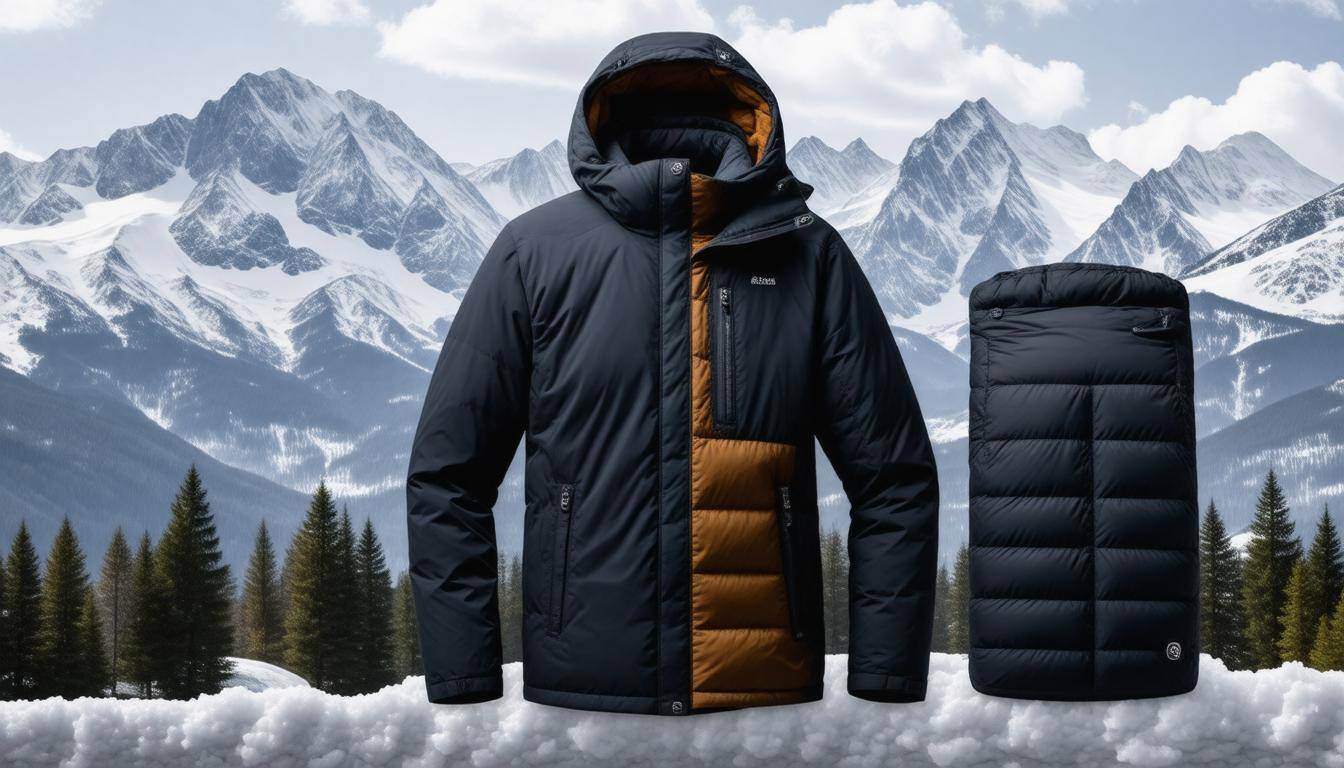
Layering is not just a fashion choice; it’s a crucial strategy for maintaining your body temperature while active in cold environments. When you’re out skiing or hiking in the backcountry, your body generates heat, but exposure to wind and snow can rob you of that warmth quickly if you’re not dressed appropriately. This is where a well-planned layering system comes into play. It consists of three main layers: base, mid, and outer shell, each serving a distinct purpose in keeping you warm, dry, and nimble on the slopes.
Base Layers
The base layer is the first line of defense against the cold. Its primary role is to wick moisture away from your skin to keep you dry. Fabrics like polyester blend well with merino wool to provide both comfort and insulation. Think of this layer as your second skin—it should fit snugly without being restrictive. Look for materials that are both breathable and quick-drying; after all, nobody wants to feel damp when enjoying a winter adventure. It’s worth investing in quality base layers because they set the foundation for overall comfort.
Now that you’ve got the perfect base layer, the next step is adding an effective mid-layer.
Mid Layers
Mid-layers are designed to retain warmth without adding excessive bulk. This could be anything from a fleece pullover to lightweight down jackets. A great example is The North Face Thermoball jacket, known for its impressive heat retention properties while remaining surprisingly light. The trick here is to pick a mid-layer that provides insulation based on changing activity levels; if you’re climbing uphill, you may want something less bulky, while descending warrants additional warmth. You’ll find yourself adjusting layers based on your exertion—not only enhancing your comfort but also increasing your endurance over time.
Lastly, finishing off this protective ensemble requires a sturdy outer shell.
Outer Shell
The outer shell acts as your shield against wind and precipitation. It should be waterproof yet breathable to allow sweat vapor to escape while protecting against snowfall or rain. An excellent choice in high-performance gear is the Arc’teryx Beta AR jacket, which boasts impressive features designed for rugged activity in alpine terrains. When selecting an outer shell, ensure it has features such as adjustable cuffs and hem, which serve to seal out cold air and moisture effectively. Remember, it’s not just about staying dry; it’s also about facilitating freedom of movement required for skiing or climbing safely.
Understanding these layering principles forms the groundwork for ensuring warmth and protection in extreme conditions, paving the way for a focus on critical safety elements for your head and eyes during alpine activities.
Importance of Head and Eye Safety
Protecting your head and eyes should not be overlooked when navigating potentially hazardous alpine environments. Helmets serve as your first line of defense against impacts, whether from falls or debris like falling rocks or ice. Just imagine speeding down a steep slope when suddenly, without warning, a small avalanche of snow whips past you, sending loose stones tumbling toward your head. It’s in these moments that a helmet can mean the difference between life and death.
A well-fitted helmet, such as the Smith Vantage, provides essential protection while ensuring comfort and fit. Many adventurers share life-saving stories that often end with the phrase “If I hadn’t been wearing my helmet…” Using this gear isn’t just about adhering to safety guidelines; it’s about instilling confidence in your own adventures.
Helmets
When selecting a helmet, consider options that provide both protection and ventilation. An ideal helmet should fit snugly without any gaps and wear comfortably during long hours of ski or snowboard time. Look for models that feature adjustable straps and are certified for impact resistance, which is vital when you’re navigating rough terrains.
The Smith Vantage helmet stands out because it combines advanced safety features with an ultra-lightweight feel, letting you focus more on enjoying your adventure rather than the weight on your head. Committing to use a helmet doesn’t only protect you; it sets an excellent example for fellow adventurers and reinforces a culture of safety within outdoor communities.
In addition to helmets, eye protection plays a significant role in enhancing your skiing experience. The sun’s rays at higher altitudes can be intense due to reduced atmospheric filtering, increasing UV radiation exposure. This is where high-quality goggles come into play.
Goggles
It’s crucial to invest in goggles that offer UV protection while also enhancing visibility under snow glare conditions. Models like the Oakley Flight Deck are designed with wide lenses that ensure peripheral vision is maintained while blocking harmful rays.
Polarized lenses are particularly beneficial as they effectively reduce glare from the snow’s surface, allowing for enhanced clarity when you’re navigating undulating terrain.
When purchasing goggles, consider features such as anti-fog coatings that will keep vision clear even during rigorous activity. Remember, even on overcast days, UV rays can still be harmful, so it’s wise to wear protective eyewear at all times when outdoors.
Don’t forget: every moment spent in the mountains is precious; safeguarding your head and eyes should always be part of your exquisite adventure experience!
As we turn our gaze to safety preparation beyond equipment, understanding key training opportunities can significantly enhance your knowledge and readiness for mountainous challenges.
Training Programs for Avalanche Awareness
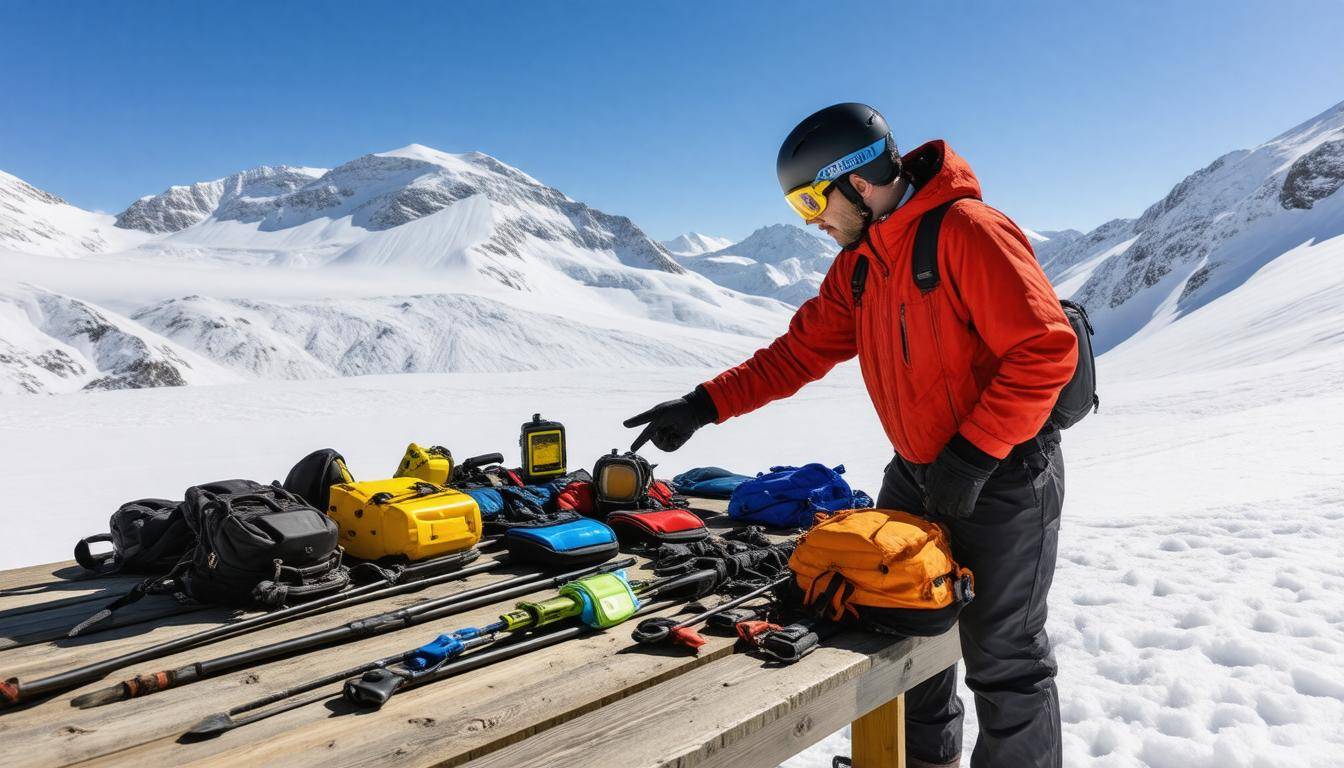
Knowledge can save lives just as effectively as having the right equipment in an avalanche-prone area. For anyone involved in outdoor activities such as skiing or snowboarding in the Alpine region, participating in “Know Before You Go” programs is crucial. These free initiatives provide foundational knowledge about avalanche awareness and safety, serving as a friendly introduction to the risks and responsibilities that come with enjoying the mountains. In these courses, participants learn how to recognize hazardous conditions and effectively use essential avalanche gear like beacons and probes.
Attending a “Know Before You Go” program typically covers key aspects of avalanche safety, including recognizing terrain features that may contribute to avalanches, understanding weather patterns, and evaluating snowpack conditions. Most importantly, these courses emphasize situational awareness, encouraging participants to think critically about their choices before heading into potential danger zones.
While these introductory lessons are invaluable, they merely scratch the surface of what is necessary for true preparedness in the backcountry.
Once you’ve taken a foundational course, consider enrolling in more in-depth avalanche safety courses. The American Institute for Avalanche Research and Education (AIARE) offers comprehensive training programs that go deeper into snow science, rescue techniques, and decision-making processes during backcountry excursions. These extended courses equip you with the skills needed to assess avalanche dangers, manage group dynamics in risky environments, and conduct effective rescues should the need arise.
The commitment of time and effort invested in these comprehensive courses pays off in heightened confidence when facing potentially life-threatening situations. Learning advanced rescue techniques using a probe pole or shovel can significantly increase your chances of locating a buried victim quickly—this could mean the difference between life and death.
As avalanche fatalities average around 28 per year in the U.S. over the last decade, proper training becomes vital for those venturing into this thrilling yet perilous terrain.
Every step towards understanding avalanche dynamics equips you with practical skills and peace of mind, knowing you’re better prepared to tackle whatever nature throws your way on your next alpine adventure.
Ready Your Kit for Emergency Situations
When venturing into the alpine region, preparedness is your best ally. Your avalanche kit should go beyond the basic tools and gear; it needs to be a comprehensive lifeline during potentially perilous situations. In the event of an avalanche or unforeseen circumstances, having medical supplies can make all the difference in ensuring safety and enhancing survival chances.
Medical Supplies
First and foremost in any emergency kit is a robust first aid kit. It acts as a safeguard against unexpected scrapes or more serious injuries that may occur while skiing or conducting outdoor activities. A properly stocked first aid kit should not only include standard items like band-aids and gauze but also essential supplies such as antiseptic wipes for cleaning wounds and splints for immobilizing injuries until proper help can arrive. This could very well be vital for treating injuries arising from falls or accidents on treacherous terrains.
Space blankets are another critical item to include because they reflect body heat and can provide warmth in case of an emergency—preventing hypothermia is key when you find yourself exposed to cold elements unexpectedly. Given the intense nature of mountain climates, packing multiple space blankets would be prudent.
Additionally, don’t overlook carrying antiseptics for cleaning wounds; infections can worsen minor injuries under harsh conditions. Ensure these supplies are regularly checked and restocked; it’s easy to forget what’s there until you absolutely need it.
Food and Water
Packing high-energy snacks like energy bars or trail mix is essential for sustenance. These lightweight items provide crucial fuel to keep your energy levels up during strenuous activities in rugged environments. Each person should carry at least two liters of water to combat dehydration, which can rapidly lead to symptoms like fatigue and even hasten hypothermia in cold weather.
I remember the first time I found myself on a distant slope without enough water—it’s an experience I’ll never forget! I had underestimated how quickly I could become dehydrated while exerting energy on the mountain. That taught me a valuable lesson: Always pack an extra liter or two when heading out for extended periods.
Regularly cycling through your food supplies ensures nothing goes stale, making it easier to stay nourished at all times. Consider including other high-calorie options like nut butter packets or jerky, as they have long shelf lives and can provide quick energy in tight situations.
Being fully prepared involves anticipating every possible scenario before it happens. Moving forward, it’s crucial to understand how to keep track of current conditions that may impact safety in the alpine environment.
Staying Updated on Avalanche Conditions
Information is your first line of defense when exploring snowy terrains. Knowing not just the weather but specifically avalanche forecasts can mean the difference between a fun day in the snow and an emergency situation. That’s why it’s vital to keep your finger on the pulse of avalanche risks through reliable sources and tech tools.
Avalanche Forecasts
Websites such as avalanche.org along with local avalanche centers provide daily updates on current conditions and risk levels. These resources analyze recent weather patterns, snowfall amounts, and existing snowpack stability—factors that determine how likely avalanches are. Using these websites regularly should become a habit if you’re planning to venture into backcountry areas. Additionally, many mobile apps now deliver real-time updates right to your device, giving you immediate access to critical information wherever you are.
But understanding weather conditions is equally essential for predicting avalanches.
Weather Apps
In addition to avalanche forecasts, utilizing weather apps such as Windy and Weather Underground can significantly help gauge snow and wind conditions. These apps provide detailed forecasts that include wind speeds and potential snow accumulation—key factors influencing avalanche likelihood. High winds can shift snow deposits from one slope to another, making previously safe areas hazardous without warning. Thus, checking these apps in tandem with avalanche reports makes for a comprehensive approach to assessing risk.
Furthermore, staying connected with local communities expands your knowledge further.
Social Media Alerts
Following local mountain rescue organizations and experts on social media can offer timely alerts that keep you informed about changing conditions. These updates often include firsthand accounts from rescuers who have been on the ground and can provide insight into areas that have recently reported instability or incidents. Often, social media posts will also share alert levels in real time, ensuring that you are in-the-know before heading out.
By utilizing various methods of information gathering—from forecast websites and weather apps to social media—you’re better equipped to make informed decisions about your alpine explorations. Remember that staying informed, equipped with necessary gear, and being trained in avalanche rescue techniques greatly enhances your chances of enjoying the alpine region safely.