
In today’s unpredictable world, emergencies can catch us off guard, leaving our financial plans in shambles. Picture this: a sudden natural disaster strikes, and your access to cash and banking services vanishes overnight. It’s not just a scene from a movie—many people have faced this reality firsthand. During times of crisis, traditional banks might not always come to the rescue as quickly as we hope. This is why alternative banking options have become increasingly important. With the rise of technology, resources are emerging that allow us to manage our money differently, ensuring we remain financially secure even when chaos reigns. In this article, we’ll explore these vital alternatives and how they can help you navigate through tough times.
During emergencies, alternative banking options like Fidelity offer valuable services such as automatic cash storage in money market funds, providing higher interest yields compared to typical bank rates. These services ensure individuals can access their funds and manage finances effectively when traditional banks may be inaccessible or unresponsive.

The Need for Alternative Banking Access
Imagine you are in the middle of a natural disaster, and suddenly you have no access to cash or banking services. This is not just a hypothetical situation; it has become a reality for many people around the world when crises strike. The ability to manage your finances is crucial, especially when traditional systems collapse under pressure. As we’ve seen during major catastrophes like Hurricanes Katrina and Sandy, entire banking infrastructures can be compromised, leaving countless individuals scrambling for alternatives.
In fact, a survey conducted by the Federal Reserve in 2022 revealed that 70% of Americans experienced difficulties accessing traditional banking services during such emergencies. These instances underscore the necessity for alternative avenues, as 45% of respondents turned to solutions like mobile payment apps and digital wallets, evidencing their increasing reliance on alternative banking methods when traditional options fail.
But what prompts people to embrace these alternative solutions instead?
Convenience plays a key role. A growing number of fintech companies are providing flexible, user-friendly platforms that offer quicker transaction times compared to conventional banks—50% of users reported faster responses using alternative banking services during emergencies. With immediate access to funds, people can buy supplies, pay for services, or help those in need without the lag that often accompanies traditional banking processes.
During the COVID-19 pandemic, many were forced into isolation and could not visit physical banks, which further propelled the interest in these digital financial solutions. With 80% of low-income households lacking access to reliable banking services, the rise of alternative options becomes even more pertinent. For them, being able to transfer funds instantly via mobile apps or online platforms isn’t just a luxury—it’s a necessity that helps maintain basic financial stability in tumultuous times.
- Speed: Faster transaction times ensure each individual can access much-needed funds immediately.
- Accessibility: Mobile platforms allow users to manage their finances from anywhere without needing to travel.
- Security: Many still feel more secure using alternative banking methods during crises according to recent surveys.
The integration of innovative financial technologies has provided essential lifelines.
Navigating through emergencies—whether it’s a natural disaster or global pandemic—requires various ways to access funds. The evolution of money management has reached an essential turning point where flexibility and rapid response will redefine how we prepare for and respond to crises.
With these evolving financial landscapes poised for change, understanding the challenges of staying connected is equally vital during times of upheaval.
Connectivity and Infrastructure Challenges
Reliable internet and mobile connectivity are crucial when we look at alternative banking options, especially during crises. However, these connections often falter in the face of natural disasters or disruptions like those we’ve seen in recent years. Picture this: a small-town family depends on their digital banking app during a storm, only to find that the power is out, and their access to funds is too. Connectivity in such scenarios becomes a lifeline for accessing essential resources.
In rural areas or regions severely affected by extreme weather events, maintaining stable connectivity can turn into a logistical nightmare. When Hurricane Maria struck Puerto Rico in 2017, the impact was catastrophic. The storm effectively demolished the island’s power grid, leading to widespread outages that left countless residents without electricity for weeks. This unfortunate event resulted in significant impairments to internet and mobile access as well. The ability to carry out even the simplest banking transactions was temporarily halted.
The aftermath of such disasters unveils how fragile our tech-dependent banking systems can be. Rebuilding essential infrastructure takes time—often far longer than one would expect—demonstrating the reality that our reliance on technology can leave us vulnerable when it fails.
As communities work to recover, they must grapple with rebuilding this critical infrastructure, which can span weeks or even months depending on the extent of damage inflicted. People are left scrambling to find cash or other means of financial transaction when banks go offline due to connectivity issues. Those who depended on their mobile devices for daily financial needs suddenly find themselves disconnected—not just from their money but also from vital services like food and shelter assignments.
To combat these vulnerabilities, investing in satellite technology or developing decentralized networks emerges as a resilient solution worth considering. Satellite internet can provide an alternative source of connectivity that bypasses traditional infrastructure vulnerabilities. Mobile units equipped with satellite capabilities could set up temporary branches in affected areas, ensuring that people remain connected to their finances even when conventional methods fail.
Investing in diverse technological solutions will safeguard access to funds during emergencies and fortify communities against future crises. It’s essential for alternative banking solutions to consider such factors as they plan for long-term reliability and resilience.
With these considerations in mind, exploring modern innovations may offer novel pathways for providing reliable access to financial services during emergencies.
Fintech Solutions for Emergency Access
Fintech companies are increasingly offering robust solutions to ensure continuous access to financial services during emergencies. One standout option is the digital wallet. Digital wallets like PayPal, Venmo, and Alipay have revolutionized how we conduct transactions by eliminating the need for traditional banking methods. They provide a speedy way to send or receive money from anywhere with an internet connection.
Imagine being stranded during a natural disaster with no physical access to banks or ATMs; having a digital wallet on your smartphone can be a real lifesaver.
In the aftermath of the Nepal earthquakes in 2015, local fintech companies like eSewa provided essential financial services through mobile wallets, helping residents and aid workers transact seamlessly in a disaster-stricken environment.
As we look deeper into fintech solutions, we also uncover how blockchain technology is carving out its niche in emergency finance access. Blockchain-based platforms like BitPesa, utilized across Africa, allow for secure, cross-border transactions even amidst crises. They sidestep many conventional banking hurdles and reduce transaction fees, which is a common pain point in traditional systems. Moreover, they mitigate risks associated with traditional banking failures, making them particularly appealing during emergencies when trust in banking systems might falter.
With blockchain continually gaining attention for its transparency and security features, it’s important to examine the wider implications of these innovations as they evolve.
Mobile and Digital Payment Systems
Mobile and digital payment systems have swiftly evolved into indispensable tools for individuals and businesses alike, especially during emergencies. These innovations leverage technology to make transactions seamless, enabling people to complete purchases or receive aid without any need to physically handle cash. With the growing prevalence of smartphones, these platforms have democratized access to financial services, allowing even unbanked individuals to manage their finances efficiently.
Success stories during the COVID-19 pandemic highlight how these platforms facilitate both personal transactions and broader economic interaction. In India, services like Google Pay, PhonePe, and Paytm became lifelines for distributing government grants and aid. Lockdown measures prevented physical movement, but these platforms provided a means for citizens to receive assistance without risking exposure through cash handling. This shift shows how digital wallets can become vital not just in everyday life but also during crisis situations when traditional banking infrastructure is strained.
Furthermore, as technology continues to progress, new innovations such as near-field communication (NFC) are amplifying the effectiveness of mobile payments.
Enhancements Through Technology
NFC technology is revolutionizing mobile payments by enabling quick transactions with a simple tap of a smartphone. Instead of entering codes or making manual inputs, users can pay instantly by bringing their devices close to compatible terminals. This convenience is particularly beneficial during emergencies when time is of the essence. In panic situations, every second counts—NFC minimizes delays that might come from fumbling with cash or cards.
Here are some key features of various mobile payment systems that have proven beneficial during crises:
- Google Pay: Utilizes NFC and QR code payments for swift transactions, essential during lockdowns.
- Alipay: Its integration with e-commerce platforms allowed people to shop from their homes while ensuring safety.
- Venmo: This social payment platform fostered peer-to-peer support, letting users easily send money to friends in need.
The rise of generative AI alongside these mobile payments cannot be overlooked. As banks and fintech companies increasingly incorporate machine learning into payment systems, they enhance security by detecting fraud patterns and mitigating risks in real-time. This synergy between digital finance and advanced technology can elevate consumer trust levels at a critical time—essential when many face uncertainty.
Looking at the bigger picture reveals that integrating mobile payment solutions into emergency frameworks can help stabilize economies and empower communities facing unexpected challenges. The significance of security in these transactions necessitates further exploration of safeguards that bolster user confidence in this evolving landscape.
Ensuring Secure Transactions
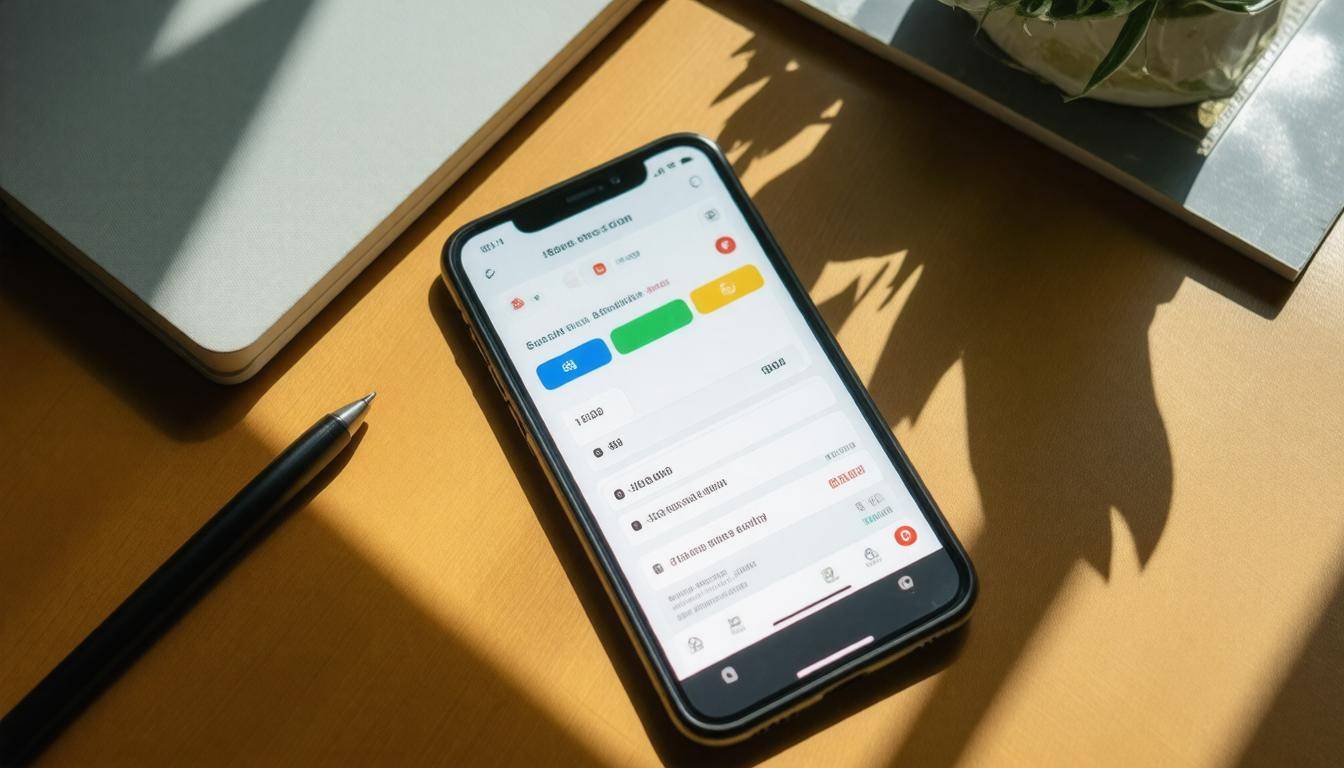
Security remains a paramount concern when using fintech solutions, especially during emergencies. The rise in online scams highlights the necessity for users to proactively protect themselves. One crucial element in this protection is encryption.
Multi-layered encryption protocols are essential to protecting user data and transaction information. Among encryption methods, AES-256 stands out as the gold standard due to its robust security framework. This type of encryption makes your data nearly impervious to breaches, ensuring that sensitive information remains confidential.
Services like Zelle exemplify how modern technology uses encryption effectively. They not only implement multiple encryption layers but also incorporate anti-fraud measures that monitor transactions in real-time, providing users with an extra layer of safety against potential threats.
However, encryption alone isn’t enough to ensure complete security; you need to enhance your defenses further.
This brings us to another critical aspect: Multi-Factor Authentication (MFA). MFA adds an extra line of defense by verifying a user’s identity through multiple steps before granting access to their accounts or authorizing transactions. Many popular services, including Google Wallet and Apple Pay, have embraced this approach by requiring biometric authentication—like fingerprints or facial recognition—making unauthorized access significantly more difficult.
According to a 2024 report from Cybersecurity Ventures, integrating MFA along with advanced encryption techniques could mitigate as much as 70% of financial fraud occurring during emergencies. This insight emphasizes the importance of using both methods in tandem to elevate security and protect individuals from hackers who constantly seek vulnerabilities in digital systems.
By adopting these secure practices, you’re not just safeguarding your financial data; you’re also contributing to a safer digital environment overall.
Consumers should be vigilant and proactive about their digital interactions—always seeking options that prioritize security features. Acts such as enabling transaction notifications on your smartphone can serve as immediate alerts for any unusual activity on your account. Beyond just feeling safe during emergencies or making a purchase, you’ll find yourself empowered by the knowledge that you’re taking significant steps towards protecting your financial well-being.
Embracing these protective measures paves the way for understanding the differences between various financial institutions and services available today.
Comparing Traditional Banks and Fintech
Traditional banks and fintech solutions appear on the surface as two sides of the same coin, but they behave quite differently, especially when it comes to handling urgent situations. While traditional banks have built a reputation for reliability over many years—think about your local bank’s reassuring presence—you might also notice a common lag in their response time during emergencies. Due to extensive bureaucratic structures, decisions can take time, and adapting to unexpected challenges isn’t always swift. This delay can hinder service delivery when you need access to funds or financial support most urgently.
On the flip side, fintech companies are known for their agility. These innovative firms often roll out new apps or tools at lightning speed, which is crucial in times of crisis. When a sudden need arises—such as a natural disaster or an unexpected medical expense—their ability to quickly provide financial solutions can make a substantial difference. For instance, while branches of traditional banks may close during floods or severe weather conditions, fintech companies ensure round-the-clock service through mobile applications, allowing users to transact from the safety of their homes.
It’s intriguing to compare how both types fare when we look at customer experiences during critical periods.
According to a 2024 KPMG survey, an impressive 62% of users reported finding digital banking services more dependable than traditional banks during the COVID-19 pandemic. This statistic shows that many people turned to digital solutions when they needed support the most, showcasing how convenience and accessibility took precedence amid public health restrictions. In other words, users weren’t merely looking for their routine banking needs; they desired assurances that they could manage their finances without relying on physical locations.
Yet, there is an equally compelling counterargument regarding security and oversight. Supporters of traditional banks argue that established institutions are subject to stringent regulatory frameworks designed to protect consumer interests. They assert that this level of oversight may not be present in fintech solutions, potentially leading to risks such as data breaches or mismanagement. Indeed, while many fintech firms strive for compliance rigorously, their fast-paced growth can sometimes outstrip regulatory measures designed to oversee financial activities adequately.
Recognizing these nuances provides valuable insights into making informed financial decisions during emergencies, highlighting the need for careful consideration when weighing options between different banking models.
Choosing the Right Service

Selecting the right alternative banking service during emergencies is critical, as this choice can mean the difference between smoothly accessing funds or facing unnecessary obstacles. It’s important to evaluate various factors to make an informed decision that suits your immediate needs and circumstances.
Assessing Reliability
To ensure you are utilizing a dependable service, look for those with a proven track record during crises. This includes reviewing customer testimonials and seeking companies that have consistently maintained service availability even under pressure. Take the time to investigate whether they provide robust customer support; having a responsive support team can bring peace of mind when navigating any issues that arise.
Checking for uptime guarantees and disaster recovery plans is essential, as services with these measures can reassure you of their reliability in unexpected situations.
In fact, many users expressed their satisfaction regarding services like TransferWise, citing its consistent performance during the 2020 global lockdowns as a positive example of reliability amid chaos.
Evaluating transaction fees is equally important, as they can greatly affect how much access to funds ultimately costs you.
Evaluating Costs
When comparing services, take a close look at transaction fees associated with each platform. These costs can seem small initially but can add up over time if overlooked. For instance, consider platforms like PayPal, which can charge higher fees for international transfers—understanding this upfront could save you significant amounts in the long run. On the other hand, alternatives like Revolut often provide competitive rates thanks to their innovative approaches and focus on providing value. Additionally, some services may have hidden costs buried in fine print, making it essential to read through all terms and conditions before committing.
Being well-informed about both reliability and costs allows you to choose a financial service that meets your immediate needs during emergencies while also providing ongoing support without draining your resources.
With a focus on these critical elements, we can now explore how to leverage different financial tools and strategies effectively in times of need.
Maximizing Financial Resources During Crises
Maximizing financial resources becomes crucial during emergencies, as every dollar counts and access to funds may be limited. An emergency fund is one of the most effective tools you can have in your financial toolkit.
This means having a stash of cash set aside in a liquid account where you can easily access it when needed. However, consider keeping a portion of these funds in a mobile wallet for quick transactions and accessibility, especially when traditional banking options may not be available.
The importance of this planning cannot be overstated; according to the Federal Reserve’s 2023 report, an alarming 40% of adults would struggle to cover a $400 emergency expense if it arose. Being prepared can make all the difference.
Once you’ve got that emergency fund established, it’s essential to prioritize your spending wisely when an emergency hits.
Prioritize Essential Payments
In any volatile situation, knowing what to pay first is key. Start by addressing essential payments: rent or mortgage payments, utility bills, groceries, and necessary medical supplies should top your list.
These are the pillars that stabilize your living conditions and overall well-being during challenging times. Additionally, keep up with minimum loan repayments to avoid penalties or additional fees that could worsen your financial situation.
When facing uncertainty, focus on what keeps a roof over your head and food on the table.
After stabilizing your immediate financial needs by prioritizing expenditures, it’s crucial to explore external means of support.
Utilize Government Aid Programs
Staying informed about government aid programs can provide vital assistance when you need it most. Many fintech platforms have been designed with this connectivity in mind, integrating seamlessly with government systems and expediting aid distribution during crises.
For instance, Paytm in India has been instrumental in facilitating quicker disbursements of various government benefits, ensuring families receive the support they require without unnecessary delays. Remaining proactive in applying for these programs can significantly ease financial strain during emergencies.
Alongside seeking external help, leveraging peer-to-peer payment systems can provide immediate relief.
The pivotal role of fintech services was evident during the 2021 Texas power crisis, where residents relied on Venmo for peer-to-peer payments for purchasing emergency supplies while waiting for state relief funds. This example showcases how modern technological solutions can bridge financial gaps and improve access to immediate necessities.
By using these platforms effectively, individuals can navigate through difficult periods with greater agility and support each other within their communities.
In summary, being prepared, prioritizing expenses, and utilizing available resources strategically greatly enhance your ability to weather challenging financial circumstances effectively.
There are many options available for accessing funds during emergencies that can empower individuals to overcome challenges more effectively.
How can I prepare my finances for potential banking disruptions in the future?
To prepare your finances for potential banking disruptions, consider diversifying your assets by keeping a portion in cash and investing in alternative options such as cryptocurrencies or precious metals. According to a 2021 study, approximately 70% of individuals experienced some form of banking disruption during the recent economic crises, emphasizing the importance of having backup funds. Additionally, establishing an emergency fund that covers at least three to six months’ worth of living expenses can provide added security and flexibility during uncertain times.
What types of alternative banking options are available during emergencies?
In emergencies, alternative banking options include mobile banking apps, peer-to-peer lending platforms, and community-based financial cooperatives. Mobile banking enables quick access to funds and financial services without the need for physical branches, crucial in times of crisis; statistics show that as of 2023, over 75% of adults used mobile banking at least once a month. Additionally, peer-to-peer lending offers immediate access to personal loans with fewer requirements than traditional banks, while credit unions can provide emergency loans often at lower interest rates than mainstream institutions, ensuring individuals have support when they need it most.
How do mobile banking apps enhance access to funds during crises?
Mobile banking apps significantly enhance access to funds during crises by providing users with real-time account information, enabling quick transactions, and facilitating remote deposits without the need for physical bank visits. During critical situations, such as natural disasters, studies have shown that up to 70% of consumers rely on mobile banking services to manage their finances effectively. These apps often include features like money transfer services and bill payments, allowing users immediate access and control over their funds from anywhere, which is crucial when traditional banking infrastructure may be compromised.
Are there any specific features to look for in alternative banking solutions for emergencies?
When considering alternative banking solutions for emergencies, look for features such as 24/7 access, mobile compatibility, and low or no fees for transactions. In times of crisis, immediate access to funds is crucial; therefore, platforms that offer quick setup and user-friendly interfaces can make a significant difference. A survey revealed that 70% of individuals prefer digital banking options during emergencies due to their convenience and speed, underscoring the necessity of adaptable financial tools in urgent situations.
What role do government relief programs play in providing financial assistance during emergencies?
Government relief programs play a critical role in providing financial assistance during emergencies by offering immediate resources to individuals and businesses impacted by crises. These programs, such as unemployment benefits and disaster relief funds, can help stabilize economies and support recovery efforts. For instance, during the COVID-19 pandemic, government aid in the U.S. accounted for approximately 11% of the GDP, demonstrating its significant impact on mitigating the financial fallout for millions of Americans. Such timely interventions are crucial in ensuring that individuals have access to necessary funds when traditional banking systems may be overwhelmed or inaccessible.