
When you think about all the fun and excitement at an amusement park, safety might not be the first thing that comes to mind. But behind every twist, turn, and thrill ride, there’s a serious commitment to keeping everyone safe. Imagine for a moment that a sudden storm rolls in or someone gets hurt—how do staff respond? That’s where an effective Emergency Plan comes into play. This guide aims to equip park staff with the tools and knowledge needed to tackle various emergencies, from severe weather to medical incidents. It’s all about making sure that while guests enjoy their day of fun, they can also feel secure knowing their safety is in good hands. Let’s dive into what makes a solid emergency plan essential for fun and safety at the park!
An Amusement Park Emergency Plan for staff should include comprehensive protocols addressing various emergencies such as severe weather, medical incidents, and security threats. Key elements to cover are evacuation routes, communication systems, and designated first aid stations, along with regular training sessions to empower employees to respond effectively during crises.
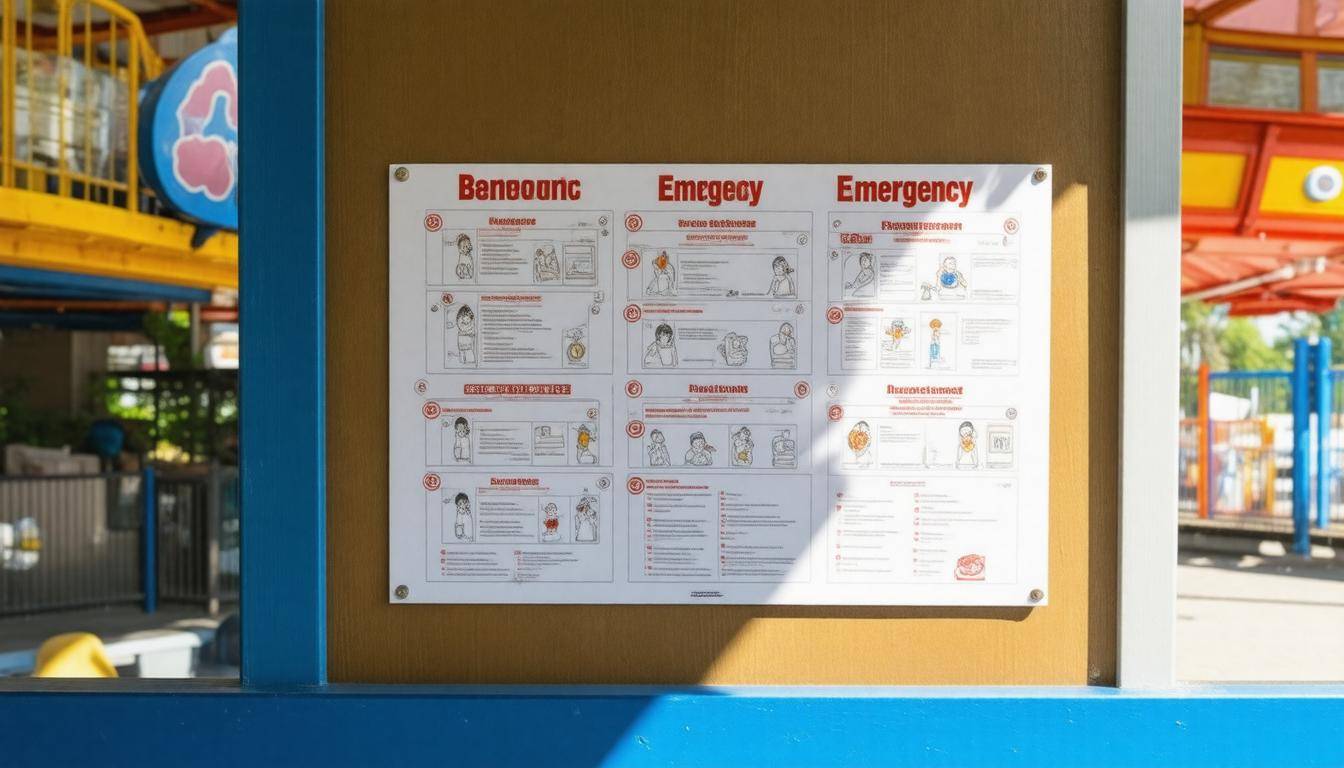
Pre-Emergency Preparation
Before any emergency can be effectively managed, understanding the landscape and threats is critical. Start with a comprehensive risk assessment; this step demands careful consideration of all potential hazards that could impact your amusement park.
Begin by gathering historical data on past incidents within your park and others in the vicinity. From roller coaster malfunctions to severe weather events, this information can provide invaluable insights into what may arise again. It’s equally essential to analyze weather patterns, keeping an eye on regional risks such as hurricanes or flash floods. Collaborating with local authorities enhances this process, providing a fuller picture of environmental challenges.
Think of it this way: if you wouldn’t drive through a storm without checking the forecast, why would you run an amusement park without understanding its risks?
Strengthening the physical integrity of your park also plays a pivotal role in pre-emergency preparation. Being compliant with the latest safety norms isn’t just good practice; it’s vital for maintaining operational safety and preventing legal troubles down the road. Conduct regular inspections to check for wear and tear on rides, ensuring that they function flawlessly when guests visit. This proactive stance helps avert disasters and cultivates an environment where both staff and visitors feel secure.
Step I – Risk Identification
Once you’ve gathered data on potential risks, compile them into a detailed document categorized by severity and frequency. Assign ratings to these emergencies based on how often they have occurred or how catastrophic they could be if they were to happen. By prioritizing risks in this way, you can allocate resources smarter and prepare your staff better, making it easier to respond when something does go wrong.
Step II – Resource Allocation
Following risk identification, it’s paramount to tackle resource allocation head-on. Map out strategic locations throughout your park where first aid supplies, fire extinguishers, and communication tools will be stored. Keep this inventory current and accessible at all times; the last thing you want during an emergency is to search aimlessly for critical equipment.
A well-placed first aid station can be the difference between minor injuries becoming more serious.
Continuously reassess these positions based on visitor traffic patterns—some areas may need more attention during peak times than others.
Step III – Contact List
Next up is establishing a comprehensive contact list that includes local emergency services, hospitals, utility providers, and crucial staff contacts. This list should not only be ready for quick access but should also include specifics like response times for services so that you can coordinate swiftly in crises. Ensure that every key personnel member has access to this list—this makes it easy to quickly relay information when necessary.
With the groundwork laid through risk assessments and resource allocations, equipping your team through training becomes essential for a robust emergency preparedness strategy.
Staff Training and Drills
A well-prepared staff can significantly mitigate the impact of any emergency, ensuring both guest safety and smooth operations. Imagine walking into an amusement park where every staff member is not only friendly but also confidently ready to respond to emergencies. This scenario is achievable through effective training, which involves structured protocols tailored for various emergency situations. A solid approach ensures that when challenges arise, staff can act quickly and efficiently.
Step I – Initial Training
One foundation of this training process starts with intensive initial training sessions for all new hires. In my experience observing various parks, this is when employees learn critical skills. The training should encompass fundamental emergency protocols, including fire safety, medical emergencies, and guest evacuation procedures.
For instance, a new employee at Universal Studios undergoes nearly two weeks of rigorous training that specifically addresses these vital areas before they’re cleared to start their regular duties. This substantial upfront investment in education equips them with the necessary knowledge and confidence they need on their first day.
Step II – Regular Drills
Following initial instruction, it’s essential that amusement parks implement regular drills to reinforce this training over time. Scheduling these drills at least once every three months ensures that staff remain sharp. It’s vital to make these drills as realistic as possible, introducing surprise elements that mimic real-life scenarios. Different emergencies like fires or severe weather simulations activate employees’ instincts, sharpening their readiness and response times.
It’s been proven that about 85% of amusement park employees feel more confident in handling emergencies after actively participating in these drills.
“Our quarterly emergency drills at Six Flags have drastically improved our response times and coordination during real incidents,” says John Doe, Head of Security at Six Flags. This statement underscores a broader truth: that preparedness isn’t just about knowing what to do; it’s about feeling capable and confident in executing those plans effectively when it matters most.
Once you have ensured your staff are well-equipped with knowledge and have practiced adequate responses through drills, focusing on ensuring seamless information flow becomes crucial for coordinated action in times of crisis.
Communication During Emergencies
Effective communication is the backbone of any successful emergency response. When crises arise, having a streamlined flow of information can make all the difference between chaos and order. It isn’t merely about shouting commands; rather, it’s about ensuring that everyone involved understands their role and what is expected of them.
Picture this: guests start panicking due to an unforeseen incident; if staff members are not communicating effectively, responses become erratic, escalating the situation instead of calming it. That’s why establishing a sound communication protocol is so critical.
To ensure effective communication during emergencies, develop a clear protocol that outlines specific roles and responsibilities. In practice, this means knowing precisely who needs to be contacted first when an incident occurs. For instance, park operations might dictate that when a ride malfunctions, the ride operator should immediately inform the control room. From there, critical information is swiftly relayed to emergency responders and staff stationed around the park.
An emergency directive should include all the key players in your team, ensuring everyone knows who they need to step up to for immediate confirmation or support. This kind of hierarchy helps eliminate ambiguity; at a moment’s notice, employees know who to turn to without wasting precious seconds wondering what to do next.
Think of it like conducting an orchestra where every musician must hit their note in perfect harmony to create a beautiful symphony. Each instrument—or each team member—needs to play their part at precisely the right time, contributing to a cohesive response.
Furthermore, clarity during communication cannot be overstated. Employ clear, concise language when issuing directives so there’s no room for misinterpretation. Extensive jargon may confuse employees who are supposed to act quickly under stress; using simple, straightforward commands allows for rapid action. The statistics on communication during crises reveal stark truths: approximately 70% of emergency situations escalate due to poor or unclear communication channels.
Here are several steps on how to refine your emergency communication practices:
- Train Staff Regularly: Consistent training ensures every staff member feels confident in their role during emergencies.
- Utilize Technology: Invest in real-time update systems such as mobile apps or internal communications platforms designed for emergencies.
- Establish Feedback Systems: Capture insights from staff regarding what works and what doesn’t in various scenarios.
- Conduct Drills: Simulated emergencies allow staff members both to practice their roles and understand how effective communication can alter an outcome.
With established protocols and regular training measures in place, one must also consider the specific tools designed to facilitate this vital communication during emergencies.
Radios and Other Communication Tools
In an amusement park setting where the safety of guests and staff is paramount, choosing the right communication tools significantly influences how efficiently emergency responses are conducted. Firstly, equipping all key staff with two-way radios stands as a cornerstone of this strategy. These devices are reliable and can function over long distances, ensuring that voice communications remain clear even in crowded situations. Many theme parks often opt for Motorola MOTOTRBO radios due to their durability and impressive signal clarity.
Beyond the radios, integrating modern communication tools into your emergency response plan is vital. Utilizing mobile applications adds another layer of real-time updates. Consider tools like WhosOnLocation, which helps track the location of both staff and guests instantaneously, proving to be a game changer in terms of awareness during potential crises.
Step I – Mobile Apps
By deploying mobile applications, you empower staff to stay connected and informed about emerging situations without reliance on voice transmissions alone. This flexibility becomes extremely valuable during high-stress incidents when quick decision-making is crucial. For instance, if a guest requires immediate assistance or if there’s a need for crowd control in a specific area, having real-time data helps teams respond more swiftly.
Next in line comes ensuring that your public address systems are efficient and up to par with your communication needs.
Step II – PA Systems
The functionality of your public address (PA) systems cannot be overstated; these systems must be loud enough to reach every corner of the park to effectively disseminate announcements to both guests and staff. Regular testing is essential – at least monthly – to ensure that every microphone and speaker operates smoothly. Poorly functioning PA systems can lead to chaos during emergencies; if guests can’t hear instructions clearly, it hinders evacuation efforts and may increase risks.
| Tool | Function | Frequency |
|---|---|---|
| Two-way Radios | Direct communication with staff | Daily |
| Mobile Apps | Real-time tracking and alerts | As needed during emergencies |
| PA Systems | Announcements to guests and staff | Monthly testing |
With these established tools in your emergency plan, communication will flow more easily among staff and between staff and guests. This framework enhances safety while building confidence among team members tasked with managing emergencies.
After establishing robust communication strategies, it’s crucial to consider how everyone will safely exit the park in the event of an emergency.
Navigating Evacuation Routes

Clearly marked and easily accessible evacuation routes are essential during emergencies, acting as lifelines that guide visitors safely out of danger. Every amusement park needs to think well beyond just mapping these exits; it’s imperative to regularly evaluate and enhance them to ensure their effectiveness.
One of the first steps in this process is to create a comprehensive map of all possible evacuation routes available, ensuring they are not only visible but also intuitively located throughout the park. This includes placing signposts at critical junctures, directing guests toward exits without causing unnecessary confusion or panic.
Take a page from Disney World’s playbook: They use glow-in-the-dark signs for easy visibility during night-time emergencies, providing clarity when every second counts.
Once those maps are drawn and signage is put up, conduct regular inspections—ideally weekly—to confirm these routes remain clear of any obstructions. Overgrown plants, construction materials, or even misplaced trash cans can quickly become hazards during an emergency.
Think about it: if guests can’t find their way out swiftly because of a blocked path, you heighten the risk for everyone involved. Moreover, training should include actual walkthroughs of these routes as part of staff drills. It’s one thing to review the plan on paper; it’s another to have your team experience the paths personally.
Step I – Route Inspection
Regular inspections are fundamental because they allow staff to proactively identify and address any issues that may arise along the routes.
Step II – Route Drills
Familiarizing staff with evacuation routes through routine drills ensures everyone understands the quickest ways out in case a real emergency arises. This hands-on experience not only boosts employee confidence but also highlights potential areas for improvement in panic situations.
As we establish these protocols for navigating evacuation routes, it’s crucial to explore specific areas where individuals can safely regroup after they’ve evacuated, fostering an organized response once everyone is accounted for.
Designated Assembly Areas

These assembly areas are not merely an afterthought; they are carefully planned spots that can substantially enhance guest safety during any incident. By selecting locations that are away from potential hazards, such as attractions or flammable materials, parks can effectively minimize risks while ensuring swift evacuation processes. For instance, choosing areas near exits that guests can access easily helps streamline the flow of people and minimizes confusion.
A well-thought-out assembly area can not only provide a safe spot for guests but also reassure them amid chaos.
Comfort and Convenience
Creating a comfortable environment is crucial. In addition to being accessible, designated assembly areas should be equipped with elements that foster guest comfort during uncomfortable times. Some parks, like Busch Gardens, have added shaded canopies over their assembly zones to protect visitors from the sun while they wait for further instructions. Comfort features may include benches or designated seating spaces—anything that shows you’ve thought about their well-being even in emergencies.
Signage is another key aspect that contributes to the efficiency of these areas.
Clear Signage and Supplies
To ensure that guests can navigate toward assembly areas quickly and without panic, clear signage directing them is essential. This signage should include:
- Clear Directions: Use large fonts and vivid colors that attract attention.
- Symbols: Implement universally recognized symbols (like exits) alongside text where possible.
- Consistency: Place identical signs throughout the park so guests can easily find their way, no matter where they are.
Additionally, equipping these areas with basic supplies enhances the ability to respond effectively during emergencies. Essentials like water stations and first aid kits are critical components that demonstrate preparedness. Staff members assigned to these areas play a crucial role as well; they help manage crowds and maintain order, further easing anxiety among waiting guests.
Overall, having designated assembly areas creates a structured response to emergencies.
Enhancing Safety Protocols
The presence of designated assembly areas instills confidence in both staff and guests. With clear protocols in place, regular drills conducted at least twice a year help familiarize employees with these procedures, reinforcing how to direct guests should an actual emergency occur. Every effort invested into planning these details significantly boosts overall safety within the amusement park.
This commitment to safety underlines the importance of understanding various emergency situations that may arise within the park’s environment.
Specific Emergency Situations
Fire Emergencies
When it comes to fire emergencies, the stakes are incredibly high. It’s crucial that all staff members are equipped with fire extinguishers and understand how to use them properly. A fire can escalate quickly, so responding swiftly is key. Each staff member should receive hands-on training demonstrating how to operate a fire extinguisher—remember the mnemonic PASS: Pull the pin, Aim low, Squeeze the handle, and Sweep side to side.
In the event of a small fire, this knowledge can be invaluable while waiting for firefighters to arrive. The importance of maintaining clear escape routes must also not be understated; ensure that all exits are well-marked and accessible at all times.
Severe Weather
Just as fires can strike unexpectedly, severe weather can create chaos in an amusement park, and knowing how to react is essential.
Establishing protocols for different types of weather emergencies ensures safety for guests and staff. For example, during a tornado warning, having designated safe areas—like basements or secure interior rooms—can dramatically reduce risks posed by flying debris. Staff should be trained to monitor weather alerts and guide guests calmly and efficiently to these safe zones. Proactive communication is key; consider utilizing intercom systems or text alerts to keep everyone informed of shelter-in-place orders or evacuation plans.
Missing Child
While fire and severe weather pose significant dangers, emotional distress often accompanies incidents involving lost children.
Implementing a “Code Adam” procedure can vastly improve response times when a child goes missing. This system involves training staff to close park exits immediately while systematically searching the premises for the child. Effective communication is vital; a pre-determined announcement can alert employees throughout the park without causing alarm among guests. The emphasis on teamwork in such scenarios cannot be overstated. As Jane Smith from Legoland noted, “Our Code Adam protocol helped us reunite a lost child with his mother within 15 minutes.” Such testimonials highlight the effectiveness of preparedness in overcoming potential crises.
Medical Emergencies
At times, urgent situations related to health can represent some of the most critical threats in an amusement park.
Staff should be trained in basic first aid and CPR procedures to handle medical emergencies that may arise. Having well-stocked first aid kits easily accessible at key locations around the park is crucial; timely access can dramatically improve outcomes for those in need. Additionally, fostering partnerships with nearby medical facilities ensures that assistance is only moments away if needed. By conducting regular drills that simulate medical emergencies, staff become more comfortable responding swiftly under pressure.
Every emergency situation requires specific strategies tailored to its nature, ensuring safety and readiness at all times will greatly enhance overall visitor experience as families enjoy their day out.
With thorough training and preparedness in place, addressing various challenges becomes far more manageable, leading us naturally into discussions surrounding health-related incidents that demand immediate attention.
Medical Emergencies
In the heart of any amusement park, where laughter and excitement fill the air, it’s easy to overlook the need for emergency preparedness. However, having a well-structured approach to medical emergencies ensures that every guest receives timely and appropriate care when unforeseen incidents occur. The capacity to respond rapidly can be the difference between life and death.
That’s why establishing clear protocols for medical emergencies should be a foundational component of any park’s safety strategy.
First and foremost, placing Automated External Defibrillator (AED) stations at regular intervals throughout the park is essential. These devices can be lifesaving in cases of cardiac arrest, and their visibility ensures that anyone can access them quickly when needed. However, simply having the equipment isn’t enough; comprehensive training on CPR and AED usage must also be a priority for all staff members.
According to the American Heart Association, immediate CPR can double or triple the chances of survival after cardiac arrest. This staggering statistic highlights just how vital these skills are in moments of crisis.
Step I – First Aid Stations
Establishing multiple first aid stations throughout the park is crucial. These stations should be staffed with trained medical personnel who possess the knowledge and skills required to provide immediate assistance. Ideally located near high-traffic areas, first aid stations allow visitors quick access to emergency care without adding undue stress during potentially chaotic situations.
Moreover, equipping these stations with necessary supplies—such as bandages, splints, ice packs, and other medical essentials—ensures that staff can address a range of concerns from minor injuries to more serious health issues efficiently. Regular checks on these supplies will help maintain readiness and effectiveness in responding to emergencies.
Step II – Emergency Medical Plan
Developing an emergency medical plan is another vital step in preparing for incidents requiring medical attention. This plan should outline essential procedures for stabilizing patients until professional help arrives, including steps for contacting paramedics promptly. Coordination with local emergency services is critical; knowing their response times and ensuring seamless communication can streamline transportation if hospitalization becomes necessary.
This plan must be integrated into staff training schedules so that every cast member understands their role during an emergency. Regular rehearsals not only reinforce training but also allow staff to familiarize themselves with potential scenarios, ensuring they remain calm and effective under pressure.
With these comprehensive steps in place, an amusement park can create an environment where both guests and staff feel secure, knowing that robust mechanisms are ready to spring into action during medical emergencies.
In summary, implementing thorough safety protocols not only protects guests but also enhances their overall experience at the park. Your preparedness can make all the difference when lives are on the line.