
In the stunning yet unpredictable landscapes of the Andes, a hidden danger lurks beneath the beauty: landslides. These natural disasters can happen without warning, creating significant risks for both locals and adventurous travelers. It’s crucial to prepare and understand how to stay safe while enjoying this incredible region. The Andes Region Landslide Protection Kit steps in as your essential companion in navigating these risks, offering vital tools and knowledge to keep you secure. With features like a Landslide Susceptibility Model, this kit not only helps you identify high-risk areas but also emphasizes the importance of conservation efforts to protect both people and nature. As we dive deeper into what this kit entails, you’ll discover how to better equip yourself for the journey ahead.
The Andes Region Landslide Protection Kit is essential safety equipment designed to address the risks associated with landslides, particularly in the vulnerable Central Andes of Colombia. It incorporates a Landslide Susceptibility Model to identify high-risk areas for restoration, prioritizing conservation efforts crucial for protecting biodiversity and enhancing ecosystem stability in these biodiverse regions.
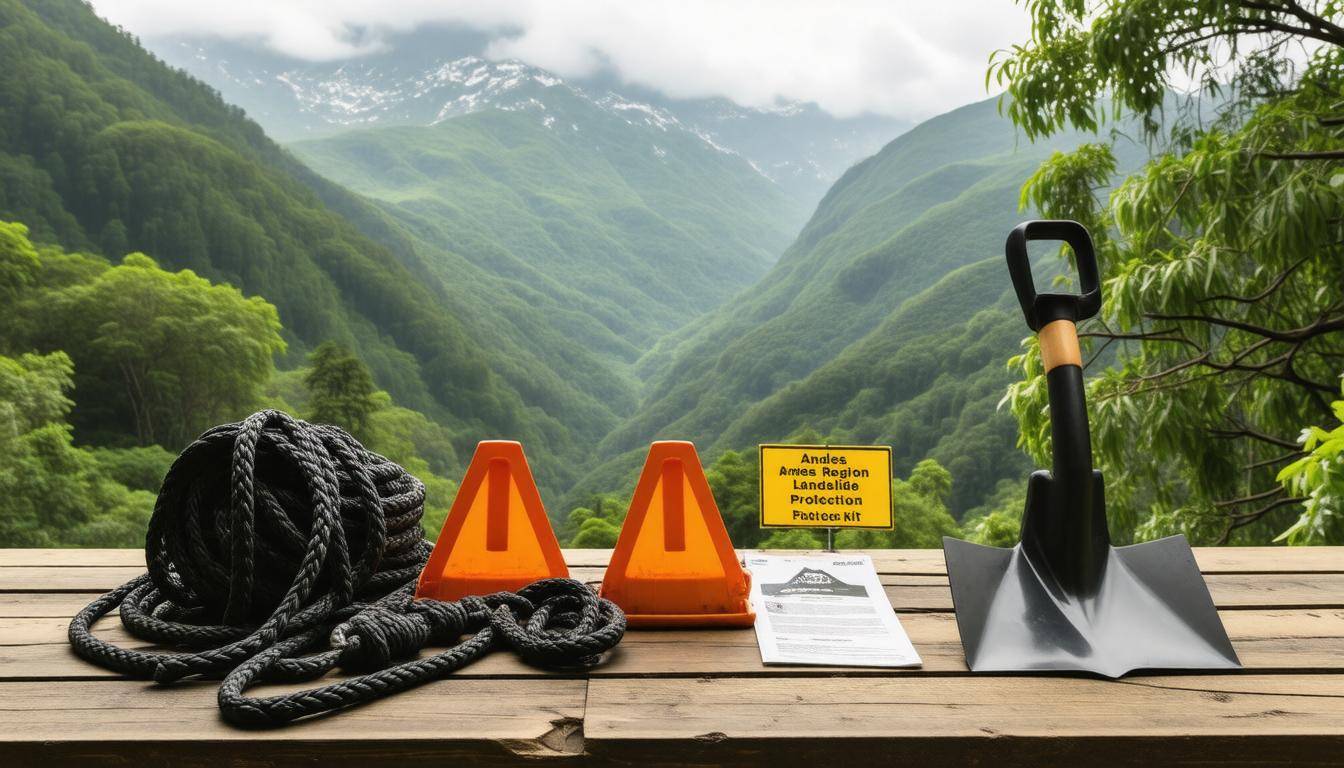
About the Andes Region Landslide Protection Kit
The Andes Region Landslide Protection Kit is not just a random assortment of gear; it’s a carefully curated collection of essential items designed to keep you safe in one of the most remarkable yet hazardous ecosystems on Earth. As travelers navigate this biodiverse region, especially around cities like Manizales, the kit becomes a lifeline against natural threats posed by landslides.
At the heart of this protective measure is the Landslide Susceptibility Model. Imagine having a system that uses specific environmental variables—like slope, forest cover, and proximity to streams—to assess risk levels in real-time. This model is crucial because it informs you where landslides are likely to occur and empowers both residents and travelers to make proactive choices about where to journey and how to prepare.
Key Kit Components
| Component | Description |
|---|---|
| Landslide Susceptibility Model | Utilizes variables such as slope, forest cover, and stream proximity to predict landslide risk. |
| Restoration Areas | Specifies high-priority restoration zones like 1.54 km² in the Rio Blanco Reserve and 886 km² across the Central Andes. |
| Conservation Priorities | Focuses on areas with high endemic bird diversity crucial for landslide risk mitigation. |
| Emergency Supplies | Includes food supplies, water purification tablets, satellite phones, and GPS devices for communication and navigation. |
Identifying restoration areas is a significant aspect of this kit. For example, prioritizing 1.54 km² within the Rio Blanco Reserve emphasizes our responsibility towards ecological balance. In total, the kit indicates nearly 886 km² across the Central Andes that require urgent attention. Such focused efforts enhance resilience against both ecological degradation and landslide risks.
The concept of conservation priorities cannot be ignored when discussing the safety benefits provided by this kit either. It’s fascinating how these conservation strategies converge with landslide mitigation efforts, specifically focusing on regions rich in endemic bird diversity. By safeguarding these species and their habitats, we fortify our defense against erosion and destabilization caused by landslides.
Moving beyond individual components, we must also explore how these protections translate into effective strategies for anticipating and managing potential hazards.
Assessing Landslide Hazards
Identifying potential landslide threats involves digging into the details of both terrain and weather patterns. Understanding the geographical features of an area helps assess its susceptibility to landslides. For instance, regions with steep slopes, often exceeding 30 degrees, are significantly more prone to landslides. When you combine this topography with heavy rainfall during the rainy season from December to April, the danger increases dramatically. Research indicates a staggering 70% of landslides occurring in this area can be attributed to heavy rain, showing just how important it is for travelers and residents alike to be aware of weather forecasts.
Human activities exacerbate this risk further. Deforestation accounts for about 20% of landslide triggers, removing crucial vegetation that would otherwise stabilize the soil. This means assessing an area’s landslide hazards requires consideration of both natural weather conditions and land usage practices. For those living or traveling in vulnerable areas, being mindful of how roads intersect with deforested landscapes can make a significant difference.
Rapid changes in soil moisture content are key indicators of potential landslide events. A threshold of 25% saturation in soil can set off these natural disasters, demonstrating the importance of ongoing monitoring.
Recognizing these factors provides a clearer understanding of when and where risks may arise. Monitoring the percentage of landslide susceptibility offers valuable insights, not just for precautionary measures but also for developing informed restoration efforts based on findings such as those demonstrated within Article 111 of Law 99 of 1993, which mandates governmental investment in conservation initiatives.
With a comprehensive assessment in place that considers rainfall patterns, slope angles, and human influences on the environment, you will possess a better grasp of what makes an area vulnerable to landslides. The next step focuses on preparing adequately for those threats; having the right equipment at hand is essential as it can be a lifesaving measure.
Emphasizing preparedness leads us naturally to explore the necessary tools and supplies that can enhance safety and effectiveness in hazardous environments.
Essential Equipment and Materials
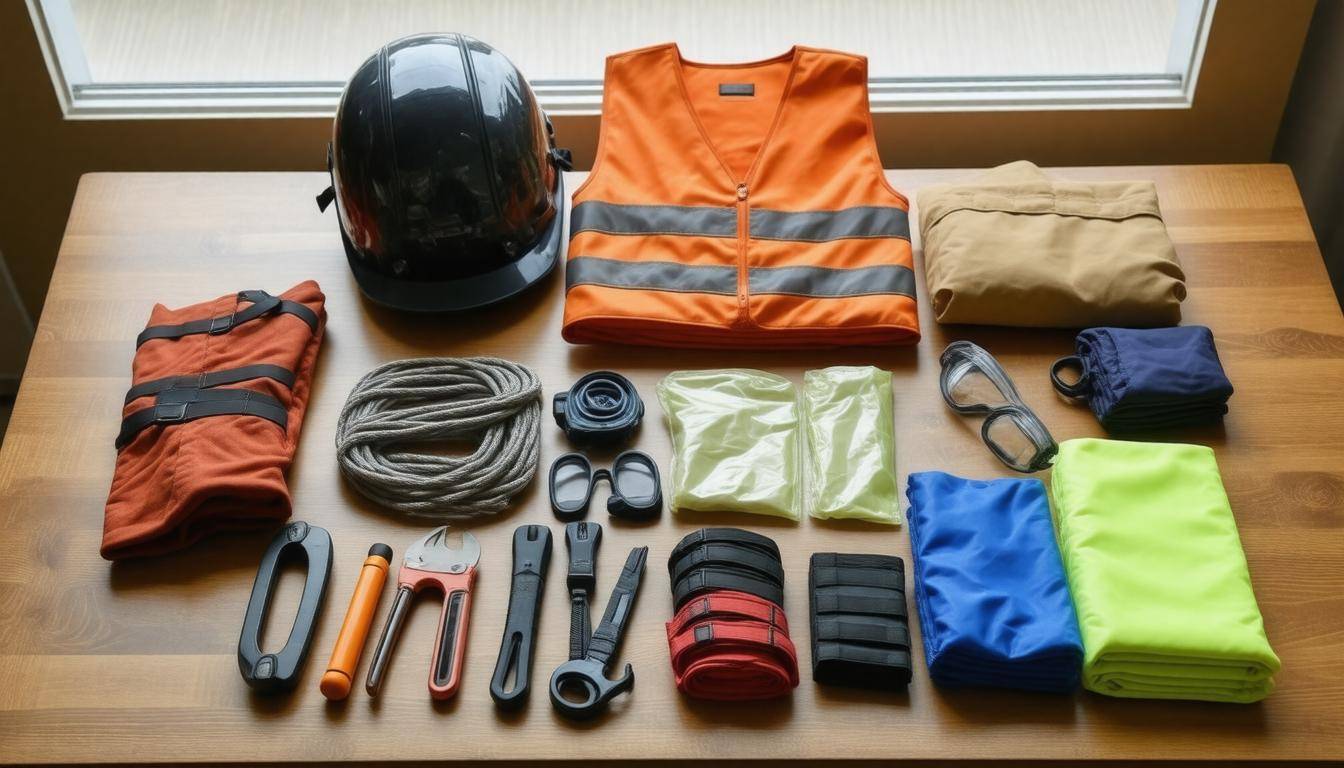
When preparing a landslide protection kit, your equipment and materials should not only be present but also thoughtfully chosen for functionality and resilience. The core items serve as the backbone of your safety strategy—each one addressing immediate needs while supporting longer-term recovery efforts.
For instance, including Emergency Food Supplies is crucial; non-perishable items like energy bars, dried fruit, and canned goods ensure that individuals have access to nutrition during emergencies when normal supplies may be cut off. It’s vital to have sustenance readily available amid a crisis.
Next, Water Purification Systems become vital lifelines during emergencies. Contaminated water can cause illness quickly, making it imperative to have tablets or portable purification devices on hand. A quick tip is to invest in several filtration options since some methods work better under different conditions; compact filters often remove pathogens without adding significant weight to your backpack.
Now think about the unpredictable nature of emergencies.
In the frantic moments after a landslide, First Aid Kits are invaluable. A comprehensive kit should include more than just bandages; stock it with antiseptics, burn ointments, and whatever medications are necessary for chronic issues. Make it personal—if someone in your household relies on specific prescriptions, ensure those are included as well to avoid being caught off-guard while tending to an injury.
While navigating uncertain terrain post-landslide, Portable GPS Devices help ensure you won’t lose your way. Familiarity with your environment—and having accurate navigation tools—could save lives. Even a simple backup solution like printed maps enhances reliability in areas with limited signal coverage.
Communication plays a pivotal role in ensuring safety amidst chaos.
This brings us to Communication Tools, such as satellite phones or two-way radios. In landscapes blocked by landslides, standard cell networks may fail. Satellite phones are critical for reaching emergency services when help is paramount yet distant. Consider investing in communication plans that offer pre-paid texts or check-in systems for loved ones during extended periods away from home or during disasters.
Finally, Basic Construction Tools complete your essential pack by providing the means to act decisively when situations arise. Items like shovels for clearing debris and picks for breaking through obstructed paths empower individuals to reclaim safe spaces after disruptions caused by nature. Ropes serve dual purposes—both for securing unstable areas and assisting in rescue efforts or evacuations.
Bringing all these elements together creates a cohesive approach toward safety and resilience in an unpredictable environment, setting the stage for understanding strategies that enhance structural integrity against future threats.
Effective Construction Techniques
Utilizing efficient construction techniques plays a pivotal role in lowering the potential for landslides, especially in geologically fragile areas like the Andes region. A solid foundation and correctly placed structures can make a dramatic difference in how resilient a hill or slope becomes when faced with heavy rains or seismic activity. The two standout approaches—retaining walls and terracing—are not just about immediate safety; they reflect a mindset focused on safeguarding communities.
Retaining Walls:
Building retaining walls with interlocking concrete blocks is one of the most straightforward methods to provide stabilization to slopes at risk of landslides. These walls act as barriers that hold back the earth, preventing soil movement by employing the sheer weight of the wall itself alongside proper drainage systems designed to redirect water away from the structure.
When constructing a retaining wall, attention must be paid to soil conditions, anticipated load, and drainage provisions, which can drastically influence effectiveness. Failure to address these aspects can lead to insufficient support, potentially resulting in wall failure. Moreover, it’s beneficial to include plants around the wall; their root systems can stabilize the soil while enhancing aesthetic value. In essence, you’re creating a more balanced ecosystem while reinforcing physical structures.
Terracing:
Another vital technique is terracing, where horizontal steps or platforms are cut into a slope. This planned leveling reduces the steepness of hillsides and significantly lowers surface runoff during rainfall, enabling water to seep into the ground rather than splash down—and wash away soil with it. Additionally, terraces encourage the growth of vegetation that holds soil in place with roots that aim deep into the earth.
Imagine walking through terraced fields filled with rich crops: you’re witnessing a system that works on multiple levels! Not only does this construction support crop production, thus benefiting local agriculture; it significantly improves land stability against erosion and landslides. Proper maintenance is key—all terraces must be checked regularly, ensuring they remain functional and do not get overrun by invasive plant species that may weaken them.
As we focus on building resilience against natural disasters, understanding how to enhance land stability will be crucial for communities living in vulnerable zones.
Improving Slope Stability
To truly enhance slope stability in the Andes region, it’s essential to recognize how both structural and non-structural methods can work together. Structural approaches, like earth retention systems, require an upfront investment in rigorous engineering but promise durability over time. For instance, retaining walls made from materials like concrete or steel can effectively hold back soil and prevent landslides with proper design and construction. While these methods are undeniably beneficial, they often come with significant costs and necessary maintenance checks that ensure their continued effectiveness.
On the other hand, non-structural methods might evoke a sense of simplicity, yet their ecological benefits cannot be overlooked. Incorporating vegetation is one of the most effective ways to stabilize slopes naturally. Plant roots bind soil particles together, allowing for improved cohesion and reduced erosion. Moreover, plants act as a natural barrier against surface water runoff, which can otherwise lead to saturation—a key factor in triggering landslides. Not only do these green soldiers contribute to slope stability, but they also support local biodiversity and enhance the natural beauty of the landscape.
Soil Nailing
When we explore specific techniques, soil nailing stands out as an innovative and efficient way to address slope instability. This process involves inserting steel bars into the slope at various angles and lengths. By binding soil layers together, it creates a reinforced mass that resists movement. The visual impact of soil nailing might not be immediately appealing, with exposed reinforcements visible on the surface; however, its strength lies in its ability to tackle complex geological conditions without invasive excavations.
Implementing this method necessitates thorough analysis beforehand. A geotechnical assessment is crucial to determine the optimal placement of nails and the required length based on soil conditions. One should think of it as crafting a puzzle—only by fitting pieces together precisely can we achieve the desired overall stability.
Geogrid Reinforcement
Another powerful tool in our arsenal is geogrid reinforcement. Geogrids—made from high-strength polymer materials—are typically placed horizontally within soil layers or at certain angles during construction projects. They provide lateral confinement that significantly enhances the embankment’s structural integrity and reduces deformation under load. Imagine a skeleton holding up a form; alongside helping prevent soil failure, geogrids can also alleviate pressure on other structures nearby.
Proper installation of geogrids requires careful planning, particularly regarding layering techniques and connections between grids. Monitoring changes in terrain conditions after application is essential; adjustments may need to be made based on environmental factors such as heavy rainfall or earthquakes.
Taking proactive measures by combining modern technology with nature’s solutions not only fortifies landscapes but also prepares us for discussing practical implementations that further enhance stability and sustainability in vulnerable regions.
Implementing Vegetation and Drainage
Implementing vegetation alongside proper drainage is not just an environmental practice; it’s a lifeline for sustainable land management, especially in slope-prone areas like the Andes. By introducing deep-rooted native plants into our landscapes, we are creating a natural barrier against erosion and instability. These plants, such as the hardy Polylepis, possess roots that stretch deep into the soil. Their roots intertwine and bind loose earth together, effectively fortifying the slope against potential landslides.
Deep-rooted plants absorb excess moisture from the soil, mitigating one of the primary triggers for landslides—water accumulation. Imagine a sponge soaking up water; these plants serve a similar purpose, drawing out moisture that would otherwise saturate the soil to dangerous levels.
Moreover, incorporating effective drainage solutions complements the efforts of these native plant species by enhancing their effectiveness dramatically.
Drainage
Constructing proper drainage channels is critical in preventing water accumulation on slopes that could lead to catastrophic landslides. Without functional drainage systems, even average rainfall can over-saturate soil and destabilize it. Through trenches, culverts, and subsurface drainage systems, water can be redirected safely away from vulnerable slopes, preserving both landscape integrity and community safety.
For example, trenches capture surface runoff and channel it away from steep inclines. Similarly, culverts allow water to travel under pathways or roads without disrupting ground stability above them. Subsurface drainage systems work silently beneath the surface to collect and redistribute latent moisture from saturated soils, maintaining an ideal moisture level that balances plant health without risking landslide incidents.
The methods chosen depend on specific site conditions—slope gradient, soil type, and existing vegetation—requiring careful assessment before implementation. This interface between vegetation and drainage represents a harmonious relationship between human intervention and nature’s resilience. Engaging with local communities on best practices regarding vegetation protection ensures long-term sustainability.
Emphasis must be placed on using locally-adapted plants like Polylepis, which not only bind soil but also thrive in regions where they are needed most.
Each step taken towards implementing vegetation and drainage solutions fortifies landscapes against geological hazards. By creating a protective tapestry of deep-rooted vegetation paired with intelligent drainage strategies, we pave the way for sustainable agricultural practices while safeguarding our communities from nature’s unpredictable whims.
As we continue to navigate through various strategies in disaster preparedness, recognizing the importance of collaborative efforts within communities becomes essential for robust protection against natural calamities.
Safety Protocols for Protection
Safety protocols play a pivotal role in ensuring both human and ecological safety in regions susceptible to landslides. First and foremost, it is vital to establish clear and well-practiced evacuation plans. These plans must prioritize quick and organized retreats when signs of an imminent landslide are detected.
An effective evacuation strategy includes designating escape routes, creating assembly points, and setting up local checkpoints where community members can gather safely. It’s not just about having a plan on paper; regular drills can ensure that everyone knows their role and acts swiftly.
Having reliable communication methods is equally critical. In a crisis, traditional communication lines—like cell phones—may fail due to network overload. Thus, utilizing satellite phones and GPS devices will enable smooth execution of evacuation procedures, allowing residents to stay informed and connected throughout the emergency.
Community Training
Another cornerstone of effective safety protocols is community training. Regular training sessions focused on recognizing early warning signs, such as abnormal water flow or unusual sounds from the hillside, equip community members with valuable skills that can save lives. Engaging local experts who understand specific geographic indicators allows residents to enhance their awareness and response capabilities significantly.
Additionally, training should encompass executing emergency procedures calmly and efficiently. Practice helps reduce panic during real emergencies by instilling a sense of familiarity with the steps to take when a landslide threatens. Furthermore, these sessions serve as a platform for sharing local knowledge—a resource often undervalued—that can provide insights into unique risks associated with specific areas in the Andes.
As essential as these immediate responses are, they pave the way for more strategic planning that can further enhance community resilience against future threats.
Strategies for Long-Term Prevention
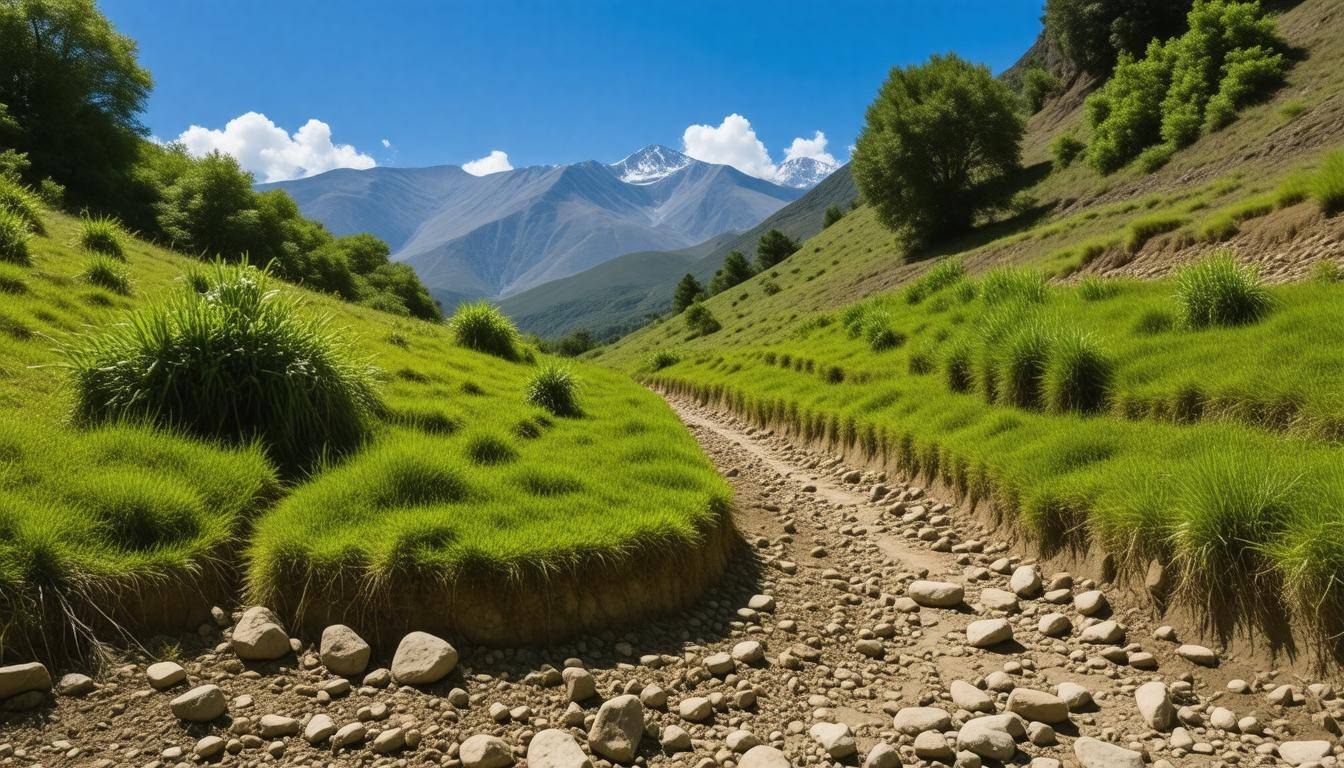
Long-term prevention strategies focus on sustainable solutions that provide ongoing protection against landslides. One significant avenue for mitigation lies in restoration projects.
When we invest in reestablishing native vegetation, particularly in areas like the Rio Blanco Reserve, we do more than prevent landslides. By restoring native forest cover, we help stabilize the soil, which serves as a natural barrier against erosion. It’s fascinating to think about how plants and trees interact with the environment: their roots hold the soil in place, while their canopies reduce the impact of rainfall on the ground below. This not only protects against landslides but also fosters biodiversity, creating habitats for various species and enriching local ecosystems.
Restoration Projects
In high-priority areas identified for restoration, such as those frequently impacted by landslides, active efforts must be taken to enhance the natural landscape. Planting native trees and shrubs is just one part of a broader strategy that may include landform stabilization techniques, such as terracing or building retaining walls designed to reduce runoff.
Imagine climbing a steep hill where rows of crops are layered like a staircase; that’s nature using geometry to manage water flow! Additionally, understanding the role of local flora can guide which species to introduce based on soil type and climate adaptability.
Transitioning from our discussion on restoration projects, we can also consider the importance of a robust legal framework in supporting these initiatives.
Legal Frameworks
The success of these projects hinges largely on support from strong policies and regulations. Article 111 of Law 99 of 1993 highlights the responsibility of local governments to invest in conservation and restoration efforts aligned with long-term landslide prevention goals. Enforcing these regulations ensures communities have sustained financial backing for their environmental stewardship initiatives.
These laws act as safety nets that not only fund restoration projects but also incentivize responsible land use practices among residents and developers alike.
This means that when communities collaborate with government bodies to adhere to these legal obligations, they bolster their collective security against future landslides.
Building awareness around these laws is crucial. Residents should understand how these regulations affect their land use and how they can participate in community efforts to mitigate risks. Knowledge empowers people; it guides them to lobby local authorities for adherence to best practices and keeps land-use planning harmonized with ecological protection.
Maintaining these strategies will require constant vigilance, commitment, and adaptation to changing environmental conditions because disaster preparedness is an ongoing endeavor rather than a final destination. Just as nature is ever-changing, our approaches need flexibility—adjusting practices based on new research or shifts in climate patterns—ensuring that our protective measures against landslides remain effective for generations to come.
By embracing these long-term strategies and fostering community involvement within a solid legal framework, we can create safer environments that stand resilient against the threat of landslides. Together, through restoration projects and vigilant governance, we can nurture both our land and our communities.