
The Antofagasta Desert, with its stunning landscapes and extreme climate, may look like an inhospitable wasteland, but it’s a place that many adventurers long to explore. As exhilarating as it is to journey through this unique desert, the harsh conditions can turn a fun trip into a fight for survival if you’re not prepared. Imagine wandering through sun-baked terrain, miles from the nearest water source, feeling your energy fade under the relentless sun. In order to enjoy all the beauty this remarkable environment offers—while keeping yourself safe—you need to equip yourself with essential survival gear and knowledge. In this guide, we’ll cover the must-have items and strategies that will help you navigate the challenges of the Antofagasta Desert so you can focus on making unforgettable memories.
The essential survival items for the Antofagasta Desert include plenty of water, high-energy food supplies, a durable shelter to protect from extreme temperatures, sun protection gear like hats and sunscreen, and a first-aid kit. It’s crucial to also have navigational tools and communication devices to ensure safety in this remote area.
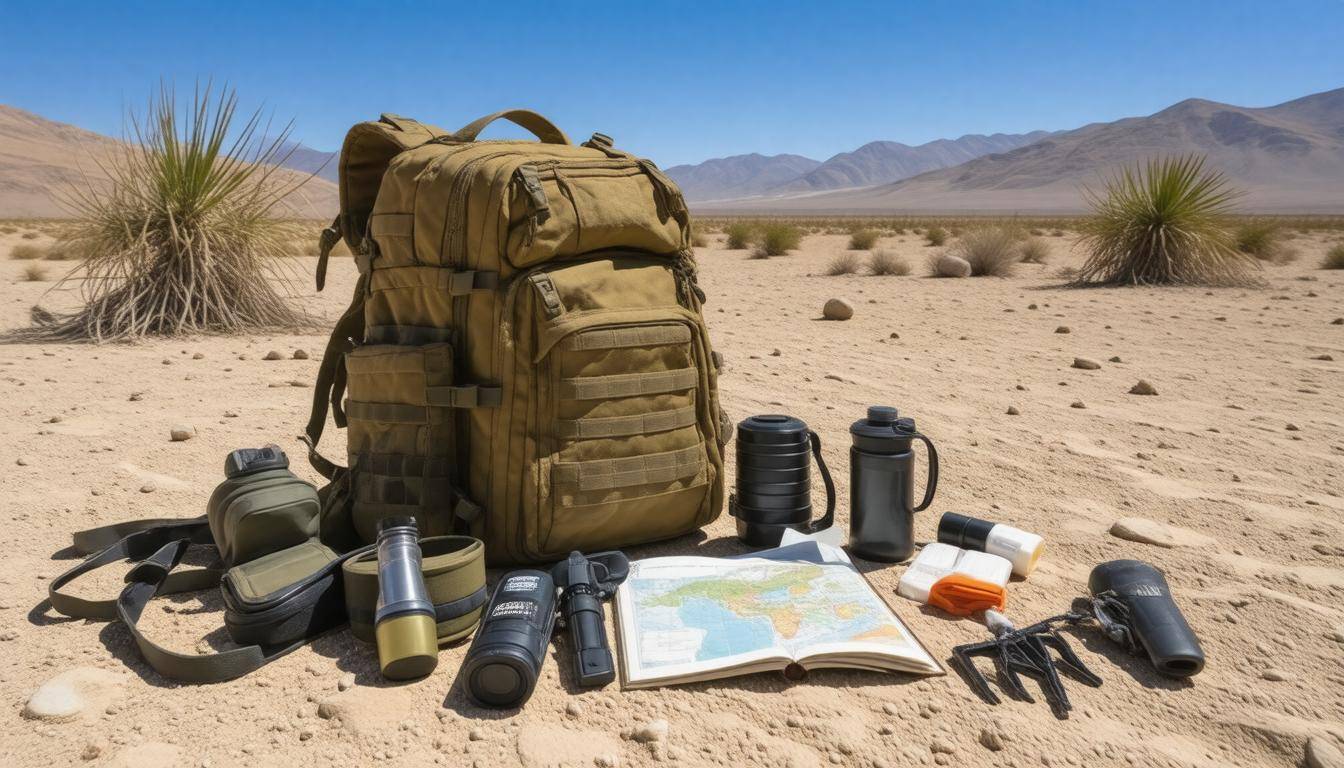
Essential Desert Survival Gear
A successful trip to the Antofagasta Desert starts with the right gear. The harsh desert environment demands equipment that is not only practical but also reliable.
Step I – Multi-tool and Knife
Multi-tools are invaluable companions in a desert setting. Think of them as your portable toolbox; they offer various utilities such as cutting, digging, and repairing equipment. A multi-tool can save the day when unforeseen situations arise, like fashioning a makeshift shelter from available materials.
It’s wise to carry a sturdy knife alongside your multi-tool. A reliable knife doesn’t just serve kitchen needs; it’s a critical tool for protection against unwelcome wildlife encounters as well. When selecting a knife, opt for stainless steel models known for their durability—after all, reliability is paramount when your survival is on the line.
Now that you have your cutting tools squared away, let’s turn our attention to an even more critical aspect of desert survival: hydration.
Step II – Water Purification Systems
In the unforgiving landscape of the Antofagasta Desert, water sources can be scarce and unreliable. This is why carrying a portable water filter or purification tablets is essential for survival. Not only does it help you avoid potential illness from contaminated water, but it also enables you to take advantage of natural resources that may seem uninhabitable at first glance.
The Sawyer Products Mini Water Filtration System stands out because it can filter up to an impressive 100,000 gallons of water, ensuring access to clean drinking water throughout your adventure. It’s compact and easy to use, making it perfect for quick hydration breaks during your journey.
With these two key items prepared, it’s time to address how to manage injuries or health issues that may occur in the desert.
Step III – Comprehensive First Aid Kit
Packing a comprehensive first aid kit tailored specifically for the desert is crucial for ensuring safety. Sunburns, cuts, and dehydration are common desert-related injuries that proper preparation can mitigate. Your first aid kit should include essentials such as bandages and antiseptic wipes for minor cuts and scrapes encountered while navigating rocky terrain.
Don’t overlook creams like hydrocortisone that can alleviate irritation from sun exposure or bug bites. Furthermore, oral rehydration salts are vital; they aid in reversing dehydration and replenish electrolytes lost through sweat under the relentless sun.
By having these essentials ready, you lessen your risks significantly and increase your chances of navigating through the Antofagasta Desert safely and successfully.
Understanding how to equip yourself with the right gear sets a solid foundation for your journey. From here, let’s explore what protective clothing will best fortify you against the elements.
Protective Clothing and Sun Gear
In the harsh conditions of the Antofagasta Desert, where the sun blazes down mercilessly, your choice of clothing is more than just about style; it’s a matter of survival.
Lightweight, long-sleeved shirts and breathable pants made from moisture-wicking fabric are essential attire for this environment. These fabrics draw sweat away from your skin, allowing for evaporation and keeping you cool while safeguarding you against the relentless sun.
While it might seem counterintuitive to wear long sleeves in such hot weather, this actually helps minimize direct sun exposure, reducing your risk of sunburn and heat-related illnesses.
Studies have shown that wearing appropriate clothing can lower the risk of heatstroke significantly. This is crucial knowledge when battling the elements in such extreme environments.
Sunscreen and Lip Balm
Alongside your choice of clothing, proper skincare products like high-SPF sunscreen and lip balm with SPF cannot be overlooked. The delicate skin on your face and lips deserves special attention when you’re exposed to powerful UV rays for extended periods.
Sunscreen should ideally have an SPF of 30 or higher—this provides a good barrier against harmful radiation. Don’t forget to reapply every two hours, especially after sweating or if you accidentally wipe your face.
A quick tip: choose water-resistant formulas which can hold up better under the sun’s intensity, giving you longer-lasting protection. Plus, remember that UV rays can even bounce off sand, adding another layer of many that contribute to overexposure; therefore, it’s vital to protect every inch of skin exposed to the elements.
As you embark on your adventure in the Antofagasta Desert, invest in high-quality protective gear that addresses both insulation from heat and protection from UV light. This will ensure your comfort as you traverse this stunning yet unforgiving landscape while also preventing heat exhaustion or worse.
With protective attire set, it’s essential to consider how you will navigate this challenging environment effectively to maintain both safety and direction.
Navigation Tools and Strategies
In a vast, arid expanse like the Antofagasta Desert, having reliable navigation tools can be the difference between finding your way and wandering aimlessly. A GPS device is essential given its precision; however, it’s wise to never solely rely on technology. Always bring along a physical map and a compass as a backup. There are instances when batteries drain or signals falter in remote areas, so testing your GPS device beforehand ensures it’s functioning well when you need it most. It’s advisable to familiarize yourself with map reading skills too—even if technology is at your fingertips.
As you venture forth, consider natural features that can help guide you.
Landmark-based Navigation
One of the most reliable methods of navigating in wilderness situations is landmark-based navigation. If your technology fails, look for distinctive rock formations or mountain ranges that can serve as reference points. These natural landmarks not only provide orientation but also help maintain your course. For example, specific formations may indicate directions toward water sources or campgrounds. Memorizing key landmarks after previous visits aids in developing a mental map of the area.
When daylight fades, the sky offers a different form of guidance.
Night-time Navigation
Navigating at night poses unique challenges; however, the stars can act as your guides. Understanding basic celestial navigation skills allows you to orient yourself after dark. Learning how to locate constellations such as the North Star helps you maintain your bearings visually without any tools. The Southern Cross is another constellation that can aid navigation in Southern Hemisphere deserts. Familiarize yourself with these celestial patterns during daylight, as practice will improve your confidence in nighttime conditions.
Finally, an integration of modern tools and classic techniques keeps you grounded while exploring new terrains. This balance not only enhances safety but also prepares you for more advanced strategies in sourcing vital resources during your journey.
Water Procurement Techniques
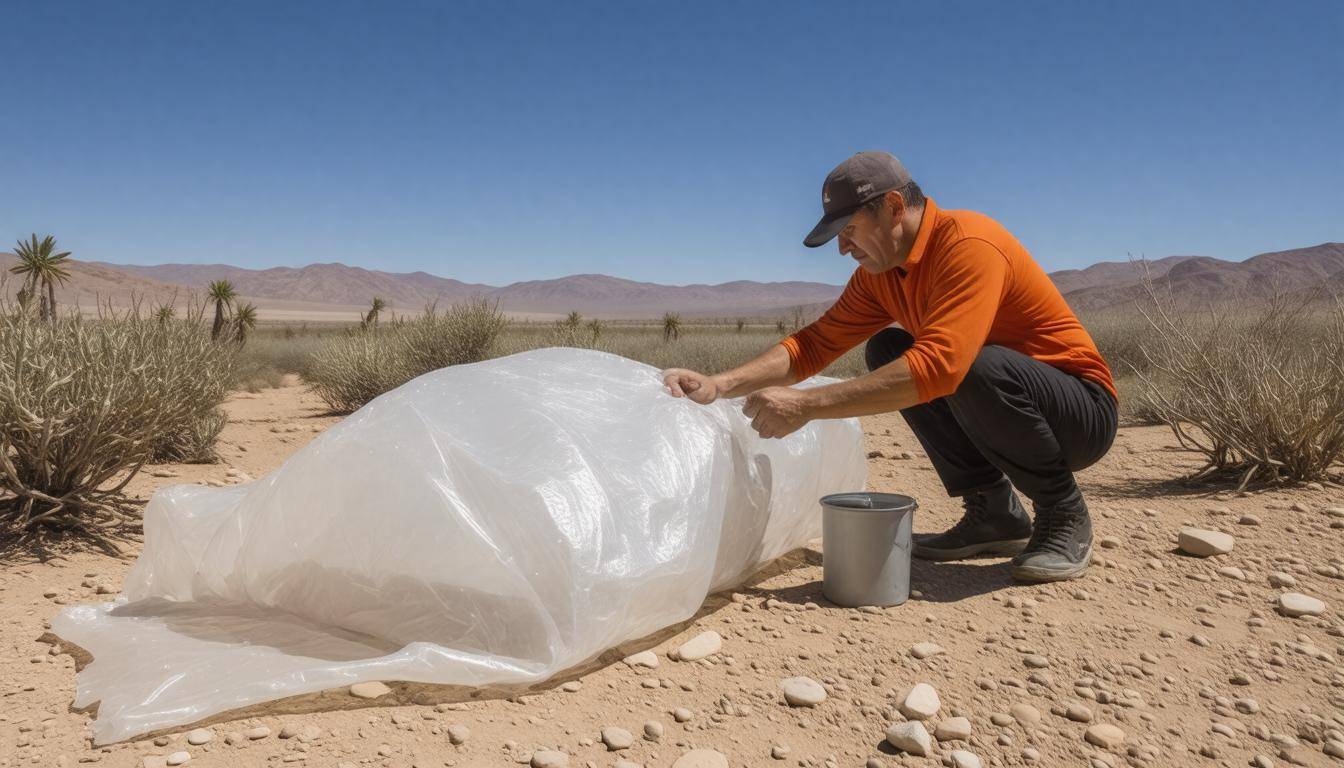
Water is truly the essence of survival, especially in a parched desert like Antofagasta. Its scarcity means that your ability to find and collect it could be the difference between life and death. A keen awareness of your surroundings can make all the difference. The goal here is to identify natural sources, employ creative collection methods, and use techniques like solar stills for maximum yield.
Locating Natural Sources
To begin, focus on scouting for natural signs that indicate water might be nearby. Look for patches of green vegetation—these are often telltale signs of moisture beneath the surface. Plants like cacti tend to thrive near water sources, so pay attention to their presence. Additionally, search for depressions in the land, which can serve as temporary reservoirs during rain events. They may not look like much at first glance, but any hint of moisture can often lead you to essential hydration.
Keep your eyes peeled for animal tracks as well; wildlife tends to congregate around water sources too.
When conditions permit, early mornings offer a unique opportunity: dew often collects on surfaces overnight. By using a clean cloth or towel, you can gather this precious liquid. Simply wipe surfaces free of moisture, then wring out the cloth into a container, knowing every drop counts.
Solar Still Method
If natural sources are sparse, there’s always the ingenious solar still method for procuring water. This technique allows you to harness the power of sunlight to extract moisture from the ground or plants while minimizing evaporation loss stemming from high temperatures.
To set up a solar still, start by digging a pit approximately two feet wide and one foot deep; this will serve as the central reservoir for your collection efforts. At this point, place an empty container (like a small bowl) at the center of the pit—this is where your collected water will accumulate. Afterward, take a sheet of plastic and cover the entire pit. Be sure to secure it with rocks around the edges or weigh it down with larger stones to prevent any gaps that may let condensation escape.
The warmth from the sun will heat up the air inside the pit, causing moisture from the surrounding soil or plant life to evaporate and condense on the underside of the plastic sheet.
As condensation collects on this makeshift roof, it will drip into your container below—an effective way to convert raw earth moisture into drinkable water. This method might take time before yielding substantial results, so patience is essential while you monitor and adjust your setup throughout the day.
Armed with these techniques for gathering water, you’re now ready to explore more about survival essentials in this harsh environment, particularly concerning securing nutritious sustenance.
Finding and Preparing Food
While food isn’t as critical as water, knowing what to eat can significantly boost your energy levels and improve your overall well-being while traversing the harsh landscape of the Antofagasta Desert. The key to survival lies in identifying sources of nutrition that will sustain you, primarily focusing on edible plants, insects, and effective cooking methods.
Edible Plants
Understanding local flora is paramount. In the Antofagasta Desert, certain cacti and succulents thrive despite the arid conditions. For instance, the Opuntia cactus, commonly known as prickly pear, is rich in water and provides essential carbohydrates if you can carefully remove its spiky skin. Look for other desert plants like aloe vera, which offers hydration. Always remember to properly identify plants before consuming them; a mistake can mean ingesting toxic species, complicating your situation further.
Now that we’ve discussed potential plant-based foods, let’s shift our attention to another option that many overlook but can provide powerful sustenance.
Insect Protein
When it comes to protein-rich foods in a survival scenario, insects should definitely be on your radar. They are abundant, easy to catch, and pack a nutritional punch. Ants and beetles are common in this region and offer great energy without needing elaborate preparation. For example, fire-roasted ants can taste surprisingly good with a crunchy texture that’s satisfying. Avoid brightly colored ones or those which emit strong smells as they may indicate toxicity.
To truly benefit from these food sources, knowing how to prepare them safely is just as important.
Cooking Methods
Once you’ve gathered edible plants or captured insects, you’ll need a means to cook them—if not for taste, then certainly for safety. Using portable stoves is recommended; they allow for quick, efficient cooking without attracting undue attention from desert wildlife. If you’re inclined toward primitive methods—or if your stove doesn’t function—building a simple campfire is an excellent alternative. Collect dry twigs or small branches for kindling and create a safe structure to contain your flames. Cooking whatever you find ensures that harmful pathogens are eliminated and also enhances flavors considerably.
Preparation goes beyond mere cooking; it encompasses safety measures too: always inspect any foraged item for signs of spoilage or damage before consumption.
With knowledge about securing food sources and culinary techniques at hand, understanding the intricacies of shelter construction can further enhance your ability to navigate the challenges of this barren environment.
Building Shelter in Arid Environments
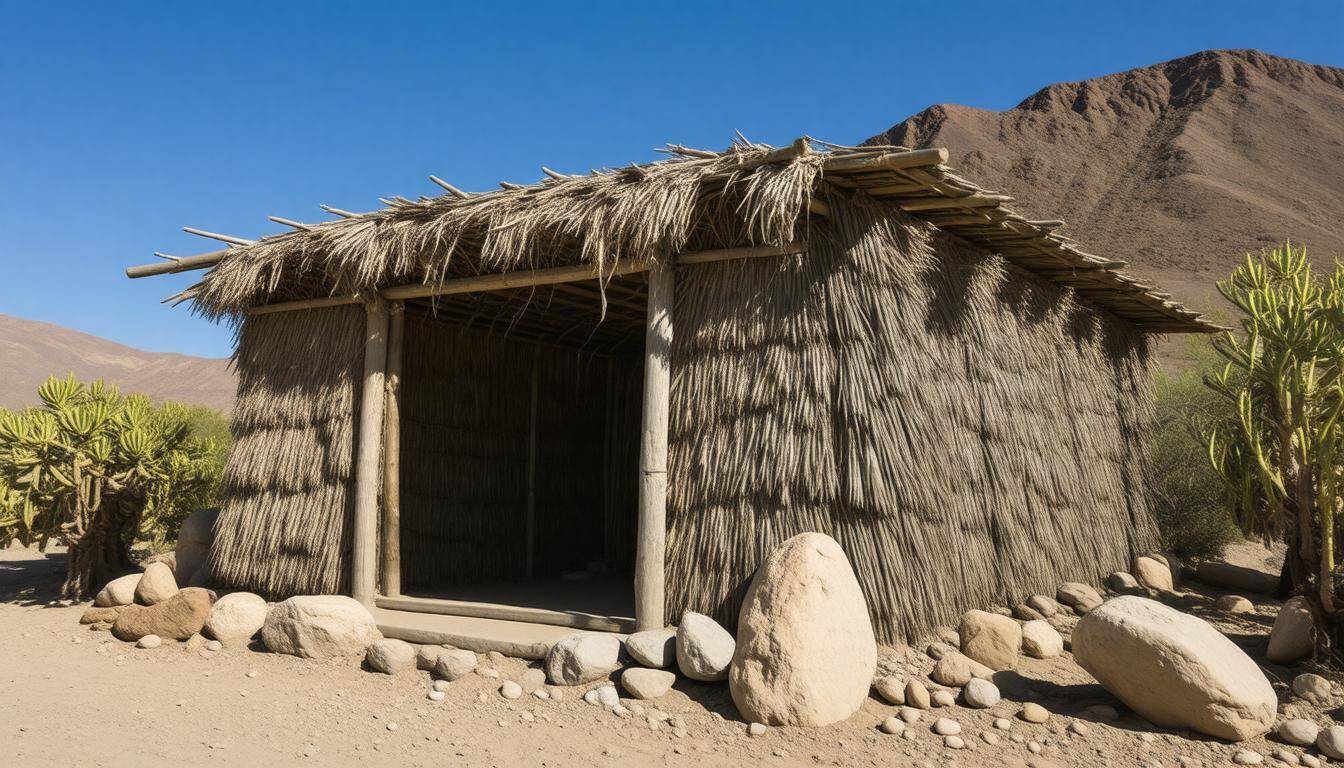
Shelter serves as your sanctuary from the blazing sun during the day and the chilling temperatures at night. In hot environments like the Antofagasta Desert, effectively building a shelter can significantly enhance your chances of survival. There are various methods to create an effective space for respite, each as essential as finding food and water.
Using Natural Land Features
The natural topography plays a vital role in providing immediate shelter. Look for rock outcroppings, natural caves, or dense bushes that can shield you from both sun and wind. These structures provide excellent cover and often require little to no alteration. However, if you need additional protection, bringing along a tarp can be beneficial. You can drape it over the rocks to create a more enclosed area and block any strong winds that might intrude on your makeshift haven.
But leveraging natural features isn’t always feasible, especially in more open areas, so let’s talk about constructing your own shelter.
Constructing a Simple Shelter
If you find yourself without adequate natural cover, you can use basic materials to craft your shelter. A simple but effective method involves using a tarp secured with sticks or branches to form a sloped roof-like structure. Either space it between two trees or prop it on stakes driven into the ground. The slope is crucial; it allows rainwater to slide down rather than pooling, which could risk damage to your shelter. Don’t overlook securing your tarp against strong winds by weighing down edges with heavy rocks or anchoring them with stakes firmly embedded in the ground.
After establishing a structural framework, it’s vital to consider comfort by insulating your sleeping area from the harsh ground conditions.
Insulating from the Ground
The ground can be deceptively cold at night, dramatically affecting body heat loss if not addressed properly. To combat this chill, gather insulating materials like dead grass, dry leaves, or even small branches and layer them where you plan to sleep. This natural insulation creates a thermal barrier that helps retain your body heat while also keeping you comfortable against jagged surfaces or damp earth underneath.
Incorporating these elements will lay the groundwork for enhancing your survivability in such an extreme environment. As we move forward, we’ll examine critical guidelines for maintaining safety and avoiding hazards during your desert excursion.
Safety Protocols and Hazard Avoidance
One of the most critical aspects of surviving in arid environments like the Antofagasta Desert is understanding how to protect yourself from the glaring sun and other potential threats. Heat stroke prevention should be at the top of your safety checklist. The World Health Organization mentions that approximately 10% of wilderness deaths are attributed to heatstroke, a statistic that underscores its severity. To combat this risk, it’s advisable to avoid strenuous activities during peak sun hours—typically between 10 AM and 4 PM. Instead, plan your explorations or chores for early morning or late afternoon when temperatures are more manageable. As you venture out, remember to stay hydrated, drink water regularly, and take breaks under shade whenever possible.
But heat isn’t your only concern in this unforgiving landscape; local wildlife poses significant risks as well.
Poisonous Wildlife
The desert is home to various creatures that could jeopardize your safety if you’re not vigilant. It’s vital to educate yourself about potentially dangerous fauna such as scorpions and snakes. Knowledge is key here, so carry a guidebook or download an app that features local wildlife identification. This way, you’ll know what you’re dealing with if you encounter an animal that looks suspicious. Remember, many bites occur when people inadvertently step on snakes or reach into cracks without looking. As a rule of thumb, always be cautious where you place your hands and feet, especially when exploring rocky areas.
In addition to physical threats from nature, communication tools play a crucial role in ensuring your safety and increasing your chances of survival.
Emergency Communication
Equip yourself with reliable emergency communication devices before departing for remote locations in the desert. Having a satellite phone or personal locator beacon (PLB) can be lifesaving in dire situations. These devices allow you to call for help even when cellular coverage is nonexistent. When choosing a device, ensure it’s suitable for the challenging desert environment: it should be durable, water-resistant, and capable of functioning in extreme temperatures.
Understanding the risks associated with heat exposure, poisonous wildlife, and communication solutions is fundamental for navigating the landscape safely. Taking proactive measures and being mindful of your surroundings will greatly enhance your experience in the Antofagasta Desert.
Now that we’ve covered essential safety protocols, let’s look at how to prepare effectively for your journey into this arid terrain.
Assembling Your Survival Kit
When venturing into the Antofagasta Desert, a well-stocked survival kit can mean the difference between life and death. Creating your survival kit blends practicality with foresight—selecting gear that fulfills a purpose while remaining lightweight and efficient. Imagine being out there under the scorching sun; every item you carry has to earn its place in your bag.
Starting with Basic Components, it’s essential to include a multi-tool and knife for various situations—from cutting rope to preparing food. A reliable water purification system is crucial, as desert conditions can quickly lead to dehydration. Don’t forget a first aid kit stocked with basic medical supplies, like band-aids, antiseptic wipes, and pain relievers. These items help manage minor injuries or ailments that could escalate without prompt attention.
With these basics in hand, you will already be ahead of many who enter unprepared.
Next comes Protection from the relentless sun and harsh elements. Sunscreen is a must; choose one that’s SPF 30 or higher and waterproof for lasting protection. A quality pair of sunglasses will prevent harmful UV rays from damaging your eyes while reducing glare from the sand—a significant factor in maintaining visibility during your expedition.
Navigational tools are equally important. Having a GPS device on hand keeps you oriented, but don’t solely rely on technology; bring along a compass and a physical map as backups. Devices sometimes fail or run out of battery power, so it’s vital to have traditional methods at your disposal.
Additionally, consider Cooking and Food essentials. A portable stove makes food preparation quick and safe, conserving energy when you need it most. Lightweight cookware allows for easy meal prep without weighing down your pack. Stocking high-energy food options, like protein bars or nuts, provides quick nourishment without extensive cooking.
When it comes to Shelter, a tarp combined with strong stakes creates an effective makeshift cover—whether shielding against wind or sudden rainfall. Investing in a lightweight tent is worth it for longer expeditions; breathable fabrics can dramatically improve comfort during those torrid nights.
Lastly, never underestimate the importance of Communication items in an emergency. A satellite phone can be a lifesaver when cell coverage drops away into the barren expanse. An emergency whistle should accompany you too; it’s lightweight and can reach further than shouting—particularly useful if you find yourself lost and need to draw attention.
Indeed, building your Antofagasta desert survival kit involves thoughtful consideration of each item’s function and necessity, ultimately enhancing both safety and comfort on your adventure through this extraordinary landscape.
Equipping yourself with the right tools not only prepares you for the challenges ahead but also enriches your experience in this unique environment. Embrace the journey with confidence by having these essentials on hand.