
After a flood, the process of ensuring your appliances are safe to use can feel overwhelming. Many people wonder what steps to take first and how to know if their appliances have been damaged. It’s essential to act quickly and carefully since using compromised appliances can lead to dangers like electric shock or fires. The good news is that by following a systematic approach, you can assess the safety and functionality of your appliances, helping you regain peace of mind in your home. In this guide, we’ll provide clear steps and important safety tips to navigate this crucial post-flood task effectively.
After a flood, it is critical to immediately disconnect power to avoid electric shock before inspecting any appliances for visible damage such as rust or water penetration. If there are signs of moisture inside the appliance, it’s recommended to consult with professionals who specialize in flood-damaged appliances for a thorough safety assessment.
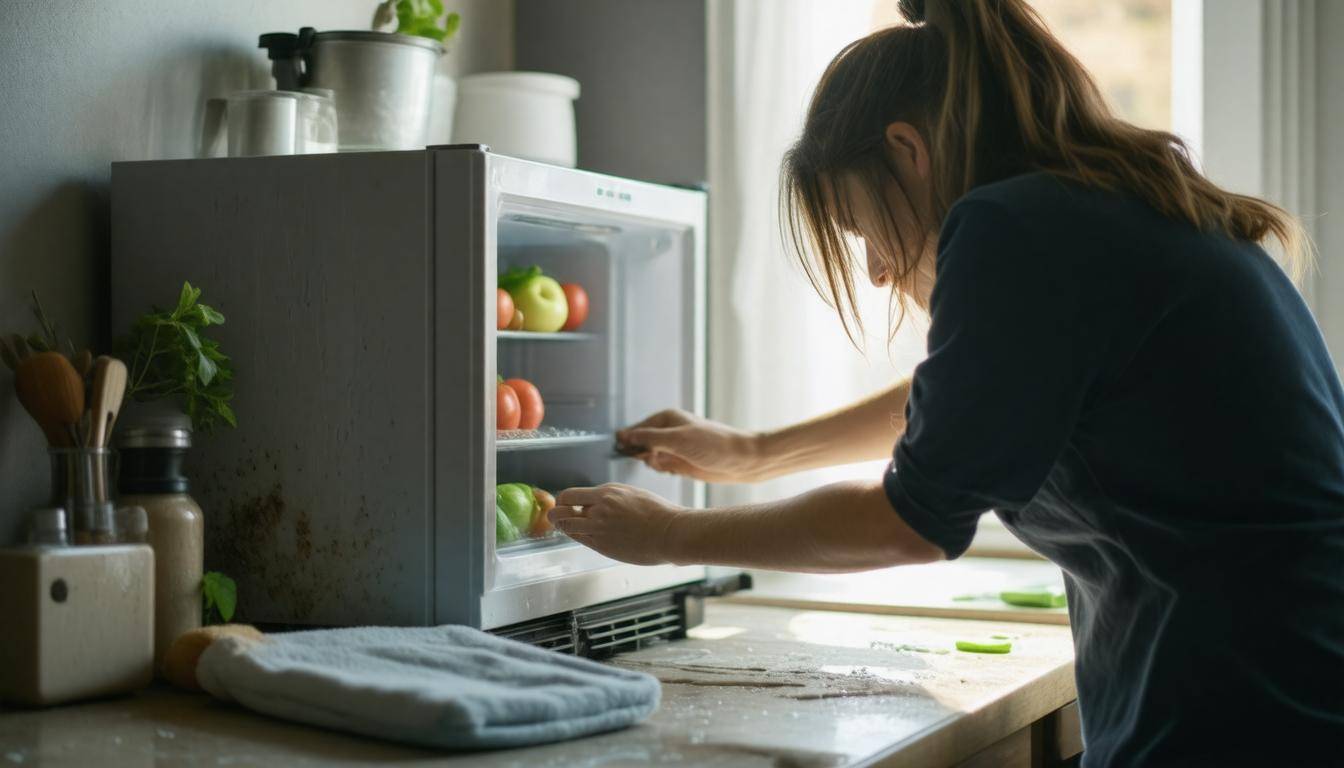
Assessing Your Appliances Post-Flood
The aftermath of a flood can feel daunting, but breaking down the assessment process into manageable steps can make the task less overwhelming. Remember that even seemingly undamaged appliances may have hidden issues lurking beneath the surface. A thorough examination is crucial to ensure your home remains safe and functional.
Step-by-Step Assessment Guide
First on your list should be a visual inspection. Channel your inner detective and scrutinize every appliance for visible signs of distress.
Look for rust, water stains, or mold—especially around the edges and under units where water may have pooled unnoticed. For example, washing machines often sit directly on the floor, making them susceptible to hidden water accumulation underneath. If you observe any discoloration or see rust forming, that’s a red flag indicating further problems might exist.
Now that you’ve peered closely at your appliances, the next logical step is to check their position.
Examine whether any appliances have shifted or tilted as a result of floodwaters; even minor movements can disrupt their internal components. For instance, an upright freezer may have rattled slightly in place, but the internal mechanics could have been unsettled. A dislodged compressor in a refrigerator might lead to cooling failure later on—something that’s harder to notice until your food begins spoiling. Displaced appliances carry an increased risk for electrical faults due to potential internal damage they suffer during their shift.
With visual assessments and positions checked off your list, it’s time to move onto the more documenting aspect of your inspection.
Documenting damage plays a pivotal role in both personal organization and potential insurance claims. Take plenty of photographs from multiple angles to capture all visible signs of wear or damage. Note specifics about what each photograph entails—this will be invaluable when consulting repair professionals later on. Having a detailed record streamlines communication with your insurance provider and empowers repair professionals by giving them insight into the damage without needing to assess every item personally prior to servicing.
The careful attention you pay now will set the stage for efficient recovery after flooding. Whether you find minor damages or serious concerns requiring professional evaluation, being aware and proactive empowers you during this recovery phase. Always consider that electricity and water don’t mix well—taking these preliminary steps can prevent further hazards in your home while ensuring safety for everyone living there.
As you continue assessing your situation, don’t forget to focus on the critical aspects related to electrical safety before proceeding with repairs and restorations.
Inspecting Electrical Damage
Understanding how flood damage affects electrical systems is essential for maintaining safety in your home. When water infiltrates appliances, it can wreak havoc on the sensitive electrical components that control their operation. Thus, it’s vital to conduct a methodical inspection of these parts, ensuring that everything is functioning properly and safely before you attempt to use any appliance again.
Key Areas to Inspect
To ensure thoroughness in your inspections, there are specific components within each appliance that deserve your attention.
-
Power Cords and Plugs: Begin your examination here because these are often the first point of contact with water. Look closely for any signs of fraying, rust, or visible damage that indicates water exposure. If you notice the outer covering of the cord has cracked or if you see exposed wires, it’s a sign that the cord must be replaced immediately. Damaged power cords pose risks of electric shock if plugged into an outlet.
-
Control Panels: Next, turn your attention to the control panels. Often hidden behind sleek interfaces, moisture can lurk unnoticed behind buttons or display screens. Feel for dampness; if the area feels unusual or sticky, you may have a moisture issue that requires addressing. Moisture here can lead to short-circuiting of delicate electronics, potentially disabling an appliance or creating a fire risk.
-
Internal Wiring: If you’re comfortable doing so and it’s safe, open up the casing of the appliance to check for internal wiring. This step will allow you to assess corrosion or damage that may not be easily visible from the exterior. Research indicates that internal wiring affected by floodwater has up to a 70% higher chance of short-circuiting than undamaged wiring; this statistic emphasizes the urgency of examining these wires closely.
Always remember, if you encounter any signs of damage during your inspection, refrain from using the appliance until you’ve consulted a qualified electrician who can provide guidance based on the specific hazards present.
As you methodically inspect these areas, you’re actively contributing to creating a safer environment in your home post-flooding event. This careful evaluation serves as a vital precursor to effective cleaning practices that will further safeguard your appliances and home infrastructure.
Cleaning and Drying Techniques

To salvage your appliances effectively, cleaning and drying are paramount steps that need to be taken with care. Cleaning doesn’t just involve scrubbing away dirt; it’s about ensuring all parts of the appliance are free from contaminants, while also preventing any future issues, like mold growth or rust damage.
Steps for Cleaning
The first step in this process is surface cleaning. This means you should take a damp cloth that’s either soapy or has a mild disinfectant and gently wipe down the outer surfaces of your appliances. With metal surfaces, a mixture of vinegar and water can work wonders to tackle any traces of rust. Be sure to pay attention to areas such as the seals on refrigerators or ovens where moisture might collect. These spots can often be overlooked, but they are critical for maintaining proper functionality.
After you’ve tackled the exterior, it’s time to move onto internal cleaning. Before you dive in, remember to ensure that the power is off for your safety. If there are any removable components—like shelves, drawers, or filters—they should be cleaned separately in hot soapy water. Soak them for a bit if needed, then rinse them well and dry them thoroughly before putting them back in place. This thorough internal clean not only helps in removing dirt but also aids in eliminating lingering odors that may have seeped in due to the flood.
Steps for Drying
Once everything is cleaned, we come to one of the most important steps: drying. The best approach here is natural air drying. Find a well-ventilated area, and position your appliances there for at least 24-48 hours. Opening doors and panels helps facilitate air circulation, which can significantly speed up this process. Make it part of your home routine; consider placing a marker on your calendar as a reminder!
However, depending on the humidity level in your space, it might take even longer than that for everything to fully air dry. That’s where using fans and dehumidifiers becomes beneficial. Setting up fans around the appliance not only enhances air movement but also diminishes overall moisture levels in the room. In fact, dehumidifiers are quite effective—they can reduce moisture levels by up to 50%, making them an essential tool in post-flood recovery efforts.
Proper cleaning and drying of appliances after flooding aren’t just simple chores; they’re essential steps in ensuring safety and prolonging the life of those appliances.
Now that we’ve covered how to properly clean and dry your appliances, we must turn our attention towards evaluating their electrical systems for potential hazards stemming from flood exposure.
Testing Procedure After Flooding
It’s vital to remember that just because an appliance looks clean doesn’t necessarily mean it’s safe to use after flooding. Water can cause unforeseen damage that might not be immediately apparent, making testing essential before plugging everything back in. The testing procedure involves a systematic approach to assess any potential hazards.
Step-by-Step Testing Guide
Initial Power Check: One of the first steps is to ensure that the appliance is plugged into a Ground Fault Circuit Interrupter (GFCI) outlet. GFCI outlets serve as a critical safety feature; they are designed to monitor electrical current flow and will trip if there’s any irregularity, such as a short circuit. This prevents potentially dangerous electric shocks from occurring. If your appliance doesn’t have access to a GFCI outlet, it’s wise to install one before proceeding.
It’s worth mentioning that you should never plug appliances into extension cords when water damage is involved, as these can fail under stress and lead to fire hazards.
Manually Test Functions: Once you’ve ensured a safe power connection, it’s time for a hands-on test. Turn on the appliance and methodically check each function individually. This could involve testing buttons, switches, and any programmable features. While you’re doing this, keep your senses on high alert for any unusual signs—strange sounds like buzzing or clicking, foul odors, or erratic performance could all signal underlying problems.
It’s often during this step that you notice issues not visible during cleaning. For example, if a washing machine begins to make unsettling noises while spinning, it could indicate water damage inside its motor.
Call a Professional if Uncertain
Professional Safety Check: If at any point you feel uncertain about the status of your appliance—especially if it’s showing symptoms of malfunction—it’s crucial not to take chances. Contacting a certified electrician who specializes in post-flood safety checks is an advisable move. According to data from the National Association of Home Builders, having a professional inspect your appliance can reduce the risk of post-flood electrical fires by 25%. Not only will they have the expertise needed to properly assess your equipment, but they’ll also provide peace of mind knowing your home remains safe.
Keep in mind that preventative measures save more than just money; they protect memories and investments embedded within your household. Whether it’s checking GFCIs or ensuring comprehensive functionality tests, each small effort builds towards safeguarding your home against unexpected mishaps stemming from flooding.
Testing may feel like an extra hassle after the cleaning marathon, but it’s an integral part of ensuring both safety and readiness for regular use again. As we navigate the implications of potential risks further ahead, it’s equally important to stay alert for warning signs that could indicate trouble lurking beneath the surface.
Recognizing Hazard Signs
Knowing what to watch for can indeed help you sidestep potential pitfalls associated with flood-damaged appliances. For example, one of the more alarming signs is a burning smell. If you detect this odor while using an appliance, it’s a clear indication that the electrical components are overheating. This situation can escalate quickly, posing not just a risk to the device itself but potentially leading to electrical fires as well. If you notice a burning smell, it’s best to turn off and unplug the appliance immediately to prevent further damage or danger.
Another significant auditory warning is unusual noises emitted from your appliances. Perhaps you’re doing household chores when suddenly you hear persistent grinding or clicking sounds coming from the washing machine. Such noises often signify internal damage or mechanical issues that could cause the appliance to fail completely. In these cases, it’s advisable to stop using the appliance right away and seek professional attention as soon as possible.
Common Hazard Signs
As we examine other indicators of appliance distress, consider looking at control panels closely. Have you ever noticed flickering lights? Flickering can be a sign of unstable electrical connections, hinting that something could be wrong behind the scenes. It’s not just an aesthetic annoyance; it suggests that electrical currents are not flowing properly, which could lead to complications if not addressed promptly.
Moreover, don’t forget about moisture! Be vigilant about any unexplained dampness around your appliances. If you see persistent moisture or damp areas forming near devices like refrigerators or microwaves, it’s essential to act quickly. This situation doesn’t just point toward malfunction—sustained moisture can create an ideal breeding ground for mold and might even lead to short-circuits in electric components.
The importance of monitoring these signs cannot be overstated; catching potential issues early can save you both time and money in repairs, as well as keep your home safe from hazards linked to flood-damaged appliances. Understanding how to identify these risks prepares you for seeking specialized help when necessary.
Consulting Professional Technicians

Sometimes, professional help is indispensable. Technicians possess a wealth of knowledge and expertise that can ensure not only the safe restoration of your appliances but also their operational efficiency. While some issues might seem manageable, others require specialized skills only trained professionals can provide. For instance, if you’re dealing with complex electrical systems, such as smart refrigerators or HVAC units, it’s wise to engage a technician right away. Those systems are designed with intricate electronics that might need in-depth assessments—something an average homeowner might not be equipped to handle.
When to Seek Professional Help
First, let’s discuss complex electrical systems. If you have appliances like smart refrigerators that incorporate advanced electronics, it’s essential to consult a technician. The stakes are high; messing with these devices could lead to permanent damage or danger. Here’s a quick reference chart outlining which appliances typically necessitate professional attention:
| Appliance | Reason |
|---|---|
| Smart Refrigerators | Complex electronics |
| Washers/Dryers | Internal motors and sensors |
| HVAC Systems | Integrated electrical systems |
Another clear indication that you should reach out for professional assistance is when persistent issues arise. If an appliance doesn’t function properly even after you’ve cleaned it and conducted initial checks, it’s time to call in the experts. Sometimes what appears to be minor can hide deeper problems.
Take James’ experience as an example: he noticed repeated leaks from his dishwasher even after performing standard maintenance checks. It wasn’t until he consulted a technician that he learned about hidden damage in the pump which was causing the problem.
“The dishwasher seemed fine at first, but I never would have found the problem without a professional opinion,” James reflects, highlighting the critical role of technicians in diagnosing and fixing concealed issues.
There are countless reasons why using certified professionals post-flood is worthwhile; they offer peace of mind while protecting your home from further complications down the line. As we consider ongoing safety measures for your appliances, it’s essential to think beyond immediate fixes and plan for long-term protection.
Long-Term Appliance Safety Tips
Regular maintenance plays a vital role in safeguarding your appliances over time. It’s not just something to check off your to-do list; it’s an ongoing commitment that can save you frustrating headaches down the line. By carrying out monthly inspections, you’ll catch early signs of wear and tear that could escalate into costly repairs if left unnoticed.
Look closely at key components—such as electrical cords and control panels—for any indications of moisture or corrosion that may suggest deeper issues. Since water can stealthily linger and cause damage, being vigilant can prevent small problems from morphing into catastrophic failures.
In addition to preventative checks, installing surge protectors is a smart move for protecting sensitive electronics. A surge protector acts as a barrier against unexpected power surges, which are common during storms or other electrical disturbances. Not only does this safeguard your devices from unforeseen damage, but it is said that a surge protector can extend the lifespan of your appliances by up to 30%. So, consider this an investment in the longevity of your home’s technology—not merely a precaution.
Furthermore, evaluating the placement of your appliances becomes essential, especially in flood-prone areas.
If you’re at risk of floods regularly, elevating your appliances should be a key consideration. This doesn’t mean you have to embark on a complicated renovation project; even lifting a washing machine by just a few inches can create a significant buffer against potential water intrusion. Keeping the electrical components above ground level minimizes contact with water and reduces the risk of electrical hazards. Henry, who lives in a flood-prone area, shared his experience: “Elevating my refrigerator and washer saved me lots of money in repairs. It’s a small step that makes a big difference.” Many homeowners would echo his sentiment that prevention truly is better than cure.
Always assess your appliance compatibility with existing refrigerants like R-410A before making any repairs or replacements. As regulations change, understanding these technicalities will help avoid unnecessary expenses and complications in the future.
With each passing season, maintain open communication with professionals who understand the intricacies of today’s appliances and their evolving requirements due to environmental regulations. This modern approach ensures you’re always ahead when it comes to protecting your investment while maintaining appliance integrity for years to come.
By prioritizing safety measures and regular check-ups, you enhance the life expectancy and performance of your appliances, ensuring peace of mind for you and your family in challenging circumstances.
What precautions should be taken before using any appliance after it has been tested post-flood?
Before using any appliance after it has been tested post-flood, ensure that it is completely dry and check for any visible damage or corrosion. It’s crucial to verify that the appliance is not plugged in before inspecting it. According to the National Electric Code, about 25% of electrical fires are caused by faulty equipment or wiring, highlighting the importance of thorough visual and functional inspections. Additionally, consult an expert if there are any doubts regarding its safety to prevent potential hazards.
Are there particular types of appliances that are more vulnerable to flood damage?
Yes, certain appliances are indeed more vulnerable to flood damage, particularly those that rely on electrical components and do not have waterproof casings. For instance, refrigerators, dishwashers, and washing machines are often at a higher risk due to their exposure to water and the potential for internal electrical short circuits. According to studies, nearly 30% of household appliances fail in less than a year post-flooding if not properly dried and tested. It is crucial to assess each appliance carefully to determine its safety and functionality after exposure to floodwaters.
How can one determine if a flooded appliance is salvageable or needs replacement?
To determine if a flooded appliance is salvageable or needs replacement, first, disconnect it from the power source and assess the extent of water exposure. Key indicators for replacement include damage to electrical components, rust or corrosion on metal parts, and lingering odors despite thorough drying. According to the Association of Home Appliance Manufacturers, about 80% of appliances exposed to floodwaters suffer irreversible damage, but some can be refurbished if they endure only minor water exposure and are promptly cleaned and dried within 48 hours. Always consult a professional technician for an accurate evaluation.
What professional services should be consulted when dealing with flooded appliances?
When dealing with flooded appliances, it’s crucial to consult professional services such as licensed electricians and appliance repair technicians. Electricians are essential for ensuring that any electrical hazards have been addressed and to safely restore power, while appliance repair experts can accurately assess damage and determine whether a device can be salvaged or needs replacement. According to the National Electrical Code, water-damaged electrical systems account for an estimated 35% of home-related electrical fires, making professional evaluation critical for safety. Always prioritize consulting these experts before attempting any DIY repairs post-flooding.
What specific steps should be taken to safely inspect electrical appliances after flooding?
After a flood, safely inspecting electrical appliances requires you to first disconnect them from power sources. Allow the appliances to dry completely for at least 48 hours and visually check for signs of water damage like rust or corrosion. Once dried, utilize a multimeter to test for electrical continuity before plugging them back in. It’s essential to consult a certified electrician if you’re unsure about any appliance’s safety; according to the U.S. Consumer Product Safety Commission, nearly 1,000 injuries annually are linked to electrocution from damaged appliances post-flooding. Prioritizing safety is crucial in preventing these risks.