
When planning an adventure in the sprawling Arizona desert, preparation is key to ensuring your safety and enjoyment. The desert may look beautiful, but it can also be unforgiving with its extreme temperatures and challenging terrains. That’s why having a well-thought-out survival kit makes all the difference. Whether you’re an experienced hiker or a newbie, packing the right gear not only boosts your confidence but can also be lifesaving. In my own experiences trekking through this harsh landscape, I’ve learned that being prepared transforms a potentially dangerous outing into a memorable adventure. So, let’s dive into the essential items you need for your Arizona Desert Survival Kit!
An Arizona Desert Survival Kit should include essential items such as a hydration backpack, waterproof fire starter, stormproof matches, first aid kit, thermal blanket, fast-drying towel, duct tape, emergency whistle, lightweight flashlight/lantern, compass, mini Leatherman tool, strong foldable knife, reusable collapsible bowl and cup, reusable cutlery, headlamp, and more. These items are designed to ensure safety and sustainability while navigating the harsh desert environment.
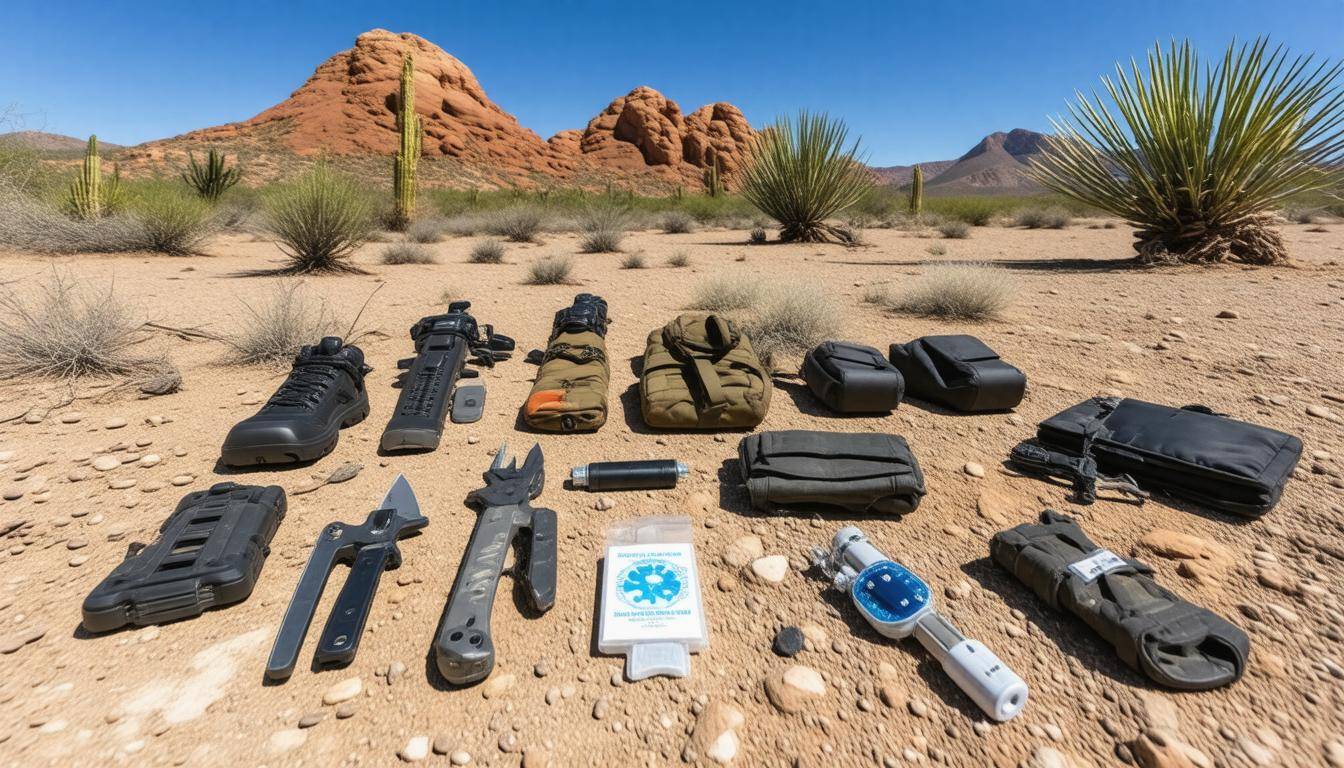
Essential Water and Hydration Gear
Water is undeniably the most critical component of survival in the harsh Arizona desert. The intense heat can quickly deplete your body’s water supply, as adults may lose up to two gallons per day through sweat alone. This staggering statistic underscores the importance of having adequate hydration gear. Without it, dehydration can set in fast, leading to severe consequences like heat exhaustion or worse.
Hydration Pack
One of the best investments you can make is a hydration pack. Take the CamelBak H.A.W.G Hydration Pack, for instance. With its generous 100oz (3.0L) reservoir, it guarantees that you’ll have easy access to water throughout your hike. Hydration packs are designed with convenience in mind: you can sip while on the move, allowing for hands-free hydration. Additionally, they often come with extra attachment points for your gear, making them multifunctional companions when navigating rough trails and ensuring you’re not encumbered by excess weight.
Water Bottles and Filters
While hydration packs are great, don’t overlook the value of sturdy water bottles. Stainless steel options are particularly appealing due to their durability; they resist breakage better than plastic and are far more hygienic since they don’t retain flavors or odors over time. Moreover, having a compact water filter such as the Sawyer Mini in tow can be a game changer. This handy device allows you to purify natural water sources you might encounter along your journey, ensuring safe drinking water whenever supplies run low. It’s lightweight and filters up to 100,000 gallons, so it’s both practical and efficient.
| Hydration Gear | Key Features |
|---|---|
| CamelBak H.A.W.G | 100oz capacity, built-in reservoir |
| Sawyer Mini Water Filter | Filters 100,000 gallons, compact size |
| Stainless Steel Water Bottle | Durable, hygienic, maintains water temperature |
Remember that proper hydration gear works best hand-in-hand with smart hydration habits—sip regularly rather than waiting until you feel thirsty.
With your hydration needs covered and ready for action, let’s examine effective strategies for defending yourself against sun exposure as you explore this stunning yet unforgiving environment.
Shelter and Clothing for Sun Protection
Staying protected from the sun in the Arizona desert isn’t just about comfort—it’s about survival. The scorching sun can cause severe consequences, from sunburn to heat exhaustion, making it essential to equip yourself properly before setting out. The first line of defense is sun protection clothing, designed specifically to shield your skin from harmful UV rays while allowing you to move freely.
Opt for lightweight, breathable fabrics that are moisture-wicking and ideally rated with a UPF (Ultraviolet Protection Factor) of 30 or higher. This rating informs you of how effectively the clothing blocks sunlight; the higher the number, the better its protective capabilities.
Sun Protection Clothing
When selecting your clothing, think about versatility and functionality. Choose long-sleeve shirts and pants made from synthetic materials like polyester or nylon, which are less likely to absorb heat than cotton and provide excellent UV protection. Additionally, donning a wide-brimmed hat not only keeps sun out of your eyes but also protects your face and neck, two areas susceptible to sun damage.
Pair this with UV-resistant sunglasses that block both UVA and UVB rays—this is crucial because your eyes need protection too! Brands like Columbia and The North Face offer excellent UV-protective clothing options that combine style with functionality. Don’t forget to layer; adding a lightweight outer shell can help reduce direct sunlight exposure.
Beyond personal clothing choices, shelter from the glaring sun plays an equally vital role during your hike.
Portable Shelter
A portable reflective tarp or pop-up shade can make all the difference when it’s time to take a break. These items can provide instant relief from the heat and shield you from direct sunlight. Look for options like the Aluminet Shade Cloth, which reflects sunlight while staying breathable—a perfect combination for those sweltering days in the desert.
Consider investing in a compact and durable hiking tent equipped with UV-resistant fabric; this not only serves as a sleeping area but also as an emergency refuge if conditions worsen.
Portable shelters are invaluable assets for maintaining a safe hiking environment by giving you respite from intense desert heat.
It’s important to plan your route to include ample opportunities for rest in shaded areas whenever possible. Even during short breaks, continually protecting yourself from the elements is key. Be proactive in applying sunscreen before heading out and reapply every couple of hours or after sweating heavily. In doing so, you’ll maintain your energy levels and significantly enhance your overall experience in the beautiful yet unforgiving Arizona desert.
With shelter and protective clothing addressed, it’s vital we now explore how proper dietary considerations play a significant role in enduring these challenging environments.
Food and Nutritional Supplies
In the harsh environment of the Arizona desert, having high-energy foods readily available when hiking or camping can significantly impact your survival and enjoyment. You want to pack calorie-dense food items that are easy to transport and have a long shelf life, for they not only nourish your body but also provide the sustenance required for physical endurance in challenging conditions.
High-Calorie Snacks
It’s essential to choose snacks that won’t weigh you down but will keep your energy levels up throughout your trek. Consider including items such as:
-
Energy Bars: Well-known brands like Clif Bars are not only convenient but packed with nutrients to keep you sustained. With various flavors, you’ll likely find a few that suit your taste.
-
Trail Mix: A mixture of nuts and dried fruits can act as an excellent source of energy while offering healthy fats and proteins necessary for muscle repair during strenuous activities.
-
Jerky: High in protein and lightweight, jerky (whether beef, turkey, or plant-based options) makes for a savory treat that also provides long-lasting energy.
Beyond quick snacks, having compact meals on hand is just as vital to ensure you’re well-prepared for longer outings.
Compact Meals
Opting for freeze-dried meals is an excellent strategy when space is limited in your backpack. Brands like Mountain House offer lightweight meals that require minimal preparation—just add hot water, wait a few minutes, and enjoy a hearty dish. These meals often come in various flavors that can satisfy different palates, making them perfect choices for energizing lunch breaks after an intense morning hike.
For instance, a beef stew or chicken teriyaki can be both comforting and incredibly nourishing after a long day on the trail. Having these meals ensures you aren’t solely relying on snacks to get through your journey; instead, you’ll have the option to sit down and enjoy real food when needed.
Always remember to pack more than you think you’ll need! The desert can be unpredictable and grueling, so staying well-fueled should be a priority during your trek through this extraordinary landscape. Nutritional supplies offer more than just calories—they help maintain hydration and support recovery after prolonged activity.
With food secured for your journey, let’s turn our attention to another critical aspect of preparation that can make all the difference in an emergency situation.
Vital First Aid Kit Components
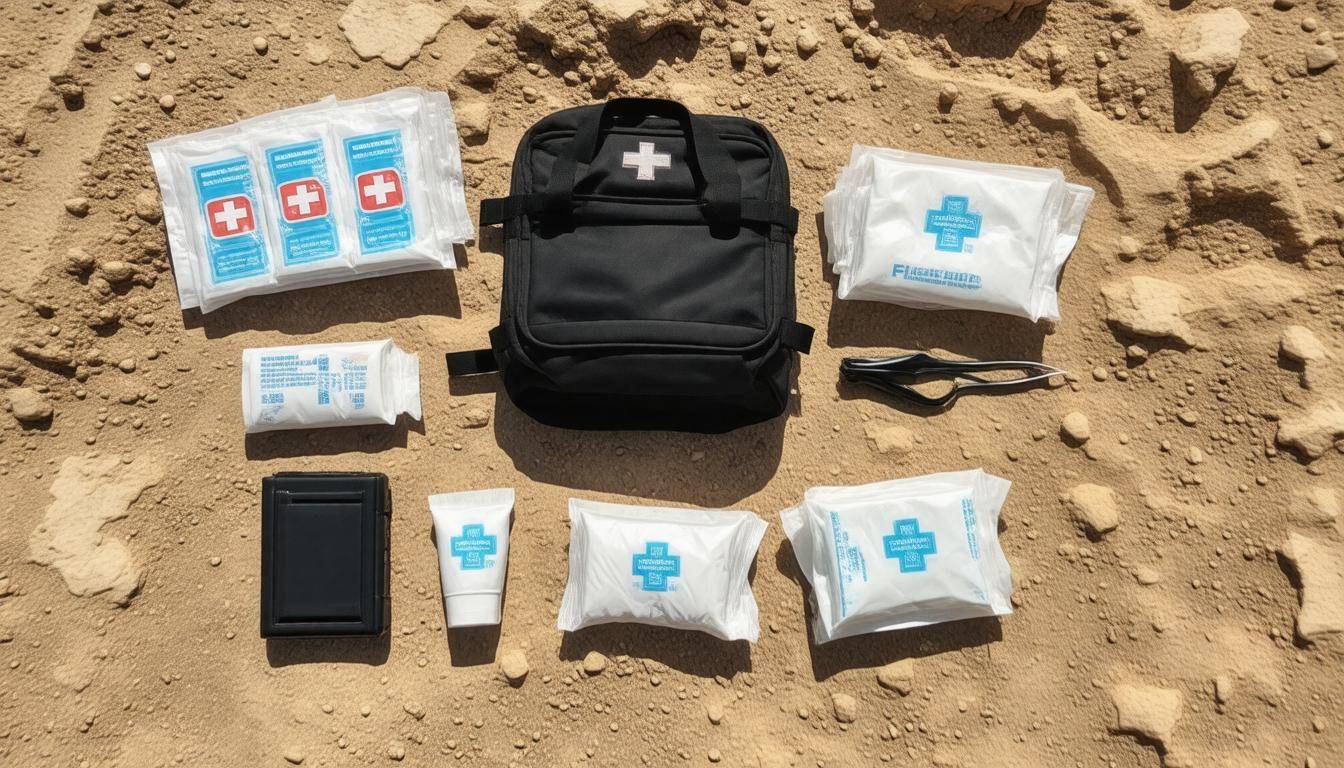
An effective first aid kit is non-negotiable when traversing the Arizona desert. With its rugged terrain and unpredictable conditions, having the right medical supplies can make all the difference in an emergency situation. This kit needs to be comprehensive enough to handle both minor injuries and more serious issues. The goal is to be prepared for anything.
Basic Essentials
-
Adhesive bandages in various sizes: Crucial for treating cuts and abrasions swiftly. A variety of sizes ensures coverage from a scraped knee to a larger gash.
-
Antiseptic wipes: Cleaning wounds is a vital first step in preventing infection. These wipes are lightweight, easy to carry, and essential for quick action.
-
Tweezers: Perfect for removing splinters or ticks, tweezers should be sturdy enough to grip tightly without breaking. This tool can save it from becoming infected and prevent further complications.
These basics serve as your first line of defense against common outdoor injuries. Now, let’s expand upon the components that address more severe situations.
Advanced Care
For more serious concerns, it’s wise to include burn cream, a snake bite kit, and oral rehydration salts (ORS) in your first aid pack.
Burn cream is especially useful after camping fires or sunburns, which can easily happen in the desert as temperatures soar. A snake bite kit could become lifesaving if you encounter one of Arizona’s serpentine residents while hiking. Having ORS helps combat dehydration—a real concern in such arid surroundings—by replenishing lost minerals due to sweating.
Rick, an experienced hiker, credits his well-stocked first aid kit for saving him during a trip when he fell on rocky terrain. He was able to clean his wounds immediately and avoid infection thanks to having his essentials at hand.
It’s clear that along with your first aid supplies, packing the right tools is essential; they can truly make or break your survival situation in the desert landscape. As we explore these critical items further, it’s important to understand how they work together for your safety and preparedness.
Emergency Tools and Fire Starters
When venturing into the unforgiving desert landscape, a reliable set of emergency tools can very well be a lifesaver. The harsh conditions necessitate that you’re prepared not just for day-to-day challenges but also for potential emergencies that could arise. Whether faced with a sudden change in weather or an unexpected injury, equipping yourself with versatile tools makes all the difference.
Fire Starters
The ability to start a fire can provide warmth, cooking capabilities, and a means of signaling for help in emergencies. Two excellent options to always include are UCO Stormproof Matches and Sweetfire Cubes.
-
UCO Stormproof Matches: These matches can ignite even in rain or wind, making them incredibly reliable when conditions aren’t favorable. They burn long enough to help you catch kindling or ignite more substantial materials for a solid fire base.
-
Sweetfire Cubes: Lightweight and sustainable; when lit, they burn for approximately six to seven minutes—just enough time to get your fire going without wasting precious energy on unsuccessful attempts.
Using these together enhances your chances of successfully igniting your fire.
Beyond fire-starting equipment, having multi-tools and knives at your disposal opens up numerous possibilities for handling various situations effectively.
Multi-Tools and Knives
A good multi-tool like the Leatherman is akin to having a toolbox in your pocket—it provides ample functionality while remaining compact. This multi-functional gadget typically combines essential tools like pliers, screwdrivers, scissors, and yes—even a knife—all within one streamlined device. This keeps you organized during hikes.
Similarly, investing in a quality foldable knife such as the Smith & Wesson Oasis proves invaluable during outdoor explorations. This knife fits snugly in your backpack and offers strong cutting ability, assisting with preparing food or setting up shelters in emergencies. Its durability ensures it won’t fail when needed most.
Being equipped with these tools enhances your experience in the wild. You’ll find peace of mind knowing that whatever obstacles arise, you have the necessary tools to address them safely and effectively.
While it’s crucial to prepare physically with tools, ensuring you have navigation devices is equally important to avoid getting lost amidst the vast deserts.
Navigation and Signaling Devices
Losing your way in a vast landscape like the Arizona desert can be more than just a minor inconvenience; it can turn dangerous quickly. That’s why packing reliable navigation and signaling devices is essential for any hiking or camping adventure. Having clear directions and the means to call for help can mean the difference between a fun outing and a trip gone awry.
Compass and Maps
A good start begins with the Brunton TruArc 7 Compass alongside detailed maps of the area you plan to explore. You may think that we live in an age dominated by technology, but the truth is not every nook and cranny of the desert has cellphone service or GPS accuracy. Maps don’t run out of battery, and they don’t rely on satellites; they provide timeless guidance. Ensure your maps are waterproof and tear-resistant, making them durable against the harsh desert conditions.
Keep your compass handy and know how to use it. Aligning your map to the north using a compass can help orient you when navigating tricky terrains. Regular practice will keep these skills sharp, ensuring you’re never left wandering aimlessly.
GPS Device
While compasses are vital, integrating technology like a Garmin GPSMAP 66i into your kit enhances your safety profile dramatically. A GPS device provides precise location tracking, which is invaluable for planning routes or revisiting waypoints. Emily, a seasoned outdoor enthusiast, knows its worth firsthand: “Having my Garmin saved me when I strayed off the trail.” Just remember that while GPS devices offer immense convenience, they should not completely replace traditional navigation methods.
It’s worth noting that up to 80% of hikers who get lost report that their reliance on technology led to their disorientation. Always maintain a basic understanding of how to read a map and use a compass in tandem with your GPS device for comprehensive navigational competence.
Signal Mirrors and Whistles
Alongside navigation tools, consider securing signal mirrors and high-decibel emergency whistles like the Fox 40 Pearl Whistle. These might seem small but can become incredibly crucial during emergencies when you need to be heard or seen from afar. Reflective surfaces on signal mirrors can reach up to 15 miles under optimal conditions, providing a powerful tool for gaining attention when needed.
Attach your whistle to your pack or clothing so it’s easily accessible. In high-stress situations, fumbling through bags to find signaling devices could lead to wasted precious time. Your voice is inadequate in vast landscapes – having these accessories ensures people looking for you can hear or see you even from distances where shouting wouldn’t suffice.
With all essential items at hand, knowing how to efficiently organize them will play a critical role in their effectiveness when you embark on your adventure.
Packing Your Survival Backpack
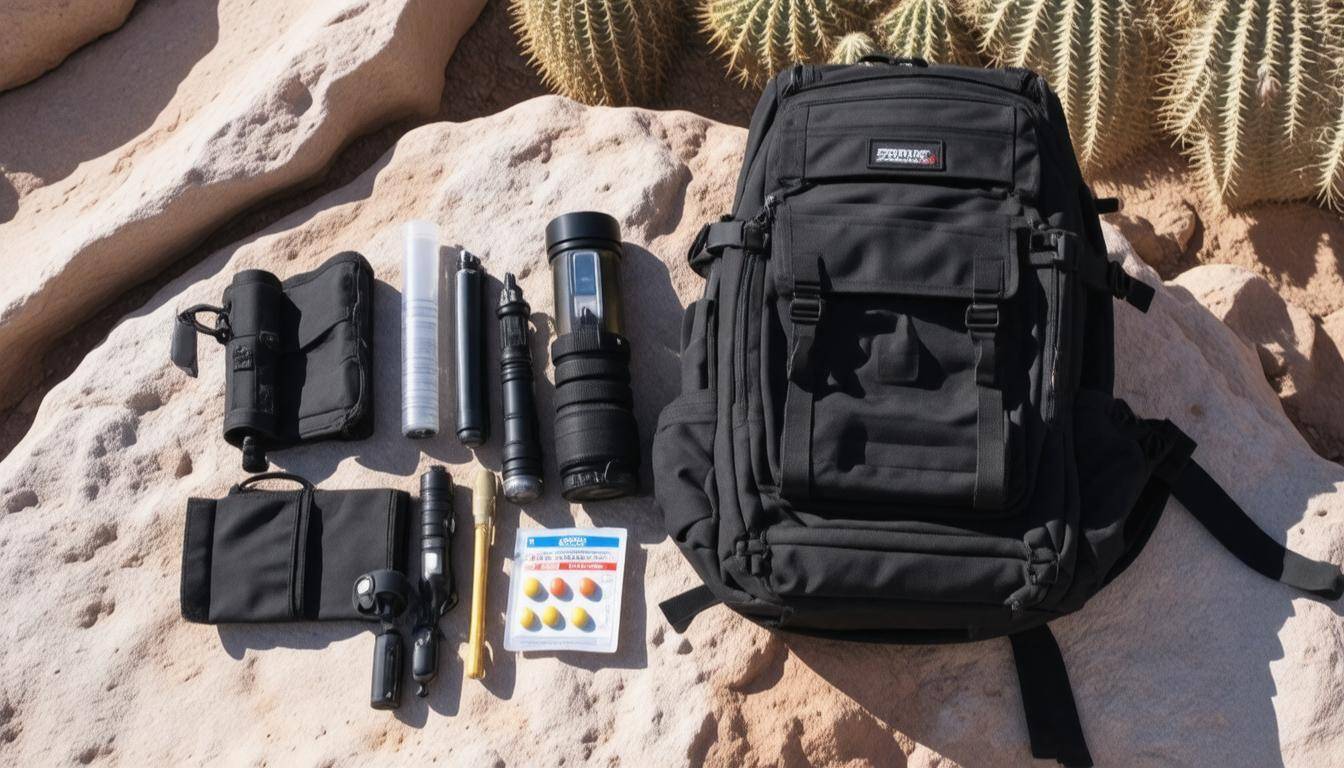
When preparing for an adventure in the Arizona desert, efficient packing can truly make a difference. Think of your backpack as an extension of your own body. When you organize it properly, you’re setting yourself up for success. Effective packing involves understanding both weight distribution and accessibility, which play key roles in your comfort and efficiency on the trail.
Weight Distribution
The weight of your backpack should balance evenly, allowing for optimal movement and reduced strain on your back. Start by placing the heaviest items—like water and shelter—at the bottom of the pack. This way, they are close to your back, making it easier to maintain stability while hiking. Then, stack lighter gear towards the top or front of the backpack. This method helps maintain balance and prevents excess swaying as you walk.
Accessibility
In addition to weight considerations, think about accessibility. Items that may be needed urgently, such as a first aid kit or navigation tools like a compass, should be stored in easy-to-reach pockets or compartments. By having these essentials readily available, you can react quickly in emergencies without rummaging through your entire backpack.
Example List for Packing
-
Bottom:
- Water supplies (at least 1 gallon per day)
- Shelter (tent or tarp)
-
Middle:
- Food supplies (high-calorie snacks like energy bars)
- Clothing (extra layers and sun protection)
-
Top:
- First aid kit (including injury essentials)
- Navigation tools (like maps and GPS devices)
Moreover, before hitting the trail, it’s crucial to ensure that everything in your kit is functional. Taking time to practice with your packed backpack fosters confidence and prepares you for various situations that may arise during your hike.
Testing Your Arizona Desert Kit
Before you embark on a hike or camping trip into the unforgiving heat of the Arizona desert, it’s crucial to conduct a trial run of your gear. This practice serves as a confidence booster and an opportunity to assess whether your equipment will meet the challenges of the harsh environment. An effective way to do this is by simulating your hiking conditions in a smaller, controlled setting. For instance, you might consider a local park or a short trail that mimics desert-like conditions, allowing you to test both your gear and your endurance.
Evaluation Points
-
Backpack Weight and Balance: Ensure that your backpack feels comfortable when fully loaded. It shouldn’t pull you backward or cause strain on your shoulders after a few hours of wear. Ideally, your load should feel evenly distributed so you remain stable on uneven terrain.
-
Efficiency of Fire Starters: In the sweltering heat, starting a fire can be more challenging due to low humidity levels making it hard for flames to catch. Try out each method you’ve packed—whether it’s waterproof matches or fire-starting cubes—to see how quickly they ignite under realistic conditions.
-
First Aid Kit Accessibility: Review the contents for any expired items or essentials that may have been left out. During the trial run, place it in your backpack exactly as you would during your actual hike. This way, you’ll know if you can reach it easily when seconds count.
A real example can show how vital this step is: Casey undertook a trial run before his trip and discovered that his water filter was defective. Thanks to this preemptive measure, he replaced it with a new one just in time, thus avoiding potential disaster on his actual trip.
Setting up and breaking down your camp during this trial run is also valuable. Each time you pitch your tent, you’re honing your skills; practicing makes perfect! Pay attention to how long it takes to get everything ready and whether all parts of your shelter are functioning properly. Knowing how long these tasks take will help you plan better during your real adventure.
Ultimately, these small assessments provide insight not only about what gear works best for you but also allow for necessary adjustments before stepping into the sometimes treacherous desert landscape.
In preparing effectively for your adventure, testing your survival kit can make all the difference between a memorable trip and one fraught with difficulties. By ensuring everything functions correctly beforehand, you’re setting yourself up for success in the Arizona desert.