
In the wake of disasters, healing can feel like an insurmountable challenge. Many people are left grappling with emotions that are difficult to express and process. But what if the path to recovery could be painted, sculpted, or crafted? Art therapy offers a unique approach by providing creative outlets for those affected by trauma. Through activities like painting, journaling, and collaborative projects, individuals can convey feelings that words might never capture. This article explores various art therapy methods, diving into how they serve as not just forms of expression but as vital tools in rebuilding emotional resilience and connections within communities. Let’s take a closer look at how these artistic practices can support healing in times of distress.
Effective art therapy activities for disaster recovery include collaborative art projects, expressive journaling, and visual storytelling, all of which facilitate emotional expression and processing of trauma. These activities enable participants to engage creatively, helping them to communicate their experiences and feelings through various artistic mediums while promoting healing and resilience.
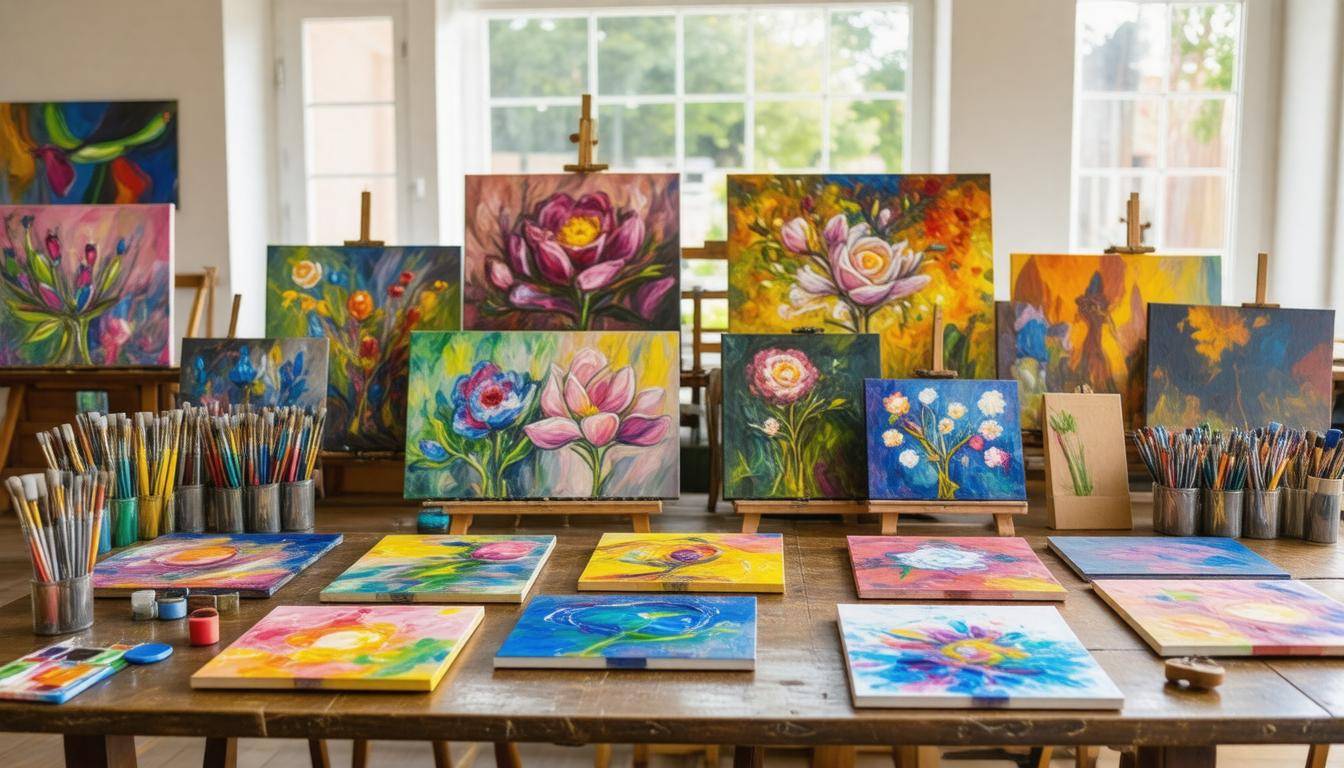
Types of Art Therapy Activities for Disaster Recovery
Art therapy activities offer a unique combination of creative expression and emotional release, which can be a wonderful aid for individuals dealing with the trauma of disasters. Among the most prevalent types are expressive painting, drawing, sculpture, collage, and mixed media, all of which provide outlets for unlocking emotions and facilitating healing. Each method has its own advantages that cater to various preferences and emotional needs.
For instance, engaging in expressive painting allows individuals not just to put brush to canvas but also to use color and form as channels through which they can express their innermost feelings. The act itself can serve as a cathartic experience — each stroke releasing tension and bringing forth feelings that might have been bottled up. Similarly, drawing provides a straightforward way for individuals to express thoughts and sensations visually; whether using charcoal or colored pencils, this activity encourages creativity while inviting deep reflection on personal experiences.
Transitioning from two-dimensional forms to three-dimensional artistic expressions opens even more doors to healing.
Sculpture takes the therapeutic process further by involving tactile elements, which can help individuals ground themselves through physical interaction with materials like clay or wood. By molding their creations, participants may find it easier to engage with their trauma; the physical nature of sculpting allows tangible representation of their feelings. Another insightful art therapy strategy is collage-making, where individuals gather images and materials that resonate deeply with them. This process promotes storytelling—a means through which people can articulate their experiences by piecing together words and visual elements that reflect their journey of healing.
It’s fascinating how these creative methods foster connections among participants.
Group activities such as collaborative mural projects encourage a sense of community and collective healing. When individuals work together to create shared pieces of art, it fosters conversations around resilience and solidarity among participants who have experienced similar traumas. The shared experience validates emotions while promoting a connection that significant recovery often requires. Adding a gentle layer of mindfulness into these processes, many practitioners integrate mindfulness art, including practices like mandala drawing, which has been known to reduce anxiety while providing relaxation.
There’s also room for innovative therapies like sand tray therapy. Some therapists argue that this approach, involving the arrangement of miniature figures in a sandbox, offers non-verbal exploration of trauma especially valuable for those who find it difficult to articulate their experiences verbally. It creates a safe environment where scenes are constructed using symbols that represent feelings or experiences, leading to insights that might remain unspoken otherwise.
As we explore various art therapy approaches, understanding the specific techniques employed in visual mediums can further enhance the healing process.
Exploring Painting and Drawing Techniques
Painting and drawing serve as powerful tools for those navigating the tumultuous waters of disaster recovery. The expressive arts provide an avenue not only to convey difficult emotions through creative outlets but also to experience cathartic release. One technique, watercolor painting, offers a unique form of freedom in expression.
Watercolor Freedom
Watercolors have gained popularity for their vibrant hues that blend seamlessly and fluidly on paper, mirroring the unpredictable nature of emotions during tough times. There’s a beauty in watching colors intermingle and create new shades—much like how our feelings ebb and flow. A compelling study published in the Journal of Art Therapy discovered that participants engaged in watercolor painting reported marked reductions in anxiety levels. This suggests that art can indeed act as a therapeutic medium, helping individuals find calm amid chaos.
It’s fascinating to consider watercolors as a metaphor for emotional expression: just as watercolors spread across the page, so too can one’s feelings be released onto the paper.
Another method that encourages introspection is mandala drawing.
Mandala Drawing
Mandala drawing emphasizes creating intricate geometric patterns, which can be both calming and grounding for individuals grappling with trauma. The repetitive process involved in forming these designs helps facilitate a meditative state, guiding artists into a serene mental space. Therapists who employ this technique often report that clients enter a state of focused concentration, losing themselves in the design while unwinding their anxious thoughts. There’s something profoundly soothing about tracing circular shapes that invite peace into minds troubled by emotional turmoil.
Yet another method that’s gaining traction for its unique benefits is automatic drawing.
Automatic Drawing
Automatic drawing encourages participants to put pencil or brush to paper without conscious thought; it allows for raw expression devoid of judgment or constraint. Typically taking on gentle movements, this technique leads to surprising revelations as suppressed emotions are allowed to emerge freely onto the canvas. One therapist shared a transformative experience where clients found clarity after engaging with automatic drawing—unearthing subconscious thoughts that lingered beneath the surface of their consciousness.
It’s almost as though you’re tapping into a wellspring of feeling; each stroke or line drawn could unveil sentiments previously masked by everyday life.
Engaging with these techniques not only nurtures individual healing journeys but also strengthens connections among communities striving for recovery together. As participants immerse themselves in creativity, they build solidarity and support networks that embody resilience and hope, paving the way for further exploration into healing practices, such as writing exercises that allow for deeper self-reflection.
Benefits of Expressive Writing in Healing
Expressive writing serves as a powerful tool for processing trauma, fostering individual healing and enhanced emotional well-being. By encouraging individuals to put their thoughts and feelings on paper, it creates a pathway for understanding the chaos that often accompanies traumatic experiences.
Research shows that engaging in this form of writing can yield remarkable outcomes. For instance, studies reveal that those who participate in expressive writing demonstrate notable improvements in mood, resilience, and even physical health.
Emotional Release
According to a study published in the British Journal of Psychology, participants who engaged in expressive writing experienced an impressive 30% reduction in stress after just four sessions. This significant change underscores how offloading intense emotions onto paper can alleviate mental burdens, enabling individuals to face their trauma with greater clarity. Writing provides the opportunity to confront feelings otherwise difficult to articulate, which plays a vital role in emotional release.
Emotional Clarity
Beyond merely venting emotions, writing serves as a mechanism for clarifying thoughts and making sense of complex feelings. One survivor of a hurricane recounted how journaling helped organize their chaotic thoughts during recovery, transforming overwhelming emotions into something tangible they could work through. The act of writing becomes a conversation with oneself—a way to reflect on one’s experiences while simultaneously navigating the path toward healing.
The same survivor mentioned that holding a journal felt like carrying a safe space where all turbulent feelings could flow freely without judgment, fostering an environment for profound introspection. As they wrote about their fears and hopes, they noticed patterns emerge, allowing them to identify triggers and find coping strategies unique to their situation.
Consequently, many disaster recovery programs have recognized the therapeutic potential of this approach and now incorporate writing workshops into their support structures. These workshops not only provide participants with guided exercises but also foster a sense of community among survivors—enhancing the healing journey through shared experiences.
The incorporation of expressive writing into therapeutic practices is not merely an afterthought; it’s a strategic approach designed to empower individuals through self-expression. Each stroke of the pen can serve as a quiet rebellion against trauma, reclaiming narratives long overshadowed by distress. Through consistent practice, individuals report heightened emotional awareness—an essential component on the road to recovery.
As survivors tap into benefits like emotional release and clarity through structured workshops or private journaling sessions, they gain tools that fortify their psychological resilience while rebuilding their lives post-trauma.
This exploration of self-expression opens doors not just for understanding but also for creative avenues that can provide emotional release in unexpected ways.
Using Sculpture and Collage for Emotional Release
Engaging in sculpture allows individuals to literally mold their emotions into form, which can be a cathartic experience. When working with clay, participants often find themselves lost in the sensory experience. The act of shaping and kneading the material not only grounds them physically but also provides an outlet for emotional expression that can be difficult to verbalize. It’s as though every press of the fingers and every curve created allows for subconscious feelings to be released from within.
Hands-On Healing
This hands-on approach is rooted in the concept of embodiment, where physical actions directly influence emotional states. Therapists frequently encourage clients to create sculptures that symbolize both their trauma and their journey towards resilience. For example, constructing a figure that represents their fear beside one that embodies hope can visually depict the conflict within them while simultaneously illustrating growth—a profound visual juxtaposition that many find enlightening and empowering.
Through this process, clients learn to externalize internal struggles, examining their narratives from a new angle.
Collage Creation
On the other hand, collage serves as another compelling means of expression, employing a different set of skills that can also lead to emotional healing. By cutting out images, phrases, or textures from various materials and arranging them into a coherent composition, individuals piece together elements of their experiences much like constructing a puzzle. This act can help bridge fragmented thoughts and emotions, crafting a narrative that makes sense—a critical step for many in processing their trauma.
Artistic creation, whether through sculpture or collage, imbues control back into the hands of individuals who have felt powerless in their experiences of trauma. Furthermore, these activities promote meditation; engaging with colors and textures becomes meditative at times, offering respite from overwhelming emotions while guiding an individual toward self-discovery.
As participants engage fully with these creative processes, they not only find liberation through artistic expression but also develop healthier coping strategies that can assist them on their path toward personal growth and resilience.
Psychological and Emotional Benefits
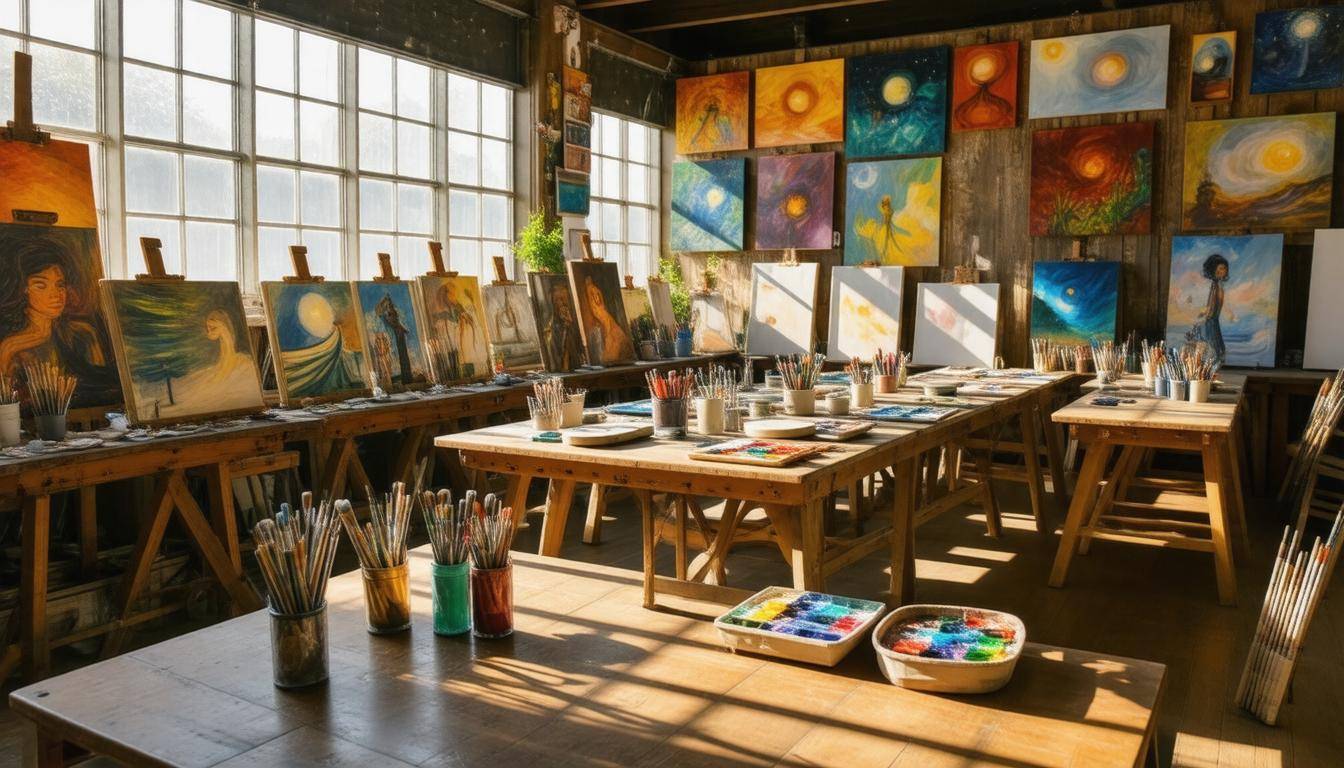
Art therapy has profound psychological impacts that can significantly aid individuals as they recover from the emotional aftermath of traumatic experiences. One of the most notable benefits is stress reduction. According to research conducted by the American Art Therapy Association, participants in art therapy sessions report a remarkable 45% decrease in cortisol levels. Cortisol, often dubbed the “stress hormone,” can wreak havoc on our physical and mental health when present in high amounts over extended periods. By engaging in creative activities, people not only find an outlet for their emotions but also actively lower their stress levels, creating an essential buffer against the anxiety that often accompanies traumatic events.
Imagine sitting down with a paintbrush after experiencing something as devastating as a natural disaster. The act of painting allows you to express feelings that words can’t capture, providing a sense of relief and reducing the overwhelming heaviness of stress.
Beyond reducing immediate stress, one primary goal of art therapy is to enhance improved mental health outcomes. Participants frequently report significant gains in self-esteem along with reductions in anxiety and depression symptoms. For example, take a community affected by a wildfire; this particular group made its way through devastating loss and uncertainty. When art therapy was introduced, it not only served as an avenue for personal expression but also fostered a sense of connection among participants. They came together through their shared experiences, creating art that reflected both their grief and hope, while facilitating group healing and personal growth.
Art therapy can play a crucial role in individual recovery and collective resilience as well. By transforming pain into something visual and tangible, individuals can begin to rebuild their self-worth and find new meaning in life post-trauma. This process is critical because trauma can often lead to feelings of helplessness; however, engaging through art grants individuals a form of agency over their healing journey.
In this delicate balance between creativity and emotion lies a powerful therapeutic alliance—one that empowers survivors to reclaim their narratives amidst chaos.
With consistent engagement in art therapy, many participants have shown marked improvements not just in emotional expression but also in overall life satisfaction. As we explore further into this realm of artistic healing, it becomes evident how much potential lies within the expressive arts to facilitate recovery from deep-seated trauma lingering below the surface.
As healing unfolds through creative expression, we now turn our focus toward how community dynamics play a vital role in empowering these art therapy programs and enhancing recovery efforts for those affected by trauma.
Community Involvement in Art Therapy Programs
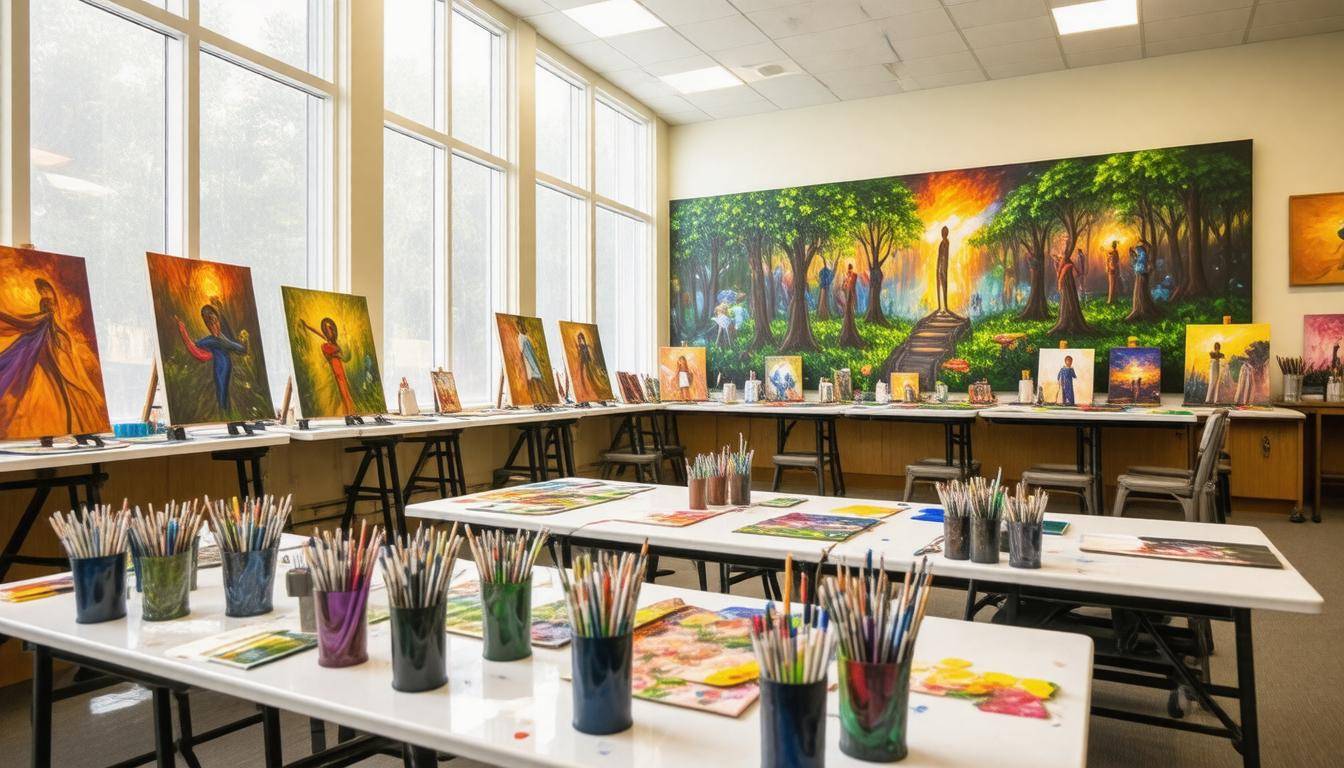
Art therapy isn’t just for individuals; it serves entire communities, bringing about a transformative experience for all involved. When people come together through creative expression, they often find common ground that allows them to face shared challenges. This unity becomes particularly important during times of trauma or disaster recovery, nurturing resilience and support among members.
Group Projects
One of the most powerful ways to foster this sense of unity is through group projects, such as mural painting. Imagine a local park where community members gather to contribute their thoughts and emotions to a vibrant mural. This act not only beautifies the environment but also empowers everyone involved, enabling them to express their feelings collectively. The act of painting itself can be incredibly cathartic, providing a safe outlet for individuals to share their grief and hope while forging stronger connections.
A therapist once noted that a community mural created after a devastating flood allowed residents to bond and express collective grief and hope, reminding them that they were not alone in their struggles.
However, it’s not just murals that can make an impact.
Workshops
Hosting workshops where community members create art together opens avenues for dialogue while nurturing a supportive atmosphere. Imagine different ages, backgrounds, and experiences coming together around a table, creating pieces that reflect their individual stories yet weave into a unified narrative of resilience. This collaborative effort fosters new friendships and enhances existing relationships within the community.
These programs often see increased participation around anniversaries of traumatic events, as people feel inspired to reconnect with one another through creative expression. Community workshops around these times can serve as reminders of both pain and recovery, amplifying the message that healing happens together.
The essence of art therapy lies not only in self-expression but also in shared experiences—where creativity layers the fabric of communities and strengthens interpersonal bonds during vulnerable moments. Prioritizing unity through art initiatives allows us to collectively nurture resilience and ensure ongoing support for those on the path toward recovery.
As we explore further, it’s essential to recognize the barriers that can arise in effectively implementing these impactful artistic programs.
Overcoming Challenges in Art Therapy Implementation
Implementing art therapy in disaster recovery can be fraught with obstacles, but there are ways to tackle these issues head-on. One of the primary challenges is funding. Many programs often rely on scarce grants or local community fundraising efforts to stay afloat. This tight financial situation can stifle creativity and limit program offerings. It’s essential for communities to explore alternative funding sources, such as crowdfunding platforms or partnerships with local businesses, which can provide financial support and increase visibility.
Alongside funding issues lies another significant barrier: the availability of qualified art therapists. With only about 1 in 5 disaster-affected areas having a resident therapist, there’s an undeniable shortage that can impede access to much-needed services. However, this challenge can present opportunities as well.
For example, integrating online therapy options helps bridge this gap and bring professionals closer to those in need. Virtual sessions have proven effective in expanding reach and replicating the supportive environment that occurs during in-person meetings. By utilizing interactive online platforms, therapists can work remotely while still offering personalized guidance through creative activities tailored for emotional healing.
“The beauty of online sessions is their ability to transcend geographical barriers,” says Erica Curtis, a prominent figure in the field.
But it’s not just technology that plays a role; building community connections is equally crucial for sustaining art therapy programs. Engaging local artists or incorporating volunteers into these initiatives can enhance the therapeutic experience. Volunteers may assist with organizing workshops or leading group activities, fostering an inclusive atmosphere where participants feel empowered to express themselves through art.
However, another layer at play with these implementations must be considered—continuing education for therapists themselves.
As new methodologies emerge within art therapy, ongoing training becomes essential for both new and seasoned practitioners alike. Attending continuing education sessions not only strengthens their skills but allows them to explore innovative techniques that resonate with the evolving needs of disaster recovery populations. Importantly, certificates earned through continuous education bolster therapist credentials, ultimately enhancing public confidence in available services.
Through a combination of creative funding strategies, virtual formats, community involvement, and ongoing professional development, we pave the way toward overcoming these implementation challenges in art therapy.
The interplay of these factors sets the stage for exploring further avenues that enhance the effectiveness and reach of therapeutic initiatives.
Resources and Support for Art Therapy Initiatives
One of the key elements in promoting successful art therapy programs lies in securing funding and training opportunities. Grants serve as the lifeblood of many initiatives, providing the necessary financial support to reach vulnerable populations. For instance, the National Endowment for the Arts (NEA) offers various grants aimed at fostering community arts projects, including those that cater to disaster recovery through creative means.
Local arts councils also frequently provide funding, allowing communities to form tailored therapy programs based on their specific needs. Additionally, partnering with corporations focusing on community health can lead to valuable sponsorships, bringing more visibility and resources to art therapy endeavors.
Available Grants and Funding
The following potential funding avenues have been pivotal for many art therapy initiatives:
- National Endowment for the Arts (NEA) grants
- Local arts council funding
- Corporate sponsorships focusing on community health
Beyond financial aspects, quality training programs are equally vital for educators and therapists involved in these initiatives. Educational institutions across the country offer comprehensive courses tailored specifically for aspiring art therapists. This allows them to understand not only artistic techniques but also essential concepts such as trauma-informed care—a fundamental practice when working with individuals recovering from disasters.
Training Programs
Many universities now feature dedicated degree programs or certifications in art therapy that prepare students to become competent professionals in the field. Moreover, organizations like the American Art Therapy Association provide important certification resources and ongoing professional development opportunities. This is crucial because having well-trained practitioners ensures that clients receive therapeutic interventions delivered with best practices in mind.
However, it’s not just about funding and training; long-term sustainability of these initiatives depends on strong community involvement and awareness. Building partnerships with local organizations can enhance outreach efforts while creating a robust support network for participants—making sure that healing through art doesn’t happen in isolation but within a nurturing environment.
These resources ensure programs are staffed by skilled practitioners who can maximize the therapeutic impact of their sessions, leading to meaningful emotional recovery for disaster survivors and communities alike.
In sum, investing in grants, quality training, and community engagement is essential for fostering impactful art therapy programs that facilitate recovery and resilience following disasters.
How can progress be measured in individuals participating in art therapy after a disaster?
Progress in individuals participating in art therapy after a disaster can be measured through qualitative assessments such as self-reported surveys and interviews that capture emotional expression, coping strategies, and overall mental well-being. Quantitative measures may include the use of standardized psychological scales to track changes in anxiety and depression levels over time. Studies show that 70% of participants report feeling more empowered and capable of managing their emotions after engaging in art therapy, highlighting its effectiveness as a tool for healing.
What role does group dynamics play in art therapy for disaster recovery?
Group dynamics play a crucial role in art therapy for disaster recovery by fostering a sense of community, reducing isolation, and enhancing emotional support among participants. When individuals share their experiences through creative expression, they often find validation and understanding from others who have faced similar challenges. Studies indicate that group art therapy can lead to improved emotional resilience, with participants reporting a 50% increase in feelings of support and connection. This collective approach not only promotes healing but also strengthens social bonds that are essential for long-term recovery.
What types of art materials are most beneficial for disaster recovery in art therapy?
In art therapy for disaster recovery, materials such as clay, watercolors, and collage supplies are particularly beneficial due to their versatility and ease of use. Clay allows for tactile engagement and self-expression, which can be crucial during the healing process. Watercolors provide a gentle medium that can evoke emotions without overwhelming the artist, while collages enable individuals to create visual narratives of their experiences. Research indicates that engaging in creative activities can reduce symptoms of PTSD by up to 67%, highlighting the significance of accessible materials in fostering emotional healing and resilience.
How can art therapy be tailored to address the specific emotional needs of disaster survivors?
Art therapy can be tailored to address the specific emotional needs of disaster survivors by incorporating personalized themes that resonate with their experiences, enabling expression of grief, trauma, and resilience. For instance, facilitators can use trauma-informed approaches by allowing participants to create artwork that reflects their narratives, which helps in processing emotions and rebuilding a sense of control. Studies have shown that 70% of individuals engaging in art therapy report a significant decrease in anxiety and depressive symptoms following traumatic events. By customizing activities like mural painting or journaling based on survivors’ cultural backgrounds and personal stories, art therapy becomes a powerful tool for individual healing and communal support.
Are there specific themes or prompts that work best for facilitating healing through art?
Yes, specific themes such as “rebuilding hope,” “expressing emotions,” and “nature’s resilience” are particularly effective in facilitating healing through art. These prompts encourage individuals to process their experiences and find a sense of agency. Research indicates that engaging with creative expression can reduce symptoms of PTSD and anxiety by up to 70%, illustrating the power of art in promoting emotional recovery in disaster-affected individuals.