
When severe weather strikes in Atlanta, being prepared is not just an option—it’s a necessity. Tornadoes can form quickly and leave destruction in their wake, making it crucial for families to have a protection kit ready to go at a moment’s notice. Think of this kit as your safety parachute, filled with the items that will help you and your loved ones navigate through the unpredictable and often terrifying aftermath of a tornado. Over the years, I’ve realized that having the right supplies not only keeps you physically safe but also helps ease anxiety during stressful moments. In this article, we’ll walk through each essential item that should be included in your tornado protection kit, ensuring you’re equipped with both practical tools and peace of mind when storms loom on the horizon.
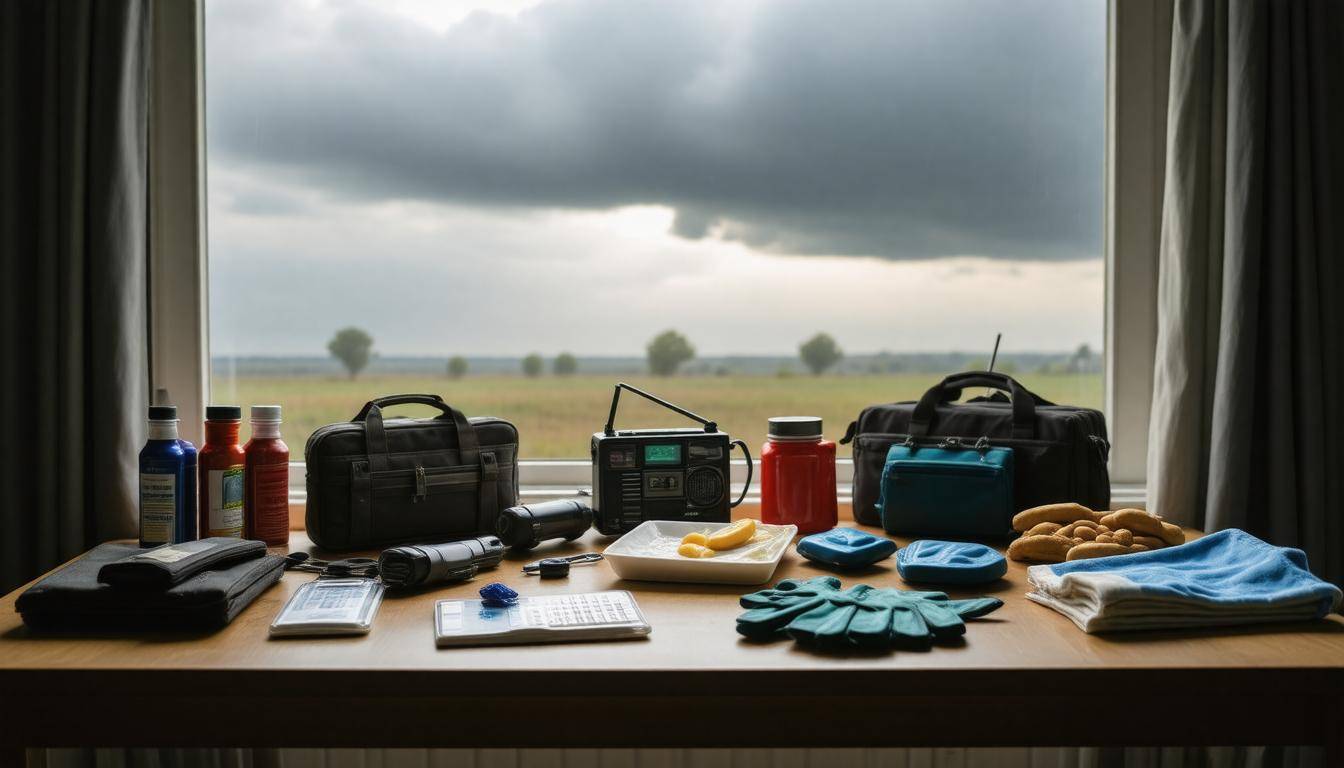
An effective Atlanta Tornado Protection Kit should include items such as a first aid kit, non-perishable food and water for at least three days, a battery-powered or hand-crank radio, flashlights with extra batteries, a multi-tool, and sturdy shoes. Additionally, consider including important documents and medications, as well as a whistle for signaling for help.
Atlanta Tornado Protection Kit: Essential Items
When assembling your tornado protection kit, consider how each element will function under duress. The battery-powered radio is not just a convenient gadget; it is your lifeline to the outside world when fierce storms take down power lines. Information directly impacts your safety, so having reliable weather updates can guide your responses during a crisis. Imagine huddling with family, listening intently as the radio crackles out critical information about storm paths or warnings—this connection can make all the difference.
Similarly, flashlights are more than mere convenience in an outage; they serve psychological comfort in dark times. The light represents hope and safety. In those chaotic moments, simply illuminating the space around you can ease anxiety and help maintain a sense of control. Pair these flashlights with extra batteries, ensuring that you’re never left in darkness—the last thing you want during a tornado warning is a dead flashlight.
A well-stocked first aid kit cannot be overstated; it’s your minuscule pharmacy ready to handle cuts, scrapes, or other minor injuries from debris. Ensuring it includes pain relievers and any prescription medications specific to family health needs elevates its importance exponentially. Knowing that you have the basics to manage injury allows you to focus on staying safe rather than worrying about immediate medical needs.
Equally important is a whistle in your kit—it may seem small, but don’t underestimate its potential for signaling help if disaster strikes and you’re trapped. With limited mobility in such situations, creating audible signals becomes vital for drawing attention to your location—your voice can easily become hoarse or silent amid turbulence, making that whistle indispensable.
Consider the other end of survival in extreme weather—thermal comfort through blankets and warm clothing. Tornadoes can bring dramatic temperature drops, especially after the chaos has settled, leaving vulnerable individuals exposed. Keeping warm helps stave off hypothermia while waiting for rescue or recovery—and those cozy blankets could provide emotional solace amidst chaos, reminding us of home and stability.
Each item should be evaluated for its role in facilitating communication, maintaining health, ensuring visibility, providing warmth, and offering peace of mind. As we think about how to prepare effectively for severe weather conditions, it’s also crucial to explore foundational supplies that ensure safety and readiness across various emergencies.
Basic Emergency Supplies
An effective tornado protection kit goes beyond just food and water; it requires a handful of fundamental emergency supplies that can make all the difference during a crisis. First and foremost is a first aid kit. This should include band-aids, antiseptic wipes, gauze, medical tape, scissors, and any personal medications you or your family members might need. You never know when you might encounter a scrape or bruise, especially if you have to navigate through debris following the storm.
Consider including a manual on basic first aid as well. Having instructions can be incredibly helpful if you or someone around you is injured during an emergency.
Next on the list is a flashlight—and don’t forget extra batteries. Power outages are common after severe weather events, and having a reliable light source can be invaluable for navigating your surroundings in the dark. A headlamp could double as hands-free illumination and a practical tool when working on repairs or gathering essential items post-tornado.
Multi-tool or Swiss Army Knife
One item I can’t stress enough is the multi-tool or Swiss Army knife. This compact device is packed with functions—think scissors, screwdrivers, bottle openers, even pliers! Being able to easily cut through items or tighten screws can save time and effort in an otherwise chaotic environment. Every moment counts during emergencies, so having this handy tool readily available might prove crucial.
As we move further into the realm of preparedness, let’s address the importance of communication tools in your emergency supply arsenal.
Communication Tools
In times of crisis, staying informed is vital. Consider including a battery-operated NOAA weather radio in your kit. These radios are specifically designed to broadcast National Weather Service alerts and provide continuous updates about your region’s weather conditions. Pair it with a power bank for charging mobile devices; it ensures that you can stay connected with loved ones or access emergency information on your smartphone.
Remember, it’s not just about what supplies you have; it’s how prepared you are to use them effectively in times of need. Regular checks on these supplies will help ensure that everything is functional and ready when the time comes.
Finally, don’t overlook the emotional aspect of weather-related emergencies. Including comforting items such as personal hygiene products, extra blankets, and even books or playing cards can provide both physical comfort and psychological relief during stressful times. After all, emergencies can drag on longer than expected, and keeping morale high may be just as important as any other safety measure you’ve taken.
With these preparations in place, you’ll be better equipped to handle unexpected challenges ahead while ensuring that you’re ready for whatever unfolds next in your survival journey.
Essential Survival Gear
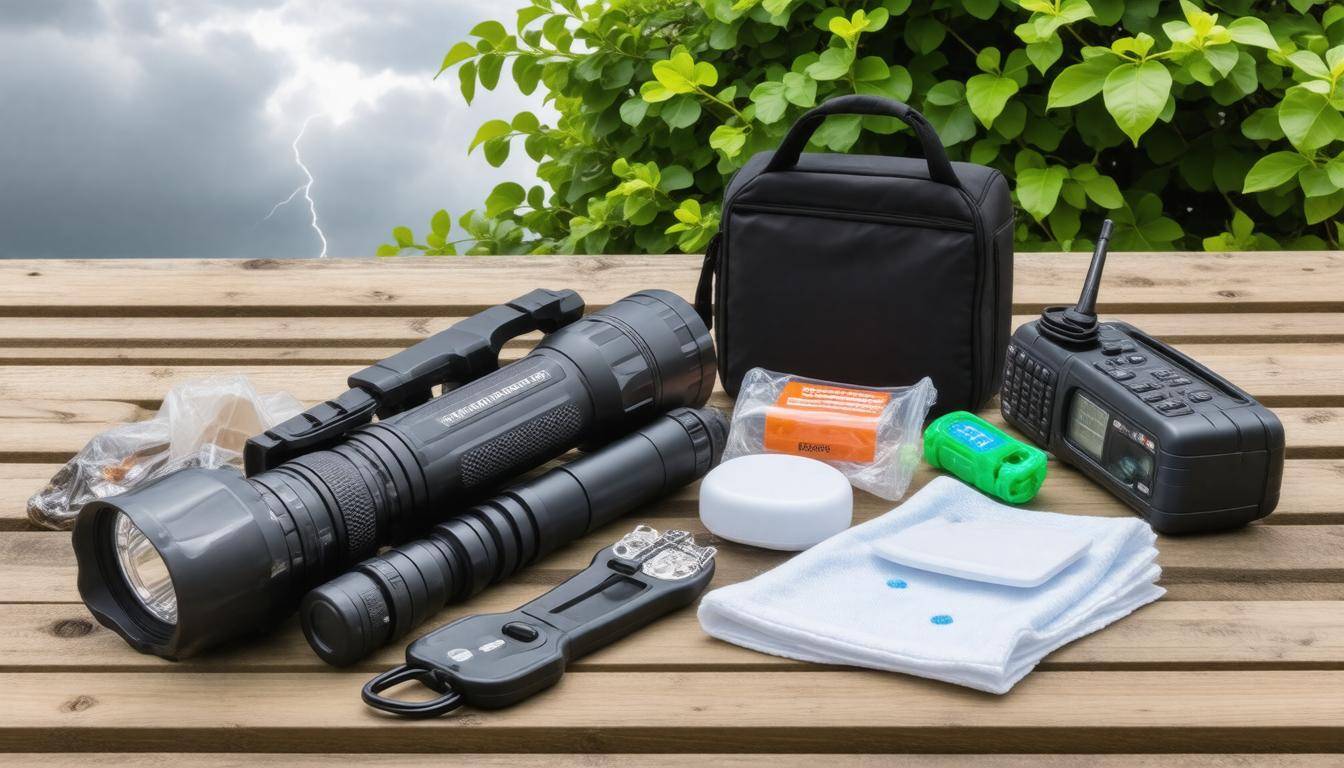
Survival gear plays an indispensable role in your ability to cope with the aftermath of a tornado. This type of equipment helps you respond effectively if you’re faced with hazardous situations. For instance, think about something as simple as a flashlight. When the power goes out, and everything becomes cloaked in darkness, having a reliable flashlight equipped with fresh batteries can bring peace of mind and a sense of direction. It allows you to navigate through debris and find help, underscoring its importance in your emergency toolkit.
But what is survival gear without versatility? Alongside your flashlight, consider adding durable weatherproof bags. These will keep necessary supplies from getting wet during unexpected weather changes or flooding that sometimes follows tornado events. Not only can these bags secure your essentials such as clothing, food, or medications, but they also serve as a practical way to carry items when evacuating the area.
Food and Water Supplies
Food and water supplies are crucial components of your survival gear. Pack non-perishable foods like energy bars, canned goods, or dried fruits. They provide essential nutrition during emergencies while being lightweight and easy to store. Meanwhile, water is irreplaceable—having at least one gallon per person per day should be your goal. Filling up bottles or investing in water purification tablets can ensure you have access to safe drinking water in case local supplies become contaminated.
Keeping hydrated cannot be understated; if you don’t stay hydrated post-tornado, you may find yourself too fatigued to respond effectively to emerging dangers around you.
First aid kits are another element that cannot be overlooked when considering survival gear. Imagine you’ve taken precautions by wearing sturdy shoes and gloves but still find yourself sustaining minor injuries while navigating wreckage. A well-stocked first aid kit equips you with bandages, antiseptics, and other medical essentials needed to treat wounds promptly before professional help arrives.
| Item | Purpose |
|---|---|
| Flashlight | Navigating in darkness |
| Weatherproof Bags | Protecting supplies from moisture |
| Non-perishable Food | Quick nourishment under difficult conditions |
| Water Purification Tablets | Ensuring access to clean drinking water |
| First Aid Kit | Treating injuries until medical help arrives |
As you gather these essential items, it’s equally important to consider additional tools that can enhance your safety and security during tornado season. Preparing for every scenario can significantly improve your readiness in facing any challenges that arise.
Tools for Safety and Security
In the event of a tornado, having the right tools on hand can empower you to act quickly and effectively, turning chaos into manageable situations. Multi-tools are arguably the standout item in your kit; they pack multiple functionalities—pliers, screwdrivers, and scissors—into a single device. This versatility means that if part of your home is damaged, you can use your multi-tool to make quick repairs or assist someone who might be trapped under debris. Imagine being able to loosen a bolt or cut some rope effortlessly; that’s how essential these tools become when time is of the essence.
Must-Have Tools
Each tool in your kit serves its purpose uniquely. Duct tape is another indispensable item, often underestimated for its capacity to hold materials together or cover gaps. If you’re faced with broken windows or damaged siding, duct tape can provide immediate shelter until more permanent repairs can be made. It’s easy to carry and incredibly effective. The beauty of duct tape lies in its adaptability; whether you’re securing loose parts or even improvising a splint for an injury, it works wonders.
Then there’s the utility knife, which transitions smoothly from cutting through fallen debris to preparing makeshift shelters. It isn’t just about slashing—a utility knife allows you to handle various materials like fabrics or ropes with precision. Picture yourself needing to slice through heavy plastic to create a protective cover; that’s real-world application.
Besides these essential tools, it’s crucial to familiarize yourself with how to utilize them effectively during an actual weather emergency. Understanding their practical applications will inspire confidence and ensure that you’re fully prepared when seconds count.
An additional tip is to practice using these tools beforehand. Familiarity breeds comfort; by knowing exactly where each tool is located and how it operates, you position yourself much better when facing a storm’s fury. So take some time on a calm day to familiarize yourself with your multi-tool mechanisms, learn how strong that duct tape really is, and get a feel for that utility knife. Having reliable skills in using your kit reinforces preparedness and builds resilience in challenging situations.
Having the right tools accompanied by knowledge transforms uncertainty into empowerment, enabling you to tackle whatever challenges arise during storms.
As we navigate through understanding effective tools, let’s turn our attention to exploring other vital safety equipment that complements your preparedness strategy.
Weather Preparedness Equipment
One of the most crucial components in a tornado protection kit is having dependable monitoring devices at your disposal. Understanding weather patterns and being alerted to sudden changes can make a significant difference in how you respond to an imminent threat. For many families, a NOAA Weather Radio should be the first item on the list. This device broadcasts real-time alerts about severe weather, giving you the necessary information to take prompt action. No more guessing or relying on social media; this radio will provide accurate updates directly from the National Oceanic and Atmospheric Administration.
Monitoring Devices
A few essential monitoring devices include:
-
NOAA Weather Radio: Streamlined for emergencies, it alerts you instantly via broadcasts.
-
Barometer: While it may seem old-fashioned, understanding atmospheric pressure changes can warn you of storm systems approaching quickly.
It’s important to highlight that while mobile apps have become popular for tracking weather forecasts, they are not foolproof during disastrous events. Cellular networks can sometimes experience glitches or outages during significant storms. Therefore, investing in dedicated weather monitoring devices serves as a backup—ensuring you stay informed even when technology is unreliable.
Moreover, coupling these monitoring devices with portable emergency kits can further bolster your preparedness efforts. Keep these kits stocked with essentials like food, water, flashlights, and first aid supplies so your family remains safe and secure during an emergency.
By ensuring you have reliable tools and resources in place, you’re setting the stage for effective safety measures that benefit everyone. As we navigate through what it means to prepare our homes and loved ones for unforeseen events, let’s explore other essential components to enhance your protective strategy.
Family and Home Safety Essentials
Safety for your loved ones and home involves comprehensive planning. One of the first steps in this process is focusing on Personal Identification. Specifically, it’s vital to keep essential documents and information handy. Consider creating a waterproof container that holds copies of important identification cards, insurance papers, and any pertinent bank details. This way, if disaster strikes, you won’t be scrambling to find these items later.
Alongside these documents, don’t overlook the importance of maintaining an up-to-date list of emergency contacts. These should include family members, friends who live nearby, and local shelters or contingency plans in your neighborhood. Having this information all in one place not only helps reduce panic during crises but also allows quicker communication when seconds count.
A significant recommendation is to create a family emergency plan that clearly outlines designated meeting points should you become separated during a tornado or other emergencies. This approach prepares everyone mentally for unexpected events, thus minimizing confusion under stress.
Moreover, beyond personal identification, it’s important to consider safety gear and supplies that can significantly contribute to your family’s well-being during emergencies.
Safety Gear and Supplies
When preparing your tornado protection kit, the inclusion of recognizable safety gear can’t be stressed enough. You want items that provide immediate safety as well as comfort during difficult circumstances. Think about incorporating sturdy helmets; they protect against potential debris but are often overlooked until it’s too late. Invest in a couple of high-quality flashlights with extra batteries—they are invaluable in power outages caused by storms.
Additionally, include first-aid supplies in your kit: adhesive bandages, antiseptics, and pain relievers help manage minor injuries that could occur while you’re managing the aftermath of a storm. Furthermore, having non-perishable food items like energy bars alongside bottled water ensures you can stay nourished and hydrated even if you’re stuck at home without power.
Cultivating a mindset of preparedness is just as imperative as gathering tangible items.
Looking Ahead: Community Awareness
Sharing information about preparedness with neighbors can foster a community’s resilience against tornadoes. Discussing strategies for home safety measures creates shared knowledge among residents and strengthens bonds within the community. Encourage your neighbors to participate in drills or workshops designed around disaster response so everyone knows how to react calmly when crises arise. By sharing resources and concepts related to family safety essentials, you collectively build a strong safety net for everyone involved.
Having thorough knowledge on how to keep your family safe, knowing where vital documents are located, acquiring proper gear, and involving your community cultivates a holistic approach towards tornado readiness.
With these crucial elements in place for safety and preparedness, exploring how to navigate unpredictable situations becomes the next step in ensuring ongoing security during emergencies.
Managing Ongoing Emergencies
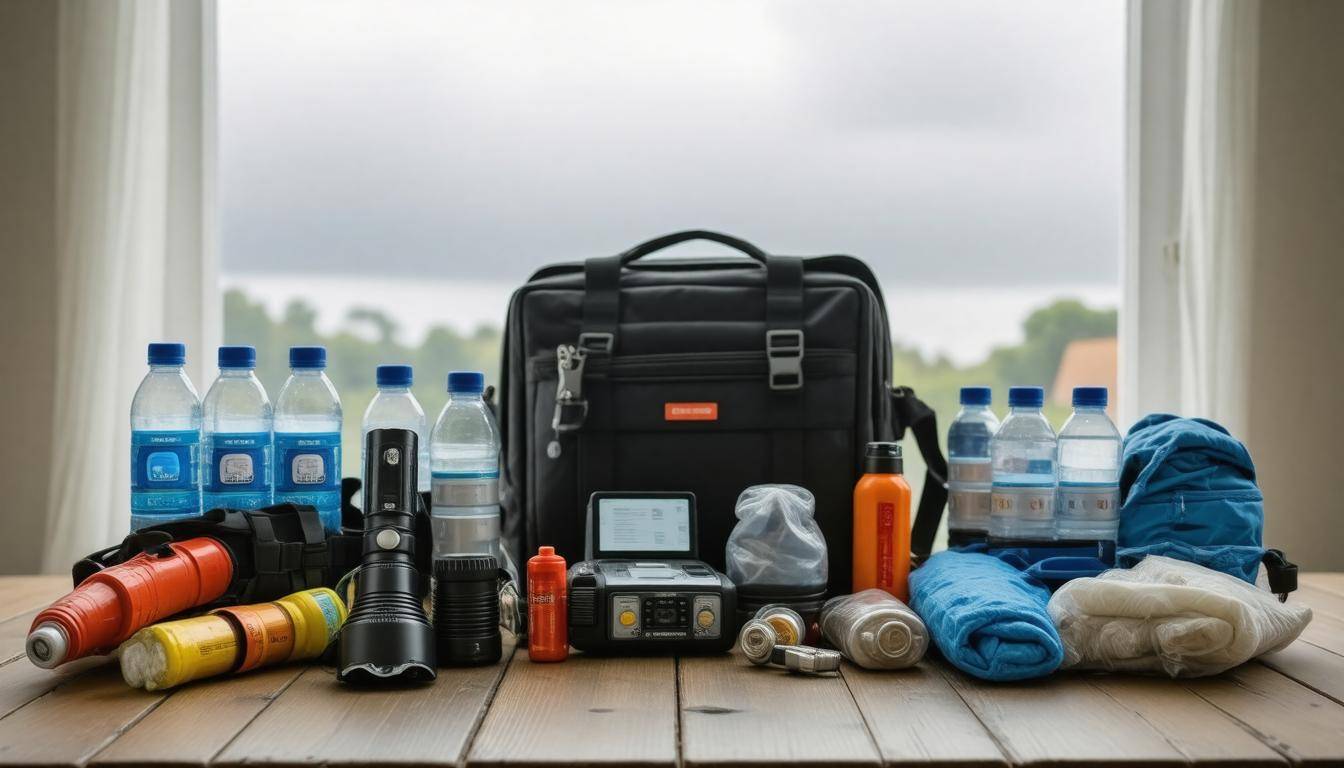
Navigating the aftermath of a tornado is not just about seeking immediate comfort; it’s about managing the challenges that follow in the long run. Once the storm has subsided, life doesn’t instantly return to normal. Households can face power outages, water shortages, and disrupted communication. This means that having a structured approach to ongoing emergencies is vital for keeping your household safe during turbulent times.
-
Assess the Damage: After ensuring everyone is safe, quickly evaluate your home and surroundings for damage. Identifying hazards such as fallen wires or unstable structures can help you avoid further injury.
-
Establish Communication: Even if local services are down, maintaining contact with family and emergency contacts is important. Utilizing text messages and social media can often bypass network issues.
-
Track Resources: Keeping an inventory of food, water, and essential supplies allows you to better manage these resources. Many experts recommend maintaining a logbook to track what you use daily—this simple practice prevents over-reliance on limited items.
Staying organized can mitigate stress during chaotic situations.
It’s also essential to remain informed about relief efforts and resources available in your community. Joining community groups or following local news platforms can provide real-time assistance updates and volunteer opportunities.
Long-Term Supplies
Having long-term survival supplies is part of a well-rounded emergency strategy. In addition to what you may need immediately after a tornado passes—like food and water—consider these items for ongoing use:
-
Camp Stove: This offers a reliable cooking option when traditional stoves cannot be used.
-
Large Water Containers: While bottled water is great for short-term needs, consider investing in larger storage solutions to ensure ongoing hydration access.
-
Portable Chargers: As mentioned previously, portable chargers become crucial for keeping phones and devices operational throughout the emergency period.
Survivors of tornado incidents often underline how portable chargers provided them with reassurance; they could stay connected with rescue teams and loved ones throughout difficult days. It highlights how sometimes the simplest items can have a disproportionately large impact on our well-being during crises.
As we move forward, understanding how to store and manage these crucial items effectively will enhance your preparedness for future emergencies.
Storing and Maintaining Your Kit
Proper storage and ongoing maintenance of your tornado protection kit ensure that it remains effective when you need it most. Selecting the right location for your kit is critical; a cool, dry place prevents moisture from ruining crucial supplies and deterring pests. This could be a kitchen cabinet, a basement shelf, or even a dedicated tote in your garage. The key is to find a spot that’s out of the way yet easy to access during an emergency.
Imagine your tornado kit as a lifebuoy tossed into the sea; if it’s weighed down and submerged in water, it won’t save anyone. Just like that lifebuoy, your kit needs to be light and ready to go when an emergency strikes. It should be positioned in an area where it can be retrieved quickly without any hassle.
Accessibility must be balanced with organization. Clear labels on your kit can help loved ones know where to find it in a moment of distress. Store your kit near essential documents and emergency protocols to create an easily navigable safety zone. This way, you won’t waste precious time searching when every second counts.
Having established proper storage practices, it’s equally important to conduct regular checks on your kit.
Regular Checks become your safety net against unforeseen circumstances. Make it a habit to inspect your tornado protection kit bi-annually—this simple routine allows you to replace expired items and ensures that everything is functional and up-to-date. Check for battery-operated devices, flashlights, or kits containing food items; all have expiration dates that require attention.
A well-maintained kit not only gives peace of mind but can also mean the difference between life and death should a tornado emerge unexpectedly.
During these inspections, take note of any items you’ve used recently and need to replenish. Additionally, look for signs of wear or damage; sometimes bags can fray or components can break without us realizing. Keeping a checklist can help streamline this process and make sure nothing gets overlooked.
Here’s a handy checklist for maintaining your tornado protection kit:
- Check expiration dates
- Inspect for damage
- Replace used items
- Ensure batteries are functioning
- Evaluate the accessibility of the storage location
This proactive approach ensures that when dark clouds gather on the horizon, you’re not scrambling to prepare—you’re already ready, equipped with a reliable toolkit designed for safety and preparedness.
By taking these steps, you increase your chances of staying safe in the event of a tornado while ensuring peace of mind for you and your loved ones.