
When you think about hitting the slopes or venturing into the backcountry, your mind might race with excitement at the thought of fresh snow and stunning views. But lurking beneath that beautiful blanket of white lies a hidden danger: avalanches. Understanding avalanche safety is not just a nice-to-have; it’s a must-have for anyone eager to explore winter landscapes. This guide will walk you through essential strategies, practical tips, and critical information needed to assess risks while ensuring that every snowy adventure is as safe as possible. Whether you’re a seasoned pro or new to the mountains, being knowledgeable about avalanche safety can mean the difference between a thrilling experience and a perilous situation. So, let’s dive in and learn how to navigate these breathtaking yet dangerous terrains together!
The Avalanche Safety: Risk Assessment Guide provides a thorough overview of methods and strategies for evaluating snowpack stability and identifying potential avalanche hazards. It emphasizes the importance of ongoing assessments, understanding environmental conditions, and managing perceived risks to ensure safer outdoor experiences.
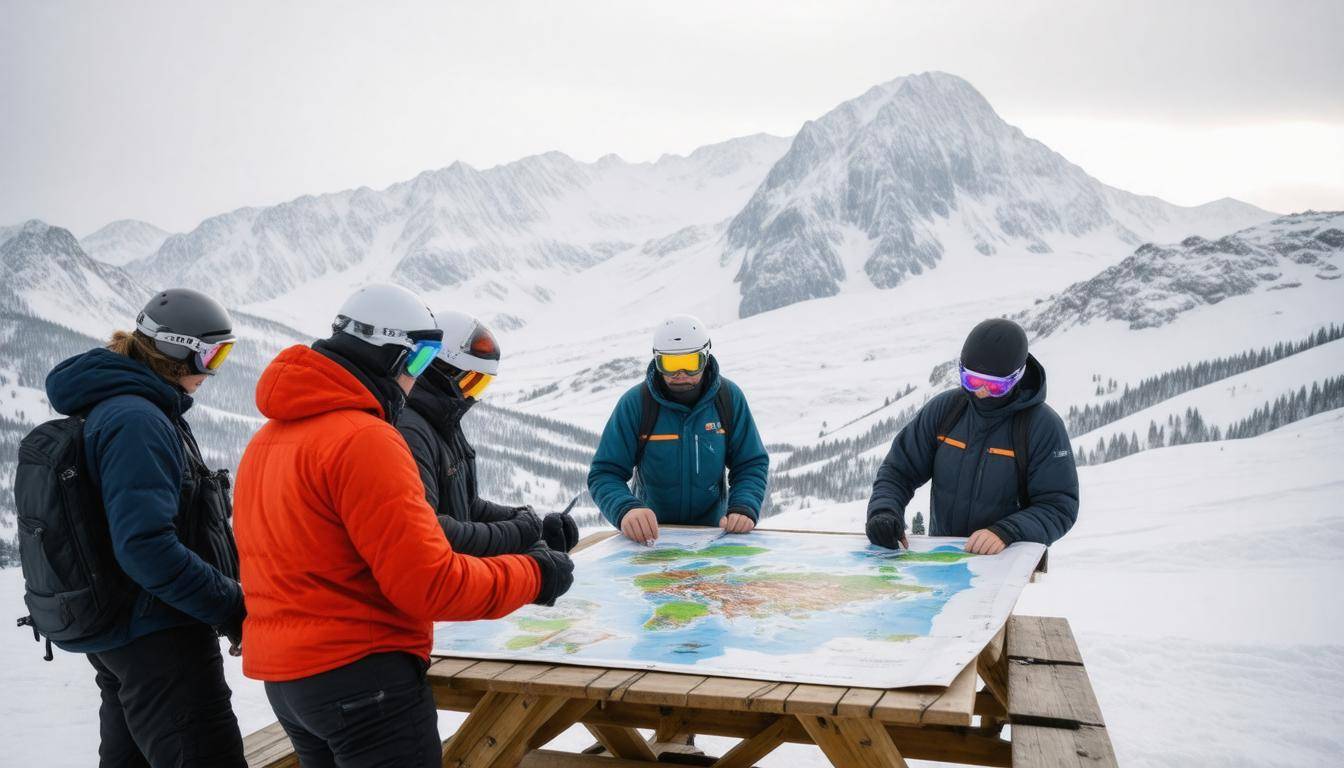
Causes of Avalanches
At the heart of avalanche formation are snowpack weaknesses, which often come from the dynamic interplay between various layers of snow. Over time, snow accumulates in layers that differ in density and stability. When a heavy layer of snow settles on top of a lighter or weaker one, it creates a precarious situation.
Imagine stacking book after book; eventually, if you pile too many on a flimsy stack, the foundation gives way, causing an inevitable collapse. This concept applies directly to snow; a weak layer buried under heavier snow acts as a failure plane where fractures develop, quickly leading to an avalanche.
What’s especially insidious about these weak layers is that they often remain hidden from view until it’s too late. Snow can appear beautifully solid, but much like the deceptive calm before a storm, it may hide instability beneath its surface. To mitigate these risks, regular assessment of snow conditions is key.
Observing variability in texture or firmness among layers can help indicate potential weaknesses. Signs such as cracks or “whumping” sounds—sounds made by settling snow—can be telltale signals that instability is present.
Weather conditions play an equally significant role in exacerbating these weaknesses.
Weather Conditions and Triggers
Abrupt weather changes can put immense stress on the snowpack. For example, if there’s significant snowfall—think 2-3 cm per hour for 24 hours—the sheer weight can lead to unstable buildup that tips scales towards disaster. Similarly, when temperatures rise rapidly or rain infiltrates the snowpack, these conditions apply pressure leading to potential slides.
One important statistic to consider: approximately 70% of avalanches occur following heavy snowfall or rapid temperature increases. This highlights why keeping track of weather forecasts during your outdoor excursions is essential.
Natural triggers like earthquakes or wind can destabilize snow deposits further. The influence of wind is particularly interesting; it shapes the distribution of snow across slopes and can deposit dangerous slabs on ridges or leeward sides that easily fracture under additional weight.
Recognizing these potential dangers through understanding layered structures and environmental cues enables enthusiasts to arm themselves with knowledge—offering prediction capabilities that could save lives on the mountainside. Next, we will examine the crucial aspects of analyzing the intricate layers of snow for better safety practices in avalanche-prone areas.
Assessing Snow Layers and Conditions
When it comes to understanding avalanche risks, assessing the snow layers is essential. This assessment contributes to personal safety and indicates the prevailing conditions that could lead to an avalanche. By digging a snow pit, you’re essentially uncovering a world hidden beneath the surface, allowing you to examine each layer’s characteristics closely.
One practical method to assess snow layers involves digging a snow pit. Start by selecting a representative location on the slope—an area that experiences similar snow conditions to where you plan to ski or hike. Once you’ve found your spot, dig vertically down to the ground, creating a section that provides clear visibility of the different layers in the snowpack.
As you dig deeper, pay attention to each layer’s grain structure and hardness. Are they soft? Crusty? These observations can reveal potential weaknesses, like faceted crystals—irregularly shaped ice crystals that can significantly increase avalanche risk. Experienced guides often mention that assessing snow layers through pits helps reduce unexpected surprises during outdoor trips. However, it’s crucial never to rely solely on this technique; always combine it with other assessment strategies for better accuracy.
The next step in your assessment toolkit should be executing shear tests like the Extended Column Test (ECT) or Compression Test. These methods evaluate how likely it is for a weak layer to propagate a crack if disturbed. For instance, in an ECT, you isolate a column of snow and apply force at its edge; this demonstrates how the column reacts under pressure and where fractures occur. Through this process, you gain direct feedback on whether certain areas are safe for travel.
Testing combines observation and technical skill relevant to the environment you’re navigating.
Moreover, watching for specific signs can prove invaluable in assessing unstable conditions. For example, recent heavy snowfall or rain can saturate the snowpack and create layers susceptible to sliding. Keep an eye out for cracks radiating outward from your boots; this indicates instability beneath your feet and warns that a potential avalanche may soon happen. Noticing recent avalanches in the area is another red flag; nature has already demonstrated its capacity for near-instantaneous change.
Together, these techniques create a comprehensive risk assessment strategy that enhances personal safety while navigating beautiful yet treacherous snowy landscapes. Understanding the intricate details of snow layers leads us naturally into exploring essential tools needed for safe outdoor adventures.
Critical Safety Gear and Equipment
When venturing into avalanche-prone areas, having essential avalanche gear on hand is paramount to ensuring your safety and that of your companions. An avalanche transceiver tops the list, a lifesaving device designed for locating buried individuals swiftly during rescue operations. It emits signals that can be detected by other transceivers, facilitating a more efficient search process. Imagine being caught up in an avalanche; every second counts, and this device can mean the difference between life and death.
Accompanying the transceiver is the probe, a long, collapsible tool used to assess whether someone is buried beneath the snow. Once you have a signal from the transceiver, using the probe to pinpoint precisely where that individual is located is essential for effective recovery. You can liken it to using a fishing rod; if you know where to cast it, you’re more likely to catch something remarkable.
Of course, when it comes to retrieving someone from beneath the heavy snow, nothing beats a reliable shovel. This simple tool might seem less glamorous than high-tech gadgets, but its role in digging out buried individuals cannot be overstated. In frantic moments when every movement can feel overwhelming, it’s important to have a shovel that feels sturdy and comfortable in your hands.
Advanced Gear
Beyond these essentials, investing in advanced gear can dramatically enhance your survival chances. An airbag backpack, for instance, significantly increases your likelihood of staying near the surface during an avalanche. Statistics reveal that among those caught in avalanches wearing airbags, survival rates hover around 80%. Think of it as adding an extra layer of safety akin to wearing a seatbelt or helmet; it’s another precaution that pays off.
Aside from these crucial items, understanding their uses creates a more robust plan for safe outdoor adventures. A common misconception among many recreational users is that simply possessing top-tier gear guarantees safety. While having the right tools provides peace of mind and enhances your chances of survival, proficiency in operating them under pressure is what transforms that potential into reality.
| Item | Purpose | Typical Cost |
|———————-|—————————–|——————-| | Avalanche Transceiver | Locating buried victims | $300 – $500 | | Probe | Pinpointing depth/location | $50 – $100 | | Shovel | Digging out buried individuals| $40 – $100 | | Airbag Backpack | Reducing burial depth | $600 – $1,200 |
Learning how to properly use each piece of equipment cultivates confidence and bolsters your readiness should disaster strike while you’re out enjoying nature’s snowy playground. With this foundation laid, it’s time to consider how you’ll prepare for the journey ahead.
Planning Your Trip
Meticulous planning is not merely a formality; it’s a critical safety measure that can significantly reduce the risks associated with backcountry adventures. The first step in your planning process is to engage in thorough research and information gathering. This means going beyond a quick look at the weather app on your phone. Instead, actively seek out reliable, up-to-date information from trusted sources such as Avalanche Canada or local avalanche centers. They provide daily updates on conditions vital for understanding the terrain you’ll encounter. Make sure to review recent trip reports as well, which can offer real-life insights into current snowpack stability and any potential hazards you might face.
Additionally, as you gather this information, keep in mind the necessity of creating a comprehensive itinerary.
Itinerary and Group Planning
When it comes to your itinerary and group planning, consider crafting a document that details every aspect of your trip—from your planned route through the backcountry to expected timelines. Sharing this itinerary with someone who won’t be joining you is essential; it creates an accountability system should things go awry. In this way, if you don’t return when expected, authorities can be notified with the exact location you were headed.
As you outline responsibilities among group members, assign specific roles that play to each person’s strengths. For instance:
- Designate one person as the lead navigator, responsible for map reading and directional decisions.
- Appoint an anchor, who will oversee safety protocols during different phases of the trip.
- Consider having a designated communicator—someone who will handle emergency calls or messages if needed.
Emphasizing teamwork is crucial during these outdoor excursions. Each member should understand their role within the group dynamic; this ensures efficiency and enhances overall safety.
Equipped with this information and a well-structured plan, you can prepare for almost any scenario that may arise while exploring the wild outdoors. Always remember that flexibility is key; conditions can change rapidly in mountainous regions. Being adaptable and responsive can mean life or death in critical situations. Proper planning also cultivates confidence among group members, reinforcing emotional readiness to handle unforeseen challenges during your adventure.
As we shift focus now, let’s explore various skills that are essential for navigating these unpredictable terrains effectively.
Essential Training and Skills
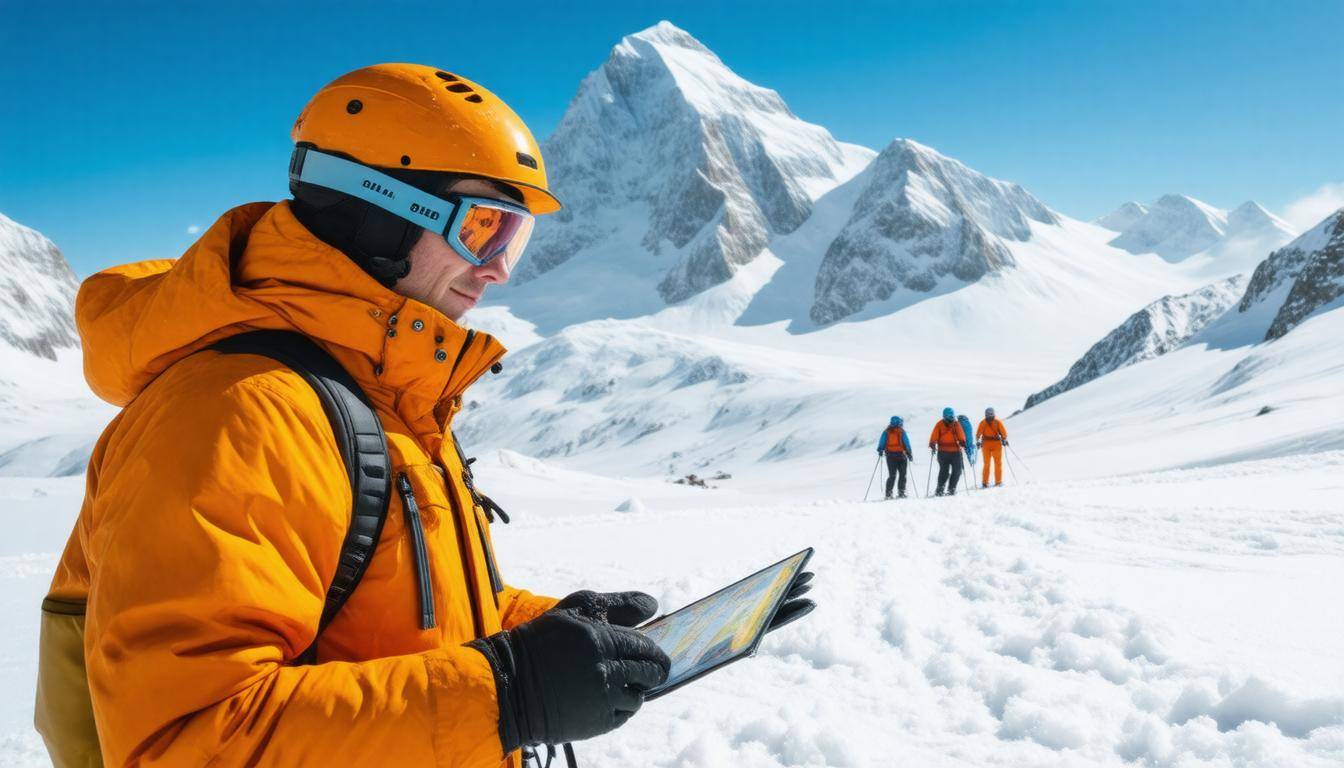
Avalanche safety courses are an invaluable first step in developing your skills and knowledge before heading into the backcountry. Organizations like the American Institute for Avalanche Research and Education (AIARE) offer courses designed to help participants recognize danger signs and execute effective rescue techniques. For instance, the AIARE 1 course, spanning three days, is a foundational class where you’ll learn about avalanche hazard management as well as real-time decision-making in field scenarios. This course is open to everyone, allowing anyone from mountain enthusiasts to casual winter hikers to gain a clear understanding of the risks involved. But remember, education should not stop after just one course; keeping up with training is essential.
Beyond formal education, gaining real-world experience plays a critical role in deepening your understanding of avalanche dynamics.
Real-world Experience
The best way to internalize the lessons from your courses is through hands-on practice. Spend time practicing techniques in controlled environments, such as designated training areas that simulate avalanche conditions without the same level of risk. Joining groups or clubs that organize training sessions under supervised conditions can be extremely beneficial. These experiences allow you to apply what you’ve learned while benefiting from the insights of seasoned outdoor professionals who can guide you through practical situations. Additionally, this collaborative approach fosters camaraderie among fellow participants, creating a supportive learning environment.
However, it’s not just about technical skills; understanding the human elements at play when you’re out there is equally important.
Decision Making and Human Factors
A significant aspect often overlooked in avalanche education is understanding the human factors that can affect decision-making under pressure. Overconfidence can cloud judgment—a common pitfall that may lead individuals into dangerous situations without sufficient evaluation of the risks. Thus, training should incorporate scenario-based exercises where individuals are tested on their ability to make quick decisions under stress. These realistic simulations are invaluable; they prepare participants not only to execute rescues but also to manage their emotions and reactions during potential crises. By continually assessing risks and discussing group dynamics with others who share similar passions for winter sports, you’ll enhance your capacity for informed decision-making that prioritizes safety.
By encompassing formal education, hands-on practice, and an understanding of psychological factors, you’re laying a solid foundation for your backcountry adventures while minimizing risk.
Armed with this knowledge and practical experience, you’ll be ready to tackle any challenges that await you in the unpredictable wilderness. Now, let’s explore what to do when faced with emergency situations.
Responding to Avalanche Emergencies
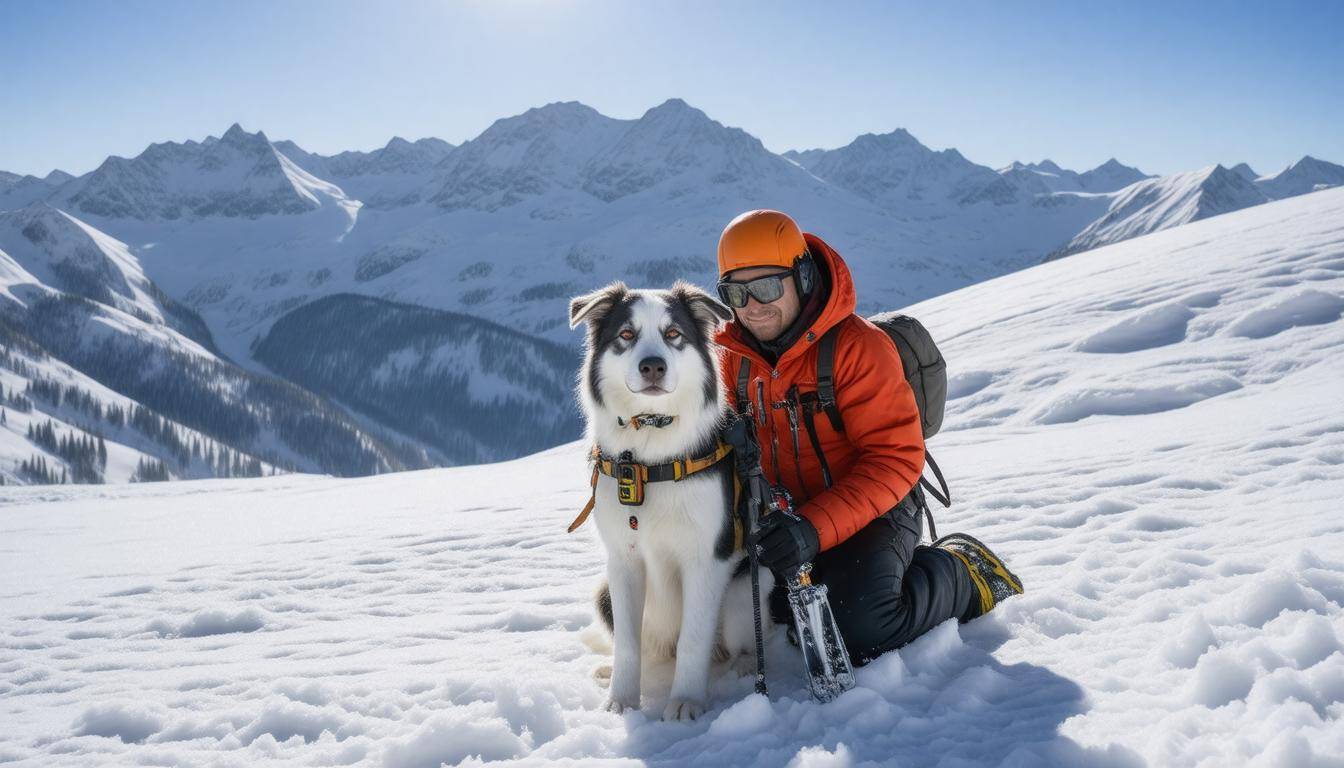
Immediate response actions during an avalanche can be the difference between life and death. If you witness an avalanche or find yourself caught in one, acting swiftly is vital.
First and foremost, shout loudly to alert others nearby. This serves to warn anyone who might not be aware of the danger. Next, if you possess an airbag—an inflatable device designed to keep you on top of the snow—it’s time to deploy it immediately. This simple action can drastically enhance your survival odds.
Immediate Response Actions
One often overlooked element in surviving an avalanche is the method by which you move through the snow. Employing swimming-like motions allows you to stay afloat on top of the powdery layers. Just like swimming in water, this technique distributes your weight and increases your chances of avoiding being buried beneath tons of snow.
Knowing what to do while you are still in the throes of an avalanche is just one half of the equation; responding effectively afterward is equally crucial, especially when someone is buried.
Rescue Operations
Should a member of your group become buried under snow, swift and methodical rescue operations must commence without delay. Start by marking where that individual was last seen using ski poles or other available markers. This helps establish a reference point for rescuers and keeps the search organized.
The next step is to utilize your transceiver—an essential piece of safety equipment in backcountry skiing—to locate their signal. These devices emit a radar-like wavelength that guides you in pinpointing a buried person’s position. Once you’ve gathered this information, using probes becomes necessary. Deploy these tools carefully into the snow to accurately objectify where the person is located.
Finally, once you’ve confirmed their area, it’s time for the most physically demanding part: digging. Act quickly but ensure your movements remain efficient. Each second counts when rescuing someone from beneath the snow; every minute could affect their chances of survival.
In high-pressure situations like this, remember that calmness can steer both your actions and those around you towards success; keeping focused on these steps enables effective coordination among rescuer teams.
By understanding and practicing these immediate response actions and rescue operations before heading out into avalanche-prone areas, you greatly improve not only your own safety but also that of others around you.
With this knowledge under your belt, let’s now examine how to further enhance safety protocols during outdoor excursions that take place in challenging environments.
Promoting Safety in Backcountry Adventures
When venturing into the unpredictable wilderness, clear risk communication becomes your lifeline. How can you be sure everyone in your group understands the risks associated with varying conditions? The answer lies in proactive conversations. Regular discussions about current conditions, potential hazards, and safety protocols foster a shared understanding of the adventure ahead.
Beyond simply mentioning risks, sharing personal experiences or firsthand stories about encounters with dangerous situations can drive the message home. People learn best when they see the real-life consequences of ignoring safety measures, so honesty about past mishaps is key.
Consider this: discussing risks should be an ongoing process rather than a one-time chat before you set out. Make it a habit to evaluate conditions together; this approach builds unity among group members, as everyone feels engaged and responsible for each other’s safety.
Equally important is cultivating a robust safety culture within your community or group. This starts by continuously emphasizing education and training on avalanche knowledge and general outdoor safety practices. Engaging initiatives such as workshops, guided learning experiences, and hands-on training sessions can help instill both knowledge and confidence in how to handle various situations while minimizing risks effectively.
Strengthening this culture means sharing resources like articles from reputable publications or using smart technology—like mobile apps that provide weather forecasts and avalanche reports—so everyone stays informed. Your collective mindset should reflect that safety trumps thrill-seeking; after all, no victory is worth risking lives.
As you take part in building a safety culture within your team or community, remember that learning shouldn’t be confined to classrooms or briefings. Integrate this knowledge into your adventures by practicing skills regularly, such as safe route finding in different terrain types or evaluating snowpack stability during outings. Learning opportunities abound for those willing to explore avalanche awareness and risk assessment.
By creating an adaptable environment where every member feels comfortable voicing concerns about conditions and discussing uncertain situations openly, you reinforce the notion that prioritizing safety isn’t just wise—it’s a collective responsibility. After all, the best adventures are those had together, where everyone returns safely to tell the story.
Through commitment to education, open communication, and shared responsibility for decisions made in the backcountry, we can significantly enhance our safety while enjoying the exhilaration that comes with exploring nature’s beauty.
Fostering this awareness not only ensures individual safety but also enhances the collective experience during outdoor adventures, leading us directly into actionable strategies for minimizing risks effectively.
Practical Tips for Risk Mitigation
Simple yet effective measures can greatly reduce the risks associated with avalanches. The first step is Route Selection. When planning your journey, always choose paths that minimize exposure to avalanche-prone terrain. Opting for ridgelines or seeking shelter in dense forests instead of tackling open slopes can make a world of difference.
Think of it like picking your battles: sometimes the best offense is a strong defense, and avoiding known trouble spots allows you to enjoy the beauty of the mountains while staying safe.
Following route selection are essential Travel Practices that can enhance safety. Traveling one at a time in high-risk areas spreads out potential risk and keeps group dynamics more manageable. It’s like an unwritten rule amongst adventurers to ensure each person watches out for one another.
Additionally, using natural terrain features as shelters—like snowbanks or large boulders—can provide crucial protection from any sudden avalanches. Remember to avoid stopping in run-out zones, those areas below steep slopes where snow might fall; getting caught here could be disastrous.
As conditions can shift rapidly on a mountain, Continuous Monitoring stands as a critical practice throughout your adventure. Snow stability can change swiftly due to shifting weather patterns or ski traffic, so it’s vital to constantly assess these factors.
Make it a habit to do periodic re-evaluations during your trip, checking temperatures and recent snowfall totals. Even minor changes can indicate larger shifts in snowpack stability, and being aware allows you to adjust your plans accordingly.
By committing to these guidelines—selecting safe routes, practicing cautious travel habits, and monitoring conditions—you don’t just improve your safety; you also foster a culture of awareness and responsibility within your group. In turn, this encourages other adventurers to prioritize their own safety too.
After all, navigating the great outdoors is a shared experience, and respecting the mountains ensures they remain beautiful and accessible for generations to come.
In this ever-changing environment, keeping informed and prepared will go a long way in safeguarding your outdoor adventures.
What key factors should be included in a comprehensive avalanche risk assessment?
A comprehensive avalanche risk assessment should include factors such as snowpack stability, weather conditions (including recent snowfall and temperature fluctuations), terrain features (such as slope angle and aspect), and human factors (like group dynamics and skill levels). Understanding these variables is critical, as studies show that over 90% of avalanche incidents involve human-triggered events. By evaluating these elements, outdoor enthusiasts can make informed decisions and reduce their risk while enjoying mountainous terrain.
How can technology, such as apps or devices, assist in assessing avalanche risks?
Technology, including avalanche forecasting apps and handheld devices, significantly enhances risk assessment by providing real-time data on snowpack conditions, weather patterns, and historical avalanche occurrences. For example, many apps utilize crowd-sourced information from other outdoor enthusiasts to improve awareness of recent activity in specific areas. According to studies, regions using advanced technology for avalanche monitoring have seen a reduction in incidents by up to 30%, demonstrating the vital role of tech in improving safety during outdoor activities in avalanche-prone areas.
What training or resources are available for learning how to perform effective avalanche risk assessments?
There are several training options for learning effective avalanche risk assessments, including courses offered by organizations like the American Avalanche Association and Avalanche Canada. These programs often combine theory with practical field experience, teaching participants how to evaluate snowpack conditions, forecast weather impacts, and recognize terrain hazards. According to a study from the Colorado Avalanche Information Center, those who receive formal training are significantly less likely to be involved in avalanche incidents compared to untrained individuals. Additionally, resources such as the ‘Snow and Avalanche Awareness’ handbook provide valuable insights into risk assessment techniques.
What role does group dynamics play in making safe decisions related to avalanche risks?
Group dynamics play a crucial role in making safe decisions regarding avalanche risks, as collective decision-making can often lead to better assessments of danger and risk-taking behaviors. Research indicates that groups tend to make more conservative choices when discussing safety, fostering a culture of caution and shared responsibility. However, groupthink can also lead to underestimating risks if dissenting opinions are silenced. Statistics show that about 80% of avalanche accidents involve multiple people, underscoring the importance of effective communication and shared knowledge within teams to enhance safety and mitigate risks.
How do different snow layers impact the risk of avalanches during various weather conditions?
Different snow layers significantly affect avalanche risk due to their variances in stability and cohesion. For instance, a weak layer of faceted snow sandwiched between denser slabs can lead to increased instability, especially during warming trends or heavy snowfall, which can overload the snowpack. Statistics show that 90% of avalanches occur on slopes steeper than 30 degrees where such layered conditions exist. Monitoring weather patterns and snow stratigraphy is crucial; for example, a rapid temperature rise combined with new snowfall can weaken existing layers, making trigger points more likely. Understanding these interactions is key to minimizing risks during outdoor activities.