
In today’s fast-paced and unpredictable world, the idea of being caught unprepared during an emergency can feel daunting. It’s not just a distant thought anymore; it’s essential for everyone to consider what they would do if disaster struck. From natural disasters like earthquakes and floods to unexpected infrastructural failures, emergencies can happen without warning. The good news is that with a bit of foresight and some simple preparations, you can significantly increase your safety and that of your family. Building an Urban Emergency Preparedness Kit isn’t just a box to check off—it’s about taking control of uncertain situations. By equipping ourselves with essential resources, we pave the way for increased resilience during tough times. So let’s dive into what items you should have ready at a moment’s notice!
An Azerbaijan Urban Emergency Preparedness Kit should contain essential items such as water (1 gallon per person per day for at least three days), non-perishable food, necessary medications, basic tools and supplies, sanitation items, clothing and bedding for each family member, important documents, and a first-aid kit to address minor injuries. Preparing this kit can enhance safety during potential urban emergencies such as natural disasters or infrastructural failures.
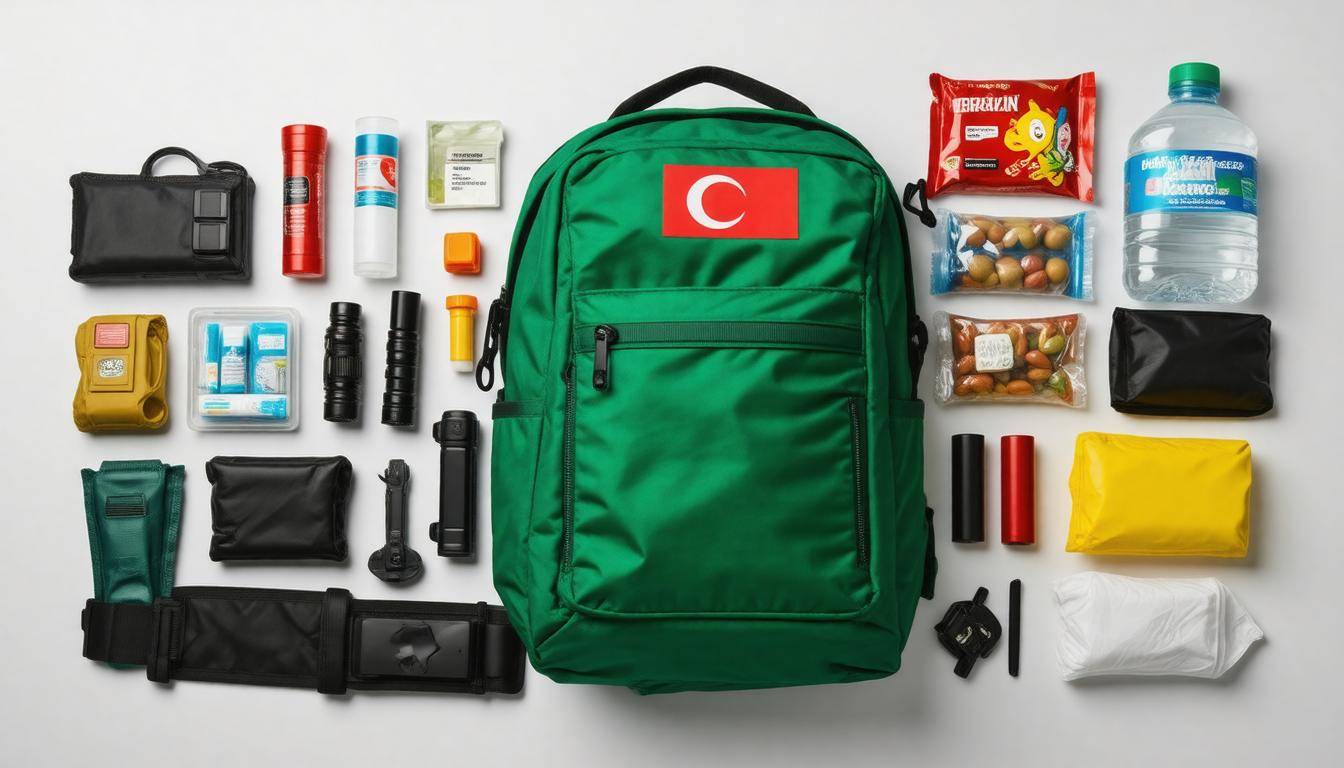
Essentials to Include in Your Kit
When assembling your emergency kit, the primary goal is to ensure that you have enough provisions to sustain yourself and your loved ones during a crisis.
Water should take center stage: it’s recommended to store at least one gallon per person per day for a minimum of three days. Not only does this quantity cover drinking needs, but it also allows for sanitation purposes. Imagine being in an emergency and not having enough water to clean minor wounds or maintain basic hygiene—it can lead to serious complications.
Following hydration, consider stocking non-perishable food items. Choices like canned goods, energy bars, and dried fruits are great because they have a long shelf life and require no cooking. It’s best to choose foods that family members enjoy eating, as comfort during stressful times can be invaluable.
Ensure you have a minimum of a three-day supply; however, think ahead—having extra food can boost morale and provide peace of mind when uncertainty looms.
Next, we cannot overlook the importance of health and safety, which is why including a well-stocked first-aid kit is essential.
Your first-aid kit should contain bandages, antiseptic wipes, scissors, adhesive tape, and any prescription medications that you or your family members may need. In an emergency where injuries might occur, having accessible medical supplies can make a difference between minor issues and major health concerns. Don’t forget to review the contents periodically; expired medications or unused supplies should be replaced regularly to keep your kit effective.
Beyond first aid, being able to communicate or navigate during emergencies is crucial which warrants the inclusion of items like a flashlight with extra batteries and a portable phone charger. Both are simple yet powerful tools. A flashlight illuminates darkness when power outages strike, while a portable charger ensures that you can maintain communication even when traditional power sources are unavailable.
Finally, don’t forget about personal security and hygiene.
Including personal hygiene items such as moist towelettes and garbage bags helps maintain sanitation in uncomfortable conditions. Pairing these with dust masks ensures that you can filter contaminated air if necessary during disasters involving debris or smoke.
Important documents—stored safely in waterproof containers—are also vital; copies of driver’s licenses, insurance information, and emergency contacts will be indispensable should evacuation become necessary.
By thinking ahead and packing these essentials into your urban emergency preparedness kit, you’re taking proactive steps towards safeguarding not just yourself but also your community.
With these essential resources now in hand, you’ll be better positioned for protection during unforeseen situations. Let’s explore what specific items are critical for immediate safety within such emergencies.
Immediate Safety Items
One of the most fundamental aspects of emergency preparedness lies in the proper selection of personal protection equipment. Items like gas masks and protective clothing become essential gear, especially in urban settings where the risk of chemical exposure exists. Imagine a situation where a natural disaster leads to hazardous materials being released into the air; it’s vital to have a reliable gas mask that fits comfortably and seals properly. Protecting your lungs from harmful fumes can mean the difference between life and serious illness.
Personal Protection
Protective clothing is equally important. A long-sleeved shirt made from durable, tear-resistant material, coupled with heavy-duty gloves, can safeguard against cuts, scrapes, or exposure to environmental contaminants when navigating through debris. Consider investing in lightweight, water-resistant fabric that offers breathability and flexibility, ensuring you stay comfortable during extended use.
After addressing personal protection, it’s crucial to shine a light on communication and visibility.
Lighting and Communication
When emergencies strike, having a battery-powered radio is invaluable. This device keeps you updated on unfolding situations; it paves the way for timely decisions while staying connected with the outside world. Imagine finding yourself cut off after a disaster, knowing that information could help you navigate rapidly changing circumstances. This is why including extra batteries in your kit is non-negotiable—ensuring your radio remains operational.
Furthermore, incorporating lighting devices such as headlamps can keep your hands free while providing essential illumination. During darkness or upheaval—like after recent earthquakes in Ganja—these tools prove indispensable for both safe navigation and security as they eliminate shadows that may hide dangers.
Don’t overlook emergency blankets either; these lightweight marvels retain body heat and can be tucked neatly into any kit. Recalling the Ganja missile attacks reminds us how those who came prepared with emergency blankets fared much better than those who didn’t. As temperatures dropped perilously at night, warmth could only be achieved through smart preparation.
Additionally, including waterproof matches or lighters ensures you can start a fire quickly—a skill that can provide warmth and even a sense of psychological comfort amid chaos. And as I remind friends preparing their kits: a tiny flame ignited in adversity can create resilience in the face of despair.
Together, these immediate safety items form the backbone of an urban emergency preparedness kit, laying the groundwork for more extensive survival strategies in challenging times.
Long-term Survival Supplies
When envisioning a crisis, we often focus on the first few hours, but what happens after that initial rush? It’s not merely about surviving the immediate chaos; you must ensure you have enough resources that can sustain you over days or even weeks. Planning ahead is key—whether it’s a natural disaster or an infrastructural failure—making certain that you have the right supplies ready can mean the difference between managing comfortably and facing undue hardship.
Extended Food and Water
In any emergency situation, proper hydration and nourishment are paramount. The rule of thumb is to store at least 3 gallons of water per person, which should be enough to last around three days. This amount ensures that every member of your household stays hydrated when clean water sources might be cut off.
For food, focus on stocking non-perishable items such as canned goods, dried fruits, nuts, and energy bars that require no cooking and can offer essential calories. As listed below:
| Item | Quantity | Duration |
|---|---|---|
| Water | 3 gallons/person | 3 days |
| Non-perishable food | 3-day supply | 3 days |
Remember to rotate these supplies periodically! Checking expiration dates and replacing old items will help keep everything fresh and at the ready for any unexpected situation.
Medical Supplies
Just like with food and water, having medical supplies on hand is crucial during emergencies. Prescription medications are a top priority; if you or someone in your family relies on them, consider maintaining a stockpile.
A basic emergency medical kit should contain pain relievers, adhesive bandages, antiseptic wipes, and gauze pads to manage minor injuries. Imagine your family is hunkered down due to severe weather or a power outage—if someone has a long-standing health condition that requires consistent medication, access becomes vitally important.
Having sufficient supplies set aside means that an unexpected event won’t compromise your health plans. Preparing for the long term involves thinking through prolonged scenarios where access to food or essential services may be interrupted.
With a solid understanding of what supplies are necessary for enduring challenging times, let’s explore how to personalize a kit tailored to your specific needs.
Building Your Preparedness Kit
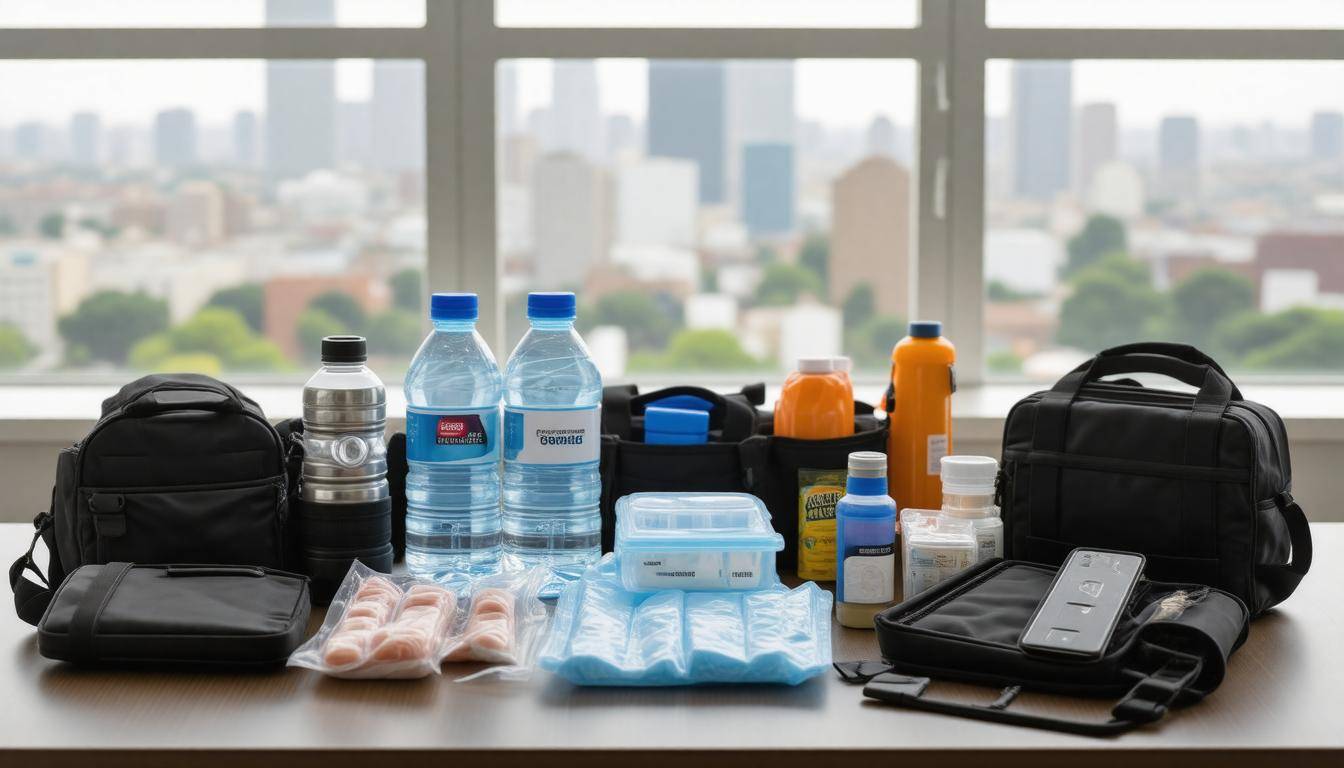
The first step in this endeavor is to assess your specific needs. Understanding the unique requirements of your family is essential.
For example, if you have infants, you’ll need to include baby formula, diapers, and perhaps some comforting toys. On the other hand, elderly family members may require particular medications or mobility aids. Recognizing these nuances can dictate what items should take priority in your kit.
Once you’ve identified those personal needs, it’s time to start gathering supplies.
It’s important to remember that you don’t need to acquire everything at once. Gradually purchasing or collecting items can help ease financial burden and prevent overwhelm.
Begin by making a list of essentials based on safety protocols widely recommended. For instance, ensure you have adequate water—ideally one gallon per person per day for at least three days—as hydration is non-negotiable during an emergency. Similarly, stocking up on non-perishable food items like canned goods, nuts, or dried fruits will give you sustenance without adding extra stress.
Now that you’ve gathered your supplies, organization becomes critical.
Organizing your kit will make all the difference when disaster strikes. Using clear, waterproof containers allows you to segregate items by category—such as food supplies, first aid kits, and hygiene essentials—making them easy to locate when under pressure.
Imagine rummaging through a cluttered bag while trying to deal with an emergency; it can create panic and waste precious time. Instead, with everything neatly organized, accessing what you need becomes second nature. You might find labels helpful here; they provide quick visibility into what’s inside each container.
Finally, assembling a preparedness kit is an ongoing process rather than a one-time task.
Make it a habit to regularly update your kit. This includes checking expiration dates on food and medications, ensuring batteries are charged for flashlights or radios, and replacing any items that have been used since the last check.
By integrating this practice into your routine—perhaps during seasonal changes or coinciding with other household chores—you cultivate a steady state of readiness without it feeling burdensome.
With the fundamentals of putting together a preparedness kit laid out, the next step involves exploring resources available from governmental entities that can further support your safety efforts.
Government Resources for Emergency Kits
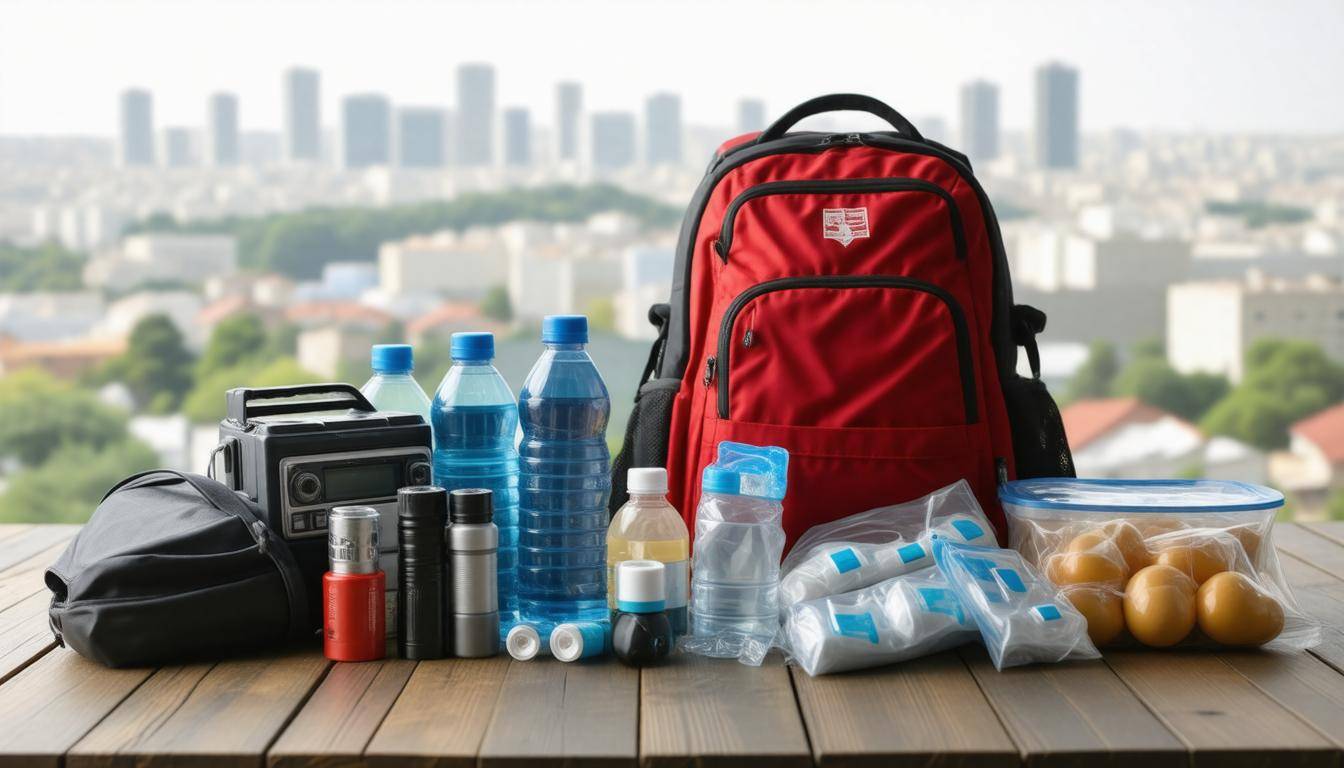
Governments often play a crucial role in public safety by providing guidelines and resources that help residents prepare for emergencies. In Azerbaijan, for instance, the Ministry of Emergency Situations offers valuable resources tailored to urban settings. Their comprehensive checklist for emergency kits covers essential items such as first-aid supplies, non-perishable food, water, and other necessities that people need to have on hand during crises.
Beyond just lists, these resources often encompass workshops focused on teaching citizens effective preparation techniques. Attending these workshops not only equips you with knowledge but also fosters a sense of community engagement, allowing neighbors to come together and share best practices. This collaborative spirit is vital, enhancing resilience within communities while ensuring everyone is ready to respond when disaster strikes.
It’s worth noting that governments don’t just stop at providing a static list. They actively encourage feedback from the community on how useful their emergency resources are. Engaging with these tools and offering your insights can lead to enhanced safety protocols that are reflective of the community’s needs.
However, utilizing government resources is just one piece of the puzzle. Keeping abreast of current protocols is equally important because they can shift based on emerging threats or changing environmental conditions. For example, guidelines may change in response to new natural disaster patterns or climate considerations. Being proactive and staying informed ensures that you’re not caught off-guard when actions need to be taken swiftly.
Consider looking up your local government’s emergency preparedness website and checking out available resources. This initiative will empower you to make informed decisions about what should go into your emergency kit while giving you access to skills that could save lives—not just your own but those of your loved ones and neighbors too.
By actively engaging with these valuable resources, you create a solid foundation for safety in your community. Next, we’ll explore effective ways to store and maintain your kit, ensuring its readiness whenever it’s needed.
Storing and Maintaining Your Kit
Proper storage and maintenance of your urban emergency preparedness kit ensure it’s ready when you need it and enhances the longevity of its essential supplies. Think of your kit as an investment in safety — one that requires ongoing attention.
When it comes to optimal storage, consider placing your kit in easily accessible locations such as a hallway closet or under the bed, where everyone in your household can reach it quickly if disaster strikes. These common areas allow you to optimize space while ensuring quick retrieval during emergencies.
Scheduling bi-annual checks on your kit is vital. Marking it down on the calendar helps remind me. During these checks, inspect each item carefully to ensure nothing is expired, damaged, or running low. A quick inspection can mean the difference between safety and danger when you’re caught in a crisis. Just picture being mid-emergency and grabbing what you thought was a full supply of water, only to find it expired or, even worse, leaking!
As you check your supplies, don’t overlook the impact of climate on your kit’s integrity.
Climate Considerations
For those living in humid areas of Azerbaijan or similar environments, it’s wise to store items in airtight containers. This small step prevents moisture damage that can ruin food supplies or cause medications to lose efficacy.
Using airtight containers also protects against pests that may be drawn to food products, ensuring everything stays secure and sterile. Furthermore, choosing a cool, dry location helps preserve your supplies from temperature fluctuations that can compromise their quality. It’s a crucial aspect often overlooked; after all, nobody wants to open their emergency kit only to discover the cans have swollen due to heat or humidity.
Just imagine opening your emergency food stash only to find that the emergency snack packs have turned into a science experiment—definitely not ideal when you’re looking for comfort food in a crisis!
To assist in this maintenance process, consider keeping a detailed inventory list of the kit’s contents alongside expiration dates. This proactive approach simplifies checks and ensures that if something needs replacing, you’ll know right away without rummaging through everything blindly.
By taking these steps seriously, you’re well on your way to fortifying not just your preparedness but peace of mind—a priceless commodity when disasters loom large outside your door.
With an organized and well-maintained kit ready for action, we can shift our focus toward understanding how to raise awareness and prepare those around us for potential emergencies.
Educating the Population on Preparedness
Awareness truly is a key component in making sure that communities are ready to face emergencies, especially when resources and time may run short during crises. When people are informed about potential dangers and equipped with knowledge, they can respond quickly and effectively to protect themselves and their loved ones.
For example, imagine a community that has collectively attended workshops on fire safety—they will be far better prepared to tackle a wildfire than one that remains unaware.
Community Workshops
One of the most effective ways to empower individuals is by organizing local workshops led by professionals in emergency response or public safety. These workshops shouldn’t just be lectures; instead, they should foster open dialogue, allowing participants to ask questions and share their experiences.
Practical demonstrations, like how to use fire extinguishers or basic first aid, can also be incredibly beneficial.
During these sessions, sharing personal stories and testimonials from survivors of past emergencies—such as those from the Nagorno-Karabakh conflict—can be impactful. These narratives humanize the subject matter and illustrate not only the challenges faced but also the incredible power of preparation. Hearing firsthand accounts can drive home the gravity of being ready for unforeseen circumstances.
Beyond hands-on learning experiences, there’s significant value in harnessing online platforms to reach even more individuals.
Online Resources
Utilizing social media channels and local government websites proves invaluable in spreading awareness about emergency preparedness. Posting engaging content—like infographics highlighting steps for creating an emergency plan or stress relief techniques during crises—keeps this important topic front-of-mind for entire communities.
But don’t stop there! Incorporating interactive quizzes and animations makes learning more appealing and caters to different age groups. A family might share a fun quiz about disaster facts, igniting discussions around the dinner table.
Imagine being able to track how many residents have taken these quizzes or participated in virtual drills. Such engagement not only raises awareness but builds a sense of community around shared responsibility for safety.
Fostering a culture of preparedness requires ongoing efforts—both on the ground with workshops and in digital spaces through innovative content. With a well-informed population, neighborhoods thrive where everyone feels capable and empowered to take action when it matters most.
As we move forward in our exploration of safety, practical strategies for navigating emergency situations will play a crucial role in reinforcing this collective readiness.
Practical Tips for Emergency Situations
Knowing how to act during an emergency can indeed make a significant difference, as even a quick decision can save lives. First and foremost, it’s essential to stay informed. While smartphones are great for communication, they can run out of battery when you need them most. This is where a battery-operated radio becomes invaluable. By listening to local updates, you’ll receive accurate information on the situation unfolding around you.
It’s easy to get caught up in the chaos, but understanding whether to stay put or evacuate is crucial. During times of heightened tension or disaster, checking the guidance from authorities should be your next step. In certain emergencies like wildfires or floods, evacuating may be your safest option, while in cases of severe weather conditions, sheltering in place is preferable. Remember that your safety comes first; sometimes leaving your space could mean saving your life.
Once you’re aware of the situation, conserving supplies becomes key in ensuring you can sustain yourself through prolonged emergencies.
It’s prudent to use food and water sparingly during uncertain times. However, rationing should never compromise your well-being. Allowing yourself sufficient nutrition and hydration is essential; staying physically fit helps maintain your morale and mental clarity during tough situations.
Remember, if you’re feeling overwhelmed or anxious, take a moment to breathe deeply and center yourself; staying calm is one of the most powerful tools you have. When fear sets in, sensible decision-making tends to slip away.
Another important aspect is maintaining community ties by regularly checking on neighbors—especially elderly individuals or those with disabilities—who may require additional help or support. This simple act not only ensures everyone’s safety but also fosters a sense of community spirit that strengthens bonds during trying times.
As we reflect on these practical steps, consider the lessons learned from past events like the 2016 Baku floods.
During this incident, those who adhered to these basic guidelines found themselves better equipped to handle sudden developments without succumbing to panic or chaos. They kept informed and assessed their environment correctly, demonstrating that preparation alongside knowledge can significantly enhance resilience when faced with emergencies.
Always remember: preparedness isn’t just about what you have; it’s about how you think and act when it matters most.
In summary, being proactive and connected with your community while staying informed will better equip you for emergencies. Awareness and resource management are key for maintaining safety and well-being during unexpected challenges.