
When disaster strikes, having reliable access to your bank can make all the difference between chaos and calm. Whether it’s a hurricane making landfall or a sudden cyber-attack, many people worry about what would happen to their money and vital banking services in these situations. Preparing for unexpected financial emergencies isn’t just smart; it’s necessary. This guide will walk you through creating a solid emergency banking plan, from assessing risks to diversifying access points. By following these steps, you’ll feel more secure knowing you’re ready for whatever challenges come your way.
Banks should create a comprehensive disaster recovery plan that includes data protection, reliable backup and restore systems, data redundancy, failover systems, and high availability design. These components will ensure that banking operations remain accessible and secure even in the event of a disaster, safeguarding both customer information and service continuity.

Creating Your Emergency Banking Plan
The first step in creating your emergency banking plan is risk assessment. This means taking a moment to think about what might go wrong and how those problems could disrupt your access to funds.
Consider a variety of scenarios: natural disasters like hurricanes or floods that can take out physical branch locations; cyberattacks that compromise online banking services; or political upheavals affecting the broader economy. By identifying these potential threats, you can start crafting a plan that will keep you one step ahead when trouble strikes.
Once you’ve figured out the risks, the next logical step is to define your objectives clearly.
Your goals should reflect what you want to achieve if an emergency occurs. For instance, ensure you can gain uninterrupted access to your funds, safeguard sensitive financial information, and establish clear communication with your bank. Writing these objectives down creates a blueprint for your emergency strategy and helps maintain focus under pressure.
You might say to yourself, “This plan is here to help me navigate any storm,” turning those abstract goals into actionable commitments.
From objectives, the conversation naturally leads us into developing actionable steps.
Outline specific methods for addressing various emergencies. This could involve setting up automatic bill payments so you won’t miss due dates during a crisis. Create a list of essential contacts, like your bank’s emergency hotline and customer support representatives who understand your unique situation.
Additionally, consider alternative banking methods such as locating nearby credit unions or researching digital banks that offer reliable service during crises. Remember that having options can prove invaluable when traditional methods falter.
As you make progress on your action steps, always maintain flexibility because plans rarely unfold exactly as intended.
It’s imperative not to overlook the importance of testing your plan.
Regularly evaluate your emergency banking plan to identify any weaknesses and make necessary adjustments. Conduct drills by simulating different disaster scenarios—ask yourself how you’d respond if your online banking became temporarily unavailable or if local branches closed their doors unexpectedly.
Testing can reveal hidden vulnerabilities; perhaps you’ll discover you need more accessible backup payment methods or find gaps in your contact list that need filling. Ultimately, this practice sharpens your readiness and confidence, ensuring you’re well-equipped when it matters most.
Developing a proactive approach to understanding financial resources plays an essential role in this strategy.
Listing Necessary Financial Resources
Having a well-structured list of essential financial resources is a proactive approach to ensure stability during a disaster. The first critical element is essential documents. Gathering copies of bank statements, insurance policies, identification documents, and vital records can save you time and stress when unexpected events occur.
Storing these documents in two formats—both physical copies in a waterproof container and digital copies on secure cloud-based platforms—ensures that you can access them regardless of the situation at hand. This preparation can mean the difference between chaos and order when you need to act quickly.
Once your documents are secured, it’s equally important to think about immediate access to funds during an emergency.
Access to immediate funds cannot be overlooked. It’s advisable to keep a modest amount of cash tucked away in a secure location for quick access—ideally enough to cover at least a week’s worth of essential expenses. This way, you’re prepared for situations where electronic payment systems may fail or become inaccessible.
Yet, it’s crucial to find the right balance; too much cash poses a risk of theft while too little may not be sufficient when urgency strikes.
Alongside accessible cash, having an emergency credit card is smart planning. Designate a card with a high limit and low interest rate specifically for emergencies. This card becomes a lifesaver when unforeseen expenses arise and cash options are limited or unavailable. By reserving this card for emergencies only, you maintain its availability for those moments when it truly matters.
| Resource | Purpose | Access Method |
|---|---|---|
| Cash | Immediate expenses | Physical storage |
| Emergency Credit Card | Large, unexpected expenses | Wallet, emergency kit |
| Essential Documents | Verification & claims | Waterproof container, cloud storage |
Having immediate resources ready becomes even more effective when paired with an organized emergency contact strategy.
Lastly, create an emergency contact list that includes pertinent information for banks, credit card companies, and financial advisors who can provide swift assistance if needed. This list should be easily accessible and ideally stored alongside your essential documents. In a crisis situation where panic may take hold, knowing exactly whom to contact can streamline communication and facilitate recovery efforts.
By combining careful documentation with accessible funding sources and an organized contact list, you’re equipping yourself with necessary tools for resilience against the uncertainties ahead.
Maintaining proactive strategies not only secures vital resources but also enhances your overall preparedness for whatever challenges may emerge in unexpected situations.
Diversifying Access Points
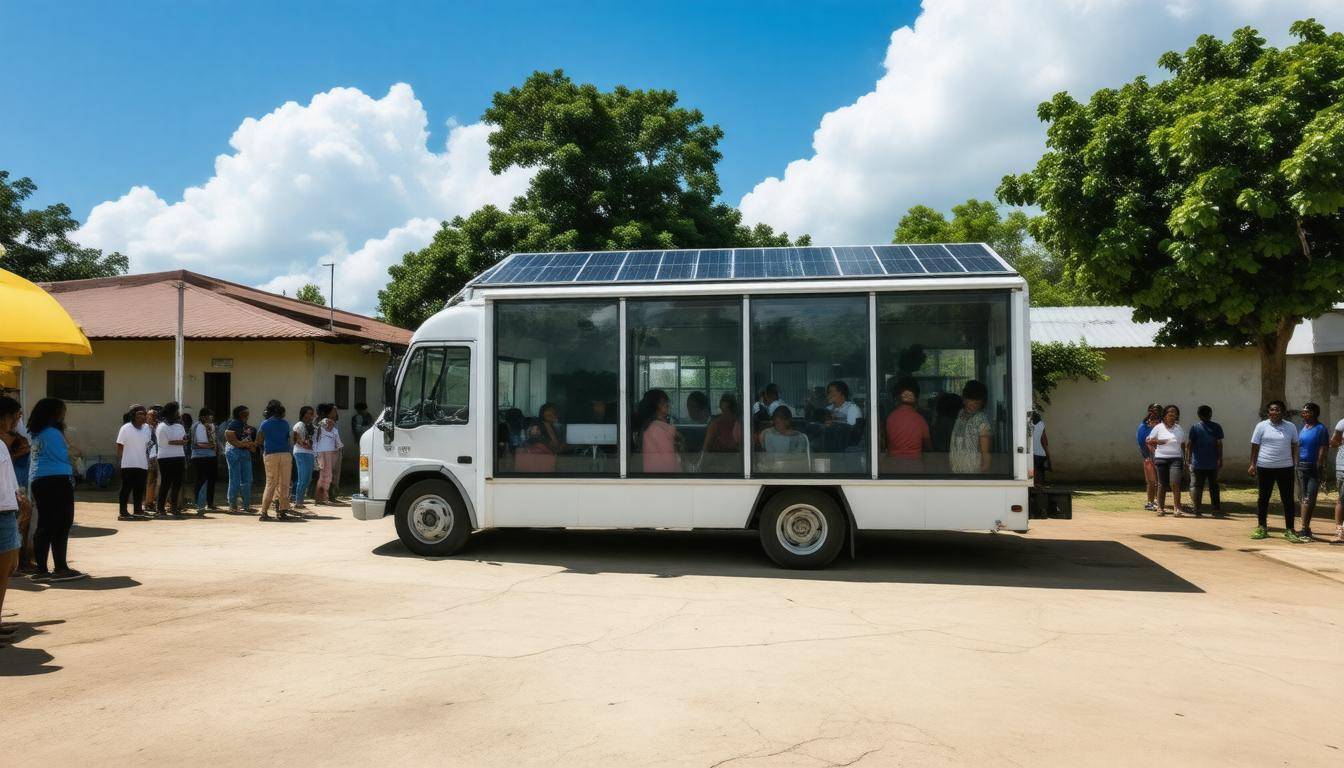
By diversifying your access points, you’re not just smart; you’re proactive. Imagine being stuck during a disaster, only to find your bank branch closed when you need it the most. That’s why it’s crucial to keep multiple access methods open. This includes a mix of traditional banking routes and digital options. Each type offers distinct advantages, allowing you to navigate through crises.
Different Types of Accounts
One simple yet effective strategy is to maintain accounts across different types of financial institutions. Traditional banks typically provide a wide network of branches and ATMs, offering physical locations where you can make in-person transactions or talk to someone about your concerns. However, when disruptions occur, these physical locations may not always operate as expected.
Conversely, credit unions tend to offer lower fees and more personalized customer service, which can be invaluable when you’re looking for assistance. Lastly, online banks often excel in providing superior digital services and innovative tools that can help manage your finances more effectively than their brick-and-mortar counterparts. While traditional banks might have an extensive physical presence, it’s the convenience and flexibility of online services that could save the day when disaster strikes.
Think about how each type of institution can support your needs during stressful times. Now let’s look at how technology can enhance your access further.
Using Mobile Banking Apps
Incorporating mobile banking apps into your arsenal is another essential consideration. Having mobile banking apps for all your accounts allows for quick access to crucial financial features right from the palm of your hand. These apps often enable alerts for important transactions or unusual activities, serving as early warning signs that can help prevent fraud or inform you about potential issues with accessibility.
Moreover, many mobile banking solutions offer functionalities such as freezing your card instantly if it’s lost or stolen, which becomes paramount during a crisis when time is of the essence. Imagine having the ability to handle unexpected finances quickly without needing to trek to a bank location! It’s like having an emergency account assistant ready wherever you are.
Research indicates that 85% of adults who use mobile banking report feeling more in control of their finances, especially during uncertain situations.
When facing disruption, having a well-rounded set of tools at your disposal makes all the difference in ensuring seamless banking access. As we explore further, consider the advantages that can come from accessing various banking locations for added security and flexibility.
Utilizing Multiple Banking Locations
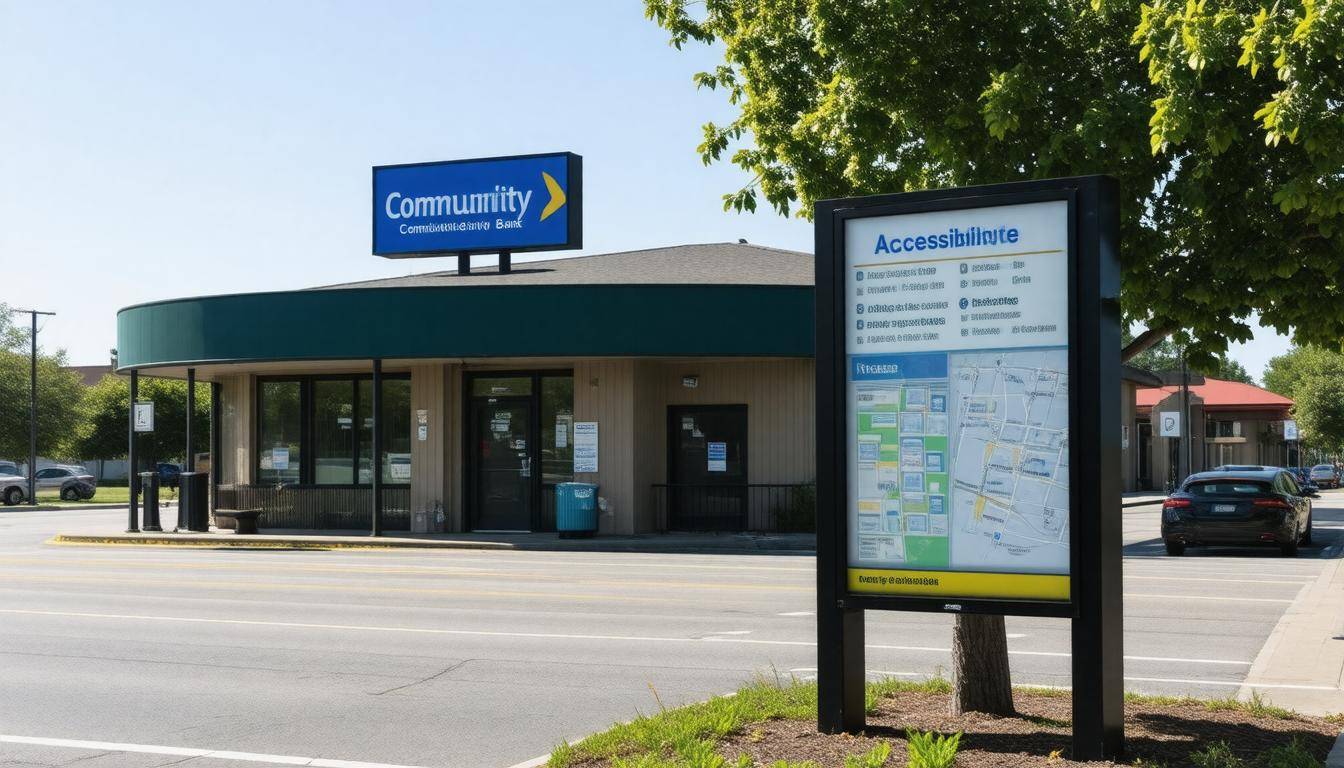
Having access to multiple banking locations is an effective strategy that can help secure your finances against unforeseen disruptions. By selecting bank branches spread across different regions or cities, you prepare yourself for potential emergencies where local branches may be rendered inaccessible. This foresight ensures that if one location is affected by a disaster—be it extreme weather, infrastructure failure, or a major power outage—you still have access to your money from another branch.
Choosing Locations
When it comes to choosing which banks to utilize, think carefully about geographic diversity. Ideally, you want to select different banks and branches that aren’t just around the corner but also in various areas of your state or even in different states altogether. For example, if you primarily bank with a branch located in a flood-prone area, opening an account at a sister branch located in a drier climate could make all the difference in critical situations. Strategic choices like these could safeguard your assets when local conditions take a turn for the worse.
Beyond simply having multiple accounts, it’s essential to consider the unique benefits derived from this arrangement.
Benefits of Several Locations
Imagine the chaos after a hurricane sweeps through your city and leaves the streets flooded and bank branches closed. If you’ve managed to secure another bank account with a branch located in a neighboring state, suddenly, you’re in a much better position financially. You can still withdraw cash or manage your finances without facing the crippling stress of being unable to access funds during an emergency situation. This kind of redundancy offers peace of mind and makes navigating financial challenges far less daunting.
However, securing multiple banking locations must be paired with practical measures to ensure seamless communication and access.
Practical Tips
To optimize this strategy further, it’s wise to keep your personal information up-to-date with all of your banking institutions. Make sure your address and contact details are current so that you conveniently receive timely notifications and important statements about your bank accounts. Regularly monitoring each account can alert you to any issues before they escalate into larger problems. Additionally, familiarize yourself with each bank’s policies on accessing funds during emergencies; understanding these nuances can empower your financial decisions during trying times.
By taking these proactive steps and diversifying your banking access points, you create a robust safety net that cushions you against unexpected adversities.
As you navigate these strategies for ensuring banking access, it’s also vital to explore the systems in place that can support online banking during crises.
Backup Systems for Online Banking
Online banking systems are incredibly convenient, but they can also experience failures due to a myriad of reasons, ranging from server outages to cyber-attacks. To mitigate these risks, possessing robust backup systems is paramount. These systems safeguard your information and ensure access to essential services during unexpected events.
SYSTEM REDUNDANCY
A key aspect of maintaining operational continuity is utilizing cloud-based backups for your online banking data. Services like Amazon Web Services or Google Cloud offer automatic failover options, which mean that if your primary system encounters an issue, the service switches to backup servers seamlessly.
Think of this as having a spare tire in your car—if something goes wrong with one wheel, you want the assurance that another wheel can step in without delay.
In fact, 85% of financial institutions today capitalize on cloud solutions for data backup and recovery, knowing well its significance in maintaining uptime and reliability.
DUAL AUTHENTICATION
Another layer of security is implementing two-factor authentication (2FA). This measure requires users to provide two forms of identification before accessing their accounts. Imagine you’re entering a secure facility; just having the key isn’t enough—you need to show ID too. By adopting 2FA, even if someone compromises your password, they would still be blocked from unauthorized access without the second form of validation.
Interestingly, about 50% of banks have already incorporated multi-factor authentication as part of their security strategy, recognizing its effectiveness in thwarting potential breaches.
FREQUENT SECURITY AUDITS
Regularly reviewing the security measures of your online banking platforms is vital for boosting resilience against evolving threats. This includes identifying vulnerabilities in software that may have arisen due to outdated protocols or inadequate encryption practices. By conducting frequent security audits—not just annually but quarterly or biannually—you ensure your defenses remain as strong as possible.
Implementing this strategy helps organizations identify areas for improvement and fosters a culture geared towards continuous enhancement of security standards.
Combining these elements into a cohesive disaster recovery plan equips both institutions and individual customers with the tools necessary for resilience amidst unforeseen challenges. This preparation lays the groundwork for ensuring secure and reliable connectivity when it matters most.
Ensuring Internet Access and Security
Internet access is not just a convenience; it’s an absolute necessity, especially when it comes to digital banking. Picture this: a storm knocks out power and you need to check your bank account or process an emergency payment for repairs. Without a secure internet connection, you could be left helpless at a time when every minute counts. That’s why ensuring a secure and consistent internet access is critical.
SECURE CONNECTIONS
One of the first steps to safeguarding your online banking activities is utilizing a Virtual Private Network (VPN). This technology encrypts your data, making it significantly harder for cybercriminals to intercept your financial information.
However, make sure that the VPN you choose is fast and reliable. A sluggish VPN can disrupt your access when you really need it. Choose a reputable provider known for high-speed connections and solid security measures. Not only does this help protect your sensitive information, but it also allows you to conduct transactions from anywhere—be it from home or a remote location.
Once your primary line of defense is set, it’s wise to consider alternative ways to maintain internet access during emergencies.
ALTERNATIVE ACCESS METHODS
-
Mobile Data Plans: Ensure that your mobile phone plan has ample data. In cases where broadband might fail due to outages, having sufficient mobile data buoys your ability to carry out essential transactions without delay. Many smartphones even allow you to tether and share that connection with other devices.
-
Public Wi-Fi: It can be tempting, especially in urban areas, to rely on public Wi-Fi networks. However, proceed with caution! Not all public networks are secure, so it’s crucial to have a carefully curated list of known, safe spots like libraries or cafés where you can connect without compromising security.
-
Satellite Internet: For those residing in rural areas, investing in satellite internet can be an excellent backup solution for prolonged outages. This type of service tends to be more resilient against local disasters because it doesn’t rely on ground-based infrastructure.
As you evaluate these options, remember that redundancy is key. Having more than one way to connect ensures that you’ll never be left stranded without access to your banking services during crucial times. Furthermore, regularly test the reliability of each option before an emergency strikes; verify signal strength and connectivity quality so you’re prepared for an unexpected situation.
With multiple strategies in place for maintaining internet access, it’s essential to consider how these methods will support other aspects of banking during challenging times.
Planning for ATM and Credit Card Use
During disasters, having a robust plan for using ATMs and credit cards is essential. While many ATMs may remain operational, knowing which will be accessible and avoiding unexpected fees can save you from financial stress.
Start by identifying ATMs affiliated with your bank – preferably those that charge no fees – and make a note of their locations. But don’t stop there; it’s wise to also have the contact information for machines within other networks as a backup. You never know when your usual options might be down.
When you’re planning your strategy, ensure you have a reliable method to access cash advances on your credit cards. Familiarize yourself with the procedures required because this could be critical in emergencies where cash is the only accepted form of payment, especially when the electric grid goes down and card machines fail. Make it a point to locate banks or financial institutions that facilitate cash advances well before any potential disaster strikes.
Picture this: It’s an emergency situation, and the last thing you want is to fumble around with your credit card while everyone else is making off with the cash at the ATM next door.
Transitioning from practical strategies, let’s talk about staying safe. Implementing strong security measures is equally important, particularly when engaging in banking activities during tumultuous times.
Regularly updating your ATM and credit card Personal Identification Numbers (PINs) not only enhances security but also minimizes the risk of fraud. In addition, keep a close eye on your transactions—distinguishing between legitimate charges and fraudulent ones can significantly reduce your chances of becoming a victim of theft.
Remember, it’s also beneficial to have backup payment methods available. Diversifying how you manage your transactions ensures that you’ll have access to funds, regardless of the circumstances that arise during disasters.
With these strategies firmly in place, it’s time to look into what makes your financial provider prepared for unexpected challenges ahead.
Assessing Your Financial Provider’s Disaster Preparedness
To determine if a financial provider is equipped for disaster situations, start by thoroughly reviewing their disaster policy. This is vital because not all banks prioritize disaster preparedness equally. Inquire about their disaster recovery and business continuity plans; ask specific questions regarding how they protect customers’ funds and maintain operations during a crisis. It’s reassuring to know that a bank has protocols in place to reestablish services quickly after a setback.
Once you’ve assessed the disaster policy, it’s time to dive into customer support.
Customer Support
Having strong customer support is non-negotiable, especially during turbulent times. Ensure that your bank provides robust support around the clock—24/7 availability can be a game-changer when you’re in need. To evaluate this aspect effectively, look for online reviews and testimonials specifically addressing the responsiveness of their support teams during past emergencies. Pay attention to how quickly they resolved issues and whether customers felt taken care of. This insight shows how well-equipped they are to assist in critical situations.
After scrutinizing their customer service capabilities, the next step involves examining the bank’s track record.
Track Record
Investigating a bank’s past performance during crises offers invaluable insights into their reliability. Seek out information on how they’ve handled previous incidents like natural disasters or cyber-attacks. Did they communicate effectively with customers? Were their systems able to withstand disturbances? A bank that has navigated such challenges successfully is generally more reliable—and knowing this can bring you peace of mind. It’s comforting to lean on a financial provider whose past actions reflect strength and competence in difficult circumstances.
By assessing these key areas—disaster policy, customer support, and track record—you can make a more informed decision about your banking options during emergencies.
In summary, preparedness is key to ensuring banking access during disasters. Understanding your financial provider’s strategies and capabilities can help safeguard your assets amid any crisis.
How can I find out which banks in my area have contingency plans for disaster situations?
To find out which banks in your area have contingency plans for disaster situations, start by visiting the websites of local banks and searching for their disaster recovery or emergency preparedness sections. Many institutions provide details about their contingency measures publicly. Additionally, you can contact customer service directly to inquire about specific plans. According to a survey by the American Bankers Association, over 75% of financial institutions have implemented some form of disaster response strategy in recent years, making it increasingly likely that your local banks will prioritize preparedness.
What types of emergency funds should I keep on hand for disaster preparedness?
It’s essential to maintain an emergency fund that includes at least three to six months’ worth of living expenses, accessible in both cash and liquid assets, such as a high-yield savings account. According to a recent survey, nearly 70% of Americans lack sufficient savings to cover unexpected expenses like medical emergencies or natural disasters, making it crucial to prepare proactively. Additionally, consider keeping some cash on hand in small denominations, as ATMs and bank services may be unavailable during emergencies.
What steps should I take to set up online banking before a disaster strikes?
To set up online banking before a disaster, start by choosing a bank that offers robust online services and mobile banking apps, ensuring they have a proven track record for uptime during crises (banks with strong digital infrastructure report 99.9% availability). Next, create your account if you haven’t already, enabling two-factor authentication for added security, and familiarize yourself with online features like bill pay and money transfers. Make sure to store essential information such as login credentials in a safe but accessible place, and consider linking an emergency fund to your online account for quick access when needed. By doing this, you’ll ensure financial stability even in uncertain times.
How can I ensure my financial documents are secure and accessible during a disaster?
To ensure your financial documents are secure and accessible during a disaster, digitize important papers and store them in a cloud-based service with strong encryption. According to the Federal Emergency Management Agency (FEMA), nearly 40% of small businesses never reopen after a disaster, often due to lack of preparedness; having electronic copies allows for quick access even when physical documents are lost. Additionally, consider keeping physical copies in a waterproof, fireproof safe or with a trusted relative. Regularly update these documents to reflect any changes in your financial situation.
In what ways can mobile banking apps assist me during a crisis situation?
Mobile banking apps can significantly assist during a crisis by providing real-time access to funds, enabling quick transactions, and allowing users to monitor account activity from anywhere. For instance, during natural disasters, 76% of consumers reported relying on mobile banking apps for managing finances when traditional banking infrastructure was compromised. These apps often come with features like location-based alerts, emergency fund transfers, and bill payment options that can be crucial when time is of the essence.