
Welcome to the fascinating world of radio communication—the often-overlooked yet vital skill that enables people to connect over distances, whether for fun or critical emergencies. Have you ever noticed how a simple conversation can turn into chaos without proper signals or clear messages? This guide is here to help smooth out those bumps and get you equipped with essential radio skills. With practical advice and clear explanations, you’ll learn not just how to operate radios but also how to ensure your messages are understood no matter the situation. Let’s dive in and explore the art of communicating effectively over the airwaves!
The Basic Radio Communication Skills: Complete Guide provides essential knowledge on proper etiquette, message clarity, and effective communication techniques specific to radio operations. You’ll learn about important concepts such as distinguishing between different types of radio users, adhering to FCC regulations, and utilizing standardized communication practices to ensure clear and efficient exchanges.
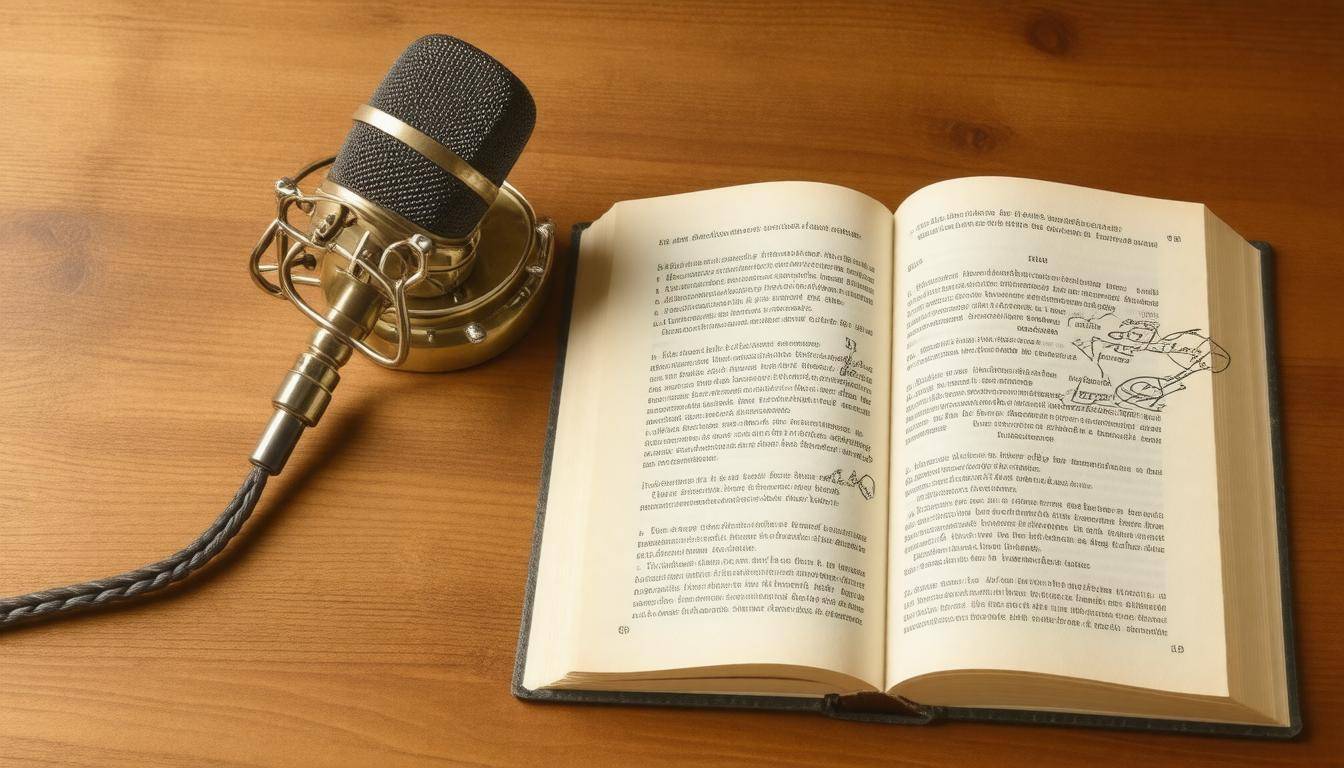
Basic Radio Equipment Overview
At its most basic level, radio communication hinges on three pivotal components: transmitters, receivers, and antennas. These elements are not merely technical jargon; they represent the heart of how we send and receive information across distances, enabling everything from casual conversations to critical emergency communications.
Types of Radios
When we talk about radios, we can categorize them into three main types, each designed for specific situations and functions.
Handheld radios are incredibly popular due to their portability, making them ideal for personal use or light commercial applications like security teams. Imagine being able to communicate instantly while moving about—this versatility allows for seamless coordination in bustling environments.
- Handheld Radios: Compact and portable, perfect for individual users or small teams.
- Mobile Radios: Mounted in vehicles with greater power and range than handhelds, suited for operations requiring mobility while maintaining constant communication.
- Base Station Radios: Fixed installations with the highest power and range capabilities. They’re a go-to choice for emergency services or organizations that need reliable communication over expansive areas.
Picture this: a ham radio operator stationed at home relies on base station radios to communicate over vast distances with fellow enthusiasts across the globe. Conversely, a team of security personnel patrolling a building smoothly exchanges information using handheld radios, ensuring they remain agile and responsive within their designated environment.
As you can see, understanding these distinctions will significantly enhance your communication abilities and enable you to choose the right equipment based on your needs.
With a solid grasp of radio types established, we can now explore the vital roles that key components play in the operation of these systems—looking closely at how they work to facilitate effective transmission and reception of signals.
Transmitters and Receivers Explained
The dance between transmitters and receivers is like the beating heart of radio communication, where every pulse carries vital information through the air. At its core, a transmitter serves as the voice, converting your spoken words or data into radio waves. Think of it as a translator that transforms your thoughts into signals that can be dispatched across distances.
Conversely, the receiver acts as an interpreter, decoding those radio waves and converting them back into forms we can understand—be it sound or data once again.
Key Components and Functions
When we explore transmitters, we find a fascinating interplay of components working harmoniously to convey messages. A microphone sits at the beginning of this process, transforming your voice into an electronic signal. Once captured, the signal moves to the modulator, which encodes the information onto a carrier wave—essentially adding a layer for transmission. Clarity in communication becomes paramount; if modulation isn’t clear, the message may get distorted during travel.
As we continue along this pathway, the amplifier takes center stage, boosting the power of the signal before it’s sent out via the antenna, allowing it to traverse longer distances without losing integrity.
Just as transmitters have various essential components, receivers equally comprise several critical parts that work in unison to ensure messages are accurately received.
After transmission, it’s time for the receiver to step in. It starts with an antenna, which picks up incoming signals from the airwaves. Much like a fisherman casting their line into water, the antenna needs to be properly tuned to catch specific frequencies for optimal clarity. Here comes in the tuning circuit, which filters these incoming signals to isolate the desired frequency from all surrounding noise.
Once processed, signals reach the demodulator, responsible for extracting useful information from these waves. Finally, speakers convert this demodulated information back into sound—a seamless transition back to its original form for our ears to hear.
Think of this interaction like a game of telephone: messages travel from person to person (transmitter to receiver), but for clarity, you must ensure every participant hears correctly through their own microphones and speakers.
| Component | Function |
|---|---|
| Microphone | Converts voice to electronic signal |
| Modulator | Encodes signal onto carrier wave |
| Amplifier | Boosts signal power |
| Antenna | Captures incoming radio signals |
| Tuning Circuit | Selects desired frequency |
| Demodulator | Extracts information from signal |
| Speaker | Converts audio signals back to sound |
With a grasp on how transmitters and receivers function together effectively, let’s now consider further elements that play an indispensable role in ensuring seamless communication during radio operations.
Antennas and Their Function
At their core, antennas enable the unseen dance of radio waves that connects people and devices. Picture them as the ears and mouths of your radio system, absorbing sound waves from the air and converting them into electrical signals we can interpret, or vice versa. When you speak into a microphone attached to a transmitter, the antenna ensures that your voice travels through the ether to reach its destination. This transformation relies on two essential principles: converting electrical energy into radio frequencies for transmission and re-converting radio waves back into usable audio or data signals upon reception.
Types of Antennas
Understanding the various types of antennas can help individuals choose appropriately based on their unique communication needs.
Dipole Antennas stand out for their straightforward design and reliability. These antennas consist of two conductive elements aligned collinearly, making them incredibly effective for both commercial and amateur usage. They work best in a balanced environment—placed horizontally or vertically—and have proven invaluable for local communication where simplicity is key.
On the other hand, Yagi Antennas provide more directed energy towards a specific area, significantly increasing signal strength. With their multi-element design, they are particularly useful in long-distance communications. If you’ve ever tried to tune in to a far-off station while working on your car, consider how frustrating it is when the signal drops—investing in a Yagi might mean the difference between crystal-clear audio and static-filled frustration.
Lastly, there are Parabolic Antennas, often resembling satellite dishes. These high-performance antennas collect and focus incoming signals with remarkable precision, making them the gold standard for radar applications and satellite communications. Their parabolic shape directs radio waves efficiently, allowing seamless long-range communication, even in challenging environments.
However, simply selecting an antenna isn’t enough; placement and orientation matter too.
Imagine setting up your new antenna like choosing a flower pot; great flowers need sunlight to thrive, just as your antenna requires optimal positioning for effective signal transmission.
The best placement can enhance reception by reducing obstacles between the antenna and the transmitting tower. Elevation is key—raising antennas higher generally improves clear line-of-sight communication by keeping them above physical barriers like trees or buildings that could obstruct signals. Additionally, choosing an angle that aligns with your intended target can drastically boost performance—think of it as adjusting a flashlight beam for maximum visibility.
In essence, understanding your antenna’s function and optimizing its setup can significantly improve reception quality and overall communication efficiency.
With these foundational concepts in mind, we can now explore how to ensure signals are transmitted effectively through various means.
Effective Signal Transmission
The quality of your radio communication is only as good as the signals being transmitted. Therefore, mastering the art of signal transmission is paramount. It all begins with understanding your environment and the tools at your disposal. Remember, even the best equipment won’t guarantee clear communication if external factors or poor practices are at play. Practicing clear communication requires a commitment to optimizing your signal from start to finish.
Techniques for Optimal Transmission
One of the first techniques to ensure efficient signal transmission is adjusting power levels appropriately. Using excessive power not only leads to unnecessary interference but also increases the risk of causing distortion in the signal. Selecting the minimum power needed to maintain a stable connection is key. Imagine holding a conversation; you wouldn’t shout louder than necessary if your voice carried well, right? The same principle applies here.
In this sense, think of your transceiver as a “clear thinker” during a conversation—keeping things succinct while ensuring that every important piece of information travels far and wide without becoming jumbled.
Another fantastic technique is using high-gain antennas, which can focus the signal more effectively compared to standard antennas. Just as a flashlight’s beam can be intensified by focusing its lens, high-gain antennas concentrate your radio waves into a narrower direction, significantly increasing coverage range.
It’s crucial to avoid physical obstructions when setting up your system. Buildings, trees, and hills can act as barriers that weaken signals—like trying to have a conversation through a wall. Elevating antennas and ensuring line-of-sight helps mitigate such issues; even heights can drastically improve signal clarity. If you’re indoors or in an area where obstructions are unavoidable, adjusting antenna placement strategically can yield tremendous benefits.
Think about how emergency services utilize repeaters on tall structures—this strategic placement ensures that communication remains seamless even across vast areas.
Implementing these techniques will greatly enhance your radio communication experience and improve the overall reliability of your transmissions. By prioritizing optimal settings and understanding how environmental factors influence signal quality, you’ll set yourself up for success in any scenario where clear communication is vital.
As we transition into the next subject matter, exploring how active engagement plays a critical role will further sharpen our communication skills essential for effective exchanges.
Active Listening Techniques
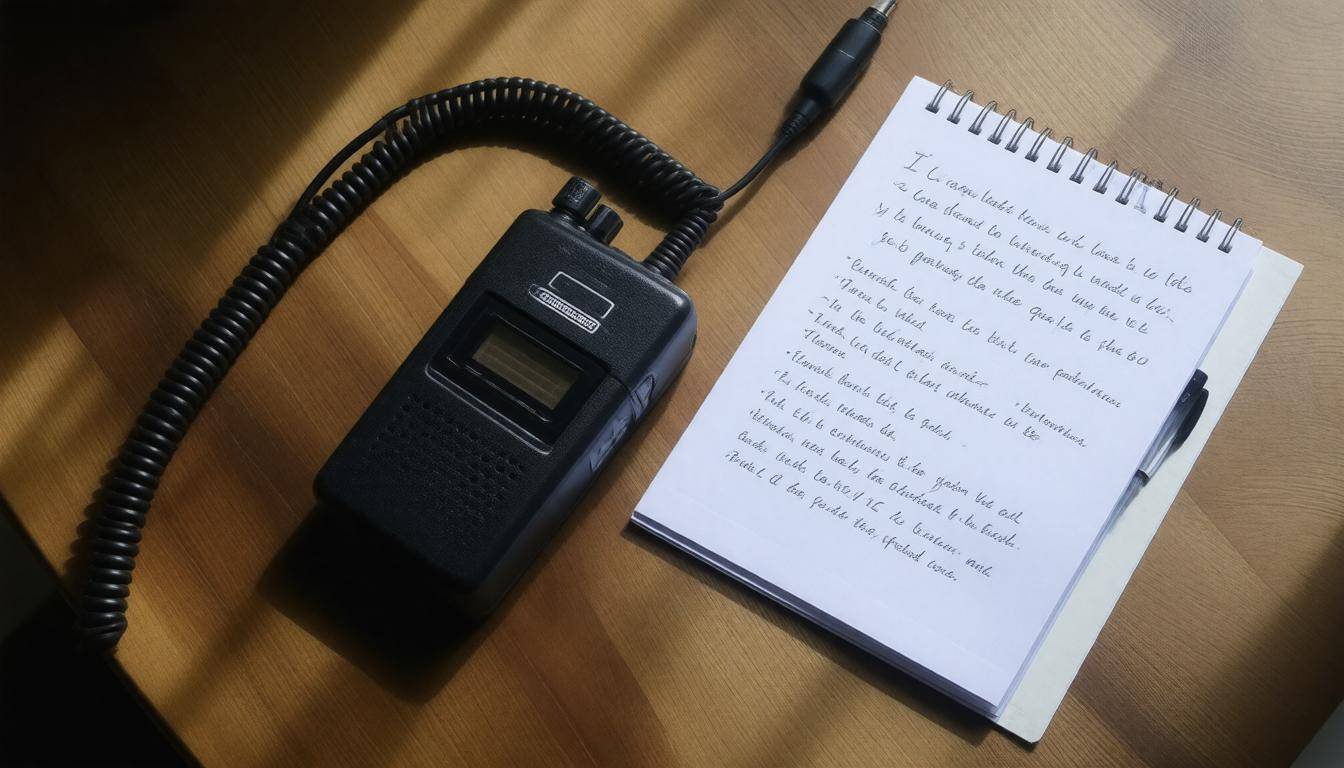
Active listening transcends mere hearing. It is a dedicated practice that helps ensure messages are not just sent but received accurately, especially in environments where noise and chaos can easily lead to misunderstandings. One of the most effective ways to engage in active listening on the radio is by enhancing your clear enunciation. Speaking clearly but at a natural pace allows others to grasp your messages without straining their ears. Remember, too slow can be as ineffective as mumbling; aim for that sweet spot where your words flow cleanly, conveying empathy even when discussing urgent matters.
The repeat-back method is another vital technique that fosters accuracy in communication. After receiving a message, echoing it back—not verbatim, but in a manner that confirms understanding—can help clarify any potential miscommunications before they escalate into errors. For instance, if someone informs you that a supply drop will arrive at 1300 hours, you could confirm by saying, “Understood, you mentioned the supplies are arriving at 1300.” This not only assures the sender you comprehended their message; it creates an open line for corrections if required.
Practical Steps to Improve Active Listening
Taking deliberate actions can vastly improve your active listening ability. First and foremost, try minimizing background noise. In radio communication, distractions can derail even the clearest of messages. Using good quality noise-canceling headsets can help you tune out the world around you and focus solely on what is being said. In addition to making your listening experience more pleasant, this can also prevent critical information from slipping through the cracks.
Another pivotal step is to take notes during transmissions. Writing down key points not only reinforces what you’re hearing but also provides a useful reference for future conversations or tasks. There’s nothing worse than relying on memory alone for complex instructions—having those notes can alleviate confusion and build confidence when acting on the information given.
Staying focused is essential during critical communications. Avoiding multitasking ensures that your full attention is on the speaker’s message; distractions diminish understanding and retention. If other tasks demand your attention, it may be wise to defer those responsibilities until after important communications have concluded.
Through practicing these techniques in high-stress situations like emergency drills or live scenarios, I’ve observed how they significantly reduce instances of miscommunication. With these skills refined, we can turn our attention to explore additional protocols that further enhance effective exchanges over the airwaves.
Key Protocols and Procedures
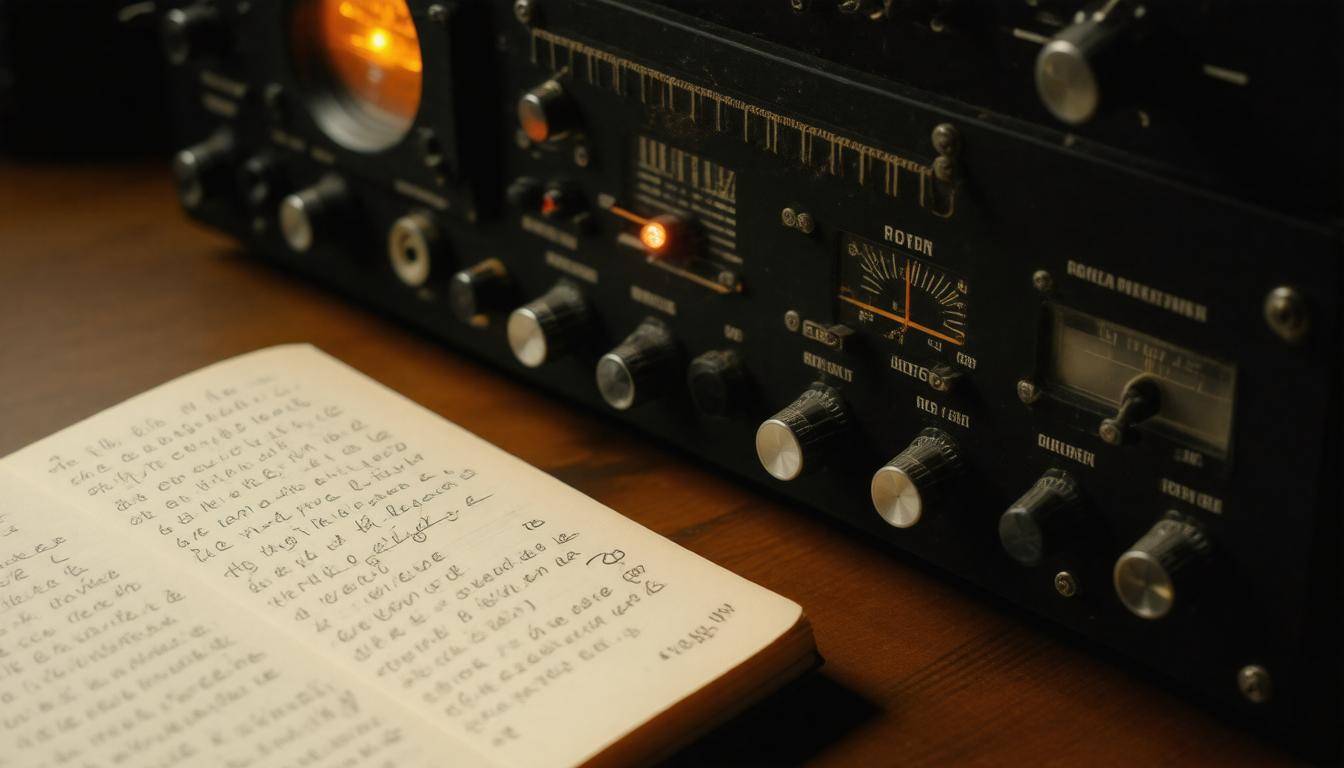
Adhering to standardized protocols ensures that everyone on the network can communicate effectively and efficiently. Think of it like a shared language that helps streamline interactions and cut down on confusion—something particularly important when every second counts. Protocols are predefined conventions or instructions that dictate how individuals communicate over radio systems, forming the backbone of efficient communication.
Common Protocols
One of the most fundamental aspects of radio protocols is the use of call signs. These are unique identifiers assigned to units or personnel, such as “Alpha 1-2,” which allows team members to know exactly who is communicating. This eliminates ambiguity and enhances clarity, especially when multiple units are operating in a confined area. Imagine how confusing it would be during a chaotic response if personnel couldn’t clearly identify themselves.
Another essential feature of radio communication is the use of pro-words—specific terms that carry distinct meanings. Phrases like “Over” signal the end of one transmission and readiness for a response, while “Roger” confirms receipt of a message.
Drawing from personal experience, I can say that employing these terms effectively reduces unnecessary back-and-forth chatter, allowing for smoother conversations when every moment is critical.
And let’s not overlook the importance of time checks, which help coordinate actions based on precise time references. Whether using Coordinated Universal Time (GMT) or local time standards, this practice ensures that all members are synchronized. In emergency contexts where timing can dictate success or failure, such coordination becomes invaluable.
In fact, statistics indicate that organizations practicing standard radio protocols report an impressive 30% reduction in communication errors. This statistic underscores the tangible benefits of sticking to established guidelines—you position your team for success rather than chaos.
As a firefighter once reflected, “Using call signs and pro-words during drills makes real-life scenarios less chaotic and more coordinated.” This highlights the profound impact that adherence to protocol can have on performance during emergencies.
Given the critical nature of these protocols, their significance escalates dramatically in high-pressure situations. Understanding them thoroughly lays a vital foundation for navigating scenarios where clear communication saves lives and resources. Let’s further explore how effective interactions become even more crucial in urgent circumstances.
Communication in Emergencies
During any crisis, the need for swift and effective communication escalates dramatically. Think of it this way: when an emergency occurs, every second counts, and the information shared needs to be precise and actionable. For instance, using priority codes helps responders gauge the severity of the situation quickly. When someone hears “Code Red,” they understand they are facing a high immediate danger, which prompts an immediate reaction – no questions asked.
In practice, these codes help eliminate confusion. Everyone involved knows exactly what action to take—whether that’s evacuating a building or moving to a safe area. The use of such systems has evolved precisely because of lessons learned in past emergencies.
As we dissect different aspects further, we’ll see how clear language can enhance understanding and reduce panic amongst individuals who might already be fraught with anxiety.
Emergency-Specific Communication Techniques
A crucial element during emergencies is using plain language. This isn’t the time for jargon or technical terms that could confuse those unfamiliar with emergency protocols. Imagine speaking to someone who is already stressed; you wouldn’t want to add to their anxiety with complicated sentences or terms. Instead, clarity should reign supreme. Statements like “Evacuate immediately, go to the nearest exit,” resonate far more effectively than technical directives which may slow down comprehension.
Furthermore, employing backup channels is vital. Even if your primary method of communication seems failsafe, there’s always the risk of congestion or technical failure as seen in many crises. Agencies should establish secondary frequencies or methods of outreach—like mobile public address systems that can communicate essential instructions directly from trained personnel on-site. This redundancy ensures that if one method fails, another is ready to step up without missing a beat.
However, communication doesn’t just end at ensuring the message gets out; it’s also about maintaining engagement with those affected by the crisis.
Consider the role that social media plays today in disseminating urgent information quickly. Platforms like Twitter and Facebook receive real-time updates and alerts that keep communities informed and engaged during emergencies. By following official accounts or hashtags related to ongoing situations, individuals can access up-to-date information straight from authoritative sources.
Preparing before an emergency even happens can make a difference too; agencies should encourage people to follow them ahead of time so they remain plugged into crucial channels for communication when crises arise.
Effective communication is multi-faceted and demands careful consideration of various methods that can adapt to unique scenarios while remaining clear and accessible to all involved. Whether through priority coding, plain language directive messages or alternative contact channels, reinforcing these techniques will bolster a community’s resilience in the face of unpredictability.
With these foundational skills in mind, we can now elevate our focus to more advanced strategies designed to enhance communication effectiveness under pressure.
Advanced Skill Enhancement
At this stage, the pursuit of excellence is not just beneficial but essential. Engaging with ongoing training opportunities will solidify your understanding and application of advanced radio communication techniques. One avenue worth exploring is Ham Radio Licensing. This path enhances your technical knowledge and opens doors to a supportive community of seasoned operators. Connecting with others who share your passion is invaluable; they can offer tips, share experiences, and provide insights that books often overlook.
Furthermore, pursuing advanced certifications from reputable organizations such as ARRL or FEMA can significantly bolster your credentials. These programs provide specialized training that goes beyond the basics, equipping you with cutting-edge practices and strategies applicable in various scenarios from emergency response to broadcasting.
Involving yourself in hands-on learning—like simulation exercises—amplifies engagement. Imagine participating in realistic drills that mimic high-pressure situations. Such exercises allow for a safe space where you can refine your decision-making and quick-thinking skills without the fear of real-world consequences.
A recent testimonial from a professional at the Coast Guard provides perspective: “Continuous learning and practice in advanced techniques make you more adept in real-life rescue missions.” This highlights that what may seem extraneous today could be key to handling unexpected challenges tomorrow.
By consistently seeking out advanced skill enhancement opportunities, you position yourself where your radio communication abilities remain sharp and responsive. The more skilled you become, the more confident you’ll feel in various situations, be it during routine transmissions or when facing demanding scenarios.
Ultimately, fostering a mindset of lifelong learning and resilience is crucial—the heart of effective communication, especially in critical environments.
In this journey towards mastering radio skills, remember that ongoing education and active participation are keys to success.
How do you properly structure a radio message?
To properly structure a radio message, start with the standard format of “Who you are calling,” followed by “Your identity,” then “The message,” and finally “Acknowledgment.” This format ensures clarity and efficiency, which is crucial in fast-paced environments. Research shows that messages that follow these structured protocols are up to 50% more likely to be understood on the first transmission, reducing the need for repetition and enhancing overall communication effectiveness.
What common mistakes should be avoided in radio communication?
Common mistakes to avoid in radio communication include using unclear language, failing to identify yourself, and talking over others. According to studies, nearly 60% of communication failures in radio transmission stem from poor clarity and excessive jargon, leading to misunderstandings that can compromise safety and efficiency. To ensure effective communication, always use plain language, maintain a clear signal, and employ proper protocol by waiting for the channel to be clear before transmitting.
What specific vocabulary or jargon is important to know for different fields using radio communications?
In radio communications, specific vocabulary and jargon vary by field; for instance, aviation relies heavily on terms like “cleared” and “roger,” as efficient communication is critical for safety. In emergency services, phrases like “10-4” or “copy that” facilitate quick and clear understanding during high-stress situations. Statistics show that proper radio communication can reduce miscommunication incidents by up to 80%, highlighting the importance of mastering field-specific jargon to enhance clarity and operational efficiency.
What are the key components of effective radio communication?
The key components of effective radio communication include clarity, brevity, and proper use of codes and protocols. Clear articulation ensures the message is understood, while brevity helps convey essential information quickly—studies indicate that messages longer than 30 seconds have a 60% chance of losing the listener’s focus. Utilizing standardized codes and procedures enhances understanding among users, reducing miscommunication, which can be critical in emergency situations where every second counts.
How can one improve their clarity and effectiveness in radio conversation?
To improve clarity and effectiveness in radio conversation, one should focus on enunciating words clearly, using concise language, and actively listening. Studies show that clear communication can reduce misunderstandings by up to 80%, making it essential to speak at a moderate pace and avoid jargon unless the audience is familiar with it. Practicing skills such as phonetic alphabet and standard radio etiquette can also foster smoother exchanges and enhance overall communication efficacy.