
Self-defense might seem like something only martial artists or action movie heroes need to worry about, but the truth is, anyone can find themselves in a tricky situation at any time. It’s all about being prepared and knowing what to do when faced with unexpected challenges. Imagine walking alone at night or feeling uneasy in a crowded place—these moments can stir up fear. However, learning some basic self-defense techniques and safety tips can empower you to navigate these scenarios confidently. This article dives into effective strategies for enhancing your personal safety, focusing on situational awareness, understanding vulnerabilities, and practical self-defense moves that anyone can master. So let’s get started on building a safer you!
Basic self-defense for emergencies includes understanding situational awareness, recognizing potential threats, and knowing simple self-defense techniques to protect yourself in an unexpected encounter. It’s crucial to remain alert, prioritize your safety over possessions, and familiarize yourself with emergency contacts and local resources to prepare effectively for any dangerous situation.
Situational Awareness
Being aware of your surroundings can dramatically reduce the risk of danger, and this understanding forms the cornerstone of effective self-defense. Situational awareness involves continuously processing your environment and allows you to identify potential threats before they escalate. It’s not just a skill; it’s a mindset that, once embraced, can significantly enhance your safety. For instance, when you’re strolling through campus or walking home at night, being alert gives you an edge—it allows you to notice irregular behavior or unsafe conditions.
Practical Steps to Enhance Awareness
Start by routinely assessing your immediate surroundings. This includes identifying exits for quick escape, spotting potential hiding places where someone might be lurking, and counting the number of people around you—especially in unfamiliar places. This habit will serve you well until it becomes second nature. You want these assessments to be automatic, like an instinctive reaction that occurs as soon as you enter a new area.
One significant factor in maintaining situational awareness is resisting distractions. When entering unfamiliar areas or even familiar spaces at night, consider putting away your phone. By doing so, you’re freeing up mental resources to stay more alert to your surroundings. Remember, if it’s safe to do so, let someone know your whereabouts and plans; this simple step enhances not only your security but also provides peace of mind.
Exercises to Improve Situational Awareness
Consider incorporating mindfulness exercises into your daily routine to sharpen your awareness skills. One particularly effective technique is the “5-4-3-2-1” exercise, which encourages you to identify aspects of your environment through your senses: name five things you see, four things you hear, three things you can touch, two things you can smell, and one thing you can taste. Practicing this method not only grounds you in the present moment but also heightens your attunement to environmental cues that can indicate danger or safety.
The more aware you are of your surroundings, the easier it becomes to spot unusual behavior or other red flags that could signify trouble. This habit doesn’t just apply when you’re walking alone but becomes crucial in crowded places—such as bustling campuses—where the energy level and information flow are constant.
What’s fascinating about developing situational awareness is how it influences everything from personal confidence levels to the effectiveness of defensive strategies; studies show that individuals practiced in mindfulness have a heightened sense of their environment and are generally better equipped to handle unexpected incidents.
By consistently honing these skills and techniques, you’ll prepare yourself for potential challenges ahead, allowing for a smoother transition into exploring how personal vulnerabilities can impact these self-defense strategies.
Assessing Personal Vulnerabilities
Understanding your personal strengths and weaknesses can significantly sharpen your response to potentially dangerous situations. Many individuals might not realize how their surroundings influence safety until it’s too late. Imagine a college student traversing a dimly lit campus late at night; knowing environmental risks—like poorly lit paths or isolated areas—can be crucial. Identifying such vulnerabilities in everyday life sets you up for safer outcomes even in unpredictable circumstances.
Vulnerability Checklist
-
Physical health: Assessing your fitness level is key. Ask yourself: Can I run fast if I need to escape? If running isn’t a strong suit, think about what other physical attributes you might rely on during an emergency.
-
Financial dependence: Consider whether financial constraints influence your sense of security. Limited resources might prevent you from hiring safe transportation or moving to a more secure residence, potentially heightening risks.
-
Emotional state: Your mental fortitude plays a significant role in stressful situations. Are you calm under pressure, or do panic and anxiety typically take over? Recognizing this can help you mentally prepare strategies to manage stress when threats arise.
-
Environmental factors: Reflect on the places you frequent: Are there locations that could increase vulnerability? Frequenting areas known for higher crime rates without awareness can lead to dangerous situations.
By evaluating these factors, you’re on the road to fostering greater resilience against potential dangers.
Strategies for Addressing Vulnerabilities
If physical strength is a concern, focus on optimizing skills like speed and agility—these can often be more beneficial than raw strength in an escape situation. Incorporate exercises that enhance quick movements or reflexes into your routine.
For emotional vulnerabilities, learning stress management techniques such as deep breathing or visualization methods can be invaluable. Practicing these techniques regularly increases the likelihood of staying calm during emergencies. Mentally rehearsing positive responses and familiarizing yourself with effective coping mechanisms makes you less susceptible to panic when it matters most.
Establishing rapport with nearby residents contributes to a supportive community environment. Having friends or neighbors who look out for each other amplifies safety in shared spaces.
Remember, the goal isn’t to transform into an invincible force but rather to empower yourself with knowledge about navigating challenging scenarios. Awareness coupled with practical methods makes all the difference in addressing personal vulnerabilities effectively.
With these insights into personal vulnerabilities and defense strategies, let’s now turn our attention to understanding how best to recognize and identify potential dangers around us.
Identifying Potential Threats

On any given day, we navigate a multitude of environments that could present risks, and being aware of those possibilities is crucial for maintaining safety. Imagine walking across campus late at night, the shadows cast from the streetlights creating eerie silhouettes. In scenarios like this, the ability to identify various types of threats increases your likelihood of avoiding trouble.
Types of Threats
It’s important to categorize threats into three distinct types: external, environmental, and personal. By understanding each category, you can become adept at spotting them before they escalate.
-
External Threats: These include suspicious individuals or activities. For instance, if you notice someone loitering around your usual paths or a vehicle following you too closely, that’s an immediate red flag. Trust your intuition; if something feels off, it probably is.
-
Environmental Threats: Look around—are there poorly lit areas or deserted paths? Well-lit spaces are generally safer as they deter potential aggressors who prefer dark corners to carry out their misdeeds. If you find yourself in a secluded location, consider rerouting to a more populated area.
-
Personal Threats: This category can hit closer to home and includes stalkers or aggressive acquaintances. Sometimes the danger comes from known figures in our lives; recognizing patterns or behaviors that signal abusive tendencies can empower you to distance yourself from risk.
Addressing these threats is critical.
Tools to Identify Threats
Fortunately, technology offers several resources to enhance your situational awareness. One effective way to pinpoint high-risk areas is through public crime maps available online. These maps provide insights on local incidents reported in your community, giving you a clearer picture of where caution is necessary.
Furthermore, consider utilizing smartphone apps designed for safety tracking. Applications like bSafe and Life360 offer real-time updates about security statuses and can notify designated contacts if you’re feeling unsafe. With these tools at your disposal, staying informed and prepared becomes much easier.
Always remember that safety starts with awareness! By recognizing potential threats early on and equipping yourself with practical tools, you dramatically increase your chances of dodging dangerous situations and keeping yourself safe.
As we shift focus to defensive strategies and practical moves designed to handle confrontations effectively, these insights will serve as a foundational knowledge base for reinforcing your personal safety skills.
Basic Defense Moves
When it comes to self-defense, the key is not about learning complex martial arts but rather focusing on simple, effective moves that anyone can use. The goal during a confrontation is always to escape, not to win a fight. By utilizing techniques like the palm strike, knee to groin, and elbow jab, individuals can effectively incapacitate an attacker long enough to escape to safety.
Key Defensive Techniques
Here is a closer look at these essential defensive maneuvers:
The palm strike is a powerful technique that utilizes the heel of your hand aimed directly at the attacker’s nose or face. This move generates significant impact while minimizing the risk of injury to your hand. The objective here is to create enough disorientation so you can get away. Remember, in such situations, it’s about forceful contact rather than finesse.
Following that, we have the knee strike. This technique involves raising your knee sharply into the groin area of your aggressor. Because this area is highly sensitive, it can induce shock and stop an attacker momentarily. Be sure to follow through quickly; after landing this strike, make your escape the top priority.
Another important move is the elbow jab. This maneuver is perfect for close encounters where you cannot afford to create distance. By delivering a strong elbow strike to vulnerable areas like the rib cage or jaw, you can create disruption and pain, allowing you time to flee.
Practicing these moves regularly will enhance muscle memory, ensuring you’re ready when it matters most. Moreover, think about how these techniques apply during various potential scenarios; make them part of your routine just as you might practice any other physical skill.
Consistency Is Key
Like any other skill, regular practice will help reinforce these techniques. If you’re in college, perhaps organize self-defense workshops with friends; it’s useful training and fosters community support. Work on these moves until they become second nature—this habit will empower you when faced with unexpected challenges.
Remember: self-defense is not just about brute strength; situational awareness, quick decision-making, and knowing how to react effectively are vital components in protecting yourself in emergencies. Each move draws upon natural body mechanics that everyone possesses, making them accessible regardless of size or previous experience. Familiarizing yourself with these techniques and practicing them consistently bolsters your ability to respond calmly and effectively under pressure.
With a solid foundation in basic self-defense techniques, it’s essential to further equip yourself with ways to navigate or avoid confrontations altogether.
Effective Escape Strategies
Sometimes, the best strategy revolves around efficient escape methods. Whether you find yourself in a building, on public transport, or in an open area, knowing how to quickly vacate your surroundings is essential for personal safety. A quick escape plan enables you to act decisively when faced with danger.
Quick Escape Plan
Always prioritize knowing the quickest route to exits in various environments. Imagine being in a crowded lecture hall — mentally scanning the room for exits should be second nature. Think about it: if you’re seated towards the back, what does it take to reach the nearest door? Could you exit through a window if needed? Having this mental map can provide critical seconds when every moment counts.
| Location | Escape Strategies |
|---|---|
| Home | Ensure multiple exit points; keep keys easily accessible |
| Public | Identify nearest exits upon entering; steer away from secluded areas |
| Outdoors | Remain in well-lit, crowded places; familiarize yourself with escape routes |
To bolster your escape, try to remain aware of your surroundings as much as possible. Situational awareness is key to identifying your exit options before an emergency arises.
During an Attack
In critical moments, creating a diversion can significantly help you evade an attacker. This could involve throwing an object nearby or yelling loudly to draw attention. While it may sound counterintuitive, distractions can buy you precious time to escape.
As you execute your escape plan, harnessing natural barriers like trees or parked cars can offer temporary cover. They not only obscure your movements but also provide vital seconds to reposition yourself towards safety.
Remember that escaping a dangerous situation is often more important than trying to confront an assailant directly. Personal safety should always come first; material possessions can be replaced, but your life cannot. By rehearsing these techniques mentally and physically, you’ll be better prepared when an urgent situation arises.
With these strategies in mind, it’s crucial to sharpen your skills through effective training techniques that will further enhance your confidence and readiness in various situations.
Self-Defense Training Tips
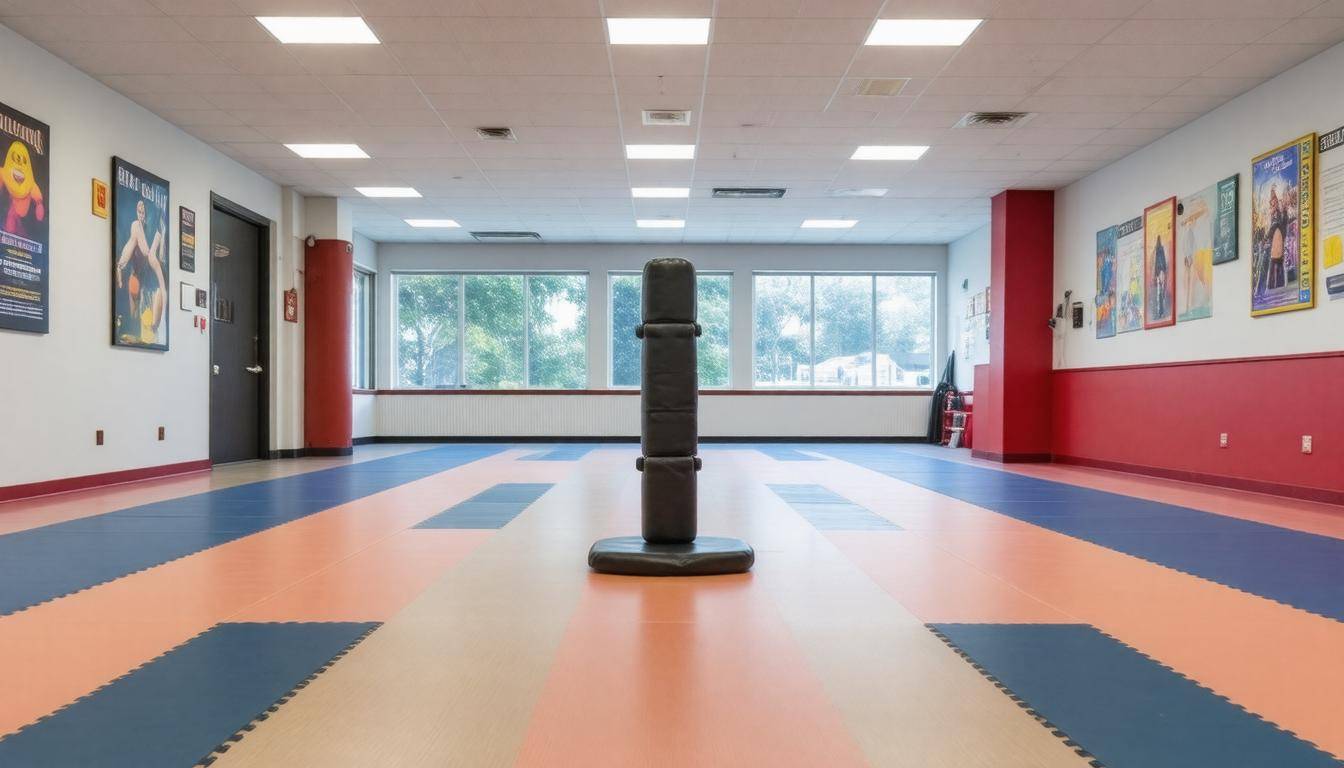
Consistent training is the foundation of any successful self-defense strategy. Individuals who commit to regular practice can see a significant improvement in their ability to respond to emergencies effectively. One highly recommended approach is to enroll in specialized self-defense courses such as Krav Maga or Rape Aggression Defense (R.A.D.) programs. These programs are meticulously designed to address real-world scenarios and equip you with techniques that increase your chances of staying safe during an actual threat.
While it might be tempting to rely solely on online tutorials for guidance, remember that these resources cannot replace the invaluable hands-on experience gained in proper training environments. Engaging directly with instructors allows for immediate feedback, which is essential in learning how to execute techniques correctly.
Some may argue that online videos provide a wealth of information at your fingertips; however, without the context of actual practice, those techniques could become ineffective when faced with high-adrenaline situations. The clarity that comes with instructor-led classes far outweighs the convenience of at-home viewing.
Incorporating daily drills into your routine is another powerful way to reinforce your skills. Simple exercises like shadowboxing help improve your footwork and striking techniques, allowing you to develop muscle memory without the pressure of a partner’s presence. Practicing strikes on a punching bag not only builds strength but also enhances accuracy and timing—traits essential in a self-defense scenario.
Beyond just physical drills, consider partnering with someone for role-playing different scenarios; this can create a more dynamic environment where you simulate potential threats. As you participate in these drills, you’ll learn not just how to react physically, but also how to assess situations and make decisions under stress.
Regular practice solidifies what you’ve learned and prepares you for real-life situations by fostering the right instincts. As we explore various self-defense strategies later on, it’s crucial to realize that confidence gained from consistent training can be just as effective as physical techniques in deterring potential attackers.
Remember: In every situation, whether it’s a class or home training session, maintaining awareness of your surroundings is vital. This self-awareness combined with regular practice creates a comprehensive approach to personal safety.
With these foundational techniques in mind, it’s important to further explore additional tools and resources that can enhance your preparedness and response during emergencies.
Safety Gadgets and Tools
Various gadgets can offer an additional layer of security that empowers individuals, especially in potentially dangerous situations. Consider this: when you’re out late at night or navigating unfamiliar places, having a personal safety tool close at hand can not only boost your confidence but also serve as a reliable defense mechanism. Let’s examine a few popular options that equip you for such scenarios.
Recommended Safety Gadgets
-
Pepper Spray: Compact and effective, pepper spray is often regarded as a reliable option for self-defense. It’s designed to incapacitate an attacker temporarily by causing intense irritation to the eyes and respiratory system, allowing you time to escape. Keep it easily accessible in a pocket or bag so you can grab it without fumbling.
-
Safety Whistle: Sound carries far, especially in a moment of crisis. A simple whistle can draw immediate attention to your situation. It’s lightweight and easily attaches to keys or bags. In dire moments, it’s about being heard—don’t hesitate to blow it loudly, as it can deter unwanted attention.
-
Tactical Flashlight: A tactical flashlight does more than just brighten up dark spots; its beam can effectively disorient attackers when shone directly into their eyes. Many models are durable and compact enough for everyday carry, ensuring they are never out of reach when darkness falls.
-
Personal Alarms: These devices emit loud alerts when activated, serving as a deterrent in crowded areas. The shrill noise is likely to attract help before any situation escalates. They’re generally small enough to fit on your keychain, making them practical for frequent use.
Using Gadgets Effectively
It’s crucial to familiarize yourself with how these tools operate quickly and efficiently. Just having them isn’t enough; consider practicing how to activate each gadget under conditions that simulate stress—this familiarity may very well be the difference between success and failure in an emergency.
For instance, keep your pepper spray within easy reach rather than buried at the bottom of your bag. Test how to activate the personal alarm with one hand while walking—this simple readiness makes all the difference when seconds count.
Each of these gadgets serves its purpose best when integrated into your daily routine seamlessly. Carrying them should feel natural and effortless; with constant exposure, you’ll naturally develop muscle memory for their use when it matters most.
As these self-defense gadgets become part of your lifestyle, you take charge of your own safety while also empowering those around you. This shared knowledge fosters community awareness and invites dialogues on essential safety strategies.
Let’s now explore further measures that enhance situational awareness and preparedness in our daily lives.
Essential Safety Practices
Implementing everyday practices bolsters your overall safety in multiple environments, and the first area to consider is home safety. Start by ensuring that all entry points are secure with strong locks on doors and windows. Consider adding a modern security system with features like cameras and motion sensors to further protect your property.
Having good lighting outside—including motion-sensor lights—can deter intruders. If you plan to be away, timers that turn lights on and off will give the impression that someone is home.
An oft-overlooked aspect of home safety is community vigilance. Building relationships with your neighbors can create a stronger sense of security; look out for one another and communicate suspicious activities to enhance overall safety.
Personal Safety Practices
In addition to home safety, personal safety practices play a crucial role. Begin by updating your emergency contacts regularly, ensuring that vital numbers are easily accessible. Establish a “safety check-in” routine—perhaps sending text updates to friends or family when you’re out late or traveling alone. This simple gesture keeps your circle informed about your wellbeing.
Moving through public spaces should always be approached with awareness. Walk confidently; your posture says a lot about your state of mind. Research indicates that attackers often seek out individuals who appear distracted or anxious, making it essential to maintain presence-of-mind while navigating through various environments.
Additionally, vary your routes; unpredictability can deter those looking to target individuals. If possible, avoid isolated areas, especially at night.
Lastly, and perhaps most importantly, trust your instincts. If a situation feels off or uncomfortable, opt out immediately. Remember that it’s far better to be cautious than to regret ignoring your gut feelings later.
Each of these practices works together harmoniously as part of a comprehensive self-defense mindset, helping you become more attuned to your surroundings and better prepared for whatever comes your way.
Prioritizing safety in both personal and home environments creates a well-rounded approach, allowing you to navigate life with confidence and alertness. Taking these steps will empower you and help ensure well-being and peace of mind wherever you go.
How can situational awareness contribute to personal safety in emergency situations?
Situational awareness enhances personal safety in emergency situations by enabling individuals to recognize potential threats and respond proactively rather than reactively. Being aware of one’s environment—such as identifying escape routes, monitoring unusual behavior, or spotting hazards—can significantly reduce the chance of incidents escalating. According to studies, 80% of self-defense incidents can be avoided through vigilant observation and awareness, underscoring its importance in maintaining safety during emergencies.
What role does mental preparedness play in effectively using self-defense skills during an emergency?
Mental preparedness plays a crucial role in effectively using self-defense skills during an emergency as it enables individuals to remain calm, focused, and decisive under pressure. Studies indicate that having a clear mental plan can enhance response time and effectiveness, with one report noting that individuals trained in mental resilience performed 30% better in simulated attacks compared to those who did not prepare mentally. By visualizing potential scenarios and rehearsing responses, you increase your likelihood of successfully utilizing self-defense techniques when it matters most.
Are there specific tools or devices that can complement self-defense training?
Yes, specific tools and devices can significantly complement self-defense training. Items such as pepper spray, personal alarms, and self-defense keychains enhance a person’s ability to protect themselves in emergencies. For example, studies show that the use of pepper spray can deter attackers in 60% of confrontations when deployed correctly. Additionally, personal alarms alert bystanders and keep potential threats at bay, proving to be effective deterrents in many situations. Incorporating these tools into regular practice can increase overall confidence and preparedness in self-defense scenarios.
What should I include in my self-defense training regimen to be prepared for real-life scenarios?
Incorporate a variety of techniques into your self-defense training regimen, including situational awareness, verbal de-escalation skills, and physical defense tactics such as escapes from holds and strikes to vulnerable areas. Statistics show that about 1 in 4 women and 1 in 9 men experience severe intimate partner physical violence, underscoring the importance of being prepared. Regular practice through role-playing scenarios can enhance your response under pressure, making it essential to train not only physically but also mentally for real-life situations.
What are the most effective self-defense techniques for various types of emergencies?
The most effective self-defense techniques vary by emergency but generally include situational awareness, de-escalation tactics, and physical maneuvers like the palm strike for close-range attackers. According to a study by the National Institute of Justice, 70% of self-defense situations can be resolved through non-violent means such as verbal engagement. For physical confrontations, techniques like escape from grabs, utilizing body weight for leverage, and striking vulnerable areas (eyes, throat) are crucial. These methods not only enhance personal safety but also empower individuals to respond confidently in emergencies.