
When the lights suddenly go out or disaster strikes, the last thing you want is to grapple with dead batteries in your emergency gear. The right battery can mean the difference between safety and scrambling for alternatives when time is of the essence. Whether it’s powering a flashlight to guide your way or keeping a communication device alive, understanding battery types and their unique features is essential for effective emergency preparedness. In this guide, we’ll dive into various battery options available today and what makes each suitable for different situations, helping you make informed choices that keep your emergency equipment reliable when you need it most.
The most suitable battery types for emergency equipment include Nickel Cadmium (NiCd), Nickel-Metal Hydride (NiMH), Lead Acid, Lithium Ion (Li-ion), and Lithium Ion Polymer (Li-ion polymer). Each type has distinct characteristics in terms of energy density, cycle life, and applications; for instance, NiCd is known for its fast charge and high discharge rate, making it ideal for devices like two-way radios, while Li-ion offers higher energy density and is often used in portable devices.

Overview of Battery Types
Each battery type offers a unique blend of characteristics, making it crucial to choose the right one based on your specific needs. At its core, the distinction between primary batteries and secondary batteries lies in their intended use. Primary batteries, which are non-rechargeable and often referred to as disposable, are commonly utilized in low-drain devices such as remote controls and flashlights. Secondary batteries, or rechargeable batteries, excel in high-drain applications like smartphones and laptops because they can endure multiple charge cycles without dramatically degrading.
To take a closer look at some common types of batteries available today, consider the following:
Alkaline Batteries
Alkaline batteries are perhaps the most familiar; they deliver a nominal voltage of 1.5V with capacities ranging from 2000 to 3000 mAh. Their impressive shelf life of 5 to 10 years makes them suitable for long-term storage in emergency kits. However, alkaline batteries perform poorly at higher discharge rates compared to other options.
On the other hand, Lithium-Ion batteries have gained prominence due to their high energy density (1500 to 3500 mAh) and ability to function efficiently across a wider temperature range (-20°C to 60°C). With an effective discharge rate, these batteries are ideal for gadgets that demand significant power quickly.
Another popular choice is Nickel-Cadmium (NiCd), known for its robustness and reliability even in tough scenarios.
NiCd batteries provide an energy density of around 45-80 Wh/kg and can sustain up to 1500 charge cycles. They make an excellent choice for devices requiring a quick discharge but come with limitations such as memory effect and relatively high self-discharge rates (approximately 20% per month), making them less preferable for devices that sit idle for long periods.
Lead-Acid Batteries
Meanwhile, Lead-Acid batteries serve as a cost-effective solution in applications demanding substantial power over shorter durations. Their low energy density (30-50 Wh/kg) is compensated by their affordability—a frequent consideration when outfitting emergency lighting systems or backup power sources.
It’s also worth noting the emergence of newer technologies like Lithium Iron Phosphate (LiFePO4) batteries, which offer enhanced safety features along with high discharge rates and extended cycle life.
The growing diversity of battery types means that you should assess not only the specifications but also how these factors align with your emergency equipment’s demands. The correct battery choice can mean the difference between reliable operation during a crisis or failure just when you need it most.
With this foundation in mind, understanding the nuances between different battery technologies will guide you toward the best selections for various needs while preparing for critical situations.
Disposable vs. Rechargeable Batteries
Disposable batteries hold a unique position in the battery conversation due to their convenience and high energy density. They are ready to use right out of the package, making them an excellent choice for short-term or unexpected situations, such as when power goes out suddenly during a storm.
Alkaline batteries, which are prominently found in household devices, exemplify this category; they’re commonly used in flashlights, radios, and various basic medical devices. This immediacy allows consumers to quickly replace dead batteries without any additional setup or process.
However, while they provide a quick fix, the requirement that they be discarded after use means they’re often less eco-friendly over time. Not to mention, buying them repeatedly can add up financially, especially when you rely on them for emergency supplies.
Rechargeable Batteries
In contrast, rechargeable batteries present a compelling alternative when considering long-term costs. Although they require an initial investment for both the batteries and a charger, they can be recharged several hundred to over a thousand times depending on the battery type and usage patterns.
For example, NiMH (Nickel-Metal Hydride) batteries can be charged from 300 to 1,500 times according to research by Battery University, showcasing their substantial utility over time. This efficiency makes them particularly appealing for equipment that’s used frequently or requires a stable power supply—think of defibrillators or communication devices utilized by emergency responders who need reliable performance.
One must consider that rechargeable batteries also demand consistent maintenance—they need to be charged regularly and stored properly to maintain their health. Moreover, since they usually have lower energy density compared to disposables, it’s crucial that users evaluate which kind suits their particular needs best.
The decision isn’t simply black and white; rather it revolves around individual circumstances and how often one anticipates needing the power versus the impact on the environment and wallet.
When weighing the advantages of disposable versus rechargeable batteries for powering your essential equipment, it’s essential to think about their specific applications and how they fit into your emergency preparedness strategy.
Alkaline Batteries
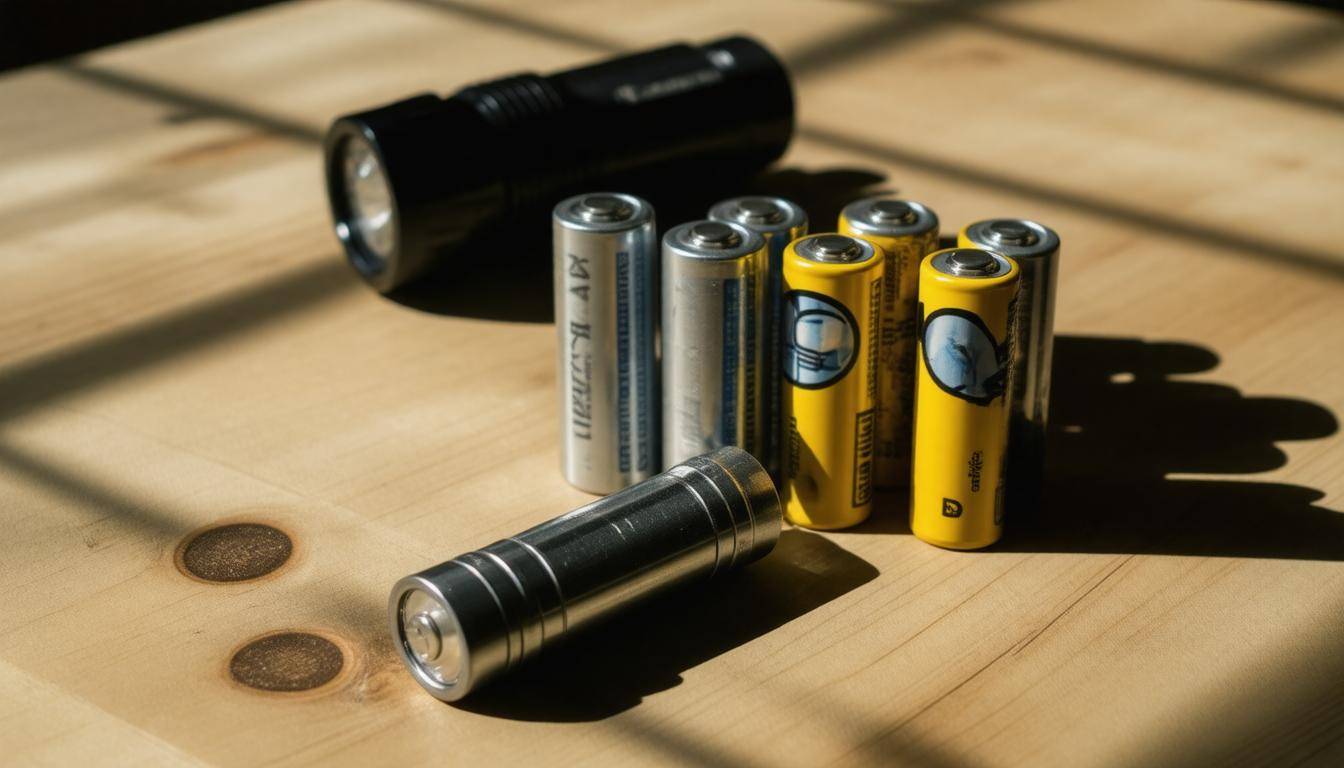
Alkaline batteries have established themselves as the go-to choice for many everyday devices, particularly in emergency situations where reliability is paramount. With a nominal voltage of 1.5 volts and an energy density of approximately 100-150 Wh/kg, these batteries offer a commendable balance between cost-efficiency and performance. They are particularly popular for powering essential equipment like flashlights and smoke detectors, where having a dependable power source can make all the difference in critical moments.
One of the standout features of alkaline batteries is their impressive shelf life, which can typically range between 5 to 10 years depending on storage conditions. This means you can store them away in your emergency kit and trust that they will be ready to function when needed. Additionally, they perform well across a broad temperature range from -20°C to 54°C (-4°F to 130°F), making them reliable for both outdoor adventures and indoor preparations alike.
It’s interesting how alkaline batteries manage to deliver reliable performance without being overly complex or expensive. Their design tends to make them user-friendly and accessible for most users.
Limitations are Noteworthy
Despite their numerous advantages, alkaline batteries do come with limitations. They can struggle in high-drain environments; if you’re using equipment that requires quick bursts of energy—like digital cameras or certain medical devices—you might notice a drop in performance. Another aspect of concern for those storing these batteries long-term is their self-discharge rate—it typically hovers around 2-3% per year at room temperature. Thus, if they sit unused for extended periods, you may find some loss of capacity by the time you need them.
It’s essential to recognize these trade-offs while considering what battery type aligns best with your specific needs during emergencies or regular usage. While alkaline batteries serve admirably for low-drain devices, if your gear demands a lot of energy quickly or frequently, exploring options like lithium-ion or NiMH batteries might provide better results.
Understanding the capabilities and limitations of different battery types serves as a foundation for making informed decisions about their use in emergency situations. This knowledge leads us to investigate specific battery technologies known for their high-energy performance, vital for various demanding applications.
Lithium Batteries

Lithium batteries are renowned for their exceptional energy density, often exceeding 300 Wh/kg. This impressive characteristic means that they offer a long-lasting power source, which is why they’ve found their way into essential emergency equipment. Think of devices like portable oxygen concentrators and communication tools; these life-saving gadgets need reliable power over extended periods, especially in emergencies when every second counts.
The ability to store more energy in a relatively small package translates into less frequent replacements or recharges, allowing users to focus on what really matters during a crisis—survival and effective communication. It’s fascinating to consider how the development of high-density lithium batteries has transformed not just personal gear but entire industries relying on consistent and potent energy sources.
Reliability in Extreme Conditions
Another compelling aspect of lithium batteries is their reliability in extreme conditions. Unlike other battery types, they exhibit significantly less sensitivity to harsh temperatures, making them perfect for demanding environments. For instance, studies have shown that lithium batteries can retain up to 95% capacity at temperatures as low as -20 degrees Celsius. In contrast, many other battery types perform poorly under such conditions, quickly losing their ability to hold charge and risking complete failure.
When you consider this performance metric, it becomes evident that lithium batteries are designed for the unpredictable scenarios we often face in emergencies. For outdoor enthusiasts, first responders, or anyone who might find themselves in extreme conditions, the knowledge that your lithium-powered device will function as expected can be invaluable.
This reliability makes them a superior choice for critical emergency gear where every ounce of energy must count when time is of the essence. As we explore further, let’s now consider another prominent battery type that has been widely used for many years.
Lead-Acid Batteries
One of the defining characteristics of Lead-Acid batteries is their propensity for heavy-duty applications, allowing them to excel in environments where robust power delivery is necessary. These batteries are particularly well-suited for emergency power backup systems, such as uninterruptible power supplies (UPS) used in data centers and critical facilities. Their ability to provide substantial starting currents makes them a key player in systems that require immediate power availability during outages.
Heavy-Duty Applications
You can often find Lead-Acid batteries in commercial settings, from hospitals to telecommunication centers, where reliability is paramount. Their strength lies in their design—a simple yet effective construction allows them to store energy efficiently and release it rapidly when needed.
For example, if you’ve ever visited a hospital, chances are you’ve seen their backup systems equipped with Lead-Acid batteries powering essential equipment during emergencies. This level of dependability is invaluable when every second counts, showcasing why they remain a popular choice for high-capacity applications.
Cost Effectiveness
Despite the bulkiness and weight associated with Lead-Acid batteries, what makes them appealing is their cost-effectiveness. Compared to many other battery types on the market, lead-acid options generally come with a lower price tag. This affordability allows businesses and consumers alike to invest in large-scale emergency power solutions without breaking the bank.
To draw from personal experience: when outfitting a small business with an emergency lighting system, I found that Lead-Acid batteries offered the best balance between budget and functionality. Hospitals not only rely on these batteries for emergency lighting but also for various medical devices that require consistent operation. The upfront costs are low enough that even smaller institutions can afford to install comprehensive emergency systems that utilize these durable batteries.
However, while the initial investment is minimal, users must be mindful of their shorter lifespan compared to newer technologies. This leads us naturally into discussing another reliable option known for its distinct characteristics and advantages.
Nickel-Cadmium Batteries
Nickel-Cadmium (NiCd) batteries have long served as a reliable choice in emergency equipment, cherished for their durability and consistent reliability. These batteries typically have an energy density ranging from 45 to 80 Wh/kg, storing a moderate amount of energy relative to their weight. However, what really sets them apart is their impressive cycle life; NiCd batteries can endure up to 1,500 charge-discharge cycles without significant degradation in performance. This characteristic makes them especially suitable for high-frequency use in demanding applications, where frequent recharging is necessary.
NiCd batteries find favor in many critical settings. For instance, you’ll often spot them powering two-way radios, where clear communication is essential during emergencies. Medical devices also rely on these batteries, ensuring that equipment like defibrillators or infusion pumps function reliably when needed most. You might even encounter NiCd batteries in professional video cameras—units that demand performance and longevity to capture fleeting moments flawlessly.
While they provide great benefits for performance-oriented applications, it’s essential to be aware of their environmental impact as well.
The downside? NiCd batteries contain cadmium, a toxic heavy metal that poses significant environmental hazards. This toxicity necessitates responsible disposal practices because improper handling can lead to soil and water contamination. Therefore, before choosing NiCd batteries for your needs, take a moment to weigh the pros against the cons, especially regarding sustainability and environmental regulations in your area.
Although manufacturers work hard on developing efficient recycling processes for cadmium-bearing batteries, consumers must remain vigilant about how they dispose of used batteries. Always look for local recycling programs that handle hazardous waste materials if you decide to use NiCd batteries.
If the ideal balance of reliability and efficiency is your primary criterion for emergency devices, then consider proceeding with Nickel-Cadmium batteries despite the environmental issues—they can serve reliably if paired with eco-friendly disposal practices afterward. Understanding this choice’s implications will empower you to make informed decisions not just for performance but also for sustainability.
As we transition from considering basic battery types to assessing their actual performance metrics, it’s crucial to explore factors that can significantly influence your decision-making process.
Evaluating Battery Performance
When it comes to batteries for emergency equipment, several key metrics can determine how well a battery will perform under pressure. Energy density is the first metric to consider; it refers to the amount of energy a battery can store in relation to its weight. A higher energy density means that the battery can deliver more power for a longer duration without being cumbersome. For instance, lithium batteries boast an impressive 300+ Wh/kg, making them ideal for portable devices where weight matters.
Then we have cycle life, which indicates how many charge and discharge cycles a battery can endure before its performance significantly degrades. Lithium batteries often range between 500 to 1000 cycles, whereas lead-acid batteries offer a meager 200-300 cycles. This difference can be crucial for devices that are expected to be charged and discharged repeatedly. Think about it: if you’re relying on backup power during an emergency, you want a battery that won’t fail after just a few uses.
The self-discharge rate is another important player in this performance game. This metric represents the percentage of charge lost per month when a battery isn’t in use. For example, while alkaline batteries have minimal self-discharge (less than 1%), lead-acid options can lose around 5% each month. In emergencies, this could mean the difference between having reliable power or finding yourself with a dead battery when you need it most.
To visualize these differences:
| Battery Type | Energy Density (Wh/kg) | Cycle Life (Cycles) | Self-Discharge Rate (% per month) |
|---|---|---|---|
| Alkaline | 250 | N/A | <1 |
| Lithium | 300+ | 500-1000 | 2-3 |
| Lead-Acid | 30-50 | 200-300 | 5 |
| NiCd | 45-80 | 1500 | 10 |
By closely examining these metrics, consumers gain valuable insights into which battery type suits their specific needs. This understanding enhances decision-making and contributes to long-term reliability in emergency preparedness. As we transition to the next section, let’s explore effective strategies for selecting the most appropriate battery for your situation.
How to Choose the Right Battery
Selecting the appropriate battery for your emergency equipment may seem overwhelming at first, but breaking it down into manageable steps significantly eases the process. The first step is to identify equipment requirements. Take a close look at the specifications of your devices, paying special attention to their power needs. High-drain devices like professional flashlights or portable radios require batteries with higher energy density for optimal performance. Understanding these details helps you avoid purchasing batteries that could drain quickly or not provide sufficient power when you need it most.
Now that you know what your equipment requires, it’s essential to consider how these batteries will perform under various conditions.
The next crucial aspect is to consider environmental conditions. If your emergency equipment will be used in extreme temperatures—whether hot or cold—selecting an appropriate battery type is paramount. Lithium batteries tend to excel in such situations due to their stable performance across a range of temperatures. Other types, like alkaline batteries, might falter under stress and ultimately impact your equipment’s reliability during emergencies. Therefore, take time to evaluate where and how you’ll use your devices.
Once you’ve assessed the requirements and environmental factors, budgeting for quality versus longevity becomes a major consideration.
This leads us to evaluate cost vs. longevity. On the surface, rechargeable batteries may seem expensive due to their higher upfront costs compared to disposables. However, consider their lifespan; they can last significantly longer when properly maintained and charged. Over time, this translates into savings since you won’t need to constantly restock disposable options. Thus, calculate long-term costs in relation to how frequently you plan to use these batteries before making a choice based purely on price.
Another vital aspect of battery selection that is often overlooked involves ensuring proper disposal and adherence to regulations.
Make sure to check regulatory compliance for any batteries you choose, especially regarding safe disposal methods and environmental impacts. Different types of batteries have various regulations: for instance, nickel-cadmium (NiCd) batteries come with stringent disposal requirements due to toxicity concerns. By being aware of these guidelines ahead of time, you’ll be making an informed choice that’s beneficial for your emergency readiness and responsible towards the environment.
By following this structured approach—identifying equipment requirements, considering environmental conditions, evaluating cost versus longevity, and ensuring regulatory compliance—you position yourself better for selecting the right battery for your emergency equipment needs. The result? A reliable power source that keeps you ready for whatever nature throws your way!
In summary, understanding your equipment’s needs and choosing the right battery type can significantly enhance your emergency preparedness strategy.
Which type of battery offers the best energy density for compact emergency gear?
Lithium-ion batteries offer the best energy density for compact emergency gear, typically delivering around 150-250 Wh/kg compared to lead-acid batteries, which only provide about 30-50 Wh/kg. This high energy density allows lithium-ion batteries to store more energy in a smaller and lighter package, making them ideal for portable applications where space and weight are critical in emergency situations.
How do temperature fluctuations affect the performance of different battery types in emergencies?
Temperature fluctuations significantly impact battery performance in emergencies, as most batteries operate optimally at room temperature (around 20-25°C). For example, alkaline batteries may lose up to 50% of their capacity in extreme cold (below -20°C), while lithium-ion batteries can experience reduced efficiency and potential overheating in high heat (above 60°C). Such variations can lead to unreliable power supplies when immediate energy is needed, underscoring the importance of selecting the right battery type based on environmental conditions.
What is the average lifespan of batteries commonly used in emergency devices?
The average lifespan of batteries commonly used in emergency devices varies by type; for instance, alkaline batteries typically last 5-10 years, while lithium-ion batteries can last 2-3 years but often have a higher cycle life, allowing for more charging and discharging. Nickel-metal hydride (NiMH) batteries generally offer around 3-5 years of useful life with regular maintenance. It’s important to consider the specific application and environmental factors, as extreme temperatures can significantly affect battery longevity.
What are the differences between lithium-ion and lead-acid batteries for use in emergency equipment?
The primary differences between lithium-ion and lead-acid batteries for emergency equipment lie in energy density, weight, lifespan, and recharge time. Lithium-ion batteries typically have a higher energy density (150-250 Wh/kg) compared to lead-acid batteries (30-50 Wh/kg), making them more efficient and lighter—crucial for portable emergency gear. Additionally, lithium-ion batteries can last up to 2,000 charge cycles versus 500-1,000 for lead-acid, greatly enhancing reliability. Lastly, lithium-ion batteries recharge significantly faster, often within a couple of hours, compared to the slow recharge time of lead-acid batteries. These factors make lithium-ion the preferred choice when weight and efficiency are priorities in emergency situations.
How does battery maintenance differ among the various types used in emergency situations?
Battery maintenance for emergency equipment varies significantly among types due to their chemistry and usage demands. For instance, lead-acid batteries require regular topping off with distilled water to prevent sulfation and maintain capacity, while lithium-ion batteries are generally maintenance-free but need periodic cycling to maximize lifespan. A study showed that properly maintained lead-acid batteries can last up to 5-7 years, whereas lithium-ion options might reach 10 years or more with minimal care. Ultimately, understanding specific requirements is crucial for ensuring reliability during emergencies.